

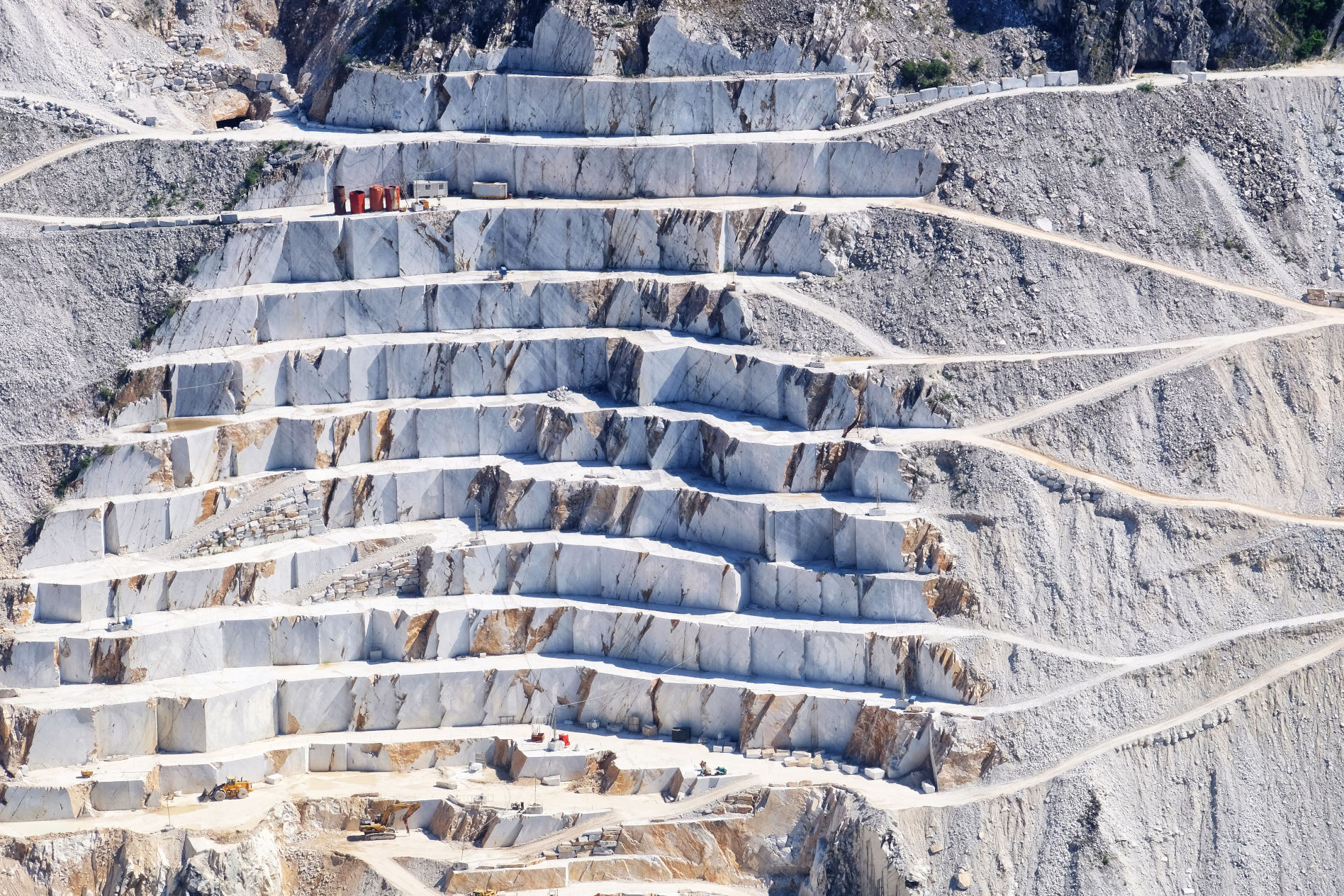
A e taofi e mafaufau i ai, o le maʻa masani e avea ma faʻavae o lo tatou faʻaonaponei faʻaonaponei i se auala tele. Mai fale matou te nonofo ai, galulue ma faʻatau i totonu o le eleele matou te savavali ai ma tietie i luga, ola e aunoa ma lenei punaoa faanatura taua e faigata ona mafaufau i ai.
O le faigamalaga o ituaiga eseese o maa faanatura take from the depths of the earth and into the construction of homes, commercial buildings and roads is a fascinating one. Let us dive in and explore the origins of natural stone and how it’s made.
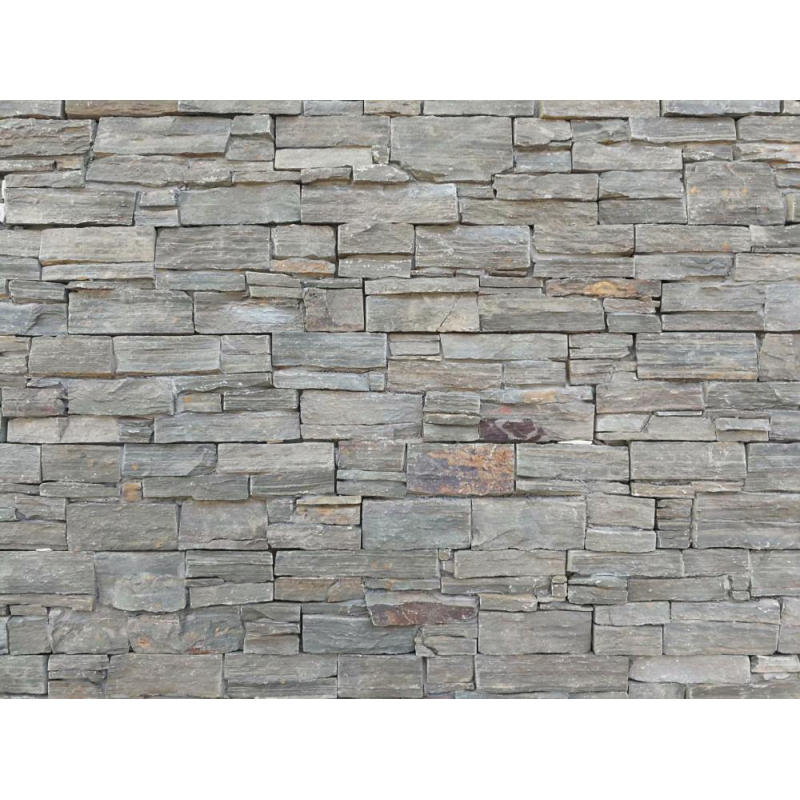
E mafai ona fa'avasegaina ma'a masani i ni auala se tolu: Igneous, Sedimentary ma Metamorphic.
Igneous rocks are the result of magma or lava solidifying and cooling, either beneath the earth’s surface or ejected from volcanoes and left to cool above-ground. Granite is the most common form of igneous stone but other kinds include basalt, dunite, rhyolite and gabbro.
Sedimentary rocks form through a combination of fragments from other rocks, along with the remains of plants, animals and other organic materials. These materials accumulate in deserts, oceans and lakes before they are compressed into their final form by the weight of the earth above them. Limestone is the most common sedimentary rock with siltstone, dolomite and shale comprising other variations.
Metamorphic rocks previously existed as igneous or sedimentary stones and were then transformed due to heat and pressure applied through exposure to magma, the weight of earth above them when buried deep underground, or a combination of both. Marble is the most famous stone of the metamorphic variety and quartzite, soapstone, gneiss and jade, among others, round out this fascinating category.
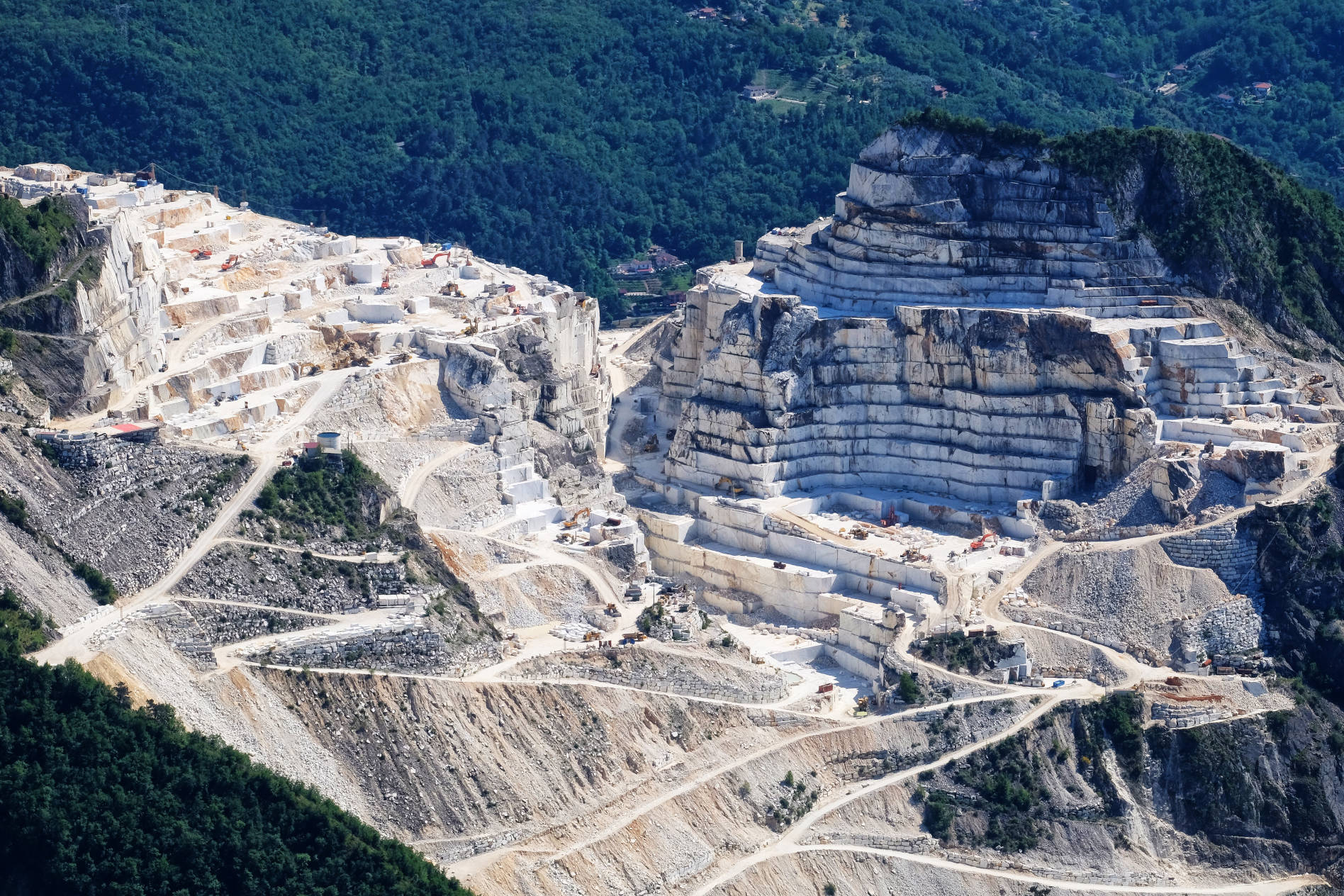
Maamora Quarry i Tuscany
A maeʻa ona tausia e le natura le laasaga muamua i le faia moni o le maʻa, o le isi laasaga o le aveeseina ma le toe faʻamoemoeina o le maʻa mo le faʻaaogaina e faia e lima o tagata i fale maʻa i le lalolagi atoa.
O le fa'agasologa o le eliina o ma'a e lautele ma e mana'omia ai masini mamana fa'atasi ai ma tagata faigaluega fa'apitoa. Aʻo leʻi mafai ona paʻi i le maʻa, o loʻo i ai se lisi umi o gaioiga e manaʻomia ona fai.
Muamua, e tatau i se vaega o tagata su'esu'e su'esu'e ona su'e ma'a i totonu o se eli e mafai ona su'esu'eina. Sosoo ai, e ave se fa'ata'ita'iga o le ma'a e ala i le viliina i totonu o le ma'a fa'atasi ai ma ni vili mataimane. Ona su'esu'e lea o le fa'ata'ita'iga e iloa ai pe iai uiga mana'omia e fa'aoga e fai ma mea faufale.
A fa'apea o le ma'a e fetaui ma le pili mo fa'amoemoega faufale, o le umi ma e masani ona fa'ato'a fa'agasolo i le mauaina o laisene talafeagai ma pemita mai le malo fa'alotoifale. Fa'alagolago i le atunu'u ma le setete, e mafai ona umi tausaga e fa'amae'a ai.
O le taimi lava e tu'uina atu ai le fa'atagaga mulimuli, e amata loa ona fa'amamaina so'o se otaota, palapala ma isi fa'alavelave e ono fa'alavelave ai le faiga o le eliina. E faaopoopo atu i lenei faigata o le mea moni e faapea o le tele o le eli o loʻo taoto i nofoaga mamao ma le mafai ona oʻo i ai, e manaʻomia ai auala atoa ma tunnels e fausia aʻo leʻi amataina le galuega moni.
O le tu'ufa'atasiga o ili uaea taimane, sulu malosi ma fa'apā fa'a taimi e fa'aaoga e vavae'ese ai ma'a mai foliga o le fale. O poloka tetele e maua, lea e masani ona ova atu i le fasefulu tone le mamafa, ona ave lea i se nofoaga mo le toe tipiina ma le gaosiga.
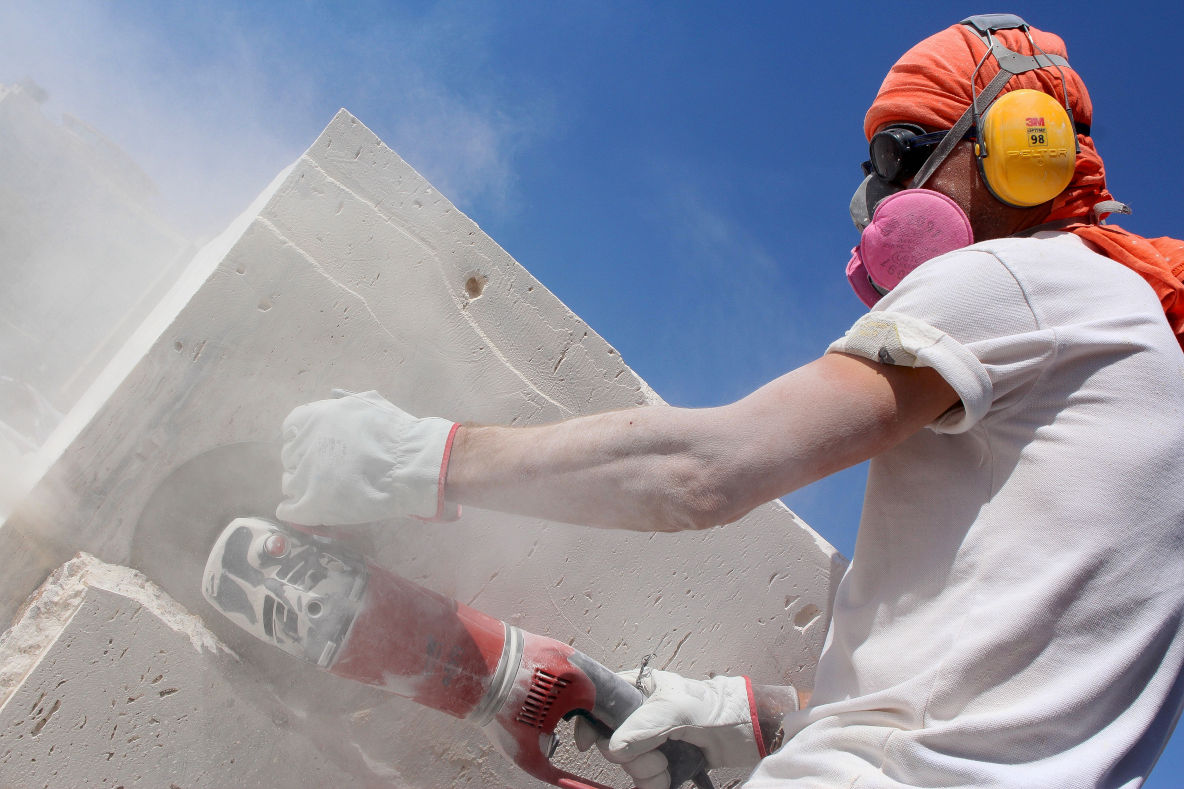
Osi Ma'a a le tagata faigaluega eli
I le fale gaosi mea, o poloka maa e tipiina i ni papa e ala i ili saosaoa maualuga e faʻamatuʻu ai foi le vai aʻo tipiina e faʻaitiitia ai le pefu. E ui i le saoasaoa latou te fa'agaioi ai, e masani lava e lua aso e fa'auma ai le tipiina e le kegi se poloka ma'a e 20 tone.
O le isi mea, e auina atu le paʻu e ala i se masini faʻalelei e tuʻuina atu ai le faʻamaeʻaina manaʻomia. O le fa'aiila o le fa'au'uga sili lea ona fa'ama'i, pa'u ma pulumu o isi filifiliga e maua ai tikeri eseese o mea i luga o le ma'a.
Now that the slabs are cut to the correct size and have the desired finish, the final stage in a natural stone’s journey into your home takes place at the fabricator’s facility. Here, the stone slabs are further cut to specification for each individual project which includes shaping of the edges into the detail required for installation.
Now that you know the incredible journey that natural stone takes from deep inside the earth and into your kitchen, I’m sure you’ll agree that it is certainly worth the wait. Thanks to advancements in the industry over the years and the demand that exists for natural stone of all kinds, you don’t actually have to sit around while your marble, quartzite or granite is quarried and processed.
 Aferika
  Alapania
  Amharic
  Alapi
Alapi  Armenian
  Azerbaijani
  Basque
  Pelalusiana
  Bengali
  Bosnian
  Bulgarian
  Katalana
  Sepuano
  Saina
Saina  Saina (Taiwan)
  Kosikana
  Croatian
  Czech
Czech  Danish
  Siamani
  Igilisi
  Eseperano
  Estonian
  Finnish
  Falani
  Frisian
  Galician
  Georgian
  Siamani
  Greek
Greek  Gujarati
  Haiti Kereole
  Hausa
Hausa  Havaii
  Eperu
Eperu  Leai
Leai  Miao
Miao  Hungarian
  Icelandic
  igbo
igbo  Indonesian
  Aialani
  Italia
  Iapani
  Javanese
  Kannada
  Kasaka
  Khmer
Khmer  Rwanda
  Kolea
Kolea  Kutisa
  Kirikisi
  TB
TB  Latina
  Latvian
  Lituaniana
  Lusemipoukisi
  Macedonian
  Malgashi
  Malay
Malay  Malayalam
  Maltese
  Maoli
Maoli  Marathi
  Mokoliana
  Myanmar
  Nepali
  Norwegian
  Norwegian
  Occitan
  Pasato
  Persian
  Polish
  Portuguese
  Punitapi
  Lomani
  Lusia
Lusia  Samoa
Samoa  Sikotilani Gaelic
  Serbian
  Igilisi
  Shona
Shona  Sindhi
  Sinhala
  Slovak
  Slovenian
  Somali
  Sipaniolo
  Sundanese
  Swahili
  Swedish
  Tagalog
  Tajik
Tajik  Tamil
Tamil  Tatar
Tatar  Telugu
  Fa'a Thai
  Turkish
  tamaloloa Take
  Ukaraina
  Urdu
Urdu  Uighur
  Uzbek
Uzbek  Vietnamese
  Uelese




