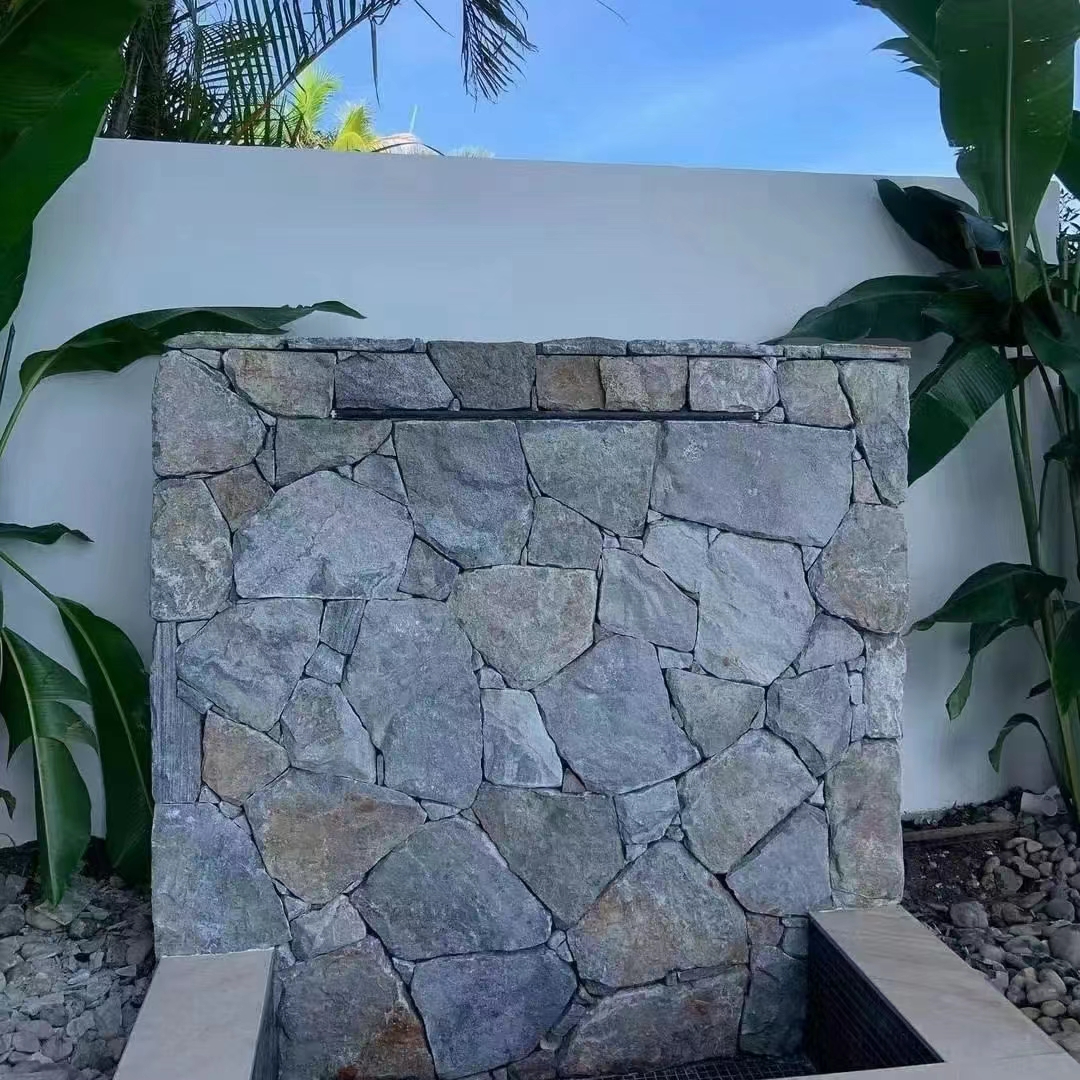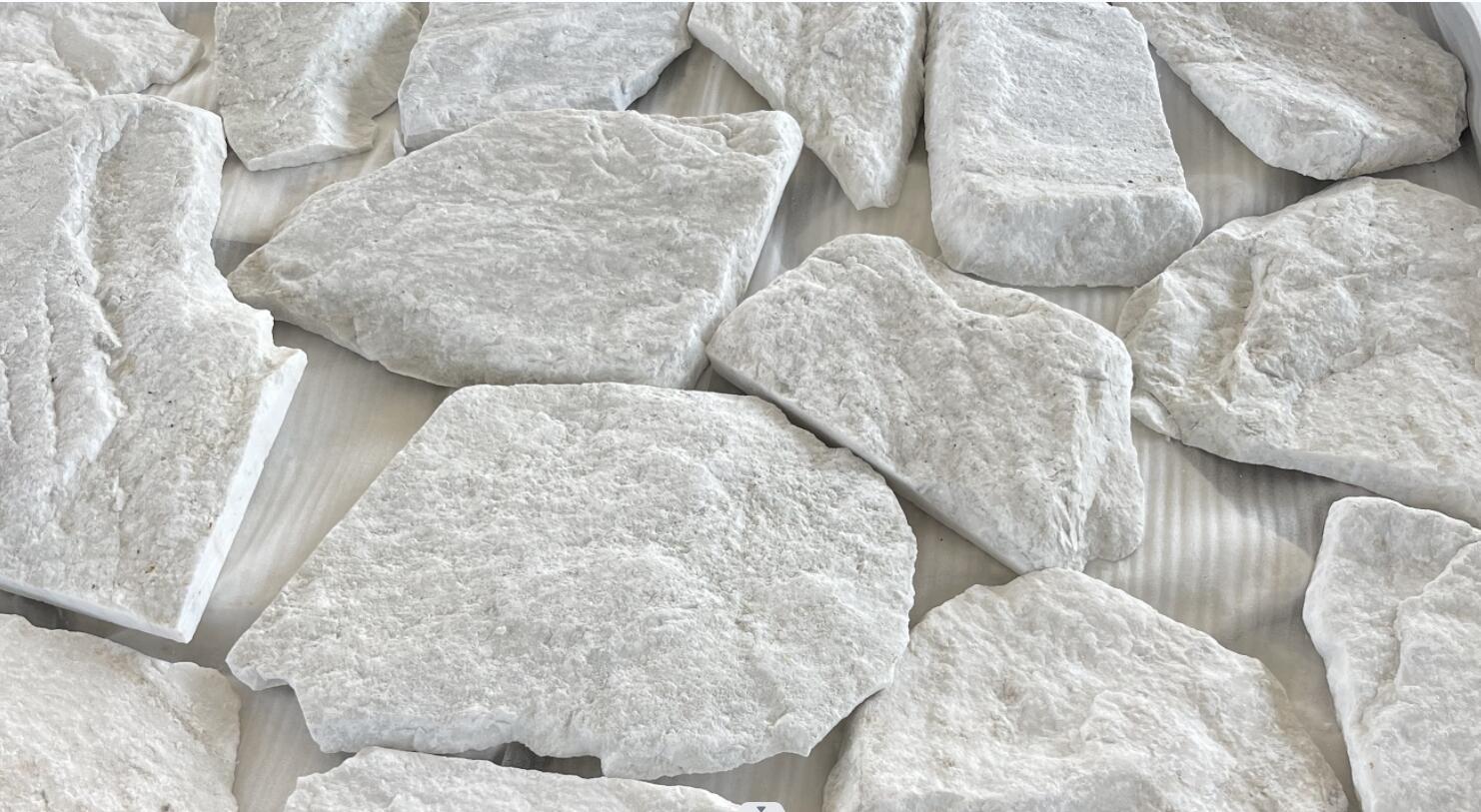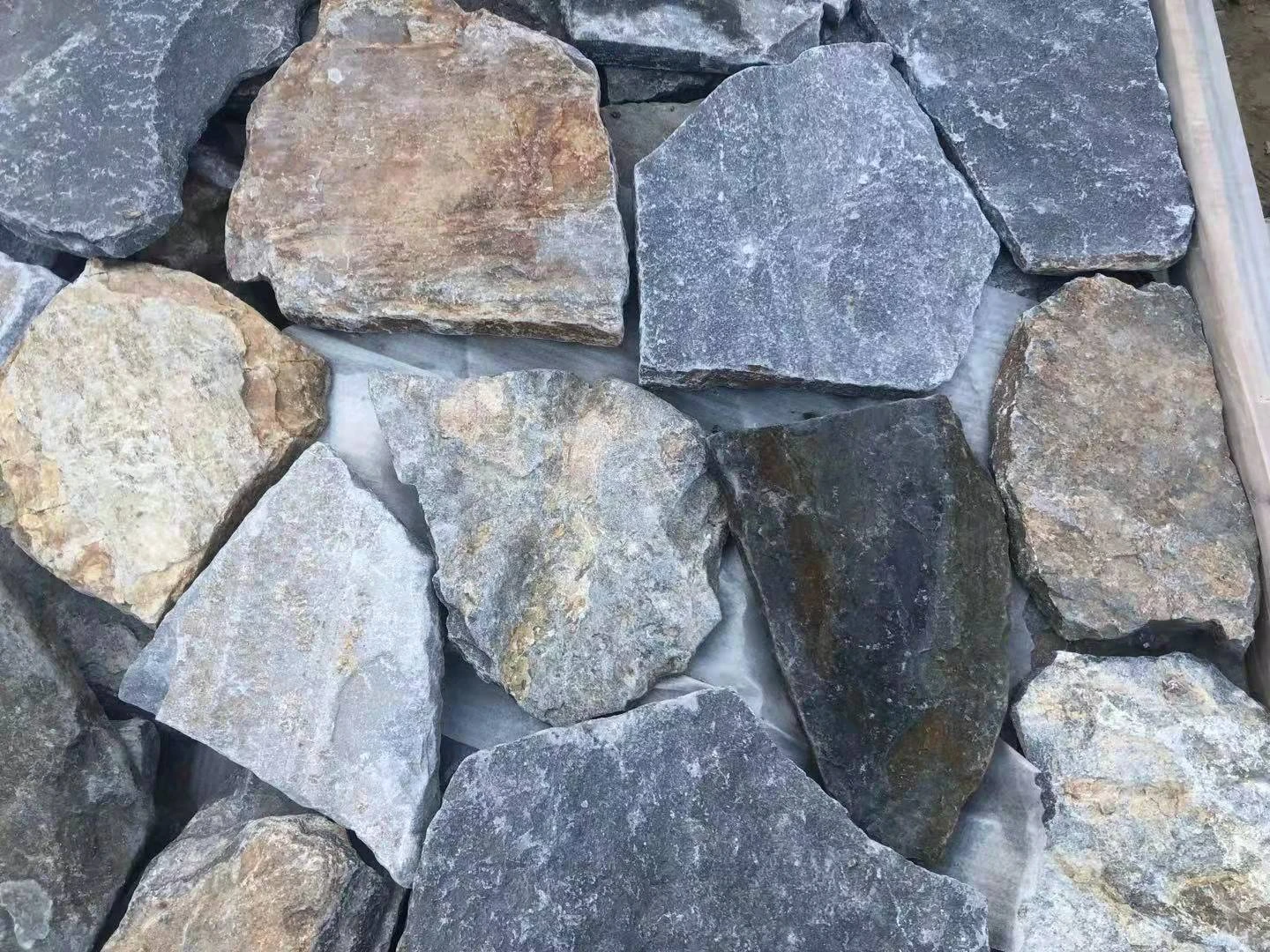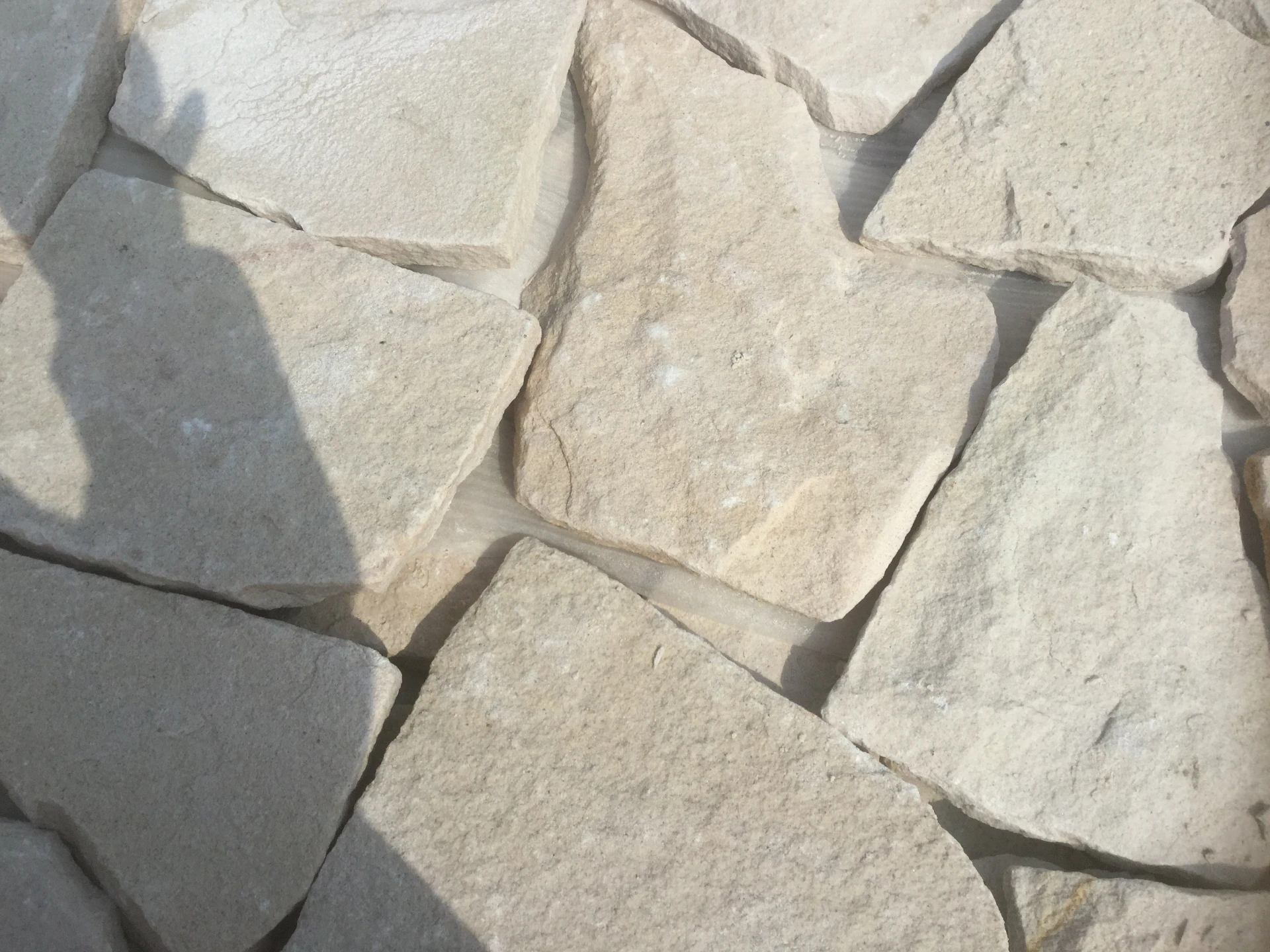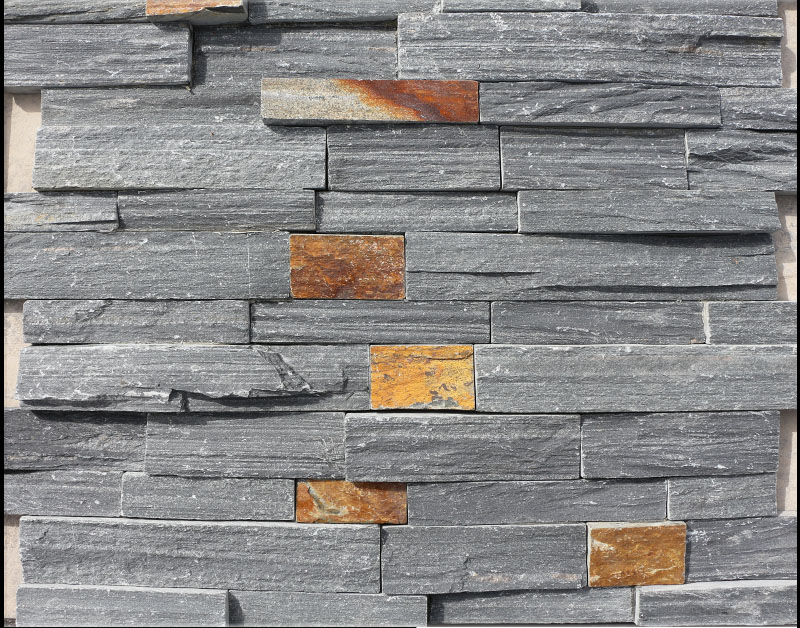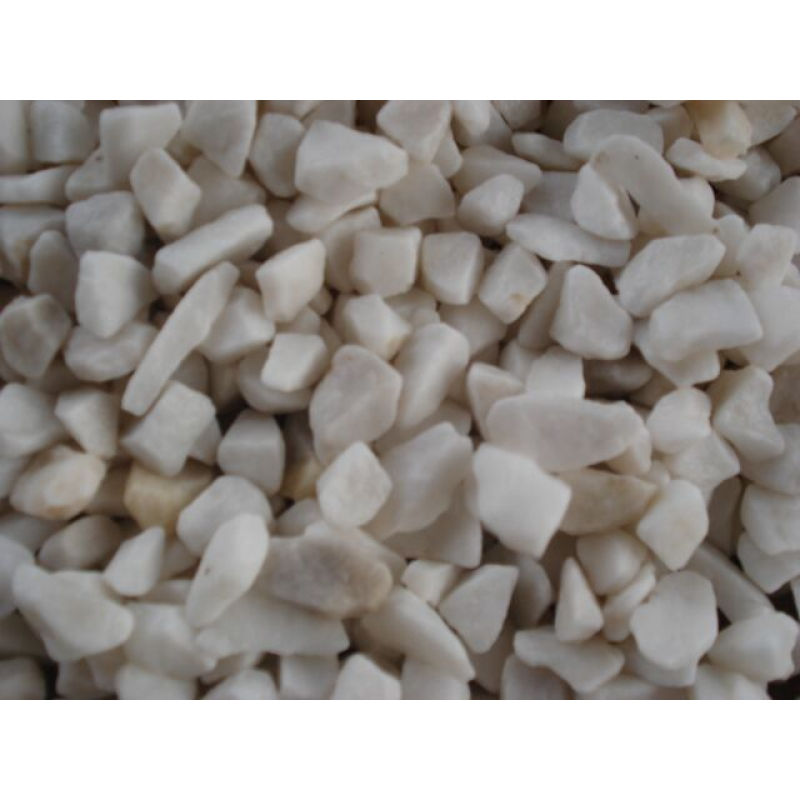
Pentsatzen gelditzen zarenean, harri naturalak gure zibilizazio modernoaren oinarria osatzen du modu handi batean. Bizi, lan egiten eta erosketak egiten ditugun eraikinetatik oinez eta gidatzen garen lurreraino, ezinbesteko baliabide natural hori gabe bizitzea zaila da imajinatzea.
Hainbat formak duten bidaia harri naturala take from the depths of the earth and into the construction of homes, commercial buildings and roads is a fascinating one. Let us dive in and explore the origins of natural stone and how it’s made.
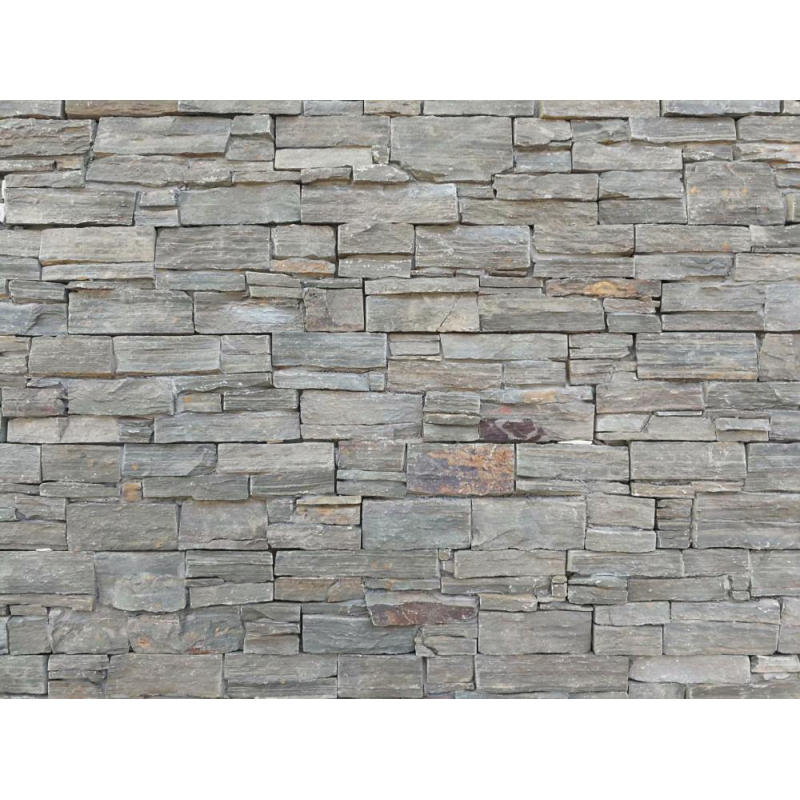
Harri naturala hiru modutan sailkatu daiteke: igneoa, sedimentaria eta metamorfikoa.
Igneous rocks are the result of magma or lava solidifying and cooling, either beneath the earth’s surface or ejected from volcanoes and left to cool above-ground. Granite is the most common form of igneous stone but other kinds include basalt, dunite, rhyolite and gabbro.
Sedimentary rocks form through a combination of fragments from other rocks, along with the remains of plants, animals and other organic materials. These materials accumulate in deserts, oceans and lakes before they are compressed into their final form by the weight of the earth above them. Limestone is the most common sedimentary rock with siltstone, dolomite and shale comprising other variations.
Metamorphic rocks previously existed as igneous or sedimentary stones and were then transformed due to heat and pressure applied through exposure to magma, the weight of earth above them when buried deep underground, or a combination of both. Marble is the most famous stone of the metamorphic variety and quartzite, soapstone, gneiss and jade, among others, round out this fascinating category.
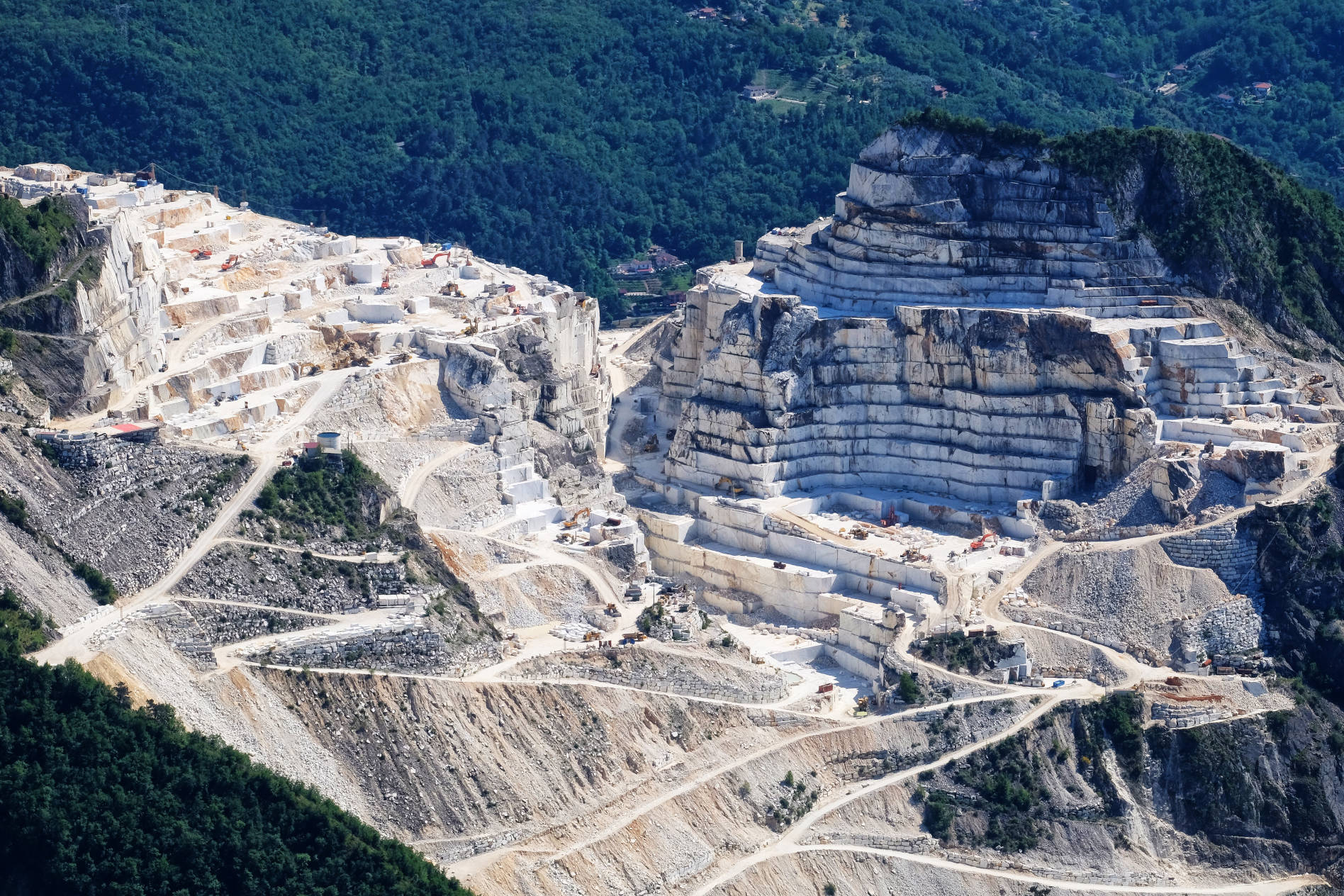
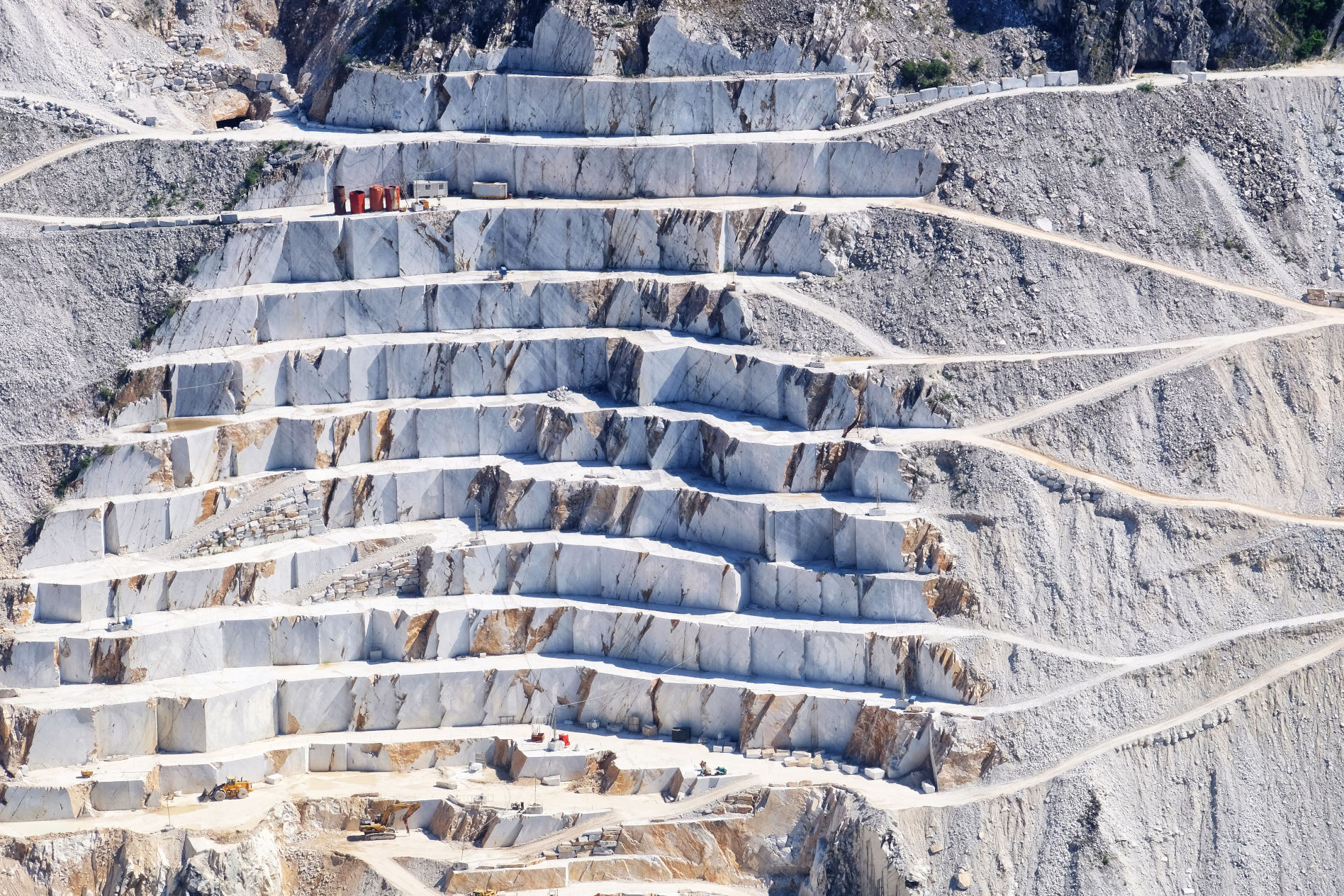
Marmol harrobia Toscanan
Naturak harria benetan osatzeko lehen urratsa zaindu ondoren, harria kentzeko eta berriro erabiltzeko hurrengo urratsa gizakien eskuek egiten dute mundu osoko harri-harrobietan.
Harria ateratzeko prozesua zabala da eta makineria indartsua behar du harrobiko langile trebeekin batera. Harria ukitu aurretik ere egin behar diren ekintzen zerrenda luzea da.
Lehenik eta behin, geologo talde batek aztertu beharreko harrobi batean harri agerraldiak aurkitu behar ditu. Jarraian, harriaren lagin bat hartzen da, harrian diamantedun zulagailuekin zulatuz. Ondoren, lagina aztertzen da eraikuntza-material gisa erabiltzeko nahi diren ezaugarriak dituen jakiteko.
Harria eraikuntza helburuetarako faktura egokitzen dela suposatuz, tokiko gobernuaren lizentzia eta baimen egokiak lortzeko prozesu luzea eta sarritan luzea hasten da. Herrialdearen eta estatuaren arabera, urteak behar izan ditzake hori osatzeko.
Behin betiko onespena emanda, harrobiaren prozesua oztopatuko luketen hondakinak, zikinkeriak eta bestelako oztopoak kentzen hasten dira. Zailtasun horri gehitzen zaio harrobi asko urrutiko eta iristezinezko guneetan egotea, eta bide eta tunel osoak eraiki behar dira benetako obrak hasi aurretik.
Harriak harrobiaren aurpegitik bereizteko diamantezko harizko zerrak, potentzia handiko zuziak eta denborazko lehergailuen detonazioen konbinazioa erabiltzen da. Sortzen diren bloke masiboak, sarritan berrogei tonatik gora pisatzen dituztenak, instalazio batera garraiatzen dira, gehiago mozteko eta prozesatzeko.
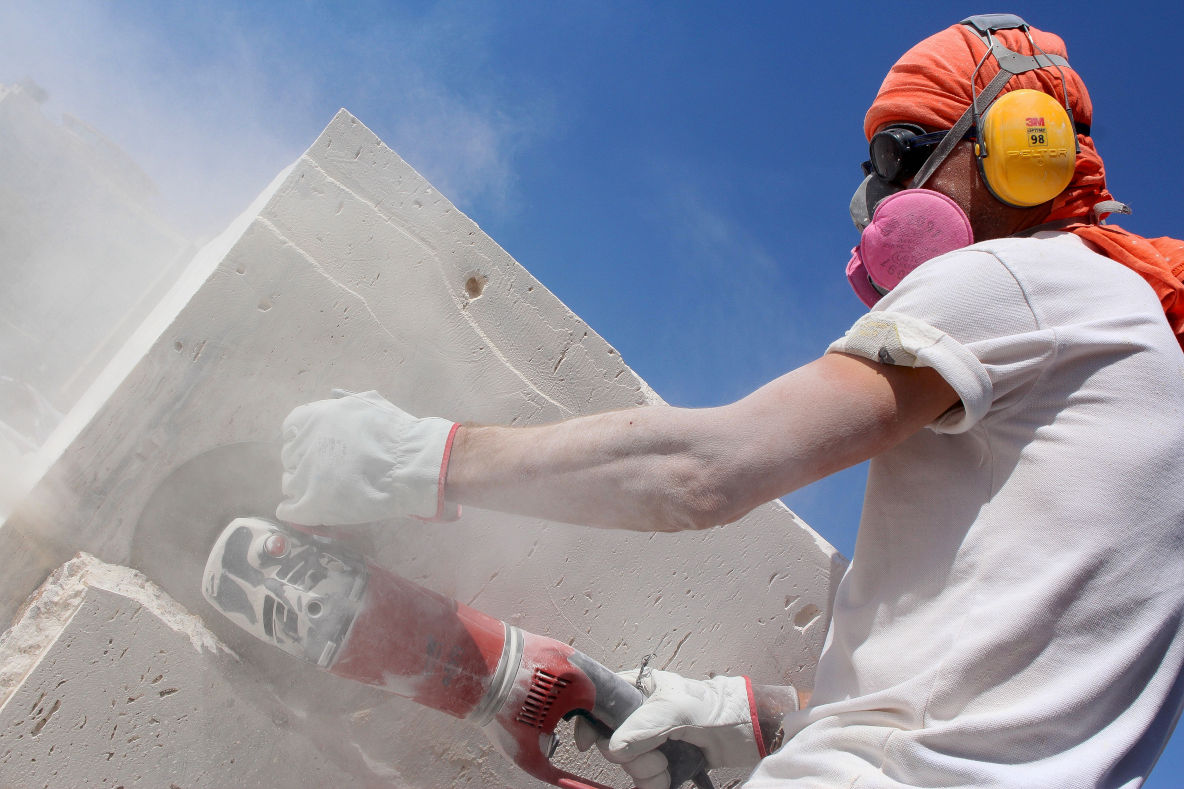
Harrobiko Langilea Harri Mozten
Prozesatzeko instalazioan, harri-blokeak lauzatan mozten dituzte abiadura handiko zerrak kuadrillakoek, eta ebakitzen duten bitartean ura askatzen dute hauts-igorpena murrizteko. Abiadura duten funtzionatzen duten arren, kuadrillako zerrak normalean bi egun inguru behar izaten dituzte 20 tonako harri bloke bat mozten amaitzeko.
Ondoren, xaflak leuntzeko makina baten bidez bidaltzen dira, nahi den akabera emateko. Leundua da akabera ohikoena, harriaren gainazalean ehundura maila desberdinak ematen dituzten beste aukera batzuk leunduak, larruak eta eskuilatuak izanik.
Now that the slabs are cut to the correct size and have the desired finish, the final stage in a natural stone’s journey into your home takes place at the fabricator’s facility. Here, the stone slabs are further cut to specification for each individual project which includes shaping of the edges into the detail required for installation.
Now that you know the incredible journey that natural stone takes from deep inside the earth and into your kitchen, I’m sure you’ll agree that it is certainly worth the wait. Thanks to advancements in the industry over the years and the demand that exists for natural stone of all kinds, you don’t actually have to sit around while your marble, quartzite or granite is quarried and processed.
 afrikarra
  Albaniarra
  Amharikoa
  arabiera
  armeniarra
  Azerbaijangoa
  euskara
  bielorrusiera
  bengalera
  bosniarra
  bulgariera
  katalana
  Cebuano
  Txina
Txina  Txina (Taiwan)
  Korsikera
  kroaziera
  Txekiar
  daniera
  holandarra
  ingelesa
  esperantoa
  Estoniarra
  Finlandiera
  frantsesa
  frisiera
  galegoa
  georgiarra
  alemana
  grekoa
  gujaratera
  Haitiko kreolera
  hausa
hausa  hawaiarra
  hebreera
  Ezetz
Ezetz  Miao
Miao  hungariera
  islandiera
  igbo
igbo  Indonesian
  irlandera
  italiarra
  japoniarra
  javera
  Kannada
  kazakh
  Khmer
Khmer  Ruanda
  Korean
  kurduera
  kirgizera
  TB
TB  latina
  letoniera
  Lituaniera
  Luxenburgera
  Mazedoniera
  Malgashi
  malaysiera
  malayalamera
  maltera
  maoria
  Marathia
  Mongoliera
  Myanmar
  Nepaliarra
  Norvegiara
  Norvegiara
  okzitaniera
  Paxtuera
  pertsiera
  poloniarra
  portugesa
  punjabera
  errumaniera
  errusiera
  samoarra
  Eskoziako gaelikoa
  serbiarra
  ingelesa
  Shona
Shona  Sindhia
  Sinhalera
  eslovakiera
  Esloveniera
  somaliera
  gaztelania
  Sundanera
  Swahilia
  Suediera
  Tagalog
  Tajik
Tajik  Tamila
  tatariarra
  Telugu
  thailandiera
  turkiera
  Turkmenera
  Ukrainara
  Urdu
Urdu  uigurrera
  uzbekera
  Vietnamera
  galesera