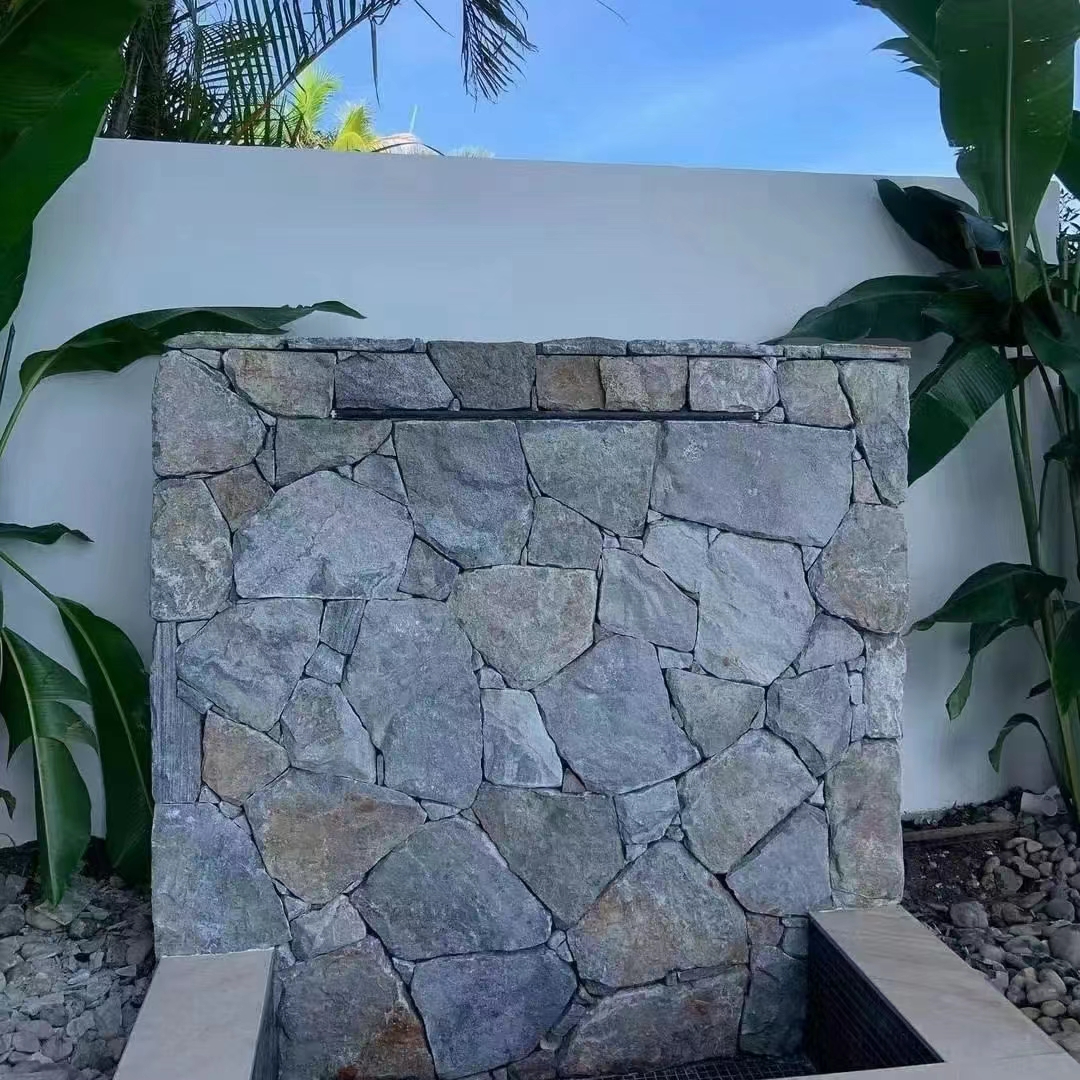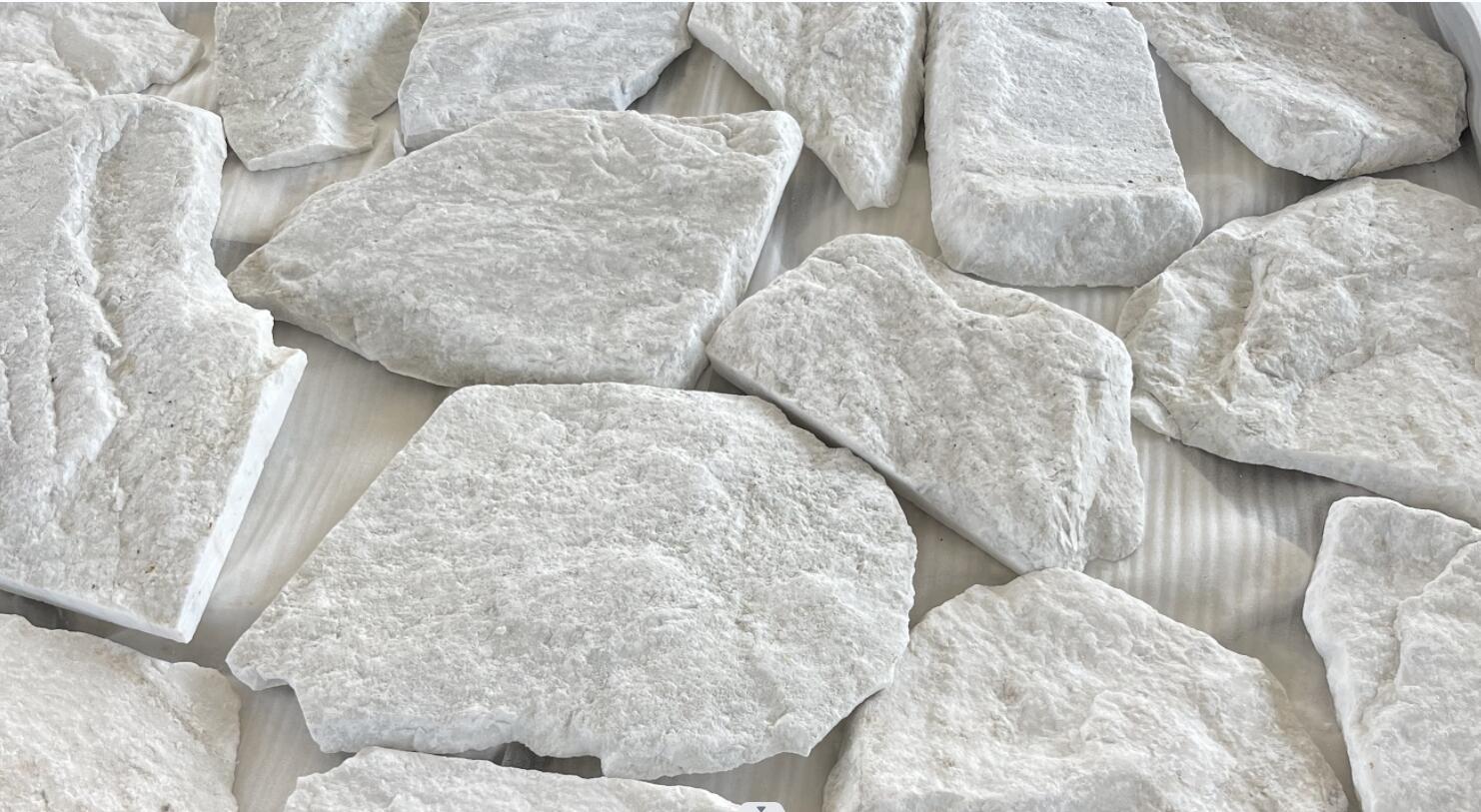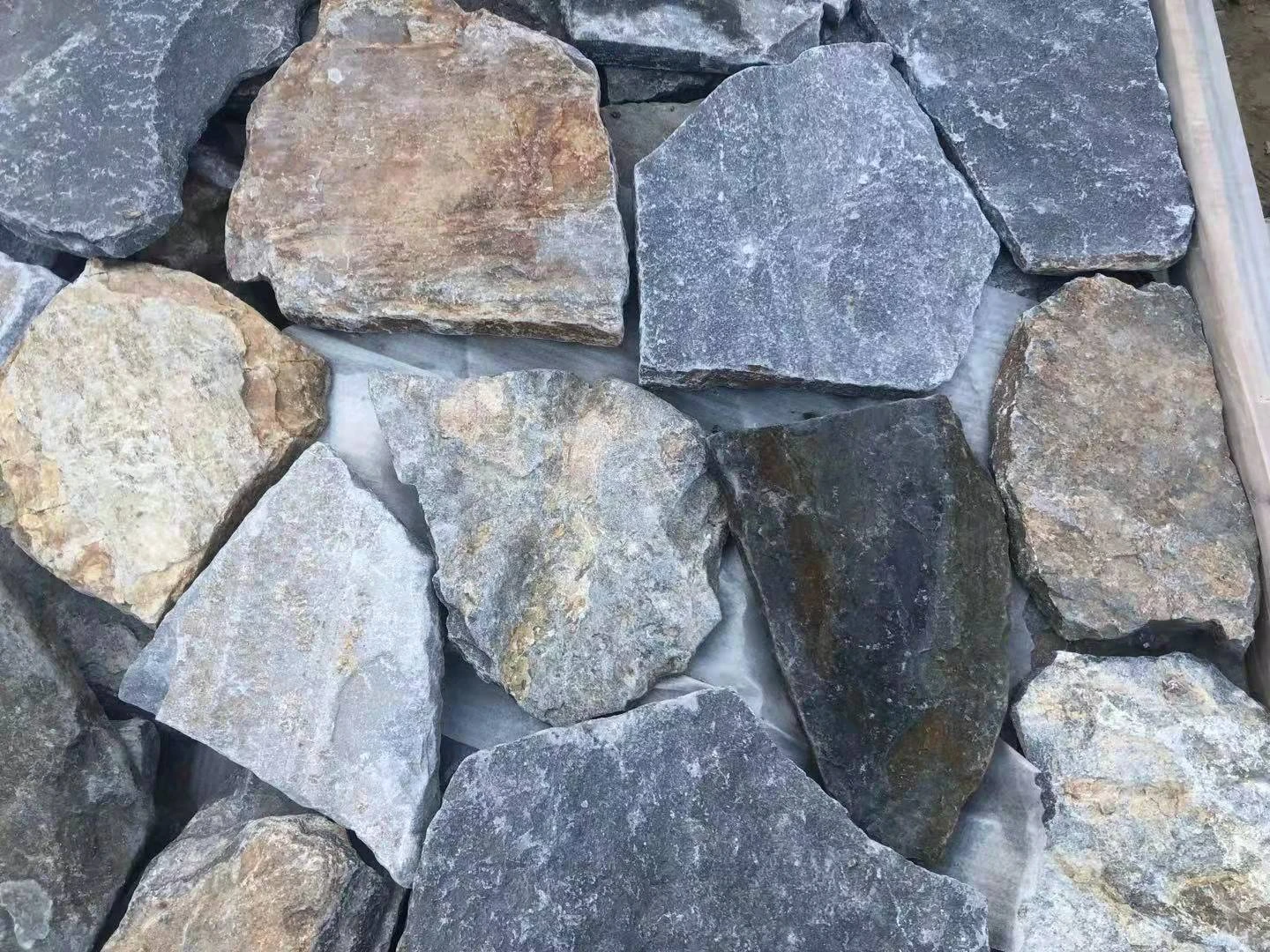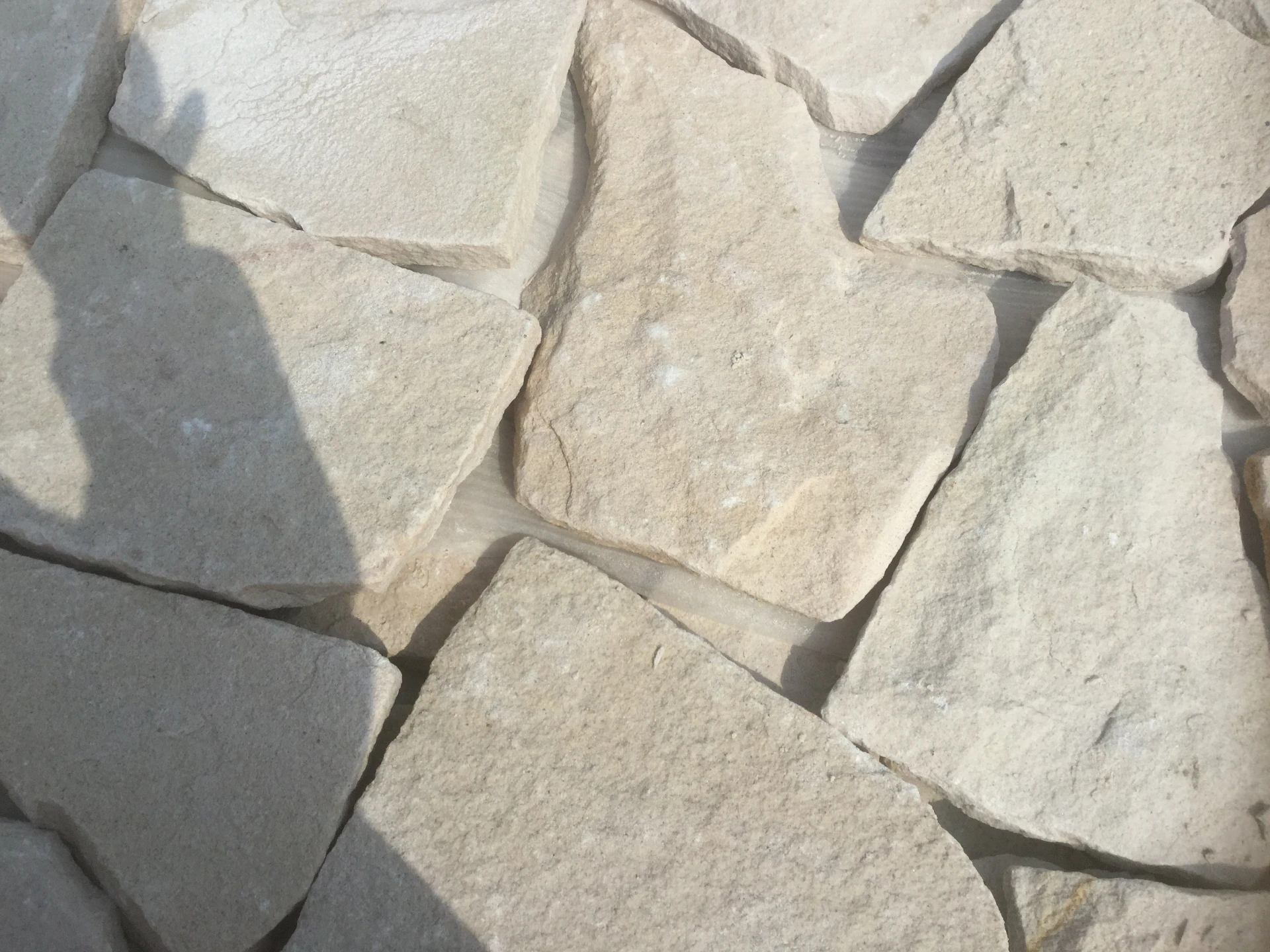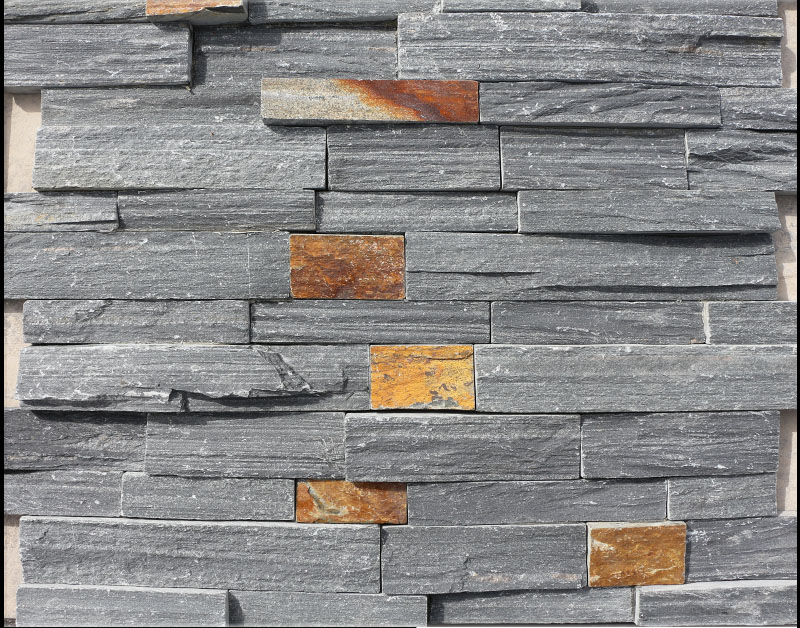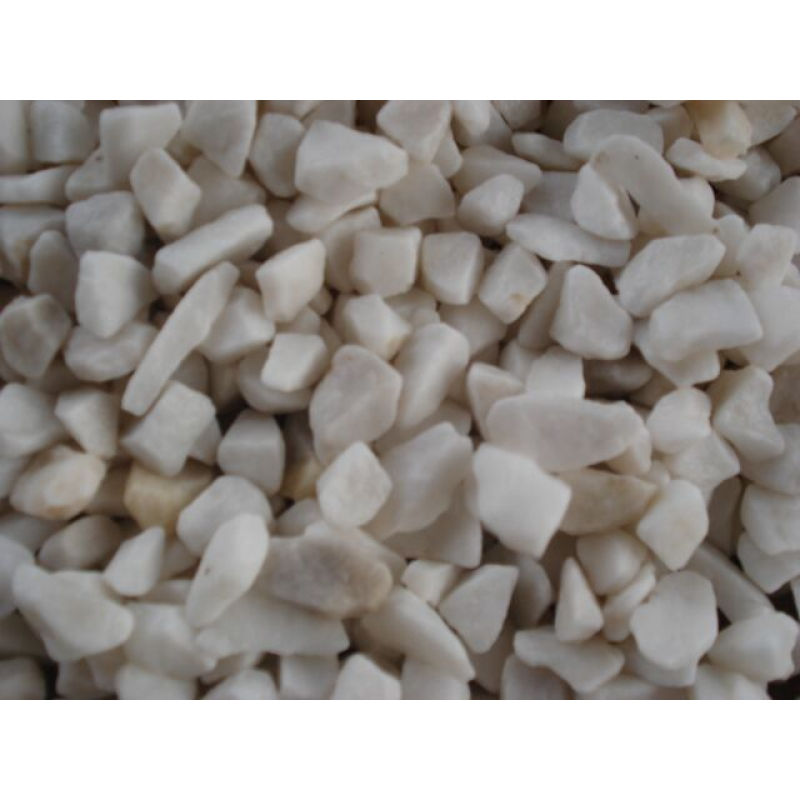
Lè ou sispann reflechi sou li, wòch natirèl fòme baz sivilizasyon modèn nou an nan yon fason gwo. Soti nan bilding nou ap viv, travay ak achte nan tè a nou mache ak kondwi, k ap viv san resous natirèl esansyèl sa a difisil imajine.
Vwayaj la ke fòm yo divès kalite wòch natirèl take from the depths of the earth and into the construction of homes, commercial buildings and roads is a fascinating one. Let us dive in and explore the origins of natural stone and how it’s made.
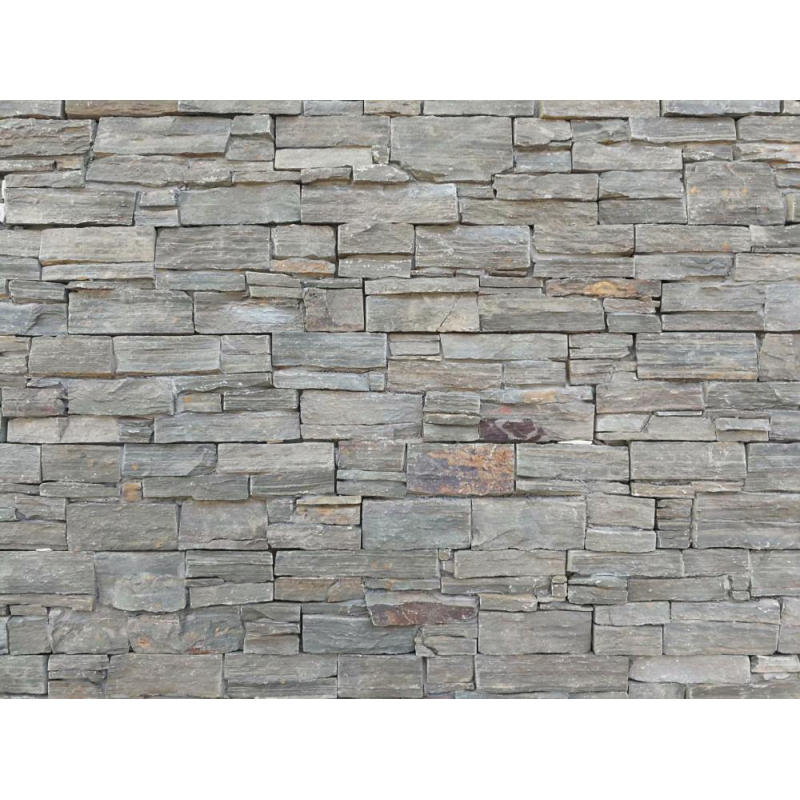
Wòch natirèl ka klase nan twa fason: Inye, Sedimantè ak Metamòfik.
Igneous rocks are the result of magma or lava solidifying and cooling, either beneath the earth’s surface or ejected from volcanoes and left to cool above-ground. Granite is the most common form of igneous stone but other kinds include basalt, dunite, rhyolite and gabbro.
Sedimentary rocks form through a combination of fragments from other rocks, along with the remains of plants, animals and other organic materials. These materials accumulate in deserts, oceans and lakes before they are compressed into their final form by the weight of the earth above them. Limestone is the most common sedimentary rock with siltstone, dolomite and shale comprising other variations.
Metamorphic rocks previously existed as igneous or sedimentary stones and were then transformed due to heat and pressure applied through exposure to magma, the weight of earth above them when buried deep underground, or a combination of both. Marble is the most famous stone of the metamorphic variety and quartzite, soapstone, gneiss and jade, among others, round out this fascinating category.
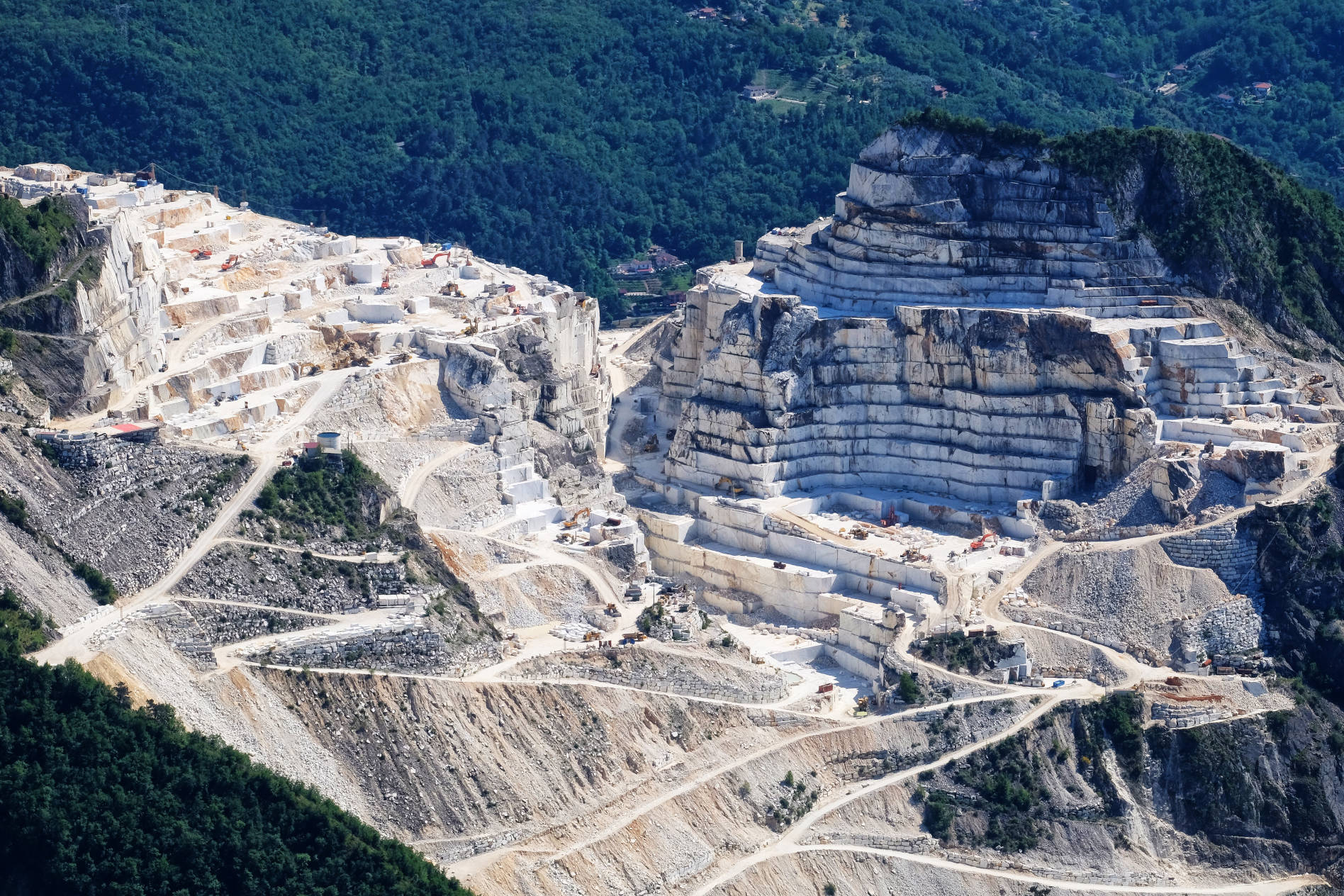
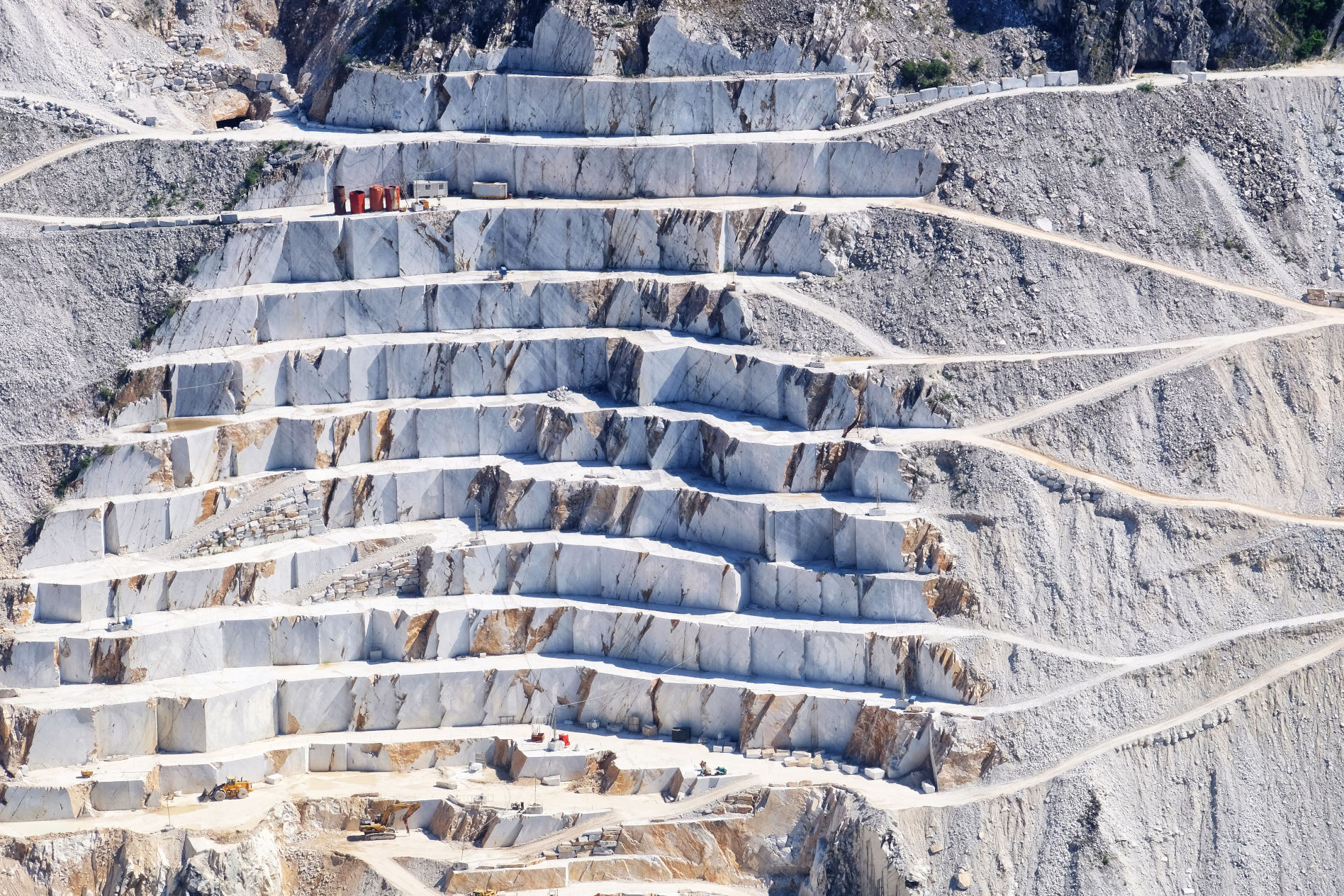
Marble Quarry nan tuscany
Apre lanati pran swen nan premye etap la nan aktyèlman fòme wòch la, pwochen etap la nan retire ak re-purposing wòch la pou itilize se fè pa men moun nan karyè wòch nan tout mond lan.
Pwosesis la nan karyè wòch se vaste epi li mande pou machin pwisan ansanm ak travayè karyè kalifye. Anvan yo ka manyen wòch la, gen yon lis long nan aksyon ki bezwen pran plas.
Premyèman, yon ekip jeolojis dwe jwenn affleurement wòch nan yon karyè ki ka egzamine. Apre sa, yo pran yon echantiyon nan wòch la nan perçage nan wòch la ak ti jan dyaman-pwent egzèsis. Lè sa a, echantiyon an analize yo dekouvri si li gen karakteristik yo vle yo dwe itilize kòm yon materyèl bilding.
Si w sipoze wòch la adapte bòdwo a pou rezon konstriksyon, pwosesis la long e souvan trase pou jwenn lisans ak pèmi apwopriye nan men gouvènman lokal la kòmanse. Tou depan de peyi a ak eta a, sa ka pran plizyè ane pou yo fini.
Yon fwa yo fin bay apwobasyon final la, travay la kòmanse netwaye nenpòt debri, pousyè tè ak lòt obstak ki ta ka anpeche pwosesis estrajman an. Anplis de sa a difikilte sa a se lefèt ke anpil karyè yo kouche nan zòn aleka ak inaksesib, ki egzije tout wout ak tinèl yo dwe bati anvan travay reyèl la ka kòmanse.
Yo itilize yon konbinezon de scie dyaman-fil, flanbo ki gen gwo pouvwa ak detonasyon eksplozif kwonometre pou separe wòch yo soti nan figi karyè a. Blòk masiv yo ki kapab lakòz, ki souvan peze plis pase karant tòn, yo Lè sa a, transpòte nan yon etablisman pou plis koupe ak pwosesis.
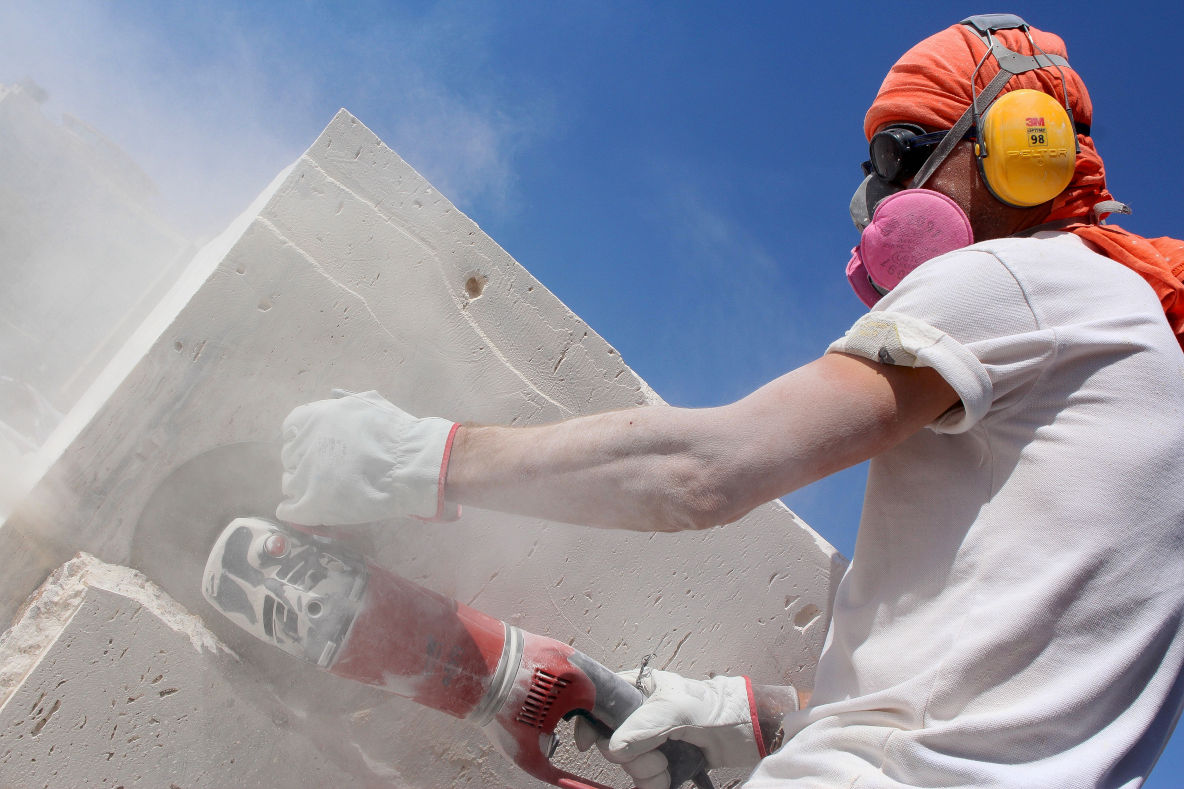
Travayè Quarry Koupe Wòch
Nan etablisman an pwosesis, blòk yo wòch yo Lè sa a, koupe an dal pa gwo vitès gang scie ki tou lage dlo pandan y ap koupe diminye emisyon an nan pousyè tè. Malgre vitès yo ap fonksyone, scie gang yo anjeneral pran anviwon de jou pou fini koupe yon blòk wòch 20 tòn.
Apre sa, dal yo voye nan yon machin polisaj pou bay fini an vle. Poli se fini ki pi komen ak affiner, kwi ak bwose ke yo te lòt opsyon ki bay diferan degre nan teksti sou sifas la nan wòch la.
Now that the slabs are cut to the correct size and have the desired finish, the final stage in a natural stone’s journey into your home takes place at the fabricator’s facility. Here, the stone slabs are further cut to specification for each individual project which includes shaping of the edges into the detail required for installation.
Now that you know the incredible journey that natural stone takes from deep inside the earth and into your kitchen, I’m sure you’ll agree that it is certainly worth the wait. Thanks to advancements in the industry over the years and the demand that exists for natural stone of all kinds, you don’t actually have to sit around while your marble, quartzite or granite is quarried and processed.
 Afriken
  Albanè
  Amarik
  Arab
Arab  Amenyen
  Azerbaydjan
  Basque
  Belarisyen
  Bengali
  Bosnyen
  Bulgarian
  Catalan
  Cebuano
  Lachin
  Lachin (Taiwan)
  Kors
Kors  Kwoasyen
  Czech
Czech  Danwa
Danwa  Olandè
  angle
angle  Esperanto
  Estonyen
  Finnish
  franse
  Frisyen
  Galisyen
  Jòjyen
  Alman
Alman  grèk
grèk  Gujarati
  Kreyòl ayisyen
  hausa
hausa  Hawaiian
  ebre
ebre  Non
Non  Miao
Miao  Ongwa
Ongwa  Icelandic
  igbo
igbo  Endonezyen
  Ilandè
  Italyen
  Japonè
  Javanèz
  Kannada
  kazak
kazak  Khmer
Khmer  Rwandan
  Koreyen
  Kurdish
  Kyrgyz
  TB
TB  Latin
Latin  Latvian
  Lityanyen
  Luxembourgish
  Masedwan
  Malgashi
  Malay
Malay  Malayalam
  Maltese
  Maori
Maori  Marathi
  Mongolyen
  Myanma
  Nepali
  Nòvejyen
  Nòvejyen
  Occitan
  Pashto
  Pèsik
Pèsik  Polonè
  Pòtigè
  Punjabi
  Woumen
  Ris
Ris  Samoan
  Scottish Gaelic
  Sèb
Sèb  angle
angle  Shona
Shona  Sindhi
  Sinhala
  Slovak
  Sloveni
  Somalyen
  Panyòl
  Sundanese
  Swahili
  Swedish
  Tagalog
  Tajik
Tajik  Tamil
Tamil  Tatar
Tatar  Telugu
  Thai
Thai  Tik
Tik  Tirkmen
  Ukrainian
  Oudou
Oudou  Ouygur
  Ouzbek
  Vyetnamyen
  Welsh
Welsh