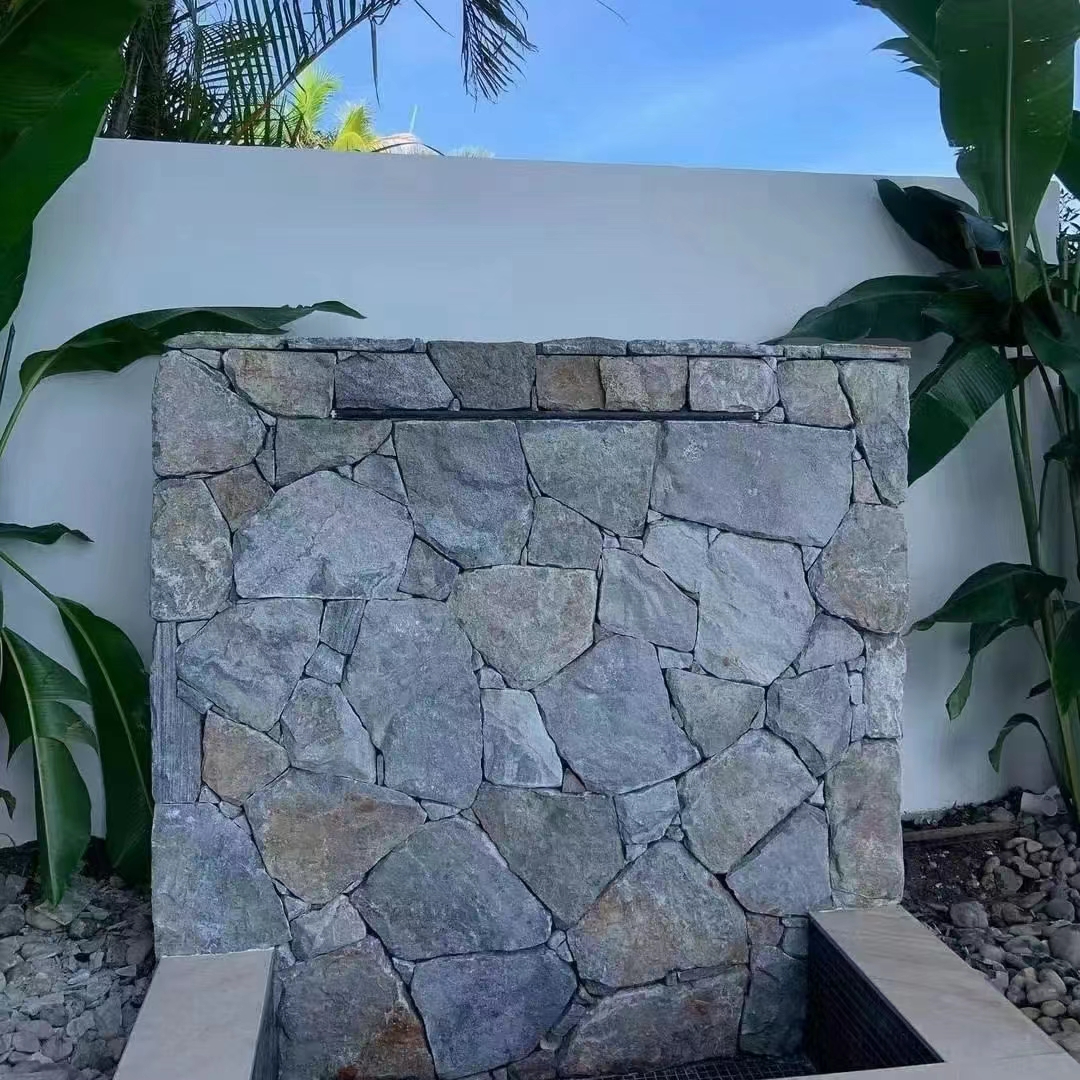
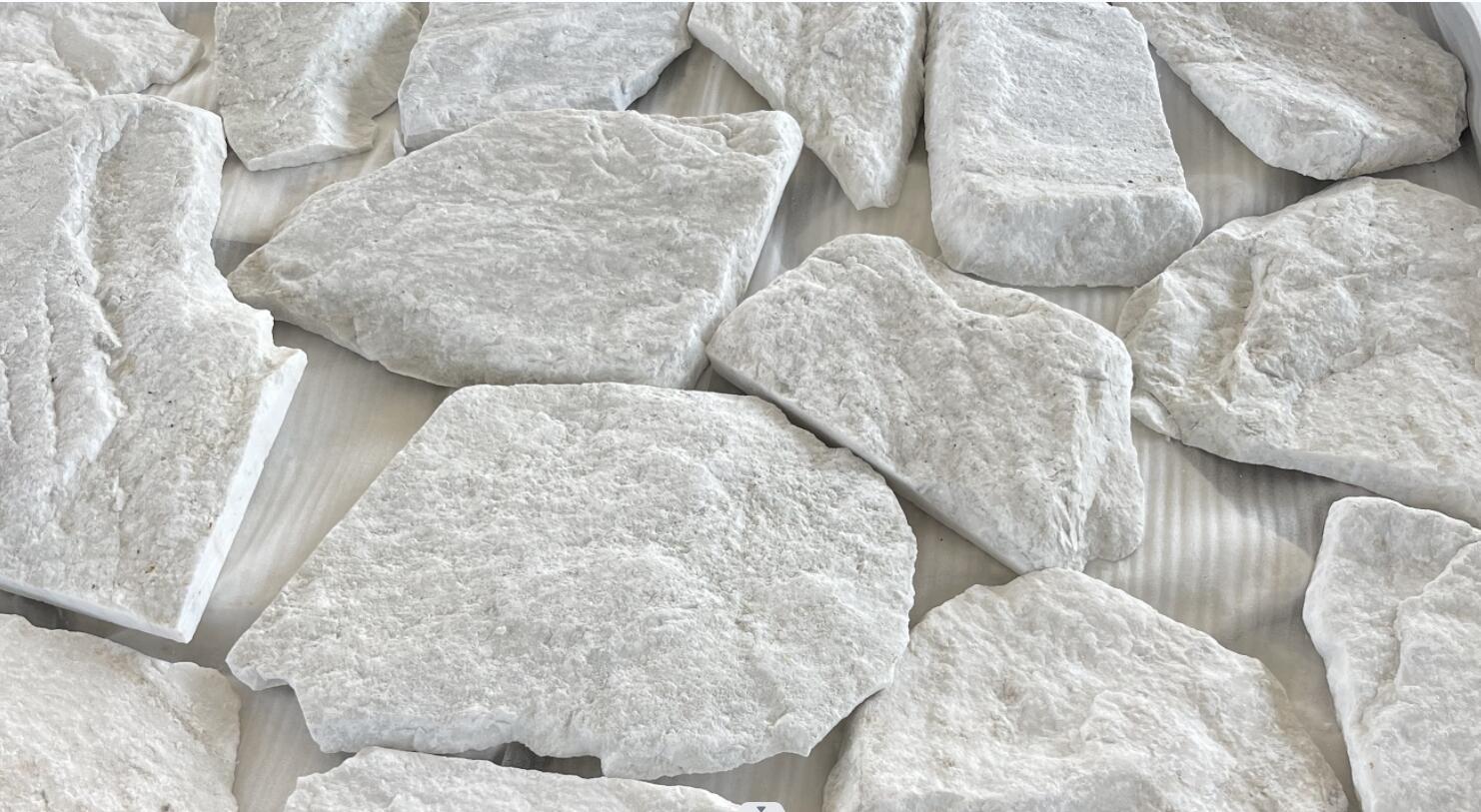
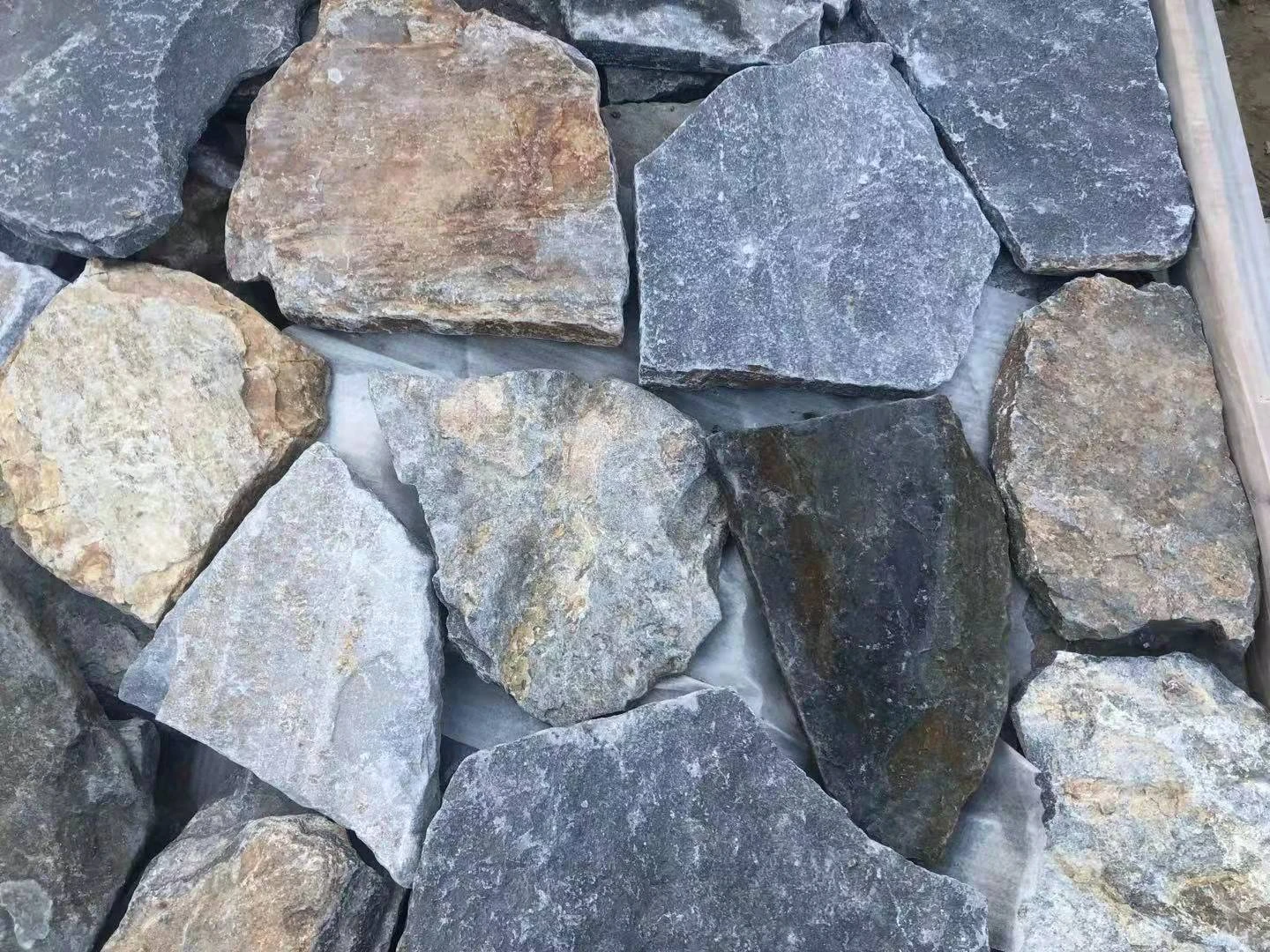
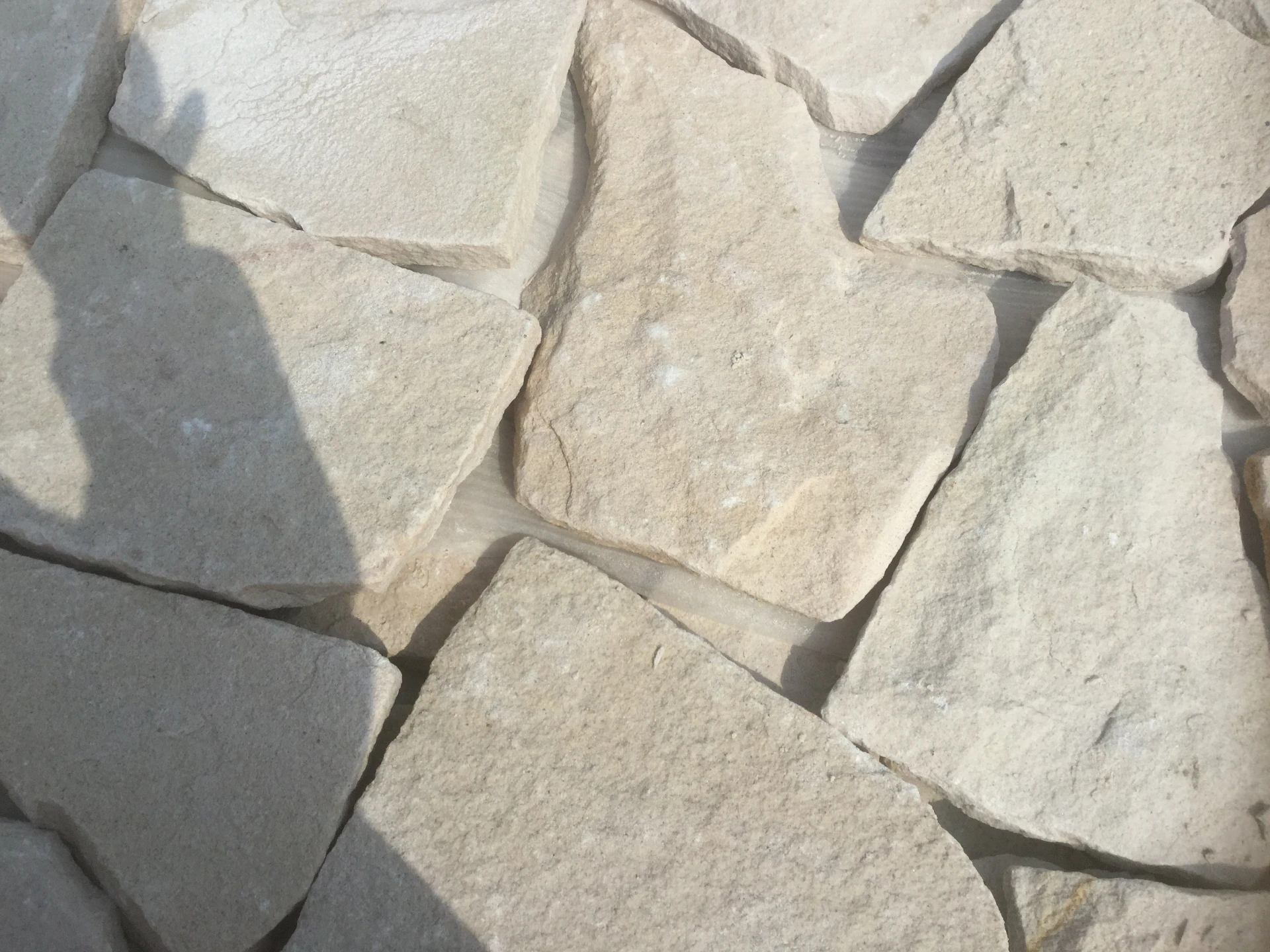
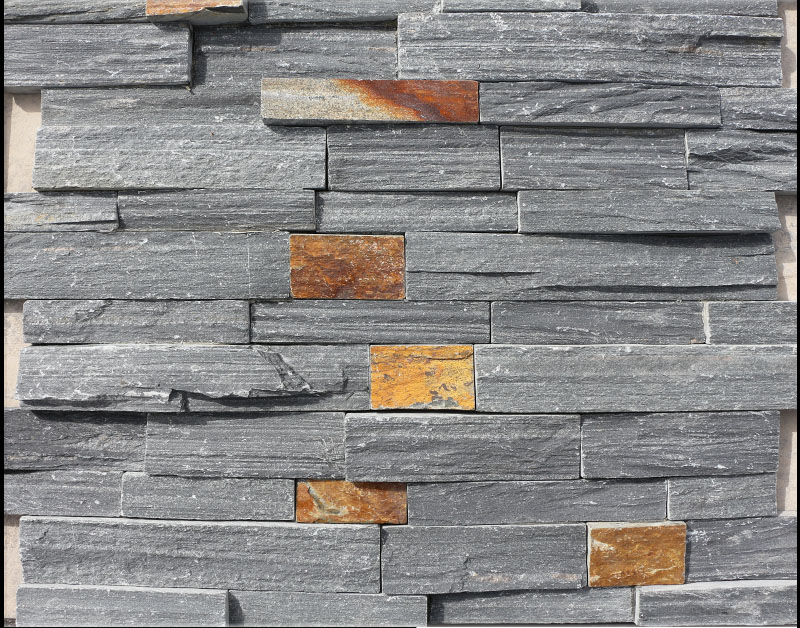
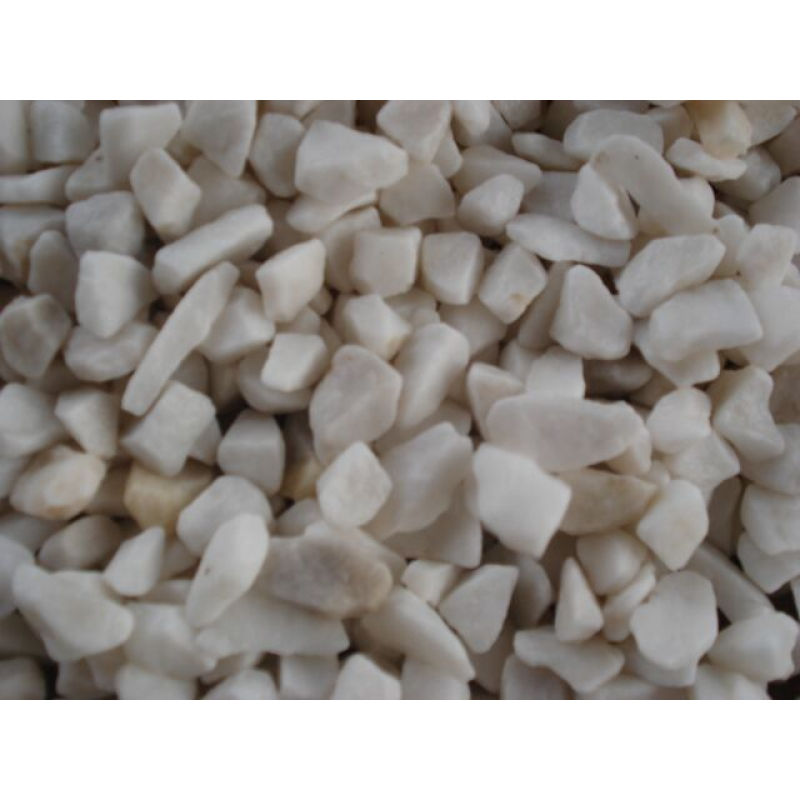
This DIY article; and the rest of the how-to section of my blog, cover most of the basics of how to properly build a flagstone patio. These articles provide general guidance, or at least advice, useful for hobbyists, DIY landscape designers/builders, and professional builders alike. So, what type of foundation should we build for our flagstone patio: sand, cement, or gravel? Short answer: It depends. Quarry screening (if one is available in your area) is usually best done under flagstone. Screening is also one of the best options among gemstones, but there are other options available to achieve different aesthetics. First, we'll address the structural question of "what to use under the slab." Cement - at some point it (may) break. It may last a long time, but when it does break down, fixing it will be a lot more work than repairing dry slate. Sand – ants will dig it up and leave it everywhere…sand can also be washed away, causing rocks to settle. Gravel – There’s really no problem here, just use the right type of gravel. Even better, use modified gravel as a base and then stone powder (aka quarry screening, aka grit, aka quarry dust) as the final leveling agent. Okay, so let's be more specific.
The cement (may) crack. Especially grade cement. Especially in a winter climate like ours here in Pennsylvania. A worse method is to lay the slabs on a bed of gravel and then cement the joints between the stones. Terrible idea. The gravel base is elastic and will move slightly during freezing and thawing. Well, if the foundation is not done well, the movement may be more slight, but let's assume the foundation is done well. The gravel base definitely moves around a bit - you would never know it looking at any of my patios, but the movement does happen. Cement is rigid - if you put a rigid top on a flexible base, systematic cracking is inevitable. If the flagstone happens to be sitting on a concrete foundation, then cement is certainly a good joint-filling material. But why on earth would you want a concrete foundation? The concrete itself will eventually crack. In northern climates, it could rupture within a decade - and the likelihood of rupture within the next three years is also quite high. The environmental impact of concrete production is no small issue either. I personally prefer dry stone work anyway. More harmonious, warmer, just better. In my opinion, the feel you get from a well done dry laid flagstone patio is better than a cement flagstone patio. my thoughts. A cement-lined flagstone patio can certainly look great and last a long time. I've built a lot of things that look great - years later. But if there is cement between the joints, it is better to have a concrete foundation. I was serious. Sand...well, if you use really heavy sand, you might get away with it. However, most sand sold in packages is too fine. Of course, you can use coarse sand under the flagstone. When I used to build brick patios, I would alternate between using coarse sand or a quarry screen, which worked fine. Their patio still looks great. However, these are brick patios, and the spaces between the paving units are about a quarter-inch wide. The problem with sand is that it gets washed away by water, blown away by wind, and carried away by ants. That's why stone dust (aka screen, aka decomposed granite) works better than sand for underneath flagstone. Not as nice as my flagstone patio though! The problem with using uniform sand under flagstone is that the bricks are of uniform thickness. So it's not too much trouble to get your gravel base nearly perfect and then proceed to dig out an inch of sand for your bricks to sit on. With flagstone, however, the thickness varies too much—one stone may need half an inch of sand, while another needs 2 inches of sand. If you are using sand then changes in thickness can cause problems. Screening is almost the same as modified gravel - they are really one of the two components of modified gravel... they are heavy enough that using 2 inches on one stone and half an inch on the other is really no problem - ten Years later, that patio still looks sharp.
Occasionally I see paver patios cluttered with ants. However, ants will always attack a flagstone patio laid in sand. I imagine this is because the joints of the slabs will inevitably be wider and/or because the slabs are of different thicknesses, meaning that in some places you will end up with deeper sand. Regardless of the exact cause, I can tell you that every flagstone patio I've ever seen laid in sand eventually became infested with ants. Another reason to use screen is that screen is also an excellent caulking material. You don’t want to use sand, even coarse sand, between the joints of your flagstones because it will wash away—unless, of course, your flagstones are very tight. For pattern cut flagstone, yes you can use sand as a joint filler. Just make sure the base is coarse sand, not fine sand. However, since the seams are too tight, you will need to use fine sand. Again, ants love fine sand - but in this application, pattern cut stone, tiny seams - fine sand wouldn't be the end of the world - as long as the base is of course. This applies to pattern cut slate - or any slate with very tight joints - in which case you may be able to go without sand as long as you follow the guidelines I set earlier in this paragraph. For irregular slate, or any slate with joints wider than a quarter-inch, you really should try to avoid sand and use stone dust instead.
Your own native soil – If your own native subsoil is made up of about 20-40% clay, with the rest mostly sand and gravel, then that soil is fine. And for ten years without any interruption. Then you already have a good solid base 🙂 You could definitely take the clay out of your subsoil, work out how much sand and gravel it already contains, then calculate how much gravel you should add, and then get some gravel from elsewhere nearby. What I'm talking about here is using in situ materials to try to mimic the performance characteristics of a road base and/or create a gravel core soil mix that is well drained, compacted, and stable. This type of work is still in the R&D stage for me. More on this as the research progresses. Suffice to say, yes, it can be done, but it's a bit complicated and beyond the scope of this article.
Ar ais go dtí an chumhdaigh - nuair a úsáideann tú maisc leveler agus caulk idir na leaca, tá radharc maith á chruthú agat. Má tá aon mhioncheisteanna ann leis an scáileán faoin gcloch, níor cheart go mbeadh sé ró-chriticiúil mar go socróidh an caulk agus go líonfaidh sé na folúntais faoin leac. Tá scagadh suas agus síos, agus tá an éifeacht an-mhaith. Is féidir leat a bheith ag súil le taispeáint amháin a chríochnú laistigh den chéad bhliain - socróidh cuid bheag nó nite as. Fadhb ar bith, ach scuab isteach roinnt ábhar nua. Ina dhiaidh sin, ar feadh na mblianta atá romhainn, beidh tú go maith. Is í an chomhairle is fearr atá agam do chliaint mé a fhostú chun b’fhéidir cúpla uair an chloig cothabhála a dhéanamh uair sa bhliain - is cinnte nach bhfuil gá leis, ach is maith liom go bhfuil mo chuid oibre ag súil le spléach. Cínte. Féach ar a bhfuil le rá ag mo chliaint san am atá thart faoi mo chuid oibre. Rud amháin nár phléigh mé san alt seo ná gaineamh polaiméire. Más rud é go bhfuil tú fiosrach faoi polisand, dírím anois thú chuig post blagála crua eile maidir le conas is féidir leat é a dhéanamh. Má tá tú il-aisteach, .i. Is dócha gur cheart dom a rá freisin nár theip orm riamh aon phaitíos leac a úsáid ag baint úsáide as an gcóras thuas. Ceart go leor, b'fhéidir go mbeidh socrú beag ag cloch - is féidir é sin a shocrú laistigh de chúpla nóiméad (rud a tharlaíonn go hannamh), ach ní bheidh aon fhadhbanna móra ann. Tá sé seo á dhéanamh le tamall freisin. Ar an patio leac is mó atá agam, molaim de ghnáth seisiún cothabhála 3 uair an chloig gach cúpla bliain nó mar sin. Coinneoidh sé seo an patio sa chruth is fearr. Táim an-phiocach agus ba mhaith liom go mbeadh cuma foirfe ar mo chuid oibre i gcónaí. Is minic a fhillfidh mé ar theach cliaint blianta ina dhiaidh sin agus tá sé fós i riocht foirfe. Níl gá le cothabháil! Go hiondúil, laistigh de 5 nó 10 mbliana, ba cheart go mbeadh aird á tabhairt ag patio.
 Afracach
  Albanach
  Amáireach
  Araibis
  Airméinis
  Asarbaiseáinis
  Bascais
  Bealarúisis
  Beangáilis
  Boisnis
  Bulgáiris
  Catalóinis
  Cebuano
  tSín
tSín  An tSín (Taiwan)
  Corsaicis
  Cróitis
  Seiceach
  Danmhairgis
  Ollainnis
  Béarla
  Esperanto
  Eastóinis
  Fionlainnis
  Fraincis
  Freaslainnis
  Gailísis
  Seoirseach
  Gearmáinis
  Gréigis
  Gúisearáitis
  Criól Haiti
  háis
háis  Haváíais
  Eabhrais
  Ní hea
  Miao
Miao  Ungáiris
  Íoslainnis
  igbo
igbo  Indinéisis
  Gaeilge
  Iodálach
  Seapánach
  Iávais
  Cannadais
  casaicis
  Ciméiris
  Ruanda
  Cóiréis
  Coirdis
  Chirgeastáin
  TB
TB  Laidin
  Laitvis
  Liotuáinis
  Lucsamburgach
  Macadóinis
  Malgashi
  Malaeis
  Mailéalaimis
  Máltais
  Maorais
  Marathi
  Mongóilis
  Maenmar
  Neipealais
  Ioruais
  Ioruais
  Occitan
  Paistis
  Peirsis
  Polainnis
  Portaingéilis
  Puinseáibis
  Rómáinis
  Rúisis
  Samóis
  Gaeilge na hAlban
  Seirbis
  Béarla
  Shona
Shona  Sindhi
  Siolóinis
  Slóvaicis
  Slóivéinis
  Somáilis
  Spainnis
  Sundais
  Svahaílis
  Sualainnis
  Tagálaigis
  Táidsíc
  Tamailis
  Tatairis
  Teileagúis
  Téalainnis
  Tuircis
  Tuircméinis
  Úcráinis
  Urdais
  Uighur
  Úisbéicis
  Vítneaimis
  Breatnais