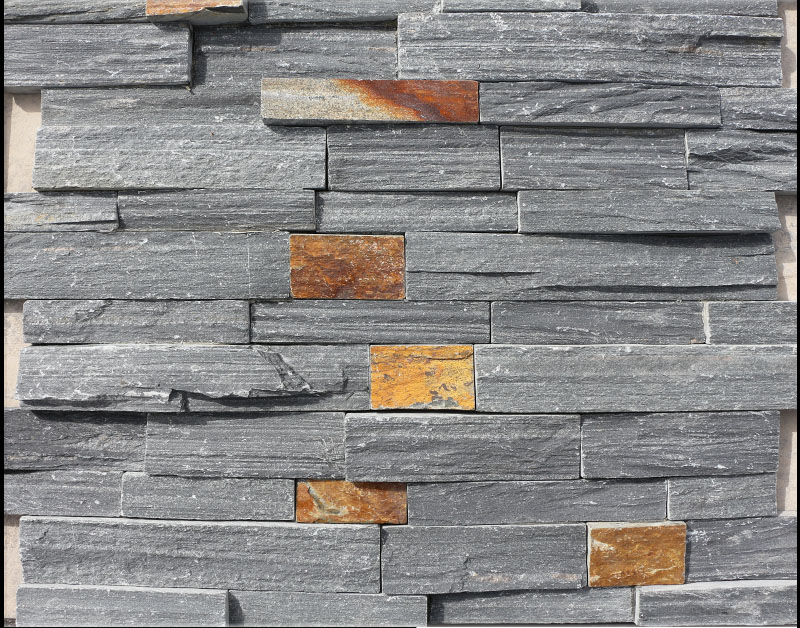
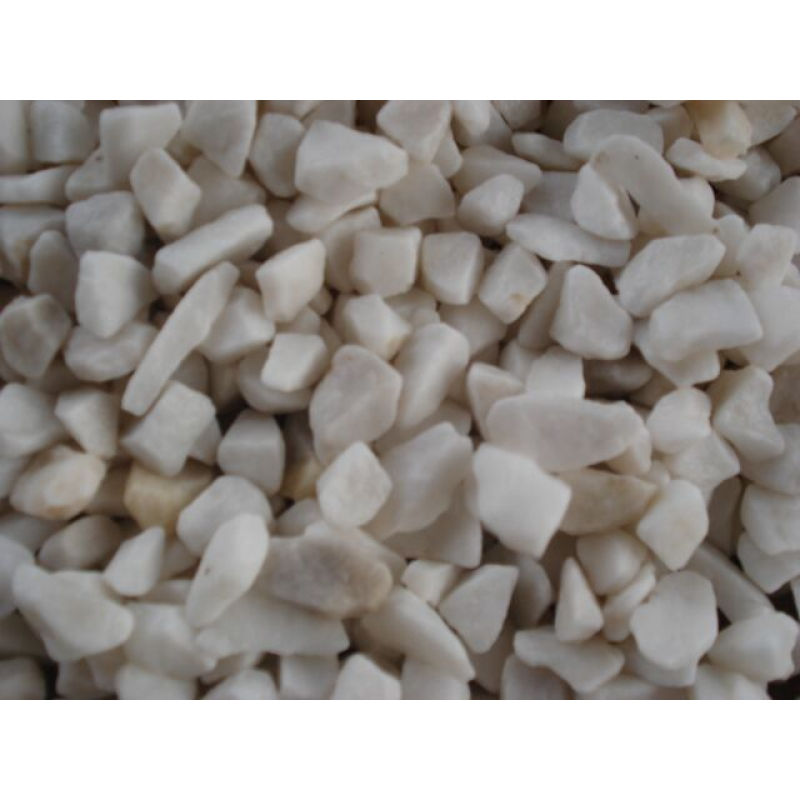
This DIY article; and the rest of the how-to section of my blog, cover most of the basics of how to properly build a flagstone patio. These articles provide general guidance, or at least advice, useful for hobbyists, DIY landscape designers/builders, and professional builders alike. So, what type of foundation should we build for our flagstone patio: sand, cement, or gravel? Short answer: It depends. Quarry screening (if one is available in your area) is usually best done under flagstone. Screening is also one of the best options among gemstones, but there are other options available to achieve different aesthetics. First, we'll address the structural question of "what to use under the slab." Cement - at some point it (may) break. It may last a long time, but when it does break down, fixing it will be a lot more work than repairing dry slate. Sand – ants will dig it up and leave it everywhere…sand can also be washed away, causing rocks to settle. Gravel – There’s really no problem here, just use the right type of gravel. Even better, use modified gravel as a base and then stone powder (aka quarry screening, aka grit, aka quarry dust) as the final leveling agent. Okay, so let's be more specific.
The cement (may) crack. Especially grade cement. Especially in a winter climate like ours here in Pennsylvania. A worse method is to lay the slabs on a bed of gravel and then cement the joints between the stones. Terrible idea. The gravel base is elastic and will move slightly during freezing and thawing. Well, if the foundation is not done well, the movement may be more slight, but let's assume the foundation is done well. The gravel base definitely moves around a bit - you would never know it looking at any of my patios, but the movement does happen. Cement is rigid - if you put a rigid top on a flexible base, systematic cracking is inevitable. If the flagstone happens to be sitting on a concrete foundation, then cement is certainly a good joint-filling material. But why on earth would you want a concrete foundation? The concrete itself will eventually crack. In northern climates, it could rupture within a decade - and the likelihood of rupture within the next three years is also quite high. The environmental impact of concrete production is no small issue either. I personally prefer dry stone work anyway. More harmonious, warmer, just better. In my opinion, the feel you get from a well done dry laid flagstone patio is better than a cement flagstone patio. my thoughts. A cement-lined flagstone patio can certainly look great and last a long time. I've built a lot of things that look great - years later. But if there is cement between the joints, it is better to have a concrete foundation. I was serious. Sand...well, if you use really heavy sand, you might get away with it. However, most sand sold in packages is too fine. Of course, you can use coarse sand under the flagstone. When I used to build brick patios, I would alternate between using coarse sand or a quarry screen, which worked fine. Their patio still looks great. However, these are brick patios, and the spaces between the paving units are about a quarter-inch wide. The problem with sand is that it gets washed away by water, blown away by wind, and carried away by ants. That's why stone dust (aka screen, aka decomposed granite) works better than sand for underneath flagstone. Not as nice as my flagstone patio though! The problem with using uniform sand under flagstone is that the bricks are of uniform thickness. So it's not too much trouble to get your gravel base nearly perfect and then proceed to dig out an inch of sand for your bricks to sit on. With flagstone, however, the thickness varies too much—one stone may need half an inch of sand, while another needs 2 inches of sand. If you are using sand then changes in thickness can cause problems. Screening is almost the same as modified gravel - they are really one of the two components of modified gravel... they are heavy enough that using 2 inches on one stone and half an inch on the other is really no problem - ten Years later, that patio still looks sharp.
Occasionally I see paver patios cluttered with ants. However, ants will always attack a flagstone patio laid in sand. I imagine this is because the joints of the slabs will inevitably be wider and/or because the slabs are of different thicknesses, meaning that in some places you will end up with deeper sand. Regardless of the exact cause, I can tell you that every flagstone patio I've ever seen laid in sand eventually became infested with ants. Another reason to use screen is that screen is also an excellent caulking material. You don’t want to use sand, even coarse sand, between the joints of your flagstones because it will wash away—unless, of course, your flagstones are very tight. For pattern cut flagstone, yes you can use sand as a joint filler. Just make sure the base is coarse sand, not fine sand. However, since the seams are too tight, you will need to use fine sand. Again, ants love fine sand - but in this application, pattern cut stone, tiny seams - fine sand wouldn't be the end of the world - as long as the base is of course. This applies to pattern cut slate - or any slate with very tight joints - in which case you may be able to go without sand as long as you follow the guidelines I set earlier in this paragraph. For irregular slate, or any slate with joints wider than a quarter-inch, you really should try to avoid sand and use stone dust instead.
Your own native soil – If your own native subsoil is made up of about 20-40% clay, with the rest mostly sand and gravel, then that soil is fine. And for ten years without any interruption. Then you already have a good solid base 🙂 You could definitely take the clay out of your subsoil, work out how much sand and gravel it already contains, then calculate how much gravel you should add, and then get some gravel from elsewhere nearby. What I'm talking about here is using in situ materials to try to mimic the performance characteristics of a road base and/or create a gravel core soil mix that is well drained, compacted, and stable. This type of work is still in the R&D stage for me. More on this as the research progresses. Suffice to say, yes, it can be done, but it's a bit complicated and beyond the scope of this article.
Маскага кайтуу - сиз плиталардын ортосунда тегиздөөчү жана калкалоочу масканы колдонгондо, сиз жакшы көрүнүштү түзүп жатасыз. Таштын астындагы экранда кандайдыр бир майда көйгөйлөр бар болсо, анда ал өтө маанилүү болбошу керек, анткени жабын плитканын астындагы боштуктарды толтурат. Өйдө жана ылдый экрандар бар жана эффект абдан жакшы. Сиз биринчи жылдын ичинде бир көрсөтүүнү бүтүрүүнү күтсөңүз болот - кичинекей бөлүгү жайгашып калат же жууп кетет. Эч кандай көйгөй жок, жөн гана жаңы материалды шыпырып алыңыз. Андан кийин, кийинки бир нече жыл ичинде, сен жакшы болот. Менин эң жакшы кеңешим – кардарлар мени жылына бир жолу, балким, бир нече саат тейлөө үчүн жалдап коюшсун - бул сөзсүз түрдө зарыл эмес, бирок мен ишимдин жаркыраганын жакшы көрөм. Чындыгында. Менин мурунку кардарларым менин ишим жөнүндө эмне деп айтышканын карагыла. Мен бул макалада талкуулаган эмес, бир нерсе - полимердик кум. Эгер сиз полисандка кызыгып жатсаңыз, мен сизди дагы бир блог постун көрсөтөм. Эгер сиз көп нерсеге кызыксаңыз, анда. Мен, балким, кошумчалашым керек, менде жогорудагы системаны колдонуу менен эч качан бир даана таш короосу бузулган эмес. Макул, балким, таш бир аз тунушу мүмкүн - аны бир нече мүнөттүн ичинде оңдоого болот (бул сейрек кездешет), бирок эч кандай чоң көйгөйлөр болбойт. Муну да бир топ убакыттан бери жасап келем. Менин эң чоң таш короодо мен адатта бир нече жылда бир 3 сааттык тейлөө сессиясын сунуштайм. Бул патио оптималдуу абалда сактап калат. Мен абдан тандайм жана менин ишим дайыма идеалдуу болушун каалайм. Көбүнчө мен кардардын үйүнө жылдар өткөндөн кийин кайтам жана ал дагы деле идеалдуу абалда. Эч кандай тейлөө талап кылынат! Эреже катары, 5 же 10 жылдын ичинде, короо бир аз көңүл бурушу керек.
 африкалык
  Албанча
  Амхарча
  Арабча
  Армянча
  азербайжан
  Баскча
  Беларусча
  Бенгалча
  Бошнакча
  Болгарча
  Каталанча
  Себуано
  Кытай
Кытай  Кытай (Тайвань)
  Корсикче
  Хорватча
  Чехче
Чехче  Датча
Датча  Нидерландча
  Англисче
  Эсперанто
  Эстончо
  Финче
Финче  Франсузча
  фриз
фриз  Галицияча
  Грузинче
  Немисче
  Грекче
  Гужаратиче
  Гаити креол
  Хаусача
  Гавайча
  Еврейче
  Жок
Жок  Miao
Miao  Венгерче
  Исландияча
  игбо
игбо  Индонезияча
  Ирландча
  Итальянча
  Жапончо
  Жанавизче
  Каннадача
  Казакча
  кхмер
кхмер  Руанда
  Корейче
  күрд
күрд  Кыргызча
  ТБ
ТБ  Латынча
  Латвияча
  Литвача
  Люксембургча
  Македонияча
  Малгаши
  Малайча
  Малаяламча
  Малтизче
  Маориче
  Маратиче
  Монголчо
  Мьянма
  Непаличе
  Норвежче
  Норвежче
  Occitan
  Пуштунча
  Парсча
  Полякча
  Португалча
  Пунжабиче
  Румынча
  Орусча
  самоа
самоа  Шотландиялык галец
  Сербче
  Англисче
  Shona
Shona  Синдиче
  Sinhala
  Словакча
  Словенияча
  Сомаличе
  Испанча
  сундан
  Свахиличе
  Шведче
  Тагалогчо
  тажик
тажик  Тамилче
  татар
татар  Телугуча
  Тайча
Тайча  Түркчө
  Түркмөнчө
  Украинче
  Урдуча
  уйгур
уйгур  Өзбекче
  Вьетнамча
  Валлийче