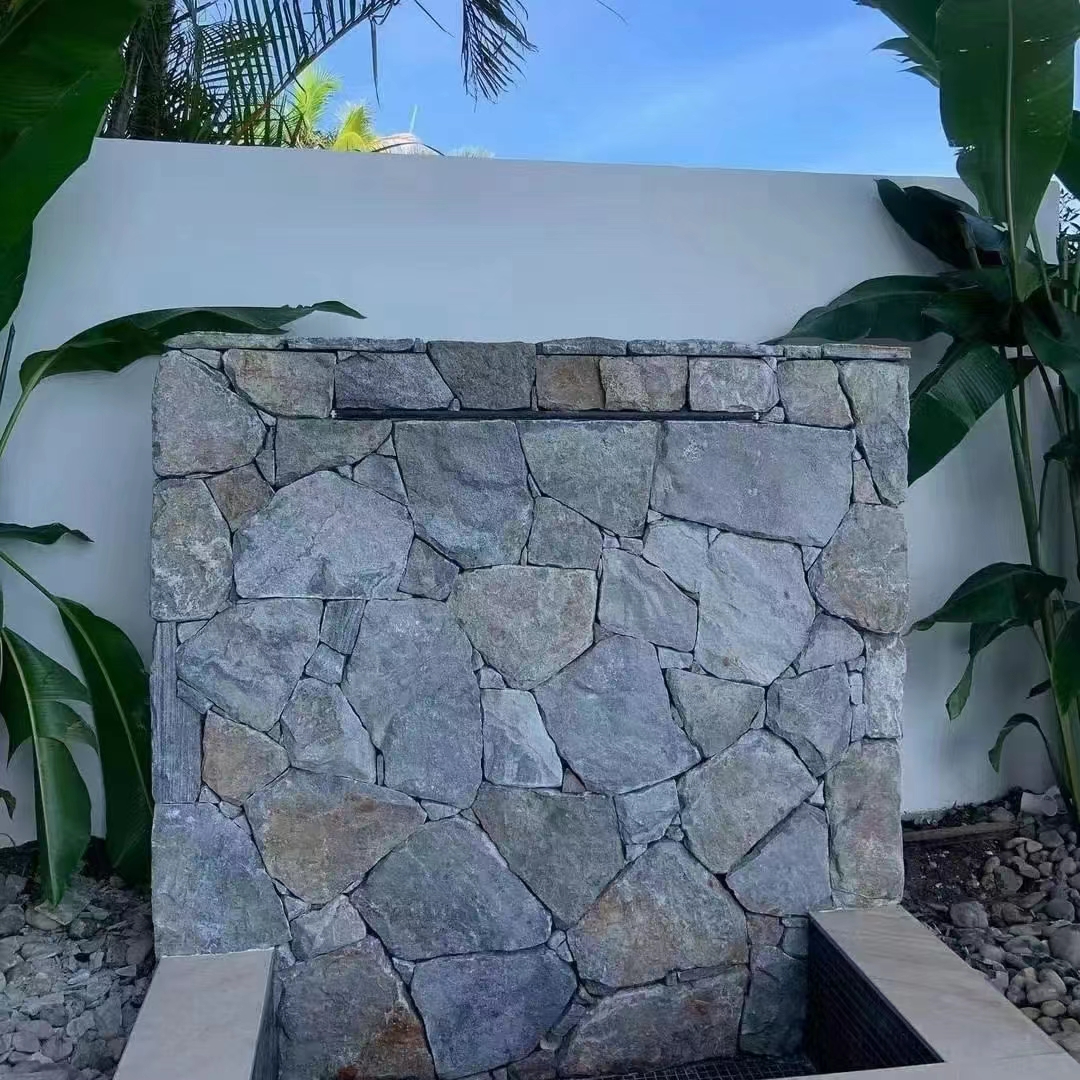
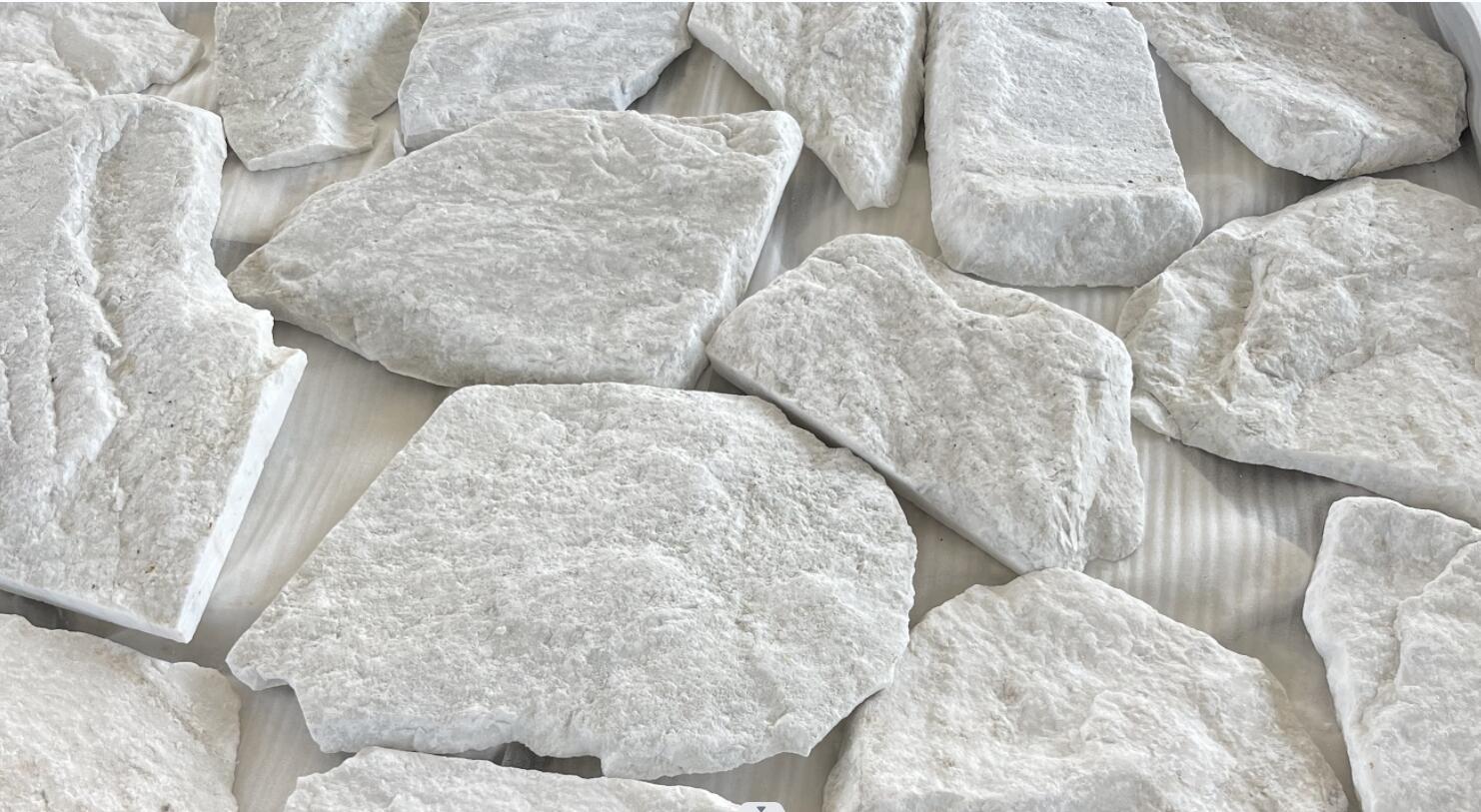
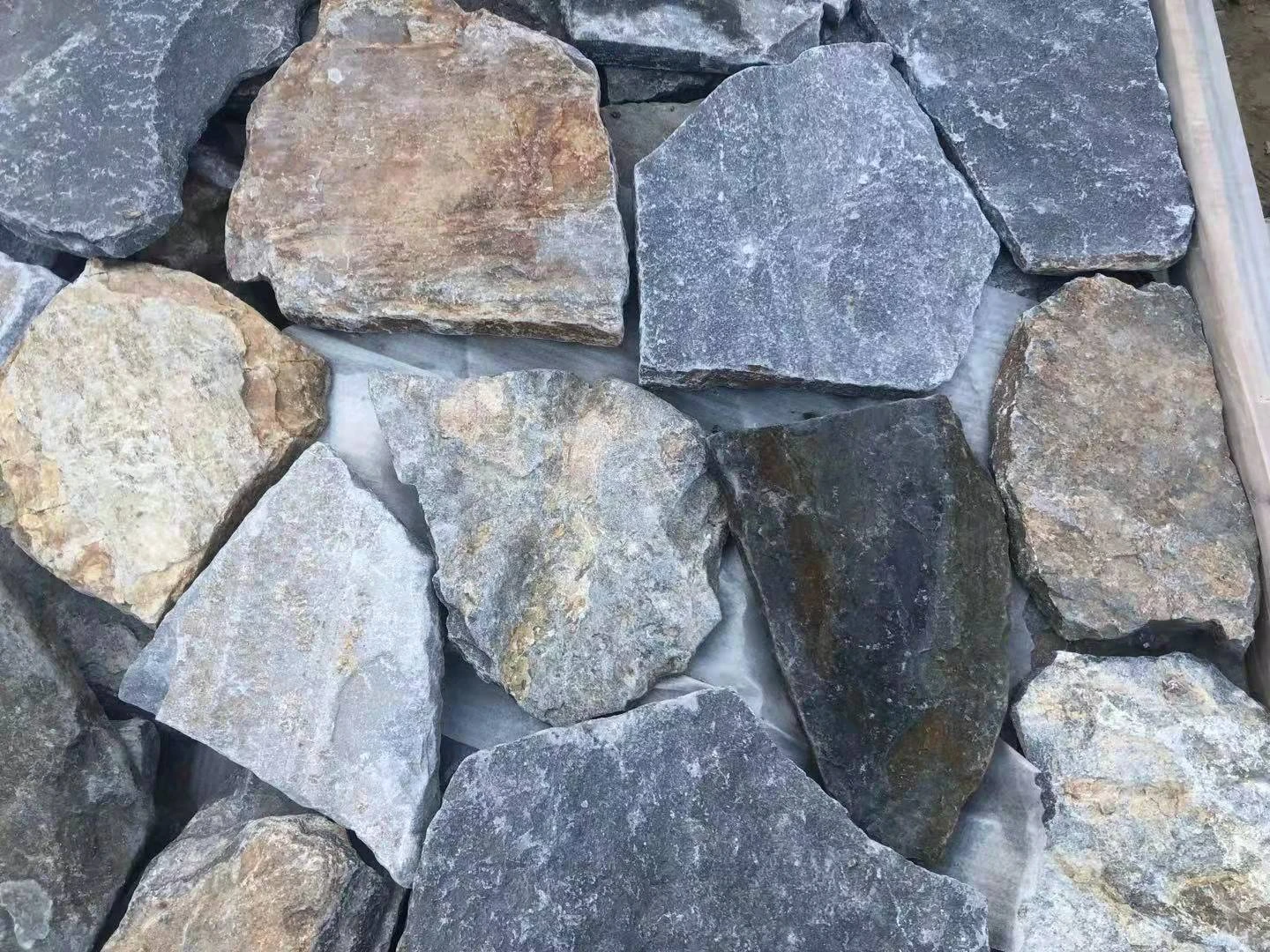
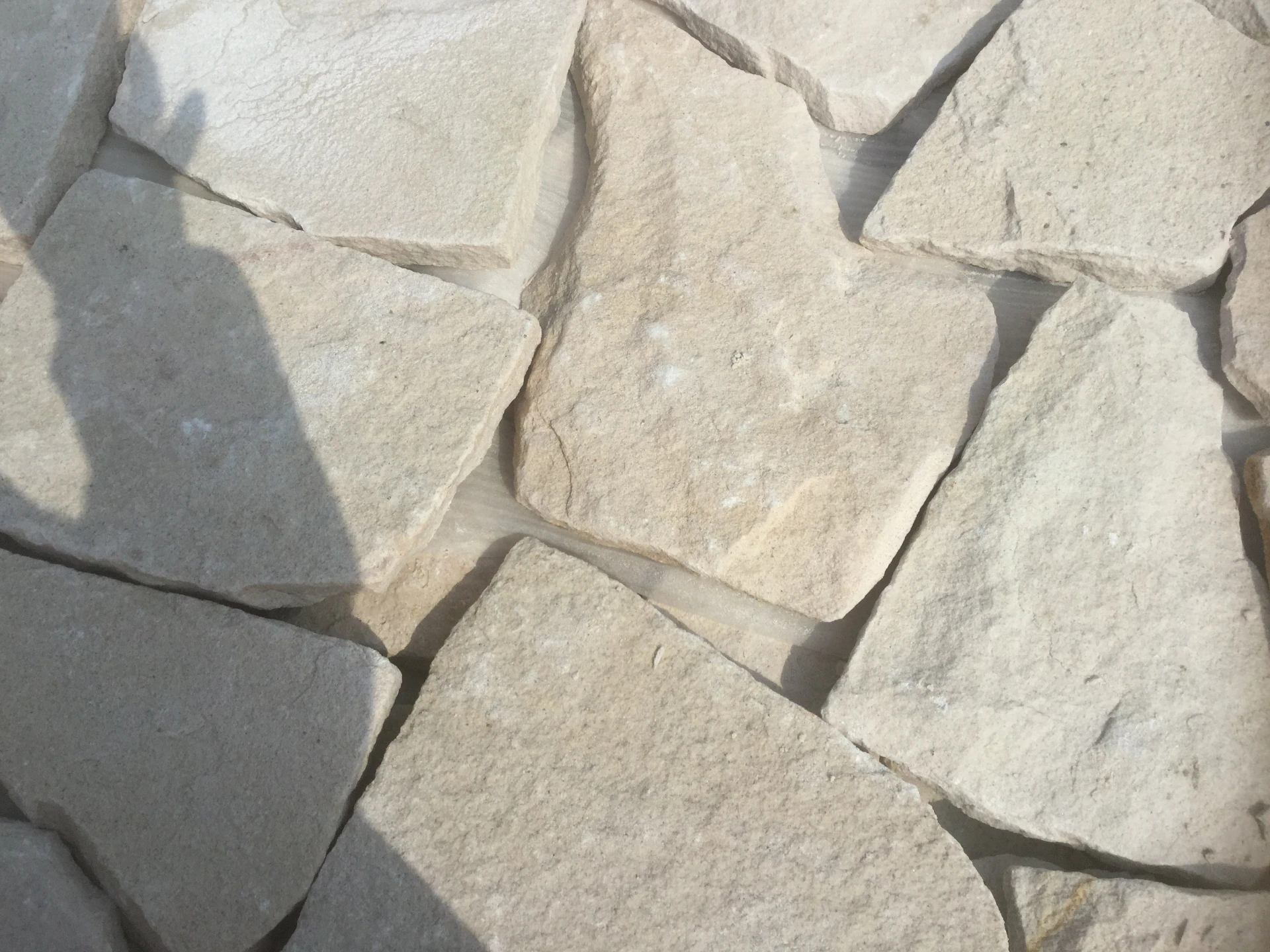
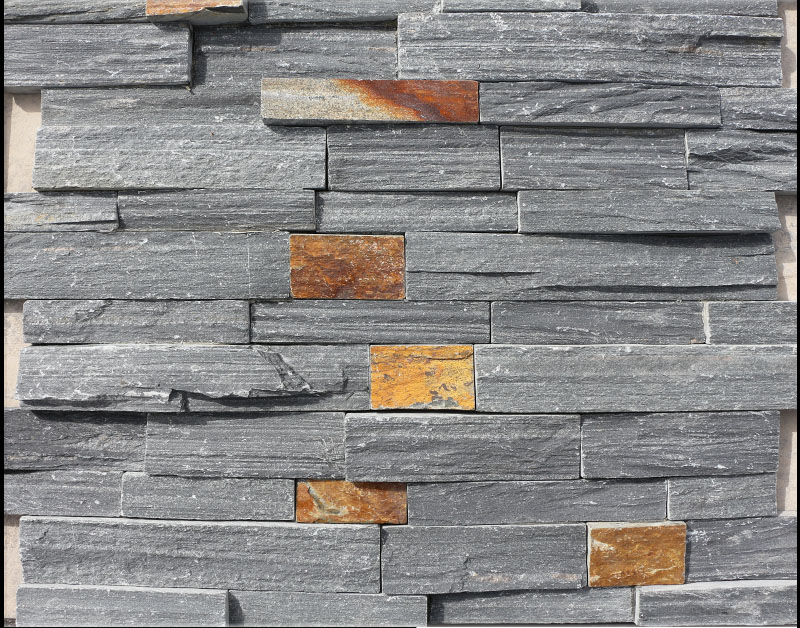
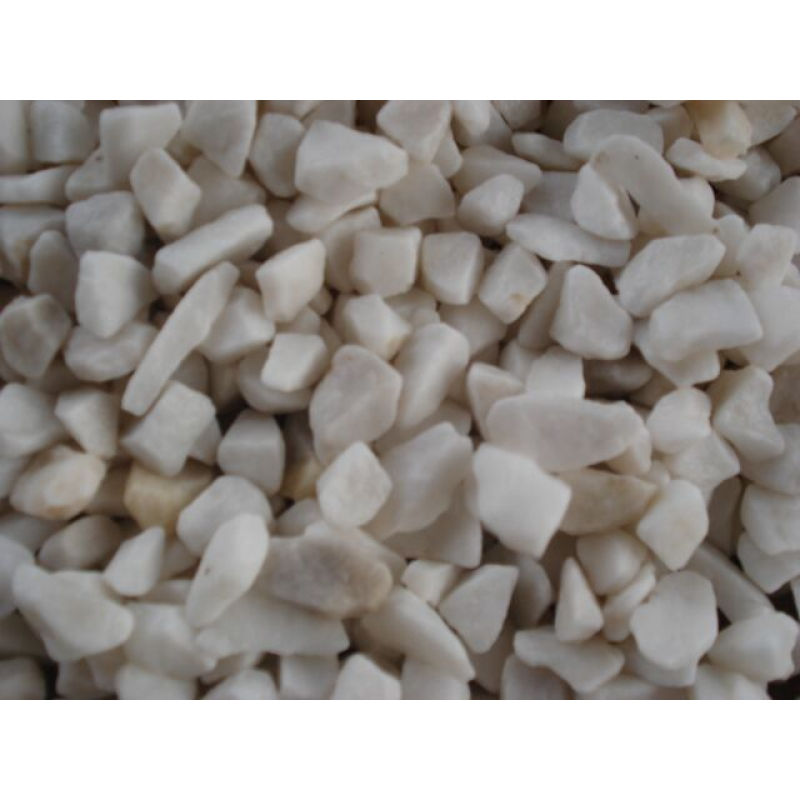
This DIY article; and the rest of the how-to section of my blog, cover most of the basics of how to properly build a flagstone patio. These articles provide general guidance, or at least advice, useful for hobbyists, DIY landscape designers/builders, and professional builders alike. So, what type of foundation should we build for our flagstone patio: sand, cement, or gravel? Short answer: It depends. Quarry screening (if one is available in your area) is usually best done under flagstone. Screening is also one of the best options among gemstones, but there are other options available to achieve different aesthetics. First, we'll address the structural question of "what to use under the slab." Cement - at some point it (may) break. It may last a long time, but when it does break down, fixing it will be a lot more work than repairing dry slate. Sand – ants will dig it up and leave it everywhere…sand can also be washed away, causing rocks to settle. Gravel – There’s really no problem here, just use the right type of gravel. Even better, use modified gravel as a base and then stone powder (aka quarry screening, aka grit, aka quarry dust) as the final leveling agent. Okay, so let's be more specific.
The cement (may) crack. Especially grade cement. Especially in a winter climate like ours here in Pennsylvania. A worse method is to lay the slabs on a bed of gravel and then cement the joints between the stones. Terrible idea. The gravel base is elastic and will move slightly during freezing and thawing. Well, if the foundation is not done well, the movement may be more slight, but let's assume the foundation is done well. The gravel base definitely moves around a bit - you would never know it looking at any of my patios, but the movement does happen. Cement is rigid - if you put a rigid top on a flexible base, systematic cracking is inevitable. If the flagstone happens to be sitting on a concrete foundation, then cement is certainly a good joint-filling material. But why on earth would you want a concrete foundation? The concrete itself will eventually crack. In northern climates, it could rupture within a decade - and the likelihood of rupture within the next three years is also quite high. The environmental impact of concrete production is no small issue either. I personally prefer dry stone work anyway. More harmonious, warmer, just better. In my opinion, the feel you get from a well done dry laid flagstone patio is better than a cement flagstone patio. my thoughts. A cement-lined flagstone patio can certainly look great and last a long time. I've built a lot of things that look great - years later. But if there is cement between the joints, it is better to have a concrete foundation. I was serious. Sand...well, if you use really heavy sand, you might get away with it. However, most sand sold in packages is too fine. Of course, you can use coarse sand under the flagstone. When I used to build brick patios, I would alternate between using coarse sand or a quarry screen, which worked fine. Their patio still looks great. However, these are brick patios, and the spaces between the paving units are about a quarter-inch wide. The problem with sand is that it gets washed away by water, blown away by wind, and carried away by ants. That's why stone dust (aka screen, aka decomposed granite) works better than sand for underneath flagstone. Not as nice as my flagstone patio though! The problem with using uniform sand under flagstone is that the bricks are of uniform thickness. So it's not too much trouble to get your gravel base nearly perfect and then proceed to dig out an inch of sand for your bricks to sit on. With flagstone, however, the thickness varies too much—one stone may need half an inch of sand, while another needs 2 inches of sand. If you are using sand then changes in thickness can cause problems. Screening is almost the same as modified gravel - they are really one of the two components of modified gravel... they are heavy enough that using 2 inches on one stone and half an inch on the other is really no problem - ten Years later, that patio still looks sharp.
Occasionally I see paver patios cluttered with ants. However, ants will always attack a flagstone patio laid in sand. I imagine this is because the joints of the slabs will inevitably be wider and/or because the slabs are of different thicknesses, meaning that in some places you will end up with deeper sand. Regardless of the exact cause, I can tell you that every flagstone patio I've ever seen laid in sand eventually became infested with ants. Another reason to use screen is that screen is also an excellent caulking material. You don’t want to use sand, even coarse sand, between the joints of your flagstones because it will wash away—unless, of course, your flagstones are very tight. For pattern cut flagstone, yes you can use sand as a joint filler. Just make sure the base is coarse sand, not fine sand. However, since the seams are too tight, you will need to use fine sand. Again, ants love fine sand - but in this application, pattern cut stone, tiny seams - fine sand wouldn't be the end of the world - as long as the base is of course. This applies to pattern cut slate - or any slate with very tight joints - in which case you may be able to go without sand as long as you follow the guidelines I set earlier in this paragraph. For irregular slate, or any slate with joints wider than a quarter-inch, you really should try to avoid sand and use stone dust instead.
Your own native soil – If your own native subsoil is made up of about 20-40% clay, with the rest mostly sand and gravel, then that soil is fine. And for ten years without any interruption. Then you already have a good solid base 🙂 You could definitely take the clay out of your subsoil, work out how much sand and gravel it already contains, then calculate how much gravel you should add, and then get some gravel from elsewhere nearby. What I'm talking about here is using in situ materials to try to mimic the performance characteristics of a road base and/or create a gravel core soil mix that is well drained, compacted, and stable. This type of work is still in the R&D stage for me. More on this as the research progresses. Suffice to say, yes, it can be done, but it's a bit complicated and beyond the scope of this article.
Povratak na maskiranje - kada koristite masku za izravnavanje i brtvljenje između ploča, stvarate dobru scenu. Ako postoje bilo kakvi manji problemi sa zaslonom ispod kamena, to ne bi trebalo biti previše kritično jer će se brtva smjestiti i ispuniti praznine ispod ploče. Ima projekcija gore-dolje, a učinak je jako dobar. Možete očekivati da ćete dovršiti jedno pokazivanje unutar prve godine - mali dio će se taložiti ili isprati. Nema problema, samo ubacite novi materijal. Nakon toga, sljedećih nekoliko godina, bit ćete dobro. Moj najbolji savjet je klijentima da me angažiraju da radim možda nekoliko sati održavanja jednom godišnje - to definitivno nije potrebno, ali volim da moj rad blista. Doista. Pogledajte što moji prošli klijenti imaju za reći o mom radu. Jedna stvar o kojoj nisam raspravljao u ovom članku je polimerni pijesak. Ako ste znatiželjni o polysand-u, upućujem vas na još jedan post na blogu s uputama za hardscape. Ako ste višeznatiželjni, to jest. Vjerojatno bih također trebao dodati da mi se nikada nije dogodila greška niti jedne terase od kamenih ploča korištenjem gornjeg sustava. U redu, možda će se kamen malo slegnuti - to se može popraviti u roku od nekoliko minuta (što se rijetko događa), ali neće biti većih problema. I ja to radim neko vrijeme. Na mojoj najvećoj terasi od kamenih ploča obično preporučujem održavanje od 3 sata svakih nekoliko godina. To će terasu održati u optimalnom obliku. Vrlo sam izbirljiva i želim da moj rad uvijek izgleda savršeno. Često se godinama kasnije vraćam u kuću klijenta, a ona je još uvijek u savršenom stanju. Nije potrebno održavanje! Tipično, unutar 5 ili 10 godina, terasa bi trebala privući pozornost.
 afrički
  albanski
  amharski
  arapski
  Armenac
  azerbajdžanski
  baskijski
  bjeloruski
  bengalski
  bosanski
  bugarski
  katalonski
  Cebuano
  Kina
Kina  Kina (Tajvan)
  Korzikanac
  Hrvatski
  češki
češki  danski
  nizozemski
  Engleski
  esperanto
  estonski
  finski
  francuski
  frizijski
  galicijski
  gruzijski
  njemački
  grčki
grčki  gudžarati
  haićanski kreolski
  kuća
kuća  havajski
  hebrejski
  Ne
Ne  Miao
Miao  mađarski
  islandski
  igbo
igbo  indonezijski
  irski
irski  talijanski
  japanski
  javanski
  kannada
  kazahstanski
  kmerski
  ruandski
  korejski
  kurdski
  Kirgistan
  TBC
TBC  latinski
  latvijski
  litvanski
  luksemburški
  makedonski
  Malgaši
  malajski
  malajalamski
  malteški
  maorski
  marati
  mongolski
  Mianmar
  nepalski
  norveški
  norveški
  oksitanski
  paštunski
  perzijski
  Polirati
  Portugalski
  pandžapski
  rumunjski
  ruski
ruski  Samoanac
  škotski galski
  srpski
  Engleski
  Shona
Shona  sindhi
  sinhalski
  slovački
  slovenski
  somalijski
  španjolski
  sundanski
  svahili
  švedski
  tagalog
  tadžički
  Tamil
Tamil  tatarski
  teluški
  tajlandski
  turski
  turkmenski
  ukrajinski
  urdu
urdu  ujgurski
  uzbečki
  vijetnamski
  velški