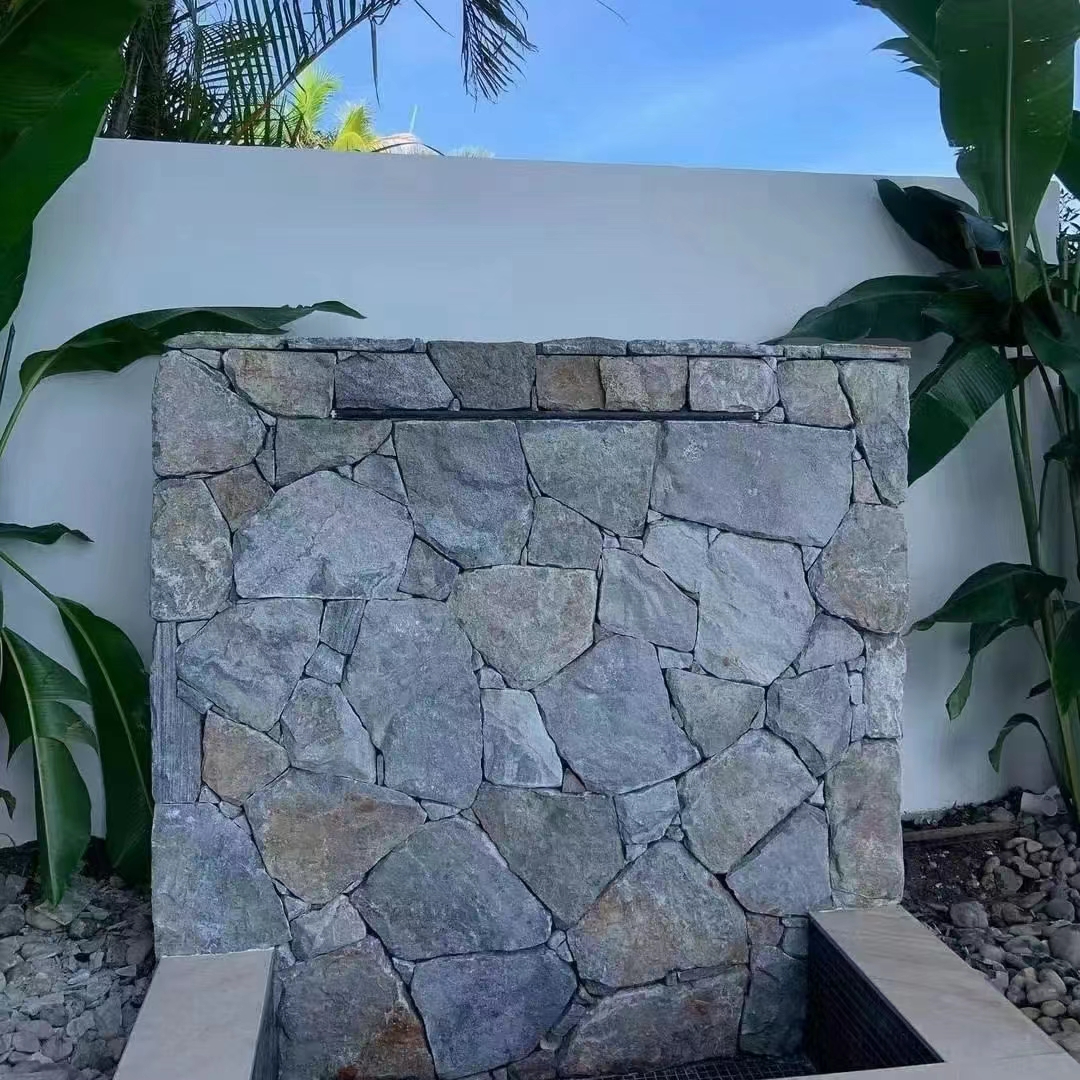
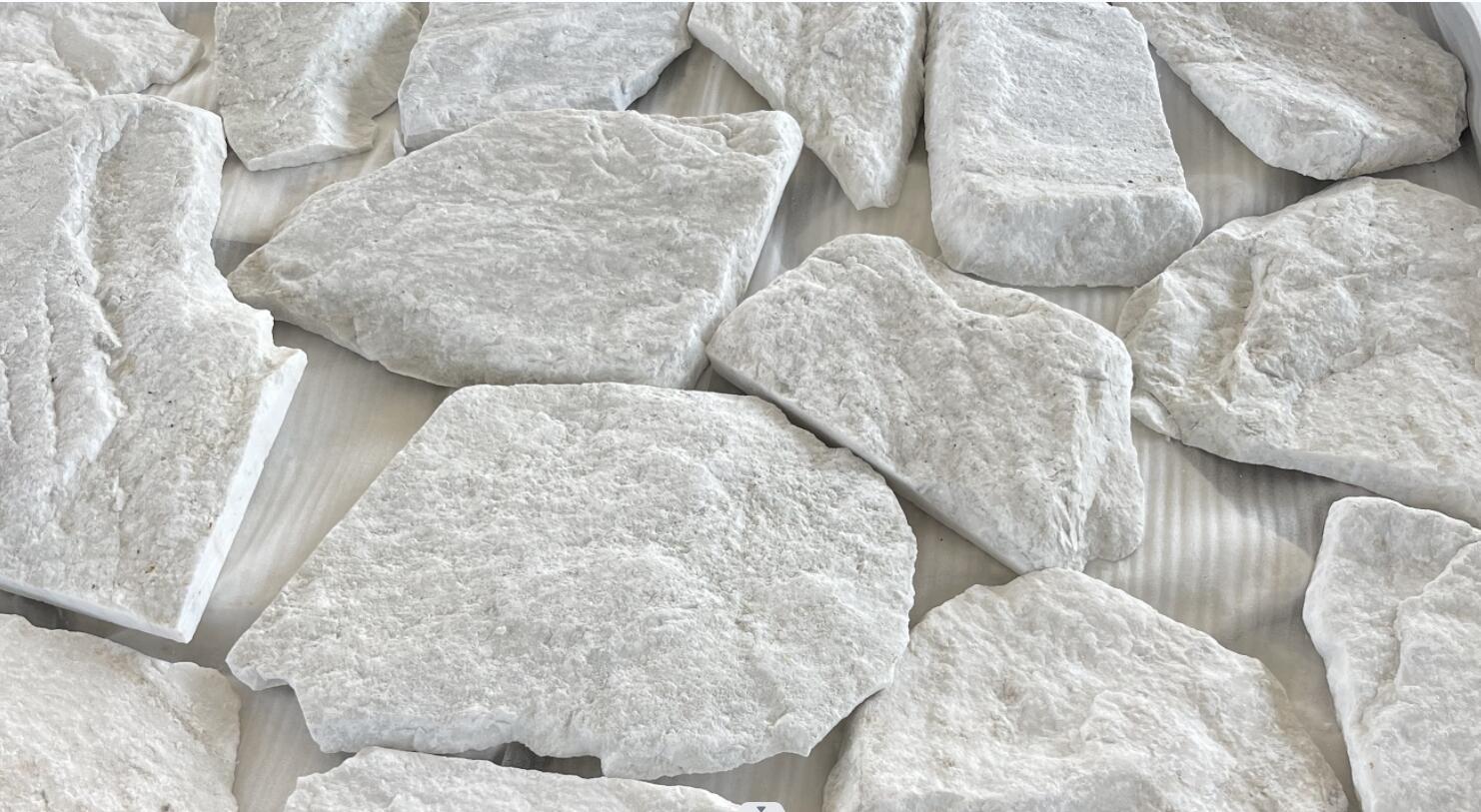
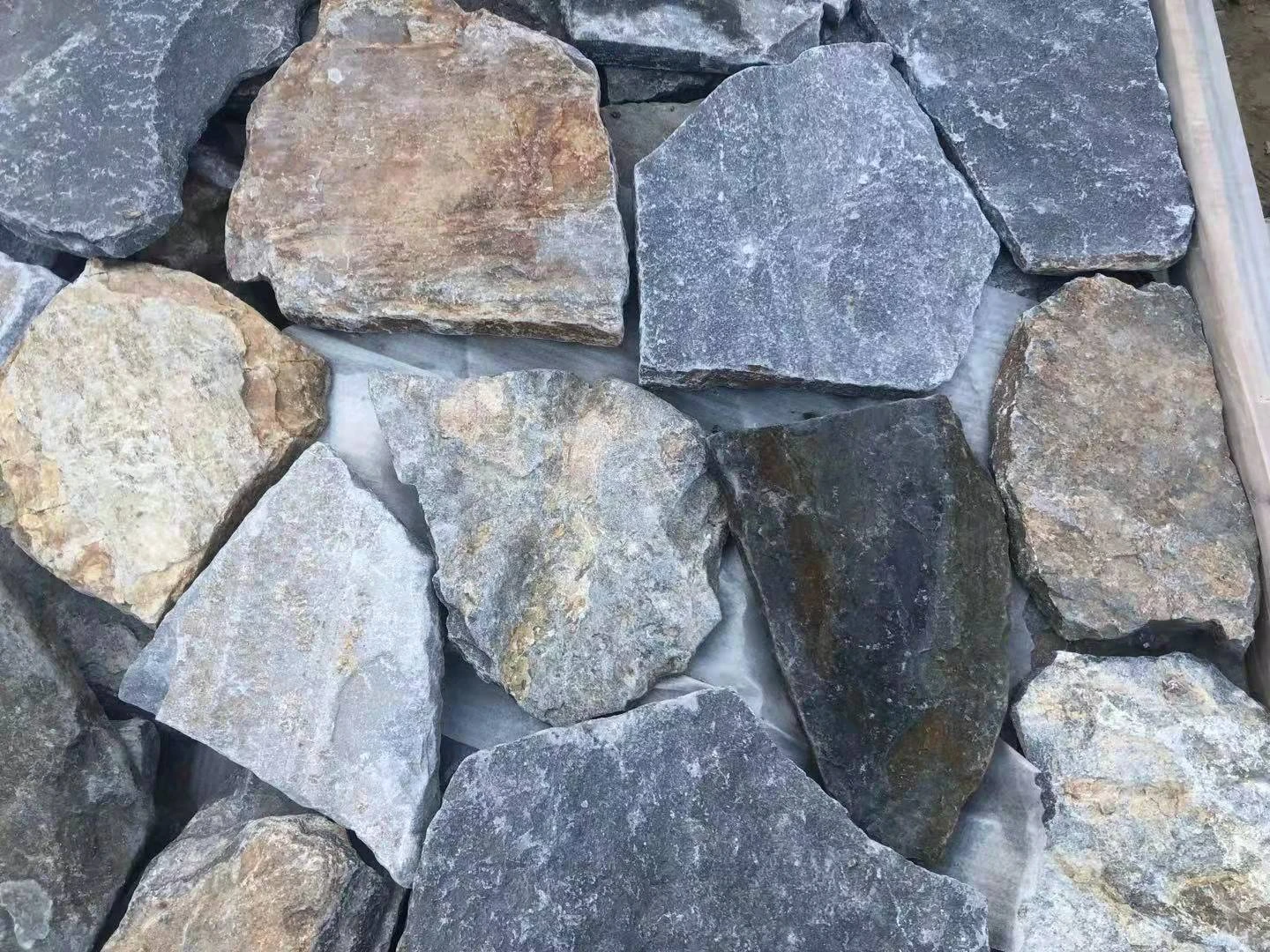
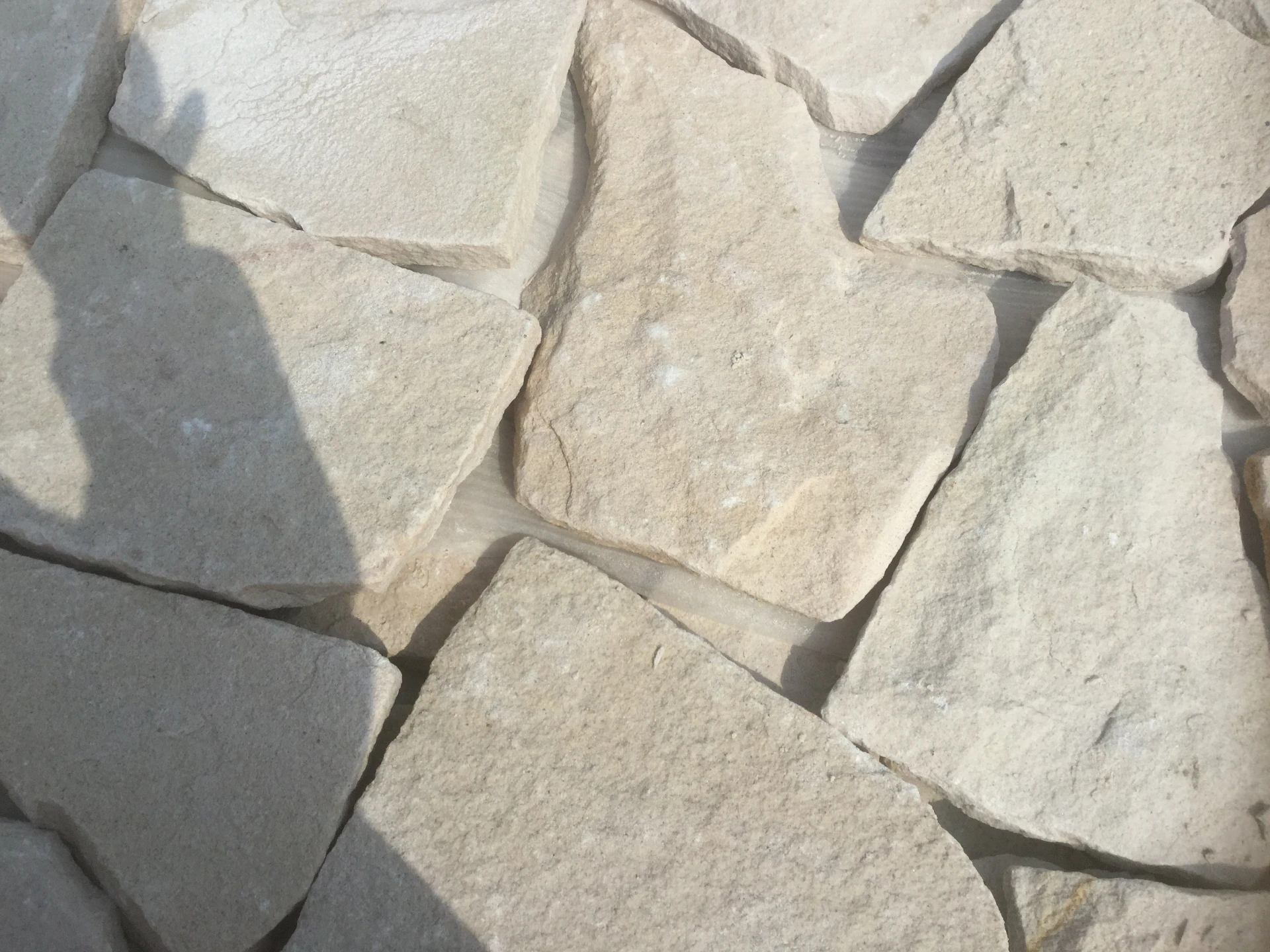
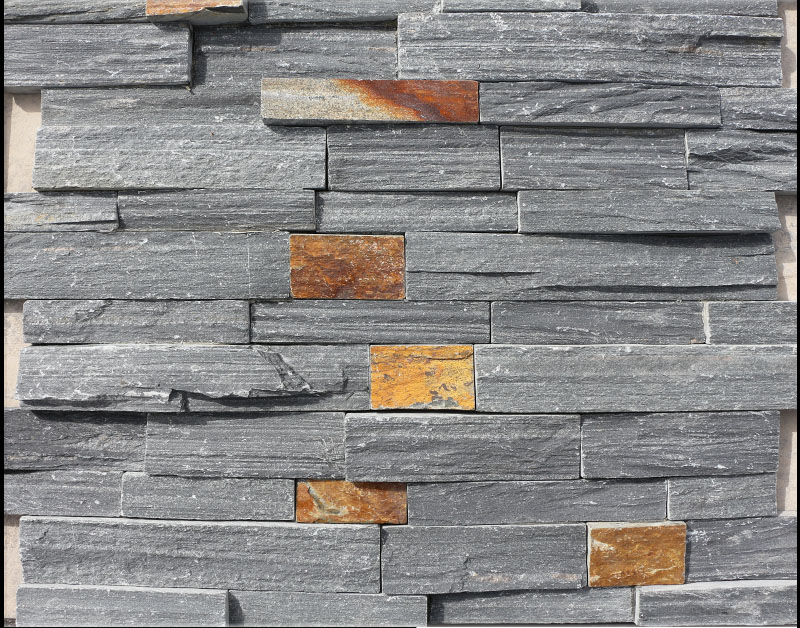
Would seem a pretty simple question right? And yes, it’s a pretty simple answer – cladding made from stone. However from the meetings I have with contractors and surveyors, I see it often gets over-complicated in designers’ minds and confused with traditional stone masonry.
Natural stone is one of the oldest materials used by man in construction. We only have to look at buildings such as the Taj Mahal completed in 1648 using white marble, or the Great Pyramid thought to have been completed in 2560BC made predominantly out of limestone to appreciate the longevity of stone as a material. (Imagine the architect specifying the Design Life for the Pyramid….)
Òbviament, els mètodes de construcció han canviat des que van construir el Taj Mahal, i gràcies als diferents sectors i oficis dins de la indústria de la construcció, les referències creuades i les xarxes al llarg dels anys, ja no hem d'apilar blocs de pedra pesats els uns sobre els altres per crear l'aparença. d'un edifici de pedra sòlida.
Traditional stone masonry (not something we do here at AlterEgo by the way), is loaded onto the building’s foundations and uses stones and mortar, tied back with wall-ties – think brickwork.
El revestiment de pedra actual, d'altra banda, es penja de l'estructura de l'edifici i s'ajunta de la mateixa manera que un sistema de protecció contra la pluja metàl·lica.
Ja veus, el revestiment de pedra, és un revestiment de protecció contra la pluja sistema i s'ha de tractar com a tal.
Looking through a cross section of a typical stone cladding build-up you’ll see lots of familiar components: spreader bars, helping-hand brackets, rails and T-bars. It’s only the facing material which is interchangeable.
There are a few nuances when working with natural stone for the first time, but nothing that a day’s training and our on-site support won’t cover.
So if you’re a contractor used to installing aluminium and steel cladding or you specialize in terracotta; don’t be afraid of stone! Check out this video showing the simplicity of our EGO-02S system EGO 02s INSTALLATION BETA – YouTube
Quan es tracta de fixar el panell de revestiment de pedra a l'estructura de suport, hi ha dos mètodes principals de fixació:
With an undercut anchor system, typically used for larger format panels, holes are pre-drilled into the back of the stone, a sleeve and bolt inserted and fixed onto a hanging clasp and horizontal system. This method is good for natural stone panels with a thickness range from 30-50mm and can be used in both stack and stretcher bond layouts, typically in a portrait layout. Undercut anchors are always used in soffit situations.
Com que les fixacions es troben a la part posterior del panell, aquest mètode és completament secret, no hi ha cap fixació visible.
The kerf method of fixing stone is where a continuous groove is cut in the top and bottom of the stone, and the stone simply sits on a rail or clasp at the bottom and restrained at the top. A kerf system works particularly well for horizontally laid panels in either stack or stretcher bond.
La rapidesa i senzillesa d'instal·lació i unida al fet que els panells es poden instal·lar de manera no seqüencial fan d'aquest mètode el sistema de revestiment de pedra més utilitzat.
Tots dos mètodes d'instal·lació solen ser oberts, però les juntes apuntades amb un segellador no migratori poden donar l'aspecte d'un edifici de maçoneria tradicional.
If you’re considering stone for your next project, please get in contact.
 africana
  albanès
  amàric
  àrab
àrab  armeni
  azerbaidjana
  basc
basc  Bielorús
  bengalí
  bosnià
  búlgar
  català
  Cebuà
Cebuà  Xina
Xina  Xina (Taiwan)
  Cors
Cors  croat
croat  txec
txec  danès
danès  holandès
  Anglès
  esperanto
  estonià
  finès
finès  francès
  frisó
frisó  gallec
  georgiana
  alemany
  grec
grec  Gujarati
  crioll haitiano
  hausa
hausa  hawaià
  hebreu
  No
No  Miao
Miao  hongarès
  islandès
  igbo
igbo  indonesi
  irlandesa
  italià
  japonès
  javanès
  Kannada
  kazakh
  Khmer
Khmer  Ruandès
  coreà
coreà  kurd
kurd  kirguis
  TB
TB  llatí
llatí  letó
letó  lituà
lituà  luxemburguesa
  macedoni
  Malgashi
  Malai
Malai  malayalam
  maltès
  Maori
Maori  Marathi
  mongol
  Myanmar
  nepalí
  noruec
  noruec
  occità
  Pashto
  persa
persa  polonès
  portuguès
  panjabi
  romanès
  rus
rus  samoà
samoà  Gaèlic escocès
  serbi
serbi  Anglès
  Shona
Shona  Sindhi
  Sinhala
  eslovac
  eslovè
  Somali
  espanyol
  Sundanès
  suahili
  suec
suec  Tagalog
  Tadjik
  Tamil
Tamil  tàrtar
  Telugu
  tailandès
  turc
turc  turcomà
  Ucraïnès
  Urdú
Urdú  uigur
uigur  Uzbek
Uzbek  vietnamita
  gal·lès