

Would seem a pretty simple question right? And yes, it’s a pretty simple answer – cladding made from stone. However from the meetings I have with contractors and surveyors, I see it often gets over-complicated in designers’ minds and confused with traditional stone masonry.
Natural stone is one of the oldest materials used by man in construction. We only have to look at buildings such as the Taj Mahal completed in 1648 using white marble, or the Great Pyramid thought to have been completed in 2560BC made predominantly out of limestone to appreciate the longevity of stone as a material. (Imagine the architect specifying the Design Life for the Pyramid….)
روش های ساخت و ساز بدیهی است که از زمان ساخت تاج محل تغییر کرده است، و به لطف بخش ها و تجارت های مختلف در صنعت ساخت و ساز ارجاعات متقابل و شبکه سازی در طول سال ها، دیگر مجبور نیستیم برای ایجاد ظاهر، بلوک های سنگی سنگین را روی هم قرار دهیم. از یک ساختمان سنگی محکم
Traditional stone masonry (not something we do here at AlterEgo by the way), is loaded onto the building’s foundations and uses stones and mortar, tied back with wall-ties – think brickwork.
از طرف دیگر روکش سنگ مدرن از ساختار ساختمان آویزان شده است و تقریباً به همان روشی که یک سیستم ضد باران فلزی در کنار هم قرار می گیرد.
ببینید، روکش سنگ، یک است روکش ضد باران سیستم و باید به عنوان چنین رفتار شود.
Looking through a cross section of a typical stone cladding build-up you’ll see lots of familiar components: spreader bars, helping-hand brackets, rails and T-bars. It’s only the facing material which is interchangeable.
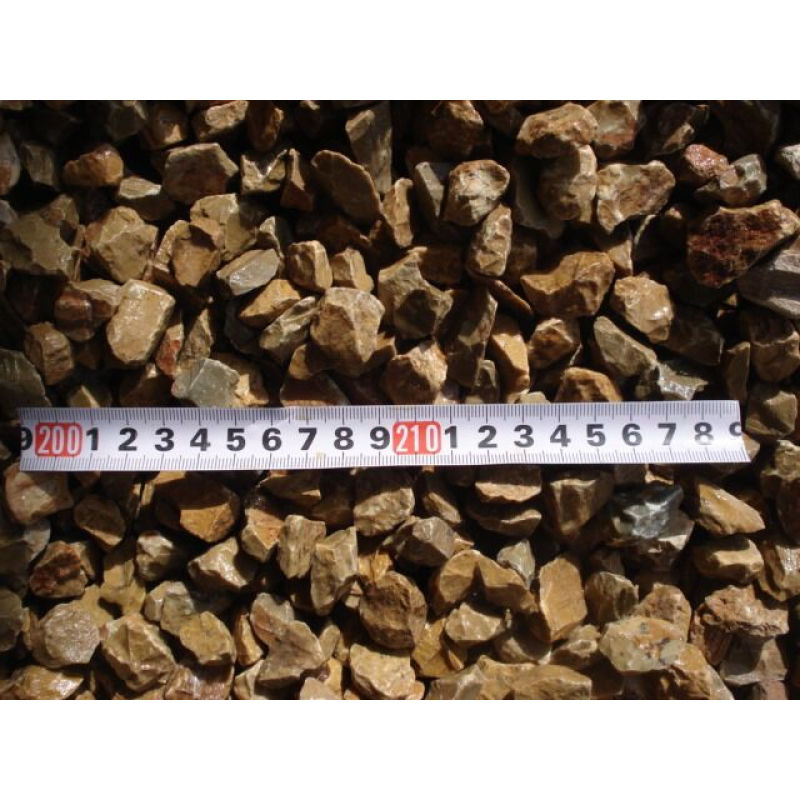
There are a few nuances when working with natural stone for the first time, but nothing that a day’s training and our on-site support won’t cover.
So if you’re a contractor used to installing aluminium and steel cladding or you specialize in terracotta; don’t be afraid of stone! Check out this video showing the simplicity of our EGO-02S system EGO 02s INSTALLATION BETA – YouTube
هنگامی که صحبت از تثبیت پانل روکش سنگ به سازه پشتیبانی می شود، دو روش اصلی ثابت وجود دارد:
With an undercut anchor system, typically used for larger format panels, holes are pre-drilled into the back of the stone, a sleeve and bolt inserted and fixed onto a hanging clasp and horizontal system. This method is good for natural stone panels with a thickness range from 30-50mm and can be used in both stack and stretcher bond layouts, typically in a portrait layout. Undercut anchors are always used in soffit situations.
از آنجایی که یراقها همه در پشت پانل قرار دارند، این روش کاملاً مخفیانه است و هیچ گیرهای قابل مشاهده نیست.
The kerf method of fixing stone is where a continuous groove is cut in the top and bottom of the stone, and the stone simply sits on a rail or clasp at the bottom and restrained at the top. A kerf system works particularly well for horizontally laid panels in either stack or stretcher bond.
سرعت و سادگی نصب و نصب غیر متوالی پانل ها در کنار آن، این روش را به پرکاربردترین سیستم روکش سنگ تبدیل کرده است.
هر دو روش نصب به طور معمول با اتصالات باز هستند، با این حال اتصالات اشاره با یک درزگیر غیر مهاجر می تواند ظاهر یک ساختمان بنایی سنتی را ایجاد کند.
If you’re considering stone for your next project, please get in contact.
 آفریقایی
  آلبانیایی
  آمهری
آمهری  عربی
عربی  ارمنی
ارمنی  آذربایجانی
  باسکی
باسکی  بلاروسی
  بنگالی
  بوسنیایی
  بلغاری
  کاتالان
  سبوانو
  چین
چین  چین (تایوان)
  کورسی
کورسی  کروات
کروات  کشور چک
  دانمارکی
  هلندی
هلندی  انگلیسی
  اسپرانتو
  استونیایی
  فنلاندی
  فرانسوی
  فریزی
فریزی  گالیسیایی
  گرجی
گرجی  آلمانی
  یونانی
  گجراتی
  کریول هائیتی
  هاوسا
هاوسا  هاوایی
  عبری
عبری  جواب منفی
  میائو
میائو  مجارستانی
  ایسلندی
  igbo
igbo  اندونزیایی
  ایرلندی
  ایتالیایی
  ژاپنی
ژاپنی  جاوه ای
  کانادا
  قزاقی
قزاقی  خمر
خمر  رواندا
  کره ای
  کردی
کردی  قرقیزستان
  سل
سل  لاتین
لاتین  لتونی
لتونی  لیتوانیایی
  لوگزامبورگی
  مقدونی
  مالگاشی
  مالایی
  مالایایی
  مالتی
مالتی  مائوری
  مراتی
مراتی  مغولی
مغولی  میانمار
  نپالی
نپالی  نروژی
نروژی  نروژی
نروژی  اکسیتان
  پشتو
پشتو  فارسی
فارسی  لهستانی
  پرتغالی
  پنجابی
  رومانیایی
  روسی
روسی  ساموآ
ساموآ  گیلیک اسکاتلندی
  صربی
صربی  انگلیسی
  شونا
شونا  سندی
سندی  سینهالی
  اسلواکی
  اسلوونیایی
  سومالی
  اسپانیایی
  ساندانی
  سواحیلی
  سوئدی
سوئدی  تاگالوگ
  تاجیک
تاجیک  تامیل
تامیل  تاتاری
  تلوگو
تلوگو  تایلندی
  ترکی
ترکی  ترکمن
ترکمن  اوکراینی
  اردو
اردو  اویغور
  ازبکستان
  ویتنامی
  ولز
ولز 




