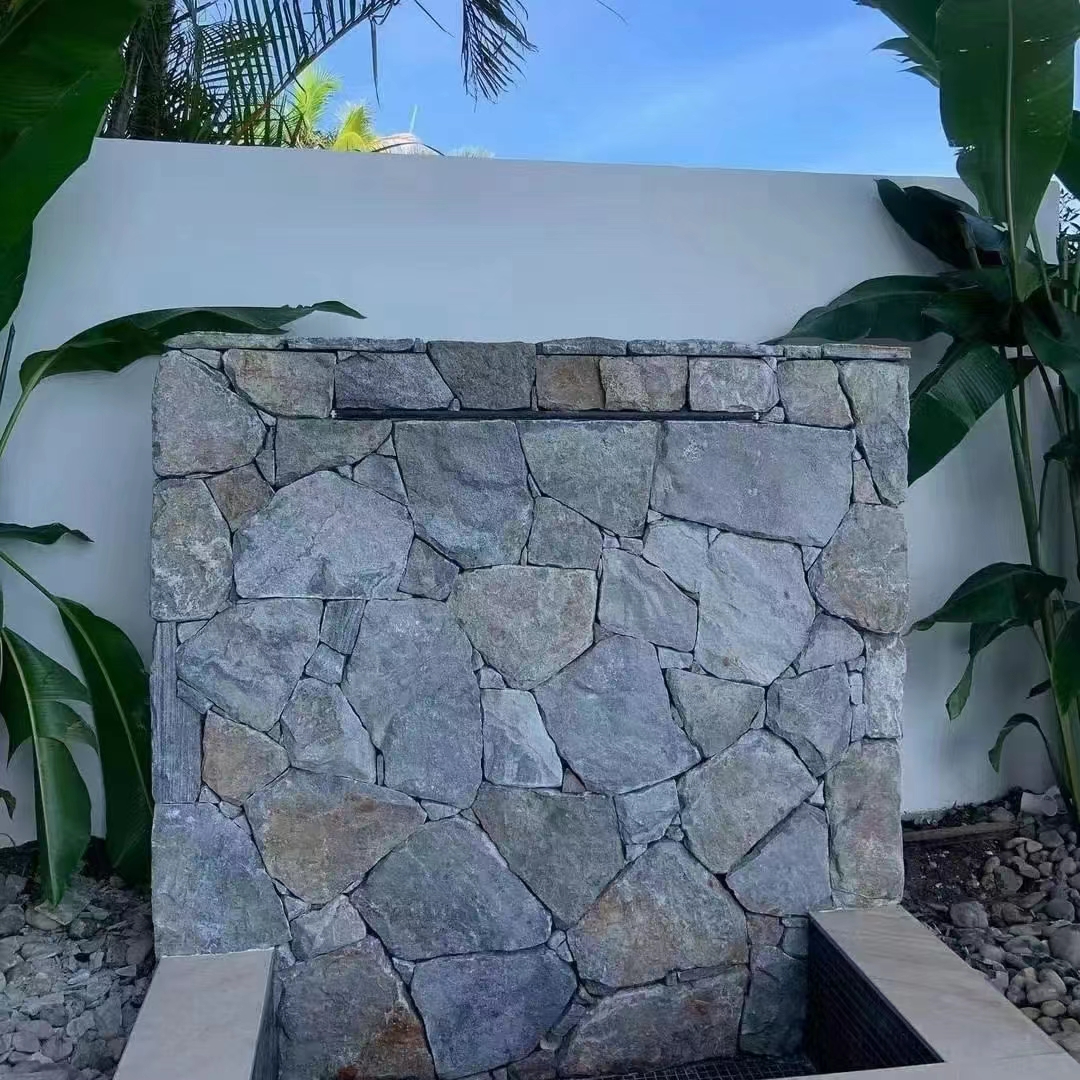
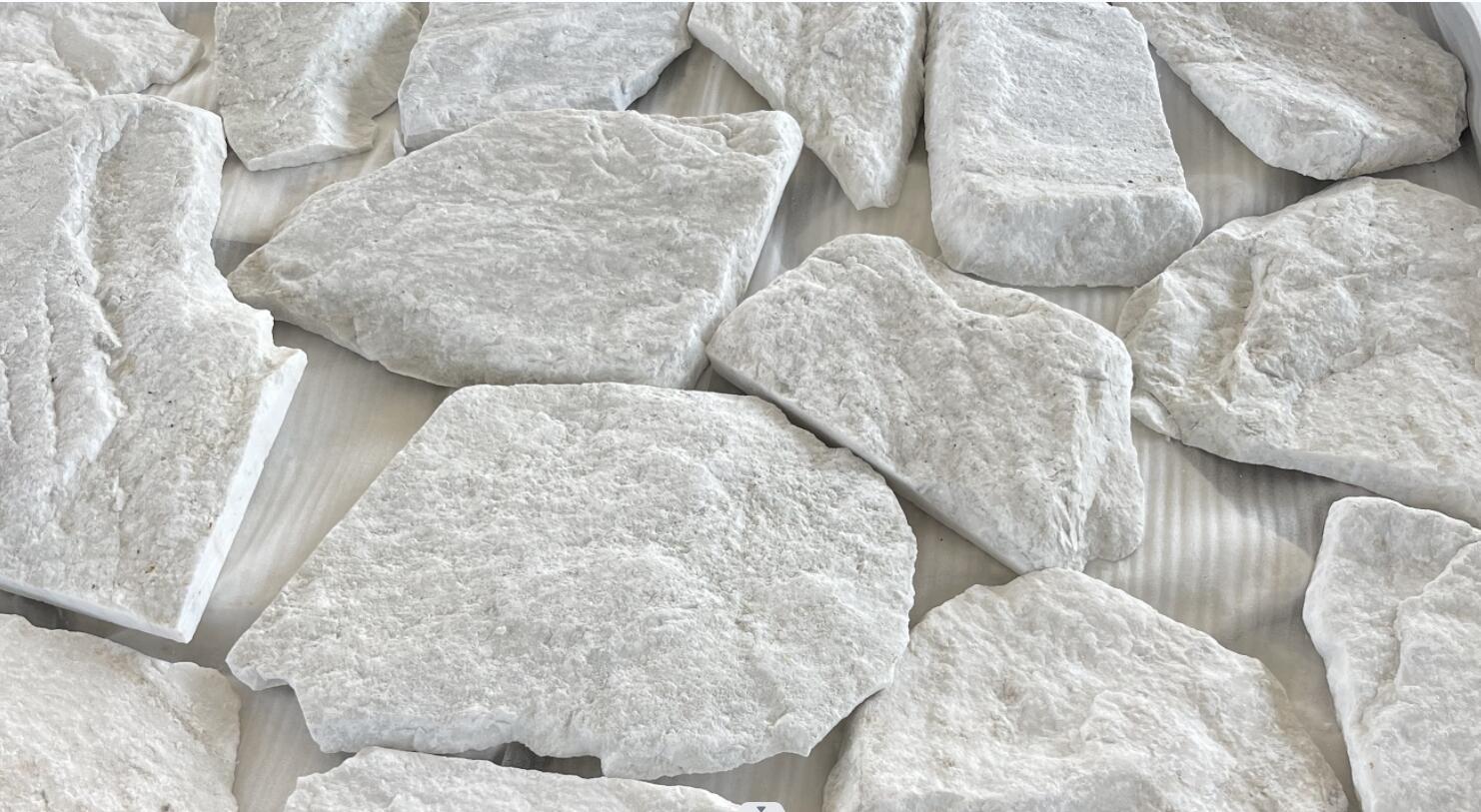
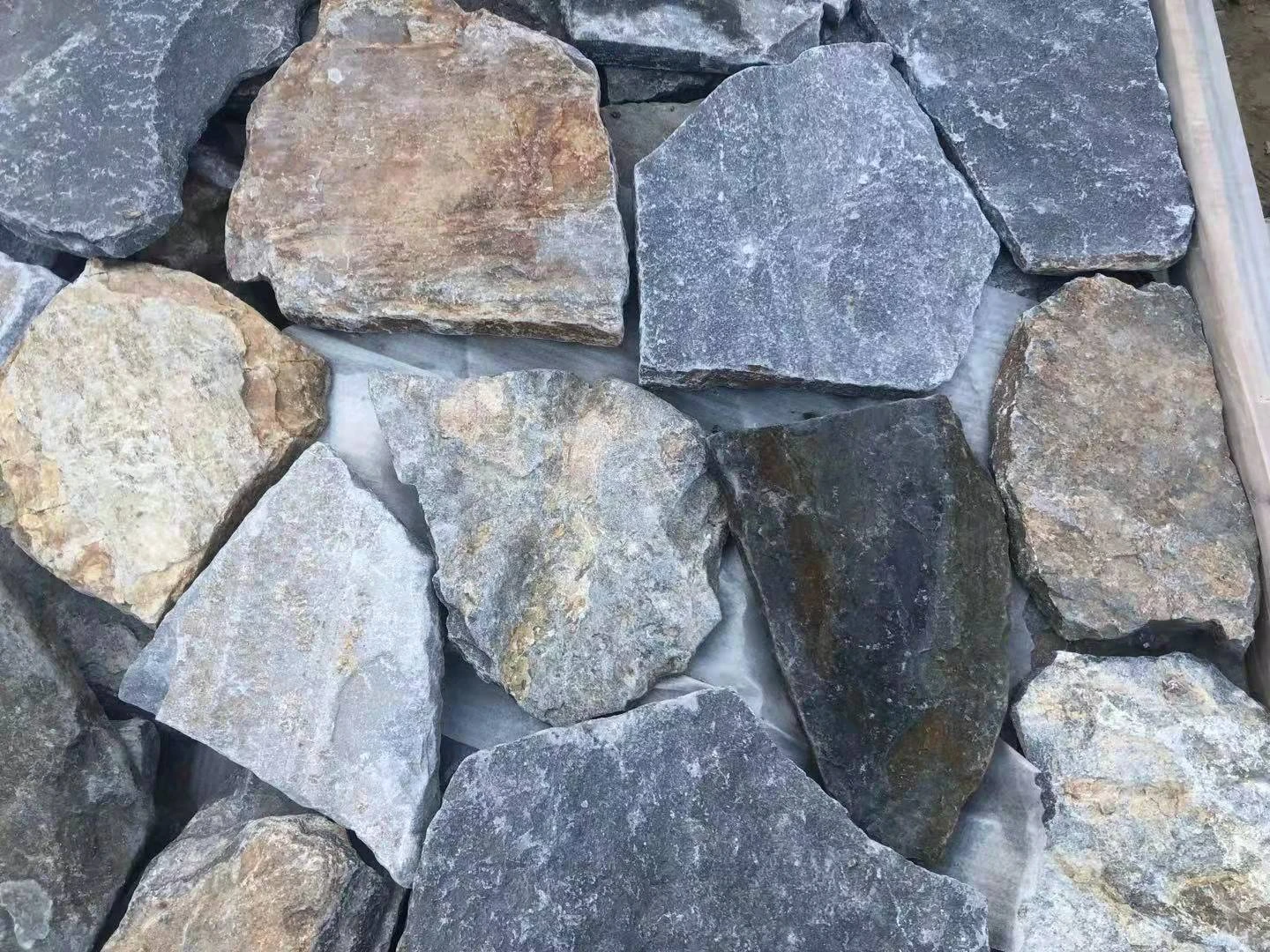
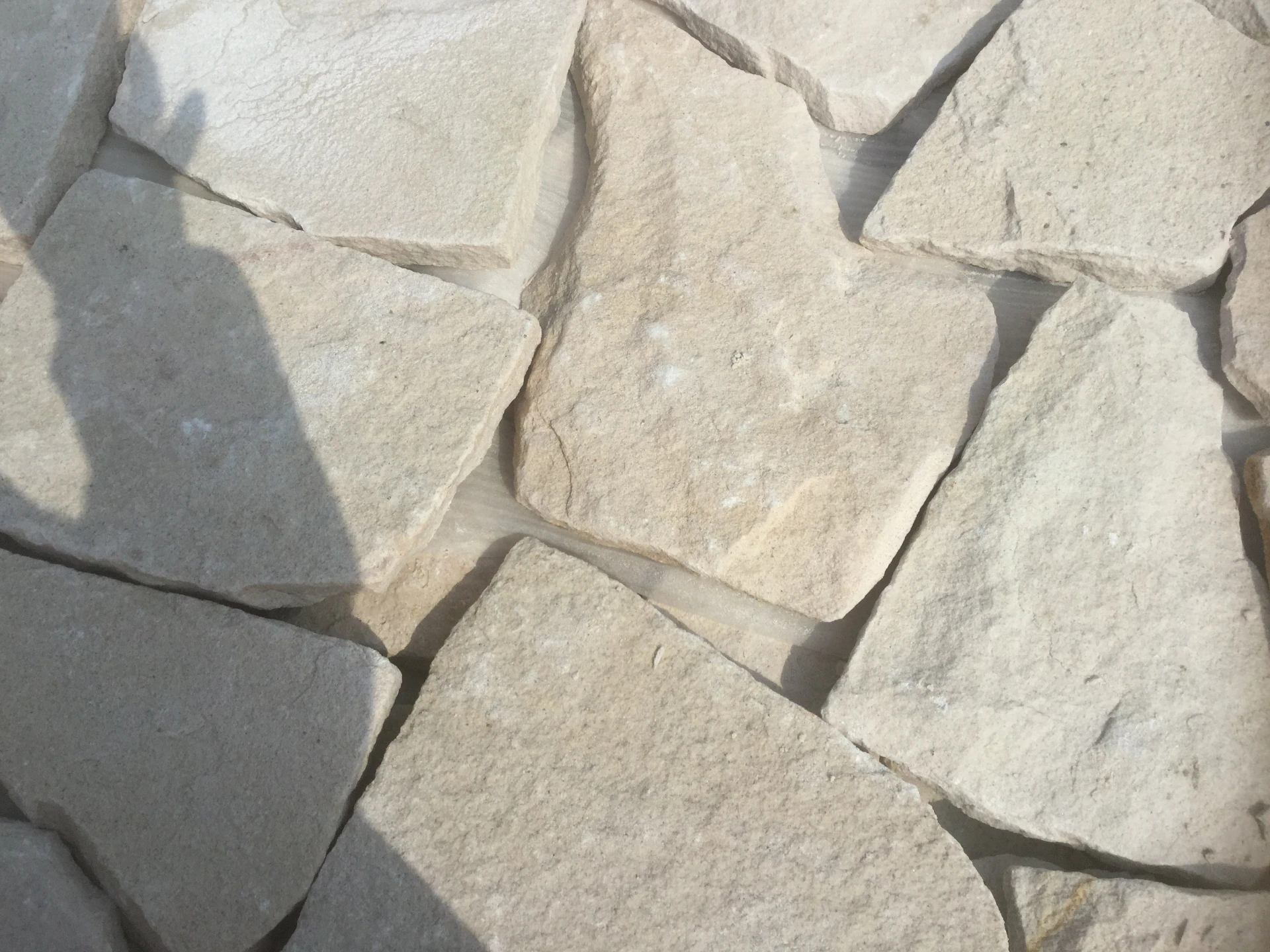
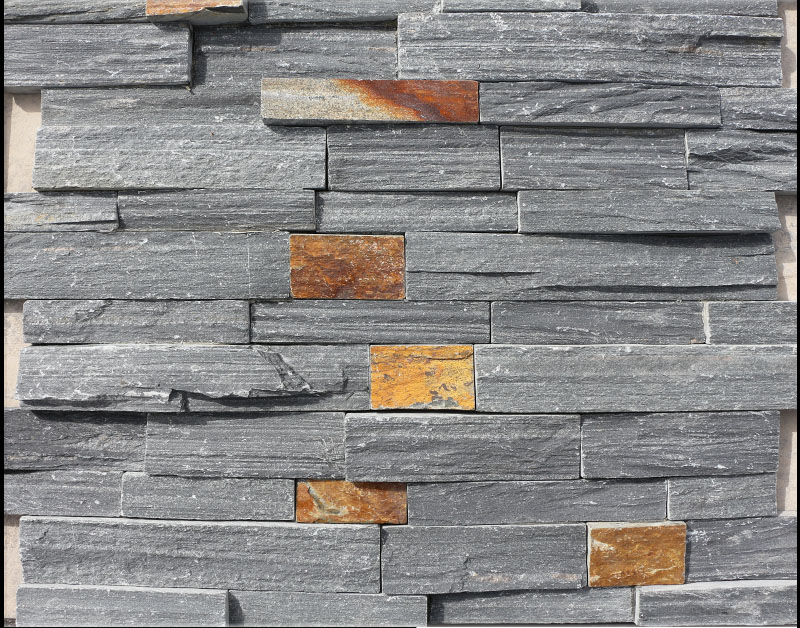
Would seem a pretty simple question right? And yes, it’s a pretty simple answer – cladding made from stone. However from the meetings I have with contractors and surveyors, I see it often gets over-complicated in designers’ minds and confused with traditional stone masonry.
Natural stone is one of the oldest materials used by man in construction. We only have to look at buildings such as the Taj Mahal completed in 1648 using white marble, or the Great Pyramid thought to have been completed in 2560BC made predominantly out of limestone to appreciate the longevity of stone as a material. (Imagine the architect specifying the Design Life for the Pyramid….)
Byggmetoderna har uppenbarligen förändrats sedan de byggde Taj Mahal, och tack vare att olika sektorer och branscher inom byggbranschen korsreferens och nätverkat under åren behöver vi inte längre stapla tunga stenblock ovanpå varandra för att skapa utseendet av en solid stenbyggnad.
Traditional stone masonry (not something we do here at AlterEgo by the way), is loaded onto the building’s foundations and uses stones and mortar, tied back with wall-ties – think brickwork.
Modern stenbeklädnad å andra sidan hängs från byggnadsstrukturen och sätts ihop ungefär på samma sätt som ett regnskyddssystem i metall.
Du förstår, stenbeklädnad, är en regnskyddsbeklädnad systemet och bör behandlas som sådant.
Looking through a cross section of a typical stone cladding build-up you’ll see lots of familiar components: spreader bars, helping-hand brackets, rails and T-bars. It’s only the facing material which is interchangeable.
There are a few nuances when working with natural stone for the first time, but nothing that a day’s training and our on-site support won’t cover.
So if you’re a contractor used to installing aluminium and steel cladding or you specialize in terracotta; don’t be afraid of stone! Check out this video showing the simplicity of our EGO-02S system EGO 02s INSTALLATION BETA – YouTube
När det gäller att fästa stenbeklädnadspanelen på stödstrukturen finns det två huvudsakliga fixeringsmetoder:
With an undercut anchor system, typically used for larger format panels, holes are pre-drilled into the back of the stone, a sleeve and bolt inserted and fixed onto a hanging clasp and horizontal system. This method is good for natural stone panels with a thickness range from 30-50mm and can be used in both stack and stretcher bond layouts, typically in a portrait layout. Undercut anchors are always used in soffit situations.
Eftersom alla fästen sitter på baksidan av panelen är denna metod helt hemlig fixad, inga fästen syns.
The kerf method of fixing stone is where a continuous groove is cut in the top and bottom of the stone, and the stone simply sits on a rail or clasp at the bottom and restrained at the top. A kerf system works particularly well for horizontally laid panels in either stack or stretcher bond.
Snabbheten och enkelheten i installationen och i kombination med det faktum att paneler kan installeras icke-sekventiellt gör denna metod till det mest använda stenbeklädnadssystemet.
Båda installationsmetoderna är vanligtvis öppna fogar, men spetsfogar med ett icke-migrerande tätningsmedel kan ge utseendet av en traditionell murbyggnad.
If you’re considering stone for your next project, please get in contact.
 afrikanska
  albanska
  amhariska
  arabiska
  armeniska
  azerbajdzjanska
  baskiska
  vitryska
  bengaliska
  bosniska
  bulgariska
  katalanska
  Cebuano
  Kina
Kina  Kina (Taiwan)
  korsikanska
  Kroatisk
  tjeckiska
  danska
  holländska
  engelsk
  esperanto
  estniska
  finska
  franska
  frisiska
  galiciska
  georgiska
  tysk
tysk  grekisk
  Gujarati
  haitisk kreol
  hausa
hausa  hawaiian
  hebreiska
  Nej
Nej  Miao
Miao  ungerska
  isländska
  igbo
igbo  indonesiska
  irländsk
  italienska
  japanska
  javanesiska
  Kannada
  kazakiska
  Khmer
Khmer  rwandiska
  koreanska
  kurdiska
  kirgiziska
  TB
TB  latin
latin  lettiska
  litauiska
  Luxemburgiska
  makedonska
  Malgashi
  malajiska
  Malayalam
  maltesiska
  Maori
Maori  Marathi
  mongoliska
  Myanmar
  nepalesiska
  norska
  norska
  occitanska
  Pashto
  persiska
  putsa
putsa  portugisiska
  Punjabi
  rumänska
  ryska
ryska  Samoan
  skotsk gaeliska
  serbiska
  engelsk
  Shona
Shona  Sindhi
  singalesiska
  slovakiska
  slovenska
  somaliska
  spanska
  Sundanesiska
  Swahili
  svenska
  Tagalog
  tadzjikiska
  Tamil
Tamil  tatariska
  Telugu
  Thai
Thai  turkiska
  turkmeniska
  ukrainska
  Urdu
Urdu  Uigur
Uigur  uzbekiska
  vietnamesiska
  walesiska