

Would seem a pretty simple question right? And yes, it’s a pretty simple answer – cladding made from stone. However from the meetings I have with contractors and surveyors, I see it often gets over-complicated in designers’ minds and confused with traditional stone masonry.
Natural stone is one of the oldest materials used by man in construction. We only have to look at buildings such as the Taj Mahal completed in 1648 using white marble, or the Great Pyramid thought to have been completed in 2560BC made predominantly out of limestone to appreciate the longevity of stone as a material. (Imagine the architect specifying the Design Life for the Pyramid….)
მშენებლობის მეთოდები აშკარად შეიცვალა მას შემდეგ, რაც თაჯ მაჰალი ააშენეს, და წლების განმავლობაში სამშენებლო ინდუსტრიის სხვადასხვა სექტორისა და ვაჭრობის წყალობით, ჩვენ აღარ გვჭირდება მძიმე ქვის ბლოკების დაწყობა ერთმანეთზე გარეგნობის შესაქმნელად. მყარი ქვის ნაგებობა.
Traditional stone masonry (not something we do here at AlterEgo by the way), is loaded onto the building’s foundations and uses stones and mortar, tied back with wall-ties – think brickwork.
თანამედროვე ქვის მოპირკეთება, მეორეს მხრივ, ჩამოკიდებულია შენობის კონსტრუქციიდან და აწყობილია ისევე, როგორც ლითონის წვიმის ეკრანის სისტემა.
ხედავთ, ქვის მოპირკეთება, არის ა წვიმის ეკრანის მოპირკეთება სისტემა და უნდა განიხილებოდეს როგორც ასეთი.
Looking through a cross section of a typical stone cladding build-up you’ll see lots of familiar components: spreader bars, helping-hand brackets, rails and T-bars. It’s only the facing material which is interchangeable.
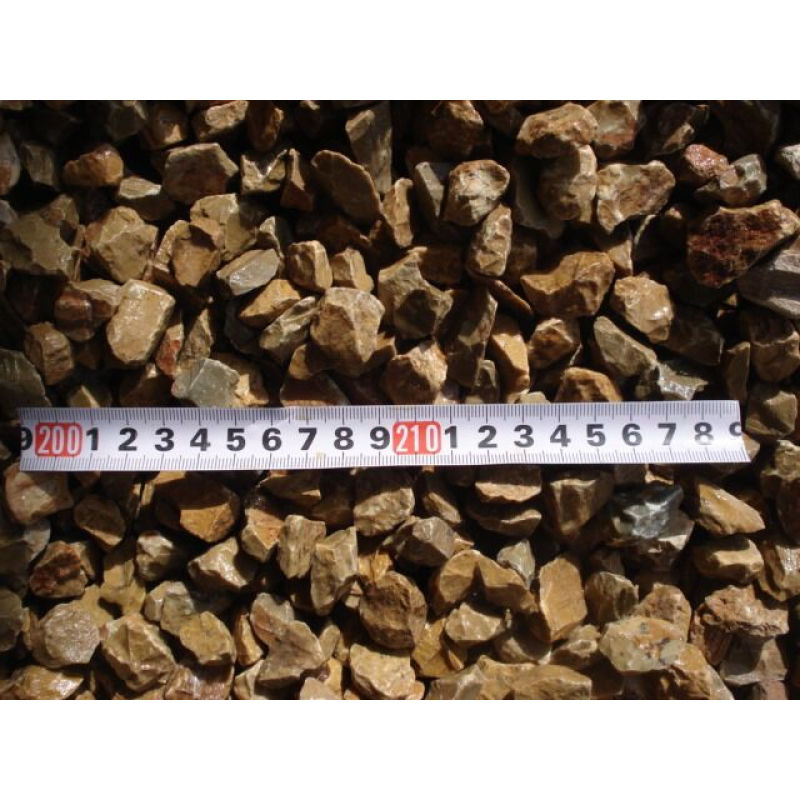
There are a few nuances when working with natural stone for the first time, but nothing that a day’s training and our on-site support won’t cover.
So if you’re a contractor used to installing aluminium and steel cladding or you specialize in terracotta; don’t be afraid of stone! Check out this video showing the simplicity of our EGO-02S system EGO 02s INSTALLATION BETA – YouTube
რაც შეეხება ქვის მოპირკეთების პანელის დამხმარე სტრუქტურაზე დამაგრებას, არსებობს ორი ძირითადი ფიქსაციის მეთოდი:
With an undercut anchor system, typically used for larger format panels, holes are pre-drilled into the back of the stone, a sleeve and bolt inserted and fixed onto a hanging clasp and horizontal system. This method is good for natural stone panels with a thickness range from 30-50mm and can be used in both stack and stretcher bond layouts, typically in a portrait layout. Undercut anchors are always used in soffit situations.
იმის გამო, რომ ფიქსაცია არის პანელის უკანა მხარეს, ეს მეთოდი მთლიანად ფარულად ფიქსირდება, არ ჩანს ფიქსაცია.
The kerf method of fixing stone is where a continuous groove is cut in the top and bottom of the stone, and the stone simply sits on a rail or clasp at the bottom and restrained at the top. A kerf system works particularly well for horizontally laid panels in either stack or stretcher bond.
ინსტალაციის სიჩქარე და სიმარტივე და იმ ფაქტთან ერთად, რომ პანელების დამონტაჟება შესაძლებელია არათანმიმდევრულად, ხდის ამ მეთოდს ქვის მოპირკეთების ყველაზე ფართოდ გამოყენებად სისტემად.
ინსტალაციის ორივე მეთოდი, როგორც წესი, არის ღია შეერთებით, თუმცა არამიგრაციული დალუქვის მიერთებამ შეიძლება ტრადიციული ქვისა შენობის იერსახე მისცეს.
If you’re considering stone for your next project, please get in contact.
 აფრიკელი
  ალბანური
  ამჰარული
  არაბული
  სომხური
  აზერბაიჯანული
  ბასკური
  ბელორუსული
  ბენგალური
  ბოსნიელი
  ბულგარული
  კატალონიური
  სებუანო
  ჩინეთი
  ჩინეთი (ტაივანი)
  კორსიკული
  ხორვატული
  ჩეხური
  დანიური
  ჰოლანდიური
  ინგლისური
  ესპერანტო
  ესტონური
  ფინური
  ფრანგული
  ფრიზიული
  გალისიური
  ქართული
  გერმანული
  ბერძენი
  გუჯარათი
  ჰაიტური კრეოლური
  ჰაუსა
ჰაუსა  ჰავაიელი
  ებრაული
  არა
არა  მიაო
მიაო  უნგრული
  ისლანდიური
  იგბო
იგბო  ინდონეზიური
  ირლანდიური
  იტალიური
  იაპონელი
  იავური
  კანადა
  ყაზახური
  ქმერული
  რუანდა
  კორეული
  ქურთული
  ყირგიზული
  ტუბერკულოზი
  ლათინური
  ლატვიური
  ლიტვური
  ლუქსემბურგული
  მაკედონელი
  მალღაში
  მალაიზია
  მალაიალამური
  მალტური
  მაორი
მაორი  მარათჰი
  მონღოლური
  მიანმარი
  ნეპალური
  ნორვეგიული
  ნორვეგიული
  ოქსიტანური
  პუშტუ
პუშტუ  სპარსული
  პოლონური
  პორტუგალიური
  პენჯაბური
  რუმინული
  რუსული
  სამოა
სამოა  შოტლანდიური გალური
  სერბული
  ინგლისური
  შონა
შონა  სინდი
სინდი  სინჰალური
  სლოვაკური
  სლოვენური
  სომალიური
  ესპანური
  სუნდური
  სუაჰილი
  შვედური
  ტაგალო
  ტაჯიკური
  ტამილური
  თათრული
  ტელუგუ
  ტაილანდური
  თურქული
  თურქმენი
  უკრაინული
  ურდუ
ურდუ  უიღური
  უზბეკური
  ვიეტნამური
  უელსური




