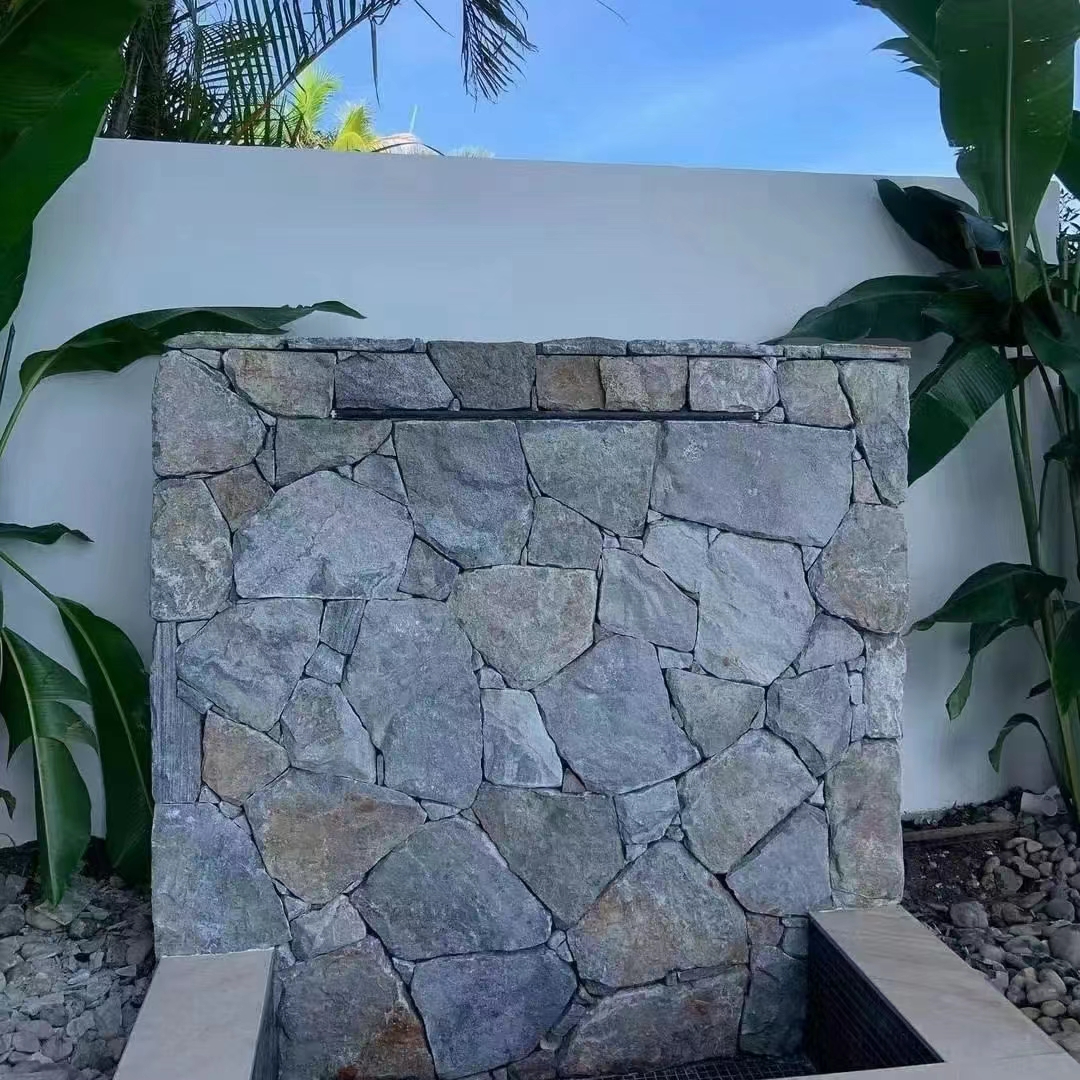
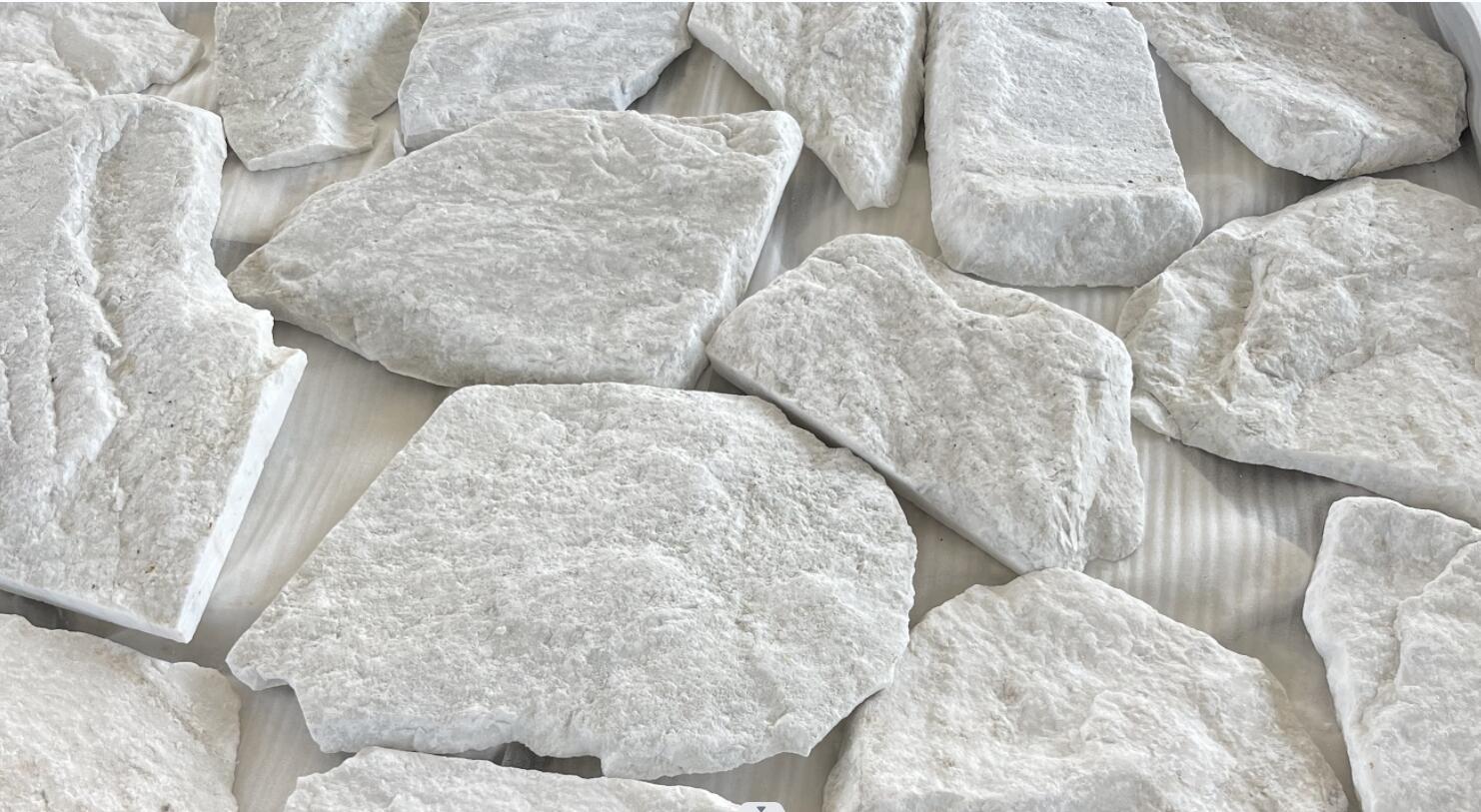
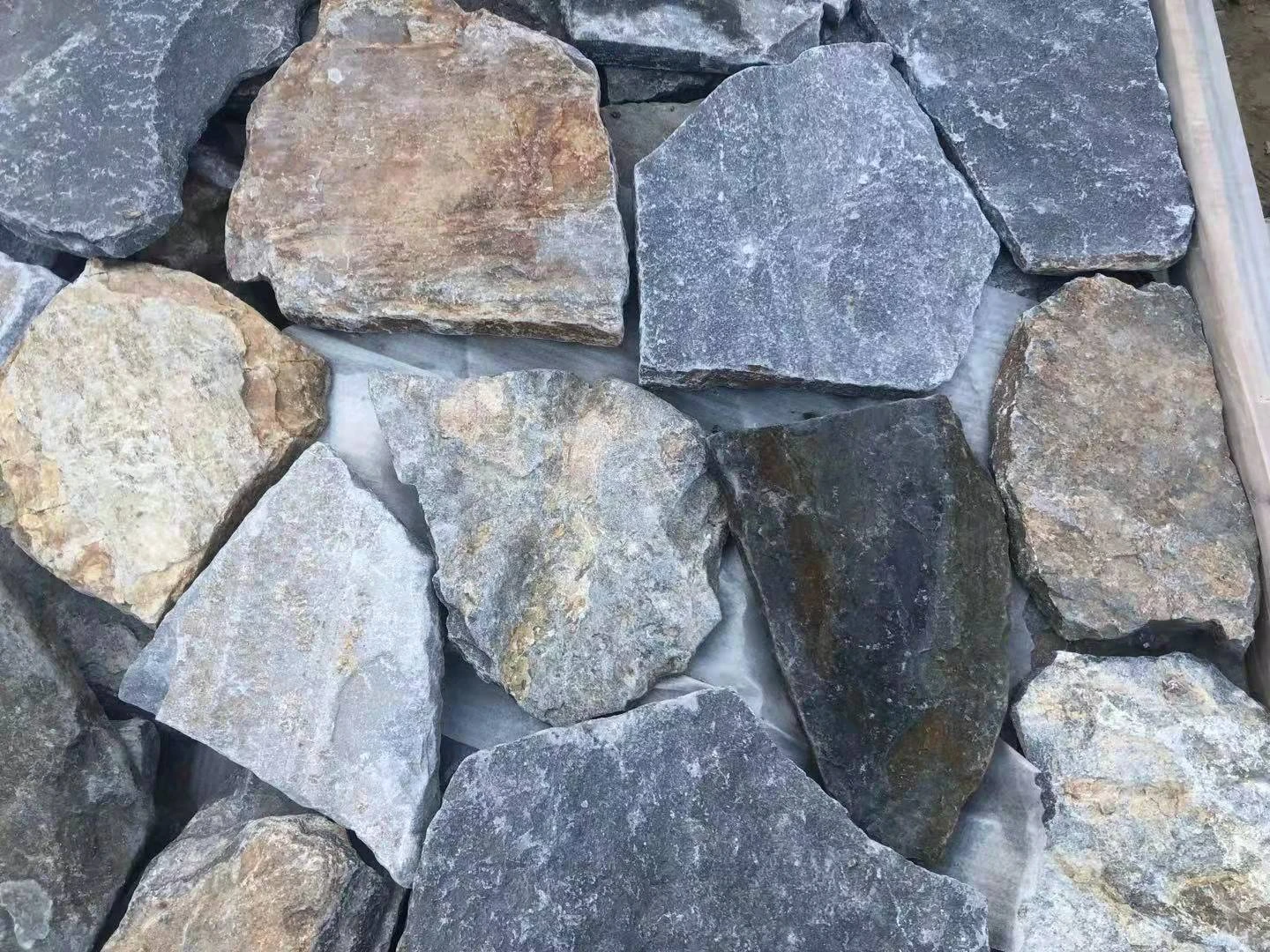
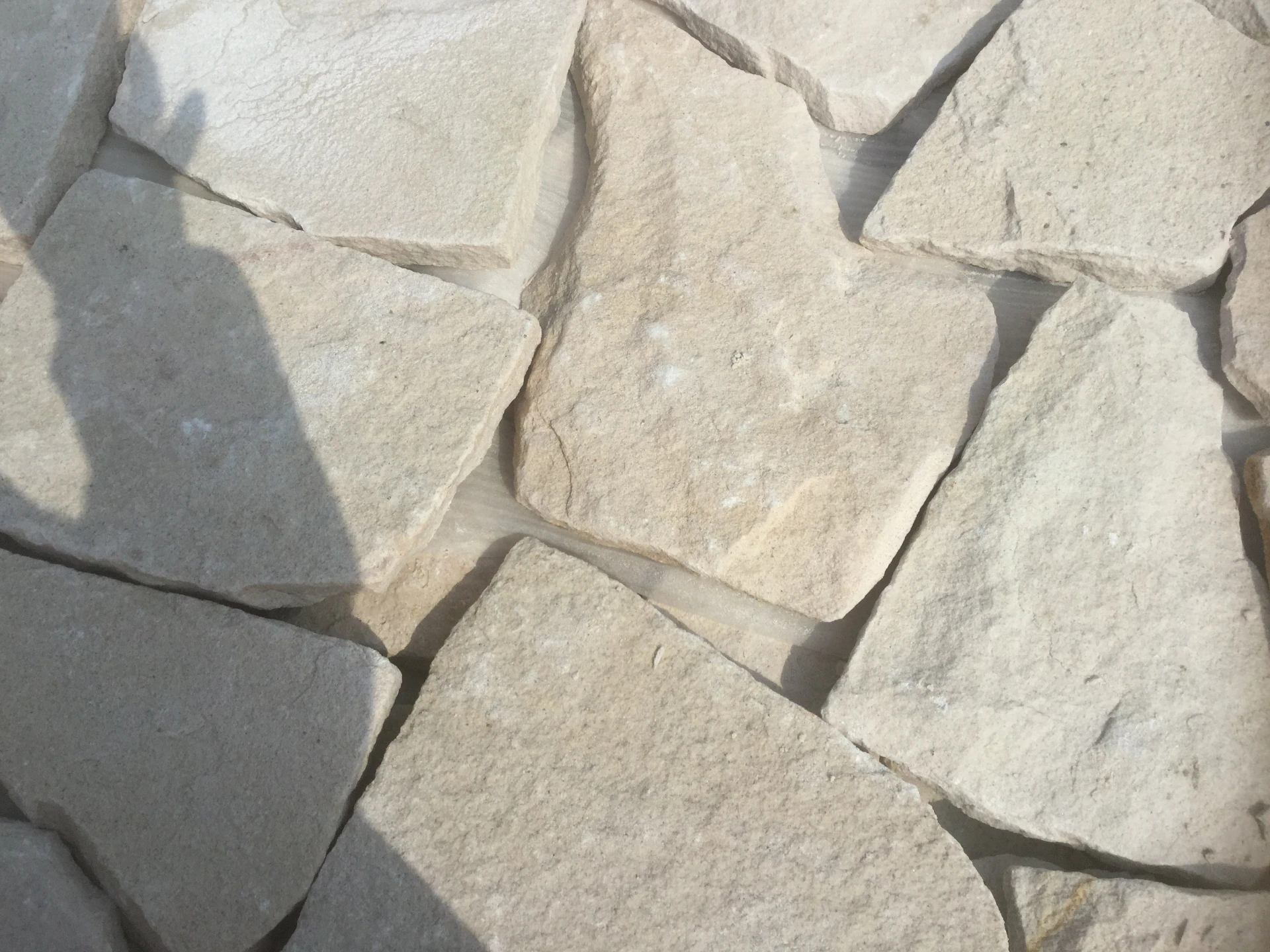
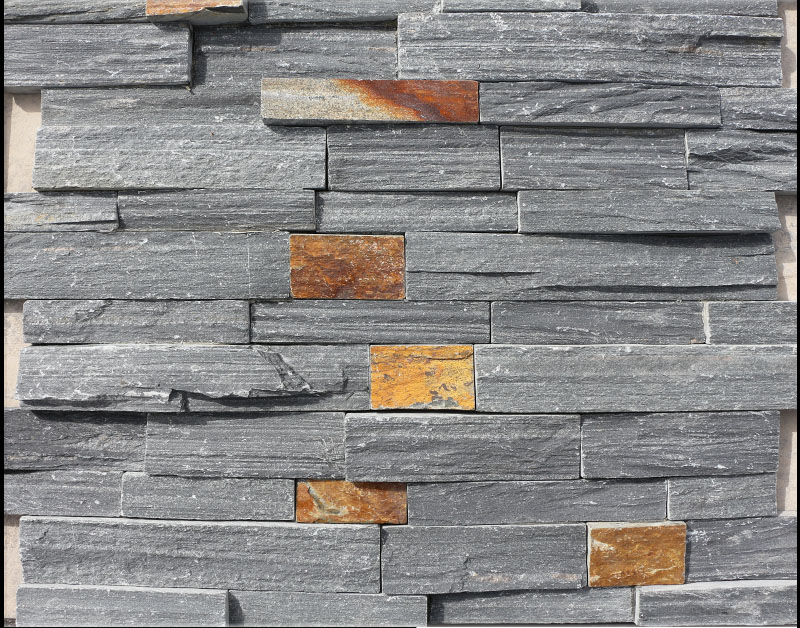
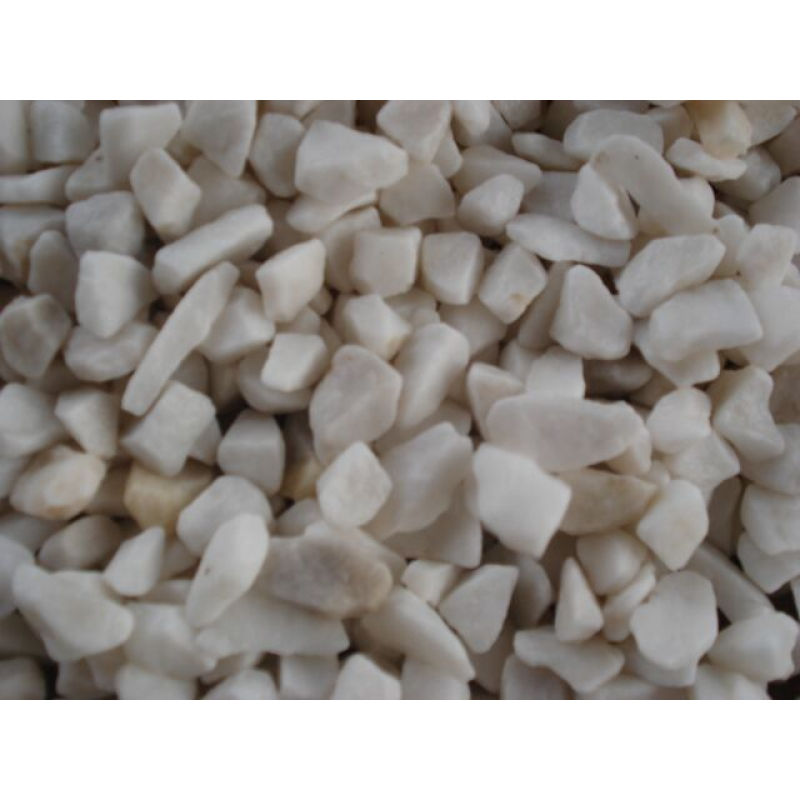
Would seem a pretty simple question right? And yes, it’s a pretty simple answer – cladding made from stone. However from the meetings I have with contractors and surveyors, I see it often gets over-complicated in designers’ minds and confused with traditional stone masonry.
Natural stone is one of the oldest materials used by man in construction. We only have to look at buildings such as the Taj Mahal completed in 1648 using white marble, or the Great Pyramid thought to have been completed in 2560BC made predominantly out of limestone to appreciate the longevity of stone as a material. (Imagine the architect specifying the Design Life for the Pyramid….)
타지마할을 건설한 이후 건축 방법은 분명히 바뀌었습니다. 수년에 걸친 건설 업계의 다양한 부문과 거래 덕분에 우리는 더 이상 외관을 만들기 위해 무거운 돌 블록을 서로 쌓을 필요가 없습니다. 단단한 석조 건물의 모습.
Traditional stone masonry (not something we do here at AlterEgo by the way), is loaded onto the building’s foundations and uses stones and mortar, tied back with wall-ties – think brickwork.
반면에 현대의 석재 클래딩은 건물 구조에 매달려 있으며 금속 레인스크린 시스템과 거의 동일한 방식으로 조립됩니다.
보시다시피, 석재 클래딩은 레인스크린 클래딩 시스템이므로 그렇게 취급되어야 합니다.
Looking through a cross section of a typical stone cladding build-up you’ll see lots of familiar components: spreader bars, helping-hand brackets, rails and T-bars. It’s only the facing material which is interchangeable.
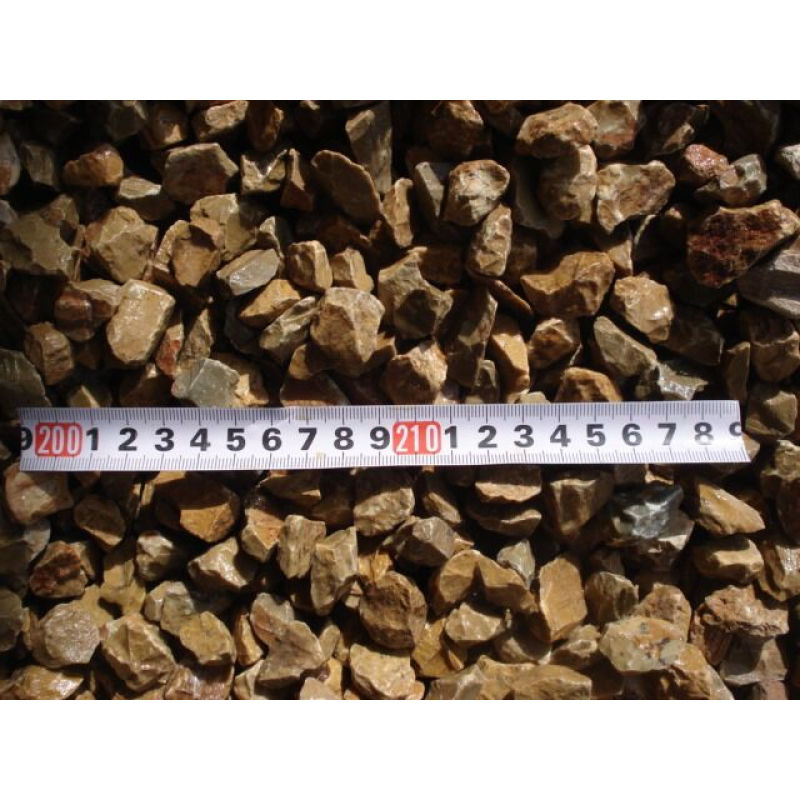
There are a few nuances when working with natural stone for the first time, but nothing that a day’s training and our on-site support won’t cover.
So if you’re a contractor used to installing aluminium and steel cladding or you specialize in terracotta; don’t be afraid of stone! Check out this video showing the simplicity of our EGO-02S system EGO 02s INSTALLATION BETA – YouTube
석재 클래딩 패널을 지지 구조물에 고정할 때 두 가지 주요 고정 방법이 있습니다.
With an undercut anchor system, typically used for larger format panels, holes are pre-drilled into the back of the stone, a sleeve and bolt inserted and fixed onto a hanging clasp and horizontal system. This method is good for natural stone panels with a thickness range from 30-50mm and can be used in both stack and stretcher bond layouts, typically in a portrait layout. Undercut anchors are always used in soffit situations.
고정 장치가 모두 패널 뒷면에 있기 때문에 이 방법은 완전히 비밀 고정 방식이므로 고정 장치가 보이지 않습니다.
The kerf method of fixing stone is where a continuous groove is cut in the top and bottom of the stone, and the stone simply sits on a rail or clasp at the bottom and restrained at the top. A kerf system works particularly well for horizontally laid panels in either stack or stretcher bond.
설치 속도와 단순성 그리고 패널을 비순차적으로 설치할 수 있다는 사실과 결합하여 이 방법은 가장 널리 사용되는 석재 클래딩 시스템입니다.
두 가지 설치 방법 모두 일반적으로 개방형 조인트이지만 비이동성 실런트를 사용하여 조인트를 가리키면 전통적인 석조 건물의 모습을 연출할 수 있습니다.
If you’re considering stone for your next project, please get in contact.
 아프리카 사람
  알바니아
알바니아  암하라어
암하라어  아라비아 말
  아르메니아 사람
  아제르바이잔
  바스크 사람
  벨로루시어
벨로루시어  벵골 사람
벵골 사람  보스니아어
보스니아어  불가리아 사람
  카탈로니아 사람
  세부아노어
세부아노어  중국
중국  중국(대만)
  코르시카어
코르시카어  크로아티아어
  체코 사람
체코 사람  덴마크 말
덴마크 말  네덜란드 사람
  영어
영어  에스페란토 말
  에스토니아 사람
  핀란드어
핀란드어  프랑스 국민
  프리지아어
프리지아어  갈리시아어
갈리시아어  그루지야 사람
  독일 사람
독일 사람  그리스 어
그리스 어  구자라트어
구자라트어  아이티 크리올어
  하우사
하우사  하와이 사람
  헤브라이 사람
  아니요
아니요  먀오족
먀오족  헝가리 인
헝가리 인  아이슬란드어
  이보
이보  인도네시아 인
  아일랜드의
아일랜드의  이탈리아 사람
  일본어
일본어  자바어
자바어  칸나다어
칸나다어  카자흐어
카자흐어  크메르어
크메르어  르완다
르완다  한국인
한국인  쿠르드어
쿠르드어  키르기스어
키르기스어  결핵
결핵  라틴어
라틴어  라트비아 사람
  리투아니아 사람
  룩셈부르크어
  마케도니아 어
  말가시
말가시  말레이 사람
  말라얄람어
말라얄람어  몰티즈
몰티즈  마오리족
마오리족  마라티어
마라티어  몽고 어
몽고 어  미얀마
미얀마  네팔어
네팔어  노르웨이 인
  노르웨이 인
  옥시탄
옥시탄  파슈토어
파슈토어  페르시아 인
  광택
광택  포르투갈 인
  펀자브어
펀자브어  루마니아 사람
  러시아인
러시아인  사모아어
사모아어  스코틀랜드 게일어
  세르비아 사람
  영어
영어  쇼나
쇼나  신디어
신디어  신할라어
신할라어  슬로바키아 사람
  슬로베니아
슬로베니아  소말리아어
소말리아어  스페인의
스페인의  순다어
순다어  스와힐리어
스와힐리어  스웨덴어
스웨덴어  타갈로그어
타갈로그어  타직어
타직어  타밀 사람
타밀 사람  타타르어
타타르어  텔루구어
텔루구어  태국어
태국어  터키어
터키어  투르크멘 말
  우크라이나 인
  우르두어
우르두어  위구르어
위구르어  우즈벡어
우즈벡어  베트남어
베트남어  웨일스 말
웨일스 말