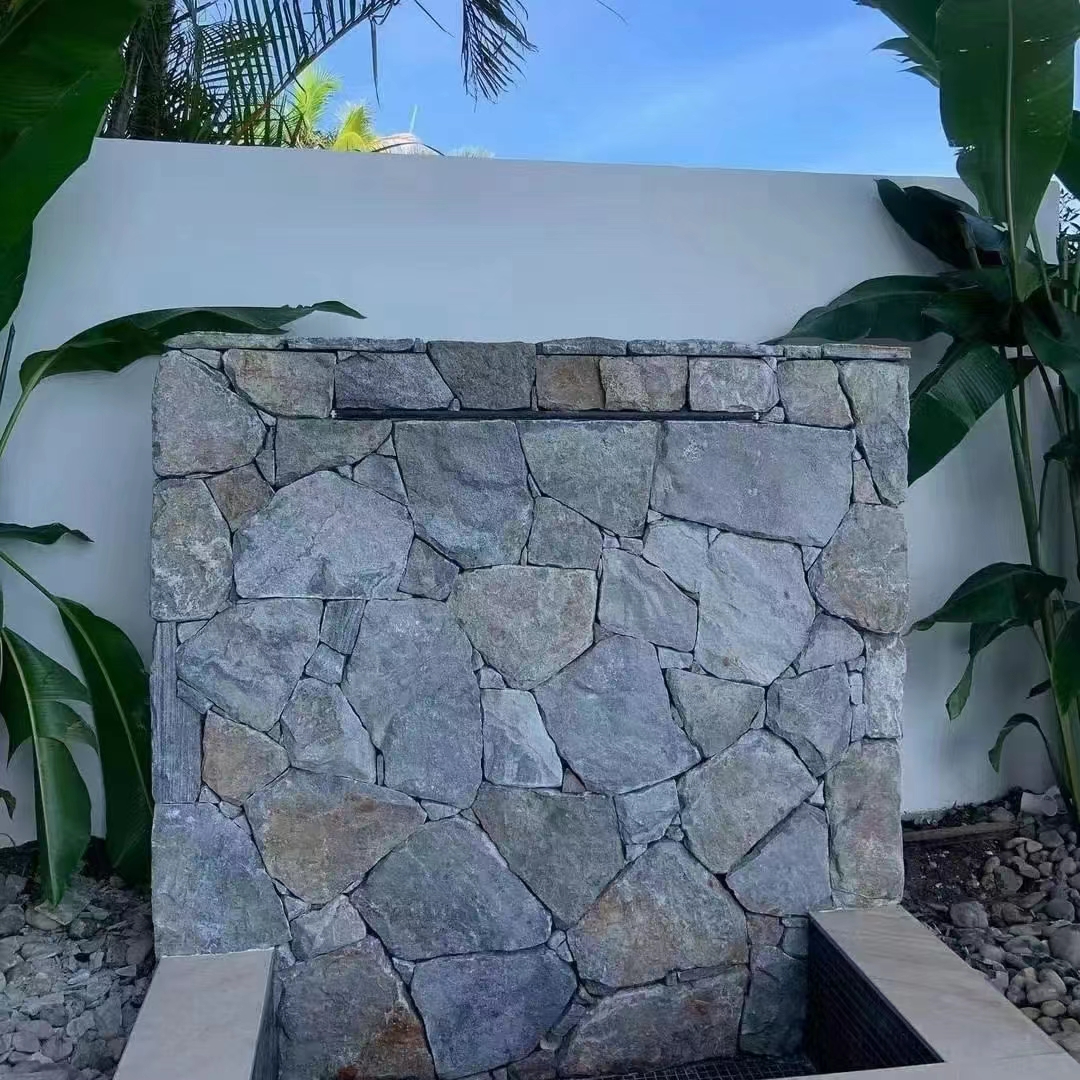
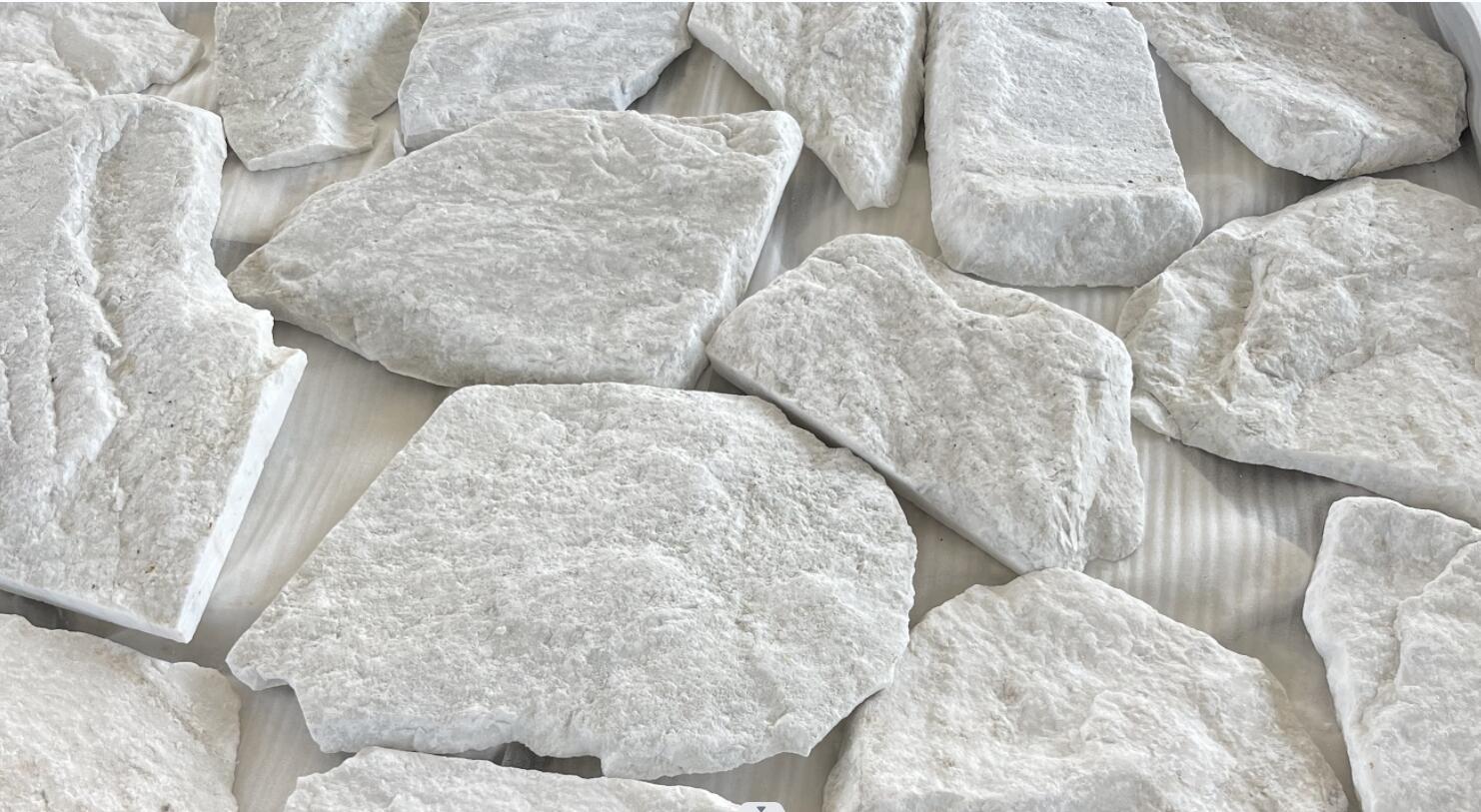
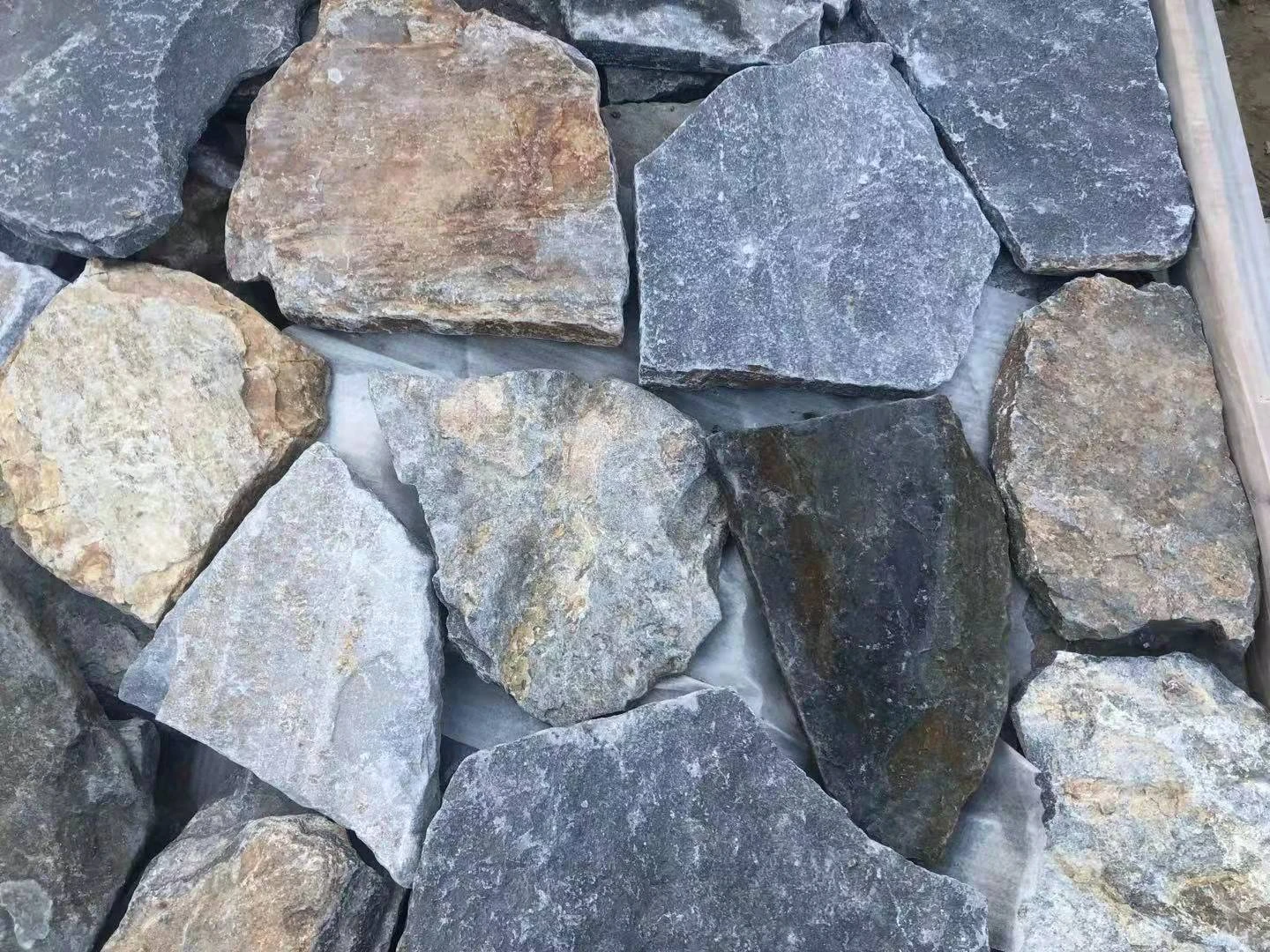
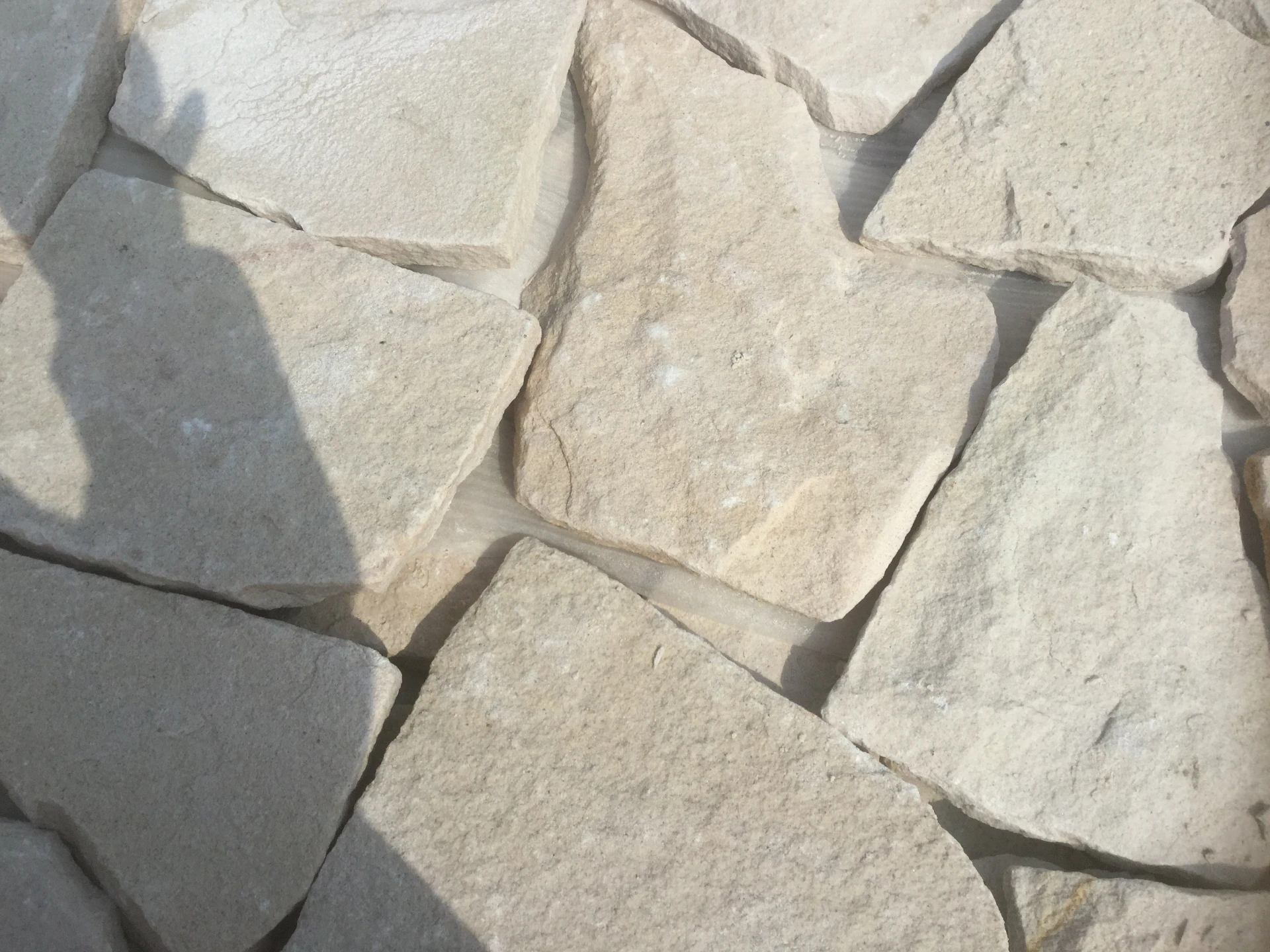
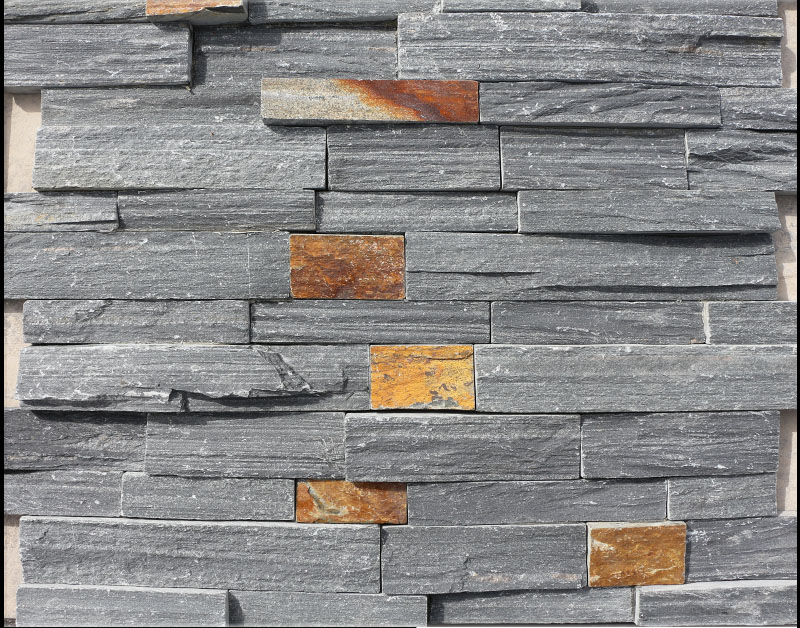
Would seem a pretty simple question right? And yes, it’s a pretty simple answer – cladding made from stone. However from the meetings I have with contractors and surveyors, I see it often gets over-complicated in designers’ minds and confused with traditional stone masonry.
Natural stone is one of the oldest materials used by man in construction. We only have to look at buildings such as the Taj Mahal completed in 1648 using white marble, or the Great Pyramid thought to have been completed in 2560BC made predominantly out of limestone to appreciate the longevity of stone as a material. (Imagine the architect specifying the Design Life for the Pyramid….)
วิธีการก่อสร้างมีการเปลี่ยนแปลงอย่างเห็นได้ชัดนับตั้งแต่พวกเขาสร้างทัชมาฮาล และด้วยภาคส่วนต่างๆ และการค้าภายในอุตสาหกรรมการก่อสร้างที่มีการอ้างอิงโยงและเครือข่ายตลอดหลายปีที่ผ่านมา เราจึงไม่จำเป็นต้องซ้อนบล็อกหินหนักทับซ้อนกันเพื่อสร้างรูปลักษณ์ภายนอกอีกต่อไป ของอาคารหินแข็ง
Traditional stone masonry (not something we do here at AlterEgo by the way), is loaded onto the building’s foundations and uses stones and mortar, tied back with wall-ties – think brickwork.
ในทางกลับกัน การหุ้มด้วยหินในยุคปัจจุบันนั้นแขวนไว้จากโครงสร้างอาคาร และประกอบเข้าด้วยกันในลักษณะเดียวกับระบบกันสาดโลหะ
คุณเห็นไหมว่าการหุ้มด้วยหินคือก กาบกันฝน ระบบและควรได้รับการปฏิบัติเช่นนี้
Looking through a cross section of a typical stone cladding build-up you’ll see lots of familiar components: spreader bars, helping-hand brackets, rails and T-bars. It’s only the facing material which is interchangeable.
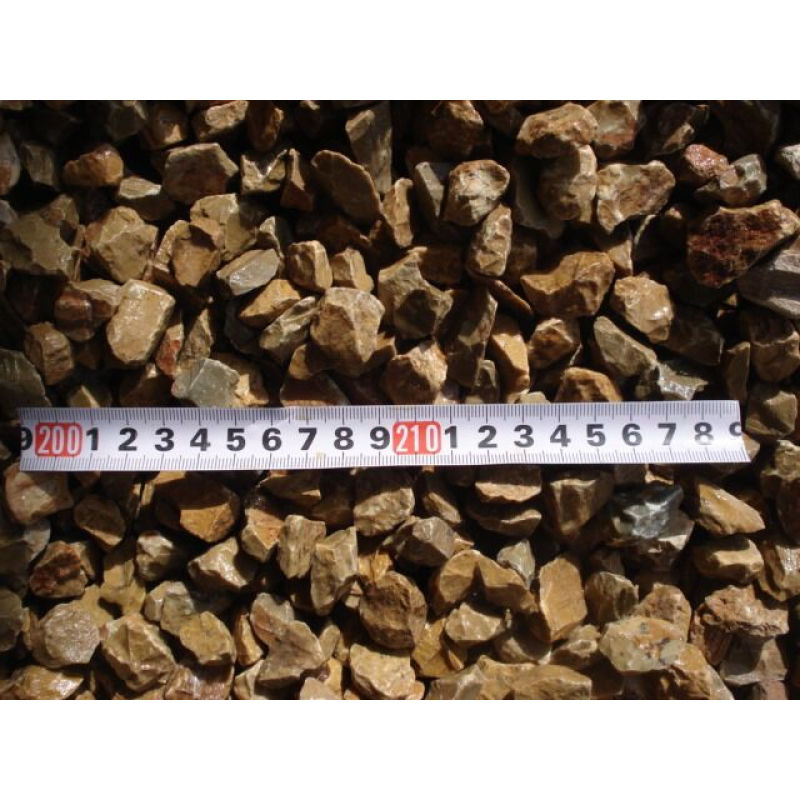
There are a few nuances when working with natural stone for the first time, but nothing that a day’s training and our on-site support won’t cover.
So if you’re a contractor used to installing aluminium and steel cladding or you specialize in terracotta; don’t be afraid of stone! Check out this video showing the simplicity of our EGO-02S system EGO 02s INSTALLATION BETA – YouTube
ในการยึดแผงกาบหินเข้ากับโครงสร้างรองรับ มีวิธียึดหลักสองวิธี:
With an undercut anchor system, typically used for larger format panels, holes are pre-drilled into the back of the stone, a sleeve and bolt inserted and fixed onto a hanging clasp and horizontal system. This method is good for natural stone panels with a thickness range from 30-50mm and can be used in both stack and stretcher bond layouts, typically in a portrait layout. Undercut anchors are always used in soffit situations.
เนื่องจากส่วนยึดทั้งหมดอยู่ที่ด้านหลังของแผง วิธีการนี้จึงเป็นการแก้ไขแบบลับโดยสมบูรณ์ จึงไม่สามารถมองเห็นส่วนยึดใดๆ ได้
The kerf method of fixing stone is where a continuous groove is cut in the top and bottom of the stone, and the stone simply sits on a rail or clasp at the bottom and restrained at the top. A kerf system works particularly well for horizontally laid panels in either stack or stretcher bond.
ความเร็วและความเรียบง่ายในการติดตั้ง ประกอบกับความจริงที่ว่าแผงสามารถติดตั้งได้แบบไม่ต่อเนื่อง ทำให้วิธีนี้เป็นระบบหุ้มหินที่ใช้กันอย่างแพร่หลายที่สุด
โดยทั่วไปวิธีการติดตั้งทั้งสองวิธีเป็นแบบข้อต่อเปิด แต่ข้อต่อชี้ด้วยน้ำยาซีลชนิดไม่อพยพสามารถให้รูปลักษณ์ของอาคารก่ออิฐแบบดั้งเดิมได้
If you’re considering stone for your next project, please get in contact.
 แอฟริกัน
  แอลเบเนีย
  อัมฮาริก
  ภาษาอาหรับ
  อาร์เมเนีย
  อาเซอร์ไบจัน
  บาสก์
บาสก์  เบลารุส
  เบงกาลี
  บอสเนีย
  บัลแกเรีย
  คาตาลัน
  เซบู
เซบู  จีน
จีน  จีน (ไต้หวัน)
  คอร์ซิกา
  โครเอเชีย
  เช็ก
เช็ก  ภาษาเดนมาร์ก
  ภาษาดัตช์
  ภาษาอังกฤษ
  เอสเปรันโต
  เอสโตเนีย
  ภาษาฟินแลนด์
  ภาษาฝรั่งเศส
  ฟริเซียน
  กาลิเซีย
  จอร์เจีย
  เยอรมัน
  กรีก
กรีก  คุชราต
  ชาวเฮติครีโอล
  เฮาซา
เฮาซา  ฮาวาย
ฮาวาย  ภาษาฮีบรู
  ไม่
ไม่  แม้ว
แม้ว  ภาษาฮังการี
  ไอซ์แลนด์
  อิกโบ
อิกโบ  ชาวอินโดนีเซีย
  ไอริช
ไอริช  ภาษาอิตาลี
  ญี่ปุ่น
  ชวา
ชวา  กันนาดา
  คาซัค
คาซัค  เขมร
เขมร  รวันดา
  เกาหลี
  เคิร์ด
  คีร์กีซ
  วัณโรค
  ละติน
ละติน  ลัตเวีย
  ลิทัวเนีย
  ภาษาลักเซมเบิร์ก
  มาซิโดเนีย
  มัลกาชิ
  มาเลย์
  มาลายาลัม
  ภาษามอลตา
  ชาวเมารี
  ภาษามราฐี
  มองโกเลีย
  พม่า
พม่า  เนปาล
เนปาล  ภาษานอร์เวย์
  ภาษานอร์เวย์
  อ็อกซิตัน
  ปาสโต้
  เปอร์เซีย
  ขัด
ขัด  โปรตุเกส
  ปัญจาบ
  โรมาเนีย
  ภาษารัสเซีย
  ซามัว
ซามัว  เกลิคสก๊อตแลนด์
  เซอร์เบีย
  ภาษาอังกฤษ
  โชนา
โชนา  สินธี
สินธี  สิงหล
สิงหล  สโลวัก
  ภาษาสโลเวเนีย
  โซมาเลีย
  สเปน
สเปน  ซุนดา
ซุนดา  สวาฮีลี
  ภาษาสวีเดน
  ตากาล็อก
  ทาจิก
ทาจิก  ทมิฬ
ทมิฬ  ตาตาร์
  เตลูกู
  แบบไทย
  ภาษาตุรกี
  เติร์กเมนิสถาน
  ภาษายูเครน
  ภาษาอูรดู
  อุยกูร์
  อุซเบก
  ภาษาเวียดนาม
  เวลส์
เวลส์