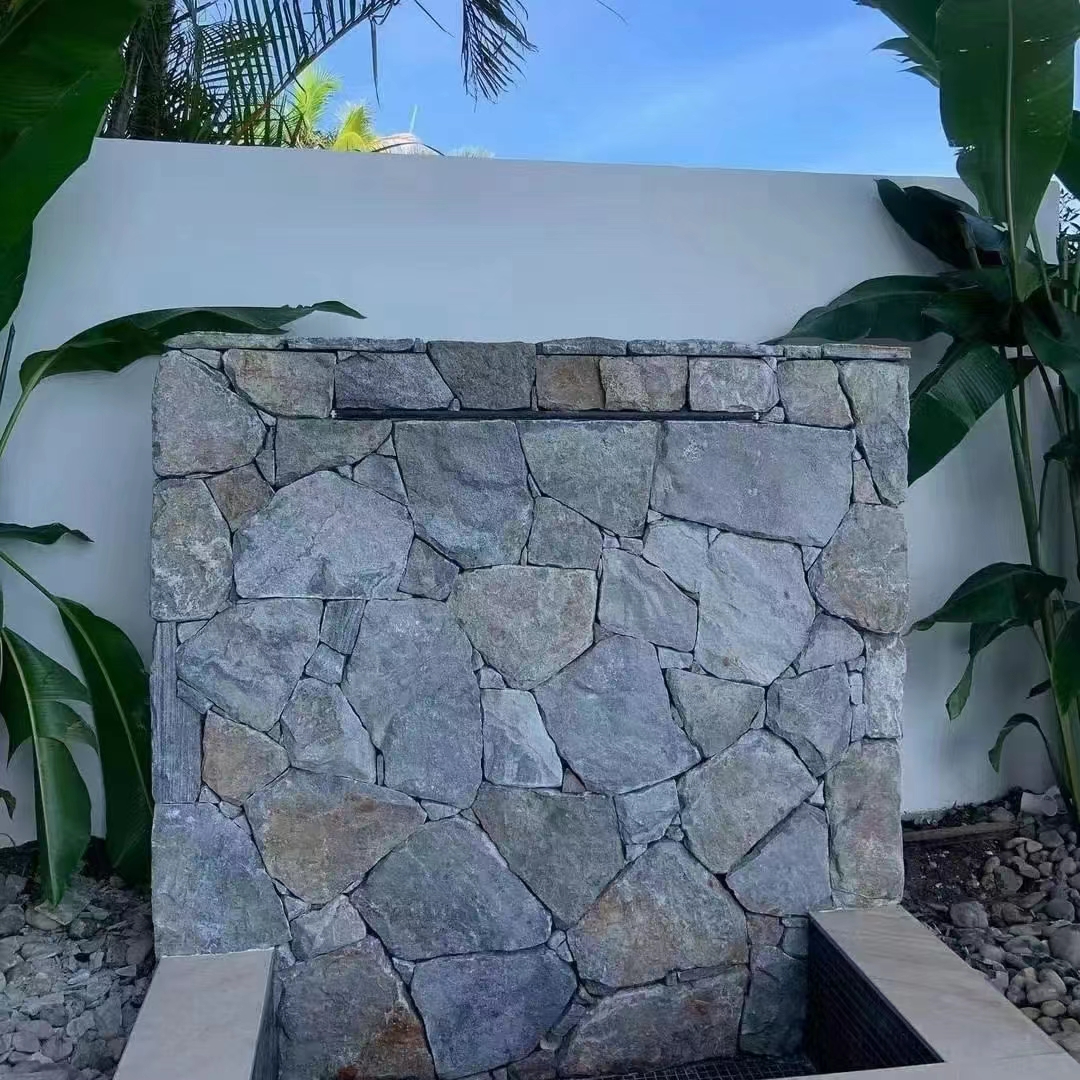
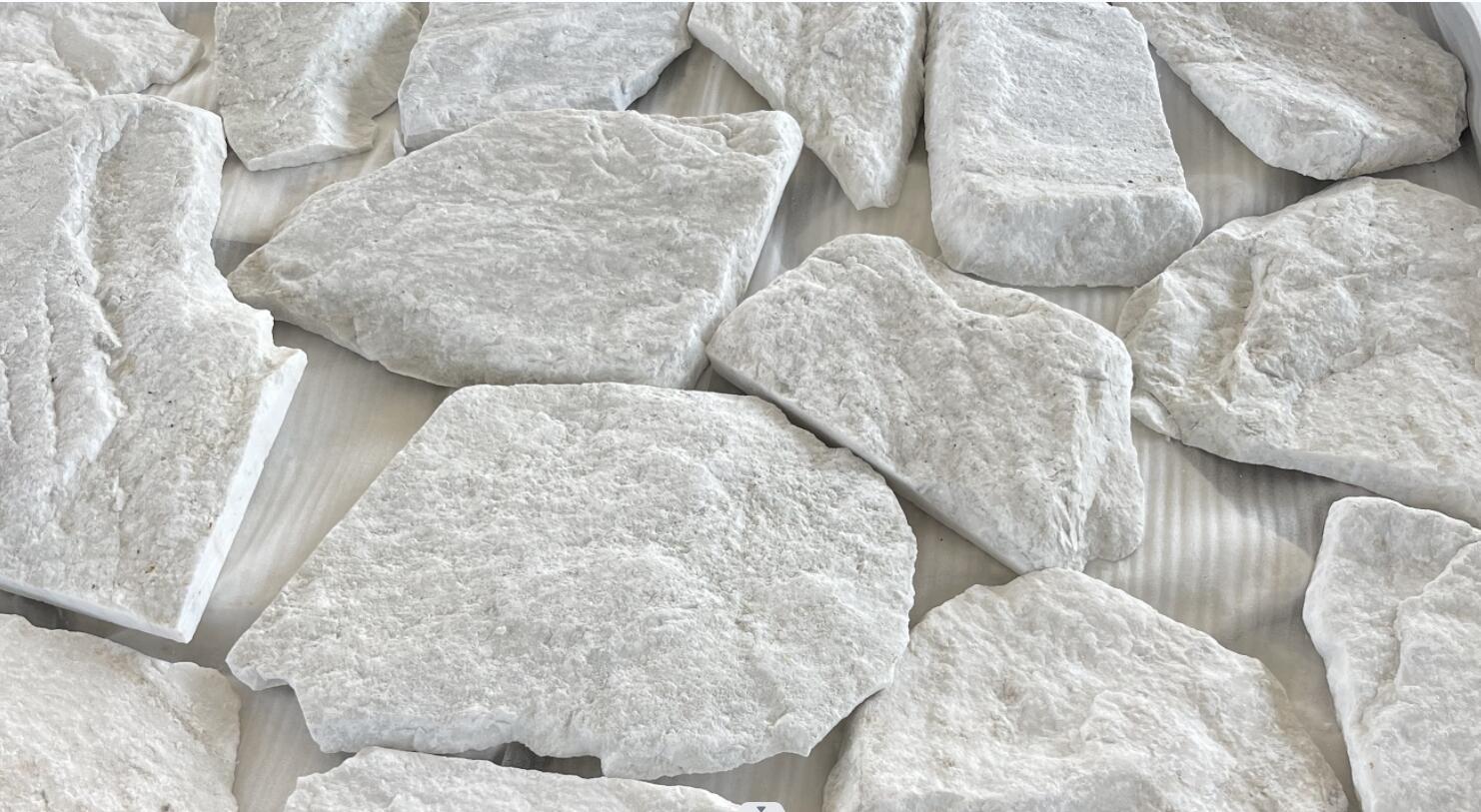
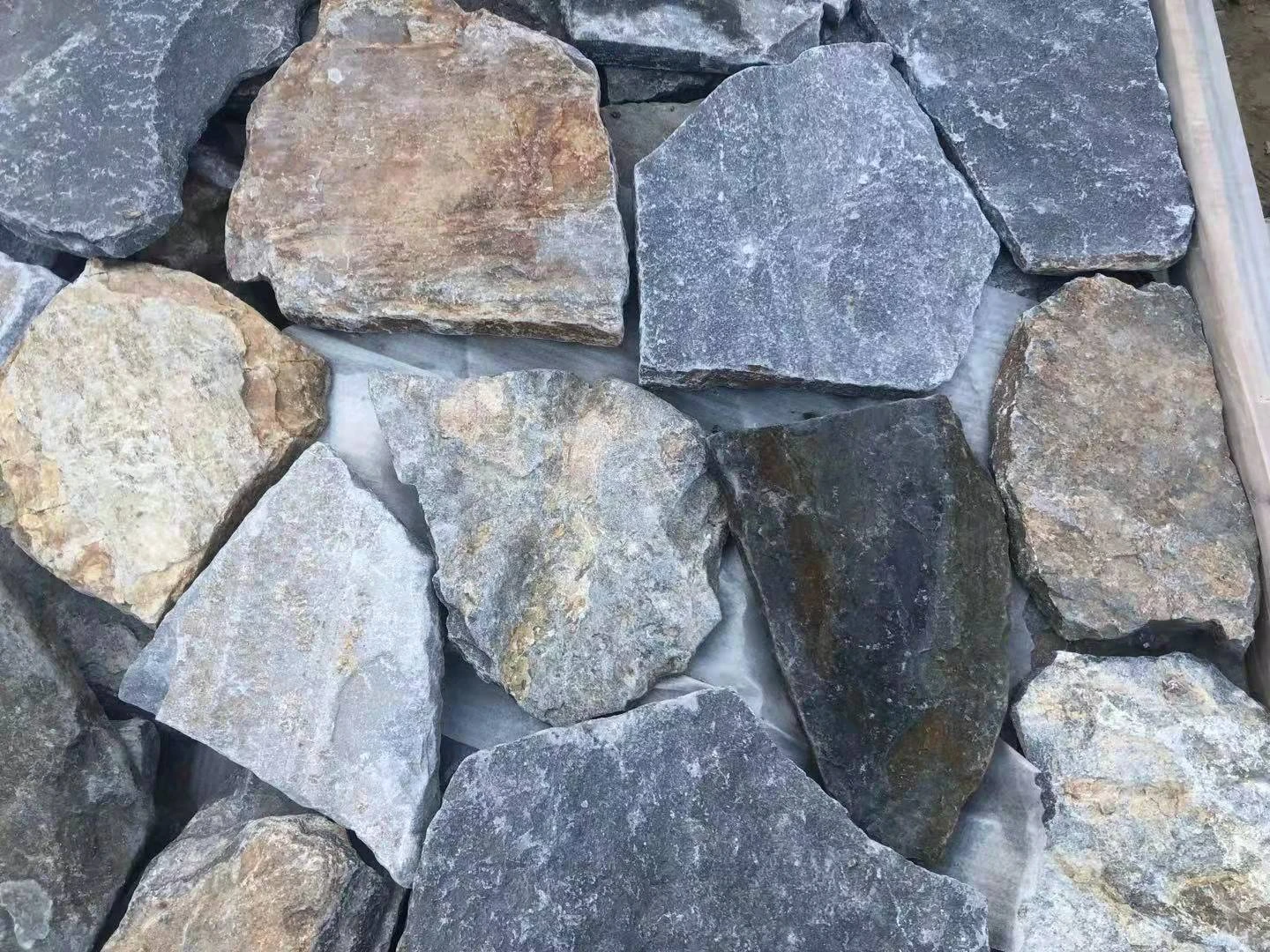
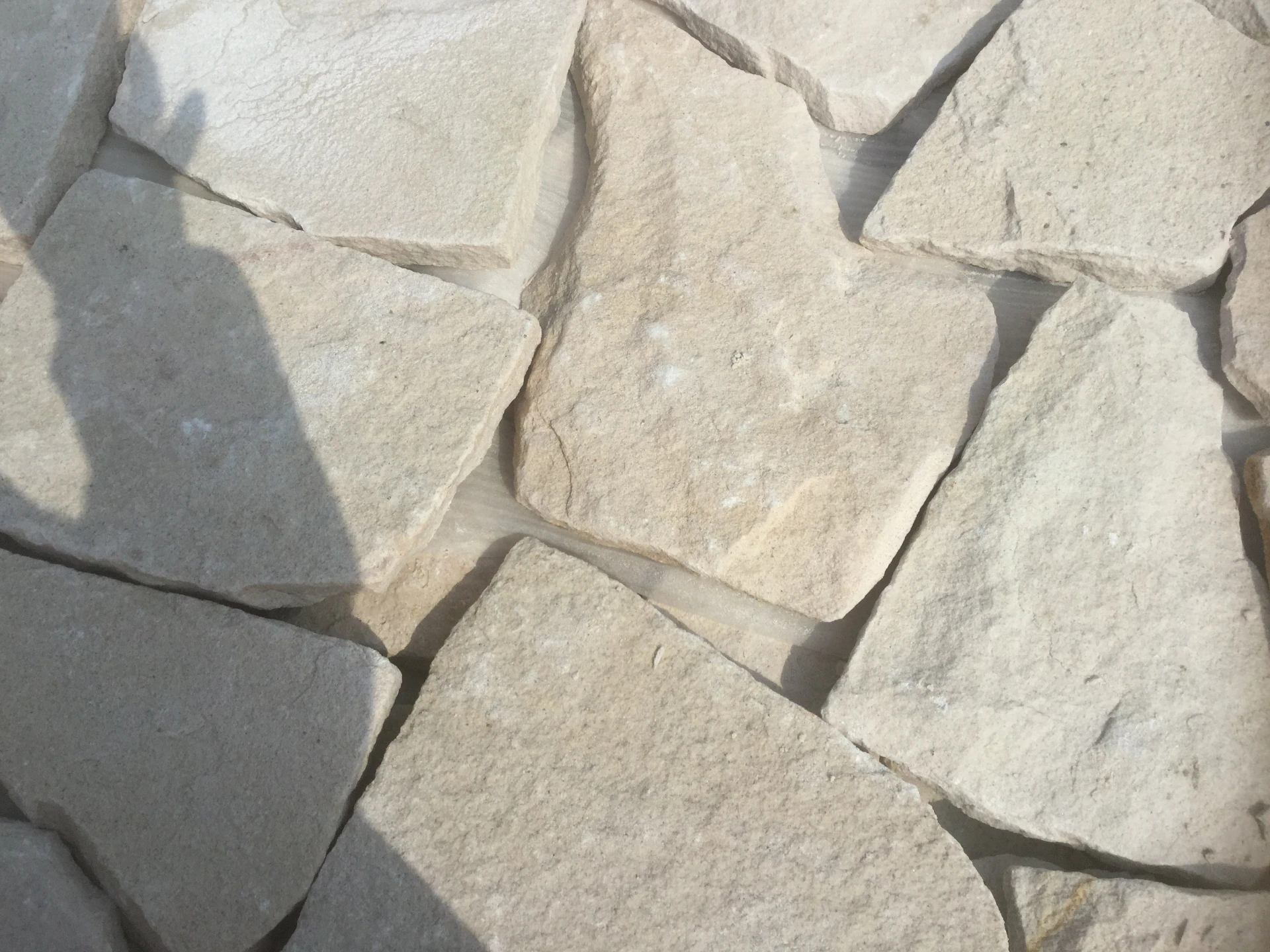
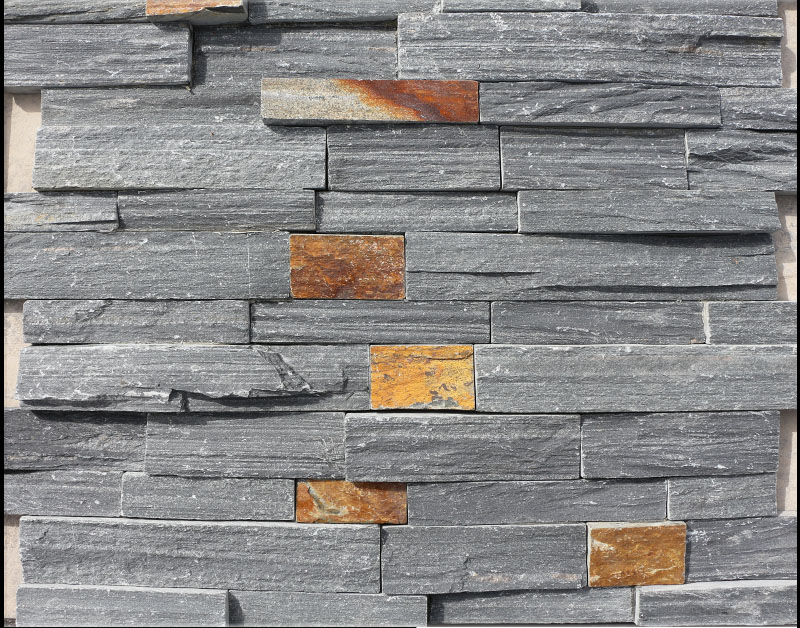
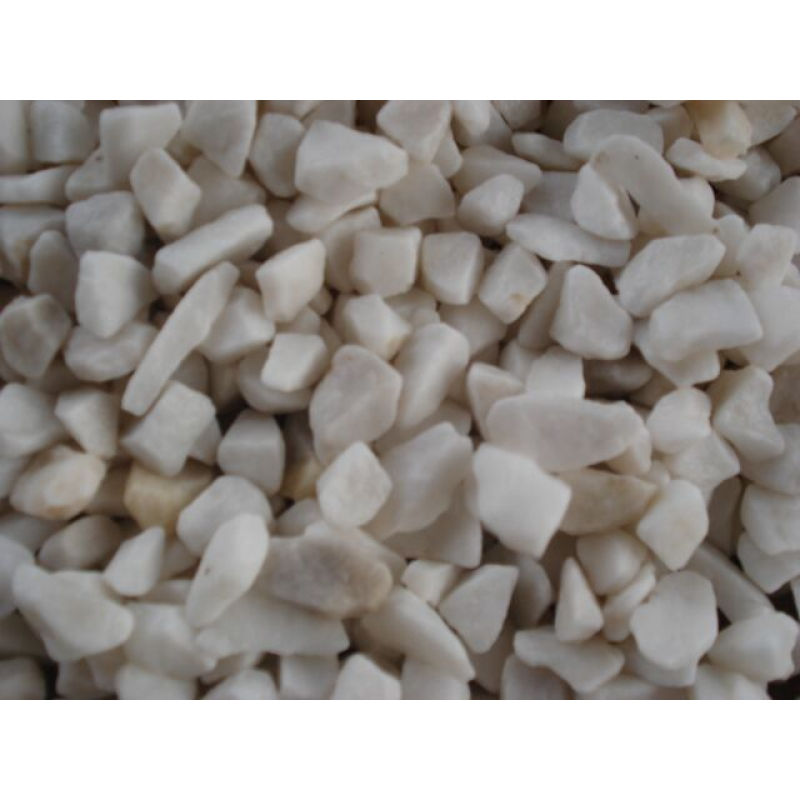
Would seem a pretty simple question right? And yes, it’s a pretty simple answer – cladding made from stone. However from the meetings I have with contractors and surveyors, I see it often gets over-complicated in designers’ minds and confused with traditional stone masonry.
Natural stone is one of the oldest materials used by man in construction. We only have to look at buildings such as the Taj Mahal completed in 1648 using white marble, or the Great Pyramid thought to have been completed in 2560BC made predominantly out of limestone to appreciate the longevity of stone as a material. (Imagine the architect specifying the Design Life for the Pyramid….)
Методы строительства, очевидно, изменились с тех пор, как был построен Тадж-Махал, и благодаря перекрестным ссылкам и связям между различными секторами и профессиями строительной отрасли на протяжении многих лет нам больше не нужно складывать тяжелые каменные блоки друг на друга, чтобы создать видимость прочного каменного здания.
Traditional stone masonry (not something we do here at AlterEgo by the way), is loaded onto the building’s foundations and uses stones and mortar, tied back with wall-ties – think brickwork.
С другой стороны, современная каменная облицовка подвешивается к конструкции здания и собирается почти так же, как металлическая система защиты от дождя.
Видите ли, каменная облицовка – это облицовка дождевым экраном системы и к ней следует относиться соответственно.
Looking through a cross section of a typical stone cladding build-up you’ll see lots of familiar components: spreader bars, helping-hand brackets, rails and T-bars. It’s only the facing material which is interchangeable.
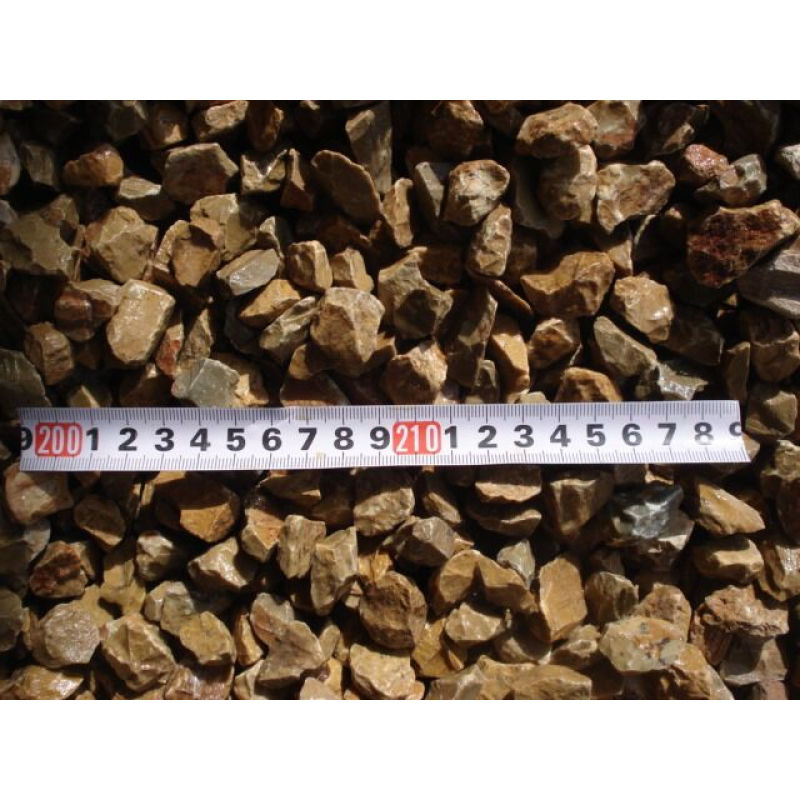
There are a few nuances when working with natural stone for the first time, but nothing that a day’s training and our on-site support won’t cover.
So if you’re a contractor used to installing aluminium and steel cladding or you specialize in terracotta; don’t be afraid of stone! Check out this video showing the simplicity of our EGO-02S system EGO 02s INSTALLATION BETA – YouTube
Когда дело доходит до крепления каменной облицовочной панели к несущей конструкции, существует два основных метода крепления:
With an undercut anchor system, typically used for larger format panels, holes are pre-drilled into the back of the stone, a sleeve and bolt inserted and fixed onto a hanging clasp and horizontal system. This method is good for natural stone panels with a thickness range from 30-50mm and can be used in both stack and stretcher bond layouts, typically in a portrait layout. Undercut anchors are always used in soffit situations.
Поскольку все крепления находятся на задней стороне панели, этот метод полностью секретный, крепления не видны.
The kerf method of fixing stone is where a continuous groove is cut in the top and bottom of the stone, and the stone simply sits on a rail or clasp at the bottom and restrained at the top. A kerf system works particularly well for horizontally laid panels in either stack or stretcher bond.
Скорость и простота монтажа, а также возможность установки панелей в непоследовательном порядке делают этот метод наиболее широко используемой системой облицовки камнем.
Оба метода установки обычно имеют открытые швы, однако заостренные швы с немигрирующим герметиком могут создать вид традиционного каменного здания.
If you’re considering stone for your next project, please get in contact.
 Африканский
  албанский
  амхарский
  арабский
  Армянский
  азербайджанский
  Баскский
  белорусский
  Бенгальский
  Боснийский
  болгарский
  каталонский
  кебуано
  Китай
Китай  Китай (Тайвань)
  корсиканец
  хорватский
  Чешский
  датский
  Голландский
  Английский
  эсперанто
  эстонский
  финский
  Французский
  фризский
  галисийский
  грузинский
  Немецкий
  Греческий
  Гуджарати
  гаитянский креольский
  хауса
хауса  гавайский
  иврит
иврит  Неа
Неа  Мяо
Мяо  Венгерский
  исландский
  игбо
игбо  индонезийский
  ирландский
  итальянский
  Японский
  яванский
  Каннада
  казахский
  кхмерский
  Руандийский
  Корейский
  курдский
  киргизский
  туберкулез
  латинский
  Латышский
  Литовский
  Люксембургский
  македонский
  Малгаши
  малайский
  малаялам
  мальтийский
  маори
маори  Маратхи
  Монгольский
  Мьянма
  непальский
  Норвежский
  Норвежский
  окситанский
  пушту
пушту  персидский
  Польский
  португальский
  панджаби
  румынский
  Русский
  Самоанец
  Шотландский гэльский
  сербский
  Английский
  Шона
Шона  Синдхи
  сингальский
  словацкий
  словенский
  Сомали
  испанский
  суданский
  суахили
  Шведский
  Тагальский
  таджикский
  тамильский
  татарский
  телугу
  тайский
  турецкий
  туркменский
  украинец
  Урду
Урду  уйгурский
  Узбекский
  вьетнамский
  валлийский