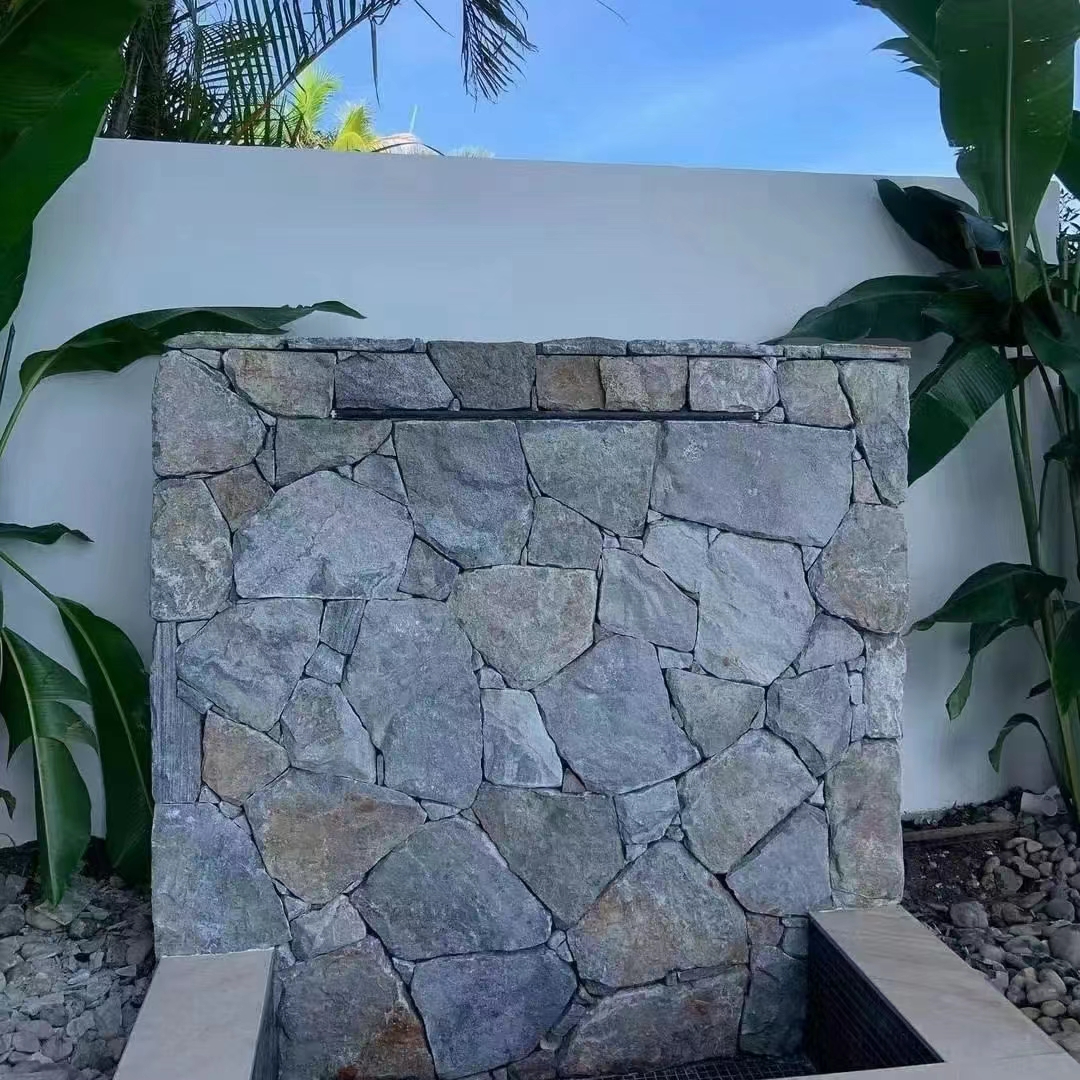
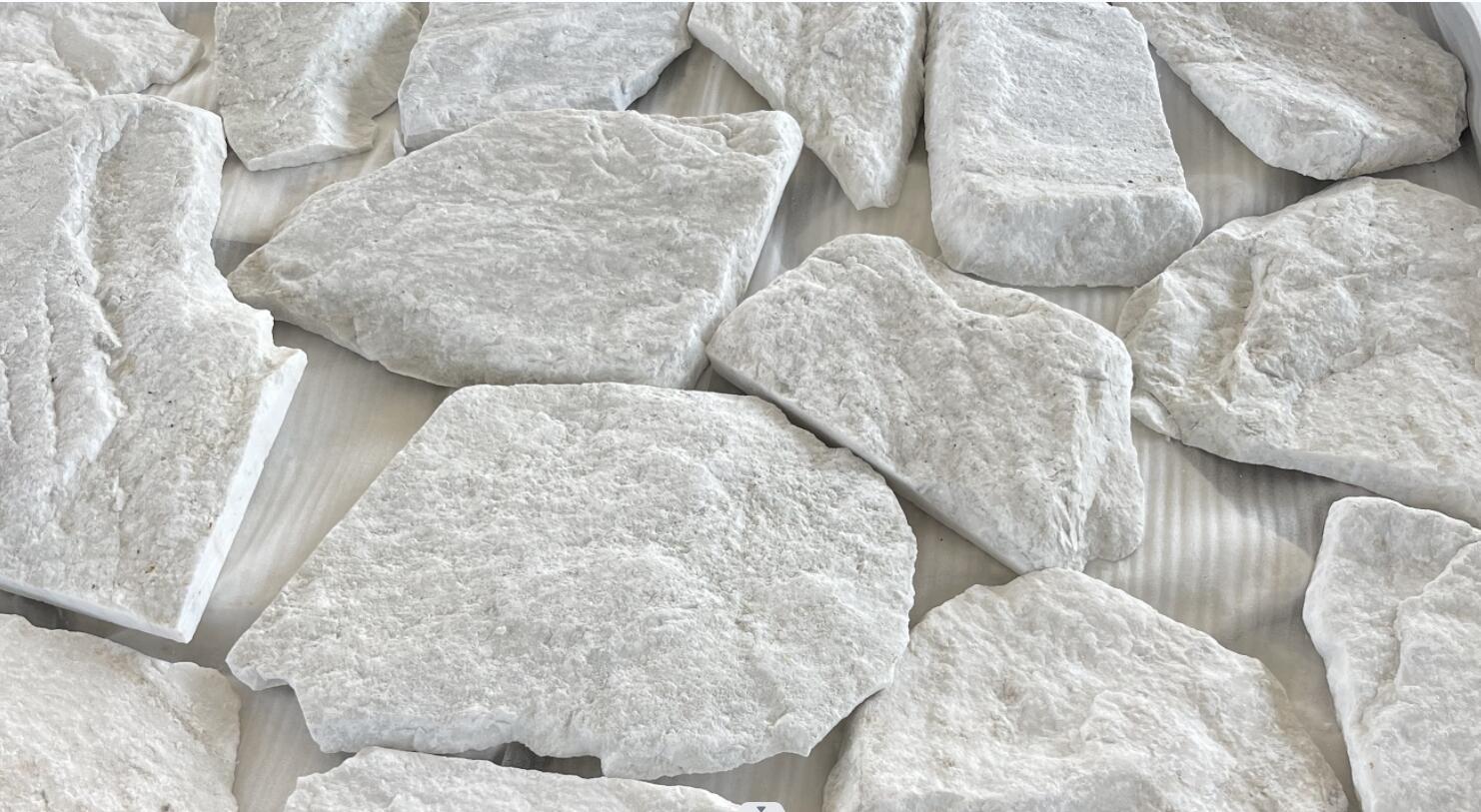
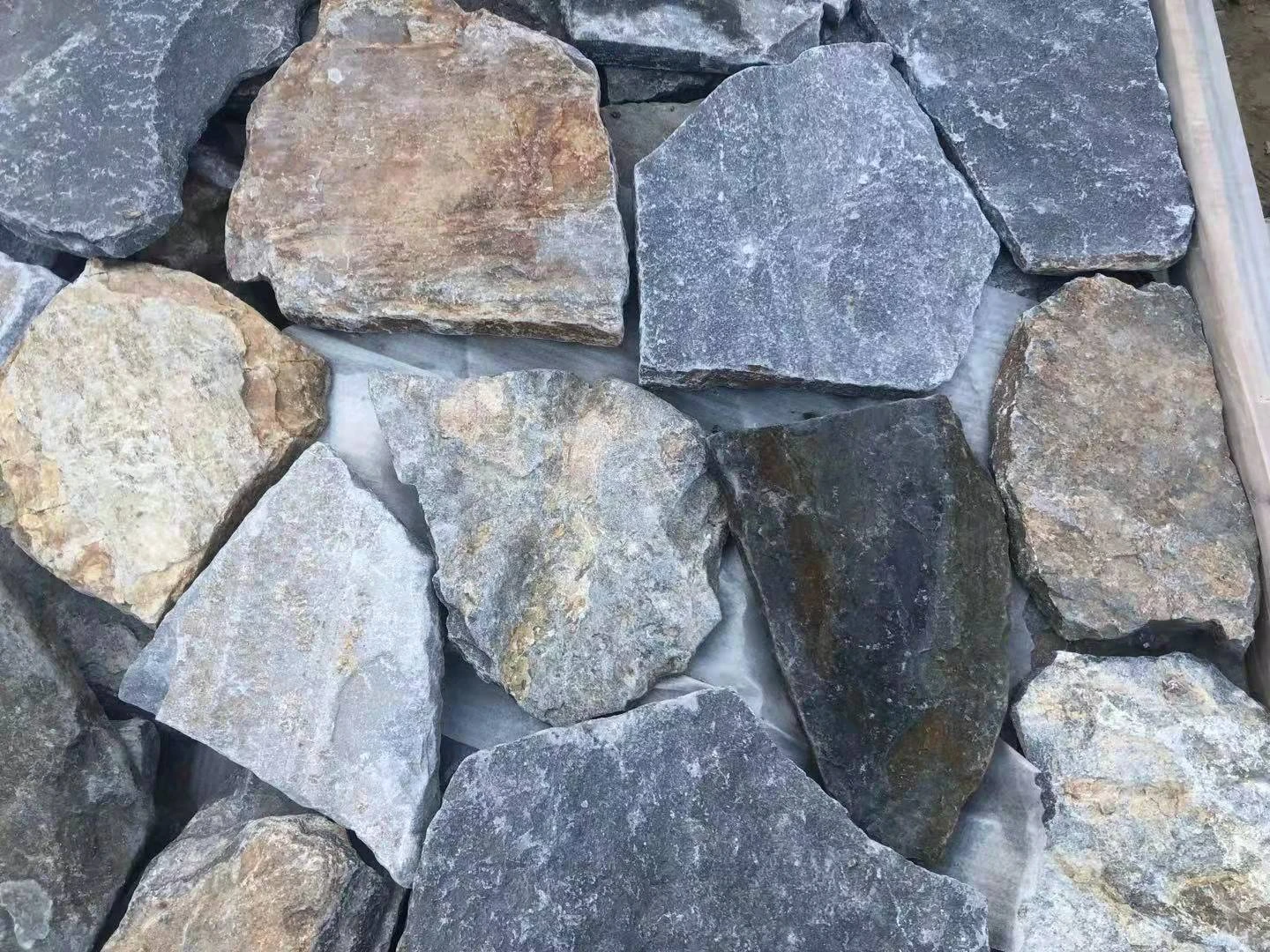
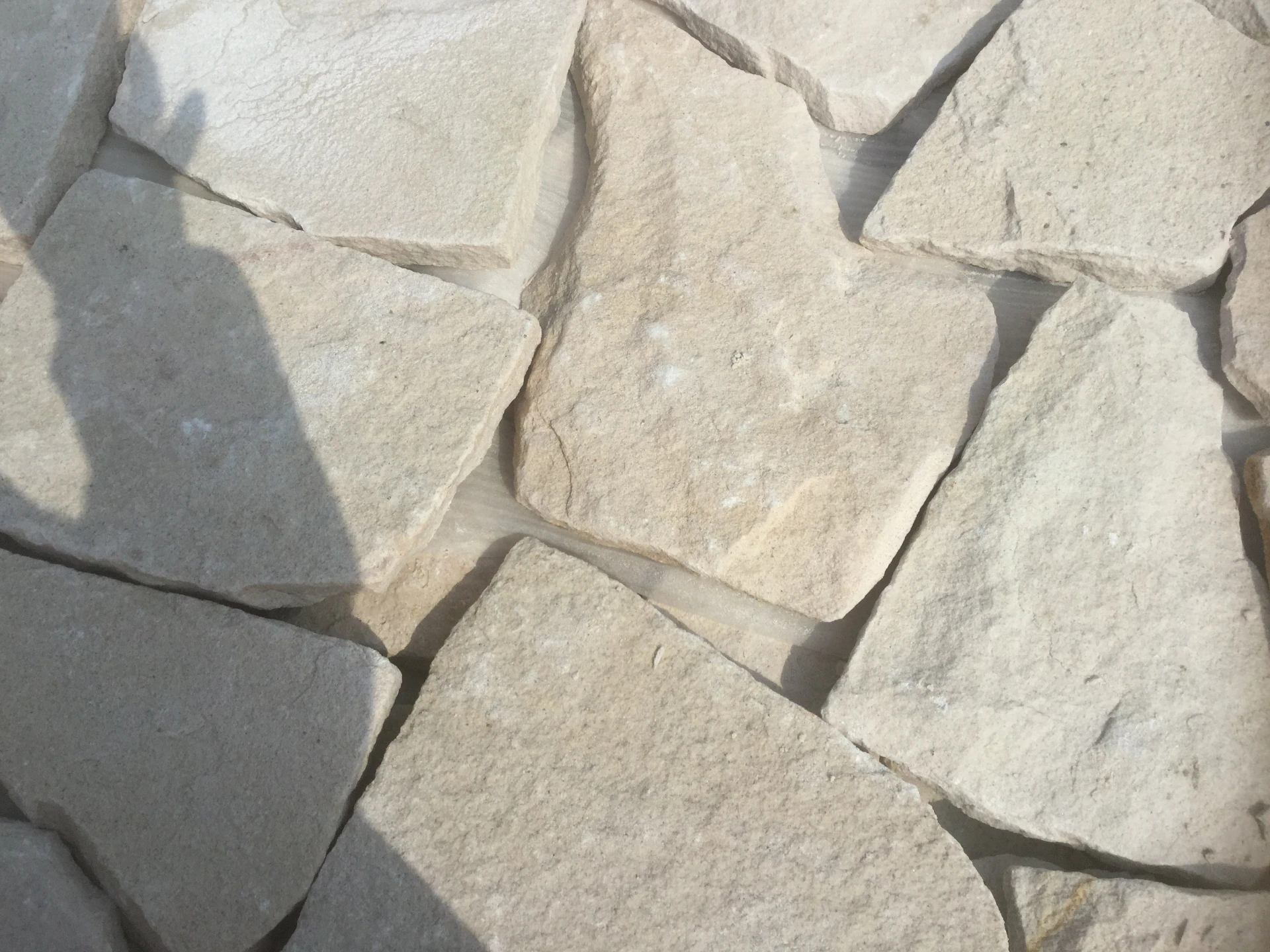
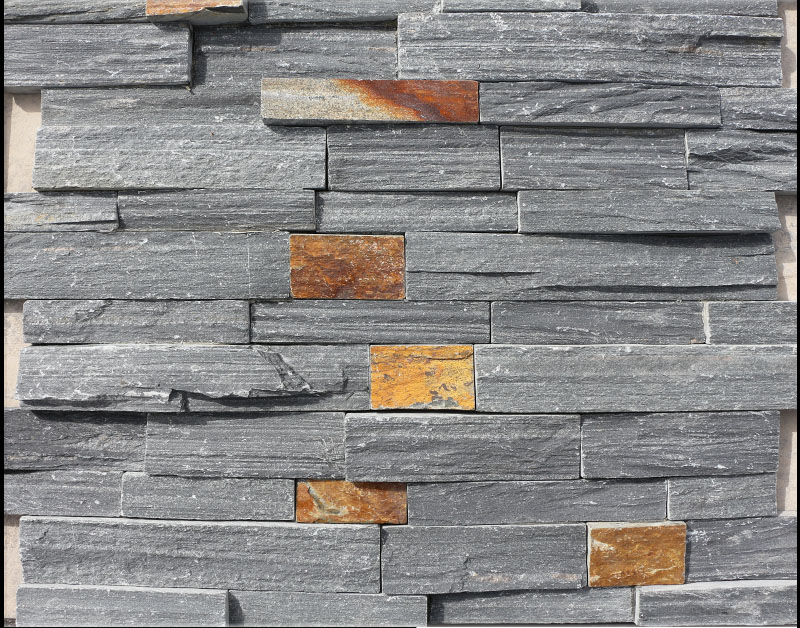
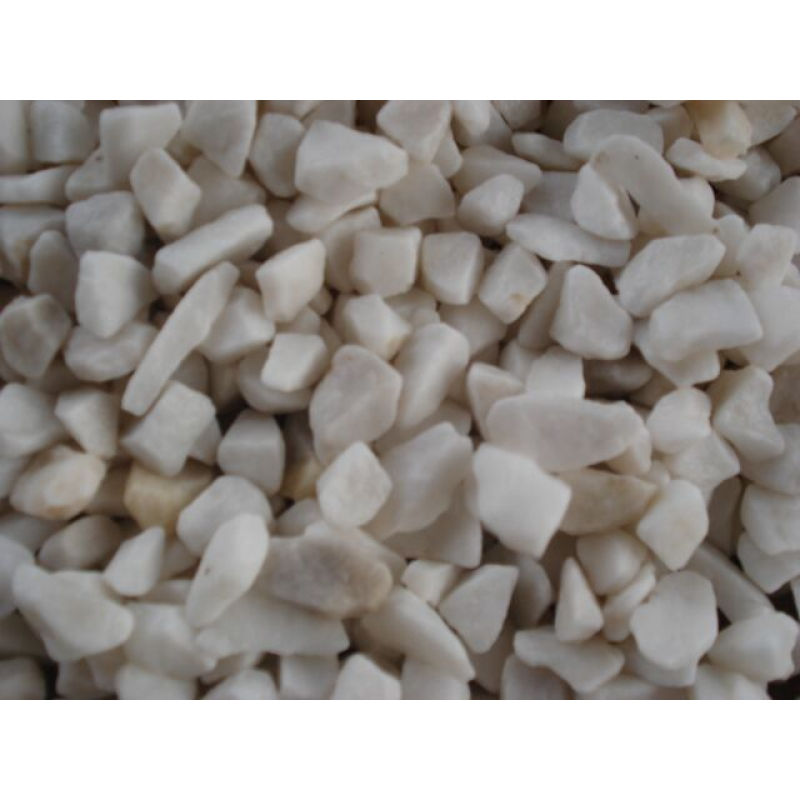
Would seem a pretty simple question right? And yes, it’s a pretty simple answer – cladding made from stone. However from the meetings I have with contractors and surveyors, I see it often gets over-complicated in designers’ minds and confused with traditional stone masonry.
Natural stone is one of the oldest materials used by man in construction. We only have to look at buildings such as the Taj Mahal completed in 1648 using white marble, or the Great Pyramid thought to have been completed in 2560BC made predominantly out of limestone to appreciate the longevity of stone as a material. (Imagine the architect specifying the Design Life for the Pyramid….)
Malinaw na nagbago ang mga paraan ng konstruksyon mula nang itayo nila ang Taj Mahal, at salamat sa iba't ibang sektor at kalakalan sa loob ng industriya ng konstruksiyon na cross-referencing at networking sa paglipas ng mga taon, hindi na namin kailangang mag-stack ng mga mabibigat na bloke ng bato sa ibabaw ng isa't isa upang lumikha ng hitsura ng isang matibay na gusaling bato.
Traditional stone masonry (not something we do here at AlterEgo by the way), is loaded onto the building’s foundations and uses stones and mortar, tied back with wall-ties – think brickwork.
Ang modernong stone cladding sa kabilang banda ay nakasabit sa istraktura ng gusali, at pinagsama-sama sa parehong paraan tulad ng isang metal rainscreen system.
Kita mo, ang stone cladding, ay isang cladding ng rainscreen sistema at dapat tratuhin nang ganoon.
Looking through a cross section of a typical stone cladding build-up you’ll see lots of familiar components: spreader bars, helping-hand brackets, rails and T-bars. It’s only the facing material which is interchangeable.
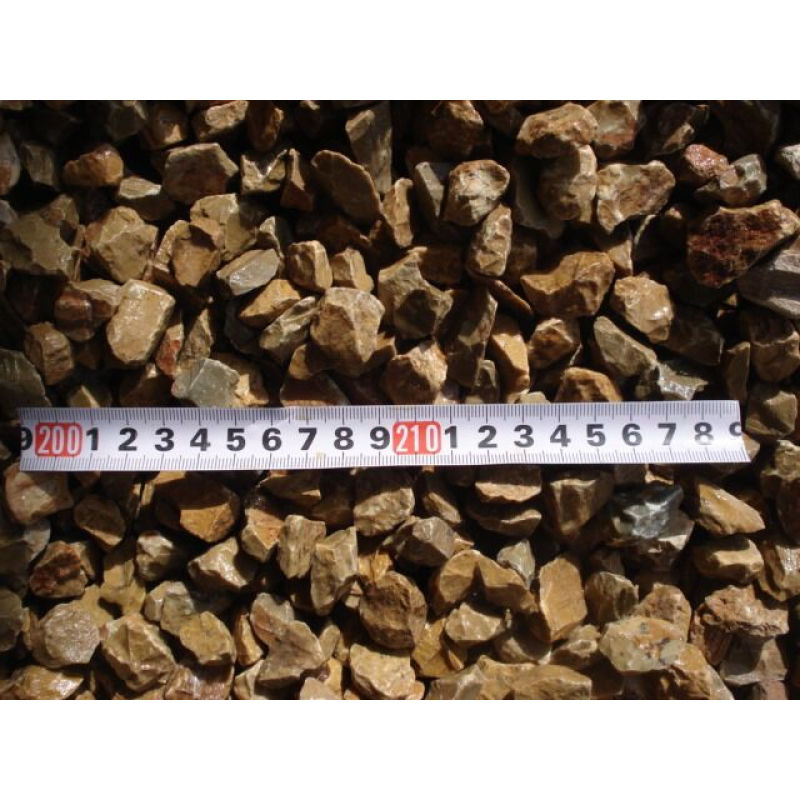
There are a few nuances when working with natural stone for the first time, but nothing that a day’s training and our on-site support won’t cover.
So if you’re a contractor used to installing aluminium and steel cladding or you specialize in terracotta; don’t be afraid of stone! Check out this video showing the simplicity of our EGO-02S system EGO 02s INSTALLATION BETA – YouTube
Pagdating sa pag-aayos ng stone cladding panel sa istruktura ng suporta, mayroong dalawang pangunahing paraan ng pag-aayos:
With an undercut anchor system, typically used for larger format panels, holes are pre-drilled into the back of the stone, a sleeve and bolt inserted and fixed onto a hanging clasp and horizontal system. This method is good for natural stone panels with a thickness range from 30-50mm and can be used in both stack and stretcher bond layouts, typically in a portrait layout. Undercut anchors are always used in soffit situations.
Dahil ang mga pag-aayos ay nasa likod ng panel, ang pamamaraang ito ay ganap na lihim na pag-aayos, walang nakikitang mga pag-aayos.
The kerf method of fixing stone is where a continuous groove is cut in the top and bottom of the stone, and the stone simply sits on a rail or clasp at the bottom and restrained at the top. A kerf system works particularly well for horizontally laid panels in either stack or stretcher bond.
Ang bilis at pagiging simple ng pag-install at kasama ang katotohanan na ang mga panel ay maaaring mai-install nang hindi sunud-sunod na ginagawang ang pamamaraang ito ang pinaka-tinatanggap na ginagamit na sistema ng pag-cladding ng bato.
Ang parehong mga paraan ng pag-install ay karaniwang open-jointed, gayunpaman ang pagturo ng mga joints na may non-migratory sealant ay maaaring magbigay ng hitsura ng isang tradisyonal na gusali ng pagmamason.
If you’re considering stone for your next project, please get in contact.
 African
  Albaniano
  Amharic
  Arabic
  Armenian
  Azerbaijani
  Basque
  Belarusian
  Bengali
  Bosnian
  Bulgarian
  Catalan
  Cebuano
  Tsina
Tsina  China (Taiwan)
  Corsican
  Croatian
  Czech
Czech  Danish
  Dutch
Dutch  Ingles
  Esperanto
  Estonian
  Finnish
  Pranses
  Frisian
  Galician
  Georgian
  Aleman
  Griyego
  Gujarati
  Haitian Creole
  hausa
hausa  hawaiian
  Hebrew
  Hindi
Hindi  Miao
Miao  Hungarian
  Icelandic
  igbo
igbo  Indonesian
  irish
irish  Italyano
  Hapon
Hapon  Javanese
  Kannada
  kazakh
  Khmer
Khmer  Rwandan
  Koreano
  Kurdish
  Kyrgyz
  TB
TB  Latin
Latin  Latvian
  Lithuanian
  Luxembourgish
  Macedonian
  Malgashi
  Malay
Malay  Malayalam
  Maltese
  Maori
Maori  Marathi
  Mongolian
  Myanmar
  Nepali
  Norwegian
  Norwegian
  Occitan
  Pashto
  Persian
  Polish
  Portuges
  Punjabi
  Romanian
  Ruso
Ruso  Samoan
  Scottish Gaelic
  Serbian
  Ingles
  Shona
Shona  Sindhi
  Sinhala
  Slovak
  Slovenian
  Somali
  Espanyol
  Sundanese
  Swahili
  Swedish
  Tagalog
  Tajik
Tajik  Tamil
Tamil  Tatar
Tatar  Telugu
  Thai
Thai  Turkish
  Turkmen
  Ukrainian
  Urdu
Urdu  Uighur
  Uzbek
Uzbek  Vietnamese
  Welsh
Welsh