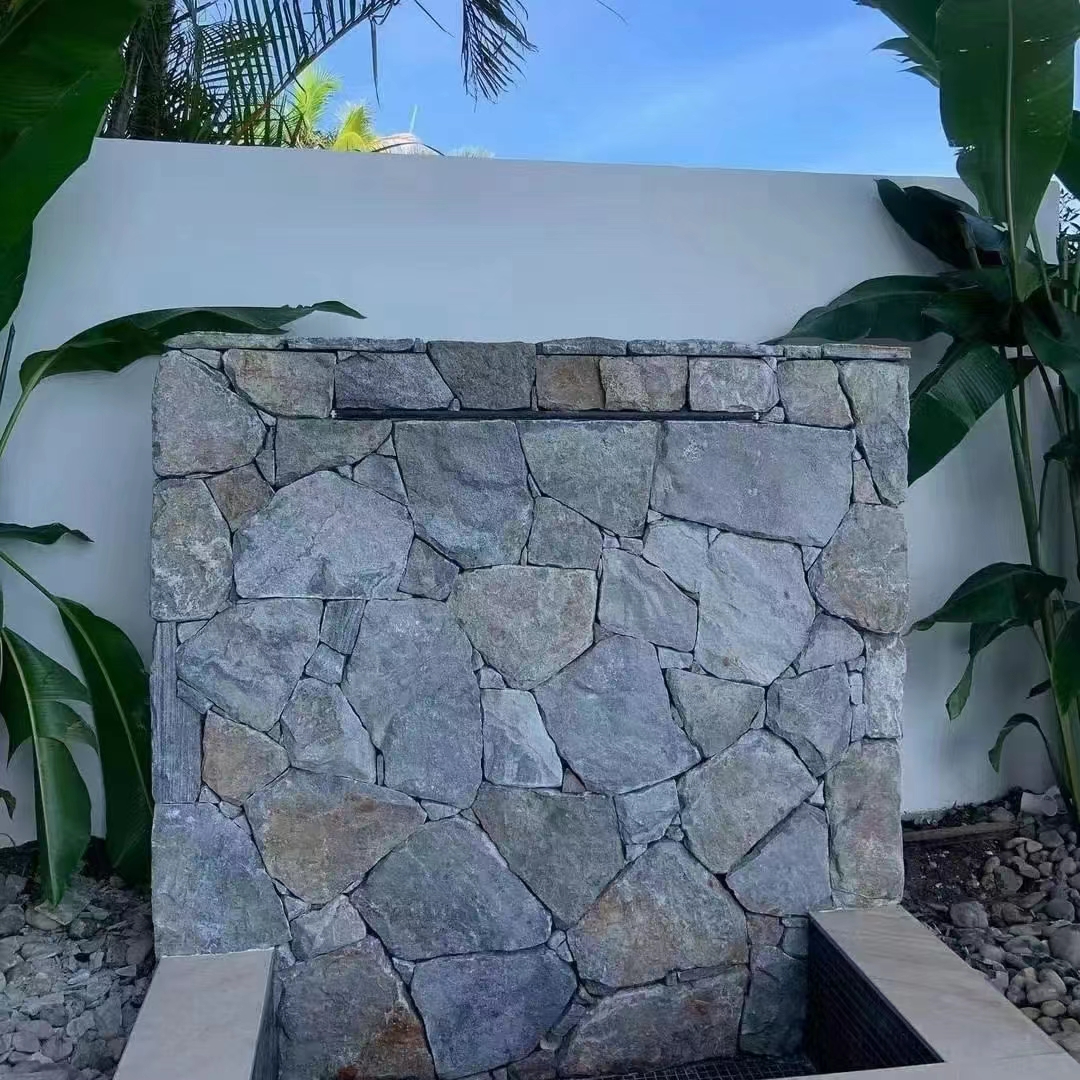
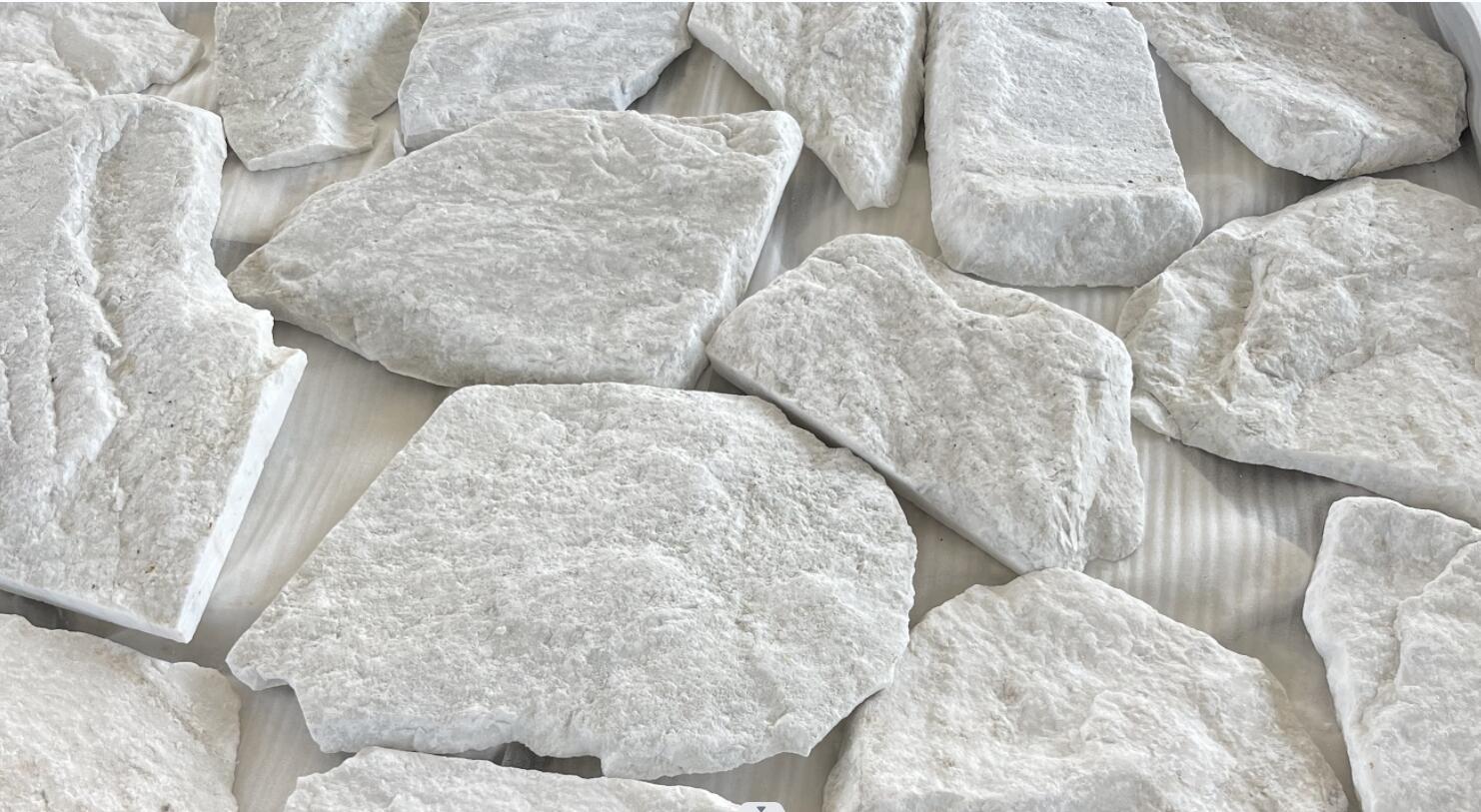
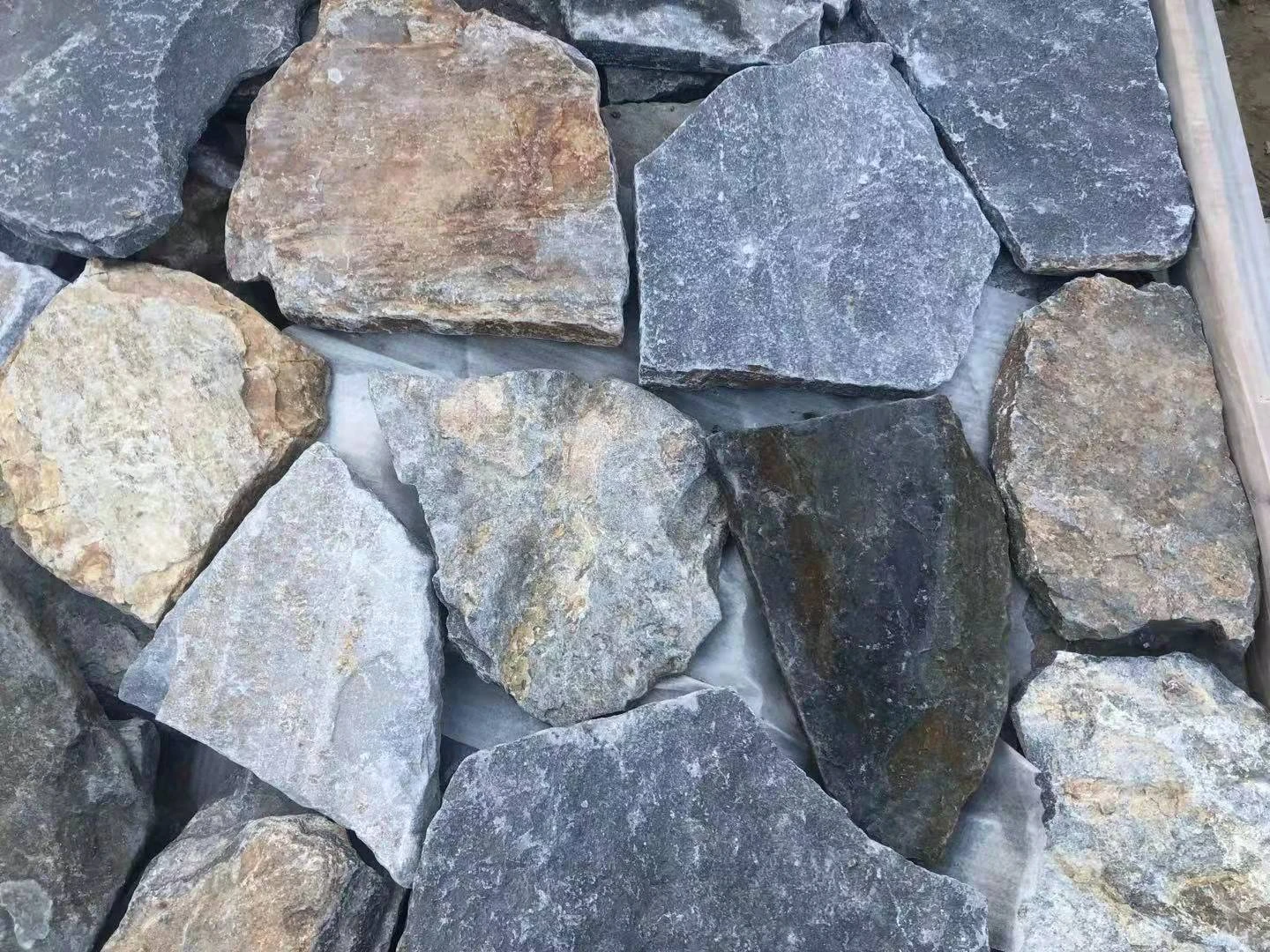
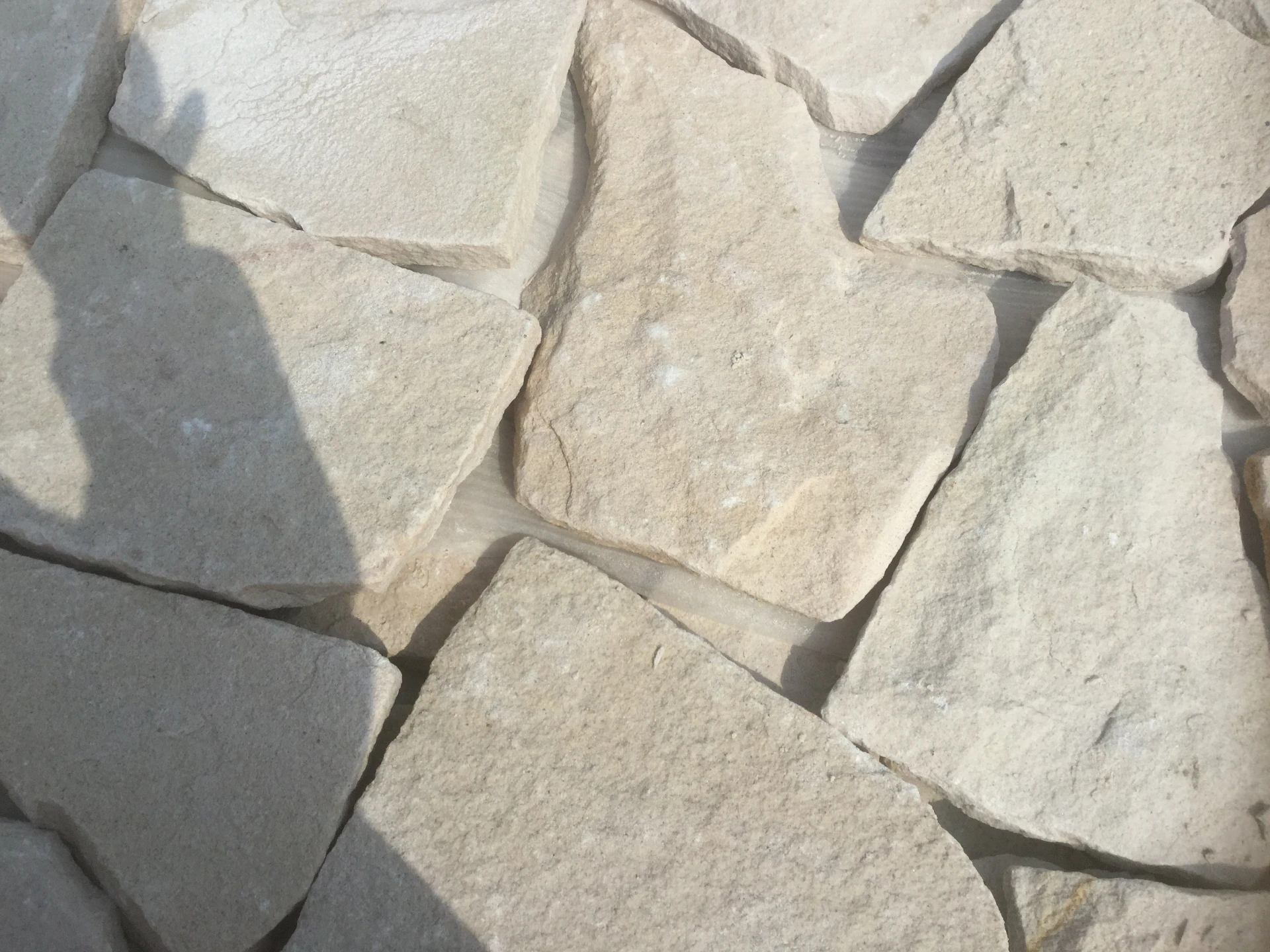
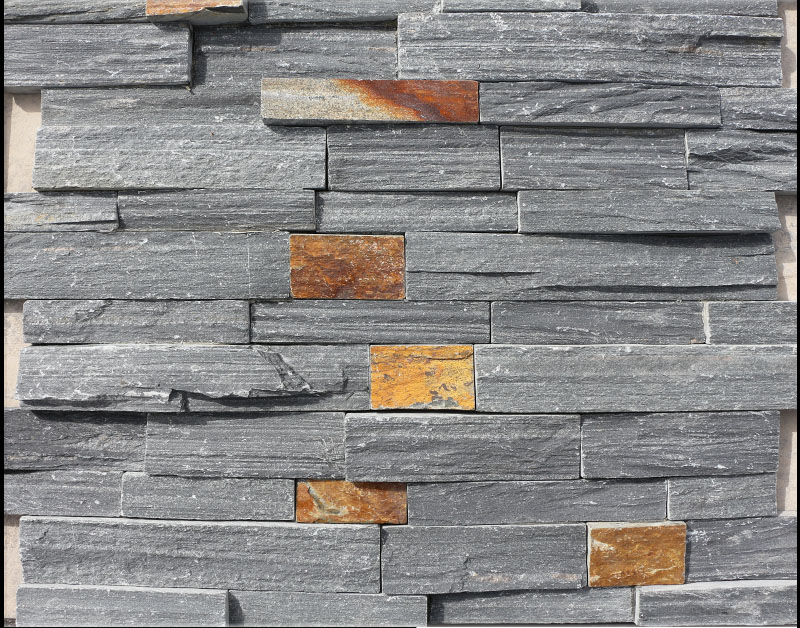
Would seem a pretty simple question right? And yes, it’s a pretty simple answer – cladding made from stone. However from the meetings I have with contractors and surveyors, I see it often gets over-complicated in designers’ minds and confused with traditional stone masonry.
Natural stone is one of the oldest materials used by man in construction. We only have to look at buildings such as the Taj Mahal completed in 1648 using white marble, or the Great Pyramid thought to have been completed in 2560BC made predominantly out of limestone to appreciate the longevity of stone as a material. (Imagine the architect specifying the Design Life for the Pyramid….)
Gurluşyk usullary Täj Mahaly gurany bäri aç-açan üýtgedi we gurluşyk pudagynyň arasynda dürli pudaklaryň we söwdalaryň köp ýyllaryň dowamynda biri-birine salgylanmagy we arabaglanyşygy netijesinde, daşky görnüşi döretmek üçin indi agyr daş böleklerini biri-birimiziň üstünde goýmaly däldiris. gaty daş binadan.
Traditional stone masonry (not something we do here at AlterEgo by the way), is loaded onto the building’s foundations and uses stones and mortar, tied back with wall-ties – think brickwork.
Beýleki tarapdan, häzirki zaman daş örtükleri binanyň gurluşyndan asylýar we demir ýagyş ekran ulgamy ýaly birleşdirilýär.
Görýäňizmi, daş örtük a ýagyş ekrany ulgamy we şeýle garamaly.
Looking through a cross section of a typical stone cladding build-up you’ll see lots of familiar components: spreader bars, helping-hand brackets, rails and T-bars. It’s only the facing material which is interchangeable.
There are a few nuances when working with natural stone for the first time, but nothing that a day’s training and our on-site support won’t cover.
So if you’re a contractor used to installing aluminium and steel cladding or you specialize in terracotta; don’t be afraid of stone! Check out this video showing the simplicity of our EGO-02S system EGO 02s INSTALLATION BETA – YouTube
Daş örtük panelini goldaw strukturasyna düzeltmek barada aýdylanda, iki sany esasy düzediş usuly bar:
With an undercut anchor system, typically used for larger format panels, holes are pre-drilled into the back of the stone, a sleeve and bolt inserted and fixed onto a hanging clasp and horizontal system. This method is good for natural stone panels with a thickness range from 30-50mm and can be used in both stack and stretcher bond layouts, typically in a portrait layout. Undercut anchors are always used in soffit situations.
Düzedişleriň hemmesi paneliň arka tarapynda bolansoň, bu usul düýbünden gizlin, hiç hili düzediş görünmeýär.
The kerf method of fixing stone is where a continuous groove is cut in the top and bottom of the stone, and the stone simply sits on a rail or clasp at the bottom and restrained at the top. A kerf system works particularly well for horizontally laid panels in either stack or stretcher bond.
Gurnamagyň tizligi we ýönekeýligi we panelleriň yzygiderli gurnalmagy bilen bilelikde bu usuly iň köp ulanylýan daş örtük ulgamy edýär.
Gurnama usullarynyň ikisi-de adatça açyk birleşýär, ýöne göçmeýän möhürleýji bogunlary görkezmek, adaty gurluşyk binasynyň görnüşini berip biler.
If you’re considering stone for your next project, please get in contact.
 Afrikaly
  Alban
Alban  Amhar
Amhar  Arapça
  Ermeni
  Azerbaýjan
  Bask
Bask  Belarus
  Bengali
  Bosniýa
  Bolgar
  Katalan
  Sebuano
  Hytaý
Hytaý  Hytaý (Taýwan)
  Korsikan
  Horwatiýa
  Çeh
Çeh  Daniýaly
  Gollandiýaly
  Iňlis
Iňlis  Esperanto
  Eston
Eston  Fin
Fin  Fransuz
  Frizian
  Galisiýa
  Gürji
Gürji  Nemes
Nemes  Grek
Grek  Gujarati
  Gaiti kreoly
  hausa
hausa  hawaiian
  Hebrewewreýçe
  .Ok
.Ok  Miao
Miao  Wenger
  Islandiýa
  igbo
igbo  Indoneziýaly
  irish
irish  Italýan
  Japaneseaponlar
  Javaneseawan
  Kannada
  Gazak
Gazak  Khmer
Khmer  Ruanda
  Koreýçe
  Kürt
Kürt  Gyrgyzystan
  Inçekesel
  Latyn
Latyn  Latwiýa
  Litwa
Litwa  Lýuksemburg
  Makedoniýa
  Malgaşi
  Malaý
Malaý  Malaýalam
  Malta
Malta  Maori
Maori  Marathi
  Mongol
  Mýanma
  Nepali
  Norweg
  Norweg
  Oksitan
  Puştun
  Pars
Pars  Polýak
  Portugaliýa
  Penjabi
  Rumyn
Rumyn  Rus
Rus  Samoan
  Şotlandiýaly Gael
  Serb
Serb  Iňlis
Iňlis  Şona
Şona  Sindhi
  Sinhala
  Slowakiýa
  Sloweniýa
  Somali
  Ispan
Ispan  Sundanese
  Suwaýili
  Şwesiýa
  Tagalog
  Täjik
Täjik  Tamil
Tamil  Tatar
Tatar  Telugu
  Taý
Taý  Türk
Türk  Türkmenler
  Ukrain
  Urdu
Urdu  Uýgur
Uýgur  Özbek
Özbek  Wýetnamly
  Uels
Uels