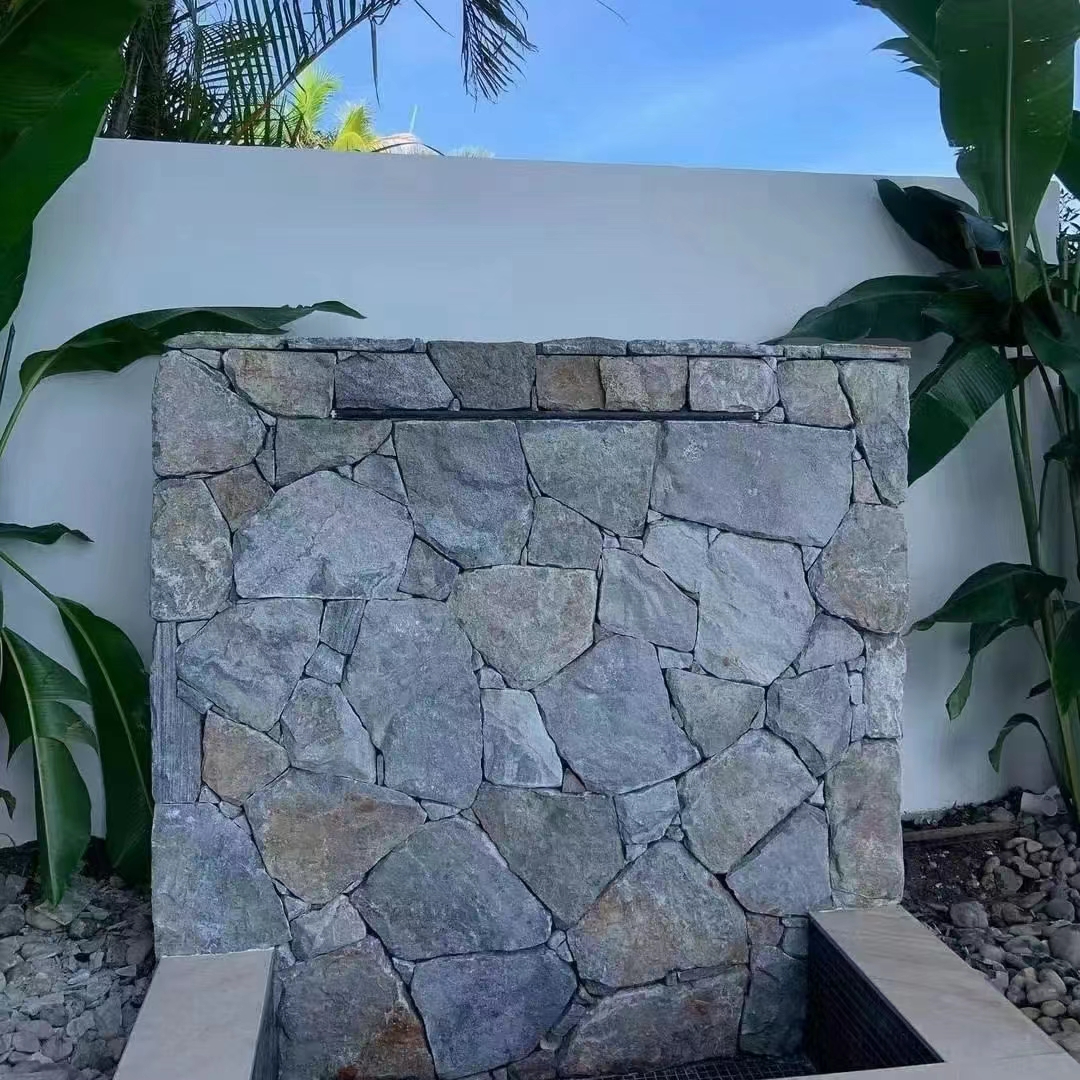
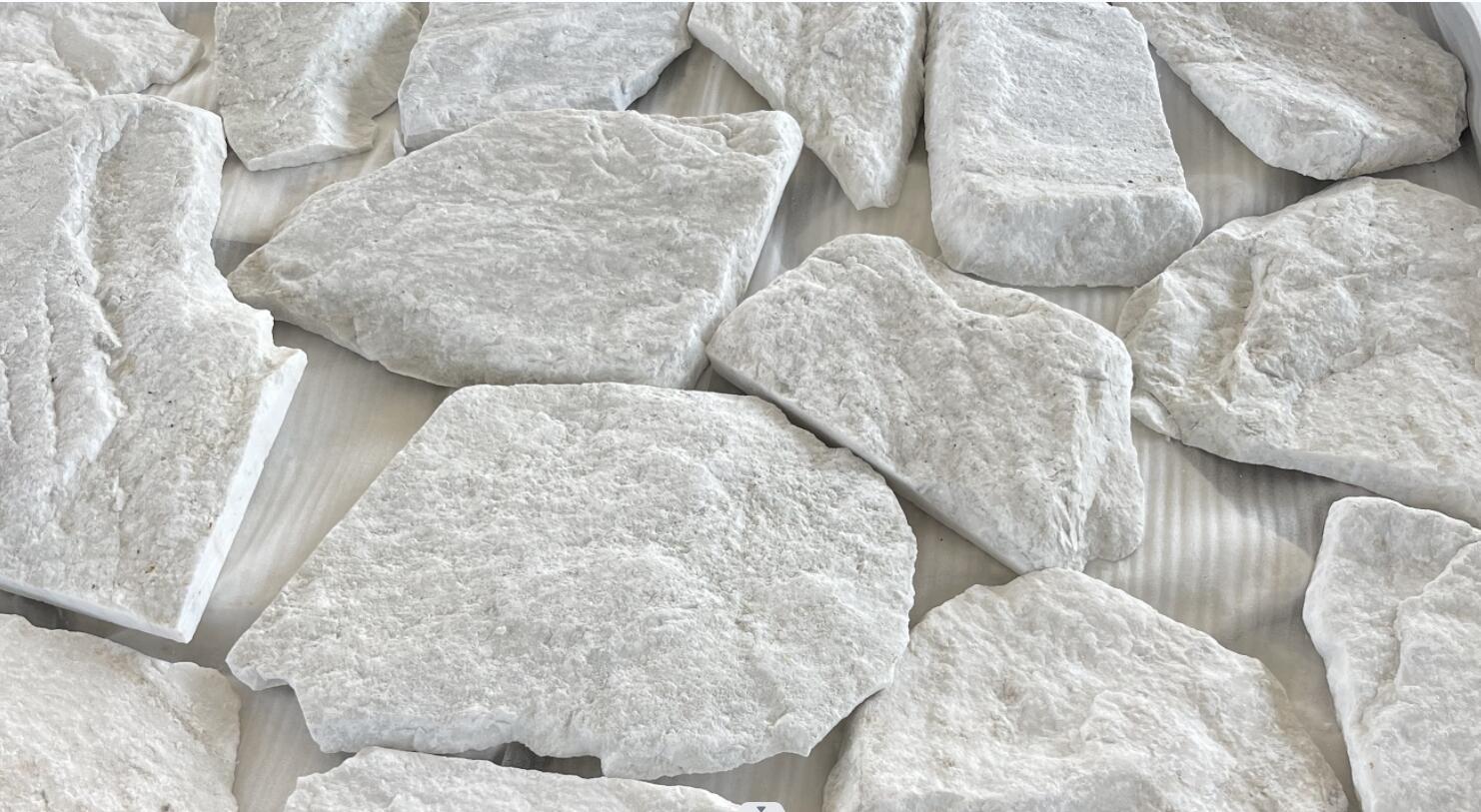
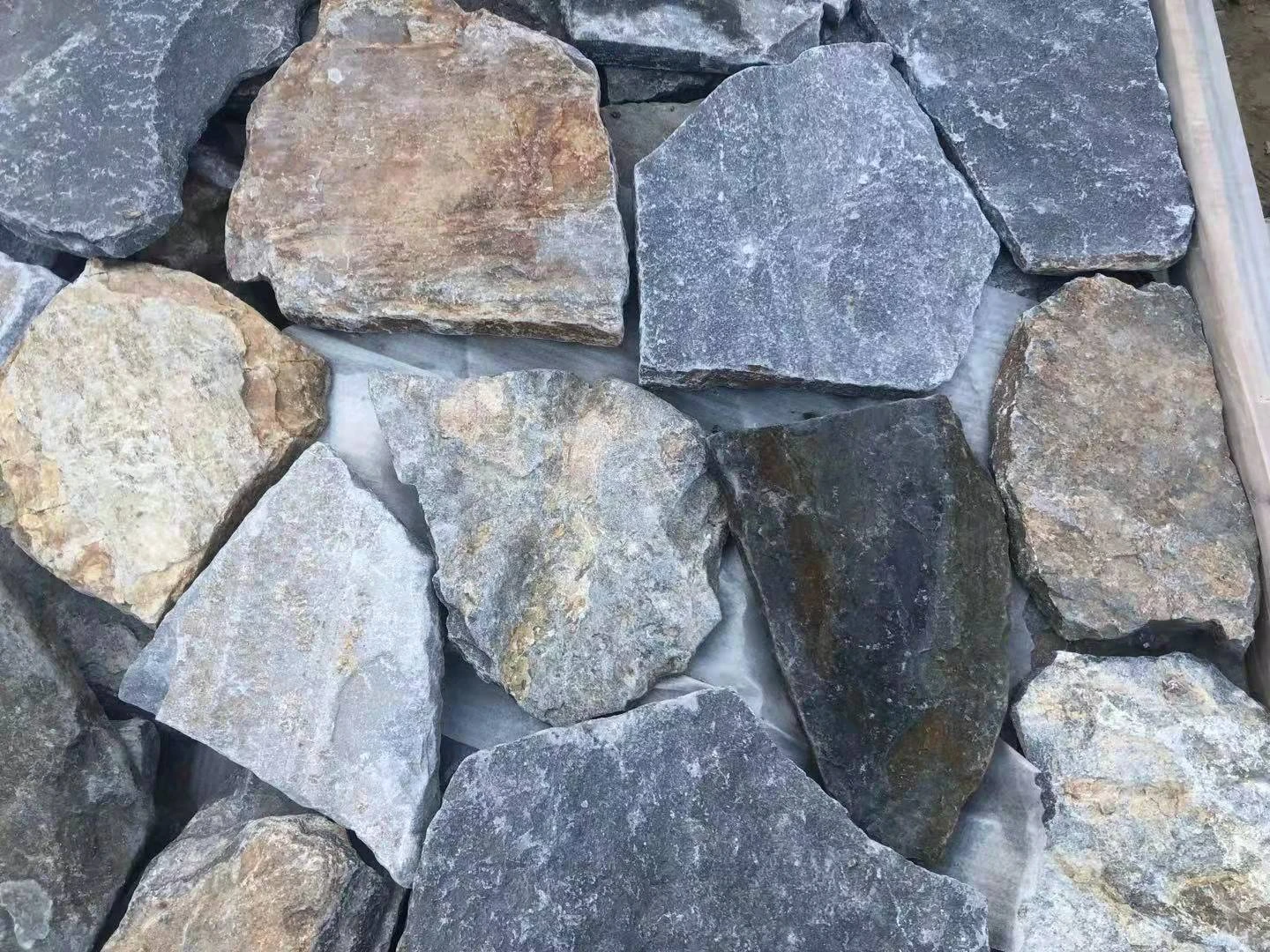
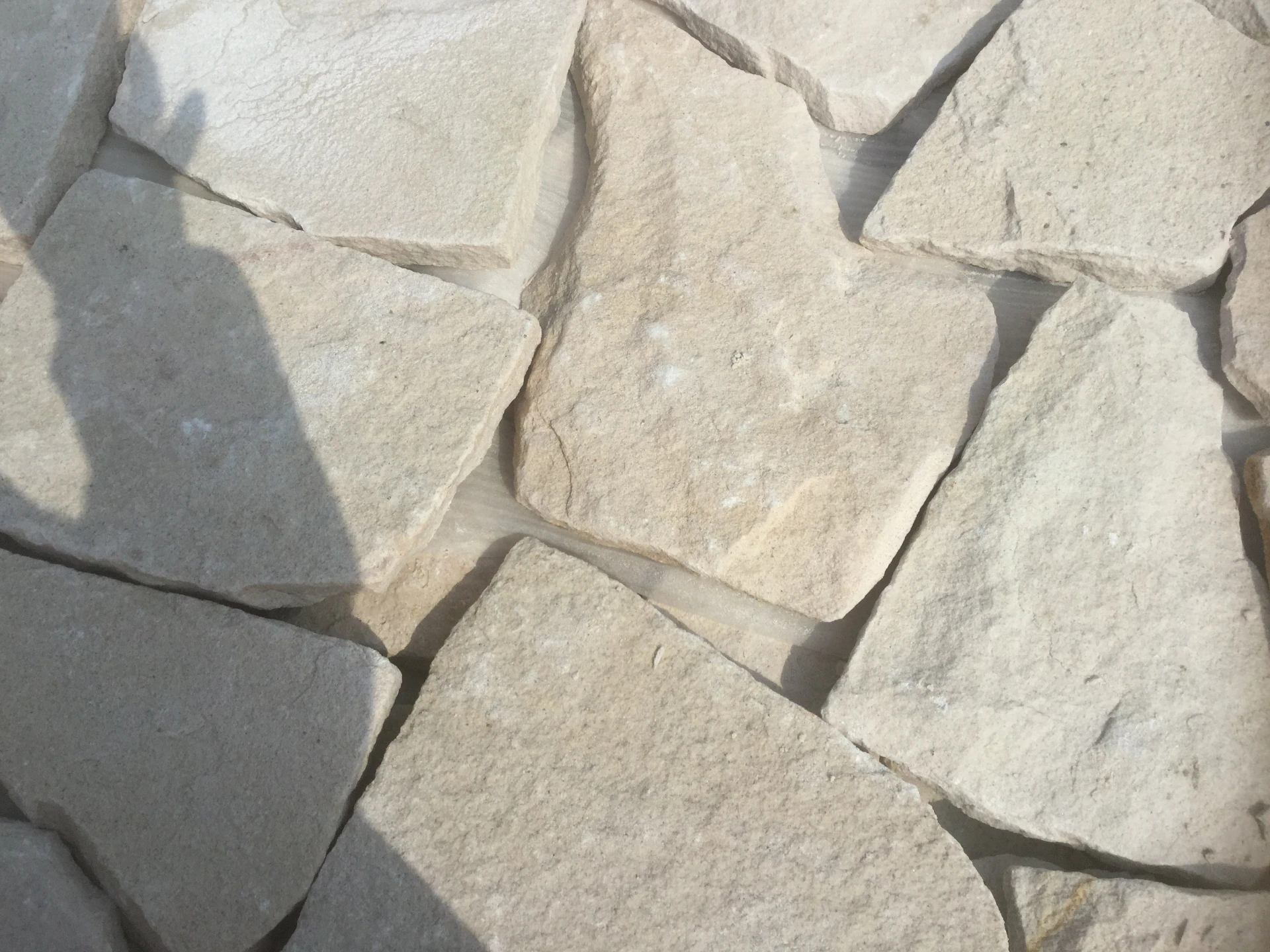
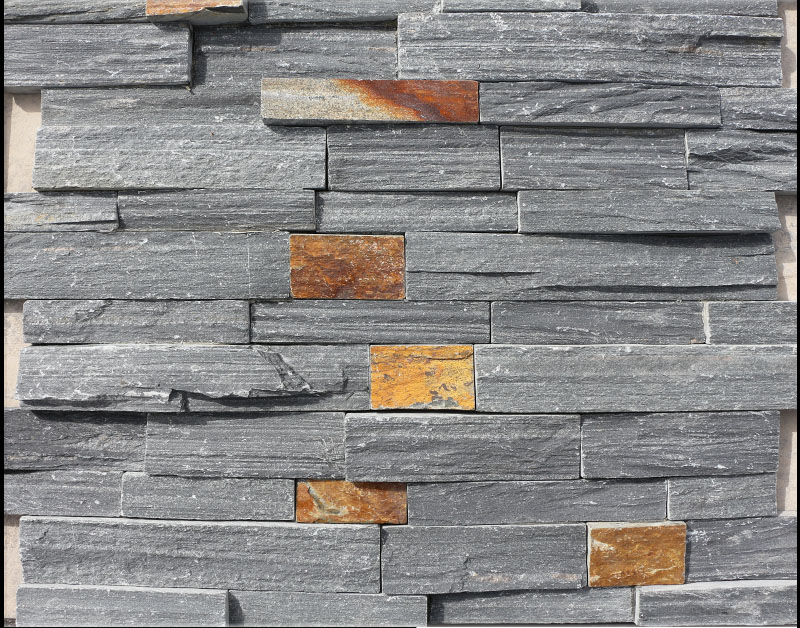
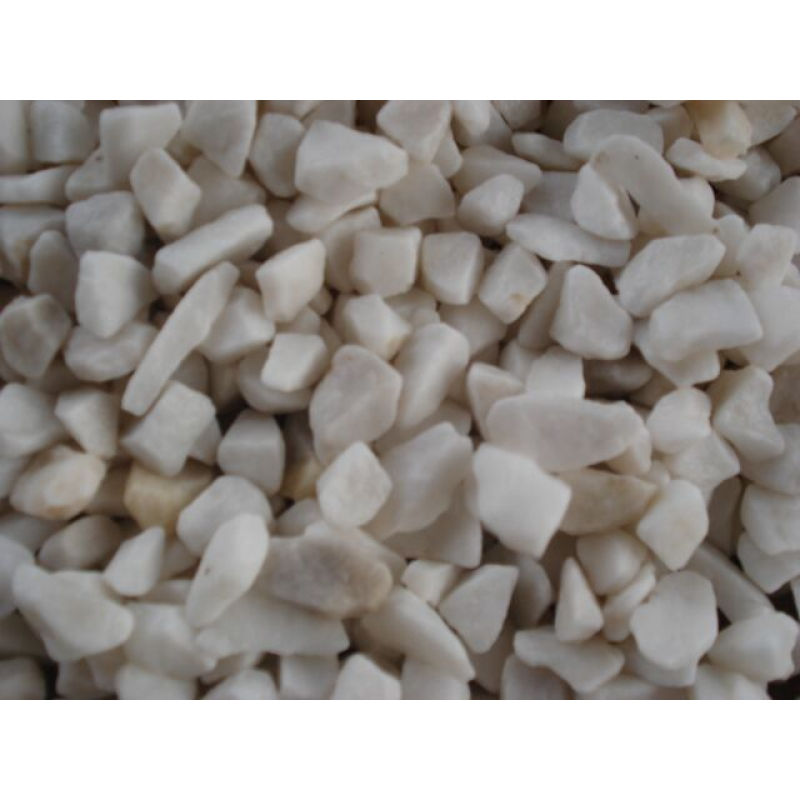
Would seem a pretty simple question right? And yes, it’s a pretty simple answer – cladding made from stone. However from the meetings I have with contractors and surveyors, I see it often gets over-complicated in designers’ minds and confused with traditional stone masonry.
Natural stone is one of the oldest materials used by man in construction. We only have to look at buildings such as the Taj Mahal completed in 1648 using white marble, or the Great Pyramid thought to have been completed in 2560BC made predominantly out of limestone to appreciate the longevity of stone as a material. (Imagine the architect specifying the Design Life for the Pyramid….)
تاج محل کی تعمیر کے بعد سے تعمیراتی طریقوں میں واضح طور پر تبدیلی آئی ہے، اور تعمیراتی صنعت کے اندر مختلف شعبوں اور تجارتوں کی بدولت کئی سالوں میں کراس ریفرنسنگ اور نیٹ ورکنگ کی بدولت ہمیں اب ایک دوسرے کے اوپر بھاری پتھروں کے ڈھیر لگانے کی ضرورت نہیں ہے۔ ایک ٹھوس پتھر کی عمارت کا۔
Traditional stone masonry (not something we do here at AlterEgo by the way), is loaded onto the building’s foundations and uses stones and mortar, tied back with wall-ties – think brickwork.
دوسری طرف جدید دور کے پتھر کی چادر کو عمارت کے ڈھانچے سے لٹکایا جاتا ہے، اور اسے اسی طرح ایک ساتھ رکھا جاتا ہے جس طرح دھاتی رین اسکرین سسٹم ہوتا ہے۔
آپ دیکھتے ہیں، پتھر کی چادر، ایک ہے رین اسکرین کلڈنگ نظام اور اس کے ساتھ ایسا سلوک کیا جانا چاہئے۔
Looking through a cross section of a typical stone cladding build-up you’ll see lots of familiar components: spreader bars, helping-hand brackets, rails and T-bars. It’s only the facing material which is interchangeable.
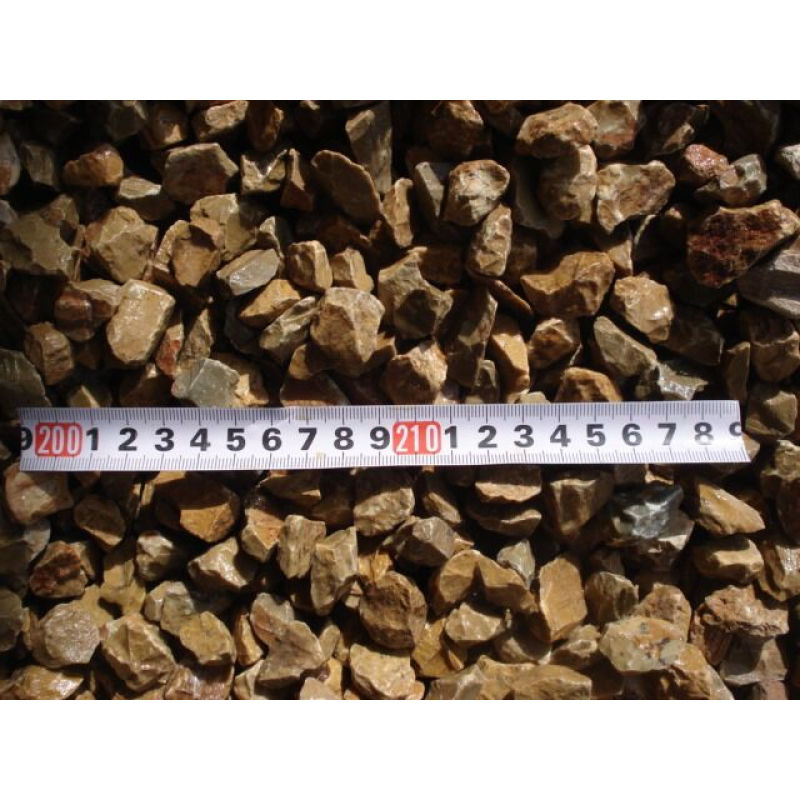
There are a few nuances when working with natural stone for the first time, but nothing that a day’s training and our on-site support won’t cover.
So if you’re a contractor used to installing aluminium and steel cladding or you specialize in terracotta; don’t be afraid of stone! Check out this video showing the simplicity of our EGO-02S system EGO 02s INSTALLATION BETA – YouTube
جب سپورٹ سٹرکچر میں پتھر کی کلڈنگ پینل کو ٹھیک کرنے کی بات آتی ہے تو، فکسنگ کے دو اہم طریقے ہیں:
With an undercut anchor system, typically used for larger format panels, holes are pre-drilled into the back of the stone, a sleeve and bolt inserted and fixed onto a hanging clasp and horizontal system. This method is good for natural stone panels with a thickness range from 30-50mm and can be used in both stack and stretcher bond layouts, typically in a portrait layout. Undercut anchors are always used in soffit situations.
چونکہ تمام فکسنگ پینل کے پچھلے حصے میں ہیں، یہ طریقہ مکمل طور پر خفیہ ہے، کوئی فکسنگ نظر نہیں آتی۔
The kerf method of fixing stone is where a continuous groove is cut in the top and bottom of the stone, and the stone simply sits on a rail or clasp at the bottom and restrained at the top. A kerf system works particularly well for horizontally laid panels in either stack or stretcher bond.
تنصیب کی رفتار اور سادگی اور اس حقیقت کے ساتھ کہ پینلز کو غیر ترتیب وار نصب کیا جا سکتا ہے اس طریقہ کو سب سے زیادہ استعمال شدہ پتھر کی چادر کا نظام بناتا ہے۔
تنصیب کے دونوں طریقے عام طور پر کھلے جوڑ کے ہوتے ہیں، تاہم غیر نقل مکانی کرنے والے سیلانٹ کے ساتھ جوڑوں کی طرف اشارہ کرنا روایتی چنائی کی عمارت کا روپ دے سکتا ہے۔
If you’re considering stone for your next project, please get in contact.
 افریقی
  البانوی
  امہاری
  عربی
عربی  آرمینیائی
  آذربائیجانی
  باسکی
باسکی  بیلاروسی
  بنگالی
  بوسنیائی
  بلغاریائی
  کاتالان
  سیبوانو
  چین
چین  چین (تائیوان)
  کورسیکن
  کروشین
  چیک
چیک  ڈینش
ڈینش  ڈچ
ڈچ  انگریزی
  ایسپرانٹو
  اسٹونین
  فنش
فنش  فرانسیسی
  فریسیئن
  گالیشین
  جارجیائی
  جرمن
جرمن  یونانی
  گجراتی
  ہیٹی کریول
  ہاؤسا
ہاؤسا  ہوائی
ہوائی  عبرانی
  nope کیا
  میاؤ
میاؤ  ہنگری
ہنگری  آئس لینڈی
  igbo
igbo  انڈونیشین
  آئرش
آئرش  اطالوی
  جاپانی
  جاوانی
  کنڑ
کنڑ  قازق
قازق  خمیر
خمیر  روانڈا
  کورین
کورین  کرد
کرد  کرغیز
کرغیز  ٹی بی
ٹی بی  لاطینی
  لیٹوین
  لتھوینیائی
  لکسمبرگش
  مقدونیائی
  مالگاشی
  مالائی
  ملیالم
  مالٹیز
  ماوری
ماوری  مراٹھی
  منگول
منگول  میانمار
  نیپالی
  ناروے
ناروے  ناروے
ناروے  آکسیٹن
  پشتو
پشتو  فارسی
فارسی  پولش
پولش  پرتگالی
  پنجابی
  رومانیہ
  روسی
روسی  سامون
سامون  سکاٹش گیلک
  سربیائی
  انگریزی
  شونا
شونا  سندھی
سندھی  سنہالا
  سلوواک
  سلووینیائی
  صومالی
  ہسپانوی
  سنڈانی
  سواحلی
  سویڈش
سویڈش  ٹیگالوگ
  تاجک
تاجک  تامل
تامل  تاتار
تاتار  تیلگو
تیلگو  تھائی
تھائی  ترکی
ترکی  ترکمان
  یوکرینی
  اردو
اردو  ایغور
ایغور  ازبک
ازبک  ویتنامی
  ویلش
ویلش