• UNSAY MGA KALAHING TALI SA NATURAL NGA MGA BATO UG ARTPISYAL NGA MGA BATO? talan-awon nga bato
Abr . 16, 2024 09:26 Balik sa listahan

UNSAY MGA KALAHING TALI SA NATURAL NGA MGA BATO UG ARTPISYAL NGA MGA BATO? talan-awon nga bato

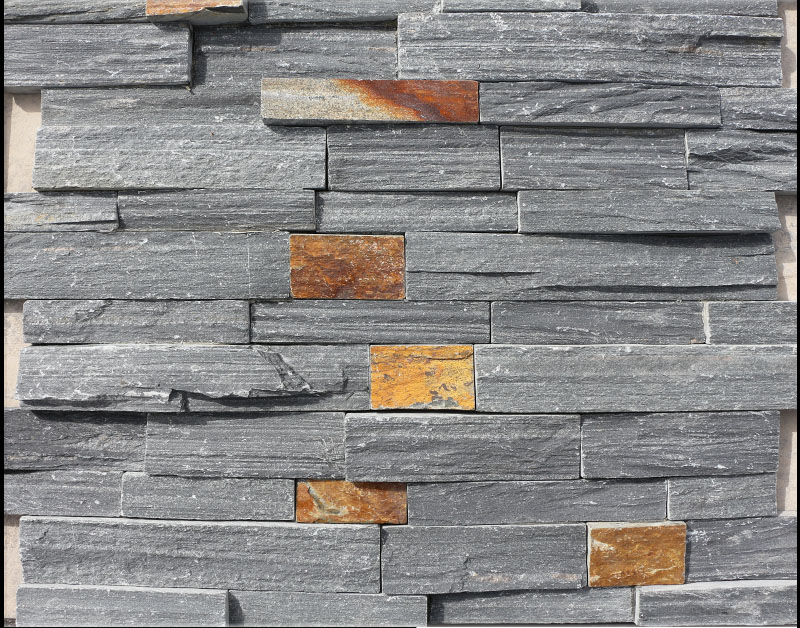
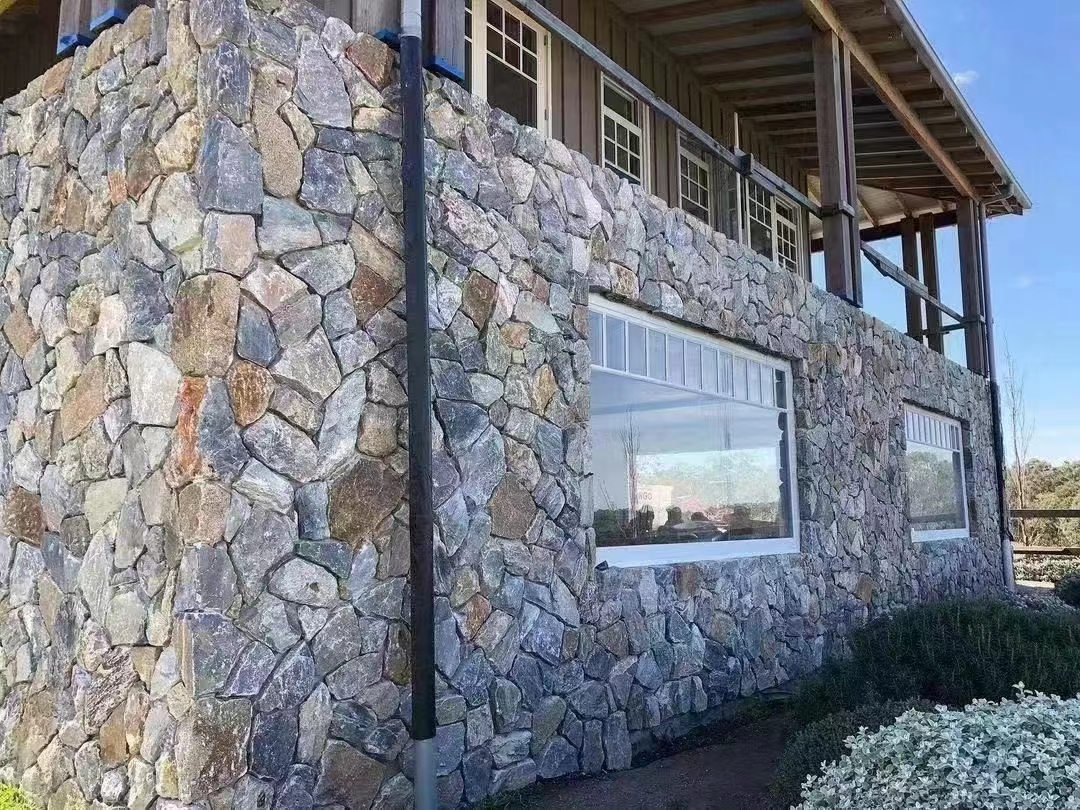
Natural nga bato mao ang labing una nga materyales sa pagtukod sa kasaysayan sa arkitektura sa tawo, adunay hinungdanon nga papel sa adlaw-adlaw nga kinabuhi. Mga produkto sa natural nga bato kaylap nga gigamit sa mga tugpahanan, high-speed nga tren, high-end nga mga hotel ug uban pang dagkong publikong mga bilding, komersyal nga mga bilding sa opisina, residential, lapida, monumento, ug uban pa. Karon sa proseso sa dekorasyon sa balay, ang mga produkto sa bato nakakuha ug dugang nga atensyon, apan sa bag-ohay nga mga tuig, ang presyo sa mga hilaw nga materyales sa bato nagtaas matag tuig, ang mga kostumer sa terminal ug mga tiggama nagreklamo bahin sa pagtaas sa gasto.
 

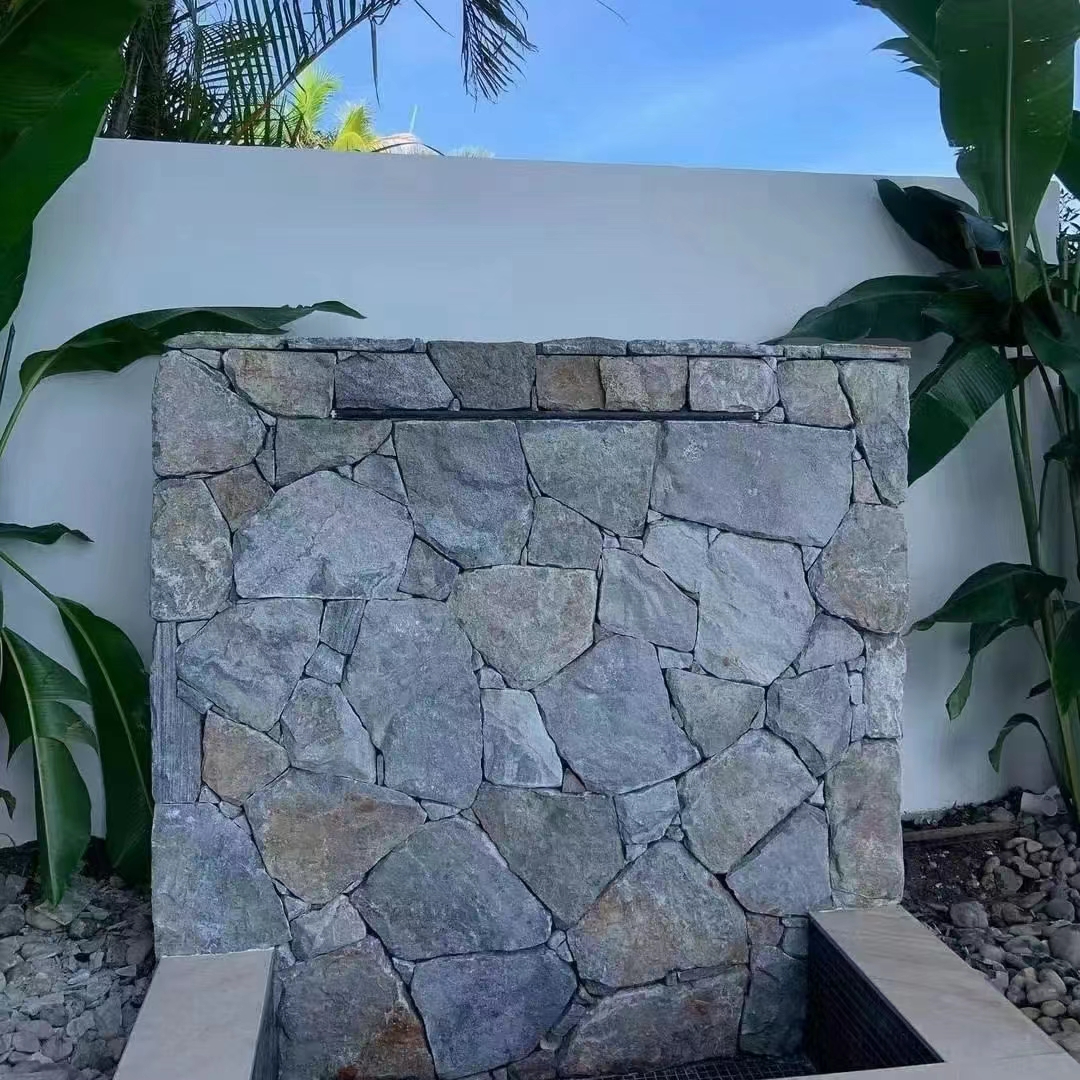
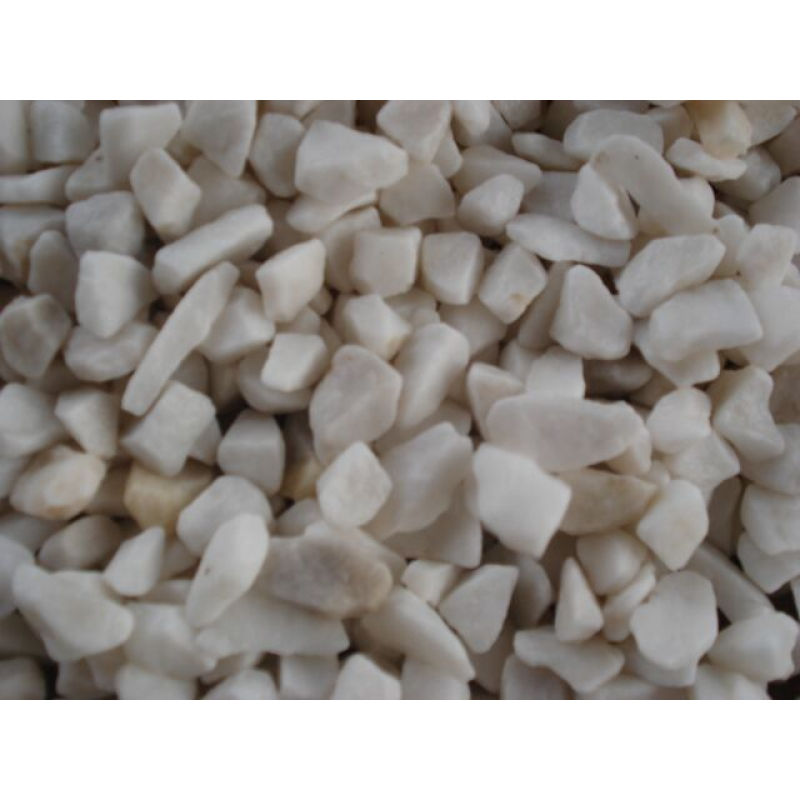
Dili regular nga mga bato

WHAT ARE THE DIFFERENCES BETWEEN NATURAL STONES AND ARTIFICIAL STONES? landscape stone


Karong panahona, uban ang pag-uswag sa ekonomiya, berde nga bilding, makatipig nga enerhiya nga mga materyales sa pagtukod kaylap nga gidawat sa kadaghanan sa mga kostumer sa kalibutan. Makahimo ba og epekto ang mga artipisyal nga bato sa industriya sa natural nga mga bato sa umaabot? O suplemento lang ba kini sa natural nga mga bato? Mapulihan ba sa artipisyal nga bato ang natural nga bato? Kini nga artikulo makatabang kanimo nga mahibal-an ang tubag.
Husto nga Pagsabot sa Natural nga Bato ug Artipisyal nga Bato

Unsa ang Natural nga Bato?

WHAT ARE THE DIFFERENCES BETWEEN NATURAL STONES AND ARTIFICIAL STONES? landscape stone

Ang natural nga bato nagtumong sa sedimentary o metamorphic carbonate nga mga bato sama sa marmol, dolomite, anapog, sandstone, shale ug slate. Modernong natural nga bato gimina gikan sa natural nga bato, ug unya human sa usa ka serye sa pagproseso, Ingon nga nagtumong sa materyal nga gigamit sa balay dekorasyon, kinatibuk-ang building pangdekorasyon natural nga bato nag-una granite ug marmol duha ka matang.

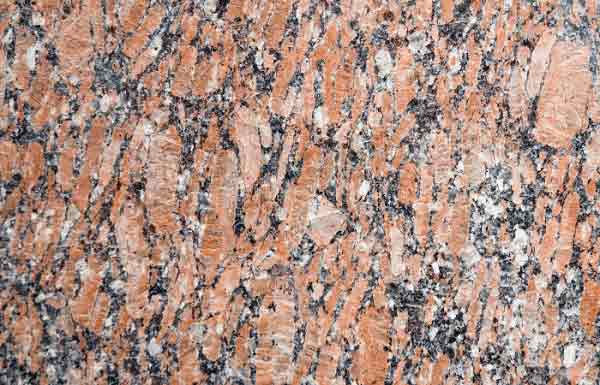
Ang Granite usa ka igneous nga bato, gitawag usab nga acid crystalline plutonic rock. Kini ang labing kaylap nga gipang-apod-apod nga igneous rock, pinaagi sa feldspar, quartz ug mica nga komposisyon, bato nga gahi nga dasok. Ang granite gilangkuban nag-una sa silicon dioxide, mga 65%-75% sa gitawag nga igneous rock mao ang underground nga magma o bulkan nga pagbuto sa lava crystallization sa bato.

Marble is a metamorphic rock formed by high temperature and pressure in the crust of the Central Plain. The internal force of the Earth’s crust causes the qualitative changes of the original rocks, i. e. the structure, structure and mineral composition of the original rocks are changed. New Rocks formed by metamorphism are called metamorphic rocks.

Unsa ang Artipisyal nga Bato?

WHAT ARE THE DIFFERENCES BETWEEN NATURAL STONES AND ARTIFICIAL STONES? landscape stone

Ang artipisyal nga bato gihimo sa unsaturated polyester resin ingon binder, natural nga marmol o calcite, dolomite, silica balas, bildo powder ug uban pang mga inorganic nga mga materyales, ingon man sa usa ka angay nga kantidad sa siga retardant, kolor, ug uban pa, kini gihimo pinaagi sa pagsagol sa mga sangkap. , ceramic casting, vibration compression, extrusion ug uban pang mga pamaagi.

Bisan tuod ang artipisyal nga bato sintetiko, apan kini adunay mga kinaiya sa ordinaryo nga bato. Pananglitan, kini adunay mga kinaiya sa flame-retardant, wear-resistant, impact-resistant, ug dili radioactive. Usa usab kini sa mga kalainan tali sa natural nga bato ug artipisyal nga bato. Sama sa gihisgutan sa ibabaw, ang artipisyal nga bato usa ka bag-ong matang sa materyal nga dekorasyon sa balay. Bisan pa niana, talagsaon ang halin niini tungod kay kini adunay kolor ug texture sa natural nga bato. Bisan pa, ang presyo mas ubos kaysa ordinaryong natural nga bato, kini usa sa mga kalainan tali sa natural nga bato ug artipisyal nga bato.

Mga Kaayohan ug Kakulangan Tali sa Natural nga Bato ug Artipisyal nga Bato

WHAT ARE THE DIFFERENCES BETWEEN NATURAL STONES AND ARTIFICIAL STONES? landscape stone

Mga bentaha sa natural nga bato:

Ang Natural nga Bato adunay taas nga kalig-on, maayo nga pagsukol sa pagsul-ob, pagsukol sa kaagnasan, ubos nga pagsuyup sa tubig, ug matahum nga texture. Ang marmol kasagarang gigamit alang sa interior nga dekorasyon, ug ang granite kay gigamit sa panggawas nga dekorasyon, marmol tungod sa maayo kaayong hatag-as nga temperatura nga pagsukol, angay alang sa kitchen countertop.

Mga disbentaha sa natural nga bato:

Ang natural nga bato adunay mga pores, dali nga magtigum og grasa. Kasagaran, nagkinahanglan kini og lig-on nga suporta sa kabinete tungod sa taas nga densidad;
Bisan tuod ang texture lisud, apan ang elasticity dili igo.
Gawas pa, lisud usab ang pag-ayo kung adunay pipila nga dili makita nga natural nga mga liki.
Kini daling mabuak kung paspas nga mausab ang temperatura.

Mga Kaayohan sa Artipisyal nga Bato:

Artificial stone has the advantages of bright color, high finish, uniform color, resistance to pressure and abrasion, good toughness, compact structure, strong and durable, light specific gravity, non-absorbent, erosion and weathering resistance, small color difference, non-fading, low radioactivity and so on. The stone material is easy to process into the mesa’s geometry, mesa, and so on.

Disadvantages of the Artificial Stone:

The general naturalness of artificial stone is obviously insufficient, its texture is relatively false. Moreover, because the artificial stone manufacture craft difference is huge, the characteristic is not completely consistent. Due to the internal part of the resin material, if in direct contact with overheating containers, easy to heat deformation.

3 Misunderstandings About Natural Stone and Artificial Stone

WHAT ARE THE DIFFERENCES BETWEEN NATURAL STONES AND ARTIFICIAL STONES? landscape stone

Does The Natural Stone Have Radiation, and Will It Endanger The Human Body Being?

Natural Stone has radiation, carcinogenic rumors one after another, many consumers worry about the natural stone in the presence of radiation. Does natural stone really contain excessive radioactive material to endanger human health?
There is a mandatory standard for quantifying the radiation of building materials, which is classified into four categories: A, B, C and D, of which Class A is the building materials that can be safely used in any situation. All marble on the market is a class, only a few granite is a class B, class B must be installed in the ventilation used, class C and Class D has not yet been found in the market.

Is Natural Stone A Better Choice Than Artificial Stone?

After millions of years of qualitative changes, the natural stone formed a different color and texture. Natural stone has a very high decorative texture and decorative grade. It has high ornamental value and always gives people beautiful feelings.
Artificial stone can be divided into organic artificial stone and inorganic artificial stone, the two differences lie in the use of different adhesives. In fact, after years of technological improvements, the entire industry now has the technology to ensure that both types of stone are healthy for the human body.
Natural Stone and artificial stone are two different fields, while they have a good complementarity, consumers could make a choic according to their actual needs, such as application areas, price range, environmental requirements to choose.

The Higher The Price, The Better The Quality?

No matter natural stone or artificial stone, the price level relies on many factors: stone material supply, mining difficulty, processing cost, transportation distance, labor cost, marketing cost, etc., so it doesn’t mean the higher the price the better the quality. Usually, consumers make their choices based on their actual needs to choose some medium-priced products.

Top 5 Driving Factors That Distinguish Between Natural And Artificial Stone

WHAT ARE THE DIFFERENCES BETWEEN NATURAL STONES AND ARTIFICIAL STONES? landscape stone

Panagway

Natural Stone is a natural material, is transparent or translucent particles, very beautiful. So the natural stone feels brighter. Artificial stones are made from common natural stone powders or opaque acrylic materials, but they are also made by adding glue to the stone and pressing it. Its surface brightness is not as beautiful as that of quartz and can be said to be close to dull.

Handfeel

The other easiest way to tell a natural stone from an artificial stone is to touch it with your hand and then distinguish the two different stones by the feel of your hand. Natural stone material, the feeling that our hand touches above gives a person is the cold feeling. It’s like touching a natural stone. Artificial stones are different. Because the artificial stone material used inside the plastic material, so we do not touch the feeling of ice-cold, give the most obvious feeling is warm and delicate. This feeling is basically the same as when we touch other plastic materials.

Hardness

Hardness is an important mark to distinguish natural stones and artificial stones. According to shore hardness, granite is defined as not less than 70(HSD ≥70) and marble is defined as less than 70(HSD < 70). Natural Stone is natural and relatively hard, so it is still not as flexible as artificial stone, while artificial stone is relatively soft so that it can do radian, splices are usually invisible at the seams.

PH Tolerance

There is a very simple method is to use hydrochloric acid test, a few drops of dilute hydrochloric acid on the stone surface, granite no obvious reaction, natural marble surface will appear rich foam, artificial marble foam weak, there is no bubble at all.

Permeability

The permeability of natural stone is stronger than that of artificial stone. Drop colored liquid on the surface of natural stone, the color will penetrate into the stone, not easy to remove the traces left: and artificial stone permeability is worse, color penetration is slow if cleaned in time will not leave traces.

Bottom of Line

WHAT ARE THE DIFFERENCES BETWEEN NATURAL STONES AND ARTIFICIAL STONES? landscape stone

Today, natural stone mining is rampant, and it becomes scarce. Compared with natural stone, the characteristics of artificial stone also make it become the most important type of decorative material in landscape decoration today. They have many types and different uses, and the use method is very different according to their properties. No matter what kind of material, each has its own advantages and disadvantages. We should choose the material that suits us best according to our own needs and prices. Artificial stone has existed a long time in society and occupies a place in the stone market, it’s clearly impossible to replace the natural stone.

Gipili nimo 0 mga produkto

AfrikaansAprikano AlbanianAlbaniano AmharicAmharic ArabicArabiko ArmenianArmenian AzerbaijaniAzerbaijani BasqueBasque BelarusianBelarusian Bengali Bengali BosnianBosnian BulgarianBulgarian CatalanCatalan CebuanoCebuano ChinaChina China (Taiwan)China (Taiwan) CorsicanCorsican CroatianCroatiano CzechCzech DanishDanish DutchDutch EnglishEnglish EsperantoEsperanto EstonianEstonian FinnishFinnish FrenchPransiya FrisianFrisian GalicianGalician GeorgianGeorgian GermanAleman GreekGriyego GujaratiGujarati Haitian CreoleHaitian Creole hausahausa hawaiianhawaiian HebrewHebreohanon Hindidili MiaoMiao HungarianHungarian IcelandicIcelandic igboigbo IndonesianIndonesian irishirish ItalianItalyano JapaneseHapon JavaneseJavanese KannadaKannada kazakhkazakh KhmerKhmer RwandeseRwandan KoreanKoreano KurdishKurdish KyrgyzKyrgyz LaoTB LatinLatin LatvianLatviano LithuanianLithuanian LuxembourgishLuxembourgish MacedonianMacedonian MalgashiMalgashi MalayMalay MalayalamMalayalam MalteseMaltese MaoriMaori MarathiMarathi MongolianMongolian MyanmarMyanmar NepaliNepali NorwegianNorwegian NorwegianNorwegian OccitanOccitan PashtoPashto PersianPersianhon Polishkahamis Portuguese Portuges PunjabiPunjabi RomanianRomaniano RussianRuso SamoanSamoano Scottish GaelicScottish Gaelic SerbianSerbiano SesothoEnglish ShonaShona SindhiSindhi SinhalaSinhala SlovakSlovak SlovenianSlovenian SomaliSomali SpanishKinatsila SundaneseSundanese SwahiliSwahili SwedishSwedish TagalogTagalog TajikTajik TamilTamil TatarTatar TeluguTelugu ThaiThai TurkishTurko TurkmenTurkmen UkrainianUkrainiano UrduUrdu UighurUighur UzbekUzbek VietnameseVietnamese WelshWelsh