

• QUELLES SONT LES DIFFÉRENCES ENTRE LES PIERRES NATURELLES ET LES PIERRES ARTIFICIELLES ? pierre de paysage
Avr . 16, 2024 09:26 Retour à la liste

QUELLES SONT LES DIFFÉRENCES ENTRE LES PIERRES NATURELLES ET LES PIERRES ARTIFICIELLES ? pierre de paysage

Pierre naturelle est le premier matériau de construction de l’histoire de l’architecture humaine et joue un rôle important dans la vie quotidienne. Produits en pierre naturelle sont largement utilisés dans les aéroports, les trains à grande vitesse, les hôtels haut de gamme et autres grands bâtiments publics, les immeubles de bureaux commerciaux, les résidences, les pierres tombales, les monuments, etc. Aujourd'hui, dans le processus de décoration de la maison, les produits en pierre attirent de plus en plus l'attention, mais ces dernières années, le prix des matières premières en pierre augmente chaque année, les clients terminaux et les fabricants se plaignent de la hausse des coûts.
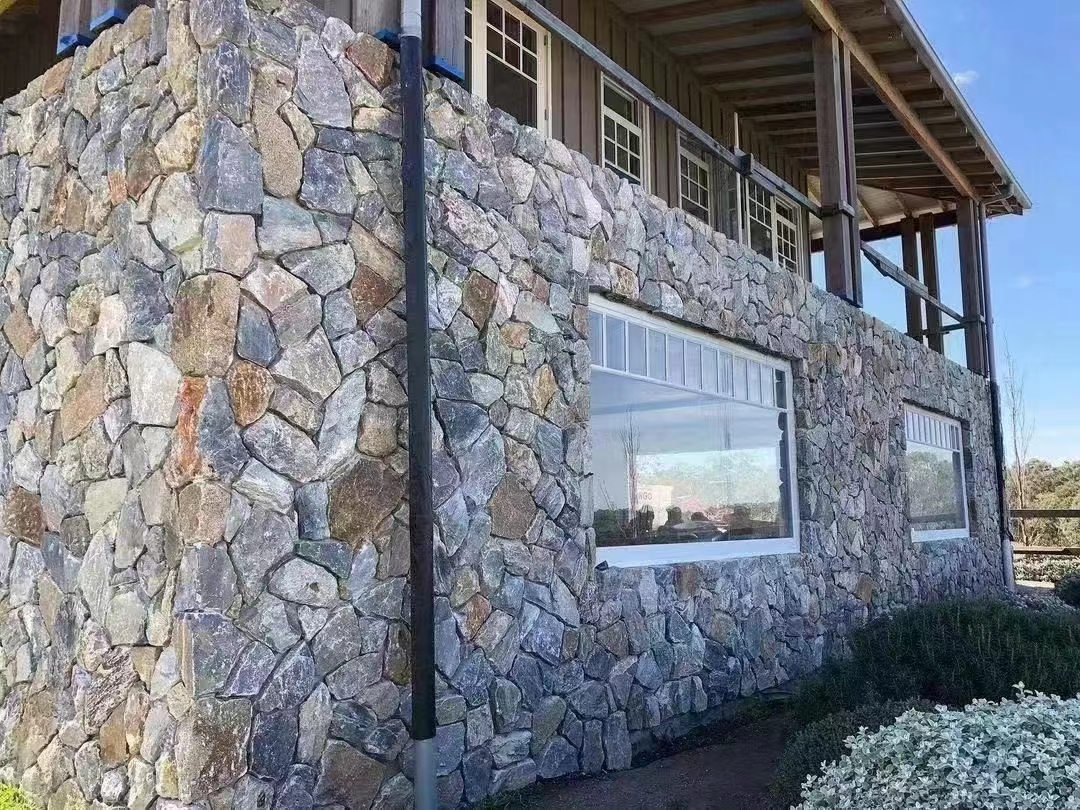
 

Pierres irrégulières

WHAT ARE THE DIFFERENCES BETWEEN NATURAL STONES AND ARTIFICIAL STONES? landscape stone


De nos jours, avec le développement de l'économie, la construction écologique et les matériaux de construction économes en énergie sont largement acceptés par la plupart des clients dans le monde. Les pierres artificielles auront-elles à l’avenir un impact sur l’industrie des pierres naturelles ? Ou est-ce seulement le supplément de pierres naturelles ? La pierre artificielle remplacera-t-elle la pierre naturelle ? Cet article vous aidera à trouver la réponse.
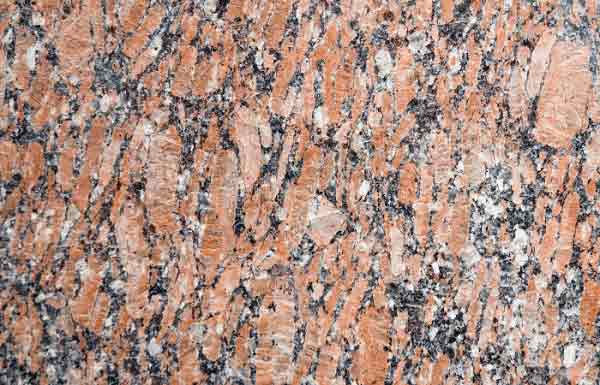
Compréhension correcte de la pierre naturelle et de la pierre artificielle

Qu’est-ce que la pierre naturelle ?

WHAT ARE THE DIFFERENCES BETWEEN NATURAL STONES AND ARTIFICIAL STONES? landscape stone

La pierre naturelle fait référence aux roches carbonatées sédimentaires ou métamorphiques telles que le marbre, la dolomite, le calcaire, grès, schiste et ardoise. La pierre naturelle moderne est extraite de la roche naturelle, puis après une série de traitements, en ce qui concerne le matériau utilisé dans la décoration de la maison, la pierre naturelle décorative de construction générale, principalement le granit et le marbre, de deux types.

Le granite est une roche ignée, également appelée roche plutonique cristalline acide. C'est la roche ignée la plus largement répandue, par sa composition en feldspath, quartz et mica, dure et dense. Le granit est composé principalement de dioxyde de silicium, environ 65 à 75 % de la roche dite ignée est le magma souterrain ou l'éruption volcanique de la cristallisation de lave de la roche.

Marble is a metamorphic rock formed by high temperature and pressure in the crust of the Central Plain. The internal force of the Earth’s crust causes the qualitative changes of the original rocks, i. e. the structure, structure and mineral composition of the original rocks are changed. New Rocks formed by metamorphism are called metamorphic rocks.

Qu’est-ce que la pierre artificielle ?

WHAT ARE THE DIFFERENCES BETWEEN NATURAL STONES AND ARTIFICIAL STONES? landscape stone

La pierre artificielle est composée de résine polyester insaturée comme liant, de marbre naturel ou de calcite, de dolomite, de sable de silice, de poudre de verre et d'autres matériaux inorganiques, ainsi que d'une quantité appropriée de retardateur de flamme, de couleur, etc., elle est fabriquée en mélangeant des ingrédients. , moulage de céramique, compression par vibration, extrusion et autres méthodes.

Bien que la pierre artificielle soit synthétique, elle présente les caractéristiques de la pierre ordinaire. Par exemple, il présente les caractéristiques ignifuges, résistantes à l'usure, aux chocs et n'est pas radioactif. C’est aussi l’une des différences entre la pierre naturelle et la pierre artificielle. Comme mentionné ci-dessus, la pierre artificielle est un nouveau type de matériau de décoration intérieure. Pourtant, ses ventes sont exceptionnelles car elle a la couleur et la texture de la pierre naturelle. Pourtant, le prix est inférieur à celui de la pierre naturelle ordinaire, c'est l'une des différences entre la pierre naturelle et la pierre artificielle.

Avantages et inconvénients entre la pierre naturelle et la pierre artificielle

WHAT ARE THE DIFFERENCES BETWEEN NATURAL STONES AND ARTIFICIAL STONES? landscape stone

Avantages de la pierre naturelle :

La pierre naturelle a une résistance élevée, une bonne résistance à l'usure, une résistance à la corrosion, une faible absorption d'eau et une belle texture. Le marbre est principalement utilisé pour la décoration intérieure et le granit est principalement utilisé pour la décoration extérieure, le marbre en raison de son excellente résistance aux températures élevées, adapté aux comptoirs de cuisine.

Inconvénients de la pierre naturelle :

La pierre naturelle a des pores, facile à accumuler de la graisse. Généralement, il nécessite un solide support d’armoire en raison de sa haute densité ;
Bien que la texture soit dure, l'élasticité est insuffisante.
En outre, il est également difficile de réparer s’il existe des fissures naturelles invisibles.
Il se rompra facilement lorsque la température change rapidement.

Avantages de la pierre artificielle :

Artificial stone has the advantages of bright color, high finish, uniform color, resistance to pressure and abrasion, good toughness, compact structure, strong and durable, light specific gravity, non-absorbent, erosion and weathering resistance, small color difference, non-fading, low radioactivity and so on. The stone material is easy to process into the mesa’s geometry, mesa, and so on.

Disadvantages of the Artificial Stone:

The general naturalness of artificial stone is obviously insufficient, its texture is relatively false. Moreover, because the artificial stone manufacture craft difference is huge, the characteristic is not completely consistent. Due to the internal part of the resin material, if in direct contact with overheating containers, easy to heat deformation.

3 Misunderstandings About Natural Stone and Artificial Stone

WHAT ARE THE DIFFERENCES BETWEEN NATURAL STONES AND ARTIFICIAL STONES? landscape stone

Does The Natural Stone Have Radiation, and Will It Endanger The Human Body Being?

Natural Stone has radiation, carcinogenic rumors one after another, many consumers worry about the natural stone in the presence of radiation. Does natural stone really contain excessive radioactive material to endanger human health?
There is a mandatory standard for quantifying the radiation of building materials, which is classified into four categories: A, B, C and D, of which Class A is the building materials that can be safely used in any situation. All marble on the market is a class, only a few granite is a class B, class B must be installed in the ventilation used, class C and Class D has not yet been found in the market.

Is Natural Stone A Better Choice Than Artificial Stone?

After millions of years of qualitative changes, the natural stone formed a different color and texture. Natural stone has a very high decorative texture and decorative grade. It has high ornamental value and always gives people beautiful feelings.
Artificial stone can be divided into organic artificial stone and inorganic artificial stone, the two differences lie in the use of different adhesives. In fact, after years of technological improvements, the entire industry now has the technology to ensure that both types of stone are healthy for the human body.
Natural Stone and artificial stone are two different fields, while they have a good complementarity, consumers could make a choic according to their actual needs, such as application areas, price range, environmental requirements to choose.

The Higher The Price, The Better The Quality?

No matter natural stone or artificial stone, the price level relies on many factors: stone material supply, mining difficulty, processing cost, transportation distance, labor cost, marketing cost, etc., so it doesn’t mean the higher the price the better the quality. Usually, consumers make their choices based on their actual needs to choose some medium-priced products.

Top 5 Driving Factors That Distinguish Between Natural And Artificial Stone

WHAT ARE THE DIFFERENCES BETWEEN NATURAL STONES AND ARTIFICIAL STONES? landscape stone

Apparence

Natural Stone is a natural material, is transparent or translucent particles, very beautiful. So the natural stone feels brighter. Artificial stones are made from common natural stone powders or opaque acrylic materials, but they are also made by adding glue to the stone and pressing it. Its surface brightness is not as beautiful as that of quartz and can be said to be close to dull.

Handfeel

The other easiest way to tell a natural stone from an artificial stone is to touch it with your hand and then distinguish the two different stones by the feel of your hand. Natural stone material, the feeling that our hand touches above gives a person is the cold feeling. It’s like touching a natural stone. Artificial stones are different. Because the artificial stone material used inside the plastic material, so we do not touch the feeling of ice-cold, give the most obvious feeling is warm and delicate. This feeling is basically the same as when we touch other plastic materials.

Hardness

Hardness is an important mark to distinguish natural stones and artificial stones. According to shore hardness, granite is defined as not less than 70(HSD ≥70) and marble is defined as less than 70(HSD < 70). Natural Stone is natural and relatively hard, so it is still not as flexible as artificial stone, while artificial stone is relatively soft so that it can do radian, splices are usually invisible at the seams.

PH Tolerance

There is a very simple method is to use hydrochloric acid test, a few drops of dilute hydrochloric acid on the stone surface, granite no obvious reaction, natural marble surface will appear rich foam, artificial marble foam weak, there is no bubble at all.

Permeability

The permeability of natural stone is stronger than that of artificial stone. Drop colored liquid on the surface of natural stone, the color will penetrate into the stone, not easy to remove the traces left: and artificial stone permeability is worse, color penetration is slow if cleaned in time will not leave traces.

Bottom of Line

WHAT ARE THE DIFFERENCES BETWEEN NATURAL STONES AND ARTIFICIAL STONES? landscape stone

Today, natural stone mining is rampant, and it becomes scarce. Compared with natural stone, the characteristics of artificial stone also make it become the most important type of decorative material in landscape decoration today. They have many types and different uses, and the use method is very different according to their properties. No matter what kind of material, each has its own advantages and disadvantages. We should choose the material that suits us best according to our own needs and prices. Artificial stone has existed a long time in society and occupies a place in the stone market, it’s clearly impossible to replace the natural stone.

Vous avez sélectionné 0 des produits

Afrikaansafricain Albanianalbanais AmharicAmharique Arabicarabe Armenianarménien Azerbaijaniazerbaïdjanais BasqueBasque Belarusianbiélorusse Bengali bengali Bosnianbosniaque Bulgarianbulgare Catalancatalan CebuanoCebuano ChinaChine China (Taiwan)Chine (Taïwan) CorsicanCorse Croatiancroate Czechtchèque Danishdanois DutchNéerlandais EnglishAnglais Esperantoespéranto Estonianestonien Finnishfinlandais FrenchFrançais Frisianfrison GalicianGalicien Georgiangéorgien GermanAllemand Greekgrec GujaratiGujarati Haitian CreoleCréole haïtien hausahaoussa hawaiianhawaïen Hebrewhébreu HindiNon MiaoMiao Hungarianhongrois Icelandicislandais igboigbo Indonesianindonésien irishirlandais Italianitalien JapaneseJaponais JavaneseJavanais KannadaKannada kazakhkazakh KhmerKhmer RwandeseRwandais Koreancoréen Kurdishkurde KyrgyzKirghize Laotuberculose LatinLatin Latvianletton Lithuanianlituanien Luxembourgishluxembourgeois MacedonianMacédonien MalgashiMalgashi Malaymalais MalayalamMalayalam Maltesemaltais MaoriMaori MarathiMarathi Mongolianmongol MyanmarBirmanie NepaliNépalais Norwegiannorvégien Norwegiannorvégien OccitanOccitan Pashtopachtou Persianpersan Polishpolonais Portuguese Portugais PunjabiPendjabi Romanianroumain Russianrusse SamoanSamoan Scottish GaelicGaélique écossais Serbianserbe SesothoAnglais ShonaShona SindhiSindhi SinhalaCinghalais Slovakslovaque Slovenianslovène Somalisomali SpanishEspagnol SundaneseSoundanais SwahiliSwahili Swedishsuédois TagalogTagalog Tajiktadjik TamilTamil Tatartatar TeluguTélougou Thaithaïlandais Turkishturc TurkmenTurkmènes Ukrainianukrainien UrduOurdou UighurOuïghour UzbekOuzbek Vietnamesevietnamien Welshgallois





