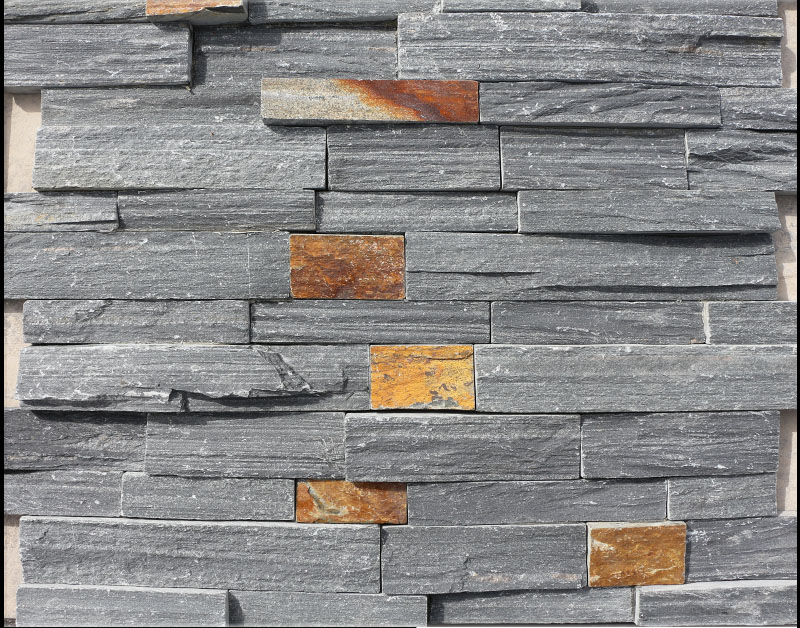
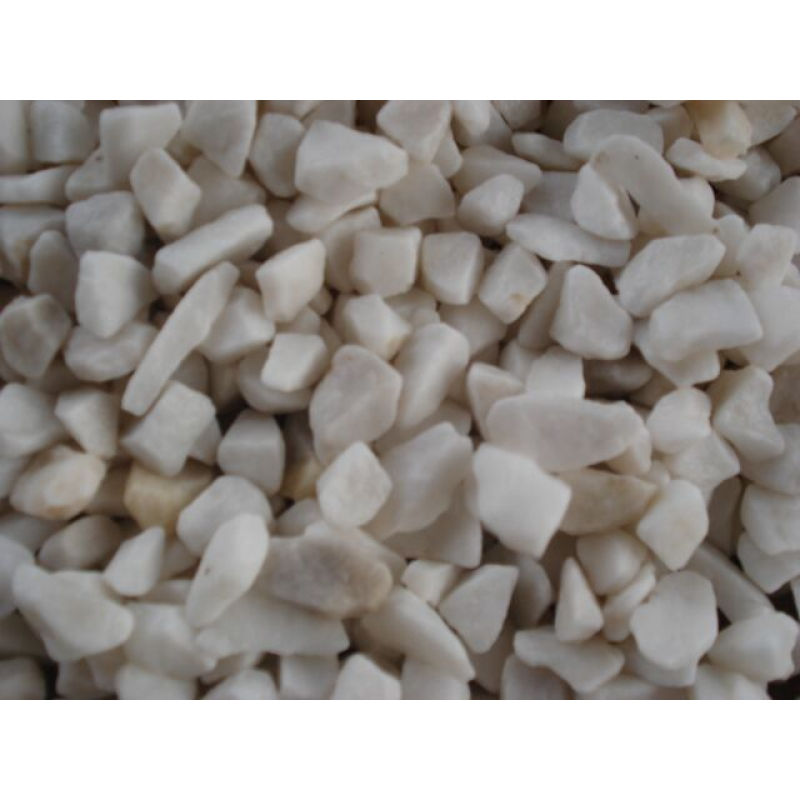
• QUE DIFERENCIAS SON ENTRE AS PEDRAS NATURAIS E AS PEDRAS ARTIFICIAIS? pedra paisaxística
Abr . 16, 2024 09:26 Volver á lista

QUE DIFERENCIAS SON ENTRE AS PEDRAS NATURAIS E AS PEDRAS ARTIFICIAIS? pedra paisaxística

Pedra natural é o material de construción máis antigo da historia da arquitectura humana, xoga un papel importante na vida diaria. Produtos de pedra natural son amplamente utilizados en aeroportos, ferrocarril de alta velocidade, hoteis de alta gama e outros grandes edificios públicos, edificios de oficinas comerciais, residencias, lápidas, monumentos, etc. Agora, no proceso de decoración do fogar, os produtos de pedra reciben cada vez máis atención, pero nos últimos anos, o prezo das materias primas de pedra aumenta cada ano, tanto os clientes de terminais como os fabricantes quéixanse do aumento dos custos.
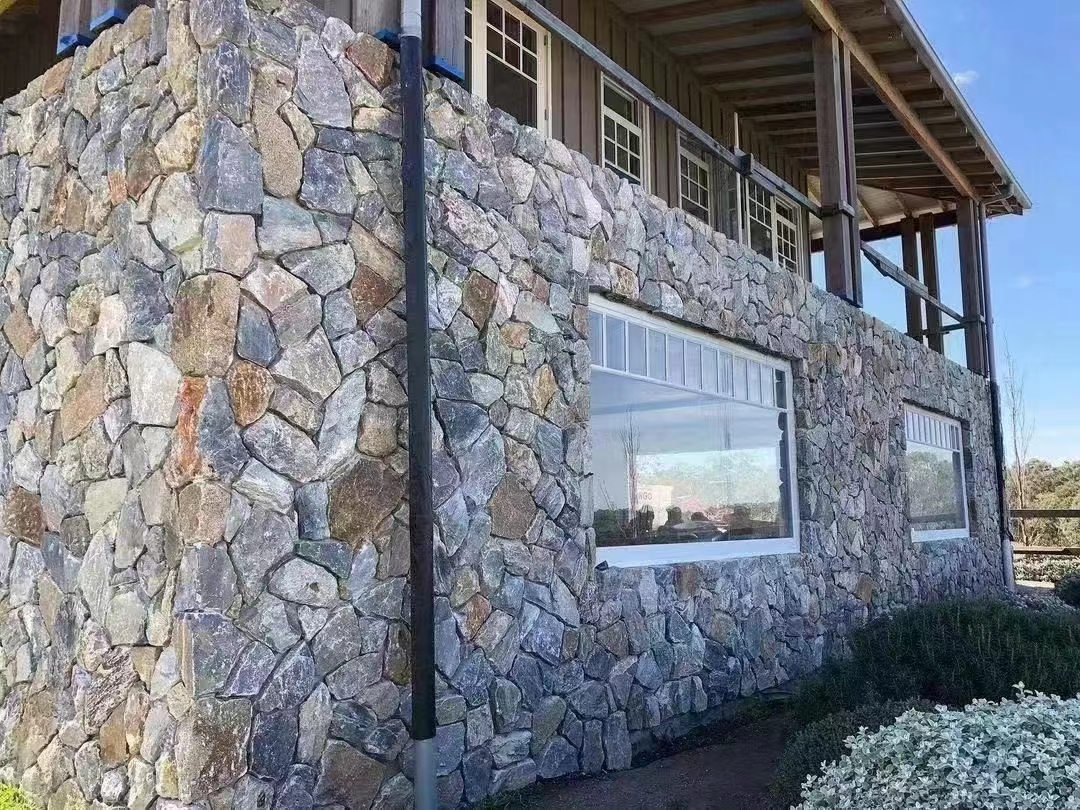
 

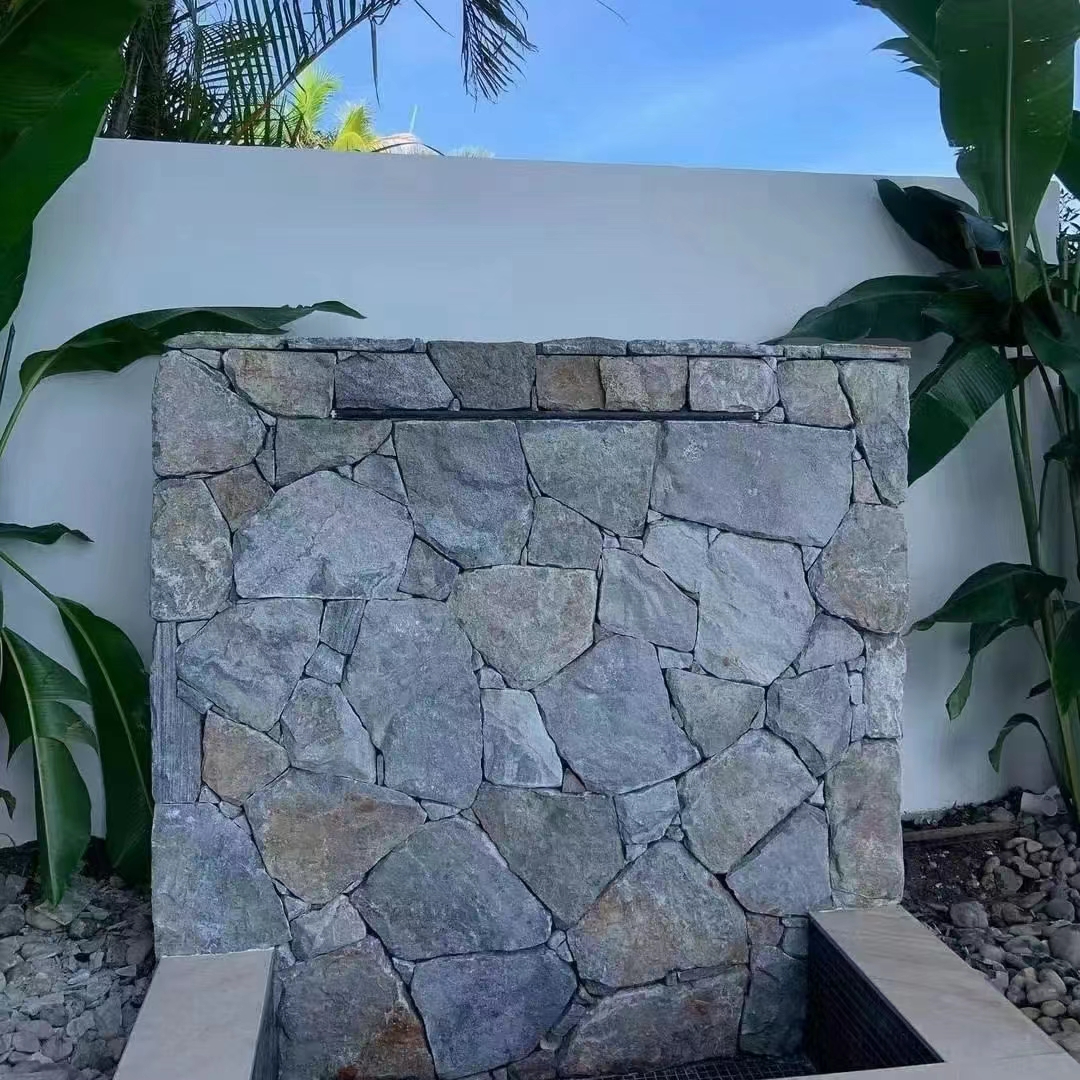
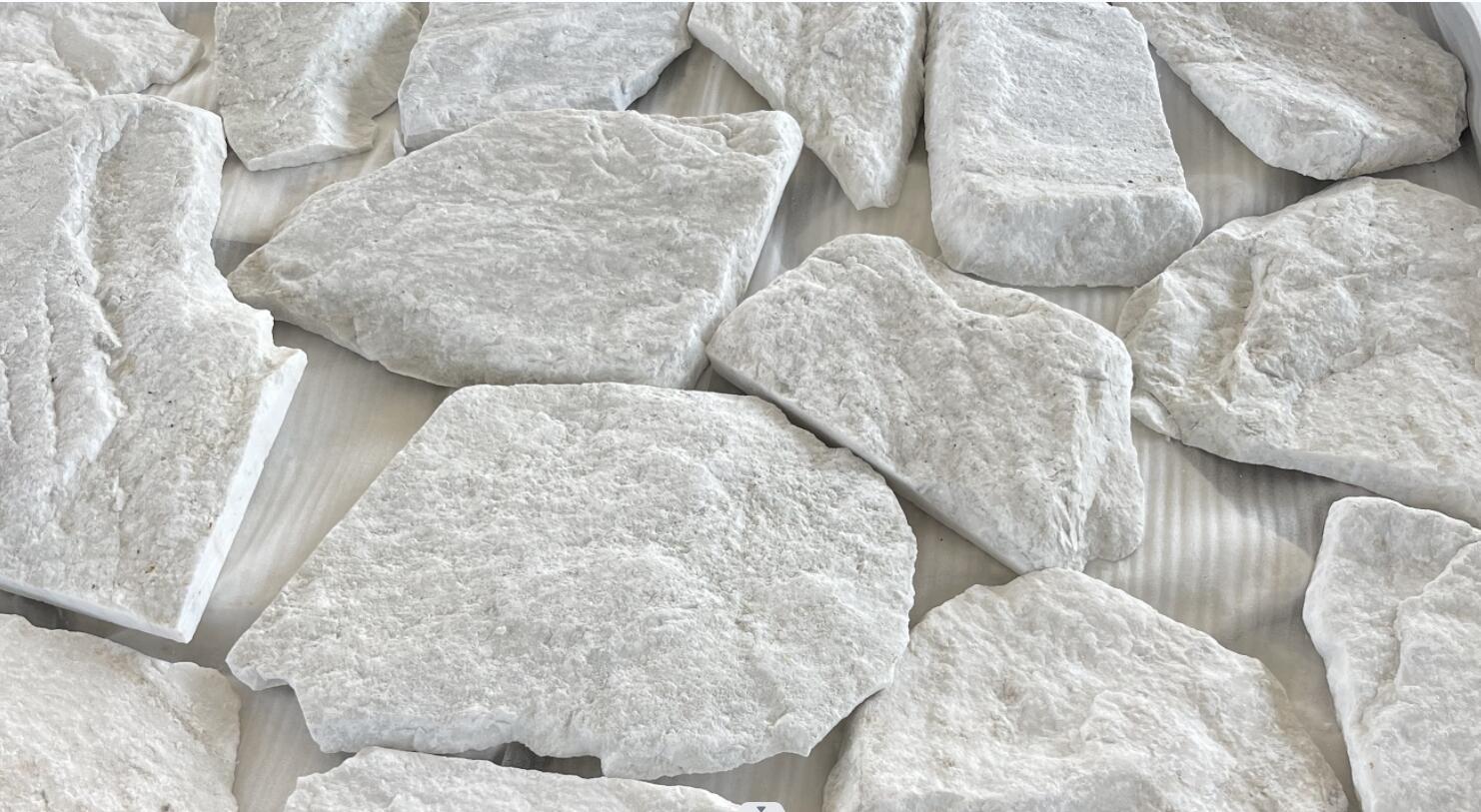
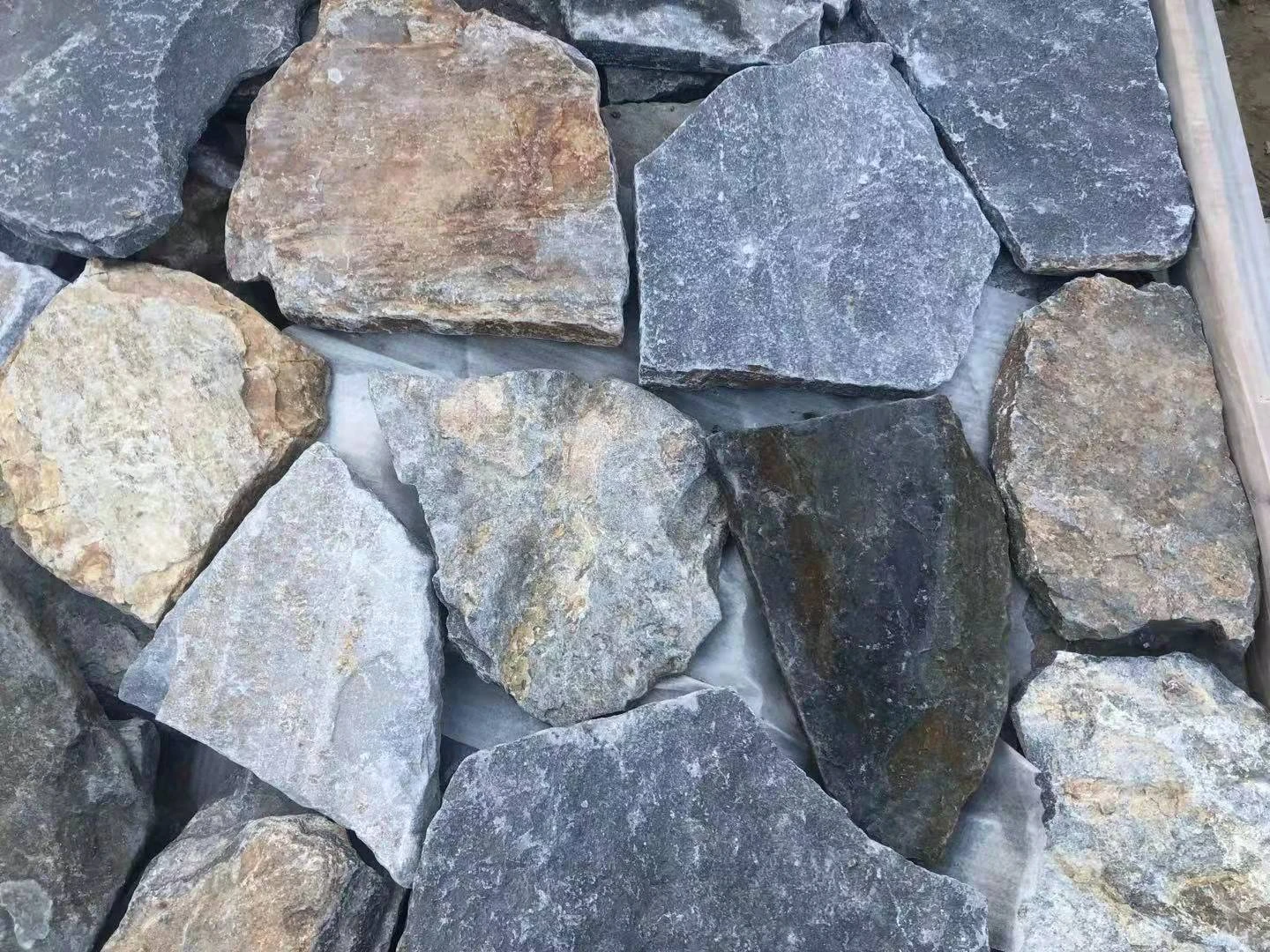
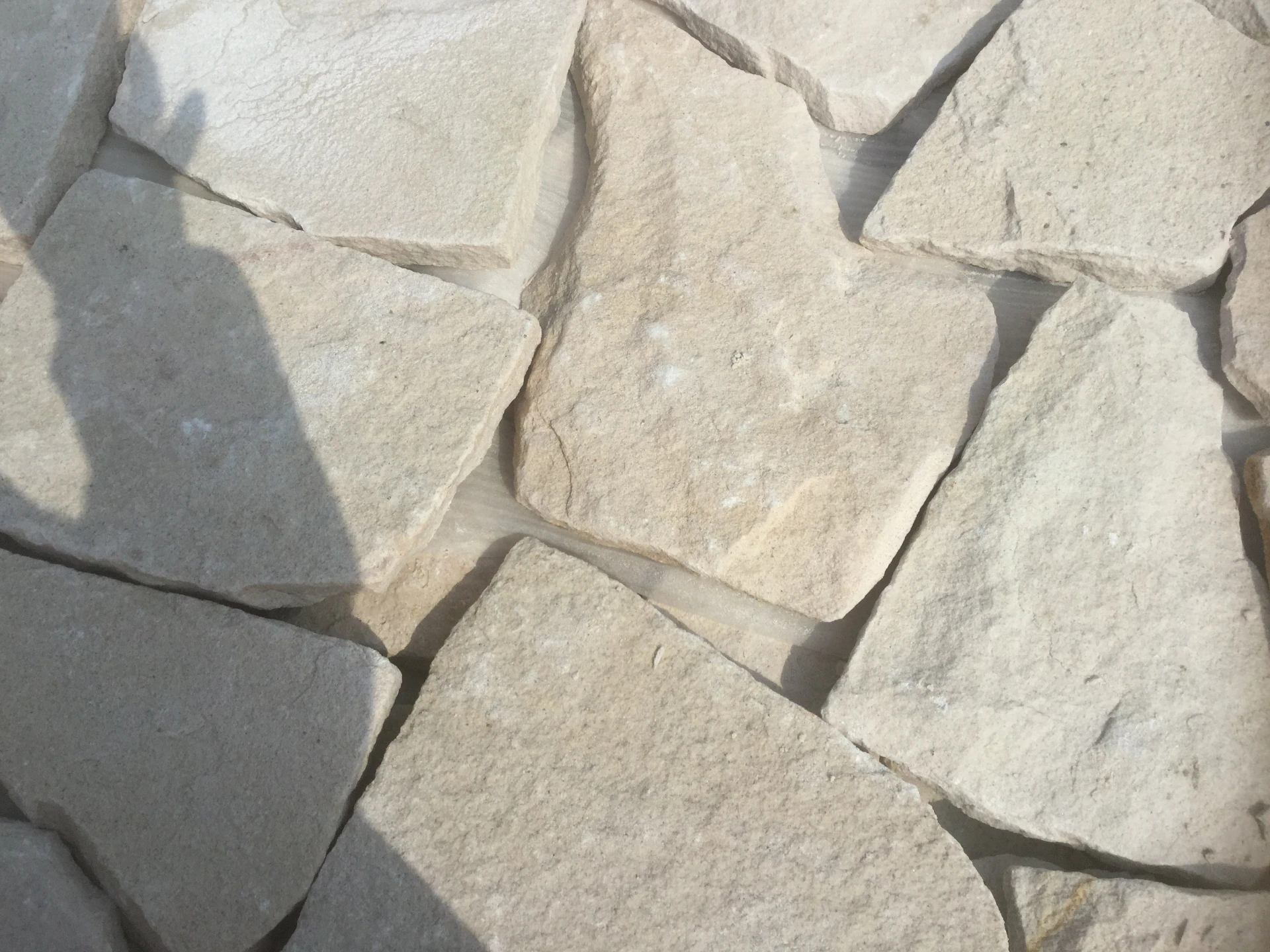
Pedras irregulares

WHAT ARE THE DIFFERENCES BETWEEN NATURAL STONES AND ARTIFICIAL STONES? landscape stone


Hoxe en día, co desenvolvemento da economía, a construción ecolóxica, os materiais de construción de aforro enerxético son amplamente aceptados pola maioría dos clientes do mundo. As pedras artificiais terán un impacto na industria das pedras naturais no futuro? Ou é só o suplemento de pedras naturais? A pedra artificial substituirá á pedra natural? Este artigo axudarache a descubrir a resposta.
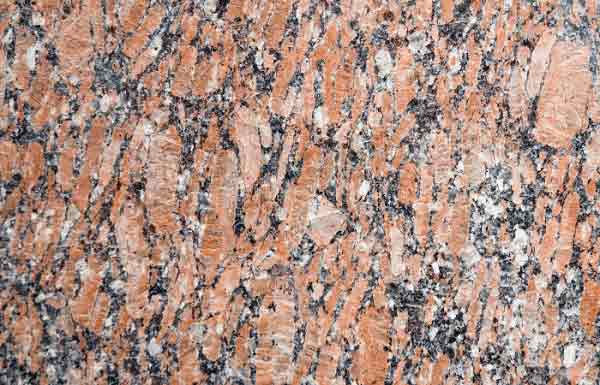
Comprensión correcta da pedra natural e da pedra artificial

Que é a pedra natural?

WHAT ARE THE DIFFERENCES BETWEEN NATURAL STONES AND ARTIFICIAL STONES? landscape stone

A pedra natural refírese ás rochas carbonatadas sedimentarias ou metamórficas como mármore, dolomita, pedra caliza, arenisca, xisto e lousa. A pedra natural moderna é extraída de rocha natural, e despois dunha serie de procesamentos, como se refire ao material utilizado na decoración da casa, a construción xeral de pedra natural decorativa, principalmente granito e mármore dous tipos.

O granito é unha rocha ígnea, tamén chamada rocha plutónica cristalina ácida. É a rocha ígnea máis distribuída, pola composición de feldespato, cuarzo e mica, densa dura como rocha. O granito está composto principalmente por dióxido de silicio, preto do 65%-75% da chamada rocha ígnea é o magma subterráneo ou erupción volcánica da cristalización da lava da rocha.

Marble is a metamorphic rock formed by high temperature and pressure in the crust of the Central Plain. The internal force of the Earth’s crust causes the qualitative changes of the original rocks, i. e. the structure, structure and mineral composition of the original rocks are changed. New Rocks formed by metamorphism are called metamorphic rocks.

Que é a pedra artificial?

WHAT ARE THE DIFFERENCES BETWEEN NATURAL STONES AND ARTIFICIAL STONES? landscape stone

A pedra artificial está feita de resina de poliéster insaturada como aglutinante, mármore natural ou calcita, dolomita, area de sílice, po de vidro e outros materiais inorgánicos, así como unha cantidade adecuada de retardante de chama, cor, etc., faise mesturando ingredientes. , fundición de cerámica, compresión de vibración, extrusión e outros métodos.

Aínda que a pedra artificial é sintética, ten as características da pedra común. Por exemplo, ten as características de retardador de chama, resistente ao desgaste, resistente ao impacto e non é radioactivo. Esta é tamén unha das diferenzas entre a pedra natural e a artificial. Como se mencionou anteriormente, a pedra artificial é un novo tipo de material de decoración do fogar. Aínda así, as súas vendas son destacadas porque ten a cor e a textura da pedra natural. Aínda así, o prezo é máis baixo que a pedra natural común, esta é unha das diferenzas entre a pedra natural e a pedra artificial.

Vantaxes e inconvenientes entre a pedra natural e a pedra artificial

WHAT ARE THE DIFFERENCES BETWEEN NATURAL STONES AND ARTIFICIAL STONES? landscape stone

Vantaxes da pedra natural:

A pedra natural ten alta resistencia, boa resistencia ao desgaste, resistencia á corrosión, baixa absorción de auga e textura fermosa. O mármore utilízase principalmente para a decoración de interiores e o granito úsase principalmente para a decoración exterior, o mármore debido á excelente resistencia ás altas temperaturas, axeitado para a encimera da cociña.

Desvantaxes da pedra natural:

A pedra natural ten poros, fácil de acumular graxa. Xeralmente, necesita un forte apoio do armario debido á alta densidade;
Aínda que a textura é dura, pero a elasticidade é insuficiente.
Ademais, tamén é difícil reparar se hai algunhas fendas naturais invisibles.
Romperase facilmente cando a temperatura cambie rapidamente.

Vantaxes da pedra artificial:

Artificial stone has the advantages of bright color, high finish, uniform color, resistance to pressure and abrasion, good toughness, compact structure, strong and durable, light specific gravity, non-absorbent, erosion and weathering resistance, small color difference, non-fading, low radioactivity and so on. The stone material is easy to process into the mesa’s geometry, mesa, and so on.

Disadvantages of the Artificial Stone:

The general naturalness of artificial stone is obviously insufficient, its texture is relatively false. Moreover, because the artificial stone manufacture craft difference is huge, the characteristic is not completely consistent. Due to the internal part of the resin material, if in direct contact with overheating containers, easy to heat deformation.

3 Misunderstandings About Natural Stone and Artificial Stone

WHAT ARE THE DIFFERENCES BETWEEN NATURAL STONES AND ARTIFICIAL STONES? landscape stone

Does The Natural Stone Have Radiation, and Will It Endanger The Human Body Being?

Natural Stone has radiation, carcinogenic rumors one after another, many consumers worry about the natural stone in the presence of radiation. Does natural stone really contain excessive radioactive material to endanger human health?
There is a mandatory standard for quantifying the radiation of building materials, which is classified into four categories: A, B, C and D, of which Class A is the building materials that can be safely used in any situation. All marble on the market is a class, only a few granite is a class B, class B must be installed in the ventilation used, class C and Class D has not yet been found in the market.

Is Natural Stone A Better Choice Than Artificial Stone?

After millions of years of qualitative changes, the natural stone formed a different color and texture. Natural stone has a very high decorative texture and decorative grade. It has high ornamental value and always gives people beautiful feelings.
Artificial stone can be divided into organic artificial stone and inorganic artificial stone, the two differences lie in the use of different adhesives. In fact, after years of technological improvements, the entire industry now has the technology to ensure that both types of stone are healthy for the human body.
Natural Stone and artificial stone are two different fields, while they have a good complementarity, consumers could make a choic according to their actual needs, such as application areas, price range, environmental requirements to choose.

The Higher The Price, The Better The Quality?

No matter natural stone or artificial stone, the price level relies on many factors: stone material supply, mining difficulty, processing cost, transportation distance, labor cost, marketing cost, etc., so it doesn’t mean the higher the price the better the quality. Usually, consumers make their choices based on their actual needs to choose some medium-priced products.

Top 5 Driving Factors That Distinguish Between Natural And Artificial Stone

WHAT ARE THE DIFFERENCES BETWEEN NATURAL STONES AND ARTIFICIAL STONES? landscape stone

Aparición

Natural Stone is a natural material, is transparent or translucent particles, very beautiful. So the natural stone feels brighter. Artificial stones are made from common natural stone powders or opaque acrylic materials, but they are also made by adding glue to the stone and pressing it. Its surface brightness is not as beautiful as that of quartz and can be said to be close to dull.

Handfeel

The other easiest way to tell a natural stone from an artificial stone is to touch it with your hand and then distinguish the two different stones by the feel of your hand. Natural stone material, the feeling that our hand touches above gives a person is the cold feeling. It’s like touching a natural stone. Artificial stones are different. Because the artificial stone material used inside the plastic material, so we do not touch the feeling of ice-cold, give the most obvious feeling is warm and delicate. This feeling is basically the same as when we touch other plastic materials.

Hardness

Hardness is an important mark to distinguish natural stones and artificial stones. According to shore hardness, granite is defined as not less than 70(HSD ≥70) and marble is defined as less than 70(HSD < 70). Natural Stone is natural and relatively hard, so it is still not as flexible as artificial stone, while artificial stone is relatively soft so that it can do radian, splices are usually invisible at the seams.

PH Tolerance

There is a very simple method is to use hydrochloric acid test, a few drops of dilute hydrochloric acid on the stone surface, granite no obvious reaction, natural marble surface will appear rich foam, artificial marble foam weak, there is no bubble at all.

Permeability

The permeability of natural stone is stronger than that of artificial stone. Drop colored liquid on the surface of natural stone, the color will penetrate into the stone, not easy to remove the traces left: and artificial stone permeability is worse, color penetration is slow if cleaned in time will not leave traces.

Bottom of Line

WHAT ARE THE DIFFERENCES BETWEEN NATURAL STONES AND ARTIFICIAL STONES? landscape stone

Today, natural stone mining is rampant, and it becomes scarce. Compared with natural stone, the characteristics of artificial stone also make it become the most important type of decorative material in landscape decoration today. They have many types and different uses, and the use method is very different according to their properties. No matter what kind of material, each has its own advantages and disadvantages. We should choose the material that suits us best according to our own needs and prices. Artificial stone has existed a long time in society and occupies a place in the stone market, it’s clearly impossible to replace the natural stone.

Seleccionaches 0 produtos

Afrikaansafricano Albanianalbanés Amharicamárico Arabicárabe Armenianarmenio Azerbaijaniazerbaiyano Basquevasco Belarusianbielorruso Bengali bengalí Bosnianbosníaco Bulgarianbúlgaro Catalancatalán CebuanoCebuano ChinaChina China (Taiwan)China (Taiwán) Corsicancorso Croatiancroata Czechcheco Danishdanés Dutchholandés Englishinglés EsperantoEsperanto EstonianEstonio Finnishfinés Frenchfrancés Frisianfrisón Galiciangalego Georgianxeorxiano Germanalemán Greekgrego GujaratiGujarati Haitian Creolecrioulo haitiano hausahausa hawaiianhawaiano Hebrewhebreo Hindinon MiaoMiao Hungarianhúngaro Icelandicislandés igboigbo Indonesianindonesio irishirlandesa Italianitaliano Japanesexaponés Javanesexavanés KannadaKannada kazakhcasco KhmerXemer RwandeseRuandés Koreancoreano Kurdishkurdo Kyrgyzquirguises LaoTB Latinlatín Latvianletón Lithuanianlituano Luxembourgishluxemburgués Macedonianmacedonio MalgashiMalgashi Malaymalaio Malayalammalayalam Maltesemaltés Maorimaorí MarathiMarathi Mongolianmongol MyanmarMyanmar Nepalinepalí Norwegiannoruegués Norwegiannoruegués Occitanoccitano PashtoPashto Persianpersa Polishpolaco Portuguese portugués PunjabiPunjabi Romanianromanés Russianruso Samoansamoano Scottish GaelicGaélico escocés Serbianserbio Sesothoinglés ShonaShona SindhiSindhi Sinhalacingalés Slovakeslovaco Slovenianesloveno Somalisomalí Spanishcastelán Sundanesesundanés Swahilisuahili Swedishsueco TagalogTagalo Tajiktaxico TamilTamil Tatartártaro TeluguTelugu Thaitailandés Turkishturco Turkmenturcomano Ukrainianucraíno UrduUrdú Uighuruigur Uzbekuzbeco Vietnamesevietnamita Welshgalés