• JAKÉ JSOU ROZDÍLY MEZI PŘÍRODNÍMI KAMENY A UMĚLÝMI KAMENY? krajinářský kámen
Dub . 16, 2024 09:26 Zpět na seznam

JAKÉ JSOU ROZDÍLY MEZI PŘÍRODNÍMI KAMENY A UMĚLÝMI KAMENY? krajinářský kámen

Přírodní kámen je nejstarším stavebním materiálem v historii lidské architektury, hraje důležitou roli v každodenním životě. Výrobky z přírodního kamene jsou široce používány na letištích, vysokorychlostní železnici, špičkových hotelech a dalších velkých veřejných budovách, komerčních kancelářských budovách, obytných budovách, náhrobcích, památkách a tak dále. Nyní v procesu bytové dekorace získávají kamenné výrobky stále více pozornosti, ale v posledních letech cena kamenných surovin každým rokem stoupá, zákazníci terminálů i výrobci si stěžují na rostoucí náklady.
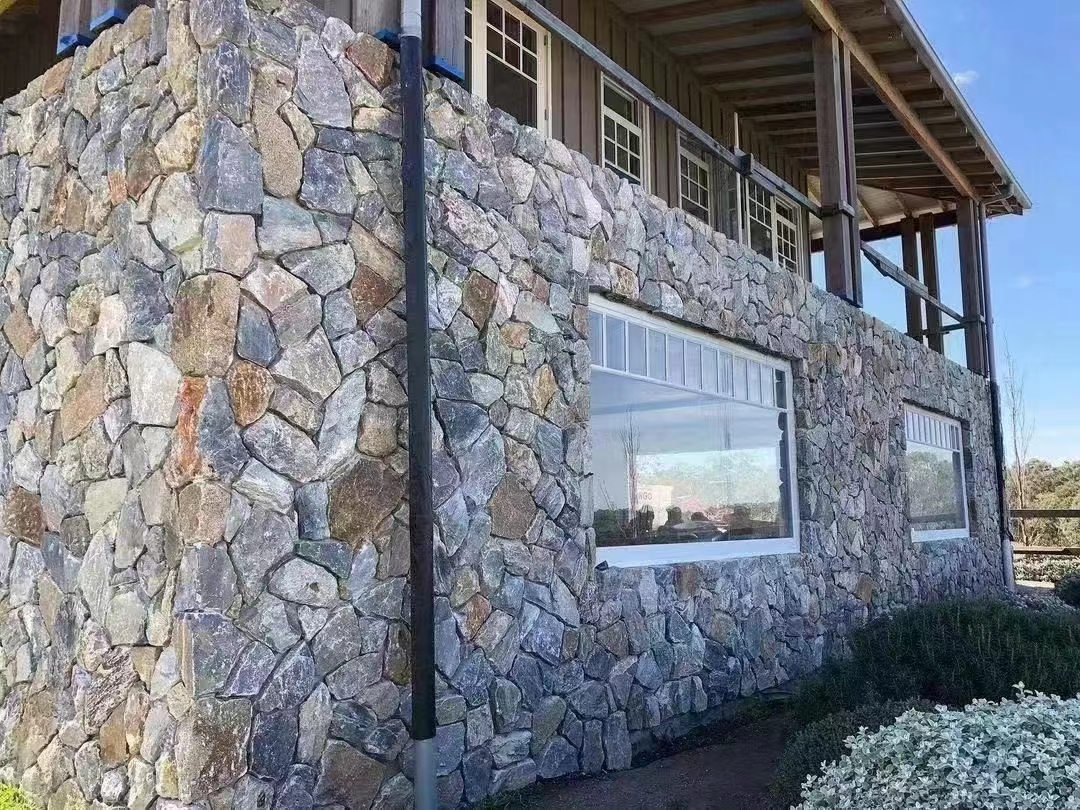
 

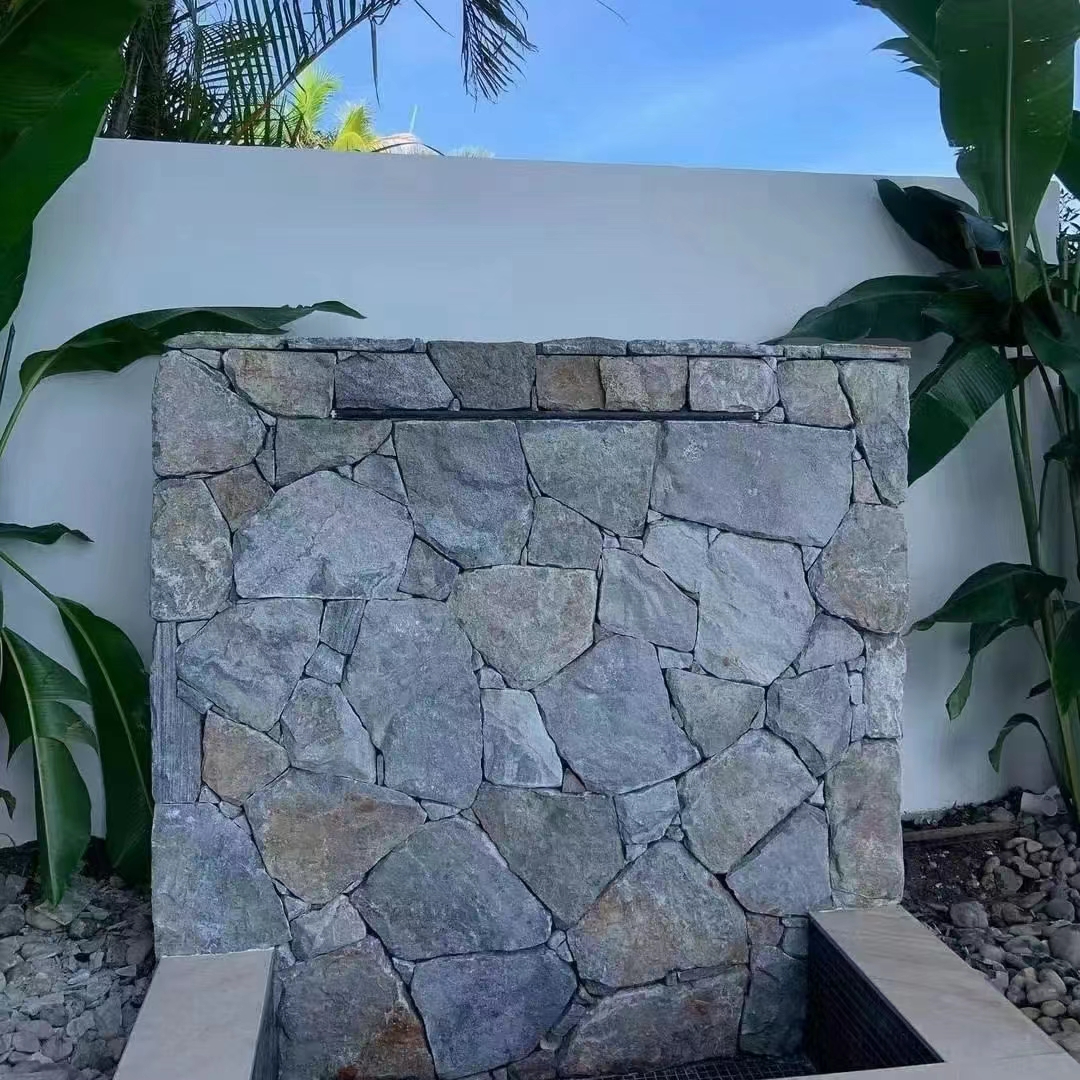
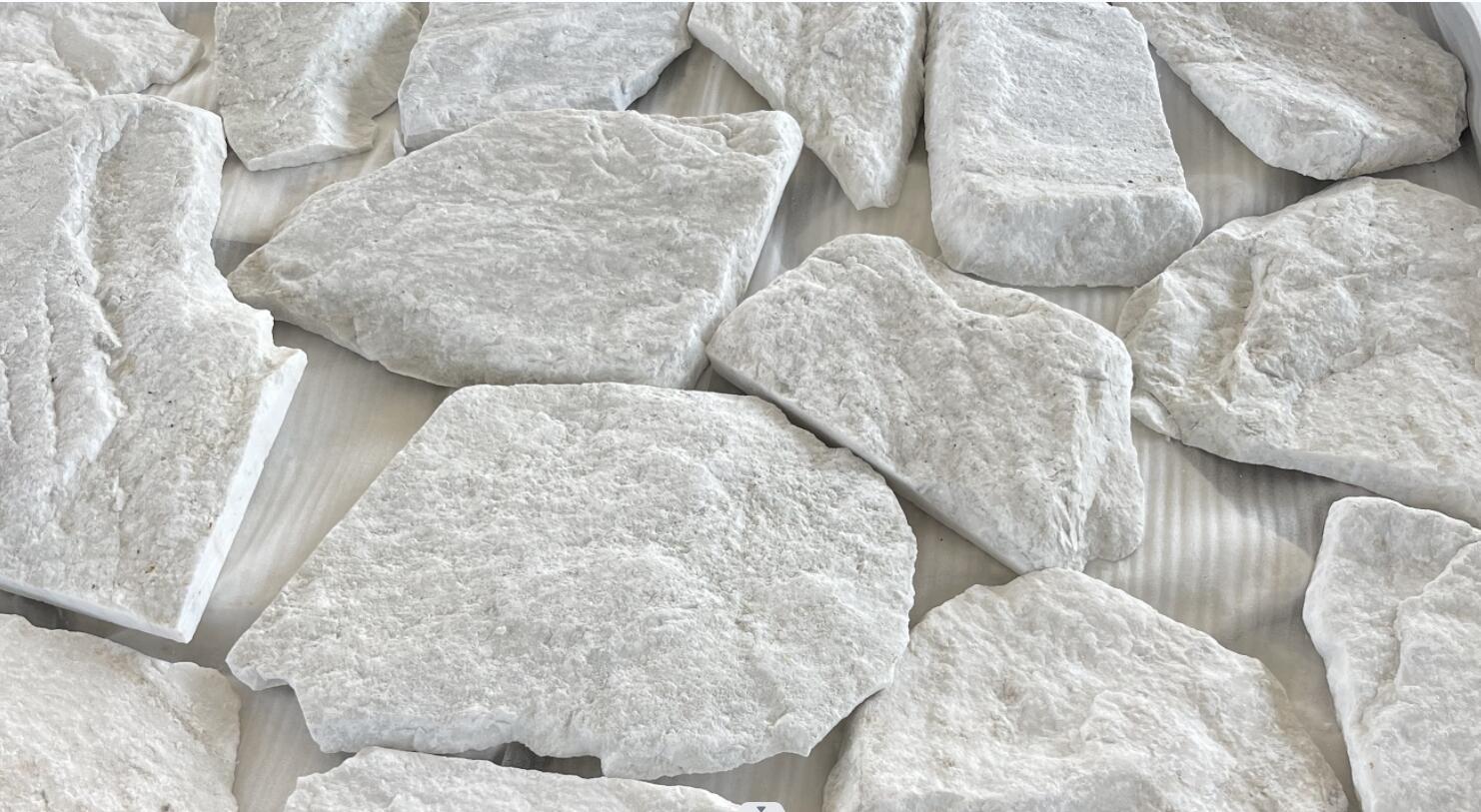
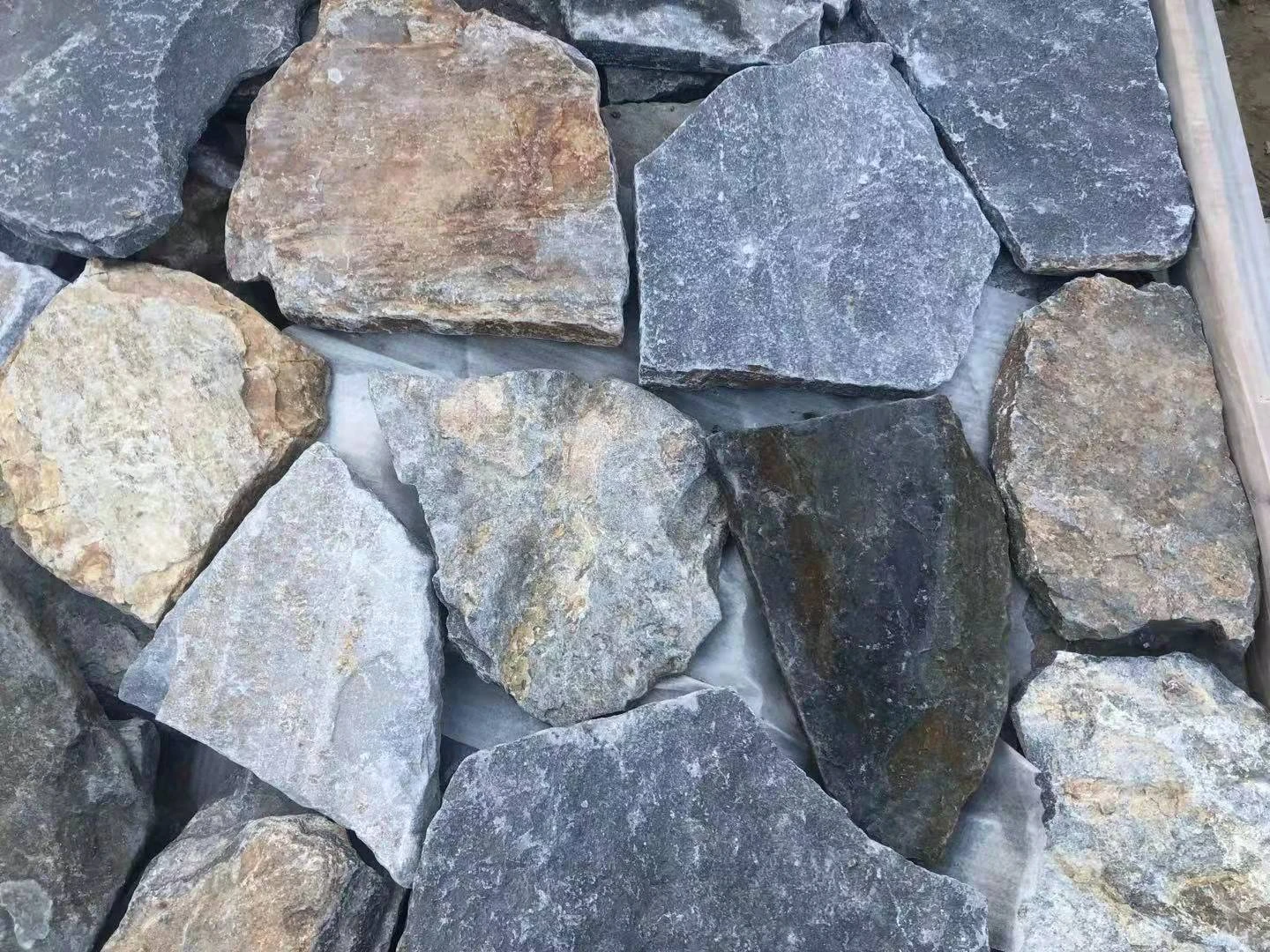
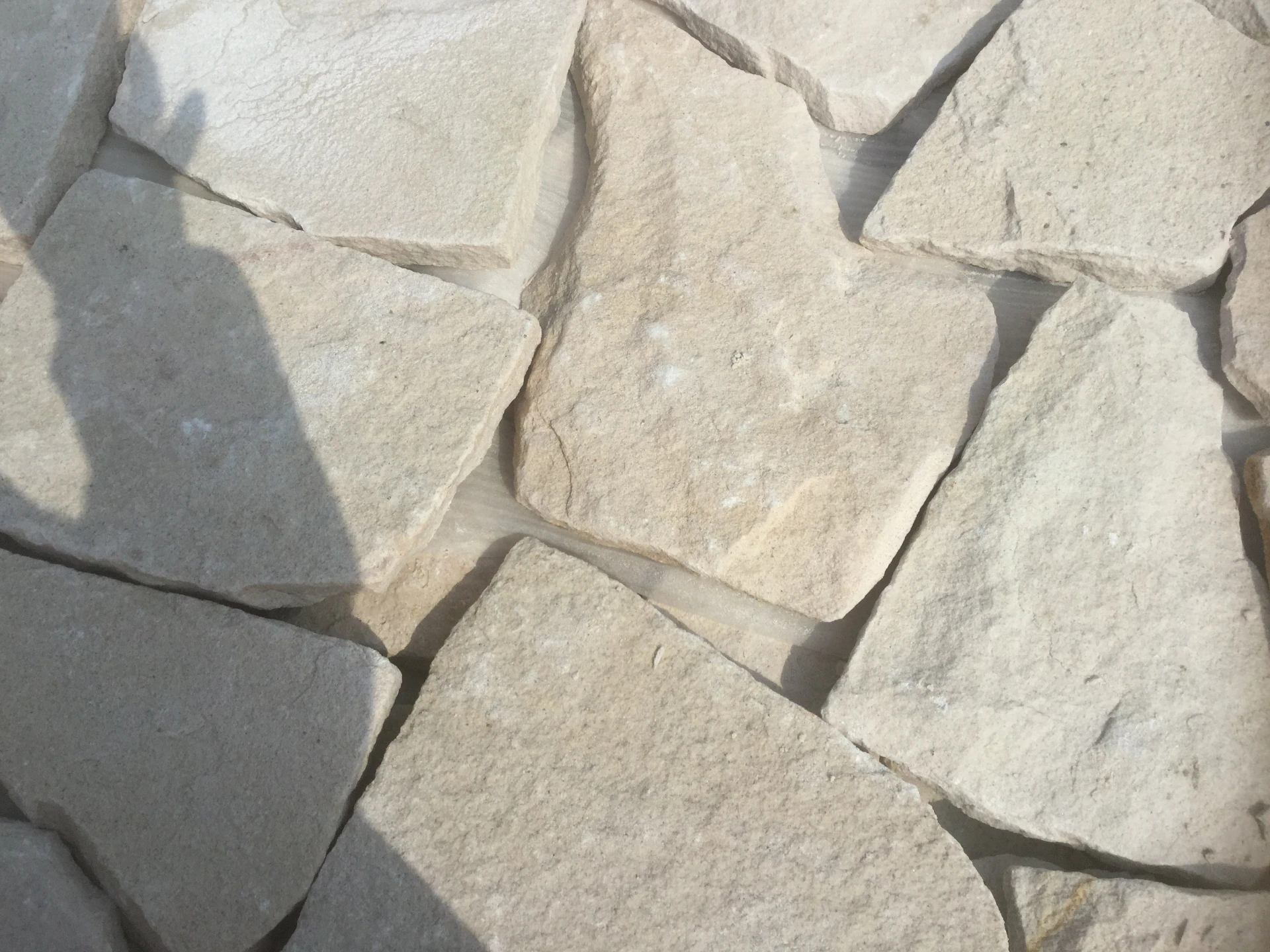
Nepravidelné kameny

WHAT ARE THE DIFFERENCES BETWEEN NATURAL STONES AND ARTIFICIAL STONES? landscape stone


V dnešní době, s rozvojem ekonomiky, jsou zelené budovy, energeticky úsporné stavební materiály široce přijímány většinou zákazníků na světě. Budou mít umělé kameny v budoucnu dopad na průmysl přírodního kamene? Nebo je to pouze doplněk přírodního kamene? Nahradí umělý kámen přírodní kámen? Tento článek vám pomůže najít odpověď.
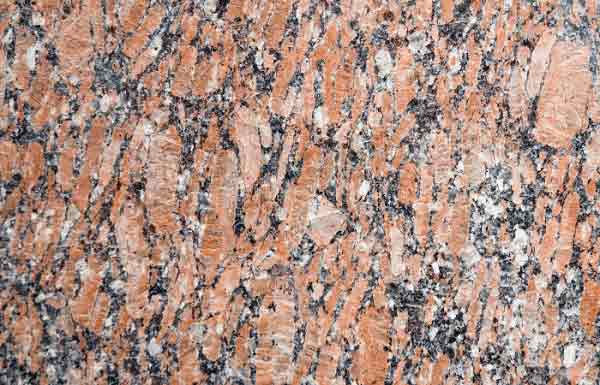
Správné pochopení přírodního kamene a umělého kamene

Co je přírodní kámen?

WHAT ARE THE DIFFERENCES BETWEEN NATURAL STONES AND ARTIFICIAL STONES? landscape stone

Přírodní kámen označuje sedimentární nebo metamorfované uhličitanové horniny, jako je mramor, dolomit, vápenec, pískovec, břidlice a břidlice. Moderní přírodní kámen se těží z přírodní horniny a poté po řadě zpracování, pokud jde o materiál používaný v bytové dekoraci, obecný stavební dekorativní přírodní kámen, zejména žula a mramor dva druhy.

Žula je vyvřelá hornina, nazývaná také kyselá krystalická plutonická hornina. Je to nejrozšířenější vyvřelá hornina, složením živce, křemene a slídy, hustá jako skála. Žula je složena převážně z oxidu křemičitého, asi 65%-75% tzv. vyvřelé horniny tvoří podzemní magma neboli sopečná erupce lávové krystalizace horniny.

Marble is a metamorphic rock formed by high temperature and pressure in the crust of the Central Plain. The internal force of the Earth’s crust causes the qualitative changes of the original rocks, i. e. the structure, structure and mineral composition of the original rocks are changed. New Rocks formed by metamorphism are called metamorphic rocks.

Co je to umělý kámen?

WHAT ARE THE DIFFERENCES BETWEEN NATURAL STONES AND ARTIFICIAL STONES? landscape stone

Umělý kámen je vyroben z nenasycené polyesterové pryskyřice jako pojiva, přírodního mramoru nebo kalcitu, dolomitu, křemičitého písku, skleněného prášku a dalších anorganických materiálů, jakož i vhodného množství retardéru hoření, barvy atd., vyrábí se smícháním přísad , keramické lití, vibrační komprese, vytlačování a další metody.

Umělý kámen je sice syntetický, ale má vlastnosti běžného kamene. Má například vlastnosti zpomalující hoření, odolnost proti opotřebení, nárazuvzdorná a není radioaktivní. To je také jeden z rozdílů mezi přírodním kamenem a umělým kamenem. Jak již bylo zmíněno výše, umělý kámen je novým typem bytového dekoračního materiálu. Přesto je jeho prodej vynikající, protože má barvu a strukturu přírodního kamene. Přesto je cena nižší než u běžného přírodního kamene, to je jeden z rozdílů mezi přírodním kamenem a umělým kamenem.

Výhody a nevýhody mezi přírodním kamenem a umělým kamenem

WHAT ARE THE DIFFERENCES BETWEEN NATURAL STONES AND ARTIFICIAL STONES? landscape stone

Výhody přírodního kamene:

Přírodní kámen má vysokou pevnost, dobrou odolnost proti opotřebení, odolnost proti korozi, nízkou absorpci vody a krásnou texturu. Mramor se používá hlavně pro výzdobu interiérů a žula se používá hlavně pro venkovní výzdobu, mramor díky vynikající odolnosti vůči vysokým teplotám, vhodný na kuchyňskou desku.

Nevýhody přírodního kamene:

Přírodní kámen má póry, snadno se hromadí mastnota. Obecně potřebuje silnou podporu skříně kvůli vysoké hustotě;
Textura je sice tvrdá, ale elasticita je nedostatečná.
Kromě toho je také obtížné opravit, pokud existují nějaké neviditelné přirozené trhliny.
Při rychlých změnách teploty snadno praskne.

Výhody umělého kamene:

Artificial stone has the advantages of bright color, high finish, uniform color, resistance to pressure and abrasion, good toughness, compact structure, strong and durable, light specific gravity, non-absorbent, erosion and weathering resistance, small color difference, non-fading, low radioactivity and so on. The stone material is easy to process into the mesa’s geometry, mesa, and so on.

Disadvantages of the Artificial Stone:

The general naturalness of artificial stone is obviously insufficient, its texture is relatively false. Moreover, because the artificial stone manufacture craft difference is huge, the characteristic is not completely consistent. Due to the internal part of the resin material, if in direct contact with overheating containers, easy to heat deformation.

3 Misunderstandings About Natural Stone and Artificial Stone

WHAT ARE THE DIFFERENCES BETWEEN NATURAL STONES AND ARTIFICIAL STONES? landscape stone

Does The Natural Stone Have Radiation, and Will It Endanger The Human Body Being?

Natural Stone has radiation, carcinogenic rumors one after another, many consumers worry about the natural stone in the presence of radiation. Does natural stone really contain excessive radioactive material to endanger human health?
There is a mandatory standard for quantifying the radiation of building materials, which is classified into four categories: A, B, C and D, of which Class A is the building materials that can be safely used in any situation. All marble on the market is a class, only a few granite is a class B, class B must be installed in the ventilation used, class C and Class D has not yet been found in the market.

Is Natural Stone A Better Choice Than Artificial Stone?

After millions of years of qualitative changes, the natural stone formed a different color and texture. Natural stone has a very high decorative texture and decorative grade. It has high ornamental value and always gives people beautiful feelings.
Artificial stone can be divided into organic artificial stone and inorganic artificial stone, the two differences lie in the use of different adhesives. In fact, after years of technological improvements, the entire industry now has the technology to ensure that both types of stone are healthy for the human body.
Natural Stone and artificial stone are two different fields, while they have a good complementarity, consumers could make a choic according to their actual needs, such as application areas, price range, environmental requirements to choose.

The Higher The Price, The Better The Quality?

No matter natural stone or artificial stone, the price level relies on many factors: stone material supply, mining difficulty, processing cost, transportation distance, labor cost, marketing cost, etc., so it doesn’t mean the higher the price the better the quality. Usually, consumers make their choices based on their actual needs to choose some medium-priced products.

Top 5 Driving Factors That Distinguish Between Natural And Artificial Stone

WHAT ARE THE DIFFERENCES BETWEEN NATURAL STONES AND ARTIFICIAL STONES? landscape stone

Vzhled

Natural Stone is a natural material, is transparent or translucent particles, very beautiful. So the natural stone feels brighter. Artificial stones are made from common natural stone powders or opaque acrylic materials, but they are also made by adding glue to the stone and pressing it. Its surface brightness is not as beautiful as that of quartz and can be said to be close to dull.

Handfeel

The other easiest way to tell a natural stone from an artificial stone is to touch it with your hand and then distinguish the two different stones by the feel of your hand. Natural stone material, the feeling that our hand touches above gives a person is the cold feeling. It’s like touching a natural stone. Artificial stones are different. Because the artificial stone material used inside the plastic material, so we do not touch the feeling of ice-cold, give the most obvious feeling is warm and delicate. This feeling is basically the same as when we touch other plastic materials.

Hardness

Hardness is an important mark to distinguish natural stones and artificial stones. According to shore hardness, granite is defined as not less than 70(HSD ≥70) and marble is defined as less than 70(HSD < 70). Natural Stone is natural and relatively hard, so it is still not as flexible as artificial stone, while artificial stone is relatively soft so that it can do radian, splices are usually invisible at the seams.

PH Tolerance

There is a very simple method is to use hydrochloric acid test, a few drops of dilute hydrochloric acid on the stone surface, granite no obvious reaction, natural marble surface will appear rich foam, artificial marble foam weak, there is no bubble at all.

Permeability

The permeability of natural stone is stronger than that of artificial stone. Drop colored liquid on the surface of natural stone, the color will penetrate into the stone, not easy to remove the traces left: and artificial stone permeability is worse, color penetration is slow if cleaned in time will not leave traces.

Bottom of Line

WHAT ARE THE DIFFERENCES BETWEEN NATURAL STONES AND ARTIFICIAL STONES? landscape stone

Today, natural stone mining is rampant, and it becomes scarce. Compared with natural stone, the characteristics of artificial stone also make it become the most important type of decorative material in landscape decoration today. They have many types and different uses, and the use method is very different according to their properties. No matter what kind of material, each has its own advantages and disadvantages. We should choose the material that suits us best according to our own needs and prices. Artificial stone has existed a long time in society and occupies a place in the stone market, it’s clearly impossible to replace the natural stone.

Vybrali jste 0 produkty

AfrikaansAfričan Albanianalbánský Amharicamharština Arabicarabština Armenianarménský Azerbaijaniázerbájdžánský Basquebaskický Belarusianběloruský Bengali bengálský Bosnianbosenský Bulgarianbulharský Catalankatalánština CebuanoCebuano ChinaČína China (Taiwan)Čína (Tchaj-wan) CorsicanKorsičan Croatianchorvatský Czechčeština Danishdánština Dutchholandský EnglishAngličtina Esperantoesperanto Estonianestonština Finnishfinština Frenchfrancouzština Frisianfríský Galiciangalicijský Georgiangruzínský GermanNěmec Greekřecký GujaratiGudžarátština Haitian Creolehaitská kreolština hausahausa hawaiianhavajský Hebrewhebrejština Hindiani náhodou MiaoMiao Hungarianmaďarský Icelandicislandský igboigbo Indonesianindonéština irishirština Italianitalština Japanesejaponský Javanesejávský KannadaKannada kazakhkazašský Khmerkhmerské RwandeseRwandské Koreankorejština Kurdishkurdština Kyrgyzkyrgyzština LaoTBC Latinlatinský Latvianlotyšský Lithuanianlitevský Luxembourgishlucemburský Macedonianmakedonský MalgashiMalgashi Malaymalajština Malayalammalajálamština Maltesemaltština Maorimaorští Marathimaráthština Mongolianmongolský MyanmarMyanmar Nepalinepálský Norwegiannorský Norwegiannorský Occitanokcitánština Pashtopaštština PersianPeršan Polishpolština Portuguese portugalština Punjabipandžábština Romanianrumunština Russianruština SamoanSamoan Scottish Gaelicskotská gaelština Serbiansrbština SesothoAngličtina ShonaShona SindhiSindhi Sinhalasinhálština SlovakSlovák Slovenianslovinský Somalisomálský Spanishšpanělština Sundanesesundánština Swahilisvahilština Swedishšvédský TagalogTagalog Tajiktádžický Tamiltamilština TatarTatar Telugutelugština Thaithajština Turkishturečtina Turkmenturkmenský Ukrainianukrajinština UrduUrdu Uighurujgurské Uzbekuzbecký Vietnamesevietnamština Welshvelština