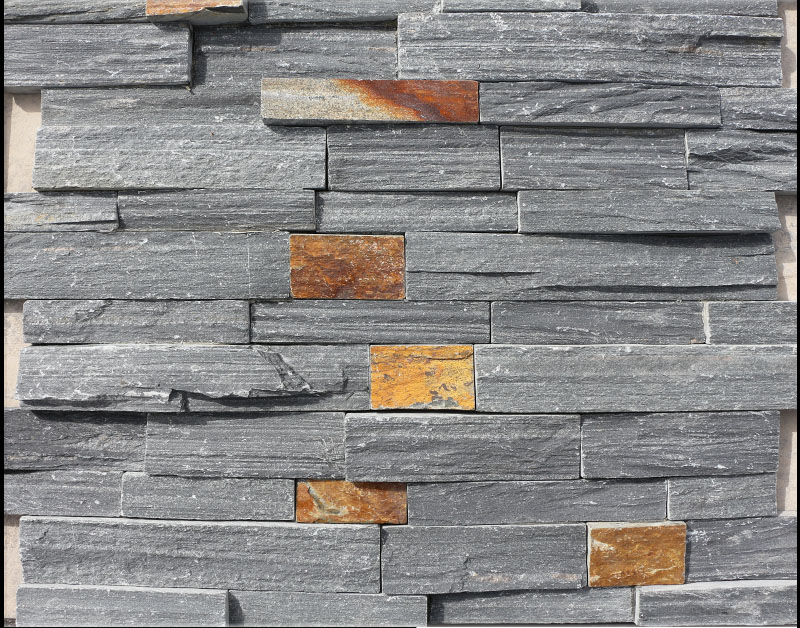
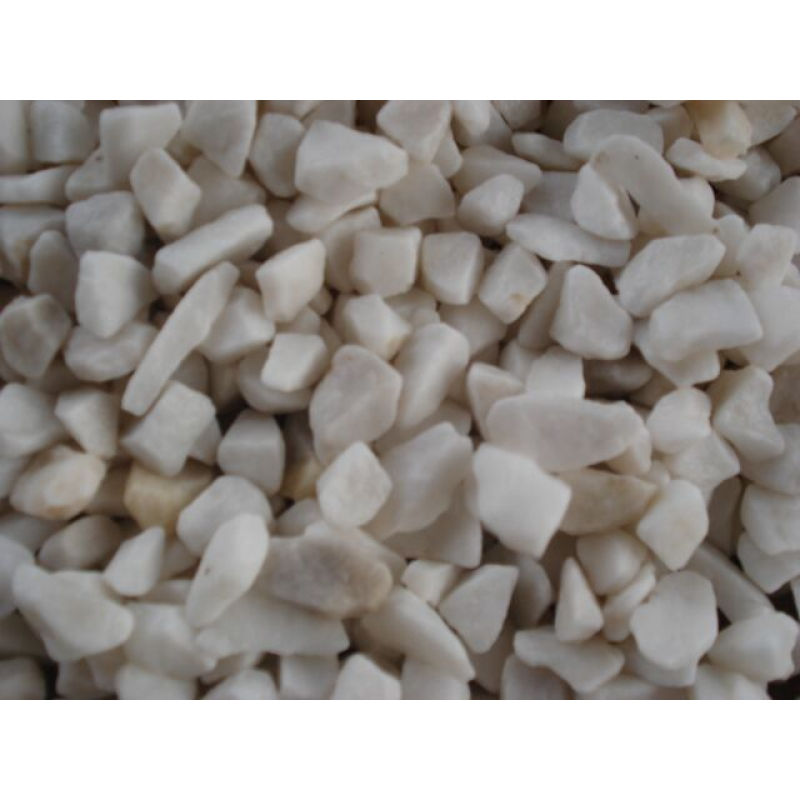
• He aha nā ʻokoʻa ma waena o nā pōhaku maʻamau a me nā pōhaku ARTIFICIAL? pōhaku ʻāina
Apr . 16, 2024 09:26 Hoʻi i ka papa inoa

He aha nā ʻokoʻa ma waena o nā pōhaku maʻamau a me nā pōhaku ARTIFICIAL? pōhaku ʻāina

Pōhaku maoli ʻO ia ka mea hana mua loa i ka mōʻaukala o ke kanaka hoʻolālā, hana nui i ke ola o kēlā me kēia lā. Nā huahana pōhaku maoli hoʻohana nuiʻia i nā mokulele, nā kaʻa kaʻa kiʻekiʻe, nā hōkele kiʻekiʻe a me nā hale aupuni nui'ē aʻe, nā hale keʻenaʻoihana, nā hale noho, nā hale kupapaʻu, nā monuments, a pēlā aku. I kēia manawa i ke kaʻina hana hoʻonaninani hale, ʻoi aku ka nui o ka nānā ʻana o nā huahana pōhaku, akā i nā makahiki i hala iho nei, piʻi ke kumukūʻai o nā kumu waiwai pōhaku i kēlā me kēia makahiki, ke hoʻopiʻi nei nā mea kūʻai aku a me nā mea hana i ka piʻi ʻana o nā kumukūʻai.
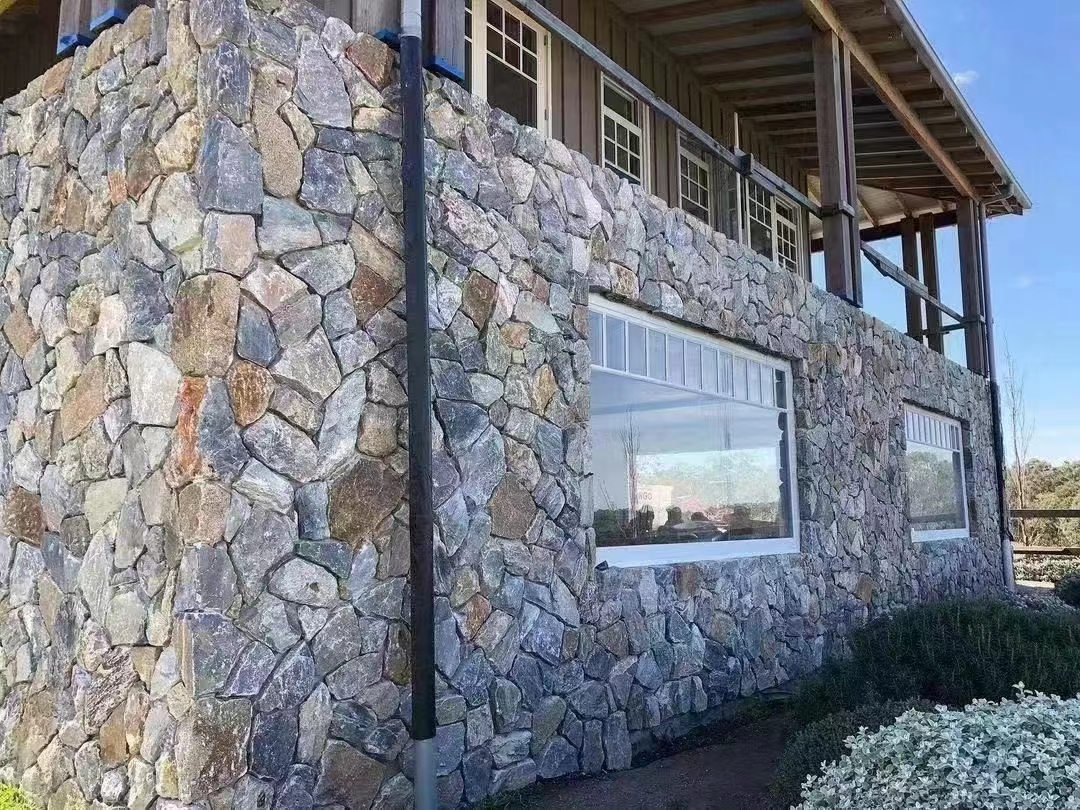
 

ʻO nā pōhaku kūponoʻole

WHAT ARE THE DIFFERENCES BETWEEN NATURAL STONES AND ARTIFICIAL STONES? landscape stone


I kēia mau lā, me ka hoʻomohala ʻana o ka hoʻokele waiwai, ka hale ʻōmaʻomaʻo, nā mea kūkulu hale hoʻōla ikehu e ʻae nui ʻia e ka hapa nui o nā mea kūʻai aku ma ka honua. E hana anei nā pōhaku hana i ka hopena i ka ʻoihana pōhaku maoli i ka wā e hiki mai ana? ʻO ia wale nō ka hoʻohui o nā pōhaku maoli? E pani ana anei ka pohaku artificial i ka pohaku maoli? E kōkua kēia ʻatikala iā ʻoe e ʻike i ka pane.
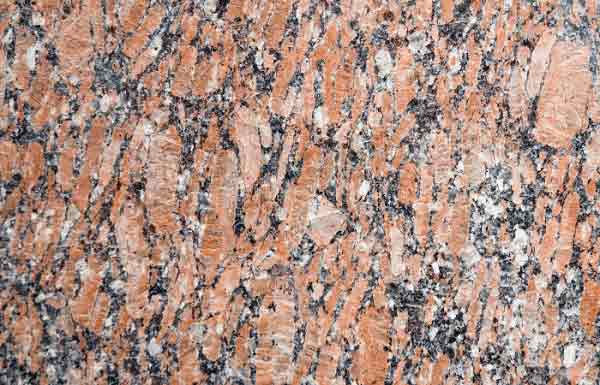
ʻO ka hoʻomaopopo pololei i ka pōhaku maoli a me ka pōhaku ʻano

He aha ka pōhaku maoli?

WHAT ARE THE DIFFERENCES BETWEEN NATURAL STONES AND ARTIFICIAL STONES? landscape stone

ʻO ka pōhaku maoli e pili ana i nā pōhaku sedimentary a metamorphic carbonate e like me ke kinikini, dolomite, limestone, pōhaku one, shale and slate. ʻO ka pōhaku maoli o kēia wā e ʻeli ʻia mai ka pōhaku maoli, a laila ma hope o ke ʻano o ka hana ʻana, E pili ana i ka mea i hoʻohana ʻia i ka hoʻonaninani hale, ʻo ka hale maʻamau o nā pōhaku kūlohelohe ka nui o ka granite a me ke kinikini ʻelua ʻano.

ʻO ka Granite he pōhaku igneous, i kapa ʻia hoʻi ka pōhaku plutonic acid crystalline. ʻO ia ka pōhaku igneous i hoʻolaha nui ʻia, e ka feldspar, quartz a me ka mica haku, pōhaku paʻa paʻa. ʻO ka Granite ka nui o ka silicon dioxide, ma kahi o 65%-75% o ka pōhaku i kapa ʻia ʻo ia ka pelemaka lalo a i ʻole ka lua pele o ka crystallization pele o ka pōhaku.

Marble is a metamorphic rock formed by high temperature and pressure in the crust of the Central Plain. The internal force of the Earth’s crust causes the qualitative changes of the original rocks, i. e. the structure, structure and mineral composition of the original rocks are changed. New Rocks formed by metamorphism are called metamorphic rocks.

He aha ka Pōhaku Artificial?

WHAT ARE THE DIFFERENCES BETWEEN NATURAL STONES AND ARTIFICIAL STONES? landscape stone

Hana ʻia ka pōhaku artificial me ka resin polyester unsaturated e like me ka binder, marble maoli a i ʻole calcite, dolomite, ke one silica, ka pauka aniani a me nā mea inorganic ʻē aʻe, a me ka nui kūpono o ka flame retardant, kala, etc. , ka hoʻolei ʻana i ka seramika, ka hoʻoemi haʻalulu, ka extrusion a me nā ʻano hana ʻē aʻe.

ʻOiai he synthetic ka pōhaku artificial, akā aia nā ʻano o ka pōhaku maʻamau. No ka laʻana, loaʻa iā ia nā hiʻohiʻona o ka lapalapa ahi, pale ʻana, pale i ka hopena, a ʻaʻole radioactive. ʻO kēia kekahi o nā ʻokoʻa ma waena o ka pōhaku maoli a me ka pōhaku hana. E like me ka mea i ʻōlelo ʻia ma luna nei, ʻo ka pōhaku artificial kahi ʻano mea hoʻonaninani hale. Eia nō naʻe, ʻoi aku ka maikaʻi o kāna kūʻai ʻana no ka mea ʻo ia ke kala a me ke ʻano o ka pōhaku maoli. Eia nō naʻe, ʻoi aku ka haʻahaʻa o ke kumukūʻai ma mua o ka pōhaku maoli, ʻo ia kekahi o nā ʻokoʻa ma waena o ka pōhaku maoli a me ka pōhaku kūlohelohe.

ʻO nā pono a me nā pōʻino ma waena o nā pōhaku kūlohelohe a me nā pōhaku artificial

WHAT ARE THE DIFFERENCES BETWEEN NATURAL STONES AND ARTIFICIAL STONES? landscape stone

ʻO nā pono o ka pōhaku maoli:

He kiʻekiʻe ka ikaika o ka pōhaku maoli, ka pale lole maikaʻi, ka pale ʻana i ka corrosion, ka haʻahaʻa haʻahaʻa o ka wai, a me ke ʻano nani. Hoʻohana nui ʻia ka marble no ka hoʻonaninani kūloko, a hoʻohana nui ʻia ka granite no ka hoʻonaninani o waho, marble ma muli o ke kūpaʻa kiʻekiʻe kiʻekiʻe, kūpono no ka countertop kīhini.

Nā pōʻino o ka pōhaku maoli:

He pores ka pōhaku maoli, maʻalahi e hōʻiliʻili i ka momona. ʻO ka mea maʻamau, pono ia i ke kākoʻo ʻoihana ʻoihana ma muli o ke kiʻekiʻe kiʻekiʻe;
ʻOiai he paʻakikī ke ʻano, akā ʻaʻole lawa ka elasticity.
Ma waho aʻe, paʻakikī ke hoʻoponopono inā loaʻa kekahi mau māwae kūlohelohe i ʻike ʻole ʻia.
E pohā maʻalahi ke loli koke ka mahana.

ʻO nā pono o ka pōhaku Artificial:

Artificial stone has the advantages of bright color, high finish, uniform color, resistance to pressure and abrasion, good toughness, compact structure, strong and durable, light specific gravity, non-absorbent, erosion and weathering resistance, small color difference, non-fading, low radioactivity and so on. The stone material is easy to process into the mesa’s geometry, mesa, and so on.

Disadvantages of the Artificial Stone:

The general naturalness of artificial stone is obviously insufficient, its texture is relatively false. Moreover, because the artificial stone manufacture craft difference is huge, the characteristic is not completely consistent. Due to the internal part of the resin material, if in direct contact with overheating containers, easy to heat deformation.

3 Misunderstandings About Natural Stone and Artificial Stone

WHAT ARE THE DIFFERENCES BETWEEN NATURAL STONES AND ARTIFICIAL STONES? landscape stone

Does The Natural Stone Have Radiation, and Will It Endanger The Human Body Being?

Natural Stone has radiation, carcinogenic rumors one after another, many consumers worry about the natural stone in the presence of radiation. Does natural stone really contain excessive radioactive material to endanger human health?
There is a mandatory standard for quantifying the radiation of building materials, which is classified into four categories: A, B, C and D, of which Class A is the building materials that can be safely used in any situation. All marble on the market is a class, only a few granite is a class B, class B must be installed in the ventilation used, class C and Class D has not yet been found in the market.

Is Natural Stone A Better Choice Than Artificial Stone?

After millions of years of qualitative changes, the natural stone formed a different color and texture. Natural stone has a very high decorative texture and decorative grade. It has high ornamental value and always gives people beautiful feelings.
Artificial stone can be divided into organic artificial stone and inorganic artificial stone, the two differences lie in the use of different adhesives. In fact, after years of technological improvements, the entire industry now has the technology to ensure that both types of stone are healthy for the human body.
Natural Stone and artificial stone are two different fields, while they have a good complementarity, consumers could make a choic according to their actual needs, such as application areas, price range, environmental requirements to choose.

The Higher The Price, The Better The Quality?

No matter natural stone or artificial stone, the price level relies on many factors: stone material supply, mining difficulty, processing cost, transportation distance, labor cost, marketing cost, etc., so it doesn’t mean the higher the price the better the quality. Usually, consumers make their choices based on their actual needs to choose some medium-priced products.

Top 5 Driving Factors That Distinguish Between Natural And Artificial Stone

WHAT ARE THE DIFFERENCES BETWEEN NATURAL STONES AND ARTIFICIAL STONES? landscape stone

Ka nana aku

Natural Stone is a natural material, is transparent or translucent particles, very beautiful. So the natural stone feels brighter. Artificial stones are made from common natural stone powders or opaque acrylic materials, but they are also made by adding glue to the stone and pressing it. Its surface brightness is not as beautiful as that of quartz and can be said to be close to dull.

Handfeel

The other easiest way to tell a natural stone from an artificial stone is to touch it with your hand and then distinguish the two different stones by the feel of your hand. Natural stone material, the feeling that our hand touches above gives a person is the cold feeling. It’s like touching a natural stone. Artificial stones are different. Because the artificial stone material used inside the plastic material, so we do not touch the feeling of ice-cold, give the most obvious feeling is warm and delicate. This feeling is basically the same as when we touch other plastic materials.

Hardness

Hardness is an important mark to distinguish natural stones and artificial stones. According to shore hardness, granite is defined as not less than 70(HSD ≥70) and marble is defined as less than 70(HSD < 70). Natural Stone is natural and relatively hard, so it is still not as flexible as artificial stone, while artificial stone is relatively soft so that it can do radian, splices are usually invisible at the seams.

PH Tolerance

There is a very simple method is to use hydrochloric acid test, a few drops of dilute hydrochloric acid on the stone surface, granite no obvious reaction, natural marble surface will appear rich foam, artificial marble foam weak, there is no bubble at all.

Permeability

The permeability of natural stone is stronger than that of artificial stone. Drop colored liquid on the surface of natural stone, the color will penetrate into the stone, not easy to remove the traces left: and artificial stone permeability is worse, color penetration is slow if cleaned in time will not leave traces.

Bottom of Line

WHAT ARE THE DIFFERENCES BETWEEN NATURAL STONES AND ARTIFICIAL STONES? landscape stone

Today, natural stone mining is rampant, and it becomes scarce. Compared with natural stone, the characteristics of artificial stone also make it become the most important type of decorative material in landscape decoration today. They have many types and different uses, and the use method is very different according to their properties. No matter what kind of material, each has its own advantages and disadvantages. We should choose the material that suits us best according to our own needs and prices. Artificial stone has existed a long time in society and occupies a place in the stone market, it’s clearly impossible to replace the natural stone.

Ua koho ʻoe 0 huahana

AfrikaansʻApelika AlbanianAlapania AmharicAmahapika ArabicApapika ArmenianAmeniana AzerbaijaniAzerbaijani BasquePōkē BelarusianʻŌlelo Belarusa Bengali Penekali BosnianPonia BulgarianPukalia CatalanʻŌlelo Katalonia CebuanoCebuano ChinaKina China (Taiwan)Kina (Taiwan) CorsicanʻŌlelo Kokia CroatianKoalia CzechKeka DanishKenemaka DutchHōlani EnglishPelekania EsperantoʻŌlelo Esperanto EstonianEkekonia FinnishPinilana FrenchPalani FrisianFrisian GalicianKalikia GeorgianKeokia GermanAlemania GreekHelene GujaratiKuhalaki Haitian CreoleʻŌlelo Haiki hausaHauka hawaiianʻŌlelo Hawaiʻi HebrewHepela HindiʻAʻole MiaoMiao HungarianHunakalia IcelandicʻĀinahau igboigbo IndonesianʻInikonia irishIpelana ItalianIkalia JapaneseKepanī JavaneseKawanī KannadaKanākā kazakhʻŌlelo Kazaka KhmerKhmer RwandeseRwandan KoreanKolea KurdishʻŌlelo Kurdish KyrgyzʻŌlelo Kyrgyz LaoTB LatinʻŌlelo Lākni LatvianLakiwiana LithuanianʻŌlelo Lituania LuxembourgishʻŌlelo Lukemapuka MacedonianMakekoni MalgashiMalgashi MalayMālei MalayalamMālealama MalteseMalkī MaoriʻŌlelo Māori MarathiMalapi MongolianʻŌlelo Monokolia MyanmarMaianamara NepaliNepali NorwegianNolewai NorwegianNolewai OccitanʻOkitana PashtoʻŌlelo Pashto PersianPelekia PolishPōlani Portuguese Pukikī PunjabiʻŌlelo Punajabi RomanianLomānia RussianLukia SamoanSāmoa Scottish GaelicGaelika Sekotia SerbianʻŌlelo Serbia SesothoPelekania ShonaShona SindhiKiniki SinhalaSinhala SlovakKolowakia SlovenianKolewenia SomaliʻŌlelo Somalia SpanishKepania SundaneseSundana SwahiliKawahili SwedishKuekene TagalogKakalo TajikTajika TamilKamili TatarTatar TeluguKeluku ThaiKailani TurkishTureke TurkmenʻŌlelo Kuleke UkrainianUkrainian UrduUrdu UighurUighur UzbekʻUzbek VietnameseVietnamese WelshWelsh