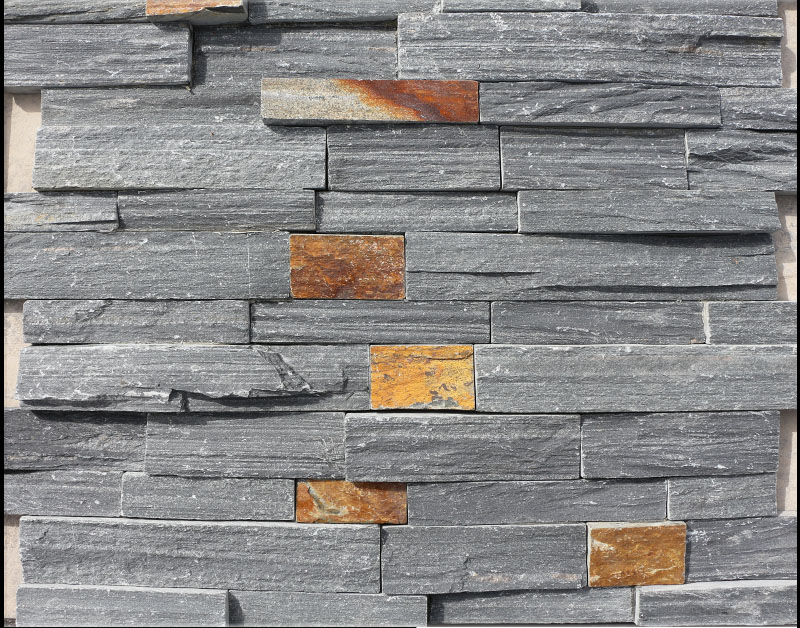
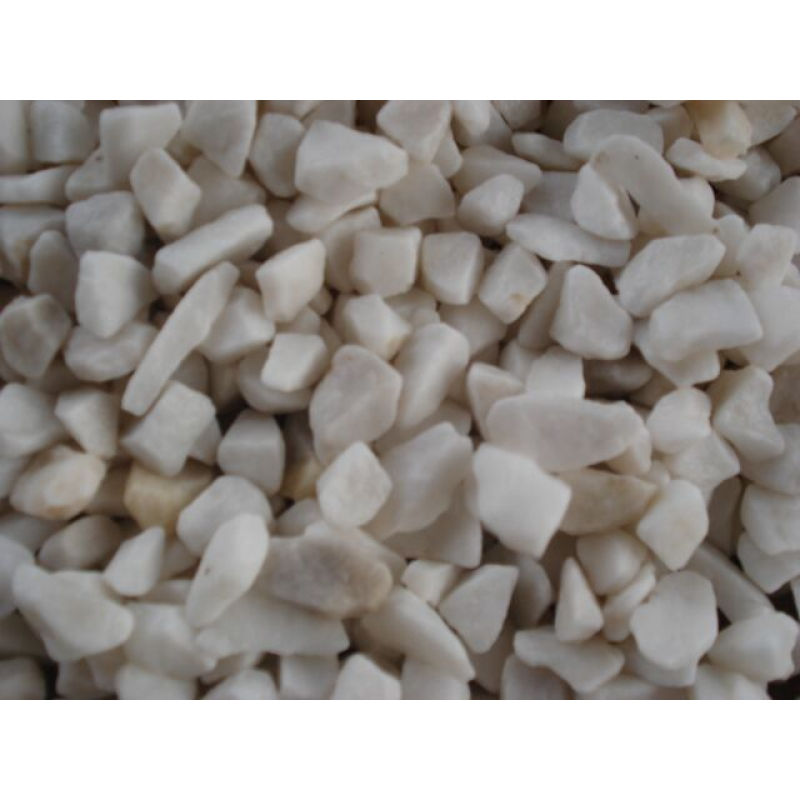
• GỊNỊ bụ Ọdịiche dị n'etiti Nkume okike na Nkume arụrụ arụ? nkume odida obodo
Apr . 16, 2024 09:26 Laghachi na ndepụta

GỊNỊ bụ Ọdịiche dị n'etiti Nkume okike na Nkume arụrụ arụ? nkume odida obodo

Nkume eke bụ ihe mbụ e ji ewu ụlọ n'akụkọ ihe mere eme nke ụlọ mmadụ, na-arụ ọrụ dị mkpa na ndụ kwa ụbọchị. Natural Stone ngwaahịa a na-ejikarị eme ihe na ọdụ ụgbọ elu, ụgbọ okporo ígwè dị elu, ụlọ oriri na ọṅụṅụ dị elu na nnukwu ụlọ ọha na eze ndị ọzọ, ụlọ ọrụ azụmahịa, ebe obibi, nkume ili, ihe ncheta, na ihe ndị ọzọ. Ugbu a na usoro ịchọ mma ụlọ, ngwaahịa nkume na-enwetakwu nlebara anya, ma n'ime afọ ndị na-adịbeghị anya, ọnụ ahịa nke nkume nkume na-arị elu kwa afọ, ma ndị ahịa ọnụ ahịa na ndị na-emepụta ihe na-eme mkpesa banyere ọnụ ahịa na-arị elu.
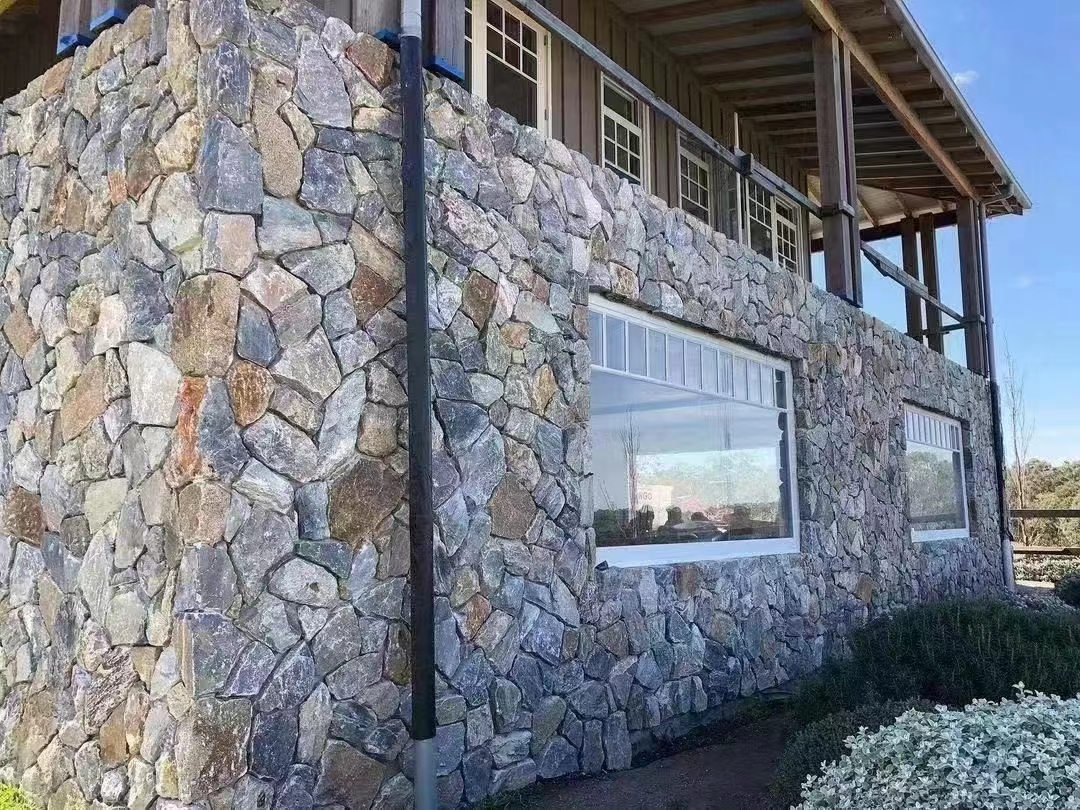
 

Nkume oge niile

WHAT ARE THE DIFFERENCES BETWEEN NATURAL STONES AND ARTIFICIAL STONES? landscape stone


Nowdays, na mmepe nke akụ na ụba, ụlọ akwụkwọ ndụ akwụkwọ ndụ, ihe eji echekwa ike na-anabata ọtụtụ ndị ahịa n'ụwa. Nkume artificial ga-enwe mmetụta na ụlọ ọrụ nkume okike n'ọdịnihu? Ka ọ bụ naanị ihe mgbakwunye nke nkume eke? Nkume wuru ewu ọ ga-anọchi nkume nkịtị? Isiokwu a ga-enyere gị aka ịmata azịza ya.
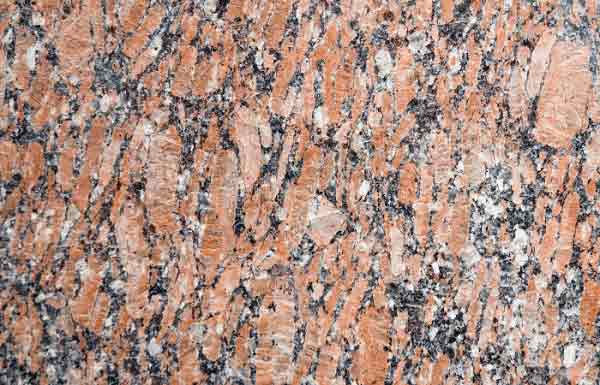
Nghọta ziri ezi nke Nkume Eke na Nkume Artificial

Gịnị Bụ Natural Nkume?

WHAT ARE THE DIFFERENCES BETWEEN NATURAL STONES AND ARTIFICIAL STONES? landscape stone

Nkume eke na-ezo aka na sedimentary ma ọ bụ metamorphic carbonate nkume dị ka marble, dolomite, limestone, nkume ájá, shale na slate. Modern eke nkume na-mined si eke nkume, na mgbe a usoro nhazi, Dị ka na-ezo aka ihe eji n'ụlọ mma, general ụlọ ji achọ eke nkume tumadi konkiri na marble ụdị abụọ.

Granite bụ nkume na-asọ oyi, nke a na-akpọkwa acid crystalline plutonic rock. Ọ bụ nkume igneous kacha ekesa nke ọma, nke feldspar, quartz na mica mejupụtara, nkume siri ike. Ihe mejupụtara granite bụ silicon dioxide, ihe dị ka 65% -75% nke ihe a na-akpọ nkume igneous bụ magma dị n'okpuru ala ma ọ bụ mgbawa ugwu mgbawa nke lava crystallization of the rock.

Marble is a metamorphic rock formed by high temperature and pressure in the crust of the Central Plain. The internal force of the Earth’s crust causes the qualitative changes of the original rocks, i. e. the structure, structure and mineral composition of the original rocks are changed. New Rocks formed by metamorphism are called metamorphic rocks.

Kedu ihe bụ Nkume Artificial?

WHAT ARE THE DIFFERENCES BETWEEN NATURAL STONES AND ARTIFICIAL STONES? landscape stone

Nkume wuru ewu na-eji resin polyester unsaturated dị ka ihe nkedo, marble eke ma ọ bụ calcite, dolomite, ájá silica, uzuzu uzuzu na ihe ndị ọzọ inorganic, yana ọnụ ahịa ire ọkụ kwesịrị ekwesị, agba, wdg, a na-eme ya site na ịgwakọta ihe oriri , ihe nkedo seramiiki, mkpakọ ịma jijiji, extrusion na ụzọ ndị ọzọ.

Ọ bụ ezie na nkume artificial bụ sịntetik, ma ọ nwere àgwà nke nkume nkịtị. Dịka ọmụmaatụ, ọ nwere njirimara nke na-egbochi ire ọkụ, nke na-eguzogide iyi, na-eguzogide mmetụta, na ọ bụghị redioaktivu. Nke a bụkwa otu n'ime ọdịiche dị n'etiti nkume eke na nkume artificial. Dị ka e kwuru n'elu, nkume artificial bụ ụdị ọhụrụ nke ihe ịchọ mma ụlọ. N'agbanyeghị nke ahụ, ahịa ya pụtara ìhè n'ihi na ọ nwere agba na ọdịdị nke nkume nkịtị. N'agbanyeghị nke ahụ, ọnụahịa dị ala karịa nkume nkịtị nkịtị, nke a bụ otu n'ime ọdịiche dị n'etiti nkume okike na nkume artificial.

Uru na ọghọm dị n'etiti Nkume Eke na Nkume Artificial

WHAT ARE THE DIFFERENCES BETWEEN NATURAL STONES AND ARTIFICIAL STONES? landscape stone

Uru nke Nkume eke:

Nkume okike nwere ike dị elu, ezigbo mgbochi iyi, nguzogide corrosion, nnabata mmiri dị ala, na ụdị mara mma. A na-ejikarị mabul eme ihe maka ịchọ mma ime ụlọ, a na-ejikwa granite eme ihe maka ịchọ mma n'èzí, mabul n'ihi nguzogide okpomọkụ dị elu, nke kwesịrị ekwesị maka countertop kichin.

Ọdịmma nke Nkume eke:

Nkume okike nwere pores, dị mfe ikpokọta griiz. N'ozuzu, ọ chọrọ nkwado kabinet siri ike n'ihi njupụta dị elu;
Ọ bụ ezie na udidi ahụ siri ike, mana ngbanwe ezughị ezu.
E wezụga nke ahụ, ọ na-esikwa ike ịrụzi ma ọ bụrụ na e nwere ụfọdụ mgbawa eke na-adịghị ahụ anya.
Ọ ga-agbawa ngwa ngwa mgbe okpomọkụ na-agbanwe ngwa ngwa.

Uru nke Nkume Artificial:

Artificial stone has the advantages of bright color, high finish, uniform color, resistance to pressure and abrasion, good toughness, compact structure, strong and durable, light specific gravity, non-absorbent, erosion and weathering resistance, small color difference, non-fading, low radioactivity and so on. The stone material is easy to process into the mesa’s geometry, mesa, and so on.

Ọdịmma nke Nkume Artificial:

N'ozuzu naturalness nke wuru nkume bụ doro anya ezughị ezu, ya udidi bụ dịtụ ụgha. Ọzọkwa, n'ihi na nkume artificial imepụta nka dị iche bụ nnukwu, njirimara adịghị agbanwe agbanwe. N'ihi akụkụ dị n'ime nke ihe resin, ma ọ bụrụ na kọntaktị na-ekpo ọkụ na-ekpo ọkụ, ọ dị mfe ikpo ọkụ.

3 nghọtahie gbasara Nkume eke na Nkume Artificial

WHAT ARE THE DIFFERENCES BETWEEN NATURAL STONES AND ARTIFICIAL STONES? landscape stone

Nkume eke ahụ ọ nwere radieshon, ọ ga-etinyekwa ahụ mmadụ n'ihe egwu?

Nkume okike nwere radieshon, asịrị carcinogenic n'otu n'otu, ọtụtụ ndị na-azụ ahịa na-echegbu onwe ha banyere nkume eke n'ihu radieshon. Nkume sitere n'okike nwere n'ezie ihe na-eme redio na-eme ka mmadụ ghara ịdị n'ihe egwu?
Enwere ụkpụrụ amanyere iwu maka ịkọwapụta ụzarị ọkụ nke ihe owuwu ụlọ, nke kewara n'ime ụzọ anọ: A, B, C na D, nke Klas A bụ ihe eji ewu ụlọ nke enwere ike iji n'enweghị nsogbu ọ bụla. All marble dị n'ahịa bụ klaasị, naanị granite ole na ole bụ klaasị B, klaasị B ga-etinyerịrị n'ime ikuku ikuku eji, klaasị C na Klas D ahụbeghị n'ahịa ahụ.

Nkume okike ọ bụ nhọrọ dị mma karịa nkume artificial?

Mgbe ọtụtụ nde afọ nke mgbanwe qualitative gasịrị, nkume okike ahụ malitere agba na ụdị dị iche. Nkume eke nwere oke ihe eji achọ mma na ọkwa mma. Ọ nwere uru ịchọ mma dị elu ma na-enye ndị mmadụ mgbe niile mmetụta mara mma.
Enwere ike kewaa nkume artificial na nkume artificial na inorganic artificial, ihe dị iche iche dị iche iche na-adabere na iji ihe ntanye dị iche iche. N'ezie, mgbe ọtụtụ afọ nke nkwalite nkà na ụzụ gasịrị, ụlọ ọrụ dum nwere nkà na ụzụ ugbu a iji hụ na ụdị nkume abụọ ahụ dị mma maka ahụ mmadụ.
Nkume eke na nkume artificial bụ ubi abụọ dị iche iche, ebe ha nwere ezigbo mmekọ, ndị na-azụ ahịa nwere ike ịme nhọrọ dịka mkpa ha si dị, dị ka mpaghara ngwa, ọnụahịa ọnụahịa, ihe ndị chọrọ gburugburu ebe obibi ịhọrọ.

Ọnụ ahịa dị elu, ọ ka mma?

No matter natural stone or artificial stone, the price level relies on many factors: stone material supply, mining difficulty, processing cost, transportation distance, labor cost, marketing cost, etc., so it doesn’t mean the higher the price the better the quality. Usually, consumers make their choices based on their actual needs to choose some medium-priced products.

Top 5 Ihe Ịnya ụgbọ ala nke na-amata ọdịiche dị n'etiti eke na nkume artificial

WHAT ARE THE DIFFERENCES BETWEEN NATURAL STONES AND ARTIFICIAL STONES? landscape stone

Ọdịdị

Nkume okike bụ ihe okike, bụ ihe na-ahụ anya ma ọ bụ translucent, mara mma nke ukwuu. Ya mere nkume okike na-enwe mmetụta na-egbuke egbuke. A na-eji nkume ndị na-emepụta ihe eme ihe site na nkume nkume nkịtị nkịtị ma ọ bụ ihe acrylic na-adịghị mma, ma a na-eme ya site n'ịgbakwụnye gluu na nkume na ịpị ya. Nchapụta elu ya adịghị mma ka nke quartz na enwere ike ịsị na ọ dị nso na-ada ada.

Mmetụta aka

The other easiest way to tell a natural stone from an artificial stone is to touch it with your hand and then distinguish the two different stones by the feel of your hand. Natural stone material, the feeling that our hand touches above gives a person is the cold feeling. It’s like touching a natural stone. Artificial stones are different. Because the artificial stone material used inside the plastic material, so we do not touch the feeling of ice-cold, give the most obvious feeling is warm and delicate. This feeling is basically the same as when we touch other plastic materials.

Isi ike

Hardness is an important mark to distinguish natural stones and artificial stones. According to shore hardness, granite is defined as not less than 70(HSD ≥70) and marble is defined as less than 70(HSD < 70). Natural Stone is natural and relatively hard, so it is still not as flexible as artificial stone, while artificial stone is relatively soft so that it can do radian, splices are usually invisible at the seams.

PH ndidi

E nwere a nnọọ mfe usoro bụ iji hydrochloric acid ule, a ole na ole tụlee nke itughari hydrochloric acid n'elu nkume, konkiri dịghị doro anya mmeghachi omume, eke marble elu ga-apụta ọgaranya ụfụfụ, artificial marble ụfụfụ adịghị ike, ọ dịghị afụ ma ọlị.

Nkwenye

The permeability nke eke nkume dị ike karịa nke nkume artificial. Dobe acha mmiri mmiri n'elu nke eke nkume, na agba ga-abanye n'ime nkume, ọ dịghị mfe iwepu traktị ekpe: na wuru nkume permeability njọ, agba penetration bụ ngwa ngwa ma ọ bụrụ na kpochara na oge agaghị ahapụ akara.

N'okpuru ahịrị

WHAT ARE THE DIFFERENCES BETWEEN NATURAL STONES AND ARTIFICIAL STONES? landscape stone

Today, natural stone mining is rampant, and it becomes scarce. Compared with natural stone, the characteristics of artificial stone also make it become the most important type of decorative material in landscape decoration today. They have many types and different uses, and the use method is very different according to their properties. No matter what kind of material, each has its own advantages and disadvantages. We should choose the material that suits us best according to our own needs and prices. Artificial stone has existed a long time in society and occupies a place in the stone market, it’s clearly impossible to replace the natural stone.

Ị họrọla 0 ngwaahịa

AfrikaansAfrika AlbanianAlbania AmharicAmharic ArabicArabic ArmenianArmenian AzerbaijaniAzerbaijani BasqueBasque BelarusianBelarusian Bengali Bengali BosnianAsụsụ Bosnia BulgarianBulgarian CatalanCatalan CebuanoCebuano ChinaChina China (Taiwan)China (Taiwan) CorsicanCorsican CroatianAsụsụ Croatia CzechCzech DanishDanish DutchDutch EnglishBekee EsperantoEsperanto EstonianEstonia FinnishAsụsụ Finnish FrenchFrench FrisianOnye Frisian GalicianOnye Galisi GeorgianAsụsụ Georgian GermanGerman GreekGrik GujaratiGujarati Haitian CreoleHaitian Creole hausahausa hawaiianHawaian HebrewHibru HindiMba MiaoMiao HungarianAsụsụ Hungarian IcelandicAislandi igboigbo IndonesianAsụsụ Indonesian irishIrish ItalianỊtali JapaneseJapanese JavaneseAsụsụ Javanị KannadaKannada kazakhkazakh KhmerKhmer RwandeseOnye Rwandan KoreanKorean KurdishKurdish KyrgyzKyrgyz LaoTB LatinLatịn LatvianLatvia LithuanianLithuania LuxembourgishLuxembourgish MacedonianMasedonia MalgashiMalgashi MalayMalay MalayalamMalayalam MalteseMalta MaoriMaori MarathiMarathi MongolianMongolian MyanmarMyanmar NepaliNepali NorwegianNorwegian NorwegianNorwegian OccitanOccitan PashtoPashto PersianAsụsụ Persia PolishPolish Portuguese Portuguese PunjabiPunjabi RomanianRomanian RussianRussian SamoanSamoan Scottish GaelicScottish Gaelic SerbianAsụsụ Serbian SesothoBekee ShonaShona SindhiSindhi SinhalaSinhala SlovakSlovak SlovenianSlovenian SomaliSomali SpanishSpanish SundaneseAsụsụ Sudan SwahiliSwahili SwedishSwedish TagalogTagalog TajikTajik TamilTamil TatarTatar TeluguTelugu ThaiThai TurkishTurkish TurkmenTurkmen Ukrainianonye Ukraine UrduUrdu UighurUighur UzbekUzbek VietnameseVietnamese WelshWelsh