

• MITÄ EROT ON LUONNONKIVITEN JA KEKOKIVIEN VÄLILLÄ? maisema kivi
huhti . 16, 2024 09:26 Takaisin listalle

MITÄ EROT ON LUONNONKIVITEN JA KEKOKIVIEN VÄLILLÄ? maisema kivi

Luonnonkivi on varhaisin rakennusmateriaali ihmisen arkkitehtuurin historiassa, sillä on tärkeä rooli jokapäiväisessä elämässä. Luonnonkivituotteet käytetään laajalti lentokentillä, suurnopeusjunaverkoissa, high-end-hotelleissa ja muissa suurissa julkisissa rakennuksissa, kaupallisissa toimistorakennuksissa, asuinrakennuksissa, hautakivissä, muistomerkeissä ja niin edelleen. Nyt kodinsisustusprosessissa kivituotteet saavat yhä enemmän huomiota, mutta viime vuosina kiviraaka-aineiden hinta nousee joka vuosi, niin terminaalien asiakkaat kuin valmistajat valittavat kustannusten noususta.
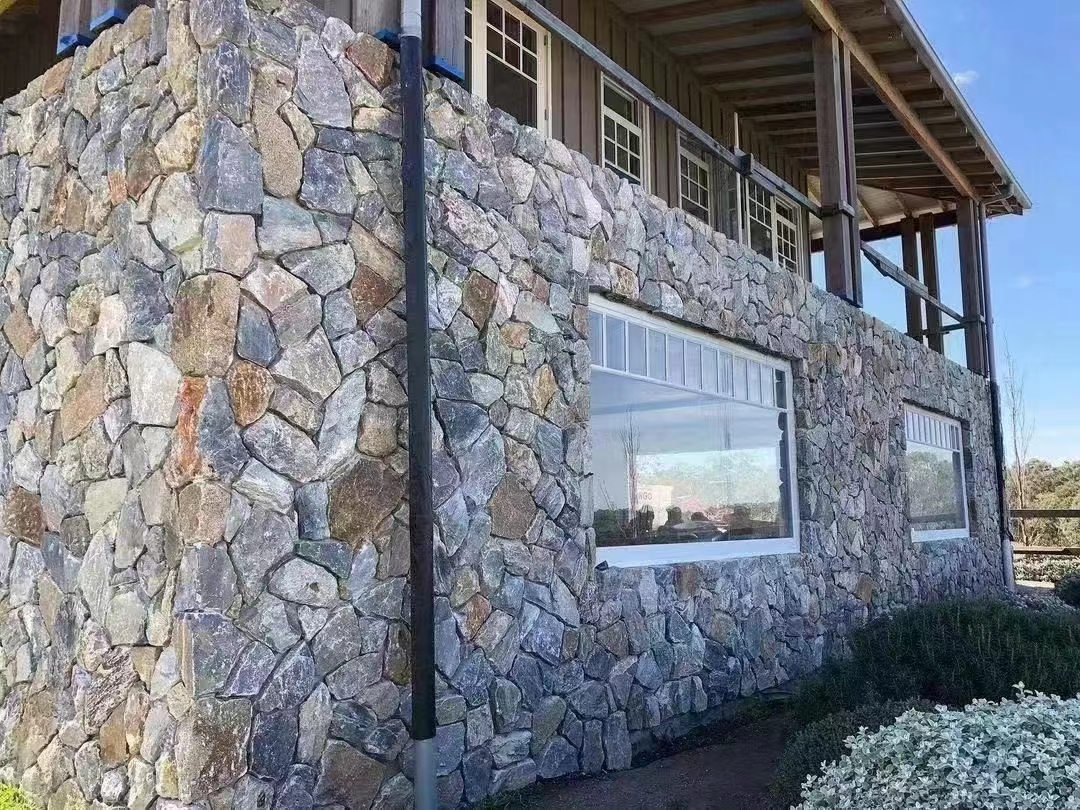
 

Epäsäännölliset kivet

WHAT ARE THE DIFFERENCES BETWEEN NATURAL STONES AND ARTIFICIAL STONES? landscape stone


Nykyään talouden kehittyessä vihreä rakentaminen ja energiaa säästävät rakennusmateriaalit hyväksyvät laajalti useimmat asiakkaat maailmassa. Vaikuttavatko tekokivet luonnonkiviteollisuuteen tulevaisuudessa? Vai onko se vain luonnonkivien lisä? Korvaako tekokivi luonnonkiven? Tämä artikkeli auttaa sinua löytämään vastauksen.
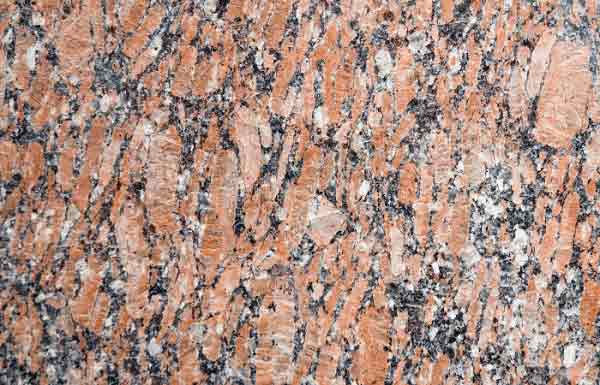
Luonnonkiven ja tekokiven oikea ymmärtäminen

Mikä on luonnonkivi?

WHAT ARE THE DIFFERENCES BETWEEN NATURAL STONES AND ARTIFICIAL STONES? landscape stone

Luonnonkivellä tarkoitetaan sedimentti- tai metamorfisia karbonaattikiviä, kuten marmoria, dolomiittia, kalkkikiveä, hiekkakivi, liuske ja liuskekivi. Moderni luonnonkiveä louhitaan luonnonkivestä, ja sitten sarjan käsittelyn jälkeen, Viitaten kodin sisustuksessa käytettyyn materiaaliin, yleinen rakennus on koristeellinen luonnonkiveä pääasiassa graniitti ja marmori kahdenlaisia.

Graniitti on magmakivi, jota kutsutaan myös happamaksi kiteiseksi plutoniseksi kiveksi. Se on maasälpä-, kvartsi- ja kiillekoostumukseltaan laajimmin levinnyt magmakivi, kivikova tiheä. Graniitti koostuu pääosin piidioksidista, noin 65-75 % ns. magmakivestä on kiven laavakiteytymisen maanalaista magmaa tai tulivuorenpurkausta.

Marble is a metamorphic rock formed by high temperature and pressure in the crust of the Central Plain. The internal force of the Earth’s crust causes the qualitative changes of the original rocks, i. e. the structure, structure and mineral composition of the original rocks are changed. New Rocks formed by metamorphism are called metamorphic rocks.

Mikä on tekokivi?

WHAT ARE THE DIFFERENCES BETWEEN NATURAL STONES AND ARTIFICIAL STONES? landscape stone

Tekokivi on valmistettu tyydyttymättömästä polyesterihartsista sideaineena, luonnonmarmorista tai kalsiittista, dolomiitista, piidioksidihiekasta, lasijauheesta ja muista epäorgaanisista materiaaleista sekä sopivasta määrästä palonestoainetta, väriä jne., se valmistetaan sekoittamalla ainesosia , keraaminen valu, tärinäpuristus, suulakepuristus ja muut menetelmät.

Vaikka tekokivi on synteettistä, sillä on tavallisen kiven ominaisuudet. Sillä on esimerkiksi paloa hidastavia, kulutusta ja iskunkestäviä ominaisuuksia, eikä se ole radioaktiivinen. Tämä on myös yksi luonnonkiven ja tekokiven eroista. Kuten edellä mainittiin, tekokivi on uudenlainen kodin sisustusmateriaali. Silti sen myynti on erinomaista, koska siinä on luonnonkiven väri ja rakenne. Silti hinta on alhaisempi kuin tavallisella luonnonkivellä, tämä on yksi luonnonkiven ja tekokiven eroista.

Luonnonkiven ja tekokiven edut ja haitat

WHAT ARE THE DIFFERENCES BETWEEN NATURAL STONES AND ARTIFICIAL STONES? landscape stone

Luonnonkiven edut:

Luonnonkivellä on korkea lujuus, hyvä kulutuskestävyys, korroosionkestävyys, alhainen veden imeytyminen ja kaunis rakenne. Marmoria käytetään pääasiassa sisustukseen, ja graniittia käytetään pääasiassa ulkona, marmoria erinomaisen korkean lämpötilan kestävyyden vuoksi, joka sopii keittiön työtasolle.

Luonnonkiven haitat:

Luonnonkivessä on huokoset, helppo kerääntyä rasvaa. Yleensä se tarvitsee vahvan kaapin tuen suuren tiheyden vuoksi;
Vaikka rakenne on kova, mutta joustavuus on riittämätön.
Sitä on myös vaikea korjata, jos siinä on näkymättömiä luonnollisia halkeamia.
Se repeytyy helposti, kun lämpötila muuttuu nopeasti.

Keinotekoisen kiven edut:

Artificial stone has the advantages of bright color, high finish, uniform color, resistance to pressure and abrasion, good toughness, compact structure, strong and durable, light specific gravity, non-absorbent, erosion and weathering resistance, small color difference, non-fading, low radioactivity and so on. The stone material is easy to process into the mesa’s geometry, mesa, and so on.

Disadvantages of the Artificial Stone:

The general naturalness of artificial stone is obviously insufficient, its texture is relatively false. Moreover, because the artificial stone manufacture craft difference is huge, the characteristic is not completely consistent. Due to the internal part of the resin material, if in direct contact with overheating containers, easy to heat deformation.

3 Misunderstandings About Natural Stone and Artificial Stone

WHAT ARE THE DIFFERENCES BETWEEN NATURAL STONES AND ARTIFICIAL STONES? landscape stone

Does The Natural Stone Have Radiation, and Will It Endanger The Human Body Being?

Natural Stone has radiation, carcinogenic rumors one after another, many consumers worry about the natural stone in the presence of radiation. Does natural stone really contain excessive radioactive material to endanger human health?
There is a mandatory standard for quantifying the radiation of building materials, which is classified into four categories: A, B, C and D, of which Class A is the building materials that can be safely used in any situation. All marble on the market is a class, only a few granite is a class B, class B must be installed in the ventilation used, class C and Class D has not yet been found in the market.

Is Natural Stone A Better Choice Than Artificial Stone?

After millions of years of qualitative changes, the natural stone formed a different color and texture. Natural stone has a very high decorative texture and decorative grade. It has high ornamental value and always gives people beautiful feelings.
Artificial stone can be divided into organic artificial stone and inorganic artificial stone, the two differences lie in the use of different adhesives. In fact, after years of technological improvements, the entire industry now has the technology to ensure that both types of stone are healthy for the human body.
Natural Stone and artificial stone are two different fields, while they have a good complementarity, consumers could make a choic according to their actual needs, such as application areas, price range, environmental requirements to choose.

The Higher The Price, The Better The Quality?

No matter natural stone or artificial stone, the price level relies on many factors: stone material supply, mining difficulty, processing cost, transportation distance, labor cost, marketing cost, etc., so it doesn’t mean the higher the price the better the quality. Usually, consumers make their choices based on their actual needs to choose some medium-priced products.

Top 5 Driving Factors That Distinguish Between Natural And Artificial Stone

WHAT ARE THE DIFFERENCES BETWEEN NATURAL STONES AND ARTIFICIAL STONES? landscape stone

Ulkomuoto

Natural Stone is a natural material, is transparent or translucent particles, very beautiful. So the natural stone feels brighter. Artificial stones are made from common natural stone powders or opaque acrylic materials, but they are also made by adding glue to the stone and pressing it. Its surface brightness is not as beautiful as that of quartz and can be said to be close to dull.

Handfeel

The other easiest way to tell a natural stone from an artificial stone is to touch it with your hand and then distinguish the two different stones by the feel of your hand. Natural stone material, the feeling that our hand touches above gives a person is the cold feeling. It’s like touching a natural stone. Artificial stones are different. Because the artificial stone material used inside the plastic material, so we do not touch the feeling of ice-cold, give the most obvious feeling is warm and delicate. This feeling is basically the same as when we touch other plastic materials.

Hardness

Hardness is an important mark to distinguish natural stones and artificial stones. According to shore hardness, granite is defined as not less than 70(HSD ≥70) and marble is defined as less than 70(HSD < 70). Natural Stone is natural and relatively hard, so it is still not as flexible as artificial stone, while artificial stone is relatively soft so that it can do radian, splices are usually invisible at the seams.

PH Tolerance

There is a very simple method is to use hydrochloric acid test, a few drops of dilute hydrochloric acid on the stone surface, granite no obvious reaction, natural marble surface will appear rich foam, artificial marble foam weak, there is no bubble at all.

Permeability

The permeability of natural stone is stronger than that of artificial stone. Drop colored liquid on the surface of natural stone, the color will penetrate into the stone, not easy to remove the traces left: and artificial stone permeability is worse, color penetration is slow if cleaned in time will not leave traces.

Bottom of Line

WHAT ARE THE DIFFERENCES BETWEEN NATURAL STONES AND ARTIFICIAL STONES? landscape stone

Today, natural stone mining is rampant, and it becomes scarce. Compared with natural stone, the characteristics of artificial stone also make it become the most important type of decorative material in landscape decoration today. They have many types and different uses, and the use method is very different according to their properties. No matter what kind of material, each has its own advantages and disadvantages. We should choose the material that suits us best according to our own needs and prices. Artificial stone has existed a long time in society and occupies a place in the stone market, it’s clearly impossible to replace the natural stone.

Olet valinnut 0 Tuotteet

Afrikaansafrikkalainen Albanianalbanialainen Amharicamhara Arabicarabialainen Armenianarmenialainen AzerbaijaniAzerbaidžani Basquebaski Belarusianvalkovenäläinen Bengali bengali Bosnianbosnialainen Bulgarianbulgarialainen Catalankatalaani CebuanoCebuano ChinaKiina China (Taiwan)Kiina (Taiwan) CorsicanKorsikalainen Croatiankroatialainen CzechTšekki DanishTanskan kieli DutchHollannin kieli EnglishEnglanti Esperantoesperanto EstonianVirolainen FinnishSuomalainen FrenchRanskan kieli Frisianfriisi GalicianGalicialainen GeorgianGeorgian GermanSaksan kieli Greekkreikkalainen Gujaratigudžarati Haitian CreoleHaitin kreoli hausahausa hawaiianhavaijilainen Hebrewheprealainen HindiEi MiaoMiao HungarianUnkarin kieli Icelandicislantilainen igboigbo IndonesianIndonesialainen irishirlantilainen Italianitalialainen Japanesejapanilainen Javanesejaavalainen Kannadakannada kazakhkazakki Khmerkhmerit RwandeseRuanda KoreanKorealainen Kurdishkurdi KyrgyzKirgisia LaoTB LatinLatina LatvianLatvialainen Lithuanianliettualainen Luxembourgishluxemburgilainen Macedonianmakedonialainen MalgashiMalgashi Malaymalaiji Malayalammalajalami Maltesemaltalainen Maorimaori Marathimarathi Mongolianmongolialainen MyanmarMyanmar NepaliNepali NorwegianNorjan kieli NorwegianNorjan kieli OccitanOksitaani Pashtopashto Persianpersialainen PolishKiillottaa Portuguese Portugalin kieli PunjabiPunjabi Romanianromanialainen RussianVenäjän kieli Samoansamoalainen Scottish GaelicSkotlannin gaeli Serbianserbia SesothoEnglanti ShonaShona SindhiSindhi Sinhalasinhala SlovakSlovakian Slovenianslovenialainen Somalisomali SpanishEspanja Sundanesesundalainen Swahiliswahili SwedishRuotsin kieli TagalogTagalog Tajiktadžiki Tamiltamili Tatartatari Telugutelugu Thaithaimaalainen Turkishturkkilainen TurkmenTurkmenistan Ukrainianukrainalainen Urduurdu Uighuruiguuri Uzbekuzbekki Vietnamesevietnam WelshWalesin





