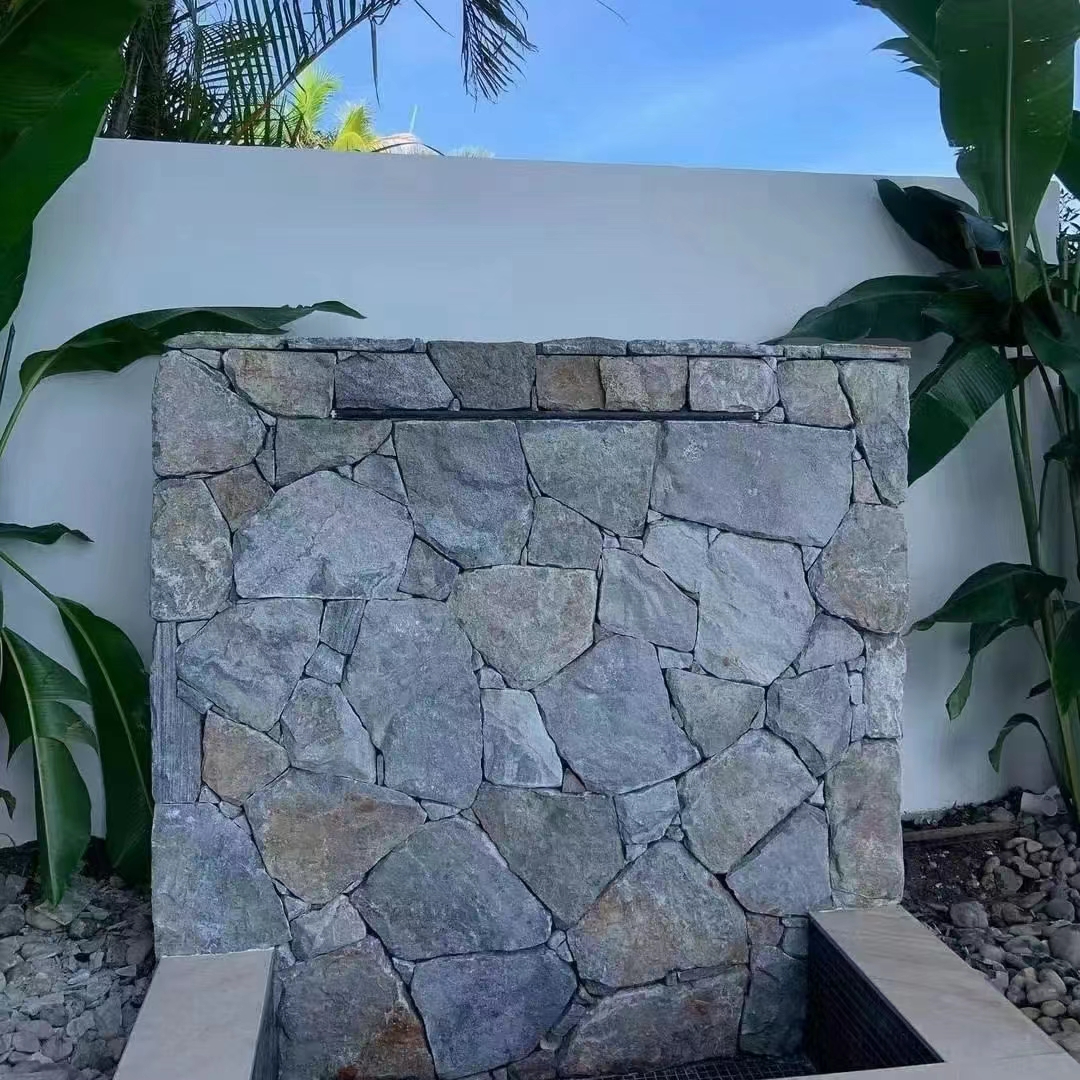
.jpg "Top 10 typů kamene používaného ve stavebním krajině kamene")
Od pyramid po Parthenon lidé stavěli z kamenů po tisíce let. Mezi nejpoužívanější a nejznámější přírodní kameny používané pro stavbu patří čedič, vápenec, travertin a břidlice. To vám řekne každý architekt, dodavatel nebo zedník přírodní kámen je výjimečně odolný a poskytuje vynikající návratnost investice.
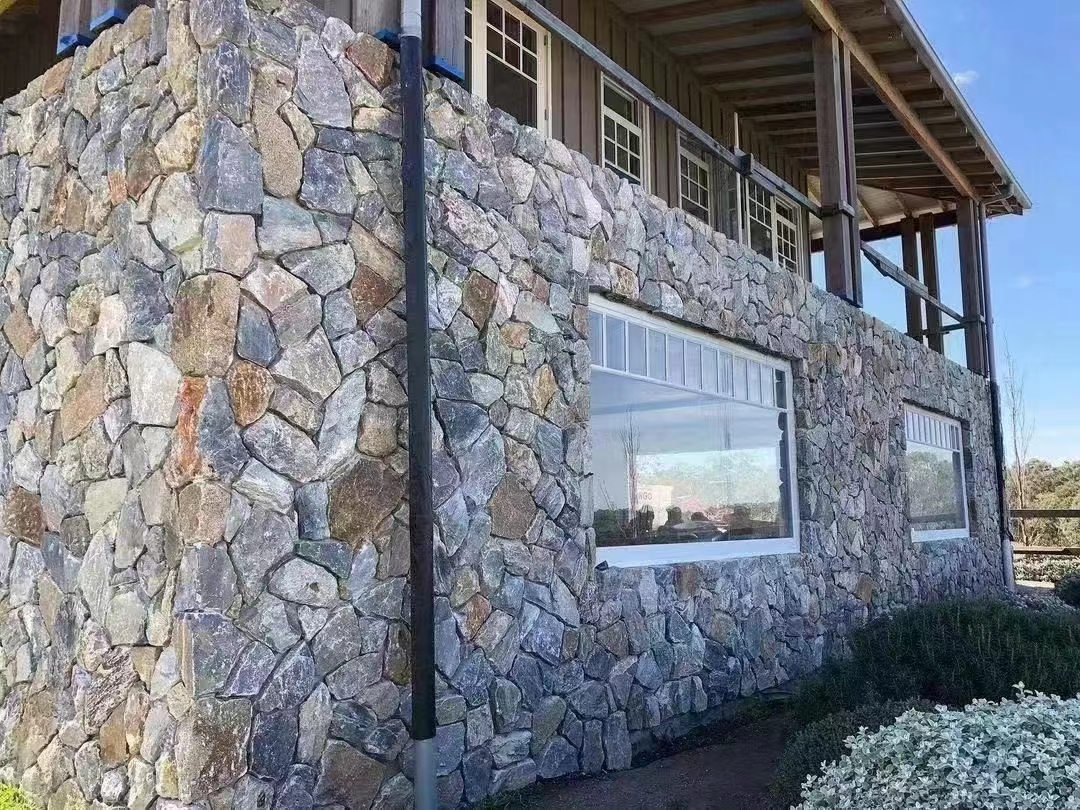
The technical characteristics of different stone such as porosity, compression strength, heat endurance thresholds, and frost resistance, will affect a stone’s application. Stones like basalt, granite, and sandstone fare well for massive construction projects like dams and bridges, whereas travertine, quartzite, and marble work better for interior construction and decoration.
In this blog, we’ll explore different stone types and uses to give you a broad overview of their unique qualities and applications.
While stone and rock are used interchangeably, they are different regarding internal structure and composition. Rocks form part of the earth’s crust and are found virtually everywhere, whereas stones are hard substances like limestone or sandstone extracted from rock, for example.
Hlavní rozdíl je v tom, že hornina je větší a rozkládá se, aby získala minerální prvky, zatímco kámen lze slepit dohromady a vytvořit součásti užitečné pro stavbu. Bez skály by nebyly kameny.
Whether igneous, metamorphic, or sedimentary, rocks used for building materials contain different types of stone that can construct some of the most magnificent architectural feats. There are three main types of rock. Let’s examine them more closely.
Named after the Latin word for fire, Igneous rocks form when hot, molten magma solidifies below the earth’s surface. This type of rock is divided into two groups, intrusive or extrusive, depending on where the molten rock solidifies. Intrusive igneous rock crystallizes below the earth’s surface, and extrusive rocks erupt onto the surface.
Vyvřelá hornina pro stavbu zahrnuje tyto druhy kamene:
Metamorphic rock starts as one type of rock but due to pressure, heat, and time, gradually transforms into a new rock type. Although it forms deep within the earth’s crust, it's often exposed on our planet’s surface after geological uplift and the erosion of rock and soil above it. These crystalline rocks tend to have a foliated texture.
Metamorfovaná hornina pro stavbu zahrnuje tyto typy kamenů:
This rock is always formed in layers called “strata” and often contains fossils. Pieces of rock are loosened by weather, then transported to a basin or depression where the sediment is trapped, and lithification (compaction) takes place. The sediment is deposited in flat, horizontal layers, with the oldest layers on the bottom and younger layers on top.
Níže je uvedeno deset nejběžnějších typů kamene, které byly používány po staletí a nadále tvoří součást a jsou používány v našem dnešním moderním světě.
This coarse-grained intrusive igneous rock is composed chiefly of quartz, feldspar, and plagioclase. Granite gets its signature color speckles from crystallization — the longer the molten rock has to cool, the larger the grains of color.
Available in white, pink, yellow, gray, and black, this building stone is lauded for its durability. As the earth’s most durable and common igneous rock, žula je vynikající volbou pro desky, monumenty, chodníky, mosty, sloupy a podlahy.
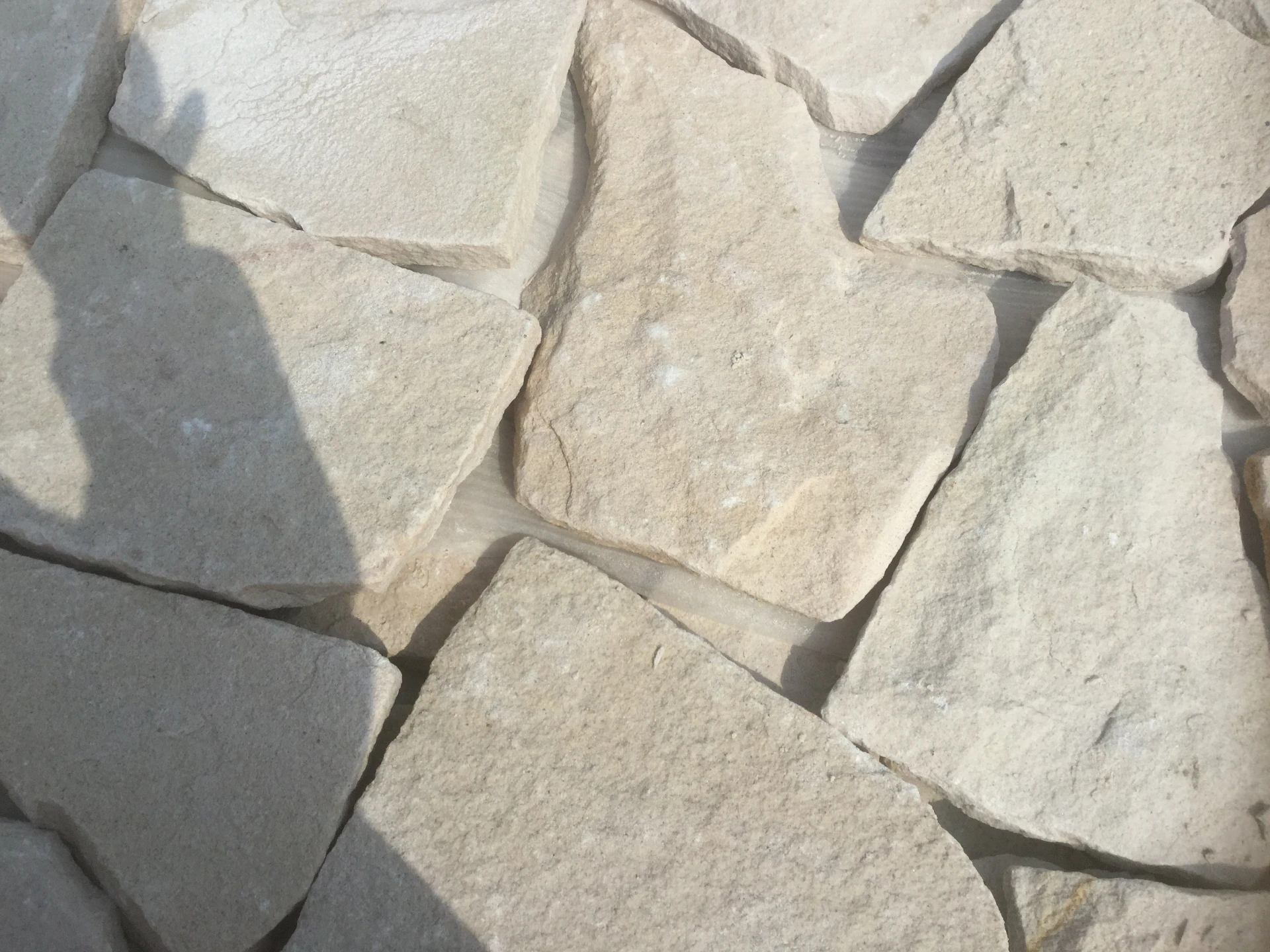
Pískovec je klasická sedimentární hornina vyrobená ze silikátových zrn křemene a živce velikosti písku. Pevný a odolný vůči povětrnostním vlivům se tento stavební kámen často používá k obkladům fasád a vnitřních stěn, stejně jako zahradních laviček, dlažeb, terasových stolů a okrajů bazénů.
Tento kámen může mít jakoukoli barvu jako písek, ale nejběžnější barvy jsou opálená, hnědá, šedá, bílá, červená a žlutá. Pokud má vysoký obsah křemene, může být pískovec dokonce rozdrcen a použit jako zdroj oxidu křemičitého pro výrobu skla.
Tato měkká sedimentární hornina složená z kalcitu a hořčíku je obvykle šedá, ale může být také bílá, žlutá nebo hnědá. Z geologického hlediska se vápenec tvoří buď v hluboké mořské vodě, nebo v důsledku odpařování vody při tvorbě jeskyní.
Jedinečnou vlastností této horniny je, že její primární složka, kalcit, vzniká převážně fosilizací živých organismů produkujících lastury a korály. Vápenec jako stavební materiál se používá v architektonických aplikacích na stěny, dekorativní obložení a dýhu.
Dark and heavy, this extrusive, igneous rock makes up most of the planet’s oceanic crust. Basalt is black, but after extensive weathering, may turn green or brown. Additionally, it contains some light-colored minerals like feldspar and quartz, but these are difficult to see with the naked eye.
Čedič je bohatý na železo a hořčík a používá se ve stavebnictví k výrobě stavebních bloků, dlažebních kostek, podlahových dlaždic, silničního kamene, štěrku železničních tratí a soch. 90 % veškeré vulkanické horniny je čedič.
Mramor, milovaný po celé věky pro svůj luxus a bohatství, je nádherná metamorfovaná hornina, která se tvoří, když je vápenec vystaven vysokému tlaku nebo teplu. Obvykle obsahuje další minerály, jako je křemen, grafit, pyrit a oxidy železa, které mu dodávají řadu odstínů od růžové po hnědou, šedou, zelenou, černou nebo pestré zbarvení.
Díky svému jedinečnému žilkování a elegantnímu vzhledu je mramor nejlepším kamenem pro stavební památky, interiérové dekorace, stolní desky, sochy a novinky. Nejprestižnější bílý mramor se těží v italské Carraře.
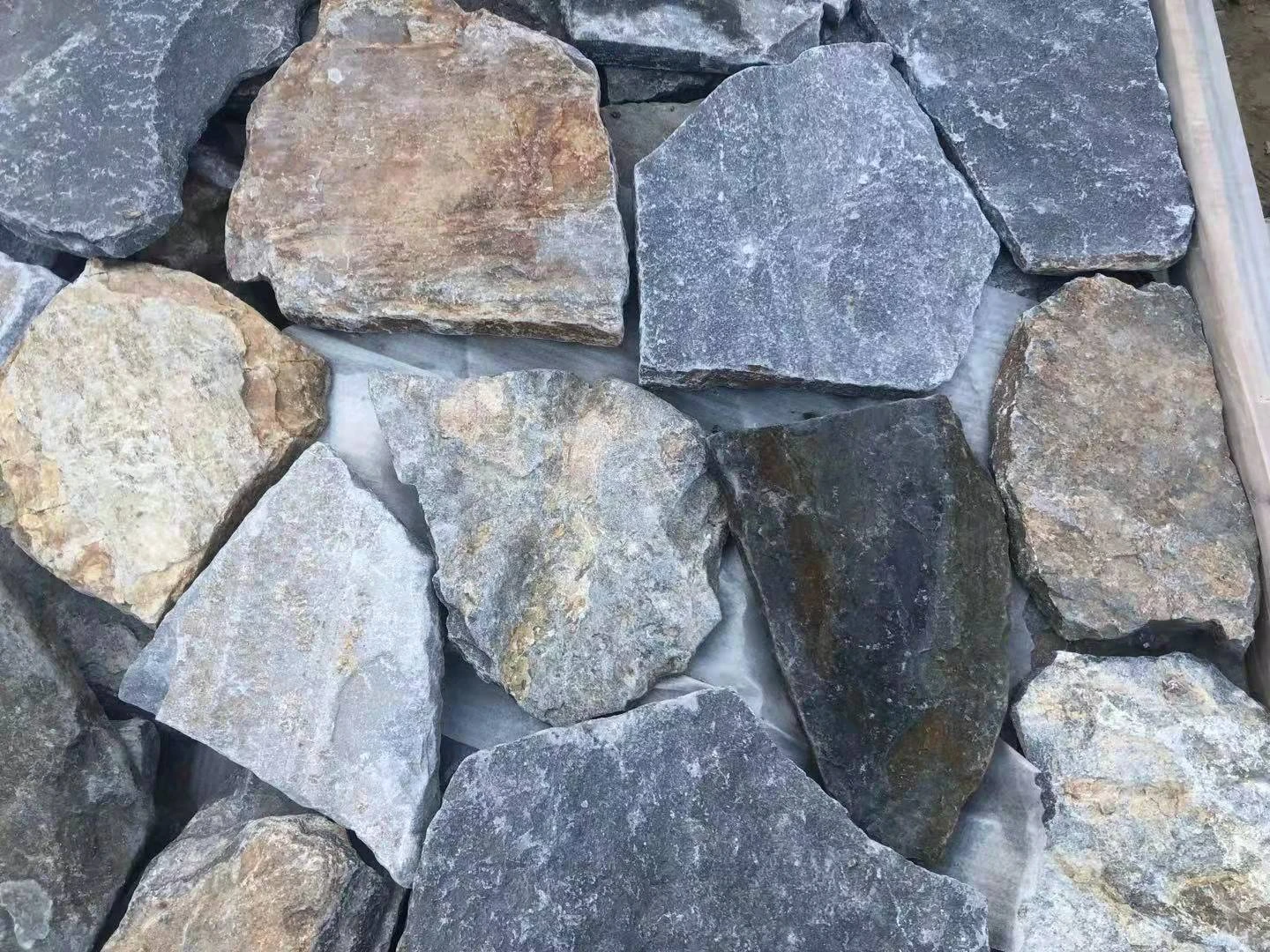
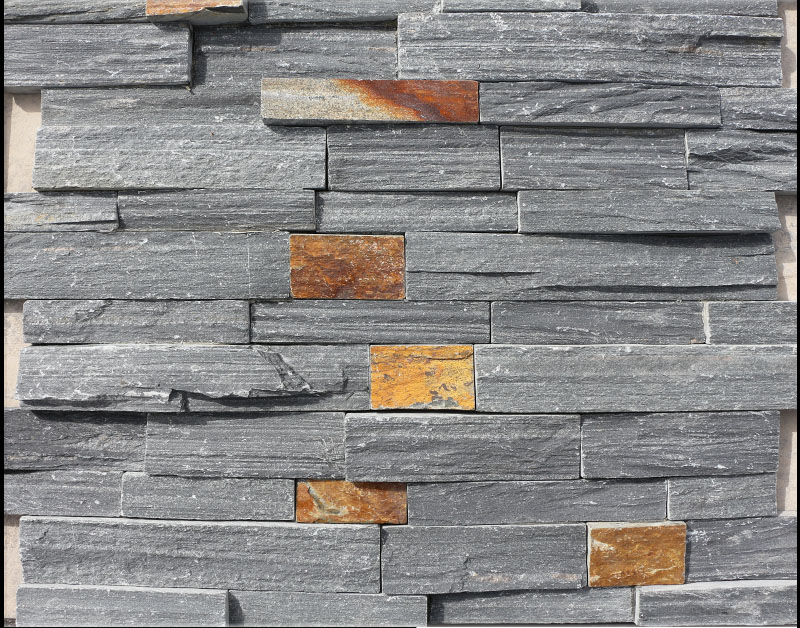
Břidlice je jemnozrnná, listová, homogenní sedimentární hornina odvozená z břidlicové horniny složené z jílu nebo sopečného popela. Původní jílové minerály v břidlici se při vystavení zvyšujícím se úrovním tepla a tlaku mění na slídy.
Gray in color, slate contains quartz, feldspar, calcite, pyrite, and hematite, among other minerals. It’s a desirable building stone that’s been utilized in construction since ancient Egyptian times. Today, it’s used as roofing, flagging, decorative aggregates, and flooring because of its attractiveness and durability.
Pumice is a porous igneous rock produced during volcanic eruptions. It forms so rapidly that its atoms don’t have time to crystallize, essentially rendering it a solidified foam. While it occurs in various colors like white, gray, blue, cream, green, and brown, it is almost always pale.
Přestože je tento kámen jemnozrnný, povrch je drsný. Prášková pemza se používá jako kamenivo do lehkého betonu pro izolaci, jako leštící kámen a v různých průmyslových a spotřebních výrobcích a také jako leštící kámen.
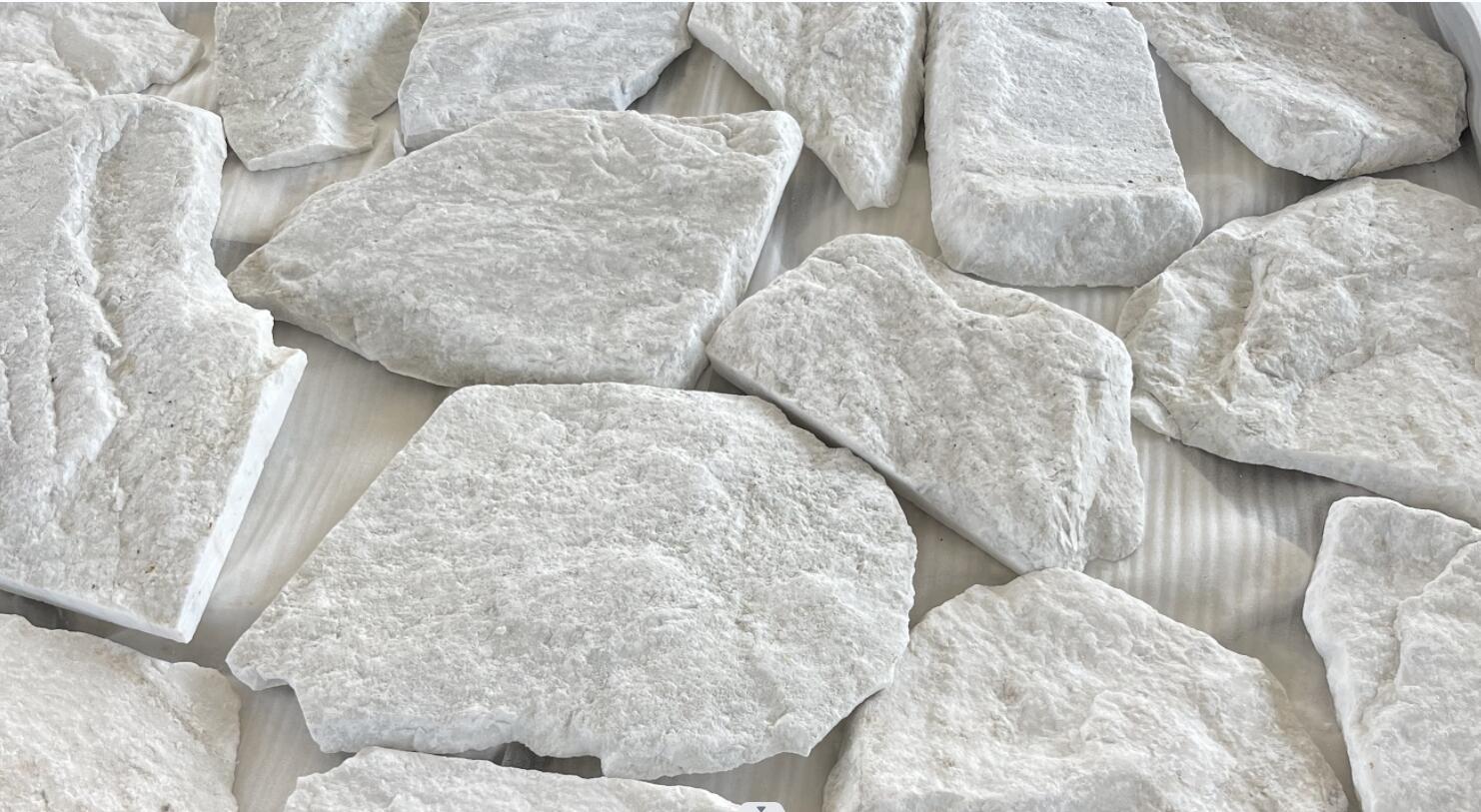
Když je pískovec bohatý na křemen změněn teplem, tlakem a chemickou aktivitou metamorfózy, změní se na křemenec. Během procesu se písková zrna a křemičitý cement spojí, což vede k impozantní síti vzájemně propojených křemenných zrn.
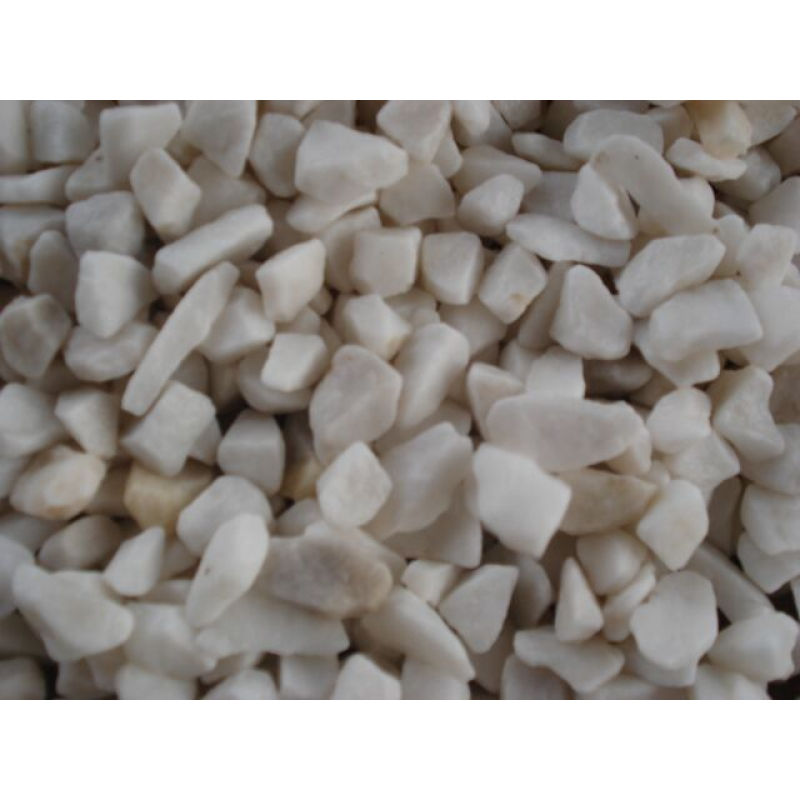
Křemenec je obvykle bílý nebo světlý, ale další materiály přenášené podzemní vodou mohou dodávat odstíny zelené, modré nebo železné červené. Je to jeden z nejlepších kamenů pro stavbu desek, podlah, střešních tašek a schodišťových stupňů díky svému mramorovému vzhledu a trvanlivosti podobné žule.
Travertin je druh suchozemského vápence tvořený ložisky nerostů v blízkosti přírodních pramenů. Tato sedimentární hornina má vláknitý nebo soustředný vzhled a dodává se v odstínech bílé, hnědé, krémové a rzi. Jeho jedinečná textura a atraktivní zemité tóny ho činí oblíbeným pro stavební aplikace.
This versatile stone variety is commonly used for indoor and outdoor flooring, spa walls, ceilings, facades, and wall cladding. It’s an affordable option compared to other natural stones like marble, yet still maintains a luxurious appeal.
Středně tvrdá sádra, alabastr, je obvykle bílý a průsvitný s jemným uniformním zrnem.
Its small natural grain is visible when held up to the light. Because it’s a porous mineral, this stone can be dyed in a variety of colors.
It has been used for centuries to make statues, carvings, and other decorative and ornamental work. While the splendor of alabaster is undeniable, it is a soft metamorphic rock that’s only really suitable for indoor applications.
The many natural stone products on the market and their unique characteristics can make it challenging for contractors and homeowners to select the correct ones for their projects. If you’re new to the process, the first thing to consider is the location of the stone installation. For instance, the type of stones for floor applications will differ if it’s indoors or outdoors.
Then you’ll need to evaluate the stone’s durability, the fabricator’s warranty, and its grade. There are three grades of natural stone: commercial, standard, and first choice. Standard grade is a good fit for interior applications, like countertops, whereas commercial-grade, may be better for apartment or hotel projects where only a portion of slab is required, and large imperfections can be avoided.
There’s a lot to consider, right? As well-seasoned experts in the stone business, our team at Stone Center can help you with stone selection for residential and commercial stone projects, regardless of their scale. Why not start by taking a look at our extensive catalog of premium stavební kámen?
 Afričan
  albánský
  amharština
  arabština
  arménský
  ázerbájdžánský
  baskický
  běloruský
  bengálský
  bosenský
  bulharský
  katalánština
  Cebuano
  Čína
Čína  Čína (Tchaj-wan)
  Korsičan
  chorvatský
  čeština
  dánština
  holandský
  Angličtina
  esperanto
  estonština
  finština
  francouzština
  fríský
  galicijský
  gruzínský
  Němec
Němec  řecký
řecký  Gudžarátština
  haitská kreolština
  hausa
hausa  havajský
  hebrejština
  ani náhodou
  Miao
Miao  maďarský
  islandský
  igbo
igbo  indonéština
  irština
  italština
  japonský
  jávský
  Kannada
  kazašský
  khmerské
  Rwandské
  korejština
  kurdština
  kyrgyzština
  TBC
TBC  latinský
  lotyšský
  litevský
  lucemburský
  makedonský
  Malgashi
  malajština
  malajálamština
  maltština
  maorští
  maráthština
  mongolský
  Myanmar
  nepálský
  norský
  norský
  okcitánština
  paštština
  Peršan
  polština
  portugalština
  pandžábština
  rumunština
  ruština
  Samoan
  skotská gaelština
  srbština
  Angličtina
  Shona
Shona  Sindhi
  sinhálština
  Slovák
  slovinský
  somálský
  španělština
  sundánština
  svahilština
  švédský
  Tagalog
  tádžický
  tamilština
  Tatar
Tatar  telugština
  thajština
  turečtina
  turkmenský
  ukrajinština
  Urdu
Urdu  ujgurské
  uzbecký
  vietnamština
  velština