

.jpg "Ụdị Nkume 10 kacha elu ejiri mee ihe na-ewu ụlọ nkume")
Site na pyramid ruo Parthenon, ụmụ mmadụ ejirila nkume wuo ụlọ ruo ọtụtụ puku afọ. N'ime nkume ndị a na-ejikarị eme ihe na nke a ma ama nke a na-eji arụ ọrụ bụ basalt, limestone, travertine, na slate. Onye ọ bụla na-ese ụkpụrụ ụlọ, onye ọrụ ngo, ma ọ bụ ụlọ ọrụ ga-agwa gị nke ahụ nkume eke na-adịgide adịgide, na-enye ezigbo nloghachi na ntinye ego.
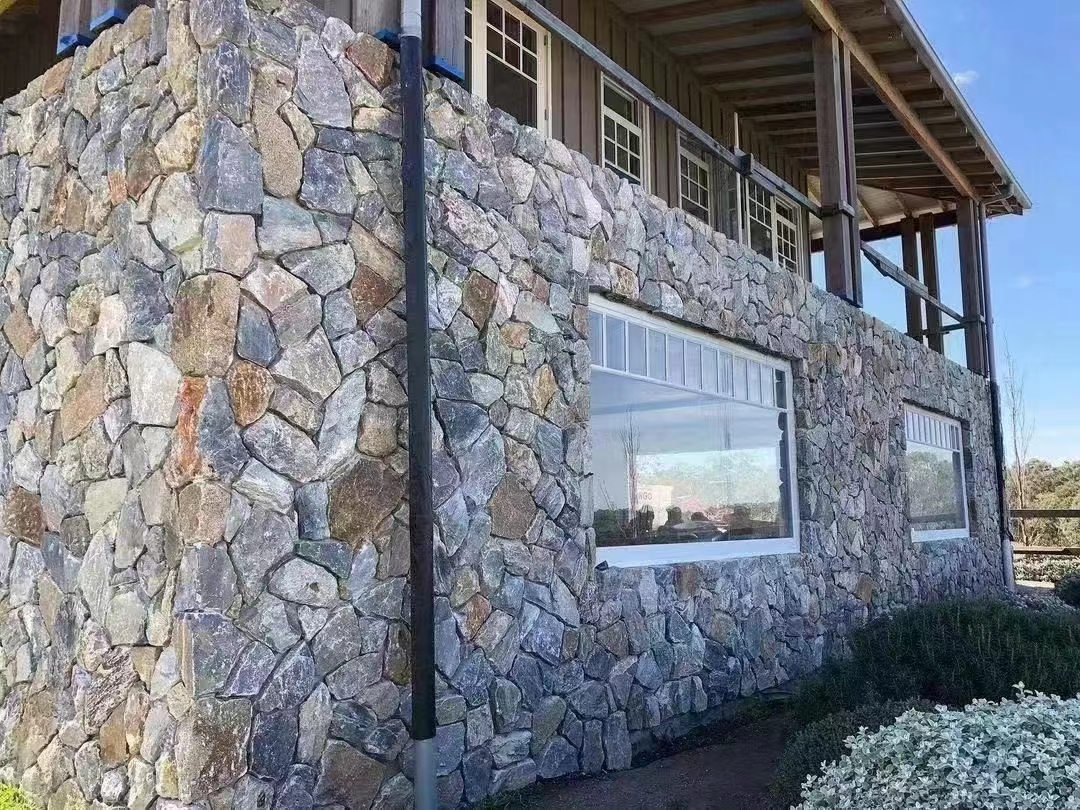
The technical characteristics of different stone such as porosity, compression strength, heat endurance thresholds, and frost resistance, will affect a stone’s application. Stones like basalt, granite, and sandstone fare well for massive construction projects like dams and bridges, whereas travertine, quartzite, and marble work better for interior construction and decoration.
In this blog, we’ll explore different stone types and uses to give you a broad overview of their unique qualities and applications.
While stone and rock are used interchangeably, they are different regarding internal structure and composition. Rocks form part of the earth’s crust and are found virtually everywhere, whereas stones are hard substances like limestone or sandstone extracted from rock, for example.
Isi ihe dị iche bụ na nkume ka ukwuu ma na-agbajikwa iji weghachi ihe ndị dị n'ime ala, ebe enwere ike ijikọ nkume ọnụ ka ọ bụrụ ihe ndị bara uru maka iwu ụlọ. E wezụga nkume, a gaghị enwe nkume.
Whether igneous, metamorphic, or sedimentary, rocks used for building materials contain different types of stone that can construct some of the most magnificent architectural feats. There are three main types of rock. Let’s examine them more closely.
Named after the Latin word for fire, Igneous rocks form when hot, molten magma solidifies below the earth’s surface. This type of rock is divided into two groups, intrusive or extrusive, depending on where the molten rock solidifies. Intrusive igneous rock crystallizes below the earth’s surface, and extrusive rocks erupt onto the surface.
Nkume dị egwu maka owuwu gụnyere ụdị nkume ndị a:
Metamorphic rock starts as one type of rock but due to pressure, heat, and time, gradually transforms into a new rock type. Although it forms deep within the earth’s crust, it's often exposed on our planet’s surface after geological uplift and the erosion of rock and soil above it. These crystalline rocks tend to have a foliated texture.
Metamorphic nkume maka owuwu gụnyere ụdị nkume ndị a:
This rock is always formed in layers called “strata” and often contains fossils. Pieces of rock are loosened by weather, then transported to a basin or depression where the sediment is trapped, and lithification (compaction) takes place. The sediment is deposited in flat, horizontal layers, with the oldest layers on the bottom and younger layers on top.
N'okpuru ebe a bụ ụdị nkume iri a na-ejikarị eme ihe kemgbe ọtụtụ narị afọ ma na-aga n'ihu na-etolite ma na-eji ya eme ihe n'ụwa nke oge a.
This coarse-grained intrusive igneous rock is composed chiefly of quartz, feldspar, and plagioclase. Granite gets its signature color speckles from crystallization — the longer the molten rock has to cool, the larger the grains of color.
Available in white, pink, yellow, gray, and black, this building stone is lauded for its durability. As the earth’s most durable and common igneous rock, granite bụ ezigbo nhọrọ maka countertops, ncheta, pavement, àkwà mmiri, ogidi, na ala.
Nkume aja bụ okwute sedimentary kpochapụrụ nke sitere na silicate grains nke quartz na feldspar nwere nha. Ihe siri ike ma na-eguzogide ihu igwe, a na-ejikarị nkume ihe owuwu ụlọ eme ihe maka mkpuchi ihu na mgbidi dị n'ime ụlọ, yana oche ubi, ihe mgbochi, tebụl patio, na ebe igwu mmiri.
Nkume a nwere ike ịbụ agba ọ bụla dị ka ájá, mana agba ndị a na-ahụkarị bụ tan, aja aja, isi awọ, ọcha, ọbara ọbara na odo. Ọ bụrụ na ọ nwere ọdịnaya quartz dị elu, a ga-egwepịa ájá ájá ma jiri ya mee ihe dị ka isi iyi silica maka imepụta iko.
Ihe mejupụtara ya bụ calcite na magnesium, okwute sedimentary a dị nro na-abụkarị isi awọ mana ọ nwekwara ike ịdị ọcha, odo, ma ọ bụ aja aja. Site na ọdịdị ala ala, a na-etolite nkume nzu ma ọ bụ n'ime mmiri miri emi ma ọ bụ n'ihi ikuku mmiri n'oge a na-etolite ọgba.
Otu ihe pụrụ iche nke nkume a bụ na ihe mejupụtara ya bụ calcite, bụ nke a na-emepụta nke ọma site n'ịmepụta ihe dị ndụ nke na-emepụta shei na nke na-ewu coral. Nkume nzu dị ka ihe eji ewu ụlọ a na-eji ngwa owuwu ụlọ maka mgbidi, mkpụbelata ihe ịchọ mma na ihe mkpuchi.
Dark and heavy, this extrusive, igneous rock makes up most of the planet’s oceanic crust. Basalt is black, but after extensive weathering, may turn green or brown. Additionally, it contains some light-colored minerals like feldspar and quartz, but these are difficult to see with the naked eye.
Ọgaranya na ígwè na magnesium, a na-eji basalt eme ihe na-ewu ụlọ iji wuo ụlọ, nkume nkume, taịlị ala, nkume okporo ụzọ, ụgbọ okporo ígwè ballasts, na ihe oyiyi. 90% nke nkume mgbawa ugwu niile bụ basalt.
Ahụrụ n'anya, n'ime afọ niile, n'ihi okomoko ya na ịdị mma ya, marble bụ nkume metamorphic mara mma nke na-etolite mgbe a na-edobe nkume nzu na nnukwu nrụgide ma ọ bụ okpomọkụ. Ọ na-enwekarị mineral ndị ọzọ dị ka quartz, graphite, pyrite, na ígwè oxides nke na-enye ya ụdị dị iche iche site na pink ruo aja aja, isi awọ, akwụkwọ ndụ akwụkwọ ndụ, nwa, ma ọ bụ agba agba.
N'ihi veining pụrụ iche na ọdịdị ya mara mma, marble bụ nkume kachasị mma maka ịrụ ihe ncheta, ịchọ mma ime ụlọ, tebụl, ihe ọkpụkpụ, na ihe ọhụrụ. A na-egwupụta mabul ọcha kacha ewu ewu na Carrara, Italy.
Slate bụ nkume sedimentary sedimentary mara mma nke nwere ahịhịa ndụ, nke sitere na okwute shale nke ụrọ mejuru ma ọ bụ ntụ mgbawa ugwu. Ihe mineral ụrọ mbụ dị na shale na-agbanwe na micas mgbe ekpughere oke okpomọkụ na nrụgide na-abawanye.
Gray in color, slate contains quartz, feldspar, calcite, pyrite, and hematite, among other minerals. It’s a desirable building stone that’s been utilized in construction since ancient Egyptian times. Today, it’s used as roofing, flagging, decorative aggregates, and flooring because of its attractiveness and durability.
Pumice is a porous igneous rock produced during volcanic eruptions. It forms so rapidly that its atoms don’t have time to crystallize, essentially rendering it a solidified foam. While it occurs in various colors like white, gray, blue, cream, green, and brown, it is almost always pale.
Ọ bụ ezie na ọ dị mma, elu nkume a siri ike. A na-eji pọmice ntụ ntụ mee ihe dị ka nchịkọta na kọmpat dị arọ maka mkpuchi, dị ka nkume na-egbuke egbuke, na n'ụdị dị iche iche nke ụlọ ọrụ mmepụta ihe na ndị ahịa, yana nkume na-egbuke egbuke.
Mgbe ọkụ, nrụgide, na ọrụ kemịkal nke metamorphism gbanwere nkume ájá quartz bara ụba, ọ na-aghọ quartzite. N'oge usoro ahụ, ájá ájá na ciment silica na-ejikọta ọnụ, na-ebute netwọk dị egwu nke ọka quartz na-ejikọta ọnụ.
Quartzite na-achakarị ọcha ma ọ bụ na-acha ọkụ, mana ihe ndị ọzọ nke mmiri dị n'ime ala na-ebu nwere ike inye acha akwụkwọ ndụ akwụkwọ ndụ, acha anụnụ anụnụ ma ọ bụ ígwè-acha ọbara ọbara. Ọ bụ otu n'ime okwute kacha mma maka ịrụ ihe mgbakwasị ụkwụ, ala ala, taịlị elu ụlọ, na steepụ steepụ n'ihi ọdịdị ya dị ka mabul na ịdịte aka dị ka granite.
Travertine bụ ụdị limestone terrestrial nke a na-enweta site na ebe nchekwa ịnweta n'akụkụ isi iyi eke. Nkume sedimentary a nwere ọdịdị fibrous ma ọ bụ na-etinye uche ma na-abịa na ndò nke ọcha, tan, ude, na nchara. Ụdị ọdịdị ya pụrụ iche na ụda ụwa na-adọrọ adọrọ na-eme ka ọ na-ewu ewu maka ngwa ụlọ.
This versatile stone variety is commonly used for indoor and outdoor flooring, spa walls, ceilings, facades, and wall cladding. It’s an affordable option compared to other natural stones like marble, yet still maintains a luxurious appeal.
Gypsum siri ike na-ajụkarị, alabaster na-achakarị ọcha ma na-atụgharị ya na ọka mara mma.
Its small natural grain is visible when held up to the light. Because it’s a porous mineral, this stone can be dyed in a variety of colors.
It has been used for centuries to make statues, carvings, and other decorative and ornamental work. While the splendor of alabaster is undeniable, it is a soft metamorphic rock that’s only really suitable for indoor applications.
The many natural stone products on the market and their unique characteristics can make it challenging for contractors and homeowners to select the correct ones for their projects. If you’re new to the process, the first thing to consider is the location of the stone installation. For instance, the type of stones for floor applications will differ if it’s indoors or outdoors.
Then you’ll need to evaluate the stone’s durability, the fabricator’s warranty, and its grade. There are three grades of natural stone: commercial, standard, and first choice. Standard grade is a good fit for interior applications, like countertops, whereas commercial-grade, may be better for apartment or hotel projects where only a portion of slab is required, and large imperfections can be avoided.
There’s a lot to consider, right? As well-seasoned experts in the stone business, our team at Stone Center can help you with stone selection for residential and commercial stone projects, regardless of their scale. Why not start by taking a look at our extensive catalog of premium nkume e ji ewu ụlọ?
 Afrika
  Albania
  Amharic
  Arabic
  Armenian
  Azerbaijani
  Basque
  Belarusian
  Bengali
  Asụsụ Bosnia
  Bulgarian
  Catalan
  Cebuano
  China
China  China (Taiwan)
  Corsican
  Asụsụ Croatia
  Czech
Czech  Danish
  Dutch
Dutch  Bekee
Bekee  Esperanto
  Estonia
  Asụsụ Finnish
  French
  Onye Frisian
  Onye Galisi
  Asụsụ Georgian
  German
  Grik
Grik  Gujarati
  Haitian Creole
  hausa
hausa  Hawaian
  Hibru
Hibru  Mba
Mba  Miao
Miao  Asụsụ Hungarian
  Aislandi
  igbo
igbo  Asụsụ Indonesian
  Irish
Irish  Ịtali
Ịtali  Japanese
  Asụsụ Javanị
  Kannada
  kazakh
  Khmer
Khmer  Onye Rwandan
  Korean
  Kurdish
  Kyrgyz
  TB
TB  Latịn
Latịn  Latvia
  Lithuania
  Luxembourgish
  Masedonia
  Malgashi
  Malay
Malay  Malayalam
  Malta
Malta  Maori
Maori  Marathi
  Mongolian
  Myanmar
  Nepali
  Norwegian
  Norwegian
  Occitan
  Pashto
  Asụsụ Persia
  Polish
  Portuguese
  Punjabi
  Romanian
  Russian
  Samoan
  Scottish Gaelic
  Asụsụ Serbian
  Bekee
Bekee  Shona
Shona  Sindhi
  Sinhala
  Slovak
  Slovenian
  Somali
  Spanish
  Asụsụ Sudan
  Swahili
  Swedish
  Tagalog
  Tajik
Tajik  Tamil
Tamil  Tatar
Tatar  Telugu
  Thai
Thai  Turkish
  Turkmen
  onye Ukraine
  Urdu
Urdu  Uighur
  Uzbek
Uzbek  Vietnamese
  Welsh
Welsh 




