

Flagstone is een van die mees gebruikte generiese plat klippe. Dit word beskou as die beste volhoubare vervoerder van egtheid in jou landskapontwerp.
'n Oortuigende rede hiervoor is wanneer jy hierdie woonstelle gebruik klippe, sal jy 'n handgemaakte gevoel aan jou tuin skep wat ook tydloos lyk. Alhoewel daar baie variasies van moderne en rustieke gesnyde vlagstene is, kan jy jou individuele smaak en styl na vore bring.
In this blog, you will first get to know the origins of this flagstone and learn about its creation. Afterward, you’ll learn about the different types and the best practices for using them. At length, you’ll gain valuable knowledge in the art and science of installing this material.
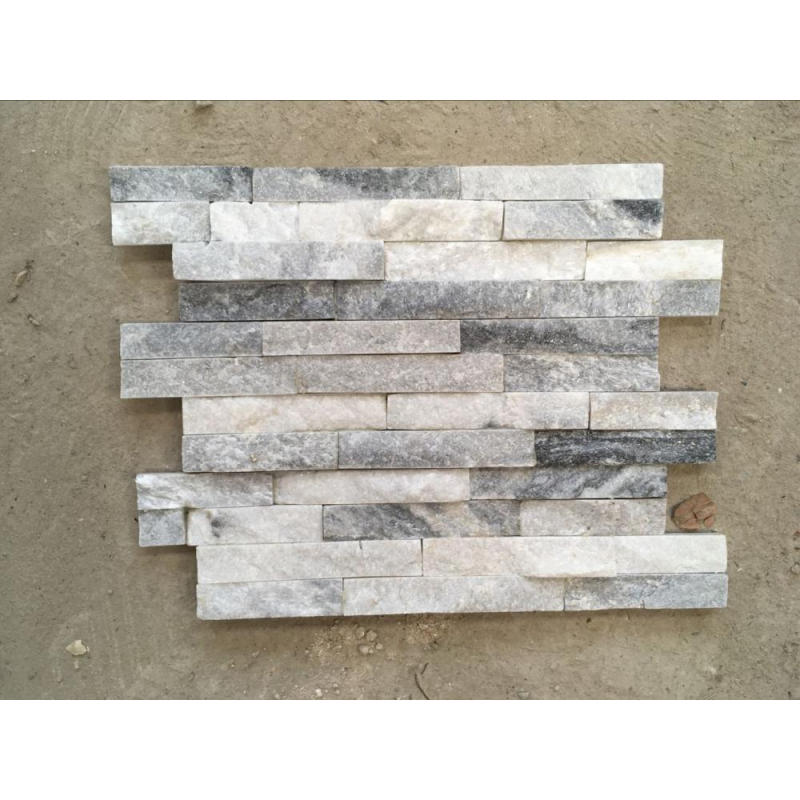
Flagstone is a generic term for many different types of rock. In the beginning, a stonemason chisels or strikes larger stones. And as a result, it breaks up into thick, flat sheets. Next, these thinner sheets are then broken up into flagstone-sized pieces. There are abundant varieties of rock that masons cut and then shape into flagstones.
Aanvanklik is die sagste en maklikste rotse om in vorm te beitel, sedimentêre gesteentes, insluitend variëteite soos sandsteen, skalie en kalksteen.
Sekondêr sluit harder variëteite stollingsgesteentes soos graniet of basalt in. Laastens behoort die taaiste tipes tot die metamorfe gesteentes, soos kwartsiet en ook marmer.
Daar is twee hooftipes in aanvraag Flagstones: patio and select. Comparatively, Patio pieces type of Flagstone is smaller, ranging from 12” to 18” and thicker. And are most often used for stepping stones, outdoor pathways, or patios. Due to their smaller size, they are typically palletized lying down, preventing breakage during shipment. Contrarily, select flagstone, known as “standup,” comes in large, thin slabs of 18” to 36”. Due to their large size, they are usually palletized vertically. Flagstones generally make the formation of many shapes and sizes, including rectangular and square. Nevertheless, they are also available in more natural, jagged varieties.
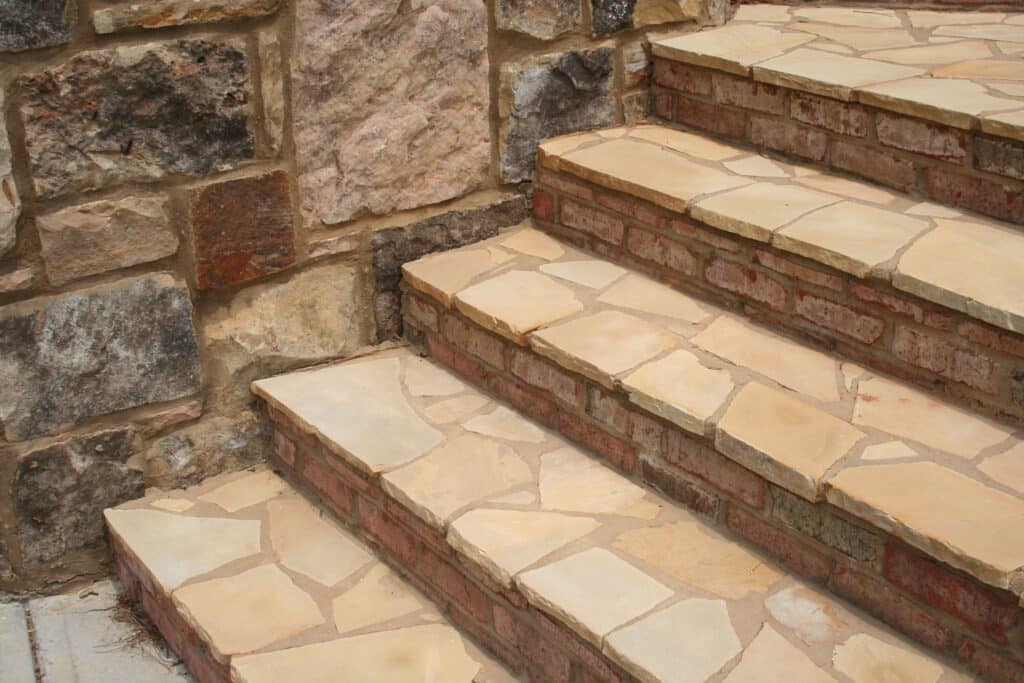
For more than hundreds of thousands of years, Flagstone has been used in various types of formation. Earlier in the 1900s, people saw it as an improvement over cobblestone, and it’s easy to see why. Whereas stonemasons can chisel it at ease by hand into a very flat surface, it is a simple way to create a flat paving surface. Its notable usages as countertop material or even as a paving substrate and as a walkway or roadway. People even use them as roofing and siding. Flagstone patios and Stepping stones are the most common applications of flagstones.
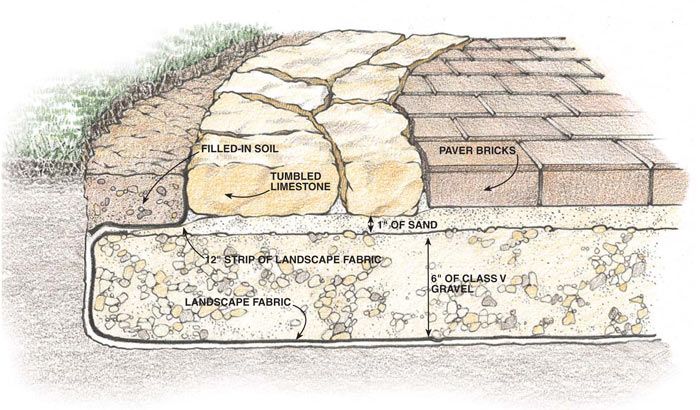
Ons gebruik gewoonlik sand as basismateriaal vir vlagstene. Eerstens, Sand is redelik maklik om te installeer en bied 'n groot dreineringsvoordeel. Boonop sal hulle ook help om onkruid en plantgroei tussen jou klippe as gevolg daarvan te voorkom. Vir 'n meer permanente installasie, gebruik egter sement. Met 'n sandbasis sal jy dikker vlagsteen nodig hê. Mortel laat jou ook toe om dunner klippe te gebruik aangesien die sementbasis help om die oppervlak te versterk.
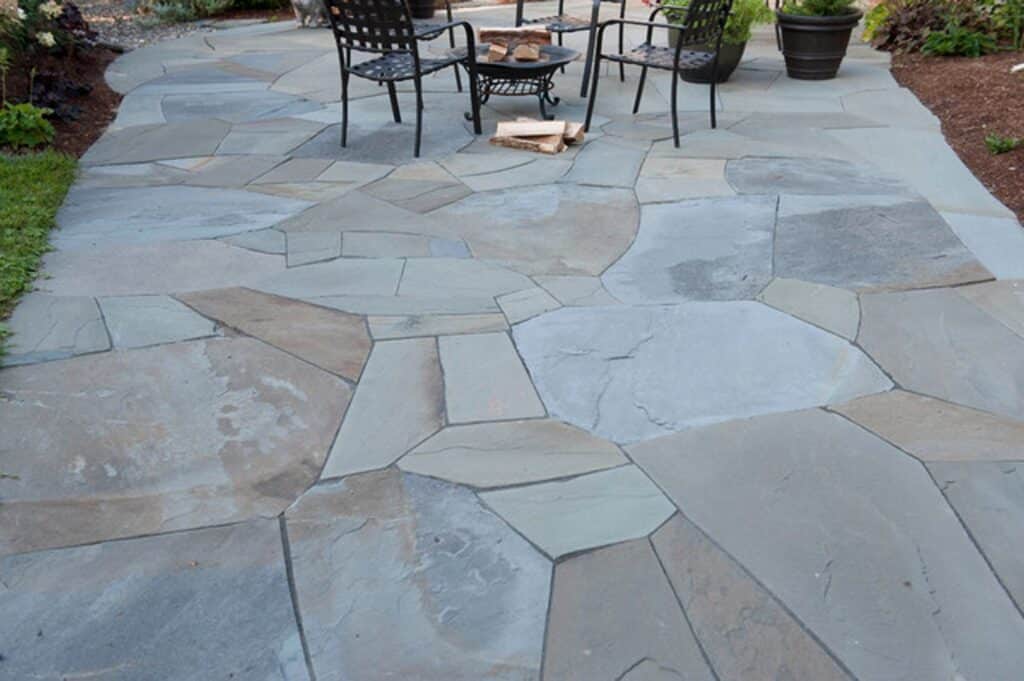
Die beste ding van hierdie natuurlike klip is dat jy dit kan vorm om baie verskillende, unieke patrone te skep! Die enigste beperking is egter jou verbeelding met hierdie materiaal. Om jou visualisering te dekodeer, in werklikheid, al wat jy hoef te doen is om jou landskap saam te bind. Dit maak sin dat as jy 'n moderne, skoon voorkoms wil hê, jy moet sorg dat jy by 'n meer rigiede, herhalende patroon hou. Aan die ander kant kan jy gaan vir onreëlmatige groottes en ewekansige vorms vir 'n rustieke en natuurlike voorkoms.
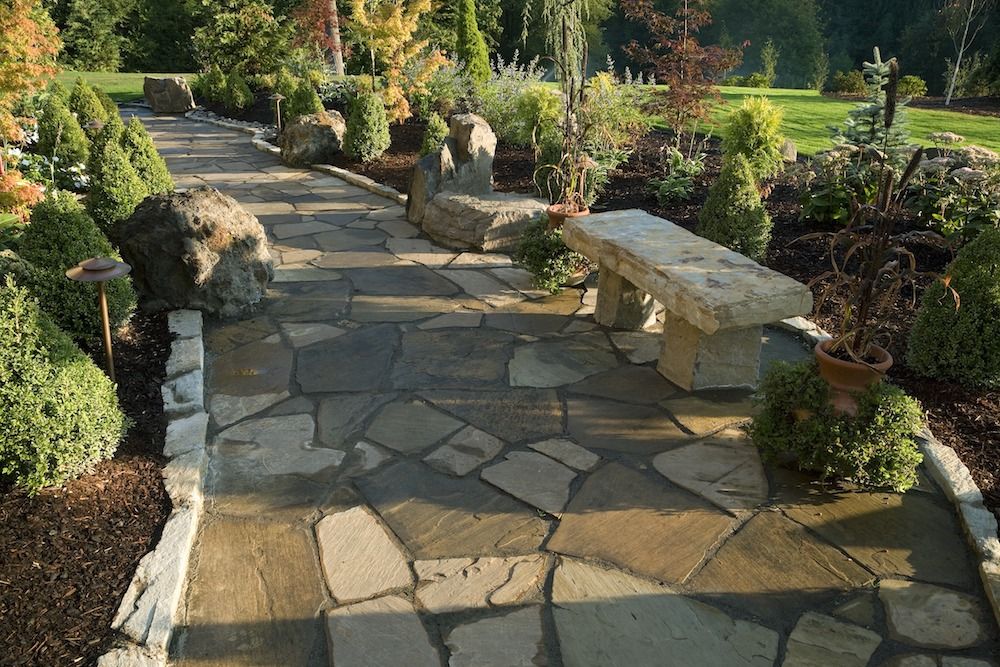
Jy hou dalk van vlagstene om baie redes, insluitend, Vlagstene which are naturally flat, and it’s easy to use in so many different projects.
However, because flagstone is more of a generic term for many sedimentary rocks, it’s easy to misunderstand and underappreciate.
Hier is 'n paar dinge waarvan jy moet weet:
Flagstone’s one of the beneficial advantages is that it’s relatively flat when mined, making it ideal in so many landscaping projects.
Second, it’s naturally non-slip. Whenever you are all set to starting a project where people will need to walk, a non-slip surface is essential for safety. Next, it’s strong and stable. When installed properly, it won’t break or crack.
Oor die algemeen kan jy verskeie spektrum of skakerings van vind Vlagstene en gebruik enige van die skakerings. Alhoewel die meeste grys of bruin skakerings het soos die meeste rock, kan die baie skakerings pienk, groen, blou, goud en selfs amper wit hê.
Dit beteken dat jy altyd 'n vlagsteen kan vind en kies wat dit kan komplementeer of kontrasteer, wat ook al jou doel is, maak nie saak watter kleure reeds rondom jou huis aangebring word nie.
Jy kan veral ’n maklike mengsel van klippe met baie kleure kry en ook ’n unieke patio of looppad skep.
Die installasie-buigsaamheid kan ook as een van sy vele voordele beskou word. Om 'n patio te plaas, sal jy dalk wil oorweeg om dit met mortel tussen die klippe te installeer. Dit sal beslis jou patio 'n heeltemal gelyk en soliede gevoel gee, ideaal vir stoele en tafels.
Suppose you’re planning to construct a walkway across your lawn. You can install large stones directly on your dirt and install mulch or allow the grass to grow around it.
As an alternate, you can also create a walking path with gravel between the stones. It’s also a great option for building stairs. Nevertheless, you would want to use cement to ensure safety and stability.
From our long-entailed informative blog, we hope we have provided you a clear conception of how, no matter what project you’re planning, there are ways to incorporate this beautiful stone.
 Afrikaans
  Albanees
  Amharies
  Arabies
  Armeens
  Azerbeidjans
  Baskies
  Wit-Russies
  Bengaals
  Bosnies
  Bulgaars
  Katalaans
  Cebuano
  Sjina
Sjina  China (Taiwan)
  Korsikaans
  Kroaties
  Tsjeggies
  Deens
Deens  Nederlands
  Engels
  Esperanto
  Estnies
  Fins
Fins  Frans
Frans  Fries
Fries  Galisies
  Georgies
  Duits
Duits  Grieks
  Gujarati
  Haïtiaanse Kreools
  hausa
hausa  hawaiian
  Hebreeus
  Nope
Nope  Miao
Miao  Hongaars
  Yslands
  igbo
igbo  Indonesies
  iers
iers  Italiaans
  Japannese
  Javaans
  Kannada
  kazaks
  Khmer
Khmer  Rwandese
  Koreaans
  Koerdies
  Kirgisies
  TB
TB  Latyn
Latyn  Letties
  Litaus
  Luxemburgs
  Masedonies
  Malgashi
  Maleis
  Malabaars
  Maltees
  Maori
Maori  Marathi
  Mongoolse
  Myanmar
  Nepalees
  Noors
Noors  Noors
Noors  Oksitaans
  Pasjto
  Persies
  Pools
Pools  Portugees
  Punjabi
  Roemeens
  Russies
  Samoaans
  Skotse Gaelies
  Serwies
  Engels
  Shona
Shona  Sindhi
  Sinhala
  Slowaaks
  Sloweens
  Somalies
  Spaans
  Soendanees
  Swahili
  Sweeds
  Tagalog
  Tadjieks
  Tamil
Tamil  Tataars
  Telugu
  Thai
Thai  Turks
Turks  Turkmeens
  Oekraïens
  Oerdoe
  Uighur
  Oezbeeks
  Viëtnamees
  Wallies




