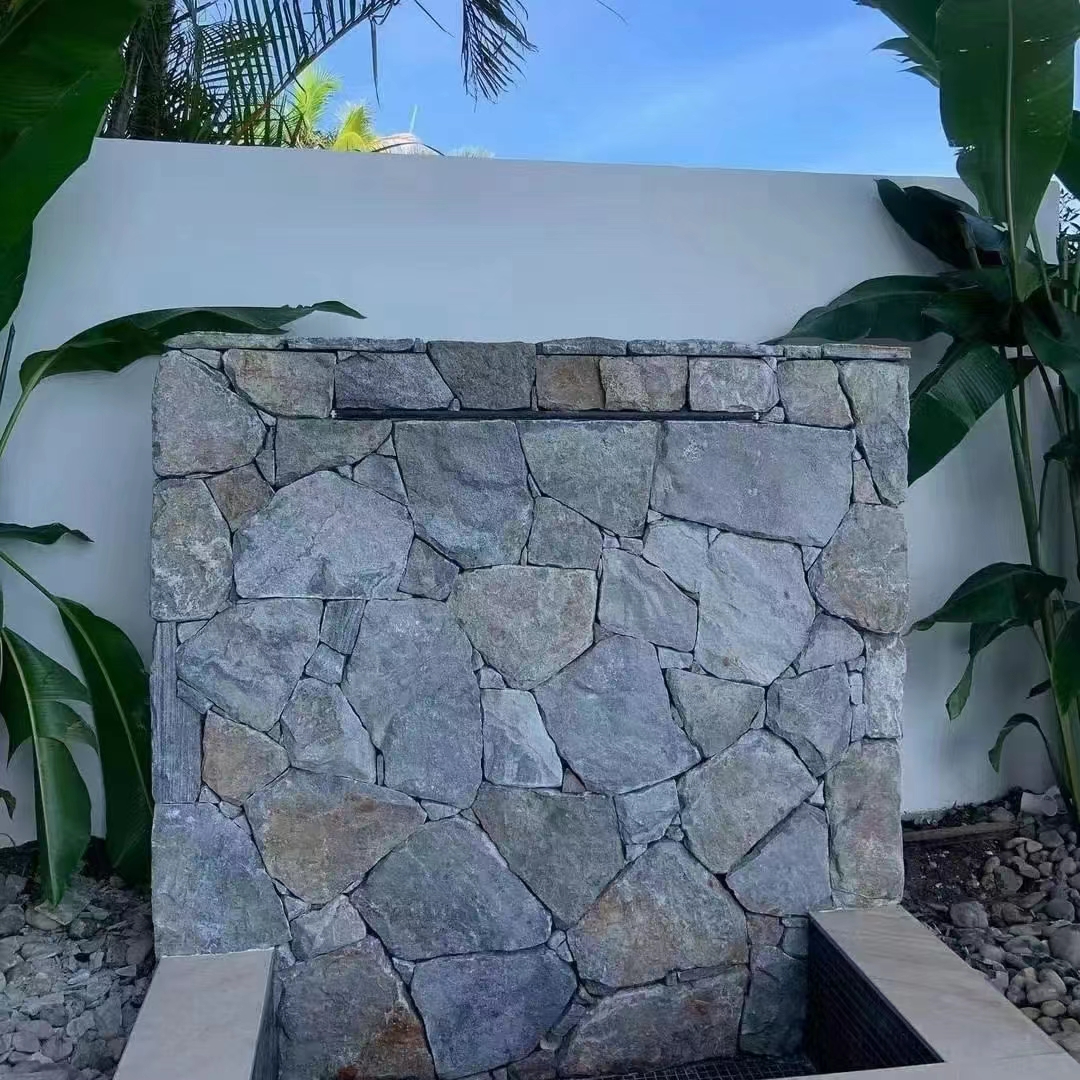
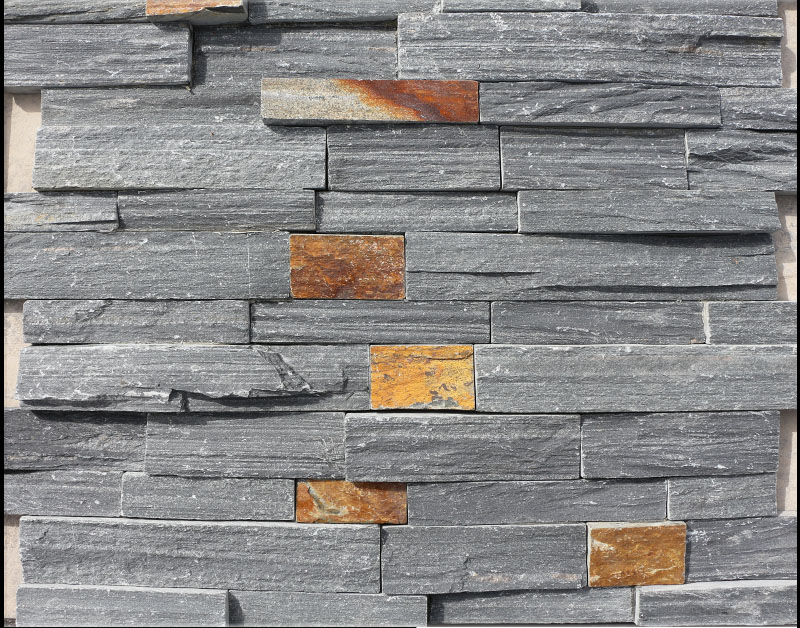
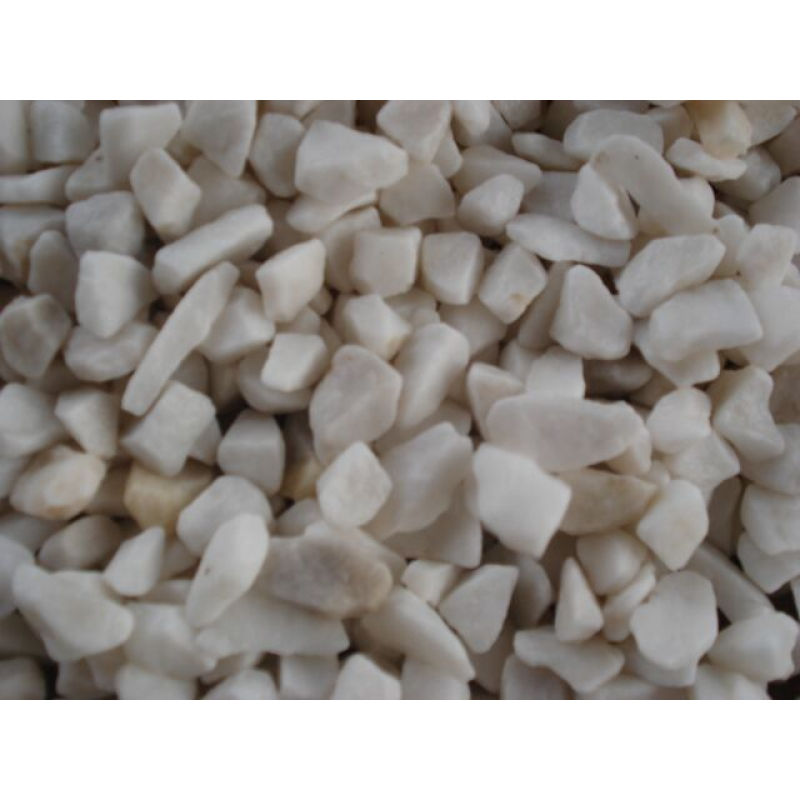
Flagstone ke e 'ngoe ea majoe a sephara a sebelisoang ka ho fetesisa. E nkuoa e le morekisi ea tšoarellang ka ho fetesisa oa 'nete moralong oa hau oa sebopeho.
Lebaka le kholisang ka mor'a sena ke ha u sebelisa lifolete tsena majoe, u tla etsa boikutlo bo entsoeng ka letsoho ho jareteng ea hau eo hape e shebahalang e se na nako. Leha ho na le mefuta e mengata e fapaneng ea li-flagstones tsa sejoale-joale le tsa rustic, o ka hlahisa tatso le setaele sa hau.
In this blog, you will first get to know the origins of this flagstone and learn about its creation. Afterward, you’ll learn about the different types and the best practices for using them. At length, you’ll gain valuable knowledge in the art and science of installing this material.
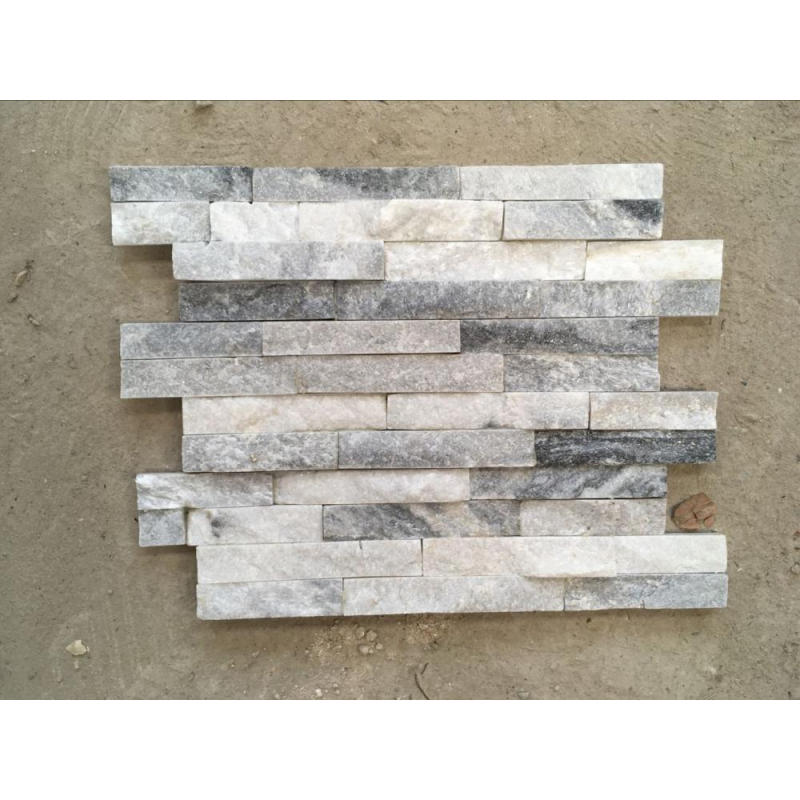
Flagstone is a generic term for many different types of rock. In the beginning, a stonemason chisels or strikes larger stones. And as a result, it breaks up into thick, flat sheets. Next, these thinner sheets are then broken up into flagstone-sized pieces. There are abundant varieties of rock that masons cut and then shape into flagstones.
Qalong, mafika a bonolo ka ho fetisisa le a bonolo ka ho fetisisa ho qhekella hore a be le sebōpeho ke majoe a sedimentary, ho kenyelletsa le mefuta e kang sandstone, shale le limestone.
Taba ea bobeli, mefuta e thata ka ho fetesisa e kenyelletsa majoe a se nang letho joalo ka granite kapa basalt. Qetellong, mefuta e thata ka ho fetisisa ke ea majoe a metamorphic, a kang quartzite le 'mabole.
Ho na le mefuta e 'meli e batloang haholo ea Flagstones: patio and select. Comparatively, Patio pieces type of Flagstone is smaller, ranging from 12” to 18” and thicker. And are most often used for stepping stones, outdoor pathways, or patios. Due to their smaller size, they are typically palletized lying down, preventing breakage during shipment. Contrarily, select flagstone, known as “standup,” comes in large, thin slabs of 18” to 36”. Due to their large size, they are usually palletized vertically. Flagstones generally make the formation of many shapes and sizes, including rectangular and square. Nevertheless, they are also available in more natural, jagged varieties.
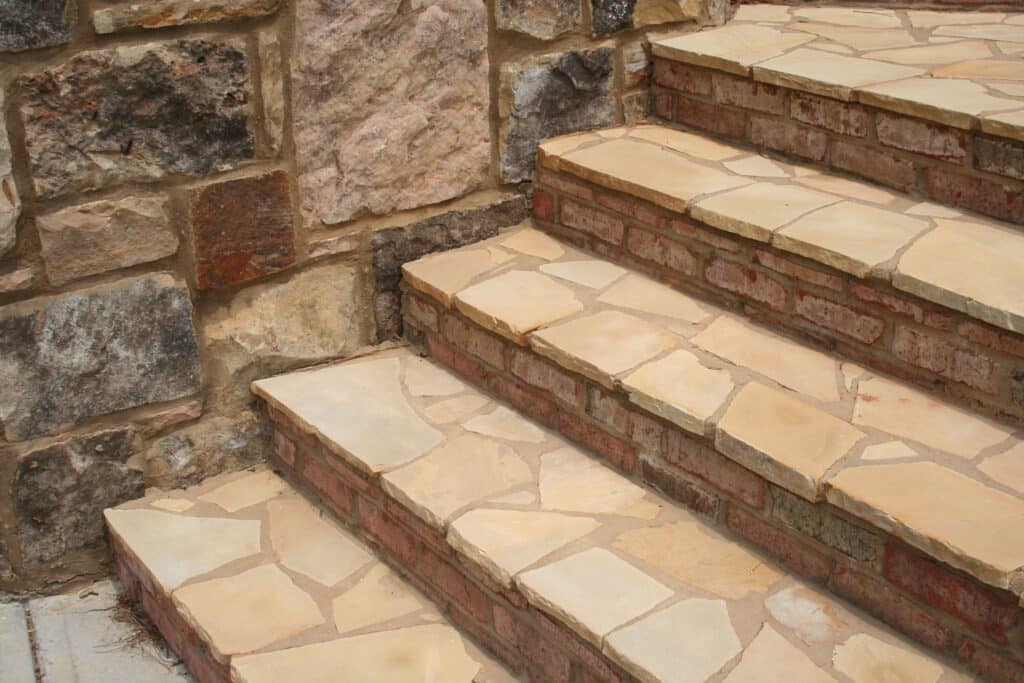
For more than hundreds of thousands of years, Flagstone has been used in various types of formation. Earlier in the 1900s, people saw it as an improvement over cobblestone, and it’s easy to see why. Whereas stonemasons can chisel it at ease by hand into a very flat surface, it is a simple way to create a flat paving surface. Its notable usages as countertop material or even as a paving substrate and as a walkway or roadway. People even use them as roofing and siding. Flagstone patios and Stepping stones are the most common applications of flagstones.
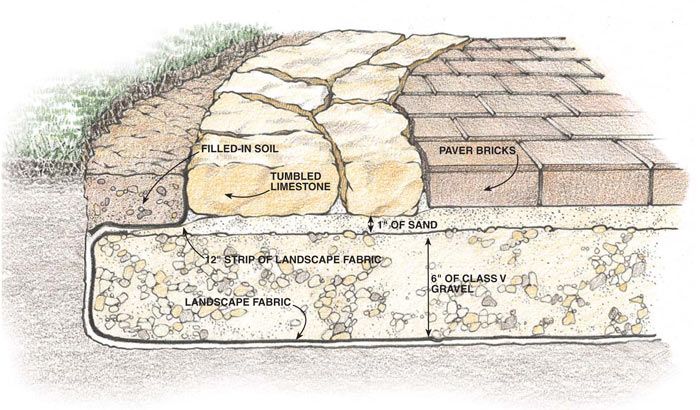
Hangata re sebelisa lehlabathe e le motheo oa li-flagstones. Taba ea pele, Sand e bonolo haholo ho e kenya mme e fana ka monyetla o moholo oa ho ntša metsi. Ntle le moo, li tla thusa ho thibela mofoka le kholo ea limela pakeng tsa majoe a hau ka lebaka leo. Leha ho le joalo, bakeng sa tlhomamiso e tsitsitseng haholoanyane, sebelisa samente. Ka motheo oa lehlabathe, o tla hloka lejoe le teteaneng la folakha. Seretse se boetse se u lumella ho sebelisa majoe a mosesaane ho tloha ha motheo oa samente o thusa ho tiisa bokaholimo.
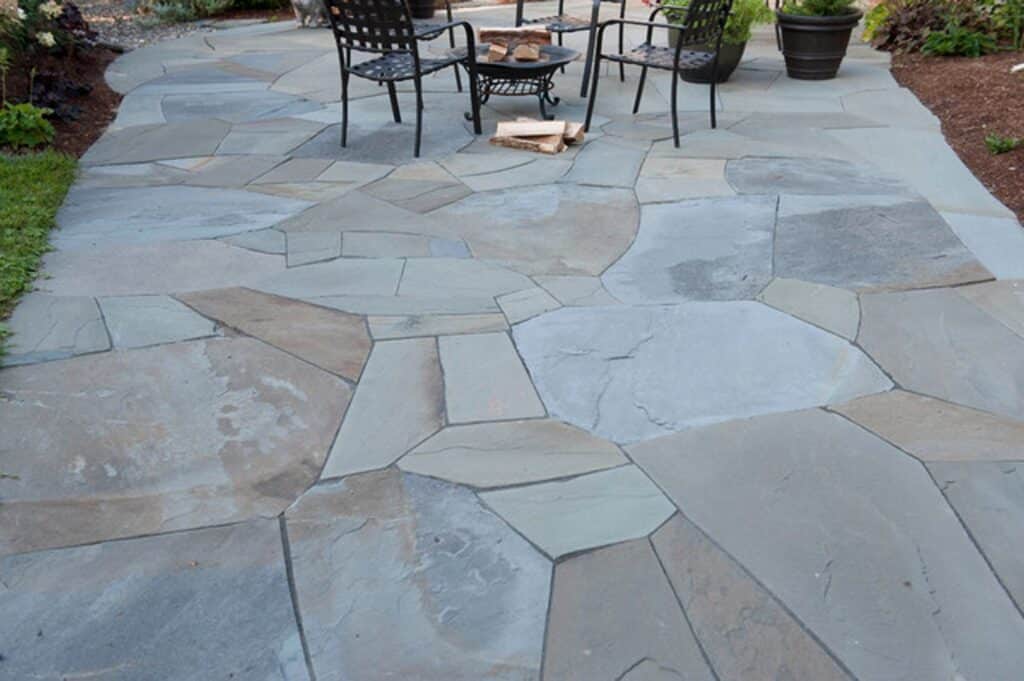
Ntho e molemo ka ho fetisisa ka lejoe lena la tlhaho ke hore u ka le bōpa ho etsa mekhoa e mengata e fapaneng, e ikhethang! Leha ho le joalo, moeli o le mong feela ke monahano oa hau ka thepa ena. Ho khetholla pono ea hau, ha e le hantle, sohle seo u hlokang ho se etsa ke ho kopanya sebaka sa hau sa naha. Sena sea utloahala hore haeba u batla ponahalo ea morao-rao, e hloekileng, u lokela ho etsa bonnete ba hore u khomarela mokhoa o thata haholoanyane, o pheta-phetoang. Ka lehlakoreng le leng, u ka ea bakeng sa boholo bo sa tloaelehang le libopeho tse sa tloaelehang bakeng sa ponahalo ea rustic le ea tlhaho.
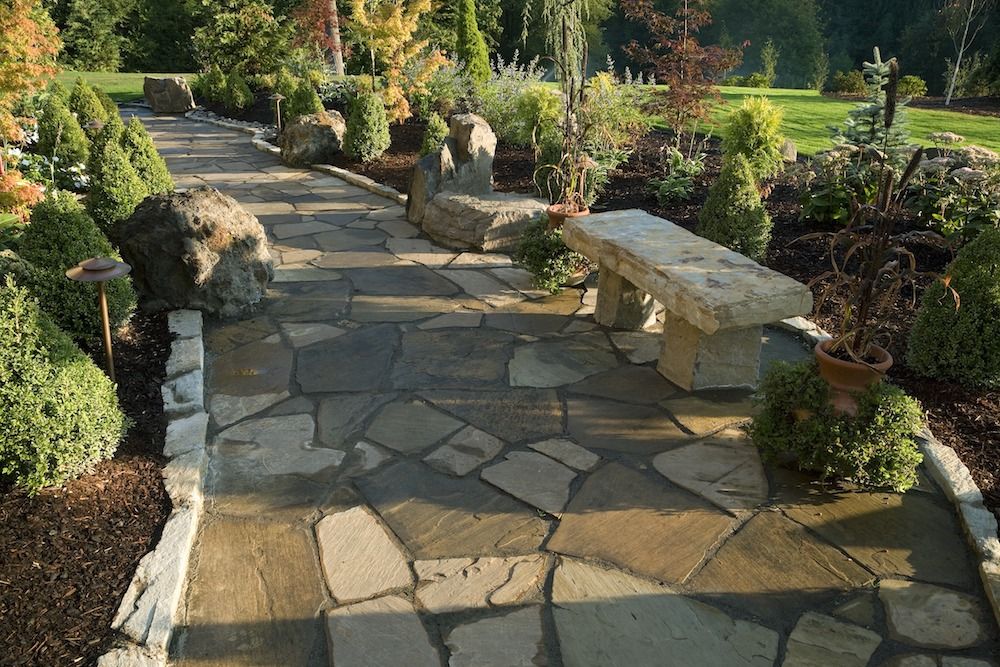
U kanna ua rata li-flagstones ka mabaka a mangata, ho kenyelletsa, Majoe a lifolakha which are naturally flat, and it’s easy to use in so many different projects.
However, because flagstone is more of a generic term for many sedimentary rocks, it’s easy to misunderstand and underappreciate.
Mona ke lintho tse ling tseo u lokelang ho li tseba:
Flagstone’s one of the beneficial advantages is that it’s relatively flat when mined, making it ideal in so many landscaping projects.
Second, it’s naturally non-slip. Whenever you are all set to starting a project where people will need to walk, a non-slip surface is essential for safety. Next, it’s strong and stable. When installed properly, it won’t break or crack.
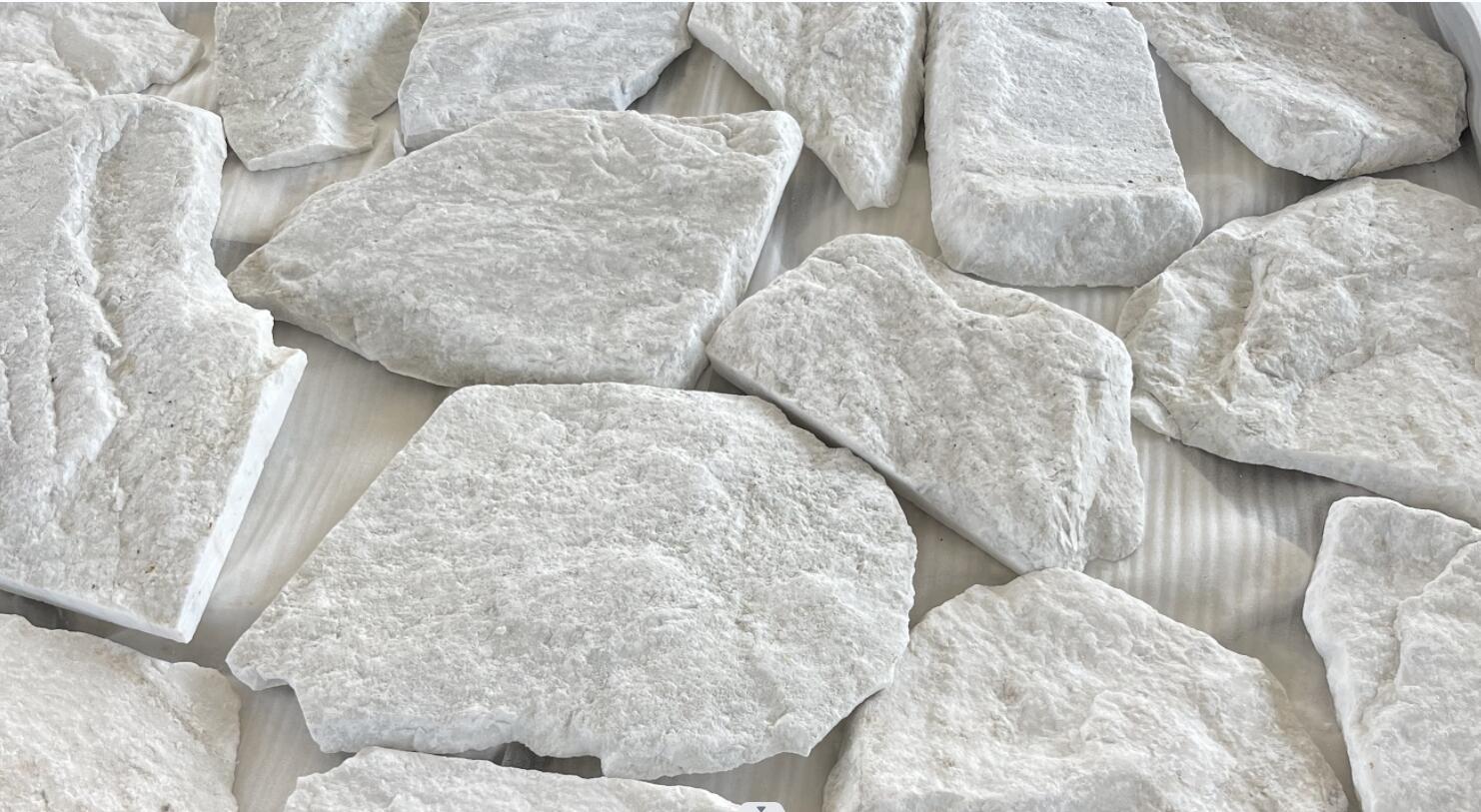
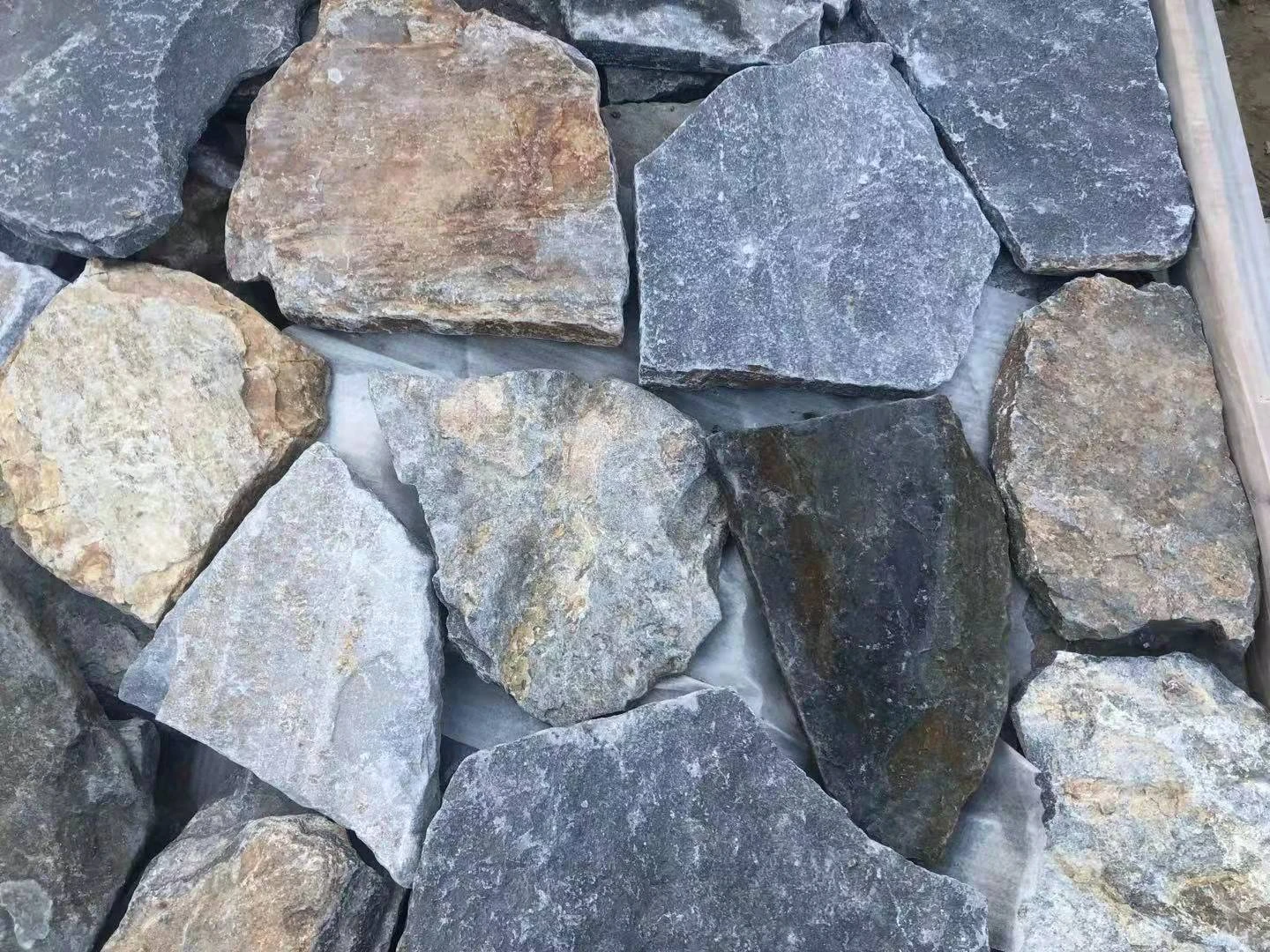
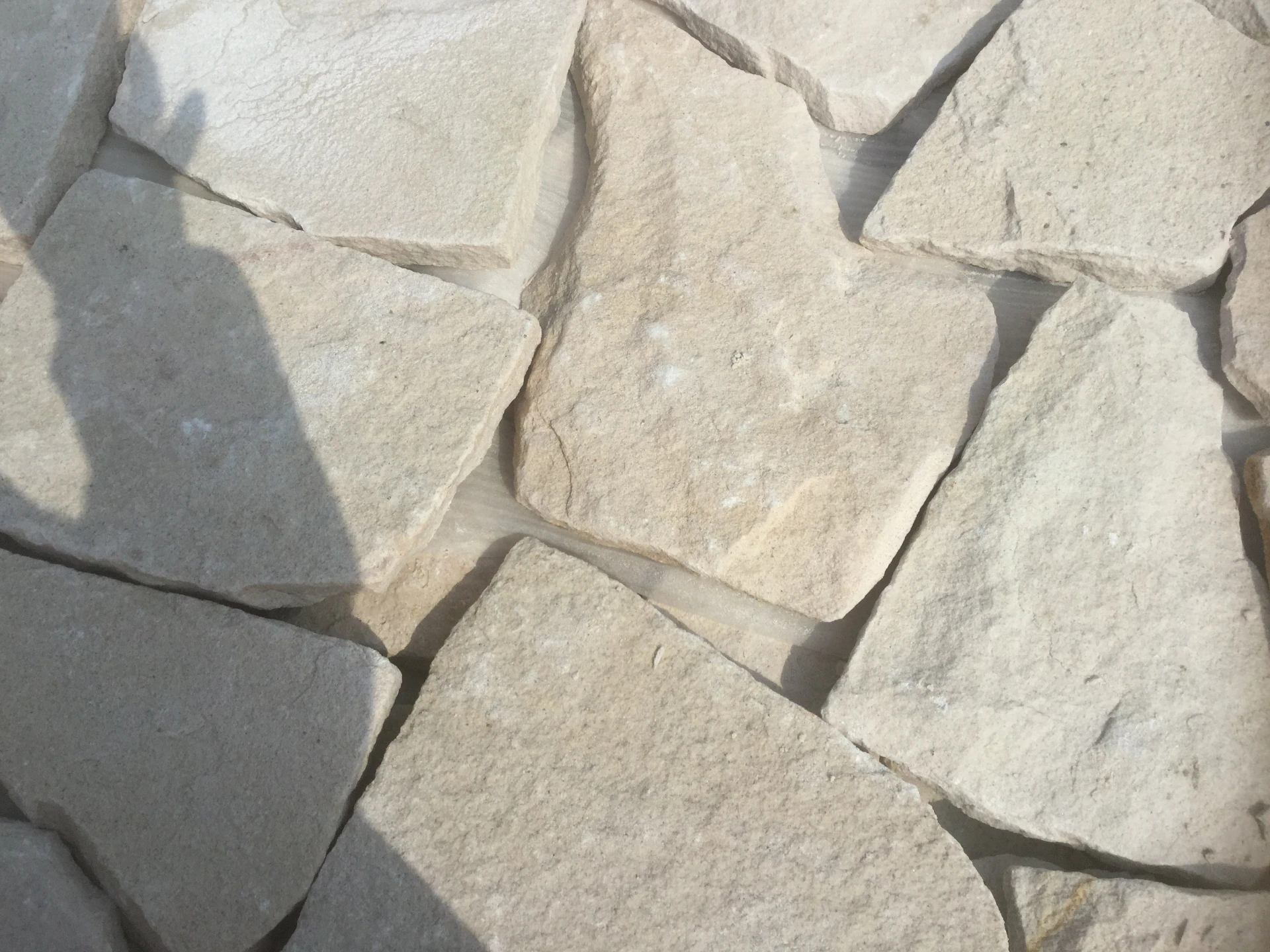
Ka kakaretso, u ka fumana mefuta e fapaneng ea mabala kapa mebala ea Majoe a lifolakha 'me u sebelise moriti ofe kapa ofe. Le hoja boholo ba tsona li e-na le 'mala o moputsoa kapa o mosehla joaloka majoe a mangata, mebala e mengata e ka ba le pinki, e tala, e putsoa, ea khauta, esita le haufi le tšoeu.
Ho bolela hore kamehla u ka fumana le ho khetha lejoe la mokoloko le ka tlatselletsang kapa la le bapisa, ho sa tsotellehe hore na sepheo sa hau ke sefe, ho sa tsotellehe hore na ke mebala efe e seng e ntse e sebelisoa ho pota-pota ntlo ea hau.
Haholo-holo, u ka fumana motsoako o bonolo oa majoe a nang le mebala e mengata 'me u thehe patio ea mofuta o le mong kapa tsela ea ho tsamaea.
Ho feto-fetoha ha maemo ho ka boela ha nkoa e le e 'ngoe ea melemo ea eona e mengata. Ho beha patio, u ka 'na ua batla ho nahana ka ho e kenya ka seretse pakeng tsa majoe. Ka sebele sena se tla fa patio ea hau boemo bo felletseng le maikutlo a tiileng, a loketseng litulo le litafole.
Suppose you’re planning to construct a walkway across your lawn. You can install large stones directly on your dirt and install mulch or allow the grass to grow around it.
As an alternate, you can also create a walking path with gravel between the stones. It’s also a great option for building stairs. Nevertheless, you would want to use cement to ensure safety and stability.
From our long-entailed informative blog, we hope we have provided you a clear conception of how, no matter what project you’re planning, there are ways to incorporate this beautiful stone.
 Moafrika
  Sealbania
  Seamharic
  Searabia
  Searmenia
  Se-Azerbaijani
  Sebasque
  Sebelarusia
  Benghali
  Sebosnia
  Se-Bulgaria
  Secatalan
  Sebuano
  China
China  China (Taiwan)
  Corsican
  Secroatia
  Czech
Czech  Sedanishe
  Se-Dutch
  Senyesemane
  Esperanto
  Seestonia
  Sefinnishe
  Sefora
  Sefrisia
  Segalician
  Segeorgia
  Sejeremane
  Segerike
  Segujarati
  Secreole sa Haiti
  hausa
hausa  siwaiian
  Seheberu
  Che
Che  Miao
Miao  Se-Hungary
  Seiceland
  igbo
igbo  Seindonesia
  irish
irish  Setaliana
  Sejapane
  Se-Javanese
  Kannada
  kazakh
  Khmer
Khmer  Rwanda
  Sekorea
  Sekurdish
  Sekyrgyz
  Lefuba
  Selatine
  Selatvia
  Selithuania
  Se-Luxembourgish
  Semacedonia
  Malgashi
  Semalay
  Semalayalam
  Semalta
  Semaori
  Marathi
  Mongolian
  Myanmar
  tsa Nepali
  Norwegian
  Norwegian
  Occitan
  Sepashto
  Sepersia
  Sepolishe
  Sepotoketsi
  Sepunjabi
  Seromania
  Serussia
  Sesamoa
  Segaeli sa Scotland
  Seserbia
  Senyesemane
  Seshona
  Sindhi
  Sesinhala
  Seslovak
  Seslovenia
  Somalia
  Sepanish
  Sesundanese
  Seswahili
  Seswedishe
  Setagalog
  Se-Tajik
  Setamil
  Setatare
  Setelugu
  Sethai
  Se-Turkey
  Turkmen
  Seukraine
  Seurdu
  Uighur
  Seuzbek
  Sevietnam
  Welsh
Welsh