

Flagstone estas unu el la plej uzataj senmarkaj plataj ŝtonoj. Ĝi estas konsiderata la plej bona daŭrigebla transportilo de aŭtentikeco en via pejzaĝa dezajno.
Konvinka kialo malantaŭ ĉi tio estas kiam vi uzas ĉi tiujn platojn ŝtonoj, vi kreos manfaritan senton al via korto, kiu ankaŭ aspektas sentempa. Kvankam estas multe da vario de modernaj kaj rustikaj tranĉitaj ŝtonoj, vi povas montri vian individuan guston kaj stilon.
In this blog, you will first get to know the origins of this flagstone and learn about its creation. Afterward, you’ll learn about the different types and the best practices for using them. At length, you’ll gain valuable knowledge in the art and science of installing this material.
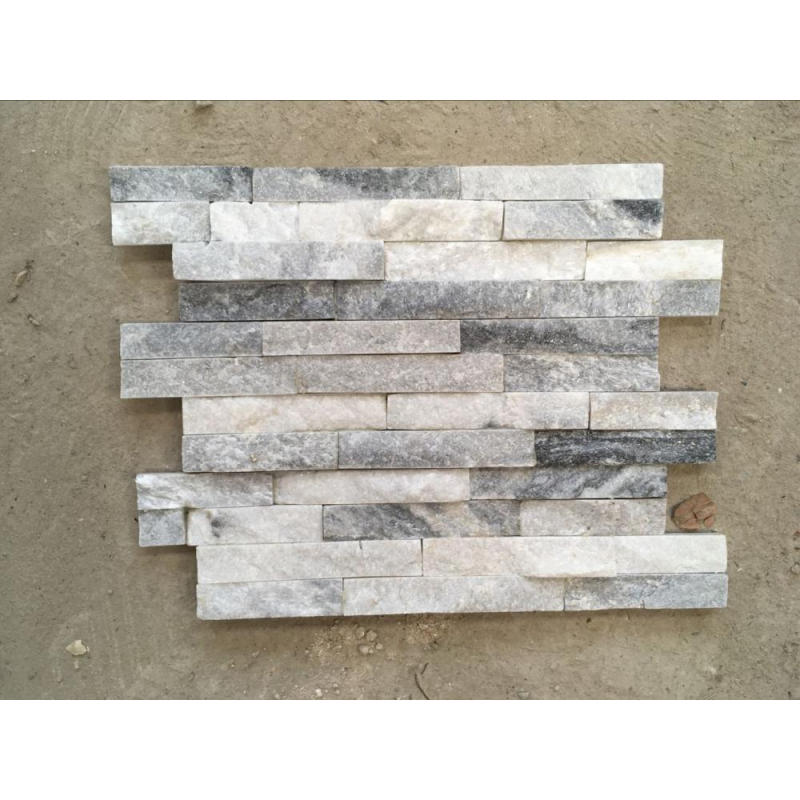
Flagstone is a generic term for many different types of rock. In the beginning, a stonemason chisels or strikes larger stones. And as a result, it breaks up into thick, flat sheets. Next, these thinner sheets are then broken up into flagstone-sized pieces. There are abundant varieties of rock that masons cut and then shape into flagstones.
Komence, la plej molaj kaj plej facilaj ŝtonoj por ĉizi en formon estas sedimentaj rokoj, inkluzive de varioj kiel ekzemple grejso, ardezargilo kaj kalkŝtono.
Sekundare, pli malmolaj specoj inkludas magmaj rokoj kiel ekzemple granito aŭ bazalto. Fine, la plej malmolaj tipoj apartenas al la metamorfaj rokoj, kiel kvarcito kaj ankaŭ marmoro.
Estas du bezonataj ĉefaj specoj de Flagstones: patio and select. Comparatively, Patio pieces type of Flagstone is smaller, ranging from 12” to 18” and thicker. And are most often used for stepping stones, outdoor pathways, or patios. Due to their smaller size, they are typically palletized lying down, preventing breakage during shipment. Contrarily, select flagstone, known as “standup,” comes in large, thin slabs of 18” to 36”. Due to their large size, they are usually palletized vertically. Flagstones generally make the formation of many shapes and sizes, including rectangular and square. Nevertheless, they are also available in more natural, jagged varieties.
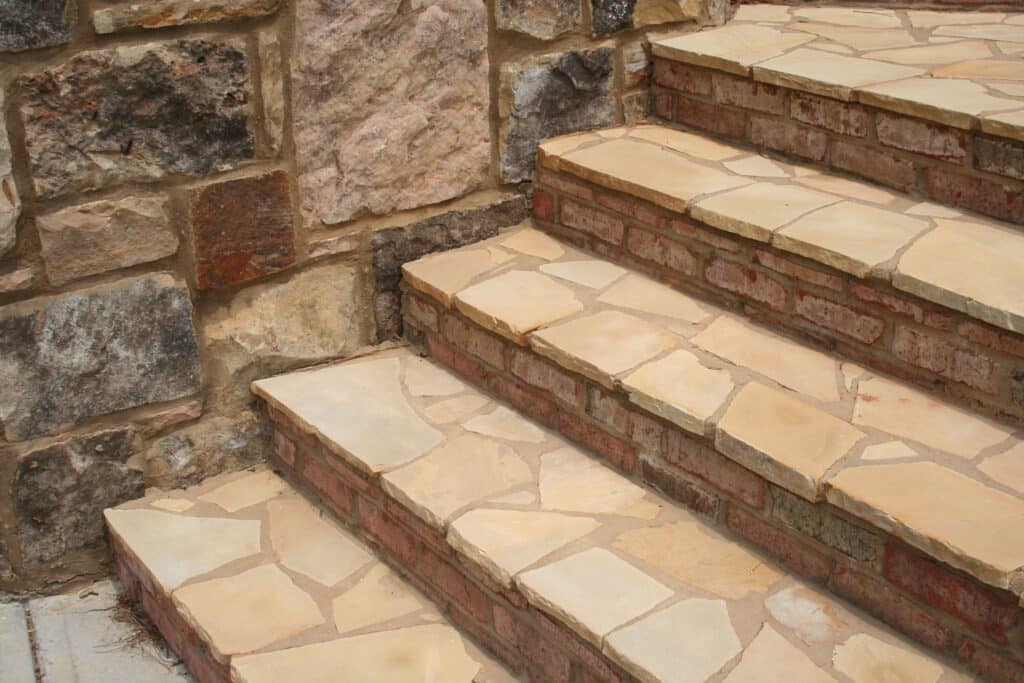
For more than hundreds of thousands of years, Flagstone has been used in various types of formation. Earlier in the 1900s, people saw it as an improvement over cobblestone, and it’s easy to see why. Whereas stonemasons can chisel it at ease by hand into a very flat surface, it is a simple way to create a flat paving surface. Its notable usages as countertop material or even as a paving substrate and as a walkway or roadway. People even use them as roofing and siding. Flagstone patios and Stepping stones are the most common applications of flagstones.
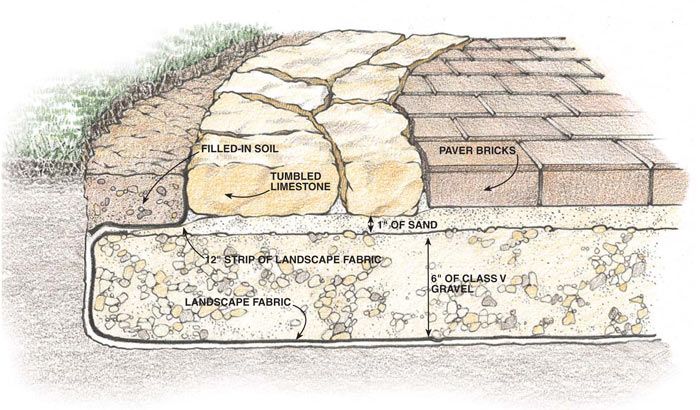
Ni kutime uzas sablon kiel bazmaterialon por lagoj. Unue, Sablo estas sufiĉe facile instalebla kaj ofertas bonegan drenan avantaĝon. Krome, ili ankaŭ helpos malhelpi fiherbojn kaj plantokreskon inter viaj ŝtonoj kiel rezulto. Tamen, por pli konstanta instalado, uzu cementon. Kun sabla bazo, vi bezonos pli dikan ŝtonon. Mortero ankaŭ permesas uzi pli maldikajn ŝtonojn ĉar la cementa bazo helpas plifortigi la surfacon.
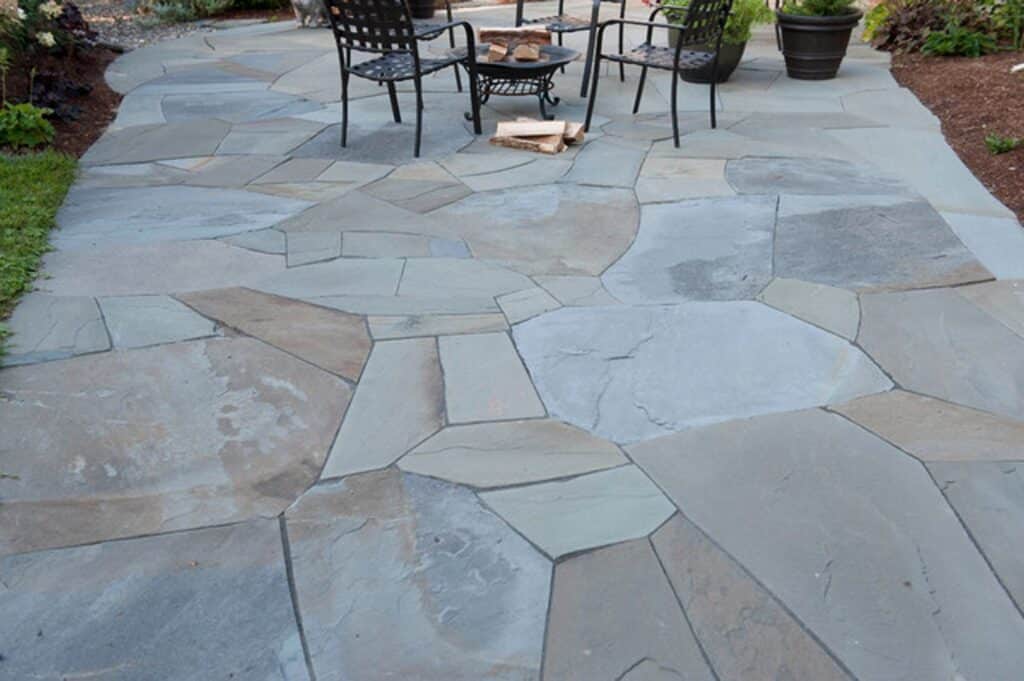
La plej bona afero pri ĉi tiu natura ŝtono estas, ke vi povas formi ĝin por krei multajn malsamajn, unikajn ŝablonojn! Tamen, la sola limo estas via imago kun ĉi tiu materialo. Por malkodi vian bildigon, fakte, ĉio, kion vi bezonas fari, estas kunligi vian pejzaĝon. Ĉi tio havas sencon, ke se vi volas modernan, puran aspekton, vi devas certigi, ke vi restu kun pli rigida kaj ripeta ŝablono. Aliflanke, vi povas iri por neregulaj grandecoj kaj hazardaj formoj por rustika kaj natura aspekto.
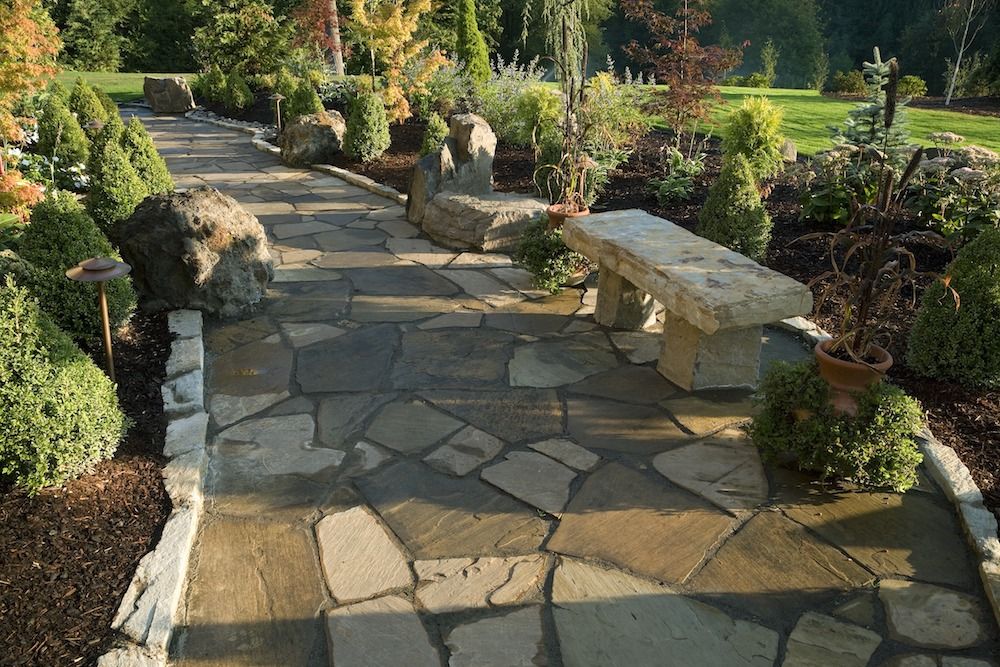
Vi eble amas ŝtonojn pro multaj kialoj, inkluzive de, Ŝtonoj which are naturally flat, and it’s easy to use in so many different projects.
However, because flagstone is more of a generic term for many sedimentary rocks, it’s easy to misunderstand and underappreciate.
Jen kelkaj aferoj, pri kiuj vi devus scii:
Flagstone’s one of the beneficial advantages is that it’s relatively flat when mined, making it ideal in so many landscaping projects.
Second, it’s naturally non-slip. Whenever you are all set to starting a project where people will need to walk, a non-slip surface is essential for safety. Next, it’s strong and stable. When installed properly, it won’t break or crack.
Ĝenerale, vi povas trovi diversajn spektrojn aŭ nuancojn de Ŝtonoj kaj utiligu iun ajn el la ombroj. Kvankam la plej multaj havas grizajn aŭ sunbrunaj nuancoj kiel la plej multaj roko, la multaj nuancoj povas havi rozojn, verdaĵojn, bluojn, orojn, kaj eĉ proksime de blankaj.
Ĝi signifas, ke vi ĉiam povas trovi kaj elekti ŝtonŝtonon, kiu povas kompletigi ĝin aŭ kontrasti ĝin, kio ajn estas via celo, negrave kiaj koloroj jam estas aplikataj ĉirkaŭ via hejmo.
Precipe, vi povas akiri facilan miksaĵon de ŝtonoj kun multaj koloroj kaj ankaŭ krei unikan korton aŭ vojon.
La instala fleksebleco ankaŭ povus esti rigardata kiel unu el ĝiaj multaj avantaĝoj. Por meti korton, vi eble volas konsideri instali ĝin per mortero inter la ŝtonoj. Ĉi tio certe donos al via korto tute ebenan kaj solidan senton, ideala por seĝoj kaj tabloj.
Suppose you’re planning to construct a walkway across your lawn. You can install large stones directly on your dirt and install mulch or allow the grass to grow around it.
As an alternate, you can also create a walking path with gravel between the stones. It’s also a great option for building stairs. Nevertheless, you would want to use cement to ensure safety and stability.
From our long-entailed informative blog, we hope we have provided you a clear conception of how, no matter what project you’re planning, there are ways to incorporate this beautiful stone.
 afrikano
  albana
  Amhara
  la araba
  la armena
  Azerbajĝana
  eŭska
eŭska  Belarusian
  bengala
  bosnia
  bulgaro
  kataluna
  Cebuano
  Ĉinio
Ĉinio  Ĉinio (Tajvano)
  korsika
  kroata
  ĉeĥa
ĉeĥa  dana
dana  nederlanda
  la angla
  Esperanto
  estona
  finna
finna  franca
  frisa
frisa  galego
  kartvela
  germana
  greka
greka  Gujaratio
  Haitian Creole
  hausa
hausa  havajano
  la hebrea
  Ne
Ne  Miao
Miao  hungara
  islanda
  igbo
igbo  indonezia
  irlandano
  itala
itala  Japanoj
  la javano
  Kannada
  kazaĥo
  ĥmeroj
  Ruando
  korea
korea  kurda
kurda  Kirgizoj
  TB
TB  la latina
  latva
latva  litova
  luksemburga
  makedona
  Malgashi
  malaja
  la malajala
  malta
malta  maoria
  Maratio
  mongola
  Mjanmao
  nepala
  norvega
  norvega
  okcitana
  Paŝto
Paŝto  la persa
  pola
pola  portugala
  panĝaba
  rumana
  rusa
rusa  samoano
  Skotgaela
  serba
serba  la angla
  Ŝona
Ŝona  Sinda
Sinda  Sinhala
  la slovaka
  sloveno
  Somalo
  hispana
  Sundanese
  Svahila
  sveda
sveda  la tagaloga
  taĝiko
  la tamila
  tataro
  la telugua
  tajlanda
  Turka
Turka  turkmenoj
  ukraina
  Urdu
Urdu  ujgura
  uzbeko
  vjetnama
  kimra lingvo




