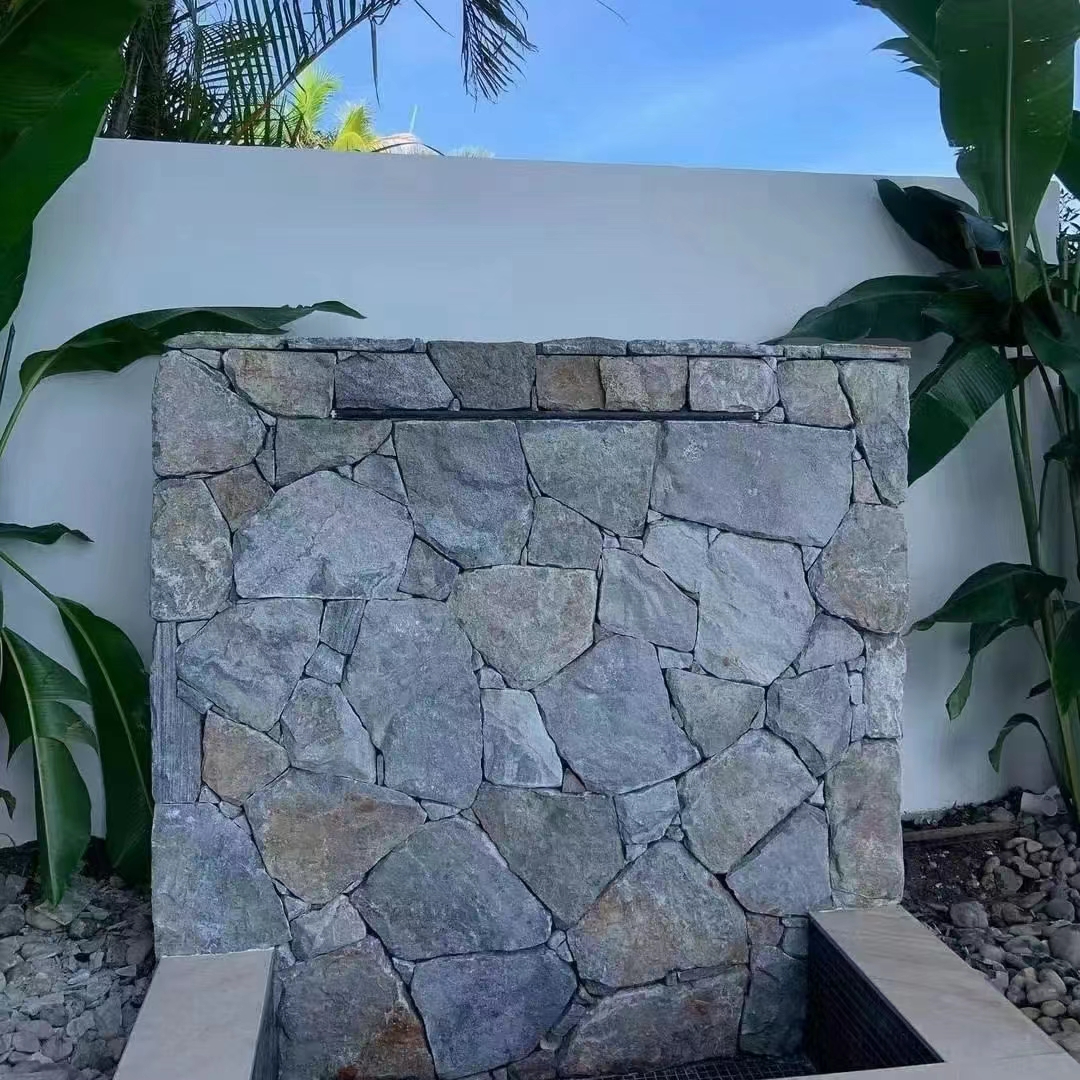
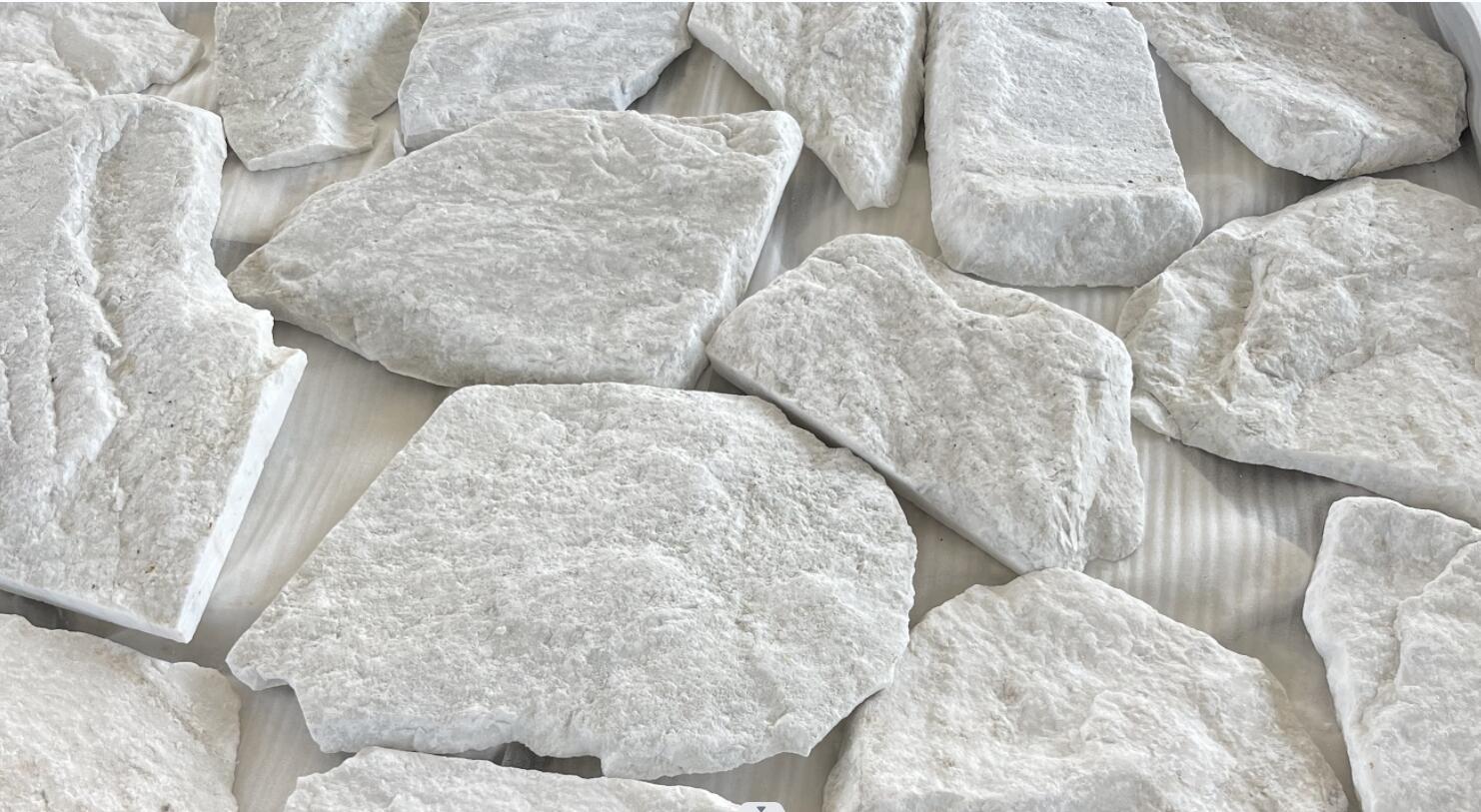
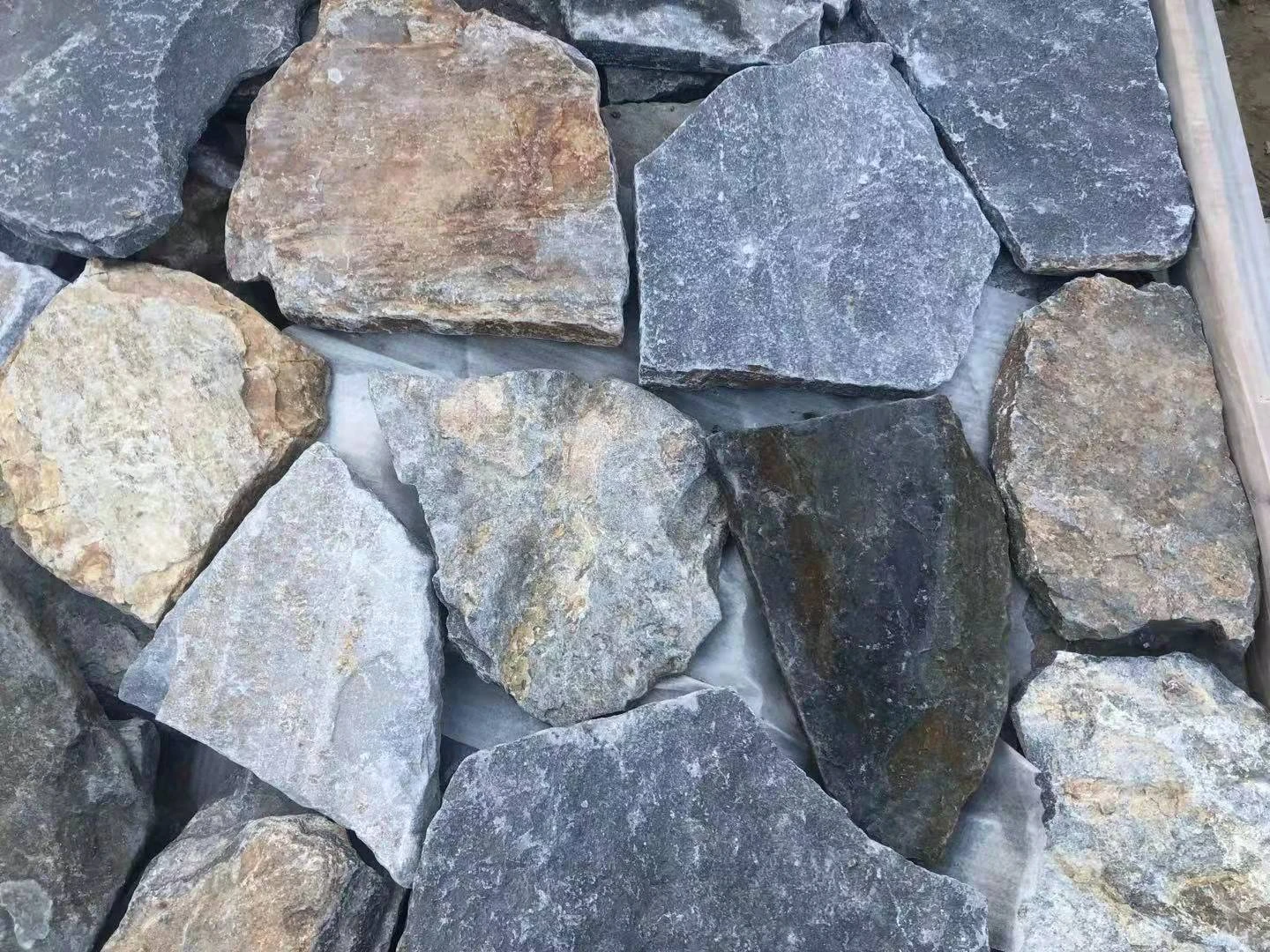
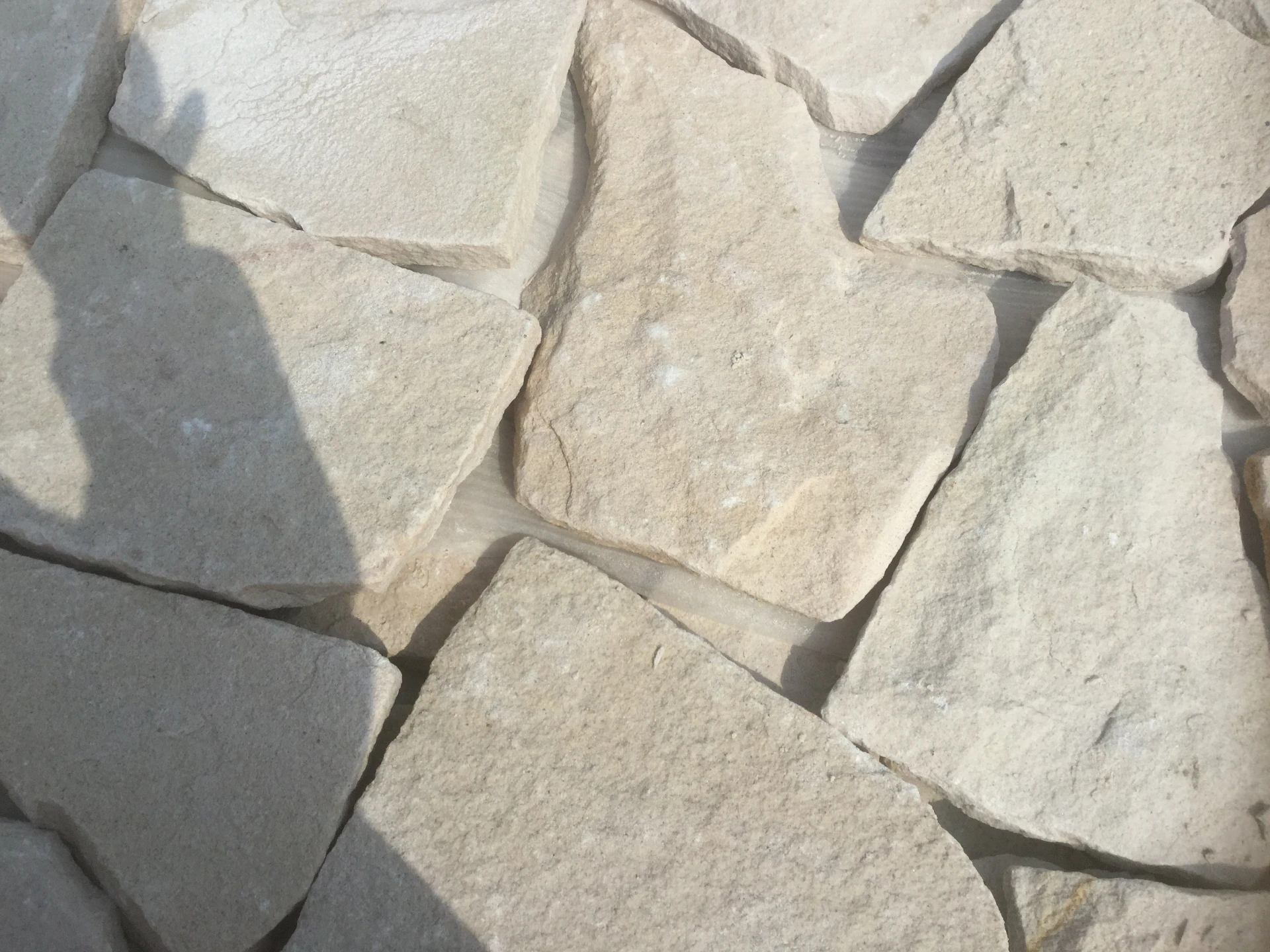
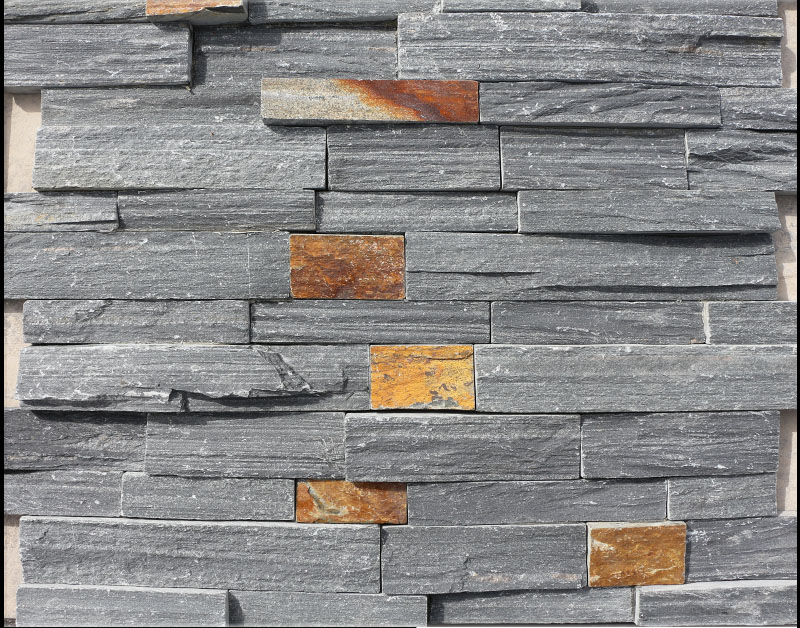
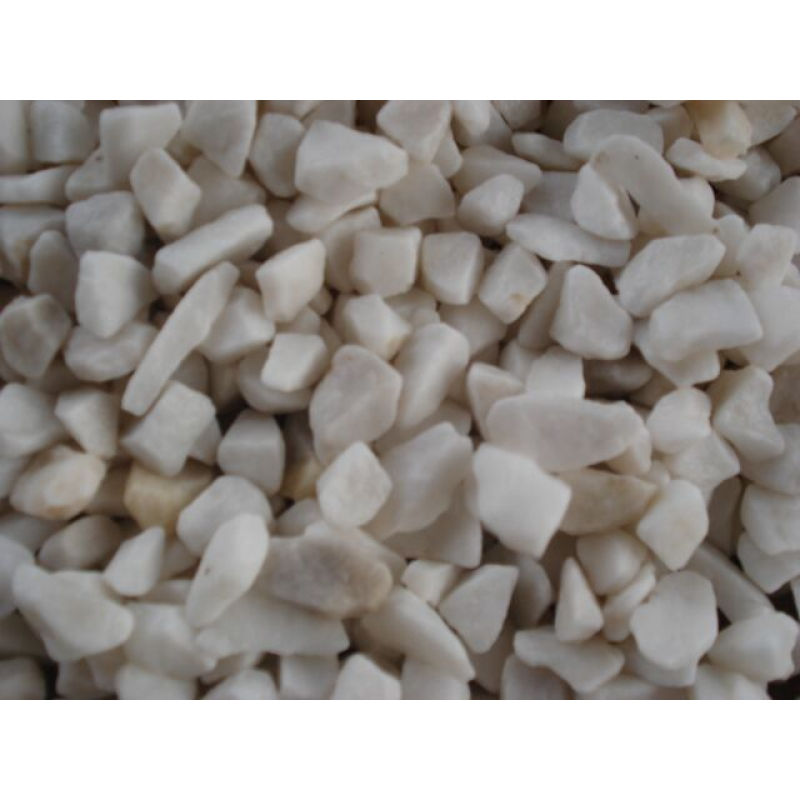
Flagstone una ex usu lapidis plani generis. Optima censetur TRADUCTOR authenticitatis sustinebilis in consilio tuo landscape.
Ratio probabilis post haec est, cum his uteris planis lapides, manus facta sentiendi navale quod etiam spectat salubre efficies. Cum multa varietatis recentiorum et rusticorum lago- norum incisa sit, unumquemque tuum gustum ac stilum proferre potes.
In this blog, you will first get to know the origins of this flagstone and learn about its creation. Afterward, you’ll learn about the different types and the best practices for using them. At length, you’ll gain valuable knowledge in the art and science of installing this material.
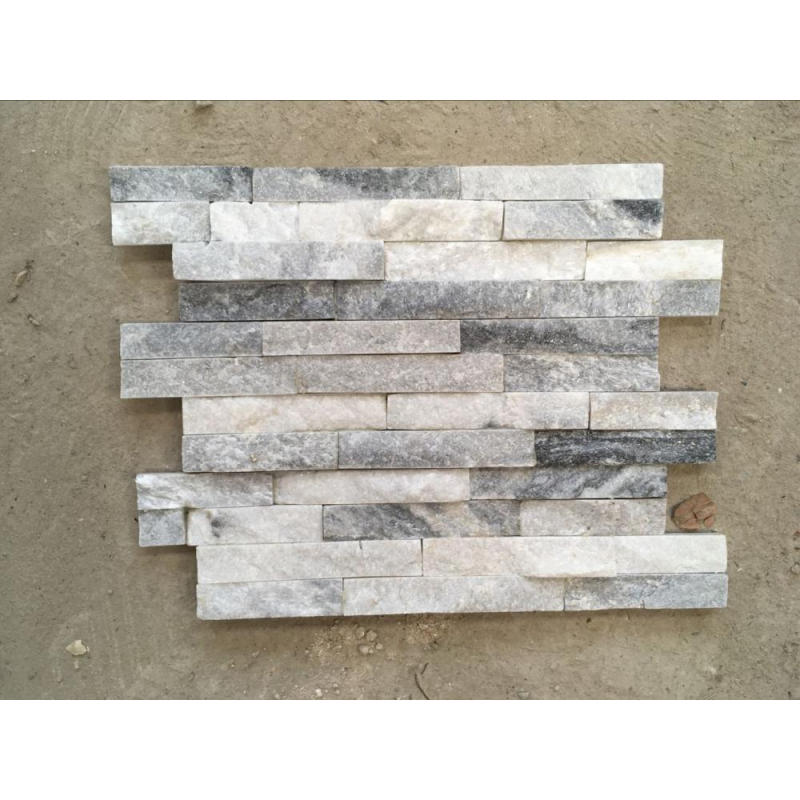
Flagstone is a generic term for many different types of rock. In the beginning, a stonemason chisels or strikes larger stones. And as a result, it breaks up into thick, flat sheets. Next, these thinner sheets are then broken up into flagstone-sized pieces. There are abundant varieties of rock that masons cut and then shape into flagstones.
Initio, saxa mollissima et facillima, quae scalpro in figuram sunt, saxa sedimentaria sunt, inclusa varietates, ut sabuleum, shale, et calcis.
Secundo duriores varietates includunt igneosos saxa, ut silices vel silices. Genera denique durissima ad metamorphicos petras pertinent, sicut quartzites et etiam marmora.
Sunt duo genera in-demanda Flagstones: patio and select. Comparatively, Patio pieces type of Flagstone is smaller, ranging from 12” to 18” and thicker. And are most often used for stepping stones, outdoor pathways, or patios. Due to their smaller size, they are typically palletized lying down, preventing breakage during shipment. Contrarily, select flagstone, known as “standup,” comes in large, thin slabs of 18” to 36”. Due to their large size, they are usually palletized vertically. Flagstones generally make the formation of many shapes and sizes, including rectangular and square. Nevertheless, they are also available in more natural, jagged varieties.
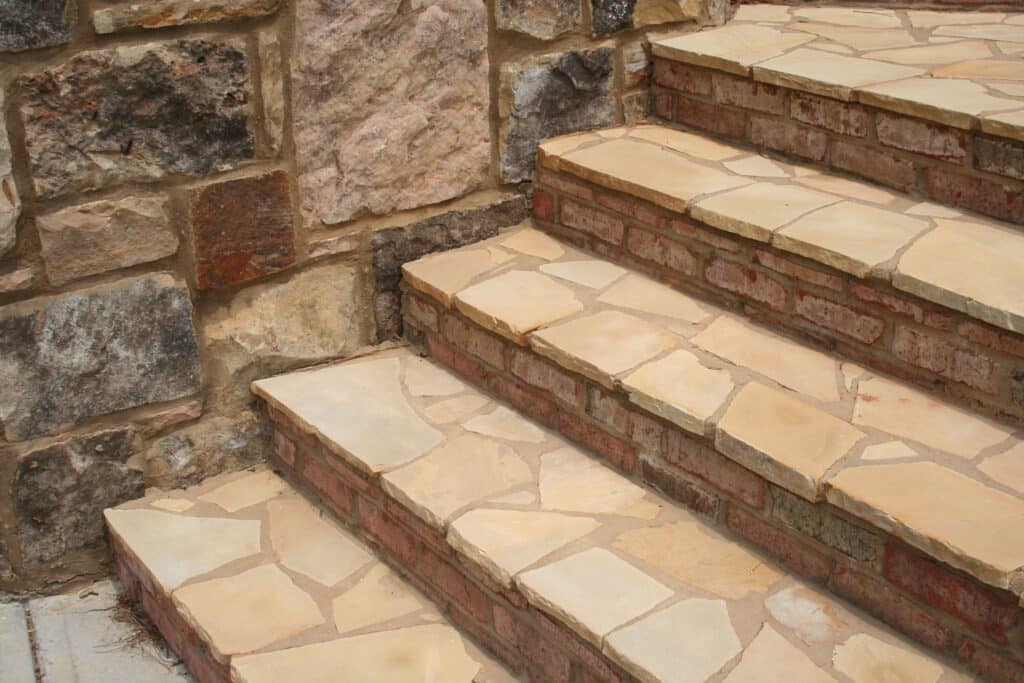
For more than hundreds of thousands of years, Flagstone has been used in various types of formation. Earlier in the 1900s, people saw it as an improvement over cobblestone, and it’s easy to see why. Whereas stonemasons can chisel it at ease by hand into a very flat surface, it is a simple way to create a flat paving surface. Its notable usages as countertop material or even as a paving substrate and as a walkway or roadway. People even use them as roofing and siding. Flagstone patios and Stepping stones are the most common applications of flagstones.
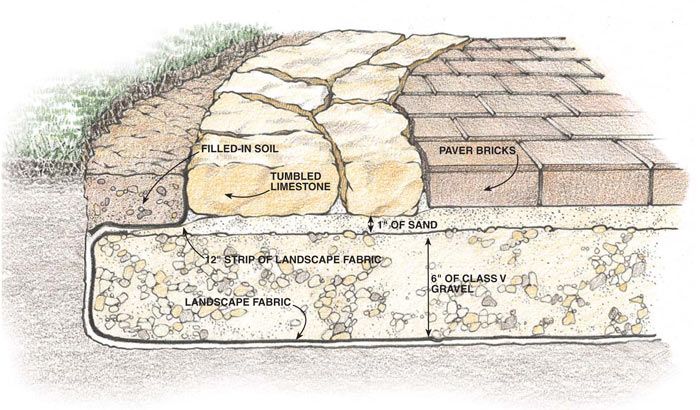
Solet arena uti materia pro turpi fuscis. Primum off, Sand multa facile est ad institutionem et magnum INCILE commodum praebet. Praeterea etiam adiuvabunt ne zizania et inter lapides tuos crescant consequenter. Tamen ad institutionem stabiliorem adhibendam caementa. Basi arena, lapide crassiore indigebis. Mortarium etiam permittit te lapidibus tenuioribus uti, cum caementum basium adiuvat ad superficiem roborandam.
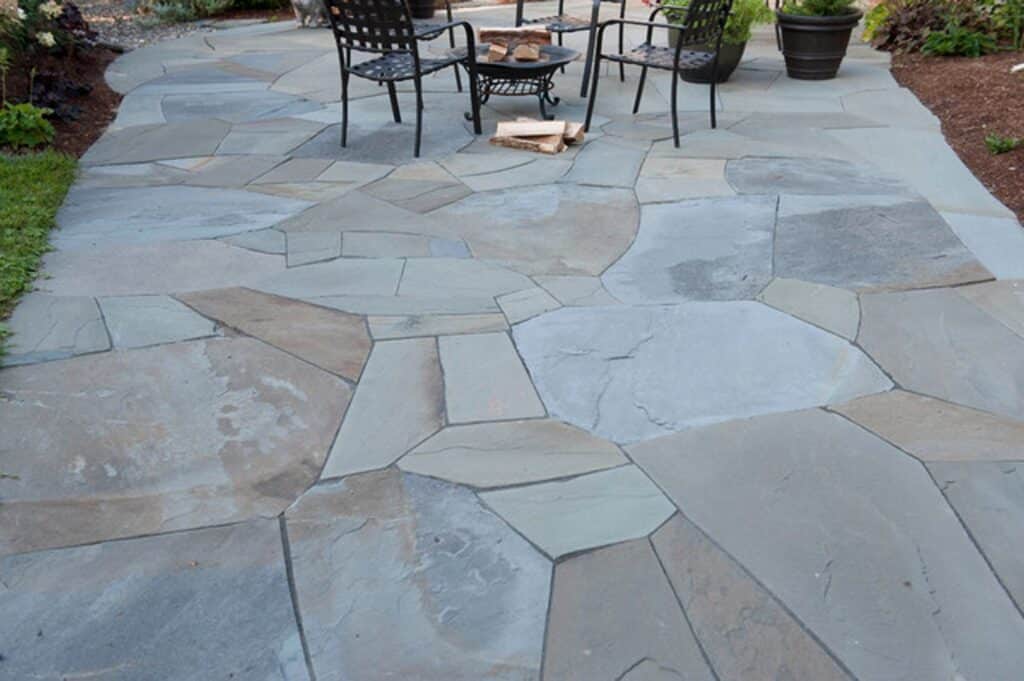
Optimum de hoc lapide naturali est quod formare possis multas varias formas, unica exemplaria! Idem, solus modus est imaginatio cum hac materia. Tuam visualizationem decoquere, re vera, omnia quae debes facere, landscape una ligant tuam. Eo sensu, ut si vis moderna, vultus mundior, efficere debes ut inhaerere magis rigidi, repetendi exemplar. Ex altera parte potes ire pro inaequalis magnitudine et incertis figuris ad aspectum rusticum et naturalem.
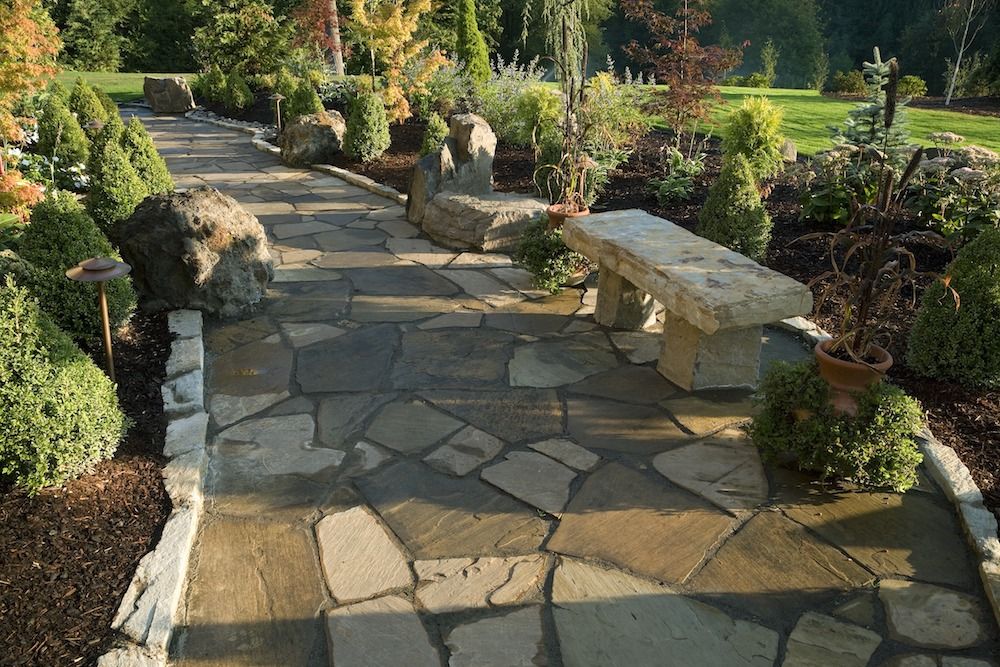
Jactulas multis de causis ames, etiam, Flagstones which are naturally flat, and it’s easy to use in so many different projects.
However, because flagstone is more of a generic term for many sedimentary rocks, it’s easy to misunderstand and underappreciate.
Hic sunt quaedam, quae scire debes;
Flagstone’s one of the beneficial advantages is that it’s relatively flat when mined, making it ideal in so many landscaping projects.
Second, it’s naturally non-slip. Whenever you are all set to starting a project where people will need to walk, a non-slip surface is essential for safety. Next, it’s strong and stable. When installed properly, it won’t break or crack.
Fere varias spectrum vel colores invenire potes Flagstones et ullis prosit ad umbras. Quamvis pleraeque umbrae cinereae vel tan- tae ut plurimum petrae habeant, multae umbrae possunt habere pinks, virides, caeruleas, aureas, ac etiam prope albas.
Significat te semper invenire et colligere lapidem lagenae, qui eam compleat vel opponat, quaecunque finis est, quocumque colores iam circum domum tuam applicantur.
Speciatim, facilem mixturam lapidum cum multis coloribus poteris accipere et unum ex genere patio vel etiam deambulatio.
Institutionis flexibilitas etiam in multis beneficiis haberi potest. Patio collocare, considerare fortasse velis, eam calce inter lapides inaugurari. Hoc certe tibi tribuet aequo ac solido sensui tuo, specimen cathedrum ac mensarum.
Suppose you’re planning to construct a walkway across your lawn. You can install large stones directly on your dirt and install mulch or allow the grass to grow around it.
As an alternate, you can also create a walking path with gravel between the stones. It’s also a great option for building stairs. Nevertheless, you would want to use cement to ensure safety and stability.
From our long-entailed informative blog, we hope we have provided you a clear conception of how, no matter what project you’re planning, there are ways to incorporate this beautiful stone.
 African
  Albanian
  Aethiopica
  Arabice
  Armenian
  Azerbaijani
  Basque
  Belarusian
  Bengalica
  Bosnian
  Bulgarica
  Catalan
  Cebuano
  China
China  China (Taiwan)
  Corsica
  Croatian
  Czech
Czech  Danica
  Batavica
  Anglicus
  Esperanto
  Estonian
  Finnicum
  Gallica
  Frisian
  Gallician
  Georgian
  German
  Graeca
  Gujarati
  Haitian Creole
  hausa
hausa  hawaiian
  hebraice
  non
non  Miao
Miao  Hungarica
  Islandic
  igbo
igbo  Indonesiaca
  hibernica
  Italian
  Iaponica
  Javanese
  Kannada
  kazakh
  Khmer
Khmer  Rwandan
  Coreanica
  Kurdish
  Kyrgyz
  TB
TB  Latinus
  Latvian
  Lithuanian
  Luxemburgish
  macedonicum
  Malgashi
  Malay
Malay  Malayalam
  Melitensis
  Maori
Maori  Marathi
  Mongolica
  Myanmar
  Nepalica
  Norvegica
  Norvegica
  Occitan
  Pashto
  Persae
  Polonica
  Portuguese
  Punjabi
  Romanian
  Russian
  Samoanice
  Scotica Gaelic
  Serbian
  Anglicus
  Shona
Shona  Sindhi
  Sinhala
  Moravica
  Slovenian
  Somali
  hispanice
  Sundanese
  Swahili
  Swedish
  Tagalog
  Tajik
Tajik  Tamil
Tamil  Tatar
Tatar  Telugu
  Thai
Thai  Turcicum
  Turci
Turci  Ucraina
  Urdu
Urdu  Uighur
  Uzbek
Uzbek  Vietnamica
  Cambrica