

Flagstone se youn nan wòch plat jenerik ki pi itilize yo. Li konsidere kòm pi bon CONVEYOR dirab nan otantisite nan konsepsyon jaden flè ou.
Yon rezon konvenk dèyè sa a se lè ou itilize plat sa yo wòch, ou pral kreye yon santiman men-fè nan lakou ou ki sanble tou intemporel. Menm si gen anpil varyasyon nan wòch modèn ak Rustic koupe, ou ka fè soti gou endividyèl ou ak style.
In this blog, you will first get to know the origins of this flagstone and learn about its creation. Afterward, you’ll learn about the different types and the best practices for using them. At length, you’ll gain valuable knowledge in the art and science of installing this material.
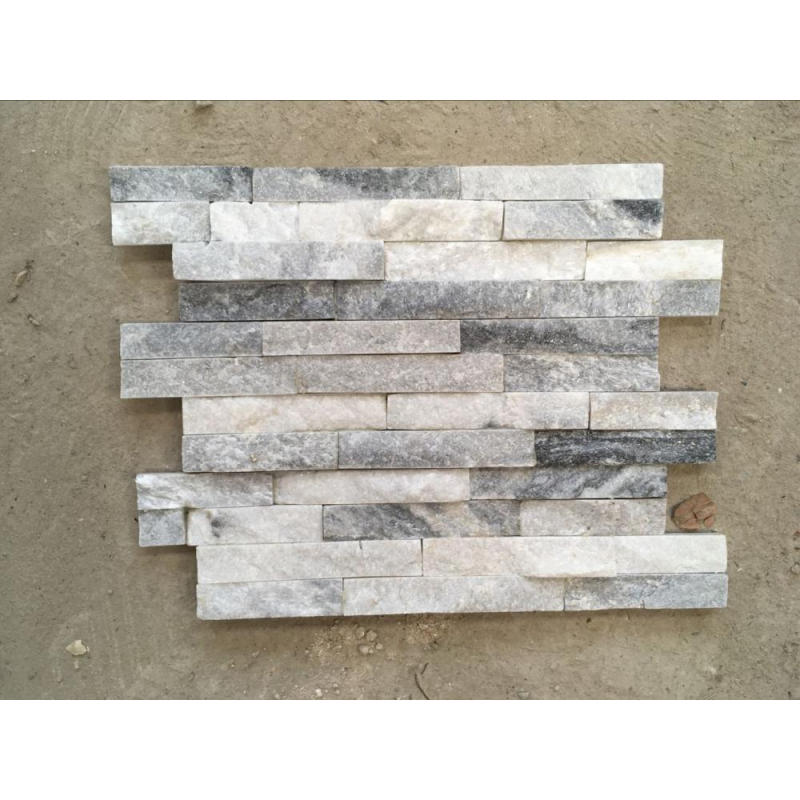
Flagstone is a generic term for many different types of rock. In the beginning, a stonemason chisels or strikes larger stones. And as a result, it breaks up into thick, flat sheets. Next, these thinner sheets are then broken up into flagstone-sized pieces. There are abundant varieties of rock that masons cut and then shape into flagstones.
Okòmansman, wòch ki pi mou ak pi fasil pou tache nan fòm yo se wòch sedimantè, ki gen ladan varyete tankou grè, ajil feyte, ak kalkè.
Dezyèmman, varyete ki pi difisil yo enkli wòch inye tankou granit oswa bazalt. Finalman, kalite ki pi di yo fè pati wòch yo metamòfik, tankou kwatzit ak tou mab.
Gen de nan-demann prensipal kalite Flagstones: patio and select. Comparatively, Patio pieces type of Flagstone is smaller, ranging from 12” to 18” and thicker. And are most often used for stepping stones, outdoor pathways, or patios. Due to their smaller size, they are typically palletized lying down, preventing breakage during shipment. Contrarily, select flagstone, known as “standup,” comes in large, thin slabs of 18” to 36”. Due to their large size, they are usually palletized vertically. Flagstones generally make the formation of many shapes and sizes, including rectangular and square. Nevertheless, they are also available in more natural, jagged varieties.
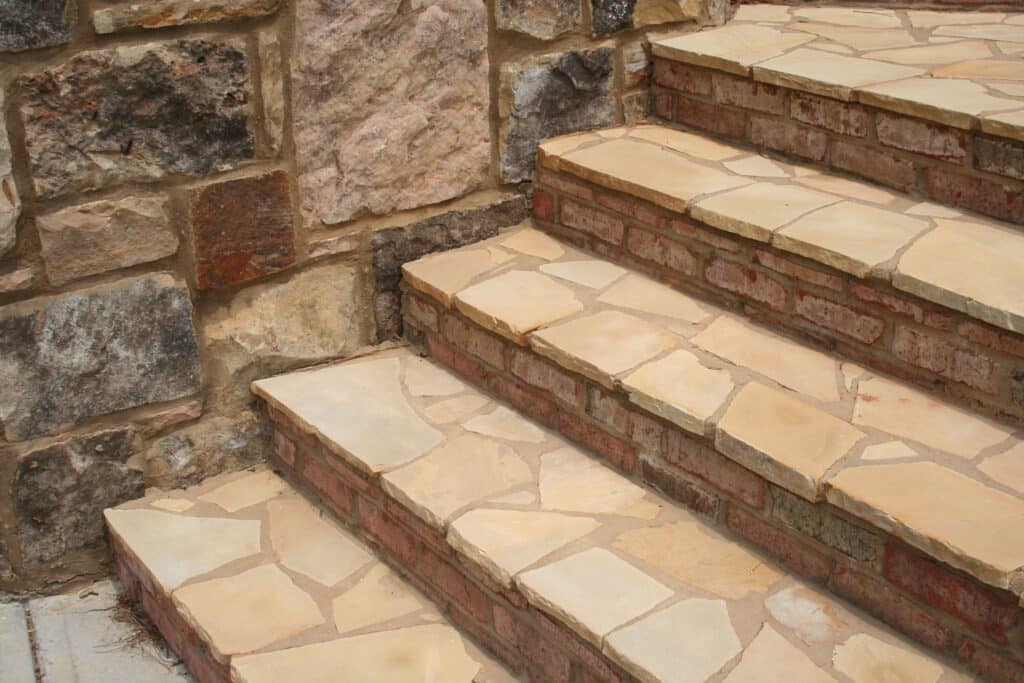
For more than hundreds of thousands of years, Flagstone has been used in various types of formation. Earlier in the 1900s, people saw it as an improvement over cobblestone, and it’s easy to see why. Whereas stonemasons can chisel it at ease by hand into a very flat surface, it is a simple way to create a flat paving surface. Its notable usages as countertop material or even as a paving substrate and as a walkway or roadway. People even use them as roofing and siding. Flagstone patios and Stepping stones are the most common applications of flagstones.
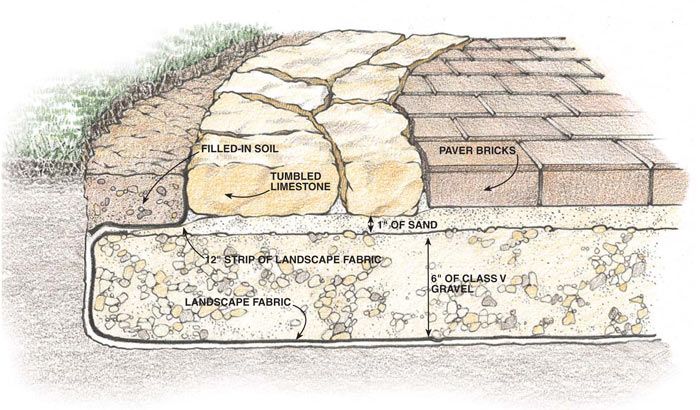
Anjeneral nou itilize sab kòm yon materyèl de baz pou wòch. Premyèman, Sand se trè fasil enstale epi li ofri yon gwo avantaj drenaj. Anplis de sa, yo menm tou yo pral ede anpeche move zèb ak kwasans plant ant wòch ou kòm yon rezilta. Sepandan, pou yon enstalasyon pi pèmanan, sèvi ak siman. Avèk yon baz sab, w ap bezwen pi epè flagstone. Mòtye tou pèmèt ou sèvi ak pi mens wòch depi baz la siman ede ranfòse sifas la.
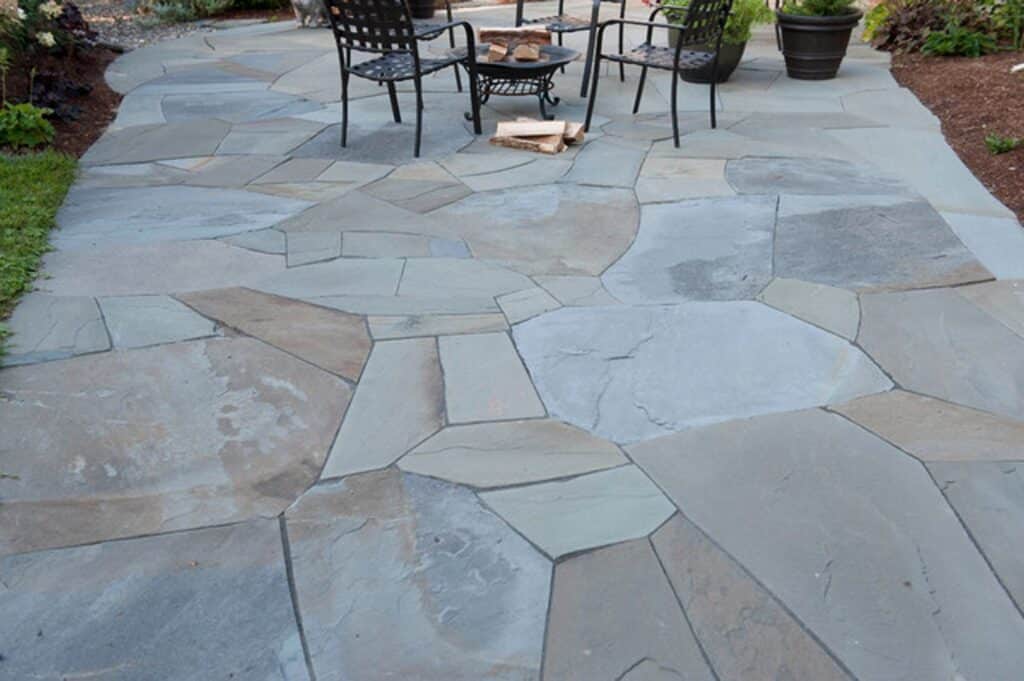
Bagay ki pi bon sou wòch natirèl sa a se ke ou ka fòme li yo kreye anpil diferan, modèl inik! Menm jan an tou, limit la sèlman se imajinasyon ou ak materyèl sa a. Pou dekode vizyalizasyon ou, an reyalite, tout sa ou bezwen fè se mare jaden flè ou ansanm. Sa fè sans ke si ou vle yon gade modèn, pwòp, ou bezwen asire w ke ou bwa ak yon modèl ki pi rijid, repete. Nan lòt bò a, ou ka ale pou gwosè iregilye ak fòm o aza pou yon gade Rustic ak natirèl.
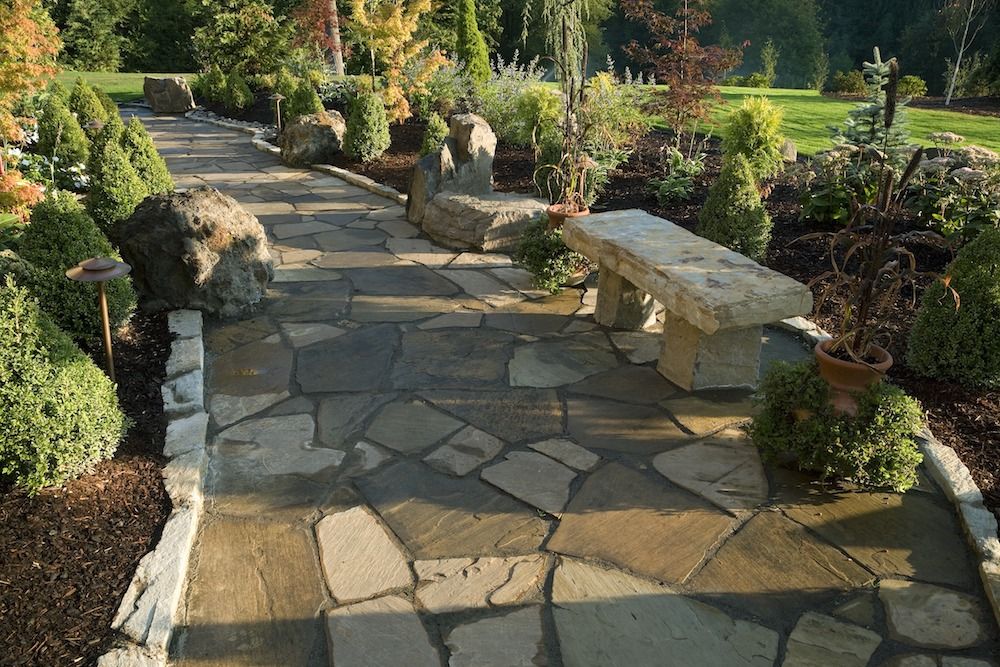
Ou ka renmen wòch pou plizyè rezon, tankou, Flagstones which are naturally flat, and it’s easy to use in so many different projects.
However, because flagstone is more of a generic term for many sedimentary rocks, it’s easy to misunderstand and underappreciate.
Men kèk bagay ou ta dwe konnen sou:
Flagstone’s one of the beneficial advantages is that it’s relatively flat when mined, making it ideal in so many landscaping projects.
Second, it’s naturally non-slip. Whenever you are all set to starting a project where people will need to walk, a non-slip surface is essential for safety. Next, it’s strong and stable. When installed properly, it won’t break or crack.
Anjeneral, ou ka jwenn divès kalite spectre oswa koulè Flagstones epi pwofite nenpòt nan lonbraj yo. Malgre ke pi fò gen tout koulè gri oswa tan tankou pifò wòch, tout koulè yo anpil ka gen woz, vèt, blues, lò, e menm tou pre blan.
Sa vle di ke ou ka toujou jwenn ak chwazi yon flagstone ki ka konplete li oswa kontras li, kèlkeswa sa ki objektif ou, kèlkeswa koulè yo te deja aplike nan kay ou a.
An patikilye, ou ka jwenn yon melanj fasil nan wòch ak anpil koulè epi kreye yon patyo yon sèl-a-yon-kalite oswa pasaj tou.
Fleksibilite enstalasyon an ta ka konsidere tou kòm youn nan anpil avantaj li yo. Pou mete yon patyo, ou ta ka vle konsidere enstale li ak mòtye ant wòch yo. Sa a pral sètènman bay patyo ou yon santiman konplètman nivo ak solid, ideyal pou chèz ak tab.
Suppose you’re planning to construct a walkway across your lawn. You can install large stones directly on your dirt and install mulch or allow the grass to grow around it.
As an alternate, you can also create a walking path with gravel between the stones. It’s also a great option for building stairs. Nevertheless, you would want to use cement to ensure safety and stability.
From our long-entailed informative blog, we hope we have provided you a clear conception of how, no matter what project you’re planning, there are ways to incorporate this beautiful stone.
 Afriken
  Albanè
  Amarik
  Arab
Arab  Amenyen
  Azerbaydjan
  Basque
  Belarisyen
  Bengali
  Bosnyen
  Bulgarian
  Catalan
  Cebuano
  Lachin
  Lachin (Taiwan)
  Kors
Kors  Kwoasyen
  Czech
Czech  Danwa
Danwa  Olandè
  angle
angle  Esperanto
  Estonyen
  Finnish
  franse
  Frisyen
  Galisyen
  Jòjyen
  Alman
Alman  grèk
grèk  Gujarati
  Kreyòl ayisyen
  hausa
hausa  Hawaiian
  ebre
ebre  Non
Non  Miao
Miao  Ongwa
Ongwa  Icelandic
  igbo
igbo  Endonezyen
  Ilandè
  Italyen
  Japonè
  Javanèz
  Kannada
  kazak
kazak  Khmer
Khmer  Rwandan
  Koreyen
  Kurdish
  Kyrgyz
  TB
TB  Latin
Latin  Latvian
  Lityanyen
  Luxembourgish
  Masedwan
  Malgashi
  Malay
Malay  Malayalam
  Maltese
  Maori
Maori  Marathi
  Mongolyen
  Myanma
  Nepali
  Nòvejyen
  Nòvejyen
  Occitan
  Pashto
  Pèsik
Pèsik  Polonè
  Pòtigè
  Punjabi
  Woumen
  Ris
Ris  Samoan
  Scottish Gaelic
  Sèb
Sèb  angle
angle  Shona
Shona  Sindhi
  Sinhala
  Slovak
  Sloveni
  Somalyen
  Panyòl
  Sundanese
  Swahili
  Swedish
  Tagalog
  Tajik
Tajik  Tamil
Tamil  Tatar
Tatar  Telugu
  Thai
Thai  Tik
Tik  Tirkmen
  Ukrainian
  Oudou
Oudou  Ouygur
  Ouzbek
  Vyetnamyen
  Welsh
Welsh 




