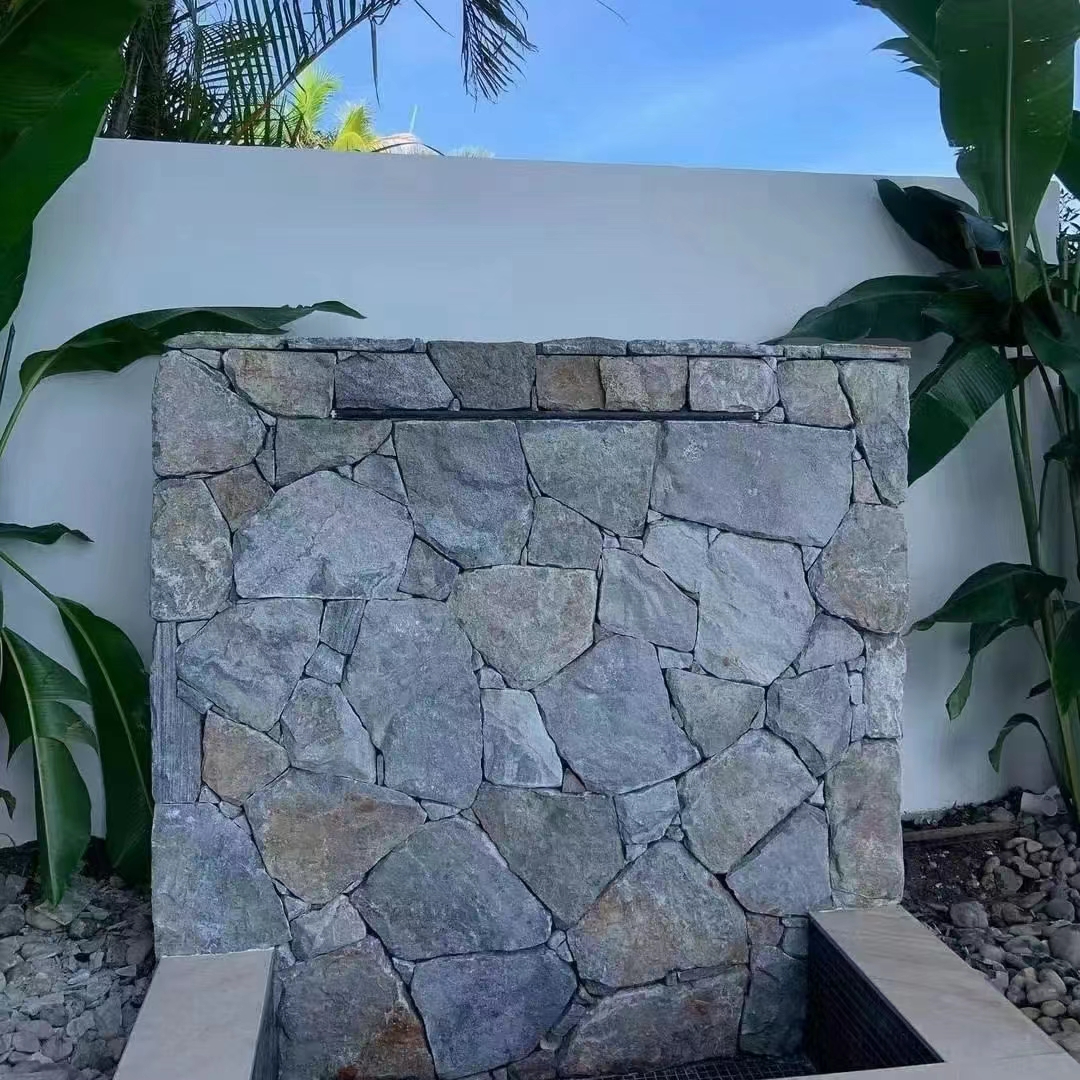
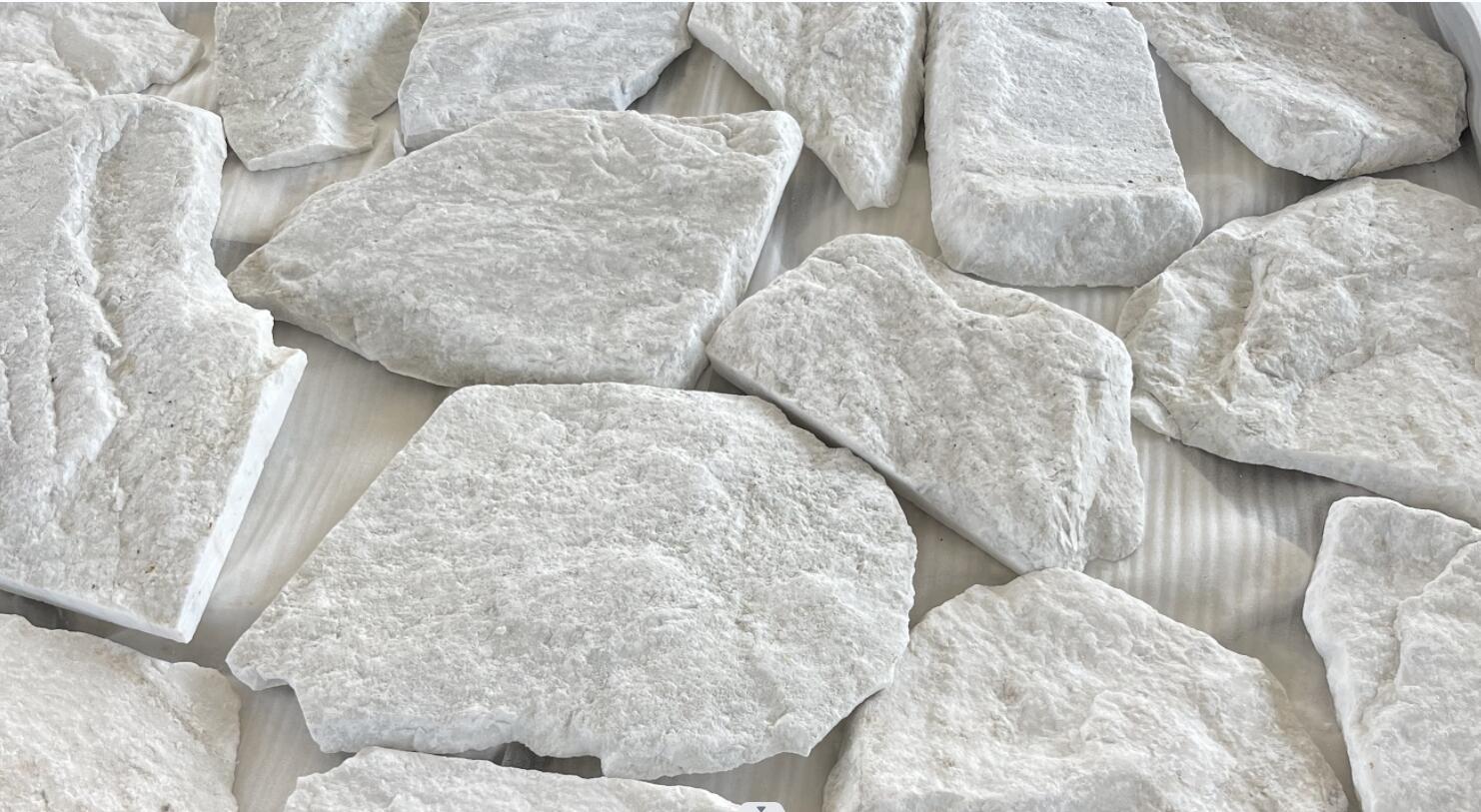
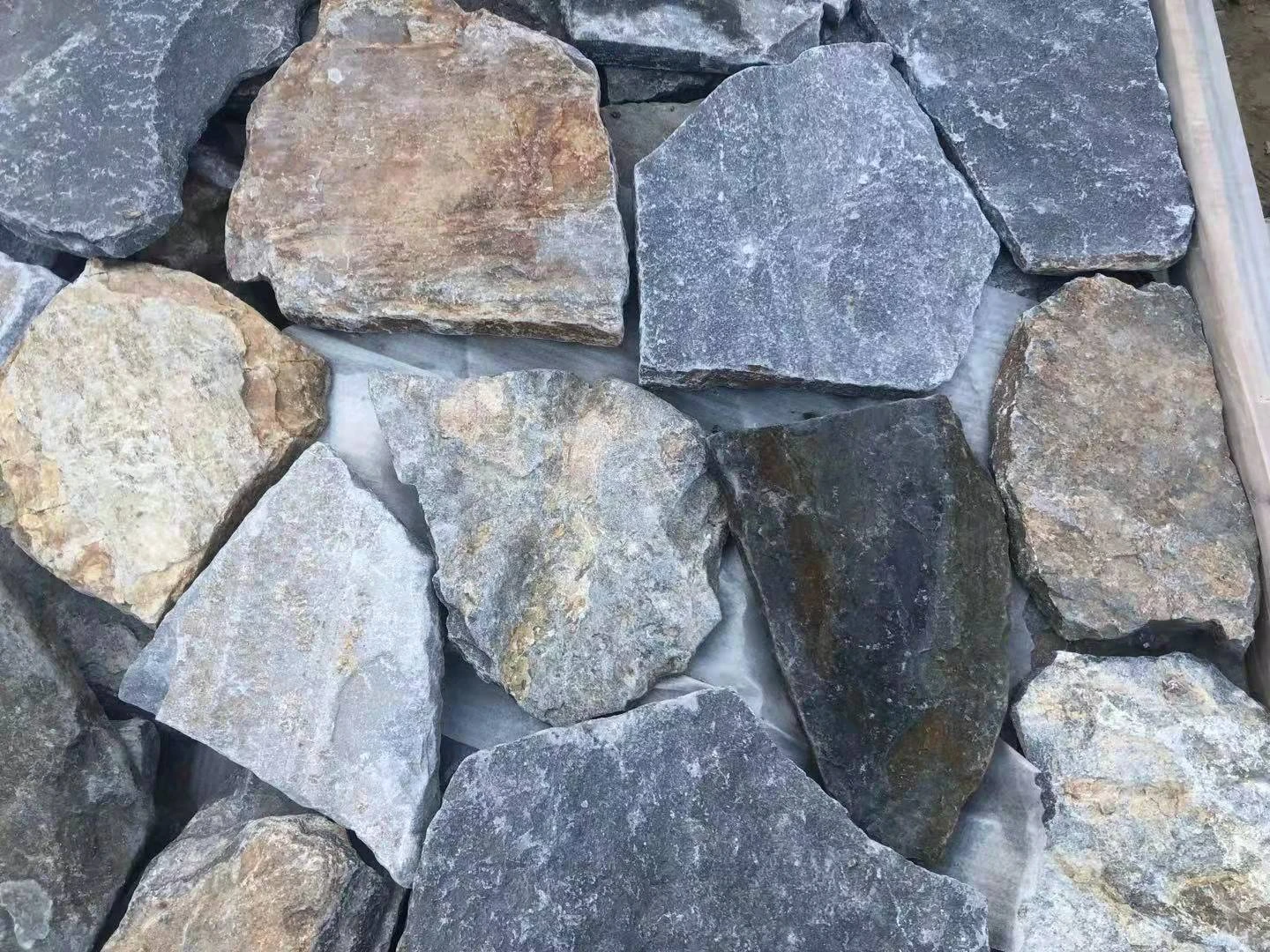
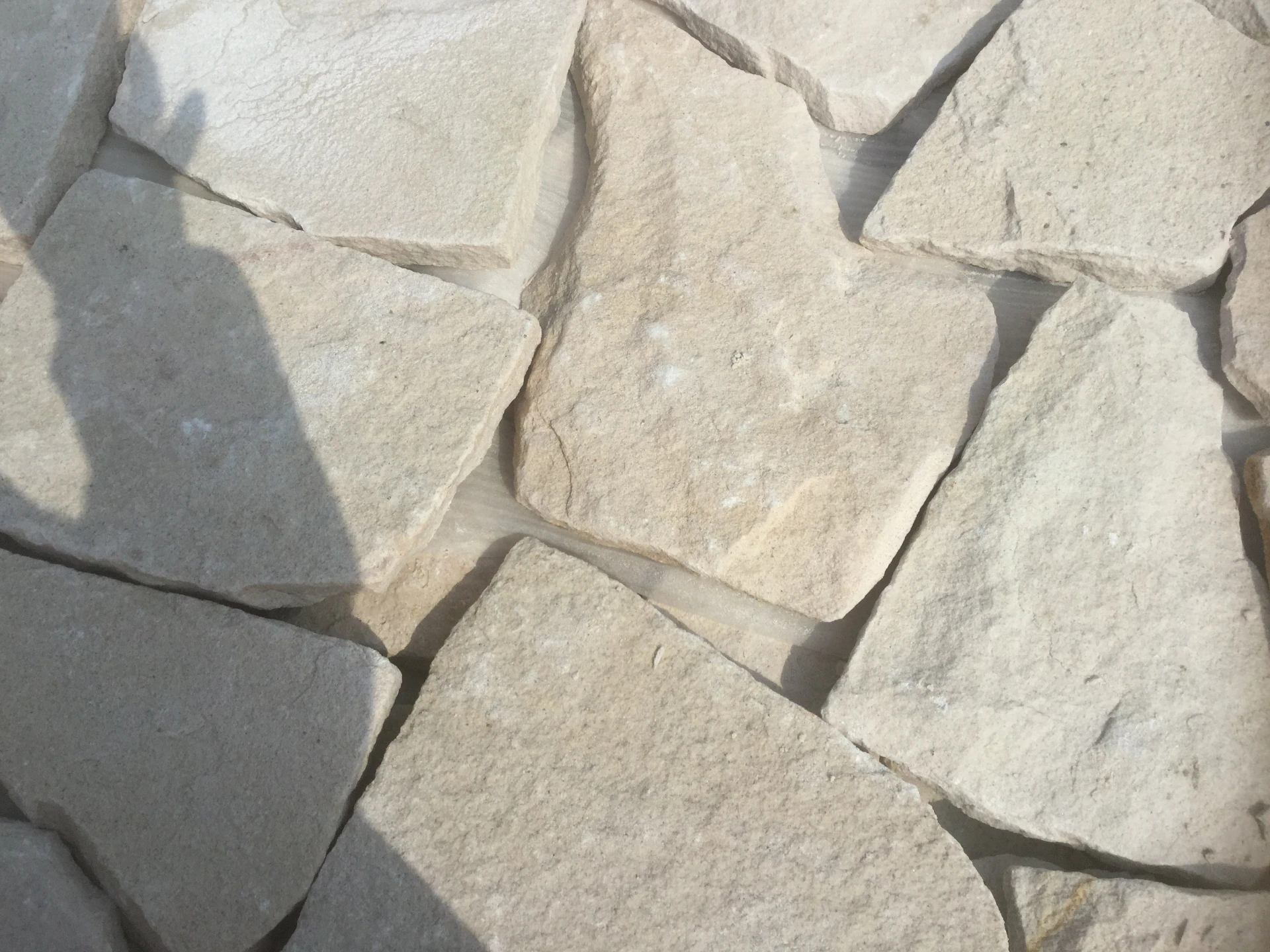
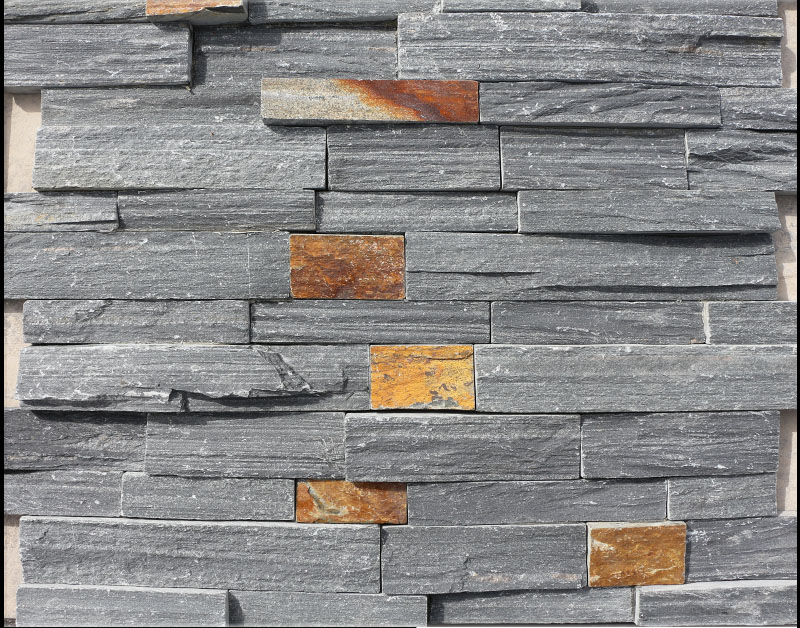
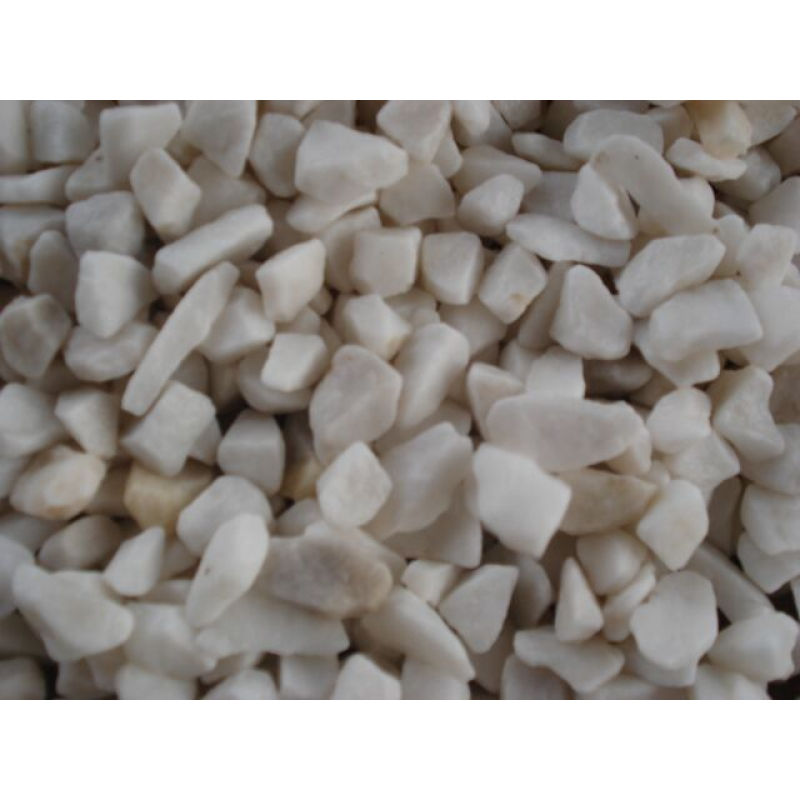
O le ma'a fu'a o se tasi o ma'a ma'a mafolafola e masani ona fa'aogaina. O lo'o fa'atatauina o le avefe'au fa'atumauina sili ona fa'amaoni i lau mamanu fa'afanua.
O se mafuaaga mautinoa i tua atu o lenei mea o le taimi e te faʻaogaina ai nei mafolafola maa, o le ae faia se lagona faia-lima i lou fanua e foliga mai e le tumau. E ui lava e tele suiga o ma'a fu'a fa'aonaponei ma rustic tipi, e mafai ona e fa'ailoa mai lou tofo ma lou sitaili.
In this blog, you will first get to know the origins of this flagstone and learn about its creation. Afterward, you’ll learn about the different types and the best practices for using them. At length, you’ll gain valuable knowledge in the art and science of installing this material.
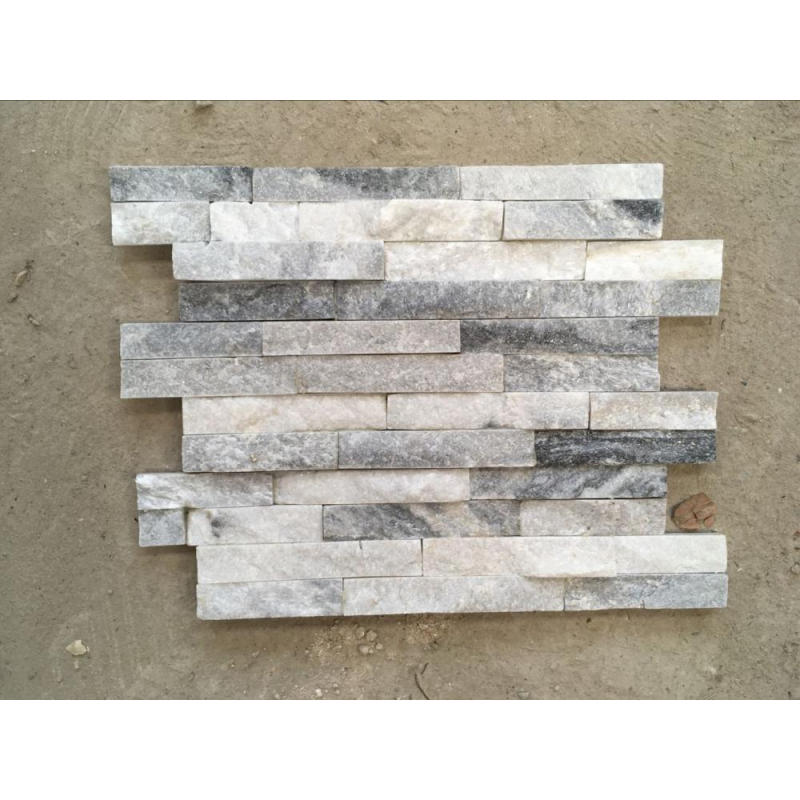
Flagstone is a generic term for many different types of rock. In the beginning, a stonemason chisels or strikes larger stones. And as a result, it breaks up into thick, flat sheets. Next, these thinner sheets are then broken up into flagstone-sized pieces. There are abundant varieties of rock that masons cut and then shape into flagstones.
I le taimi muamua, o ma'a sili ona vaivai ma faigofie e togi i foliga o ma'a palapala, e aofia ai ituaiga e pei o le oneone, shale, ma le limestone.
Lona lua, o ituaiga ma'a'a e aofia ai ma'a a'a pei o le ma'amora po'o le basalt. Ma le mea mulimuli, o ituaiga sili ona faigata e aofia i papa metamorphic, e pei ole quartzite ma maamora foi.
E lua ituaiga autu o lo'o mana'omia Flagstones: patio and select. Comparatively, Patio pieces type of Flagstone is smaller, ranging from 12” to 18” and thicker. And are most often used for stepping stones, outdoor pathways, or patios. Due to their smaller size, they are typically palletized lying down, preventing breakage during shipment. Contrarily, select flagstone, known as “standup,” comes in large, thin slabs of 18” to 36”. Due to their large size, they are usually palletized vertically. Flagstones generally make the formation of many shapes and sizes, including rectangular and square. Nevertheless, they are also available in more natural, jagged varieties.
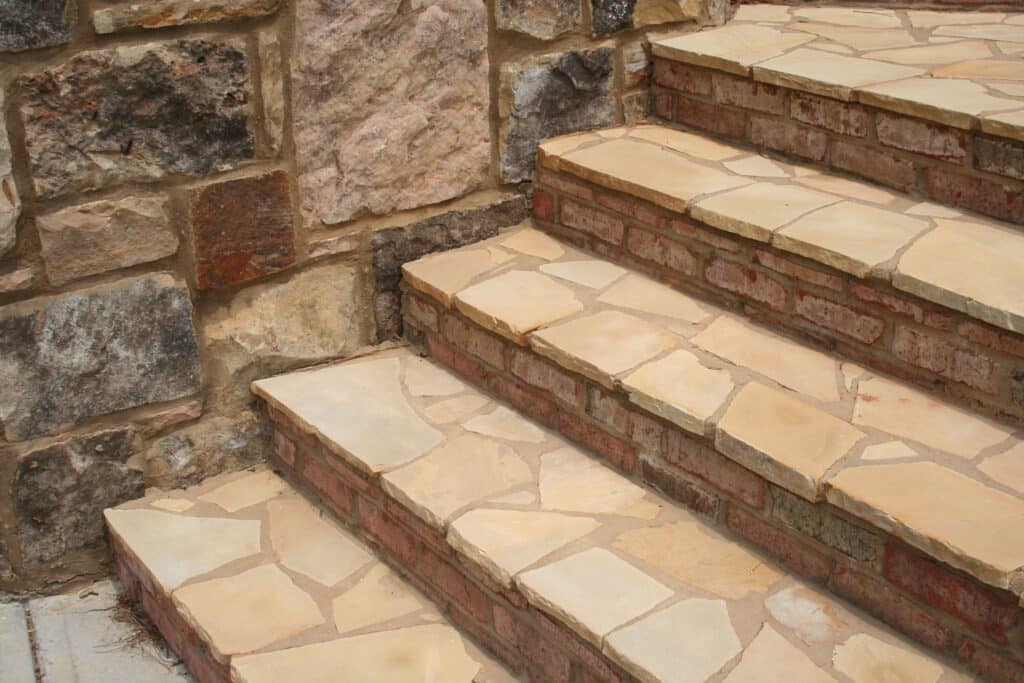
For more than hundreds of thousands of years, Flagstone has been used in various types of formation. Earlier in the 1900s, people saw it as an improvement over cobblestone, and it’s easy to see why. Whereas stonemasons can chisel it at ease by hand into a very flat surface, it is a simple way to create a flat paving surface. Its notable usages as countertop material or even as a paving substrate and as a walkway or roadway. People even use them as roofing and siding. Flagstone patios and Stepping stones are the most common applications of flagstones.
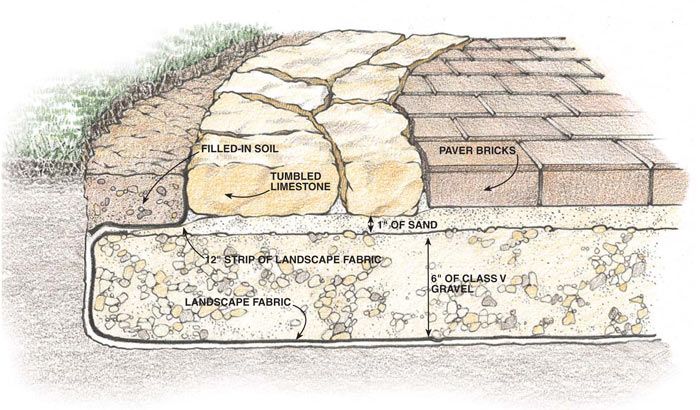
E masani ona matou fa'aogaina le oneone e fai ma mea fa'avae mo ma'a fu'a. Muamua, o le Sand e faigofie tele ona faʻapipiʻi ma ofoina atu le lelei o alavai. E le gata i lea, latou te fesoasoani foi e puipuia le vao ma le tuputupu ae o laau i le va o au maa ona o se taunuuga. Ae ui i lea, mo se faʻapipiʻi tumau, faʻaaoga sima. Faatasi ai ma se faavae oneone, e te manaʻomia se maʻa fuʻa mafiafia. O le sima e mafai ai foi ona e faʻaogaina maʻa manifinifi talu ai o le sima e fesoasoani e faʻamalosia ai luga.
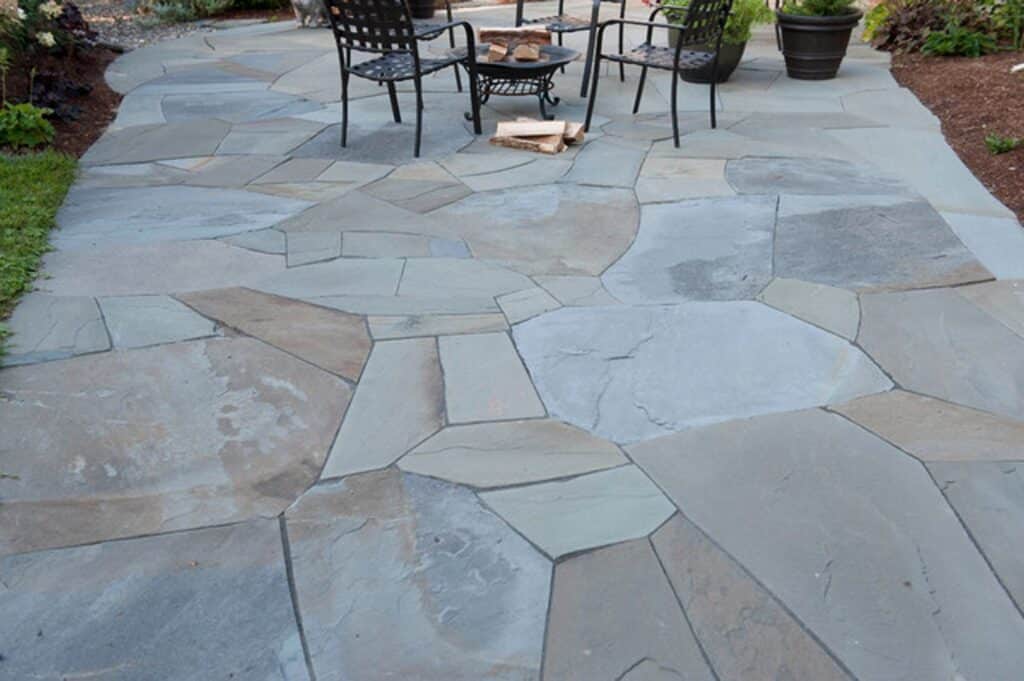
O le mea sili e uiga i lenei maʻa faʻanatura e mafai ona e faʻapipiʻiina e fatu ai le tele o mamanu eseese, tulaga ese! E tutusa uma, pau lava le tapulaa o lou mafaufau i lenei mea. Ina ia fa'avasega lau va'aiga, o le mea moni, pau lava le mea e tatau ona e faia o le nonoa fa'atasi lau laufanua. O le mea lea e talafeagai ai afai e te manaʻo i se foliga faʻaonaponei, mama, e tatau ona e mautinoa e pipii i se faʻataʻitaʻiga sili atu, ma toe fai. I le isi itu, e mafai ona e alu mo lapopoa e le masani ai ma foliga faʻafuaseʻi mo se foliga faʻalelei ma natura.
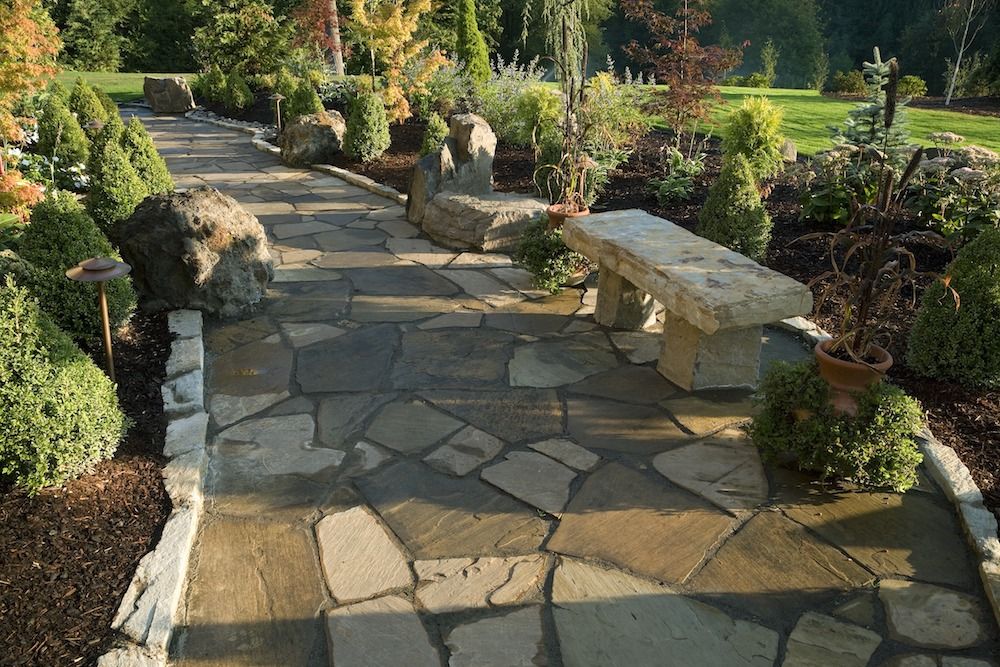
Atonu e te fiafia i maa fuʻa mo le tele o mafuaʻaga, e aofia ai, Ma'a fu'a which are naturally flat, and it’s easy to use in so many different projects.
However, because flagstone is more of a generic term for many sedimentary rocks, it’s easy to misunderstand and underappreciate.
O nisi nei o mea e tatau ona e iloa e uiga i:
Flagstone’s one of the beneficial advantages is that it’s relatively flat when mined, making it ideal in so many landscaping projects.
Second, it’s naturally non-slip. Whenever you are all set to starting a project where people will need to walk, a non-slip surface is essential for safety. Next, it’s strong and stable. When installed properly, it won’t break or crack.
E masani lava, e mafai ona e mauaina alaleo eseese po'o lanu o Ma'a fu'a ma fa'aaoga so'o se paolo. E ui lava o le tele e lanu efuefu pe enaena pei o le tele o papa, o le tele o lanu e mafai ona i ai lanu piniki, lanu meamata, lanumoana, auro, ma e latalata i papaʻe.
O lona uiga e mafai lava ona e su'e ma filifili se ma'a fu'a e mafai ona fa'aopoopo pe fa'atusatusa i ai, po'o fea lava lau sini, tusa lava po'o a lanu ua uma ona fa'aoga i lou fale.
Aemaise lava, e mafai ona e mauaina se faʻafefiloi faigofie o maʻa ma le tele o lanu ma fatuina se patio e tasi-o-a-ituaiga poʻo se auala savali.
O le fetuutuuna'i fa'apipi'i e mafai fo'i ona ta'ua o se tasi o le tele o fa'amanuiaga. Mo le tu'uina o se patio, atonu e te mana'o e fa'apipi'i i le sima i le va o ma'a. E mautinoa lava o le a tu'uina atu ai i lau patio se lagona atoatoa ma mausali, lelei mo nofoa ma laulau.
Suppose you’re planning to construct a walkway across your lawn. You can install large stones directly on your dirt and install mulch or allow the grass to grow around it.
As an alternate, you can also create a walking path with gravel between the stones. It’s also a great option for building stairs. Nevertheless, you would want to use cement to ensure safety and stability.
From our long-entailed informative blog, we hope we have provided you a clear conception of how, no matter what project you’re planning, there are ways to incorporate this beautiful stone.
 Aferika
  Alapania
  Amharic
  Alapi
Alapi  Armenian
  Azerbaijani
  Basque
  Pelalusiana
  Bengali
  Bosnian
  Bulgarian
  Katalana
  Sepuano
  Saina
Saina  Saina (Taiwan)
  Kosikana
  Croatian
  Czech
Czech  Danish
  Siamani
  Igilisi
  Eseperano
  Estonian
  Finnish
  Falani
  Frisian
  Galician
  Georgian
  Siamani
  Greek
Greek  Gujarati
  Haiti Kereole
  Hausa
Hausa  Havaii
  Eperu
Eperu  Leai
Leai  Miao
Miao  Hungarian
  Icelandic
  igbo
igbo  Indonesian
  Aialani
  Italia
  Iapani
  Javanese
  Kannada
  Kasaka
  Khmer
Khmer  Rwanda
  Kolea
Kolea  Kutisa
  Kirikisi
  TB
TB  Latina
  Latvian
  Lituaniana
  Lusemipoukisi
  Macedonian
  Malgashi
  Malay
Malay  Malayalam
  Maltese
  Maoli
Maoli  Marathi
  Mokoliana
  Myanmar
  Nepali
  Norwegian
  Norwegian
  Occitan
  Pasato
  Persian
  Polish
  Portuguese
  Punitapi
  Lomani
  Lusia
Lusia  Samoa
Samoa  Sikotilani Gaelic
  Serbian
  Igilisi
  Shona
Shona  Sindhi
  Sinhala
  Slovak
  Slovenian
  Somali
  Sipaniolo
  Sundanese
  Swahili
  Swedish
  Tagalog
  Tajik
Tajik  Tamil
Tamil  Tatar
Tatar  Telugu
  Fa'a Thai
  Turkish
  tamaloloa Take
  Ukaraina
  Urdu
Urdu  Uighur
  Uzbek
Uzbek  Vietnamese
  Uelese