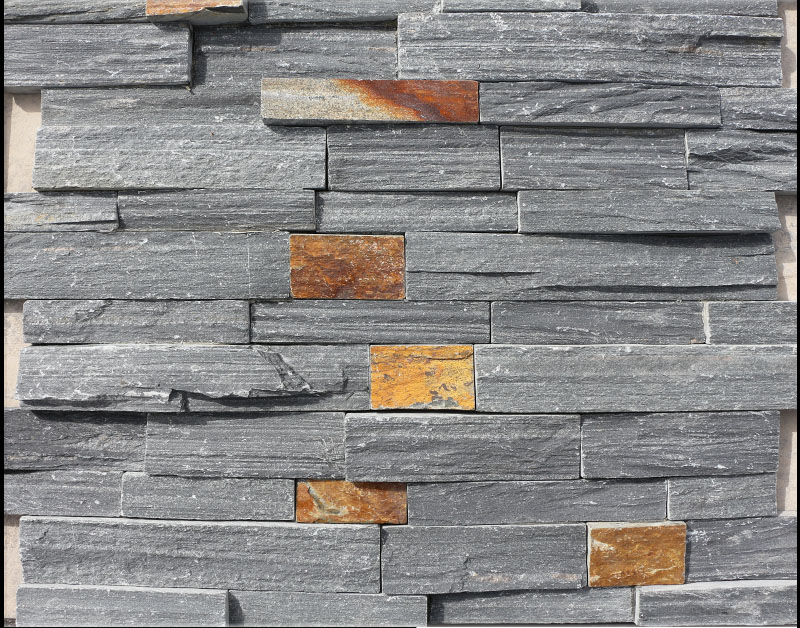
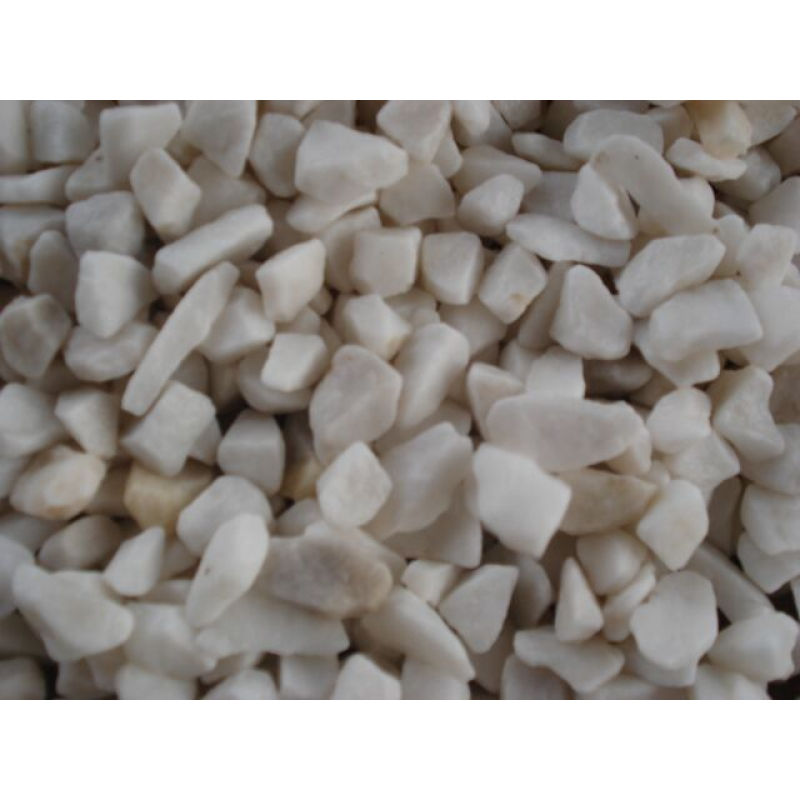
Ibendera ni rimwe mu mabuye akoreshwa cyane. Bifatwa nkibintu byiza birambye byerekana ukuri mubishushanyo mbonera byawe.
Impamvu yemeza inyuma yibi ni mugihe ukoresheje igorofa amabuye, uzakora intoki zakozwe mukiganza cyawe nacyo gisa nkigihe. Nubwo hariho byinshi bitandukanye byamabuye ya kijyambere na rustic yaciwe amabuye, urashobora kuzana uburyohe bwawe nuburyo bwawe.
In this blog, you will first get to know the origins of this flagstone and learn about its creation. Afterward, you’ll learn about the different types and the best practices for using them. At length, you’ll gain valuable knowledge in the art and science of installing this material.
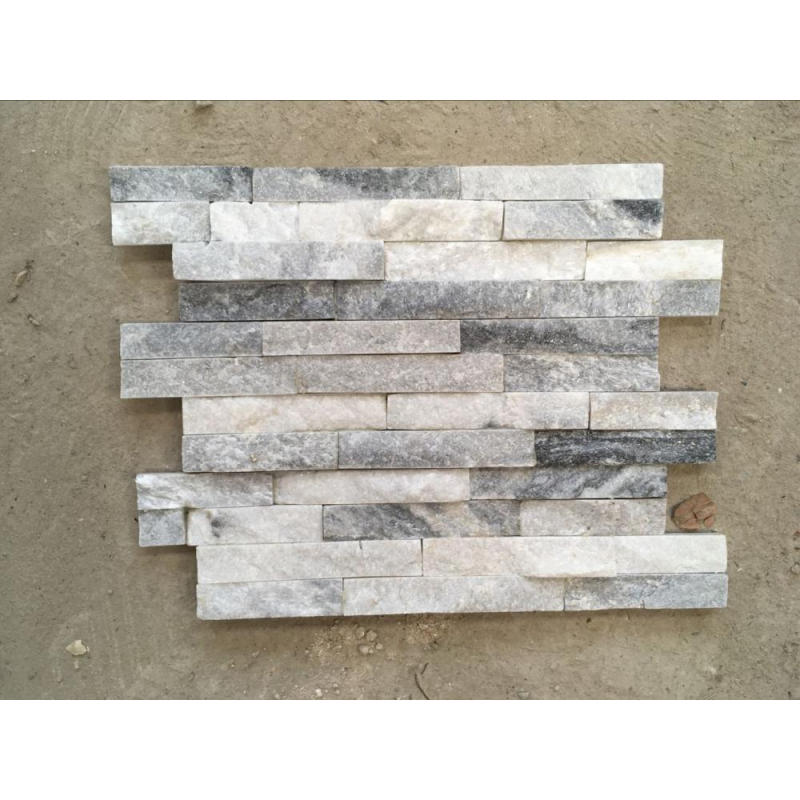
Flagstone is a generic term for many different types of rock. In the beginning, a stonemason chisels or strikes larger stones. And as a result, it breaks up into thick, flat sheets. Next, these thinner sheets are then broken up into flagstone-sized pieces. There are abundant varieties of rock that masons cut and then shape into flagstones.
Ku ikubitiro, urutare rworoshye kandi rworoshye kurigata mu miterere ni urutare rwimitsi, harimo ubwoko bwumusenyi, shale, nubutare.
Icyakabiri, ubwoko bukomeye burimo amabuye yaka nka granite cyangwa basalt. Ubwanyuma, ubwoko bukomeye ni ubw'amabuye ya metamorphic, nka quartzite kandi na marble.
Hariho bibiri-bikenewe-byingenzi byingenzi bya Flagstones: patio and select. Comparatively, Patio pieces type of Flagstone is smaller, ranging from 12” to 18” and thicker. And are most often used for stepping stones, outdoor pathways, or patios. Due to their smaller size, they are typically palletized lying down, preventing breakage during shipment. Contrarily, select flagstone, known as “standup,” comes in large, thin slabs of 18” to 36”. Due to their large size, they are usually palletized vertically. Flagstones generally make the formation of many shapes and sizes, including rectangular and square. Nevertheless, they are also available in more natural, jagged varieties.
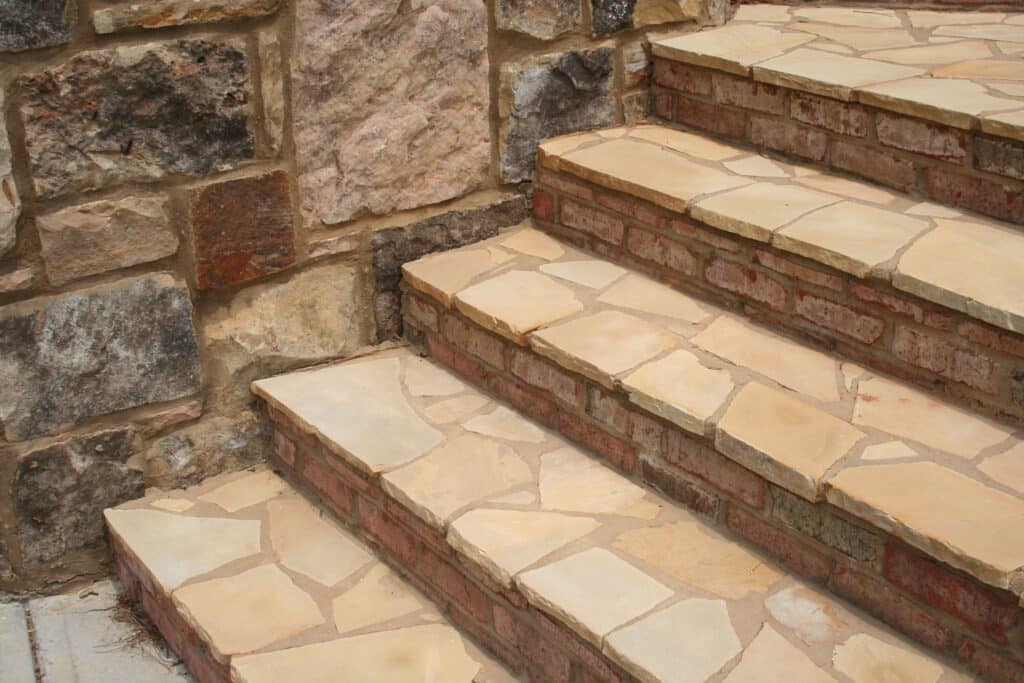
For more than hundreds of thousands of years, Flagstone has been used in various types of formation. Earlier in the 1900s, people saw it as an improvement over cobblestone, and it’s easy to see why. Whereas stonemasons can chisel it at ease by hand into a very flat surface, it is a simple way to create a flat paving surface. Its notable usages as countertop material or even as a paving substrate and as a walkway or roadway. People even use them as roofing and siding. Flagstone patios and Stepping stones are the most common applications of flagstones.
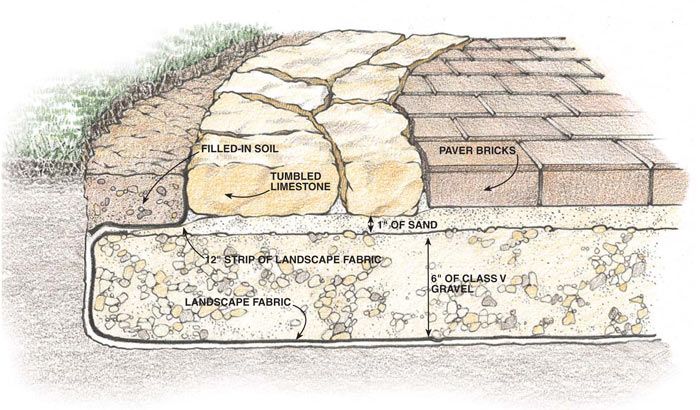
Mubisanzwe dukoresha umucanga nkibikoresho fatizo byamabuye. Ubwambere, Umusenyi biroroshye cyane gushiraho kandi utanga ibyiza byamazi. Uretse ibyo, bazafasha kandi gukumira ibyatsi bibi no gukura hagati yamabuye yawe nkigisubizo. Ariko, kugirango ushyireho burundu, koresha sima. Hamwe n'umusenyi, uzakenera ibendera ryinshi. Mortar iragufasha kandi gukoresha amabuye yoroheje kuva aho sima ifasha gushimangira ubuso.
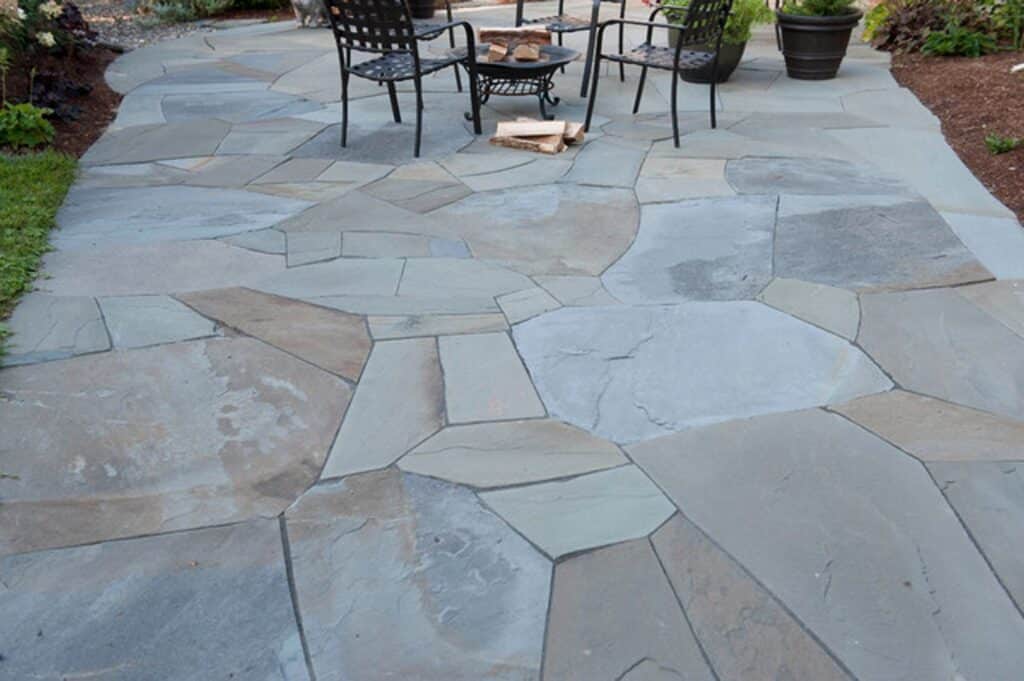
Ikintu cyiza kuriyi mabuye karemano nuko ushobora kuyikora kugirango ukore ibintu byinshi bitandukanye, bidasanzwe! Byose kimwe, imipaka yonyine ni ibitekerezo byawe hamwe nibi bikoresho. Kugirango ugaragaze amashusho yawe, mubyukuri, icyo ugomba gukora nukuguhuza imiterere yawe hamwe. Ibi birumvikana ko niba ushaka isura igezweho, isukuye, ugomba kumenya neza ko ukomera hamwe nuburyo bukomeye, busubiramo. Kurundi ruhande, urashobora kujya mubunini budasanzwe nuburyo butunguranye kugirango ugaragare neza.
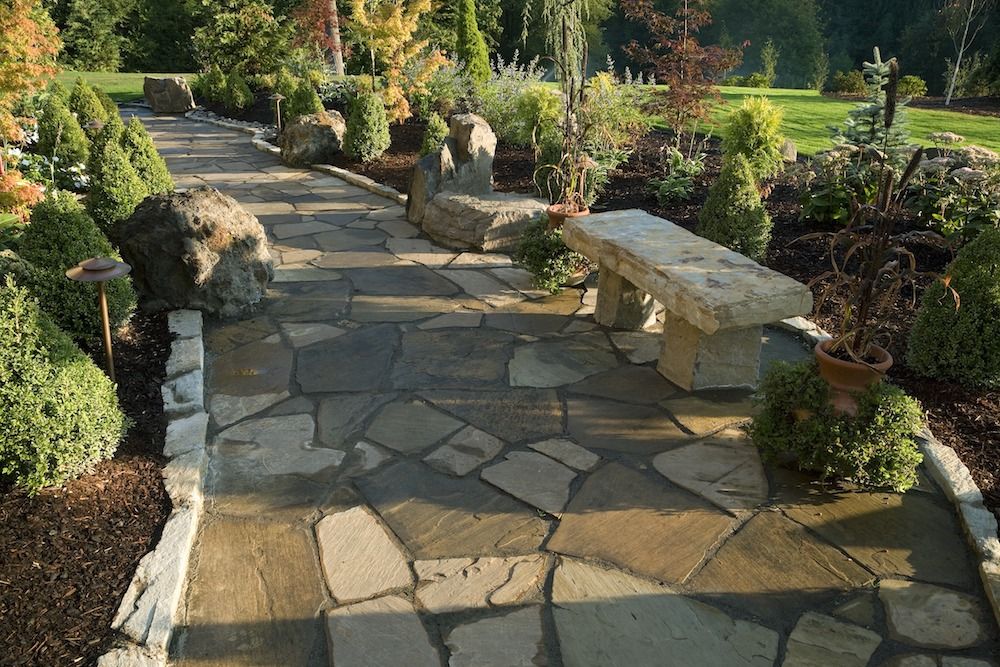
Urashobora gukunda amabendera kubwimpamvu nyinshi, harimo, Amabendera which are naturally flat, and it’s easy to use in so many different projects.
However, because flagstone is more of a generic term for many sedimentary rocks, it’s easy to misunderstand and underappreciate.
Dore ibintu bimwe na bimwe ugomba kumenya:
Flagstone’s one of the beneficial advantages is that it’s relatively flat when mined, making it ideal in so many landscaping projects.
Second, it’s naturally non-slip. Whenever you are all set to starting a project where people will need to walk, a non-slip surface is essential for safety. Next, it’s strong and stable. When installed properly, it won’t break or crack.
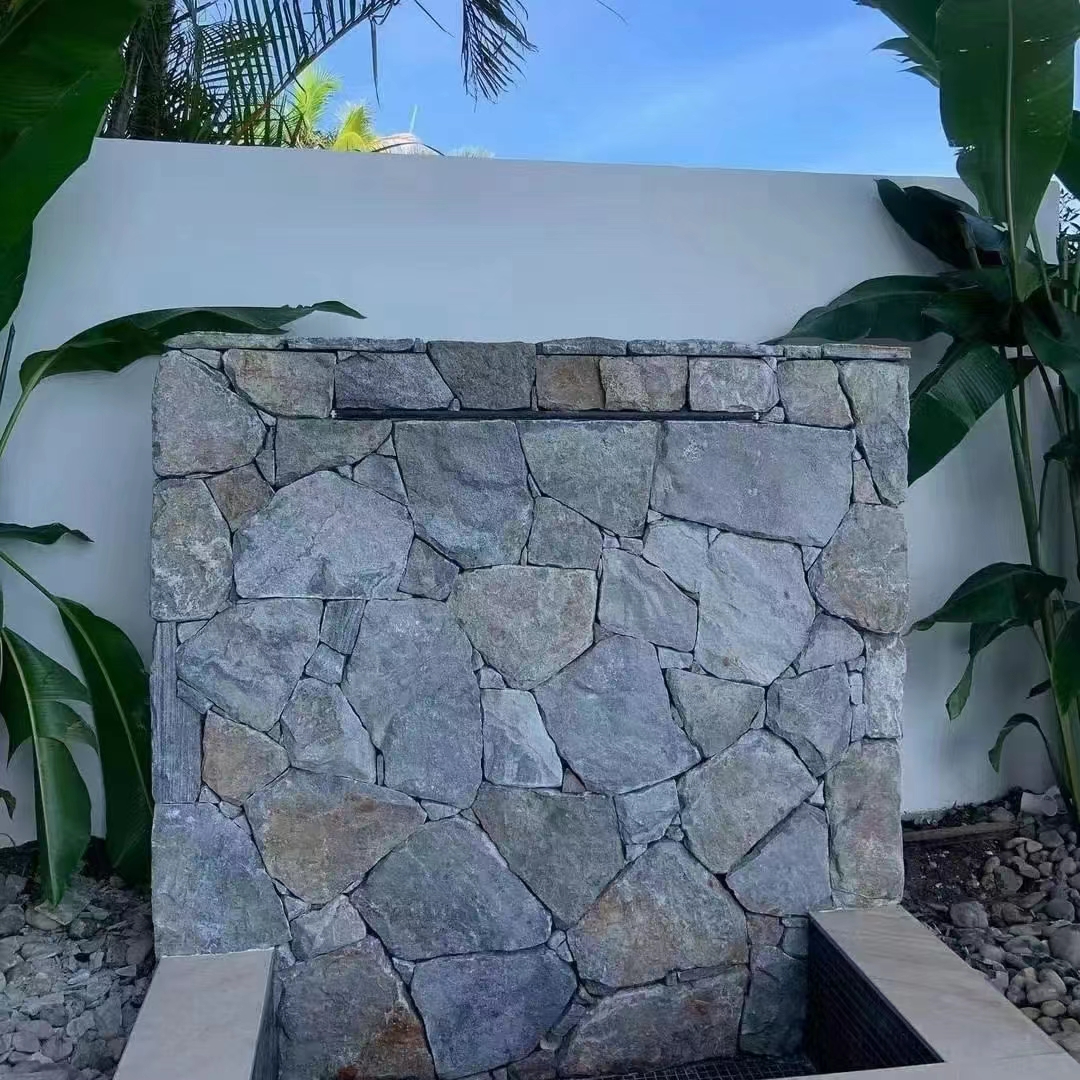
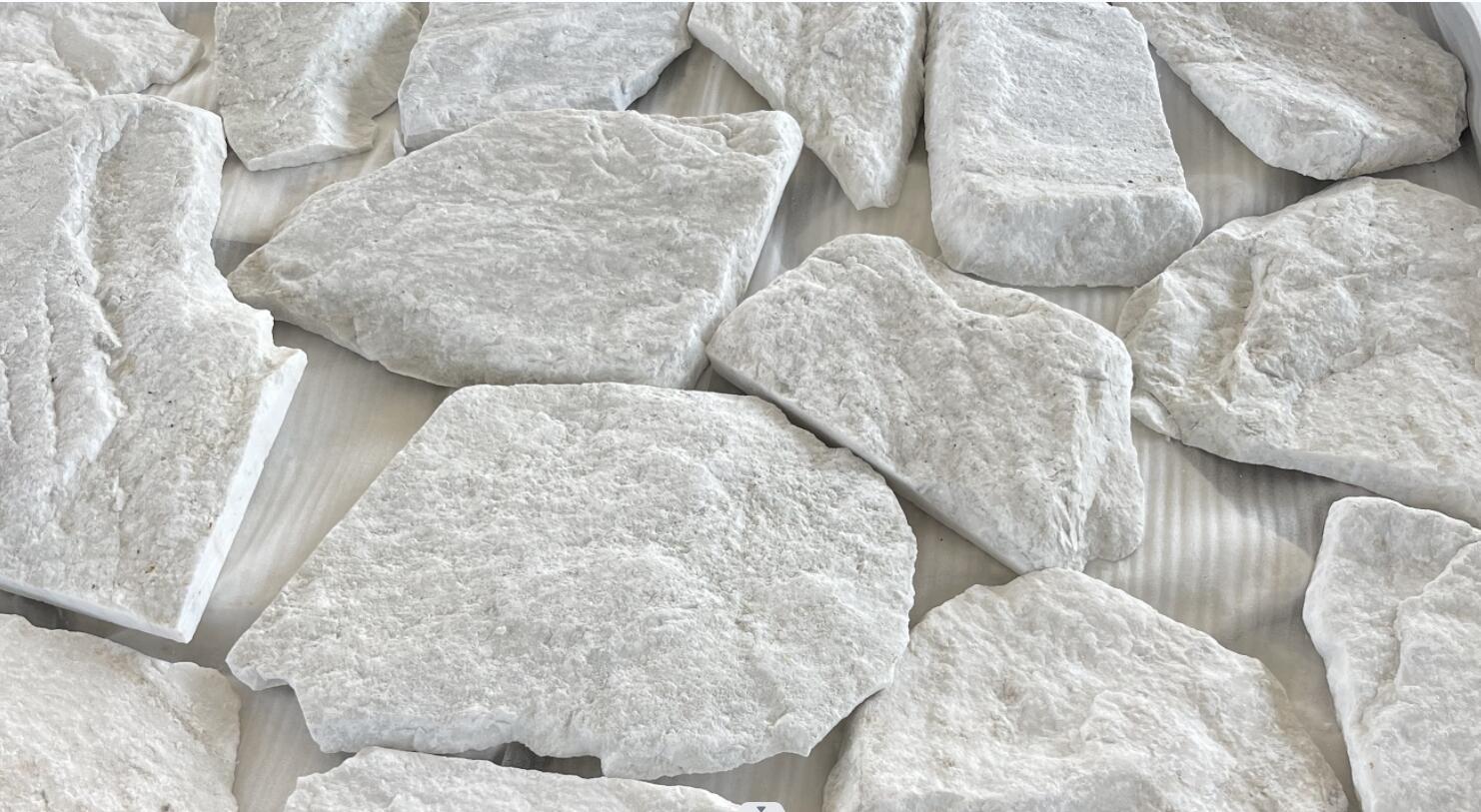
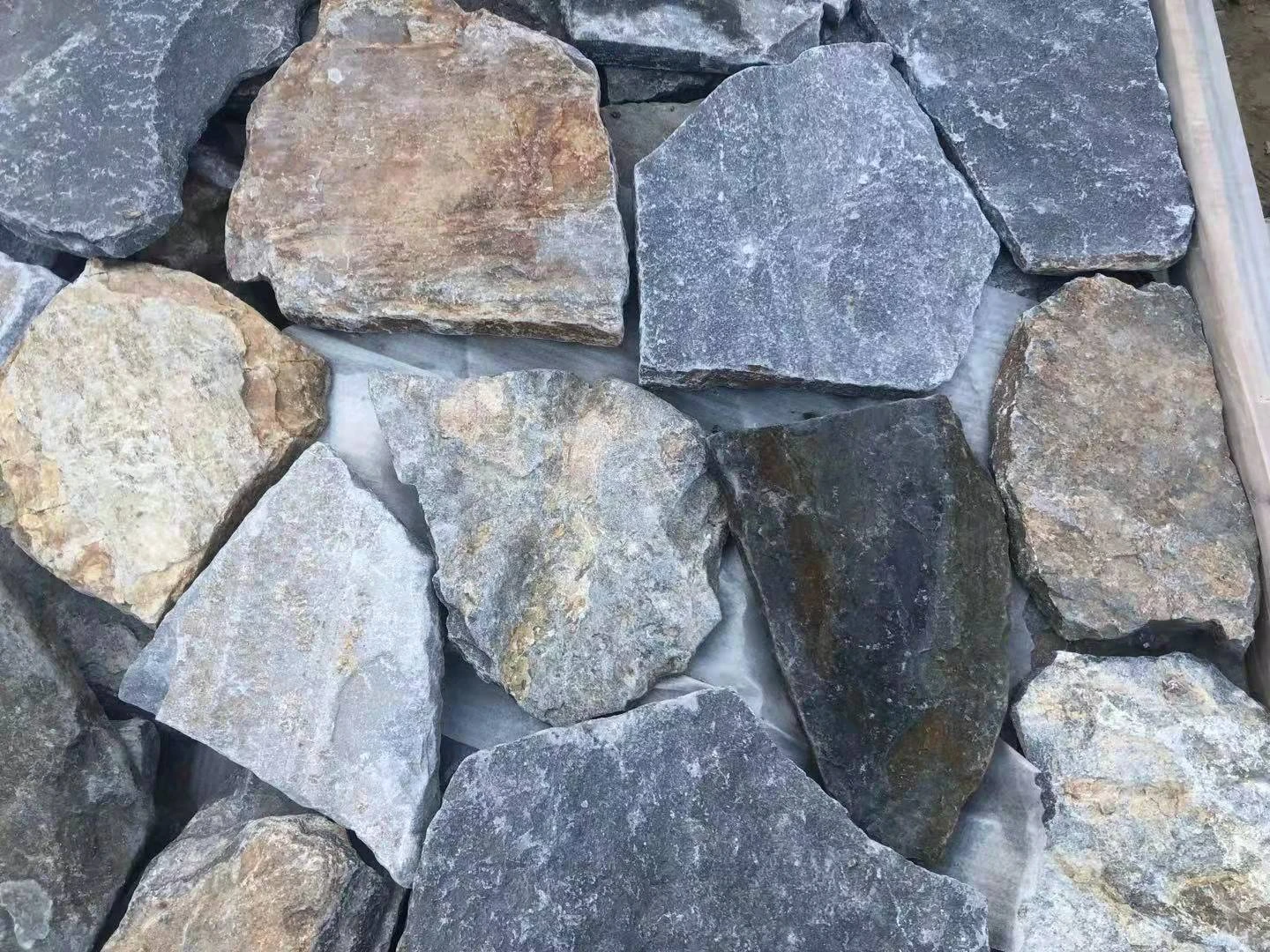
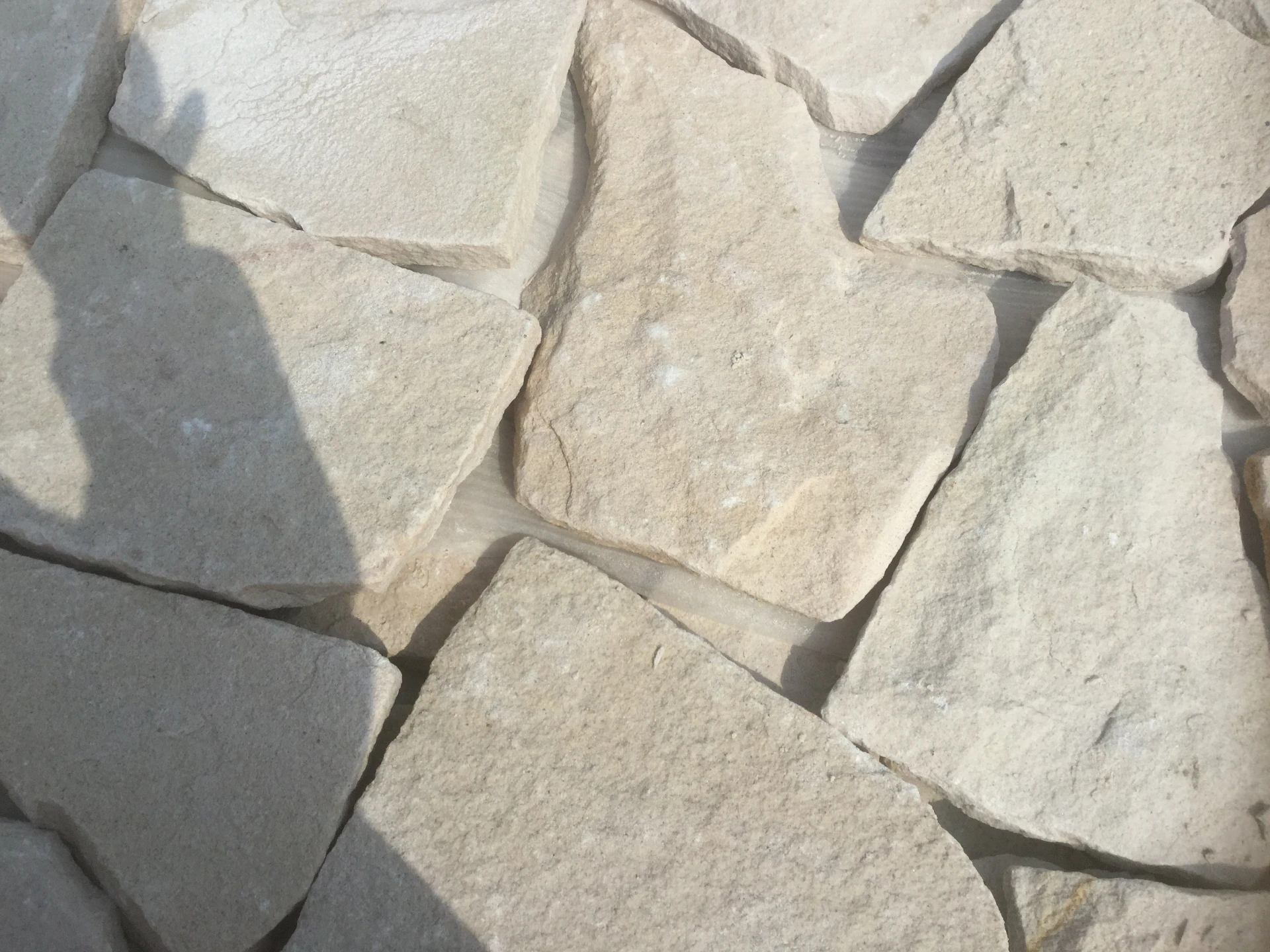
Mubisanzwe, urashobora kubona ibintu bitandukanye cyangwa amabara ya Amabendera kandi ukoreshe igicucu icyo ari cyo cyose. Nubwo benshi bafite igicucu cyijimye cyangwa cyijimye nkibuye ryinshi, igicucu kinini gishobora kugira ibara ryijimye, icyatsi, ubururu, zahabu, ndetse hafi yumweru.
Bishatse kuvuga ko ushobora guhora ubona kandi ugahitamo ibuye rishobora kuzuzanya cyangwa kubitandukanya, niyo intego yawe, niyo amabara yaba asanzwe akoreshwa murugo rwawe.
By'umwihariko, urashobora kubona imvange yoroshye yamabuye afite amabara menshi hanyuma ugakora kimwe-cy-ubwoko bwa patio cyangwa inzira nayo.
Kwiyubaka byoroshye bishobora no gufatwa nkimwe mu nyungu zayo nyinshi. Kugirango ushire patio, urashobora gushaka gutekereza kuyishiraho na minisiteri hagati yamabuye. Ibi rwose bizaha patio urwego rwose kandi rwunvikana, rwiza kumuntebe nameza.
Suppose you’re planning to construct a walkway across your lawn. You can install large stones directly on your dirt and install mulch or allow the grass to grow around it.
As an alternate, you can also create a walking path with gravel between the stones. It’s also a great option for building stairs. Nevertheless, you would want to use cement to ensure safety and stability.
From our long-entailed informative blog, we hope we have provided you a clear conception of how, no matter what project you’re planning, there are ways to incorporate this beautiful stone.
 Umunyafurika
  Ikinyalubaniya
  Amharic
  Icyarabu
  Ikinyarumeniya
  Azaribayijan
  Basque
  Biyelorusiya
  Ikibengali
  Bosiniya
  Buligariya
  Igikatalani
  Cebuano
  Ubushinwa
  Ubushinwa (Tayiwani)
  Corsican
  Igikorowasiya
  Ceki
Ceki  Danemark
  Ikidage
  Icyongereza
  Esperanto
  Esitoniya
  Igifinilande
  Igifaransa
  Igifaransa
  Abagalatiya
  Jeworujiya
  Ikidage
  Ikigereki
  Gujarati
  Igikerewole
  hausa
hausa  hawaiian
  Igiheburayo
  Oya
Oya  Miao
Miao  Hongiriya
  Isilande
  igbo
igbo  Indoneziya
  irish
irish  Umutaliyani
  Ikiyapani
  Javanese
  Kannada
  kazakh
  Khmer
Khmer  Rwanda
  Igikoreya
  Kurdish
  Kirigizisitani
  Igituntu
  Ikilatini
  Ikilatini
  Lituwaniya
  Luxembourgish
  Abanyamakedoniya
  Malgashi
  Malayika
  Malayalam
  Maltese
  Maori
Maori  Marathi
  Mongoliya
  Miyanimari
  Nepali
  Noruveje
  Noruveje
  Occitan
  Pashto
  Persian
  Igipolonye
  Igiporutugali
  Punjabi
  Ikinyarumaniya
  Ikirusiya
  Samoan
  Abanya-Gaelic
  Igiseribiya
  Icyongereza
  Shona
Shona  Sindhi
  Sinhala
  Igisilovakiya
  Igisiloveniya
  Somaliya
  Icyesipanyoli
  Sundanese
  Igiswahiri
  Igisuwede
  Tagalog
  Tajik
Tajik  Tamil
Tamil  Tatar
Tatar  Telugu
  Tayilande
  Turukiya
  Abanyaturukiya
  Ukraine
  Urdu
Urdu  Uighur
  Uzbek
Uzbek  Abanya Vietnam
  Welsh
Welsh