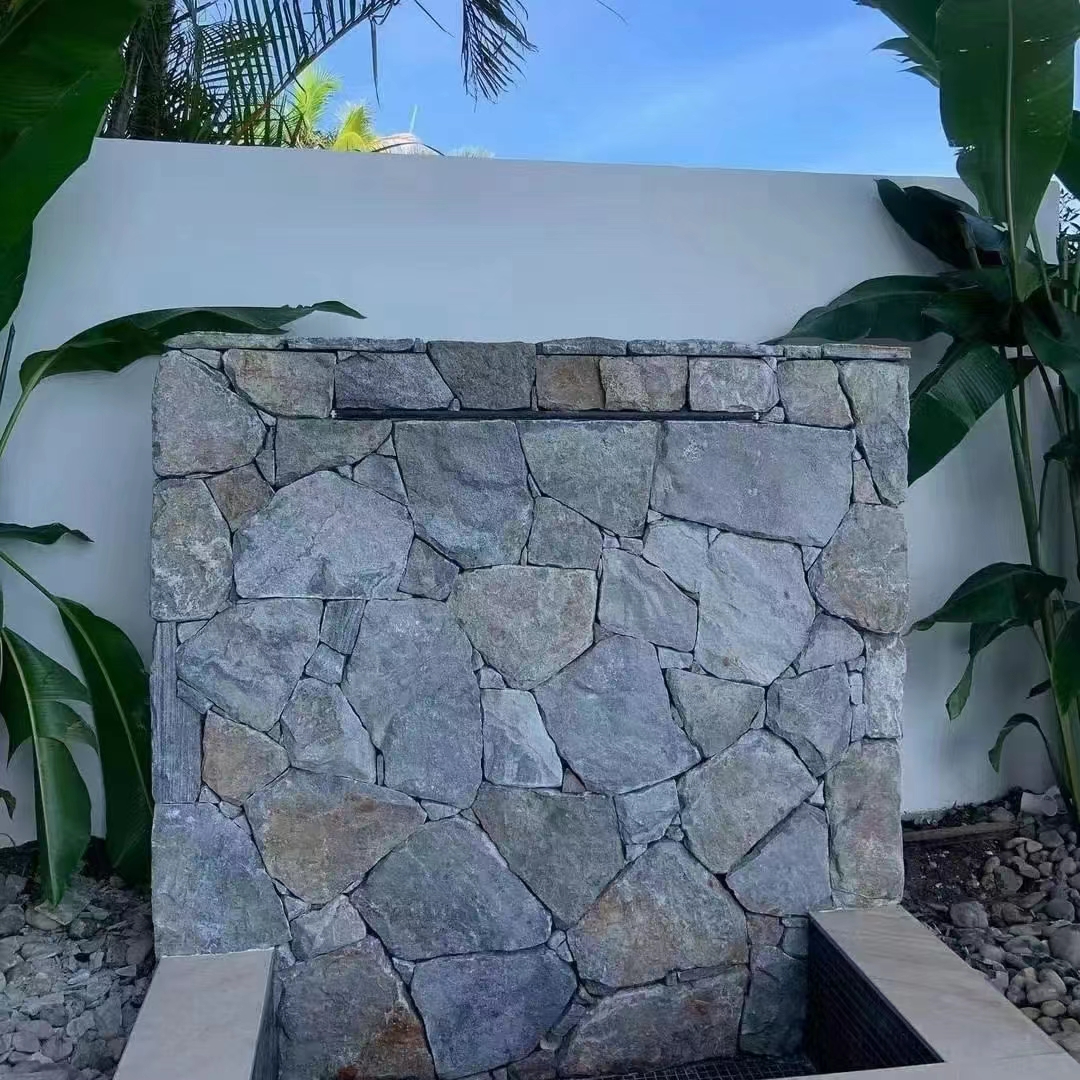
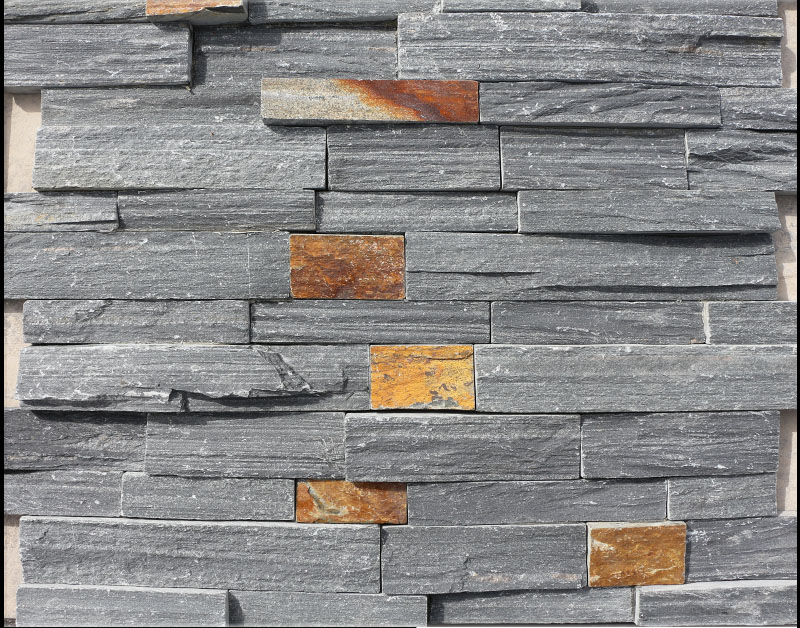
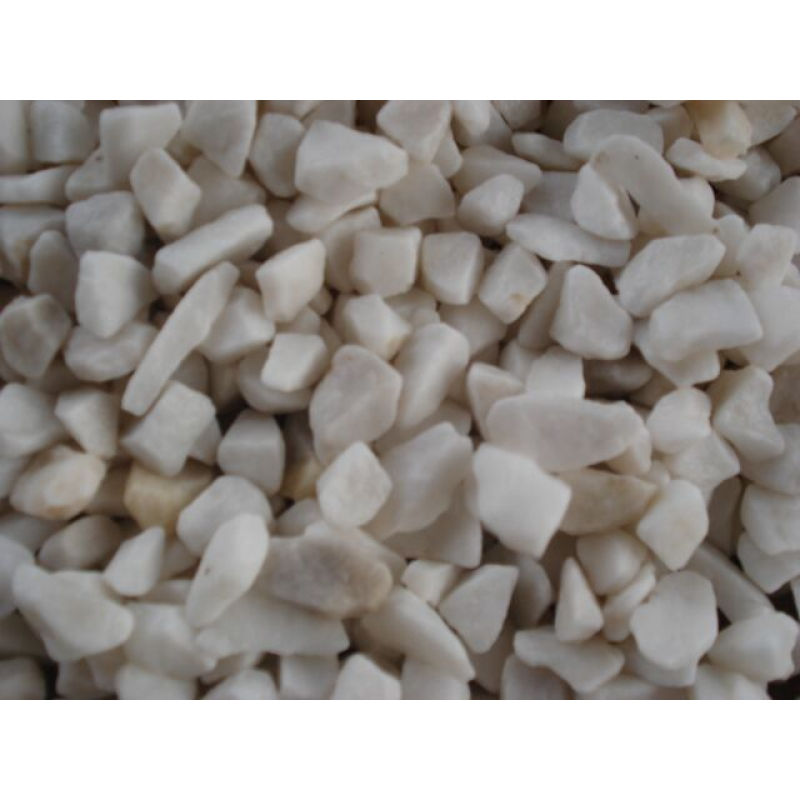
Flagstone ndeimwe yeanonyanya kushandiswa generic flat matombo. Inoonekwa seyakanakisa inogoneka inofambisa yechokwadi mune yako landscape dhizaini.
Chikonzero chinogutsa chiri shure kweizvi kana iwe uchishandisa aya flat matombo, iwe uchagadzira manzwiro akaitwa nemaoko kune yadhi yako iyo inotaridzikawo isina nguva. Kunyangwe paine zvakawanda zvakasiyana-siyana zvemazuva ano uye rustic akachekwa mireza, unogona kuburitsa yako yega kuravira uye chimiro.
In this blog, you will first get to know the origins of this flagstone and learn about its creation. Afterward, you’ll learn about the different types and the best practices for using them. At length, you’ll gain valuable knowledge in the art and science of installing this material.
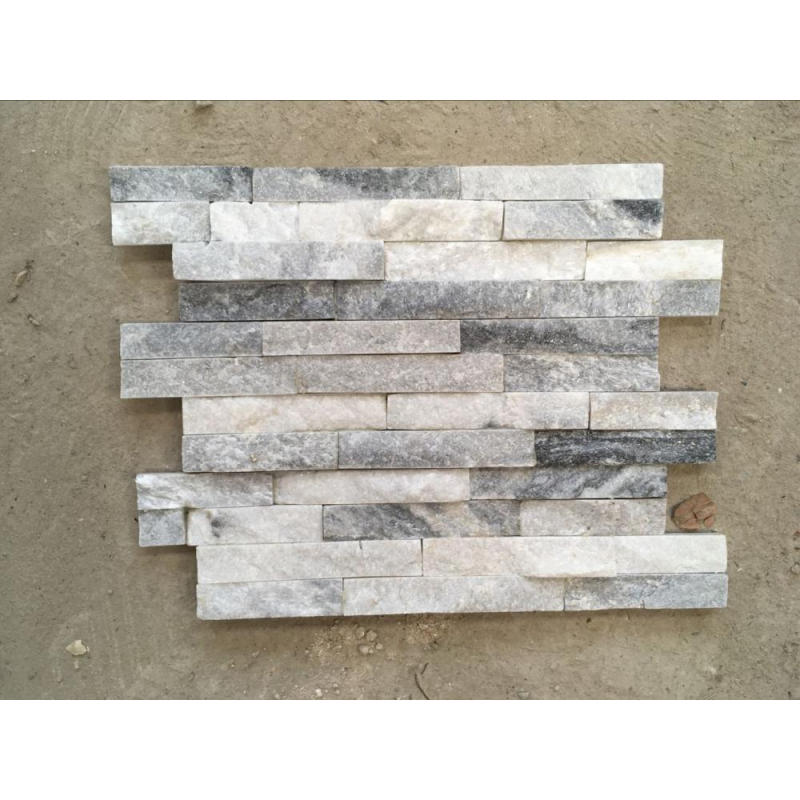
Flagstone is a generic term for many different types of rock. In the beginning, a stonemason chisels or strikes larger stones. And as a result, it breaks up into thick, flat sheets. Next, these thinner sheets are then broken up into flagstone-sized pieces. There are abundant varieties of rock that masons cut and then shape into flagstones.
Pakutanga, matombo akapfava uye akareruka kuita chisel kuita sedimentary matombo, kusanganisira mhando dzakadai sejecha, shale, uye limestone.
Kechipiri, mhando dzakaoma dzinosanganisira matombo asina kunaka akadai segranite kana basalt. Pakupedzisira, mhando dzakaomesesa ndedze metamorphic matombo, senge quartzite uye zvakare marble.
Kune maviri-mu-inoda mhando huru dze Flagstones: patio and select. Comparatively, Patio pieces type of Flagstone is smaller, ranging from 12” to 18” and thicker. And are most often used for stepping stones, outdoor pathways, or patios. Due to their smaller size, they are typically palletized lying down, preventing breakage during shipment. Contrarily, select flagstone, known as “standup,” comes in large, thin slabs of 18” to 36”. Due to their large size, they are usually palletized vertically. Flagstones generally make the formation of many shapes and sizes, including rectangular and square. Nevertheless, they are also available in more natural, jagged varieties.
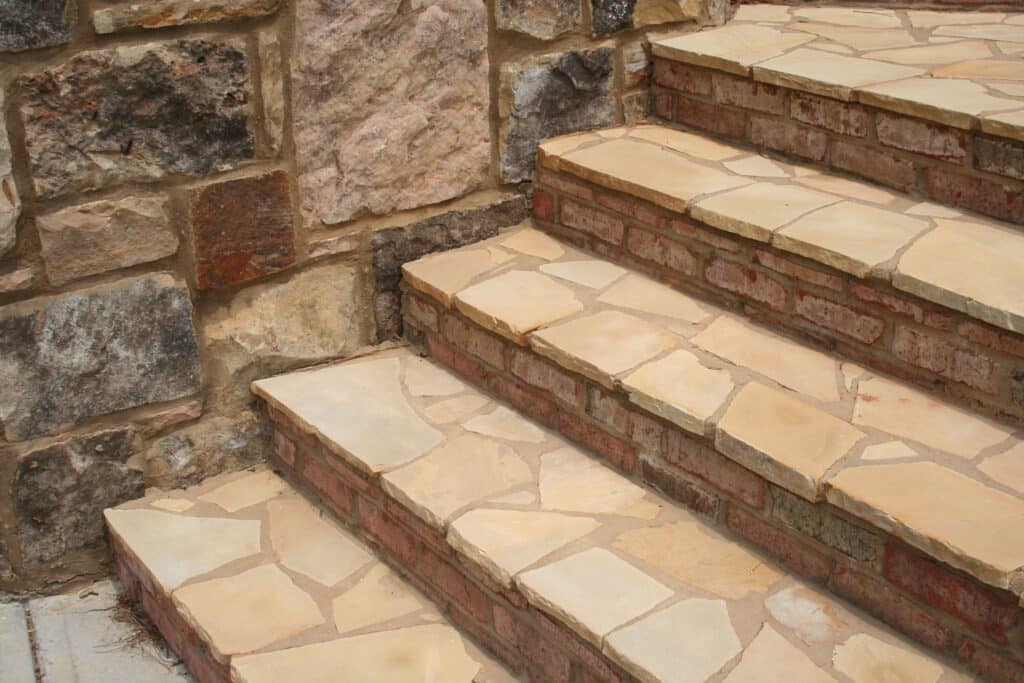
For more than hundreds of thousands of years, Flagstone has been used in various types of formation. Earlier in the 1900s, people saw it as an improvement over cobblestone, and it’s easy to see why. Whereas stonemasons can chisel it at ease by hand into a very flat surface, it is a simple way to create a flat paving surface. Its notable usages as countertop material or even as a paving substrate and as a walkway or roadway. People even use them as roofing and siding. Flagstone patios and Stepping stones are the most common applications of flagstones.
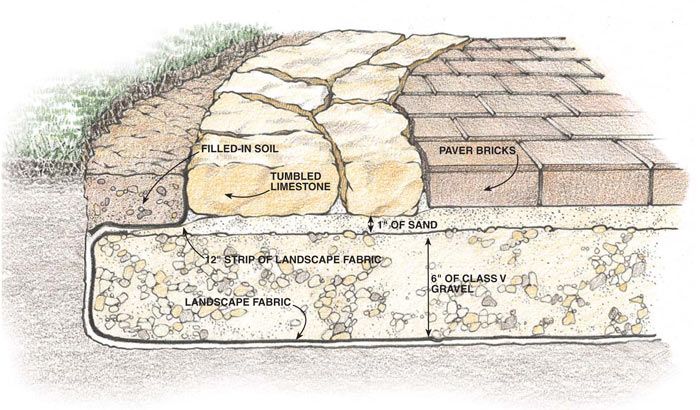
Isu tinowanzo shandisa jecha sechinhu chekutanga chematombo emureza. Kutanga kubva, Sand iri nyore kwazvo kuisa uye inopa mukana wakakura wemvura. Kunze kwezvo, ivo zvakare vanozobatsira kudzivirira masora uye kukura kwechirimwa pakati pematombo ako semhedzisiro. Nekudaro, kuti uwedzere kuiswa zvachose, shandisa simende. Nechigadziko chejecha, iwe uchada mureza wakakora. Mortar zvakare inobvumidza iwe kushandisa matombo matete sezvo chigadziko chesimende chinobatsira kusimbisa pamusoro.
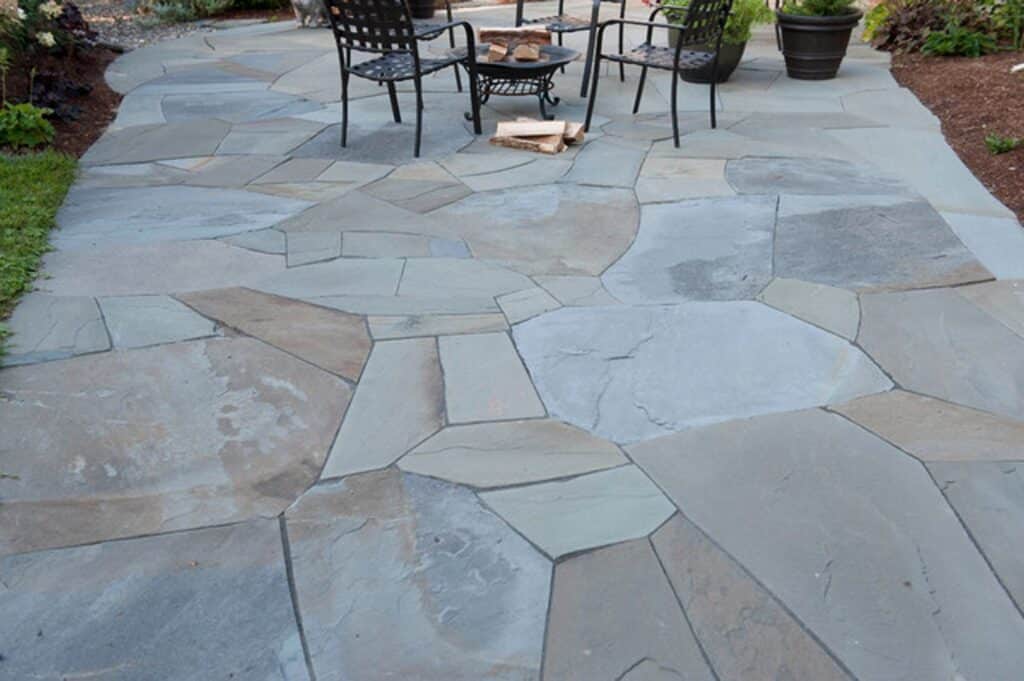
Chinhu chakanakisa pamusoro peiyi dombo rechisikiro ndechekuti iwe unogona kuigadzira kuti ugadzire akawanda akasiyana, akasiyana mapatani! Zvakangofanana, muganho chete ndiwo fungidziro yako nechinhu ichi. Kuti utore maratidziro ako, muchokwadi, zvese zvaunofanirwa kuita kubatanidza nzvimbo yako pamwe chete. Izvi zvinonzwisisika kuti kana iwe uchida kutaridzika kwemazuva ano, kwakachena, unofanirwa kuve nechokwadi chekunamatira kune imwe yakasimba, inodzokorora maitiro. Kune rimwe divi, iwe unogona kuenda kune zvisingaite saizi uye zvimiro zvimiro zverustic uye zvechisikigo chitarisiko.
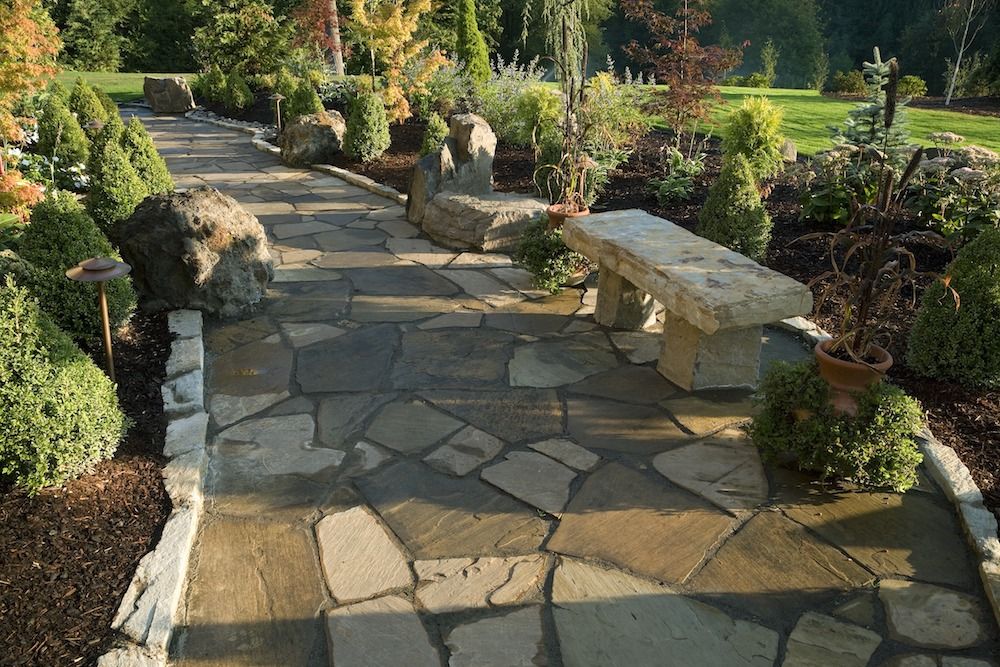
Unogona kuda matombo emureza nekuda kwezvikonzero zvakawanda, kusanganisira, Flagstones which are naturally flat, and it’s easy to use in so many different projects.
However, because flagstone is more of a generic term for many sedimentary rocks, it’s easy to misunderstand and underappreciate.
Hezvino zvimwe zvinhu zvaunofanira kuziva nezvazvo:
Flagstone’s one of the beneficial advantages is that it’s relatively flat when mined, making it ideal in so many landscaping projects.
Second, it’s naturally non-slip. Whenever you are all set to starting a project where people will need to walk, a non-slip surface is essential for safety. Next, it’s strong and stable. When installed properly, it won’t break or crack.
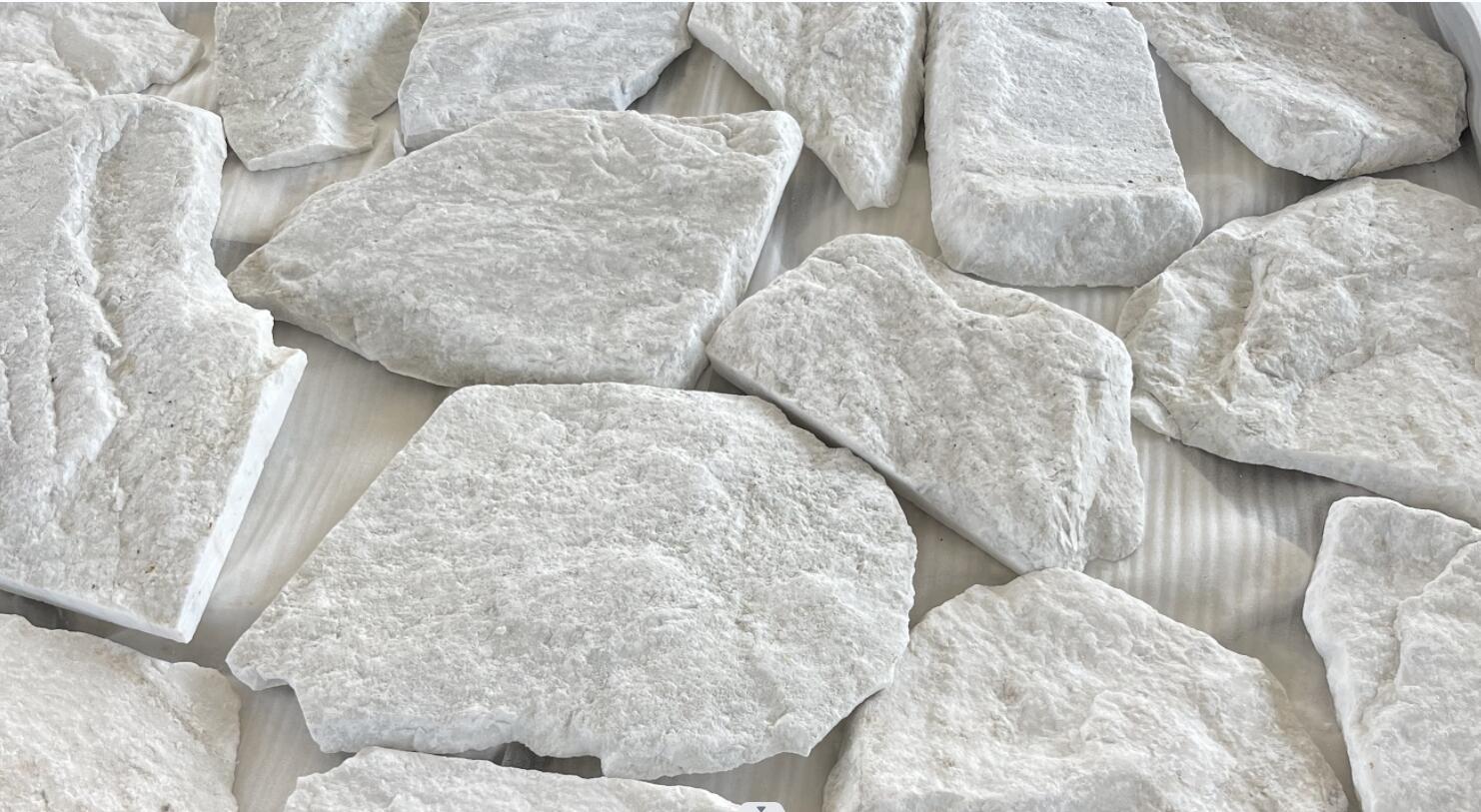
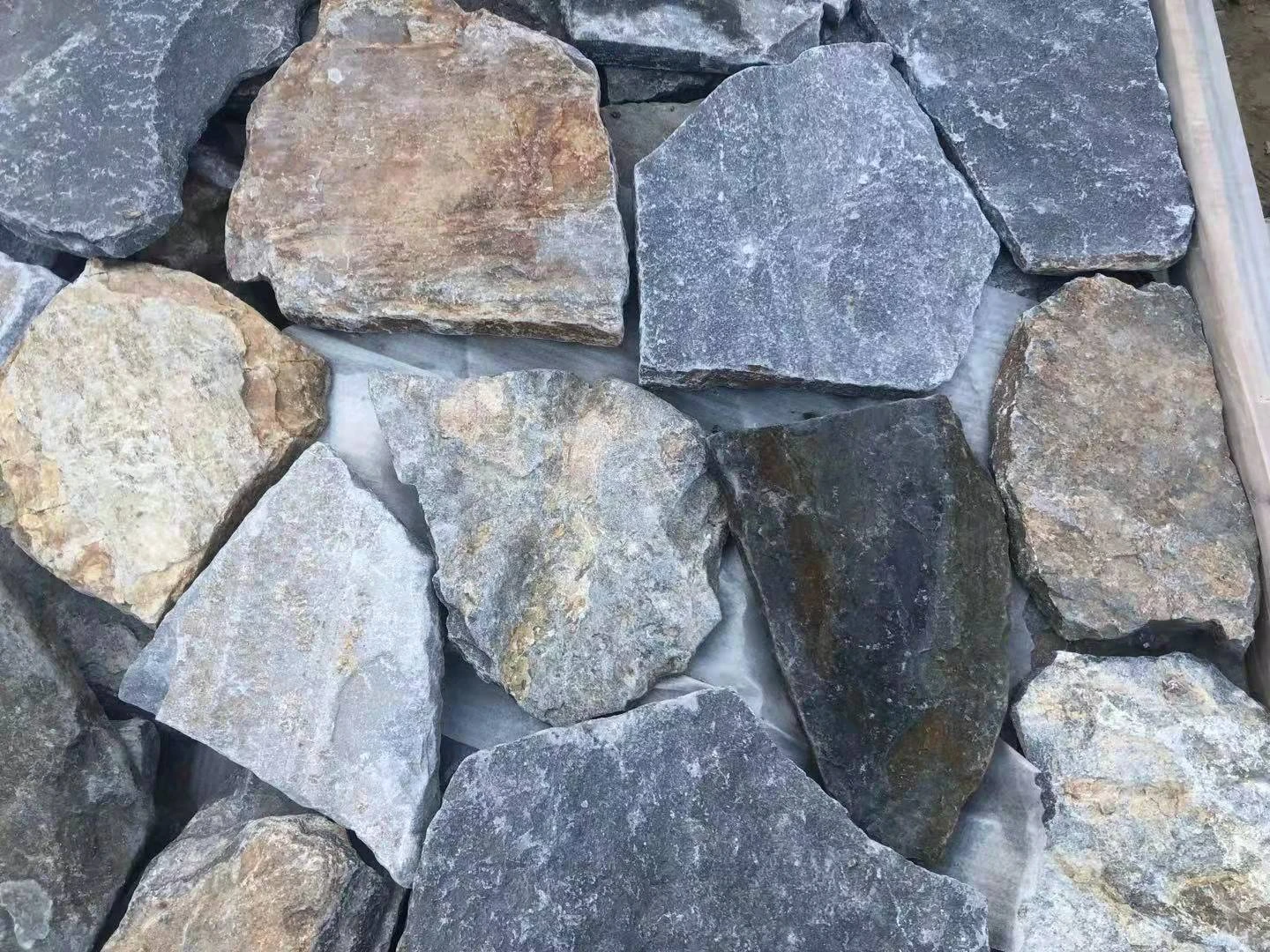
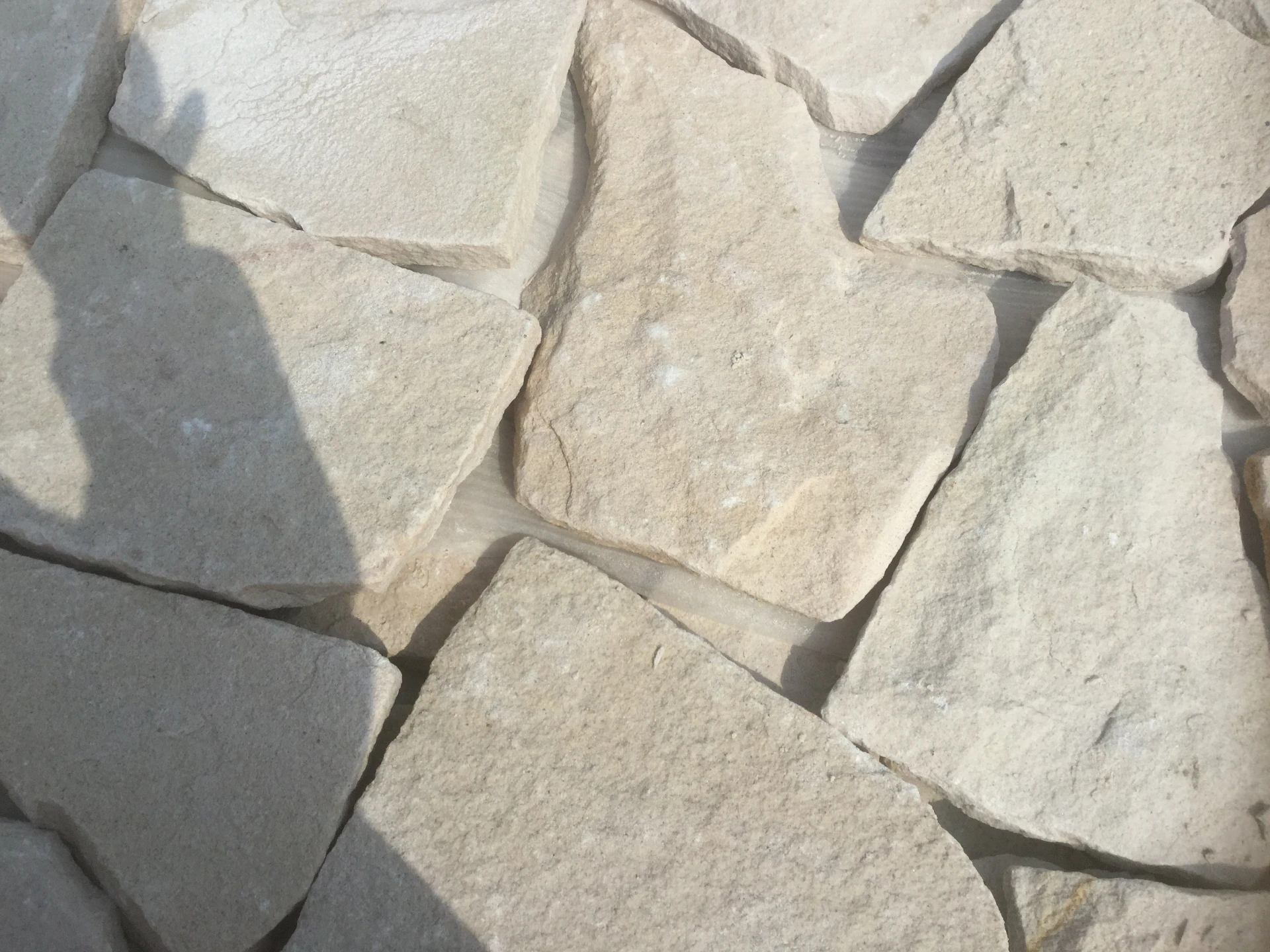
Kazhinji, unogona kuwana akasiyana spectrum kana hues of Flagstones uye shandisa chero yemumvuri. Kunyange zvazvo vazhinji vane grey kana tan shades sematombo mazhinji, akawanda anogona kuva nepingi, girinhi, bhuruu, goridhe, uye kunyange pedyo nechena.
Zvinoreva kuti iwe unogona kugara uchitsvaga nekutora dombo remureza rinogona kuzadzisa kana kusiyanisa, chero chinangwa chako, zvisinei kuti ndeapi mavara ari kutoiswa pamusha pako.
Kunyanya, iwe unogona kuwana musanganiswa uri nyore wematombo ane mavara mazhinji uye kugadzira imwe-ye-a-kind patio kana nzira yekufamba zvakare.
Iyo yekumisikidza kuchinjika inogona zvakare kutariswa seimwe yemabhenefiti akawanda. Kuisa patio, ungada kufunga nezvekuimisa nedhaka pakati pematombo. Izvi zvichapa patio yako yakakwana nhanho uye yakasimba kunzwa, yakanakira zvigaro nematafura.
Suppose you’re planning to construct a walkway across your lawn. You can install large stones directly on your dirt and install mulch or allow the grass to grow around it.
As an alternate, you can also create a walking path with gravel between the stones. It’s also a great option for building stairs. Nevertheless, you would want to use cement to ensure safety and stability.
From our long-entailed informative blog, we hope we have provided you a clear conception of how, no matter what project you’re planning, there are ways to incorporate this beautiful stone.
 African
  ChiAlbanian
  ChiAmharic
  ChiArabic
  ChiArmenian
  Azerbaijani
  ChiBasque
  Chiberaruzi
  ChiBengali
  ChiBosnian
  ChiBulgarian
  Katarani
  Cebuano
  China
China  China (Taiwan)
  Kosikeni
  ChiCroatian
  ChiCzech
  ChiDanish
  ChiDutch
  Chirungu
  Esiperando
  ChiEstonian
  ChiFinish
  ChiFrench
  Frisian
  ChiGalician
  ChiGeorgian
  ChiJerimani
  ChiGiriki
  ChiGujarati
  Kiriyoro yeHaiti
  ChiHausa
  Chihawayi
  ChiHebhuru
  kwete
kwete  Miao
Miao  ChiHungarian
  ChiIcelandic
  igbo
igbo  ChiIndonesian
  ChiIrish
  ChiItalian
  ChiJapanese
  ChiJavanese
  ChiKannada
  Kazaki
  Khmer
Khmer  Rwandan
  ChiKorean
  ChiKedhi
  Kiyagizi
  TB
TB  Ratini
  ChiLatvian
  Ritunia
  Rukusembogi
  ChiMacedonian
  Malgashi
  ChiMalay
  ChiMalayalam
  ChiMaltese
  Maori
Maori  ChiMarati
  ChiMongoria
  Mayanima
  ChiNepali
  ChiNorwegian
  ChiNorwegian
  Occitan
  Pashito
  ChiPersian
  ChiPolish
  ChiPutukezi
  Punjabi
  ChiRomanian
  ChiRussian
  Samoan
  ChiGaelic cheScottish
  ChiSebhiya
  Chirungu
  Shona
Shona  ChiSindhi
  Sinhala
  ChiSlovak
  ChiSlovanian
  Somari
  ChiSpanish
  Sundanese
  ChiSwahili
  ChiSwedish
  ChiTagalog
  Tajik
Tajik  ChiTamil
  Tatar
Tatar  ChiTelugu
  ChiThai
  Turkish
  ChiTeki
  Ukrainian
  Urdu
Urdu  Uighur
  Uzbek
Uzbek  Vietnamese
  Welsh
Welsh