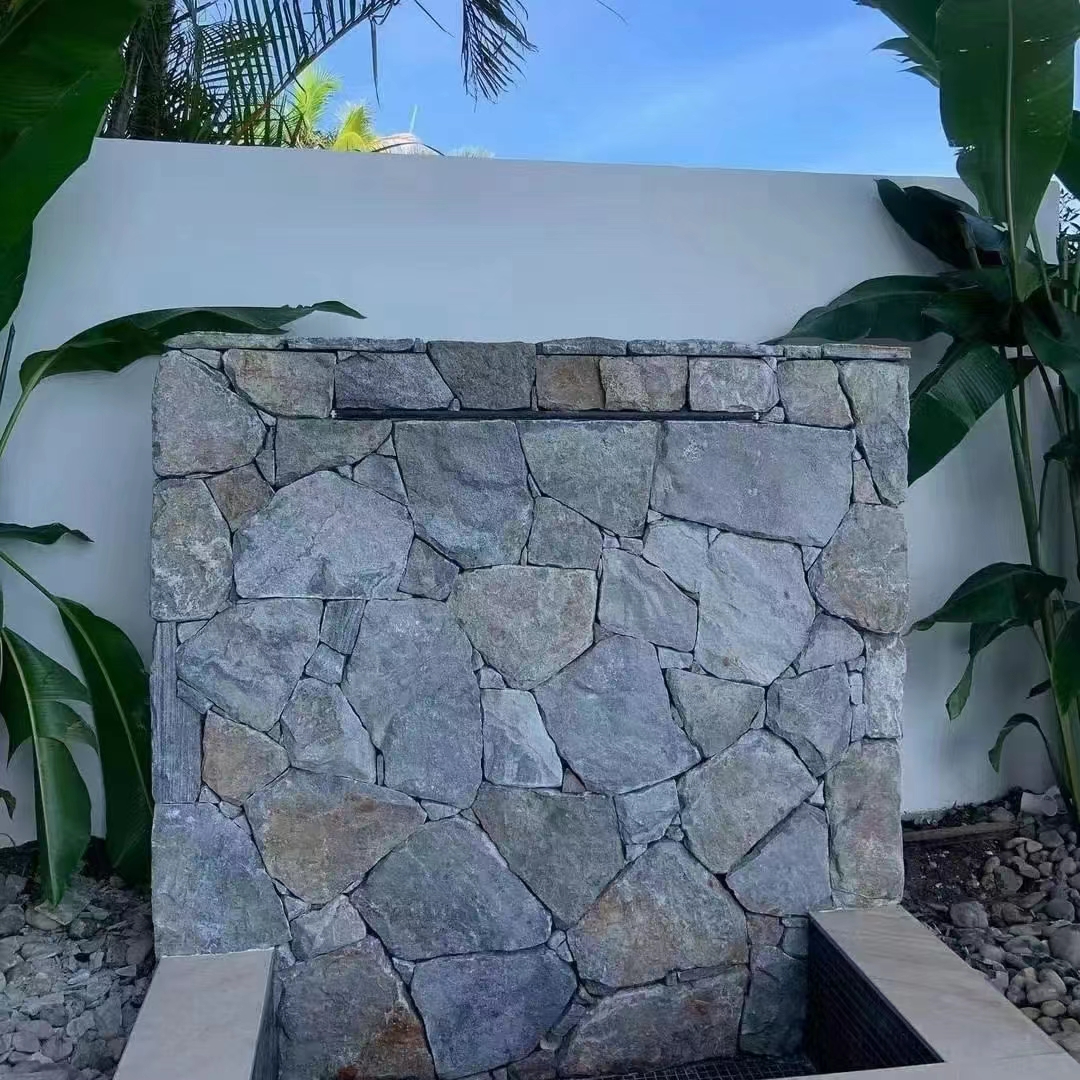
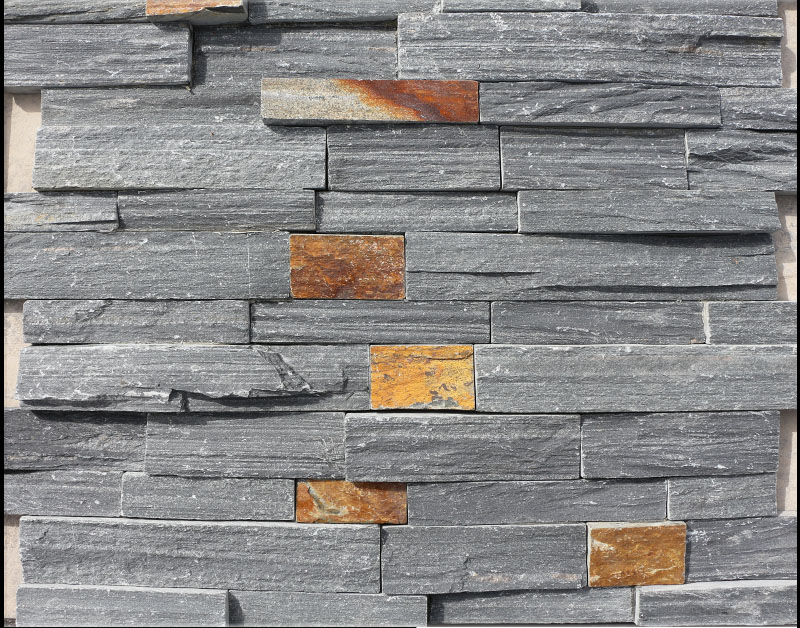
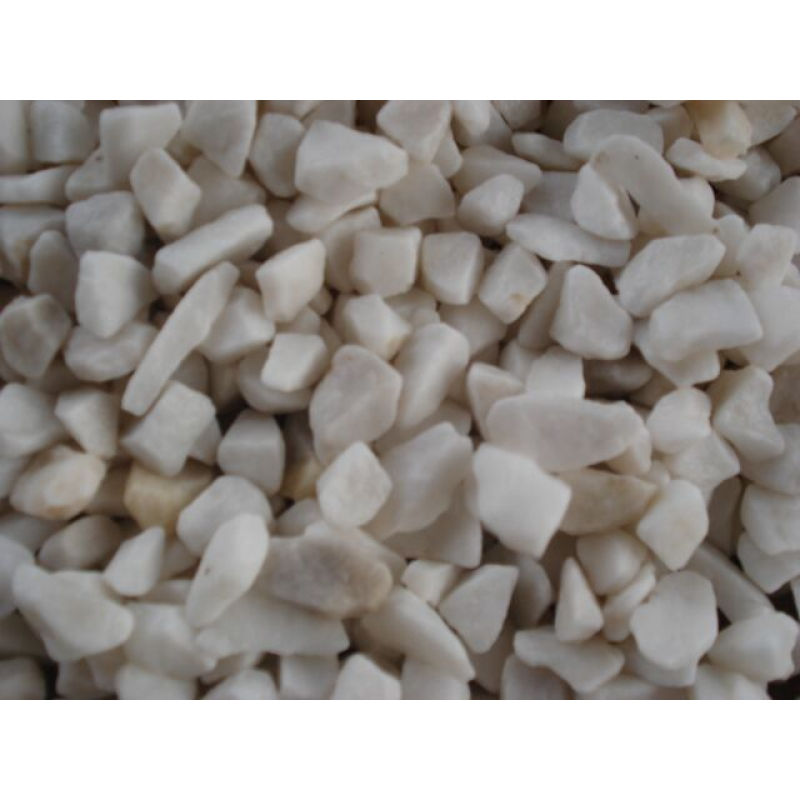
Harlandua harri lau generikorik erabilienetako bat da. Zure paisaia-diseinuan benetakotasunaren garraiatzaile jasangarririk onenatzat hartzen da.
Honen atzean dagoen arrazoi sinesgarria lauak erabiltzen dituzunean da harriak, eskuz egindako kutsu bat sortuko diozu zure lorategiari, betiko itxura duen ere. Moztutako harlauz moderno eta landa-moztagarrien aldaera ugari dagoen arren, zure gustu eta estilo indibidualak atera ditzakezu.
In this blog, you will first get to know the origins of this flagstone and learn about its creation. Afterward, you’ll learn about the different types and the best practices for using them. At length, you’ll gain valuable knowledge in the art and science of installing this material.
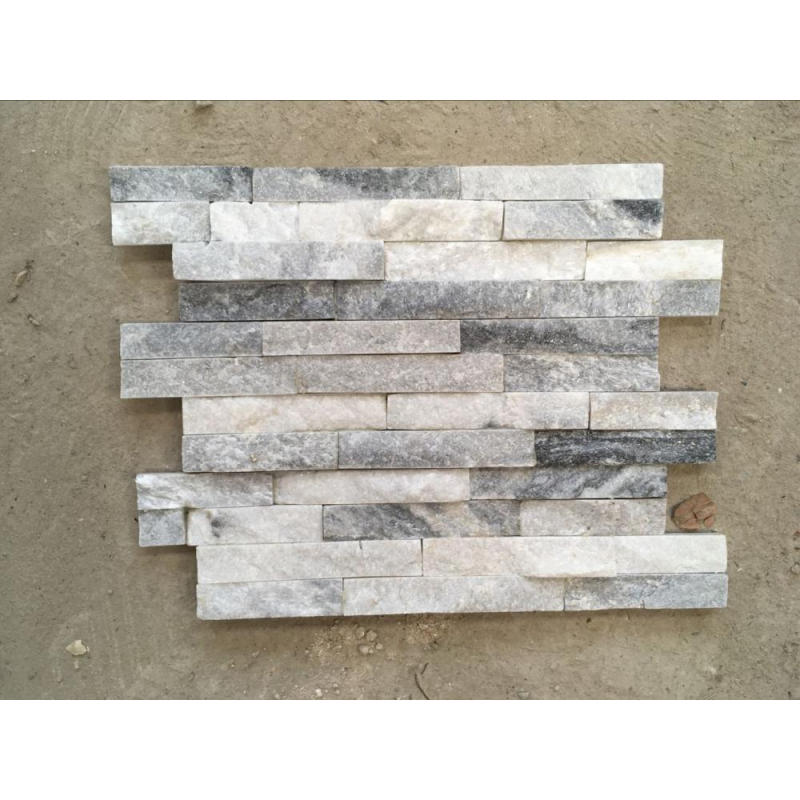
Flagstone is a generic term for many different types of rock. In the beginning, a stonemason chisels or strikes larger stones. And as a result, it breaks up into thick, flat sheets. Next, these thinner sheets are then broken up into flagstone-sized pieces. There are abundant varieties of rock that masons cut and then shape into flagstones.
Hasieran, forma bihurtzeko arroka bigunenak eta errazenak harri sedimentarioak dira, hareharria, eskistoa eta kareharria bezalako barietateak barne.
Bigarrenik, barietate gogorragoek granitoa edo basaltoa bezalako arroka igneoak dira. Azkenik, mota gogorrenak arroka metamorfikoei dagozkie, kuartzita eta marmola ere.
Eskaeran dauden bi mota nagusi daude Flagstones: patio and select. Comparatively, Patio pieces type of Flagstone is smaller, ranging from 12” to 18” and thicker. And are most often used for stepping stones, outdoor pathways, or patios. Due to their smaller size, they are typically palletized lying down, preventing breakage during shipment. Contrarily, select flagstone, known as “standup,” comes in large, thin slabs of 18” to 36”. Due to their large size, they are usually palletized vertically. Flagstones generally make the formation of many shapes and sizes, including rectangular and square. Nevertheless, they are also available in more natural, jagged varieties.
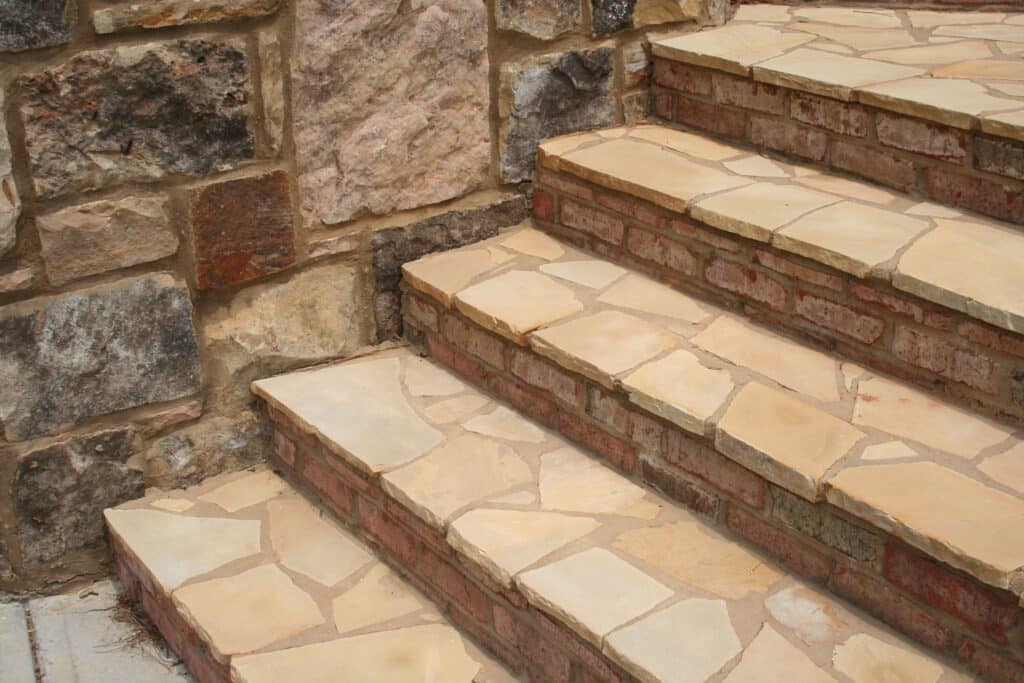
For more than hundreds of thousands of years, Flagstone has been used in various types of formation. Earlier in the 1900s, people saw it as an improvement over cobblestone, and it’s easy to see why. Whereas stonemasons can chisel it at ease by hand into a very flat surface, it is a simple way to create a flat paving surface. Its notable usages as countertop material or even as a paving substrate and as a walkway or roadway. People even use them as roofing and siding. Flagstone patios and Stepping stones are the most common applications of flagstones.
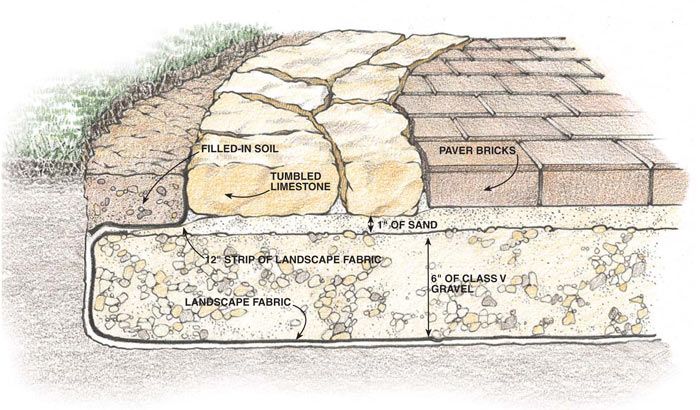
Harlauzetarako oinarrizko material gisa harea erabiltzen dugu normalean. Lehenik eta behin, Sand instalatzeko nahiko erraza da eta drainatze abantaila handia eskaintzen du. Gainera, zure harrien artean belar txarrak eta landareen hazkuntza saihesten lagunduko dute. Hala ere, instalazio iraunkorragoa izateko, erabili zementua. Harea oinarriarekin, harlauza lodiagoa beharko duzu. Morteroak ere harri meheagoak erabiltzeko aukera ematen du, zementuzko oinarriak gainazala sendotzen laguntzen baitu.
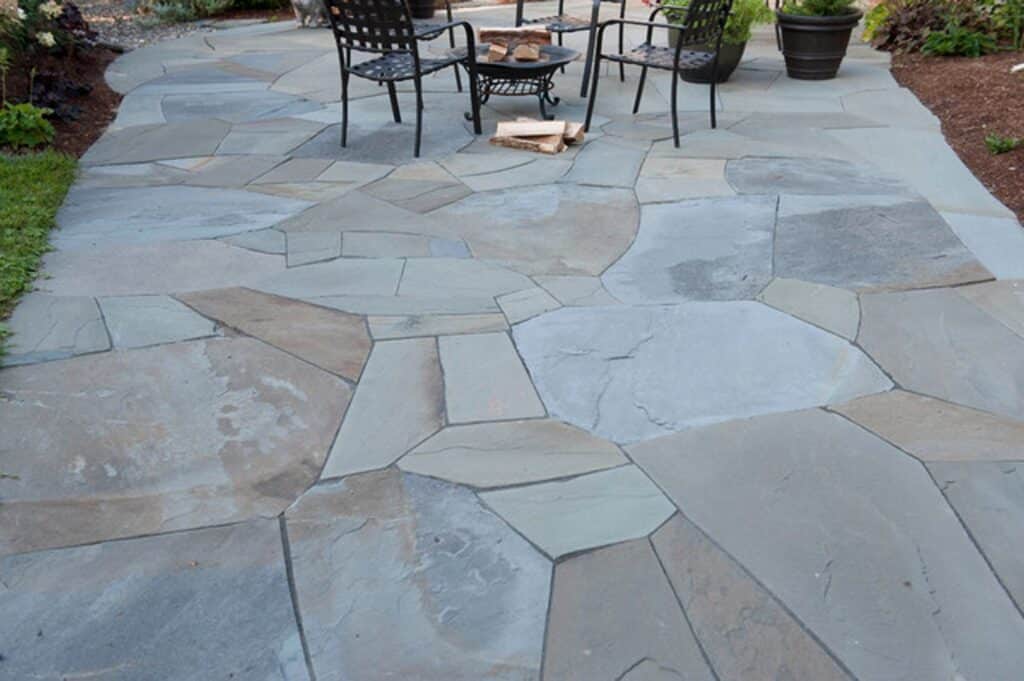
Harri natural honen gauzarik onena da eredu desberdin eta paregabe asko sortzeko forma egin dezakezula! Dena den, muga bakarra zure irudimena da material honekin. Zure bistaratzea deskodetzeko, errealitatean, egin behar duzun guztia zure paisaia elkarrekin lotzea da. Horrek zentzuzkoa du itxura moderno eta garbi bat nahi baduzu, eredu errepikakor eta zurrunago batekin mantentzea ziurtatu behar duzula. Bestalde, tamaina irregularrak eta ausazko formak bila ditzakezu itxura landa eta naturala lortzeko.
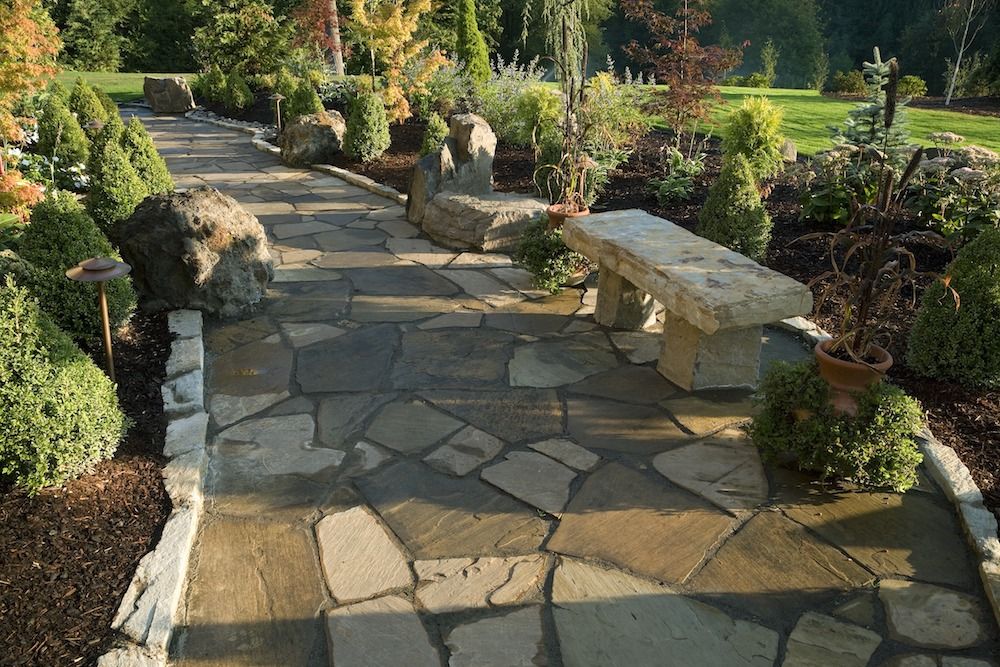
Arrazoi askorengatik harlauzak maite ditzakezu, besteak beste, Harlanduak which are naturally flat, and it’s easy to use in so many different projects.
However, because flagstone is more of a generic term for many sedimentary rocks, it’s easy to misunderstand and underappreciate.
Hona hemen jakin behar dituzun gauza batzuk:
Flagstone’s one of the beneficial advantages is that it’s relatively flat when mined, making it ideal in so many landscaping projects.
Second, it’s naturally non-slip. Whenever you are all set to starting a project where people will need to walk, a non-slip surface is essential for safety. Next, it’s strong and stable. When installed properly, it won’t break or crack.
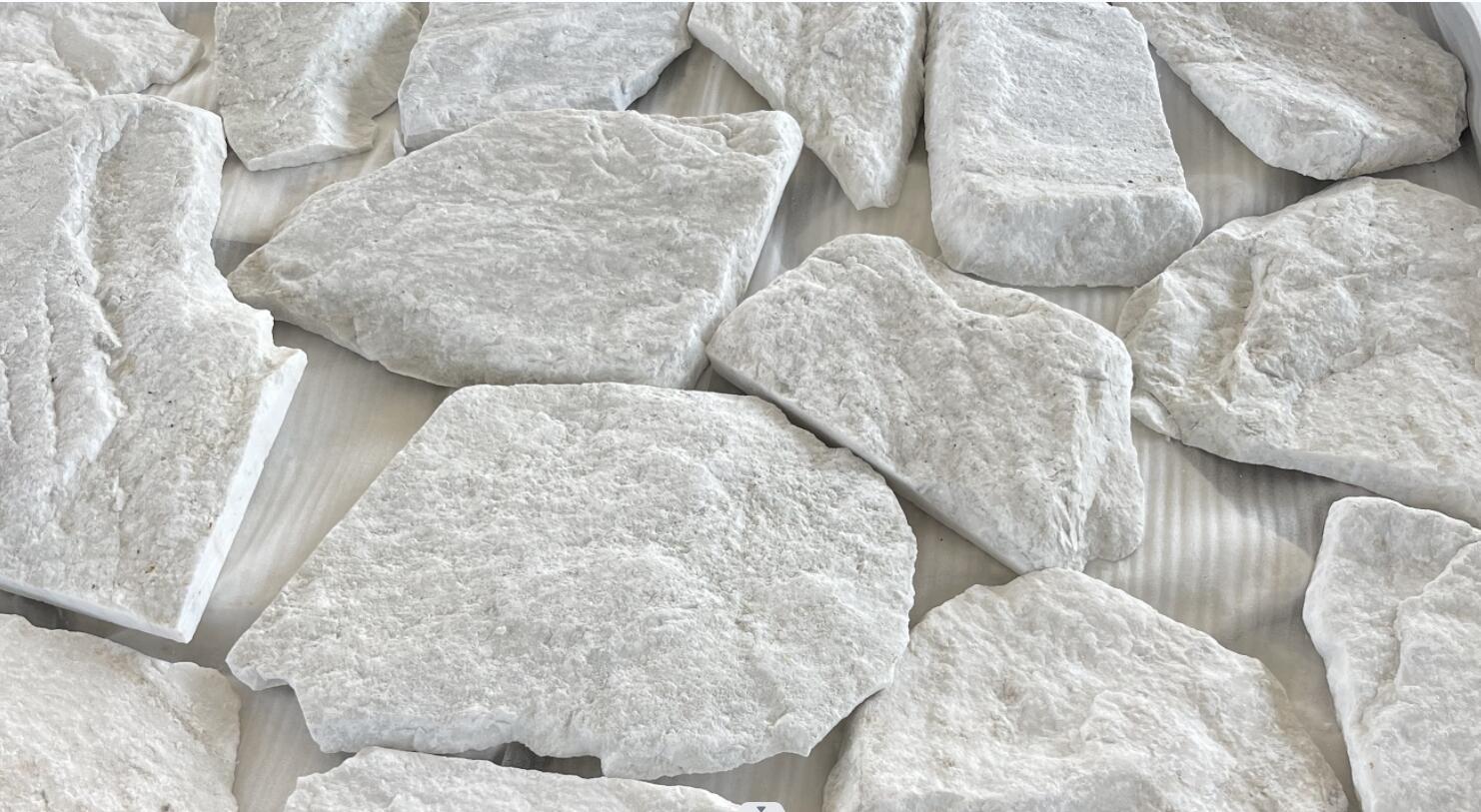
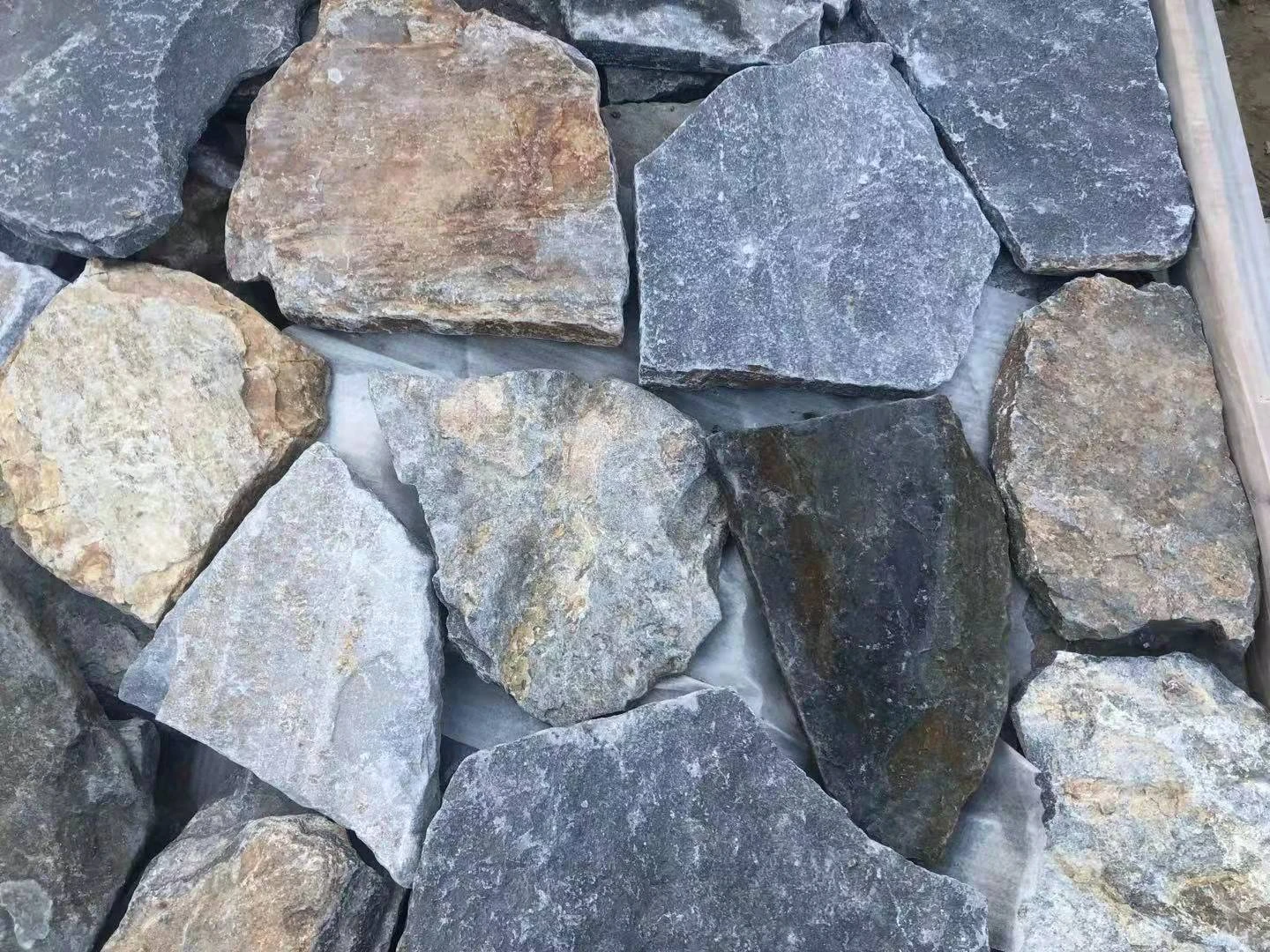
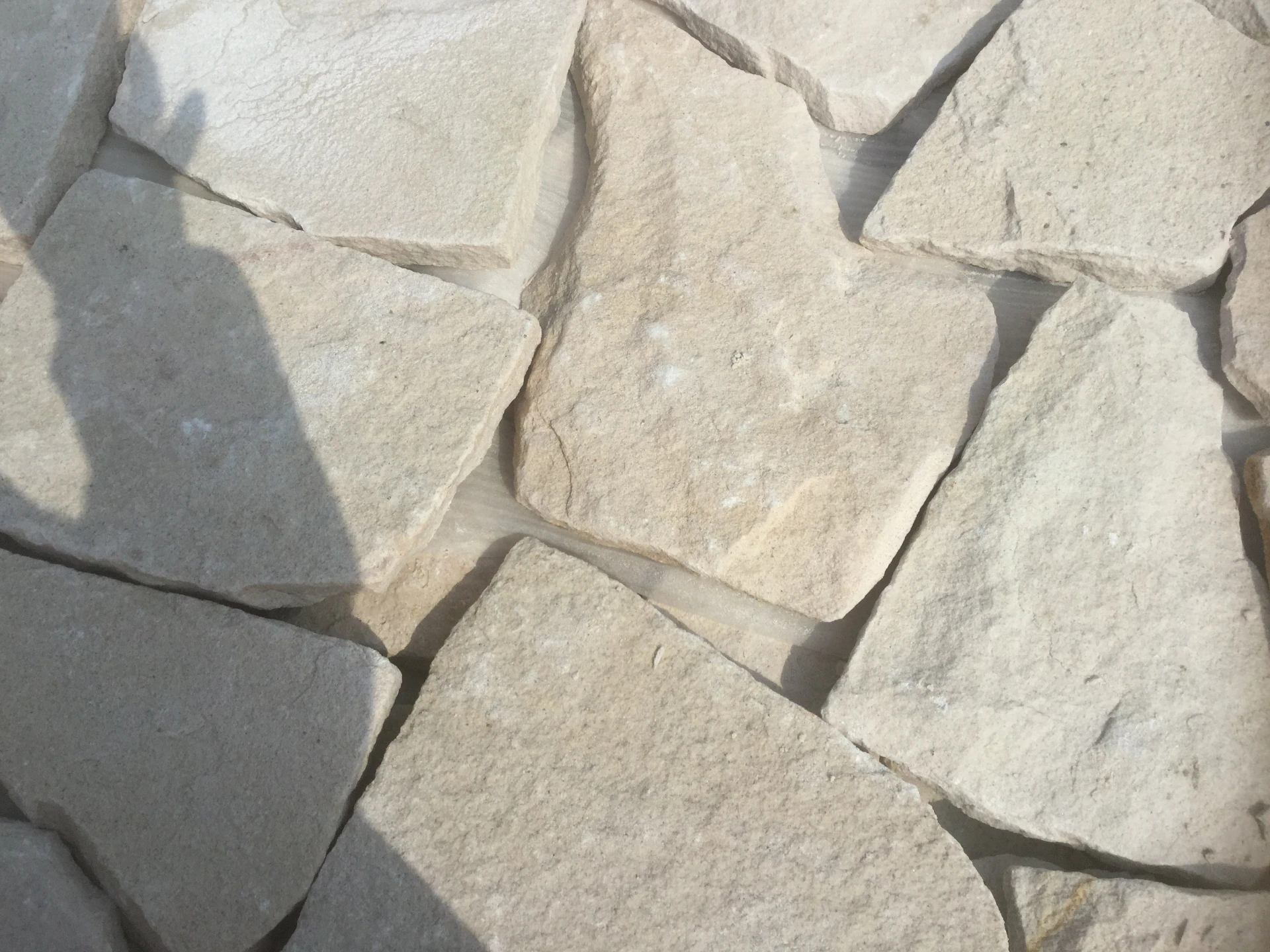
Orokorrean, hainbat espektro edo tonu aurki ditzakezu Harlanduak eta erabili tonuetako edozein. Gehienek arroka gehienek bezala tonu grisak edo beltzaranak izan arren, tonu askok arrosak, berdeak, urdinak, urreak eta baita zuri gertu ere izan ditzakete.
Horrek esan nahi du beti aurkitu eta hauta dezakezula hura osatu edo kontrastatu dezakeen harlauza bat, edozein dela ere zure helburua, edozein dela ere zure etxean dagoeneko koloreak aplikatzen ari diren.
Bereziki, kolore askotako harrien nahasketa erraz bat lor dezakezu eta patio edo pasabide paregabea ere sor dezakezu.
Instalazio-malgutasuna bere onura ugarietako bat ere har liteke. Patio bat jartzeko, baliteke harrien artean morteroarekin instalatzea. Honek, zalantzarik gabe, zure patioari erabat maila eta sendotasuna emango dio, aulki eta mahaietarako aproposa.
Suppose you’re planning to construct a walkway across your lawn. You can install large stones directly on your dirt and install mulch or allow the grass to grow around it.
As an alternate, you can also create a walking path with gravel between the stones. It’s also a great option for building stairs. Nevertheless, you would want to use cement to ensure safety and stability.
From our long-entailed informative blog, we hope we have provided you a clear conception of how, no matter what project you’re planning, there are ways to incorporate this beautiful stone.
 afrikarra
  Albaniarra
  Amharikoa
  arabiera
  armeniarra
  Azerbaijangoa
  euskara
  bielorrusiera
  bengalera
  bosniarra
  bulgariera
  katalana
  Cebuano
  Txina
Txina  Txina (Taiwan)
  Korsikera
  kroaziera
  Txekiar
  daniera
  holandarra
  ingelesa
  esperantoa
  Estoniarra
  Finlandiera
  frantsesa
  frisiera
  galegoa
  georgiarra
  alemana
  grekoa
  gujaratera
  Haitiko kreolera
  hausa
hausa  hawaiarra
  hebreera
  Ezetz
Ezetz  Miao
Miao  hungariera
  islandiera
  igbo
igbo  Indonesian
  irlandera
  italiarra
  japoniarra
  javera
  Kannada
  kazakh
  Khmer
Khmer  Ruanda
  Korean
  kurduera
  kirgizera
  TB
TB  latina
  letoniera
  Lituaniera
  Luxenburgera
  Mazedoniera
  Malgashi
  malaysiera
  malayalamera
  maltera
  maoria
  Marathia
  Mongoliera
  Myanmar
  Nepaliarra
  Norvegiara
  Norvegiara
  okzitaniera
  Paxtuera
  pertsiera
  poloniarra
  portugesa
  punjabera
  errumaniera
  errusiera
  samoarra
  Eskoziako gaelikoa
  serbiarra
  ingelesa
  Shona
Shona  Sindhia
  Sinhalera
  eslovakiera
  Esloveniera
  somaliera
  gaztelania
  Sundanera
  Swahilia
  Suediera
  Tagalog
  Tajik
Tajik  Tamila
  tatariarra
  Telugu
  thailandiera
  turkiera
  Turkmenera
  Ukrainara
  Urdu
Urdu  uigurrera
  uzbekera
  Vietnamera
  galesera