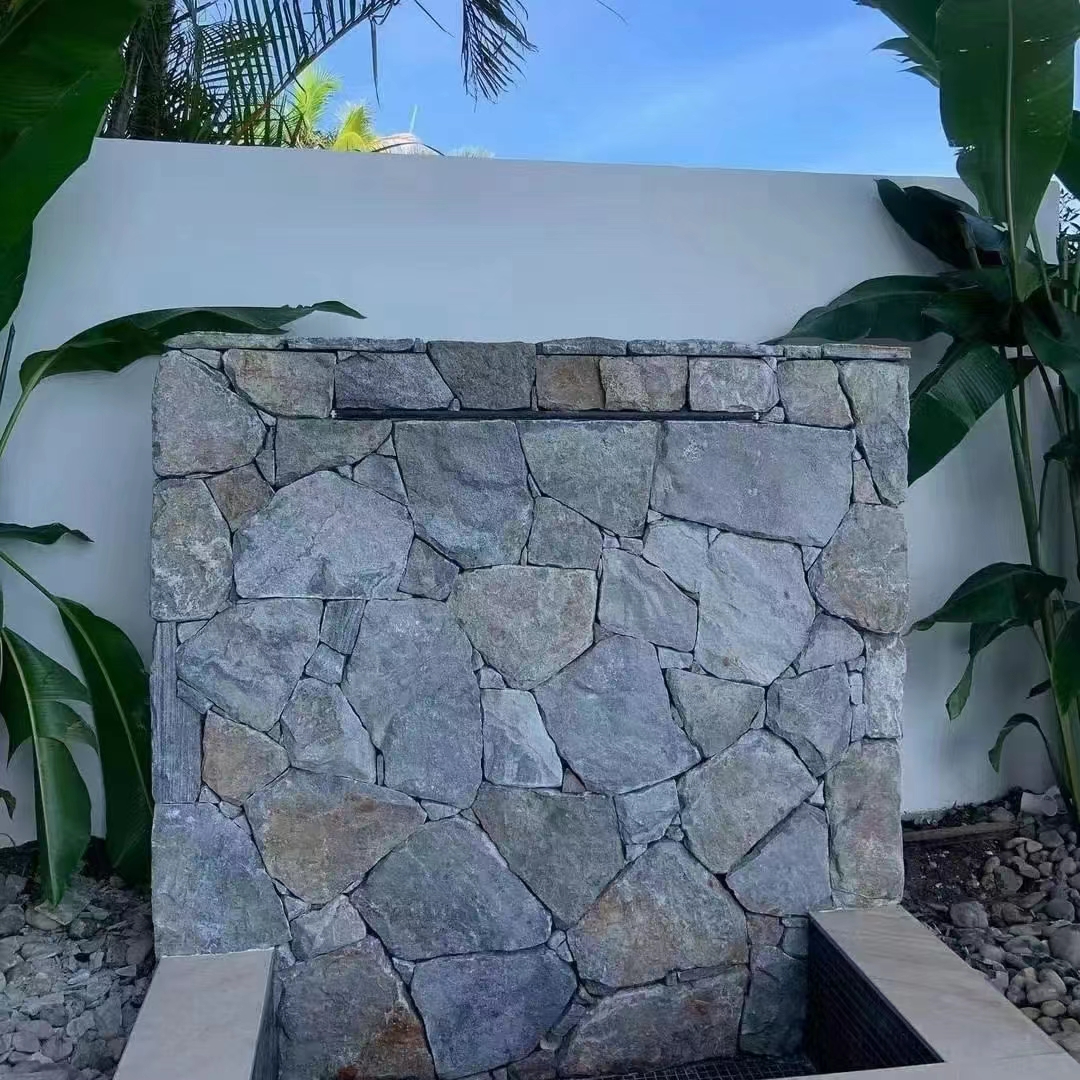
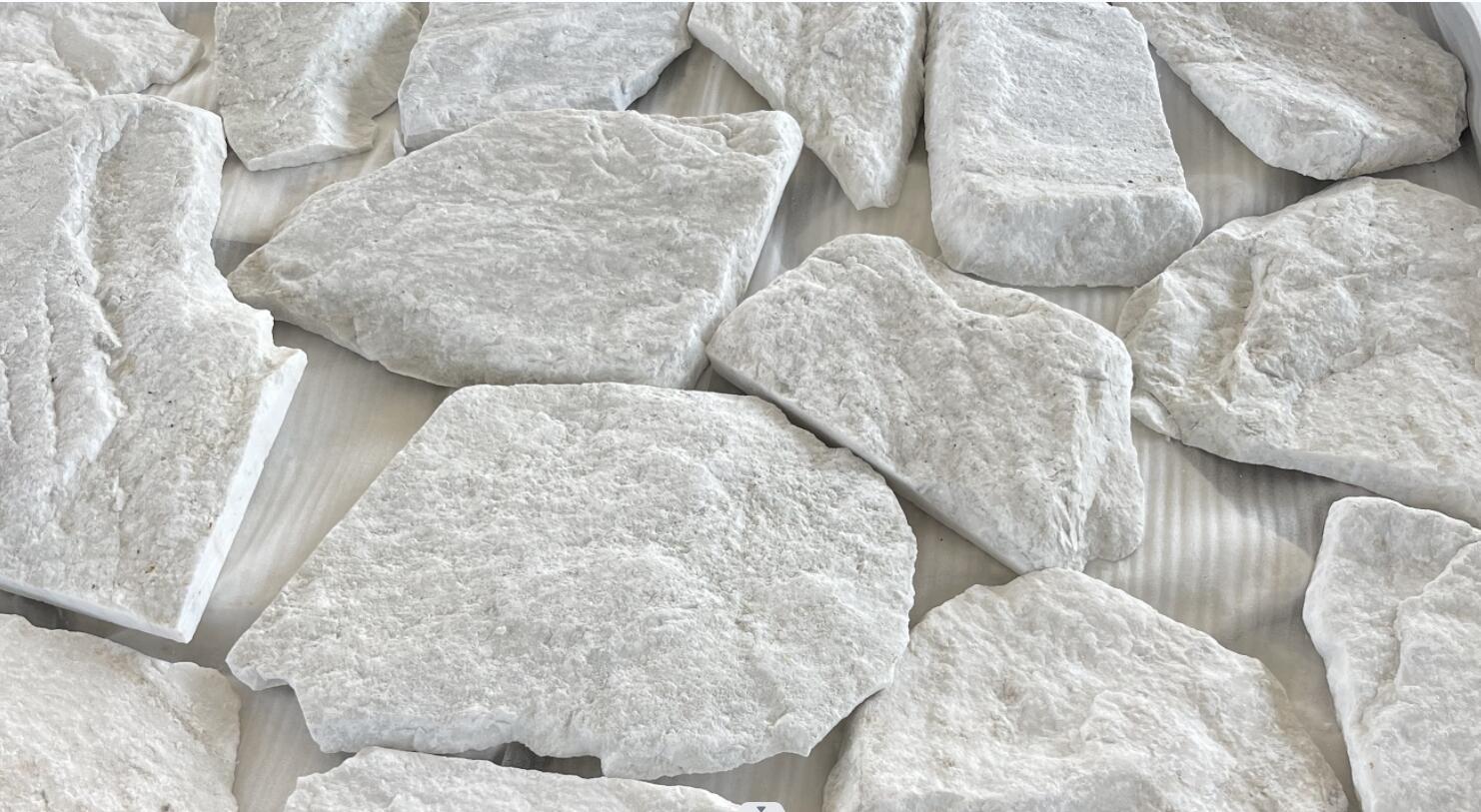
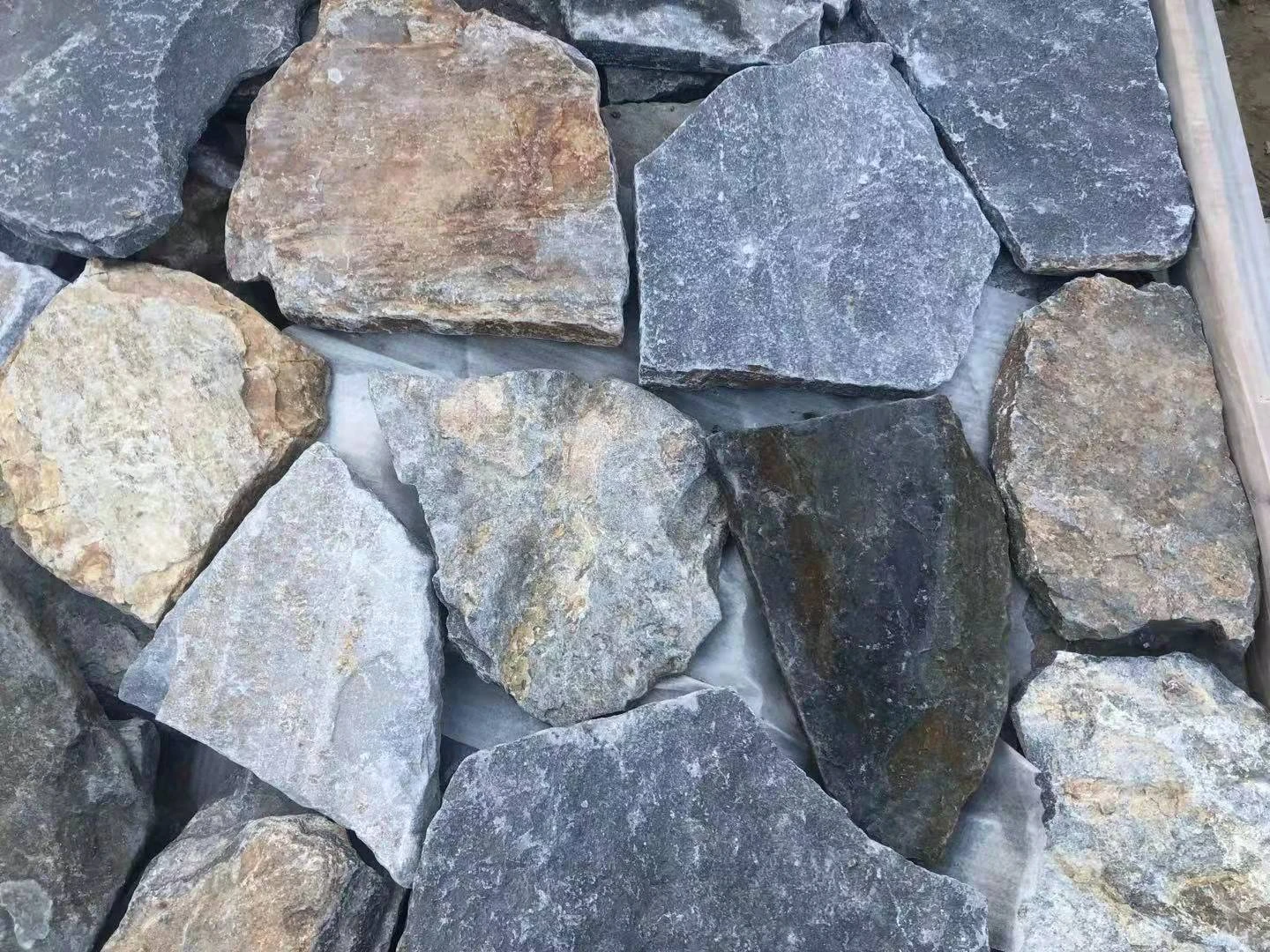
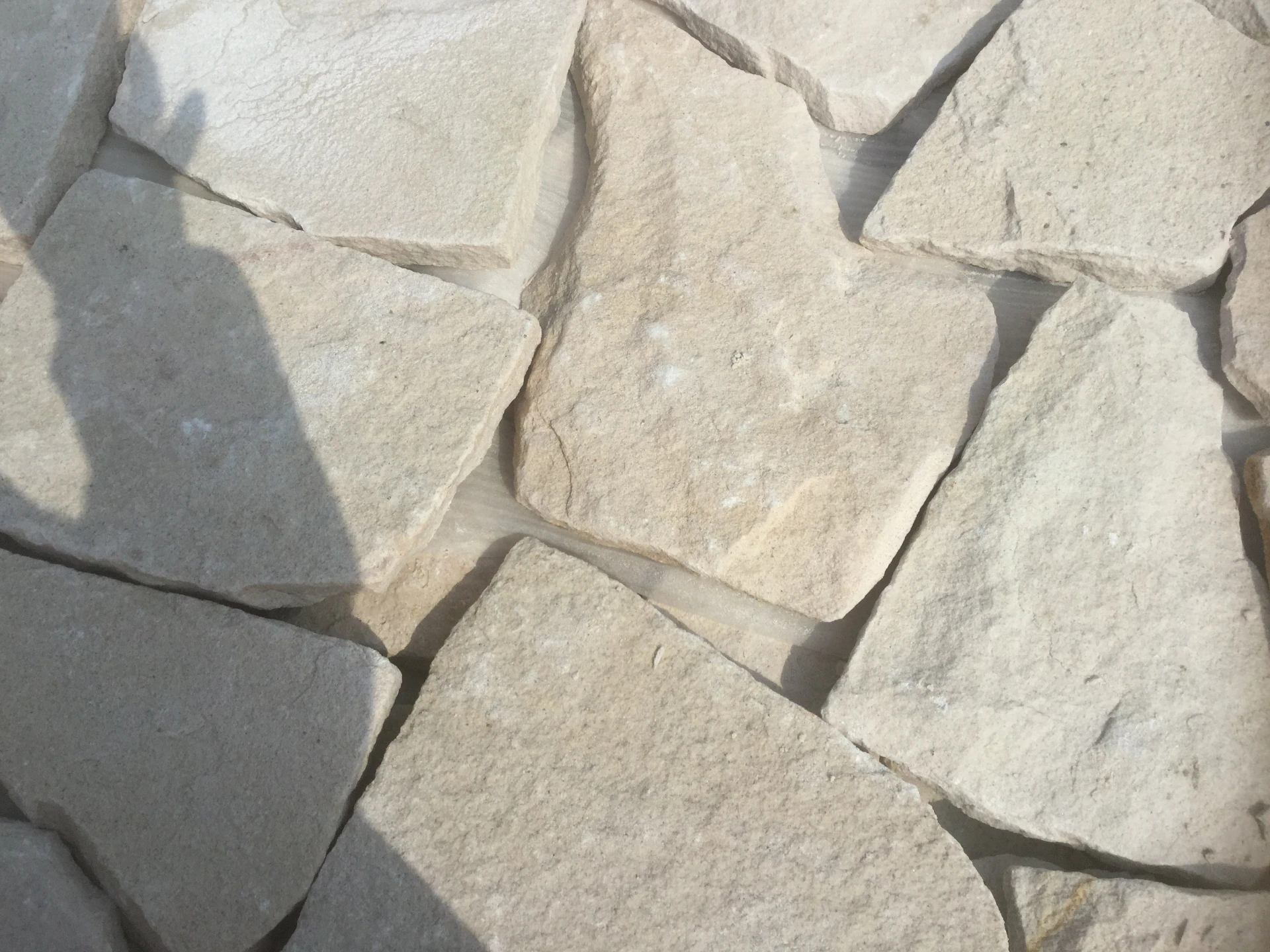
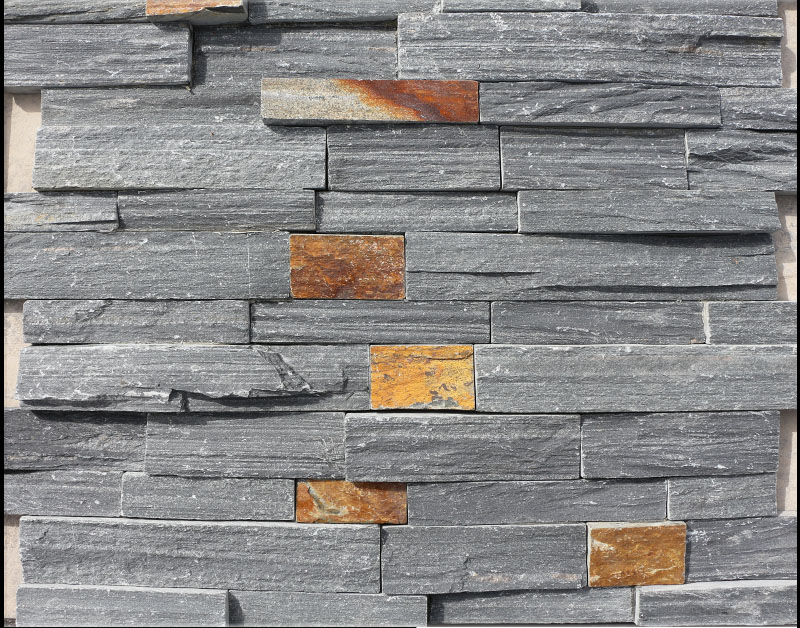
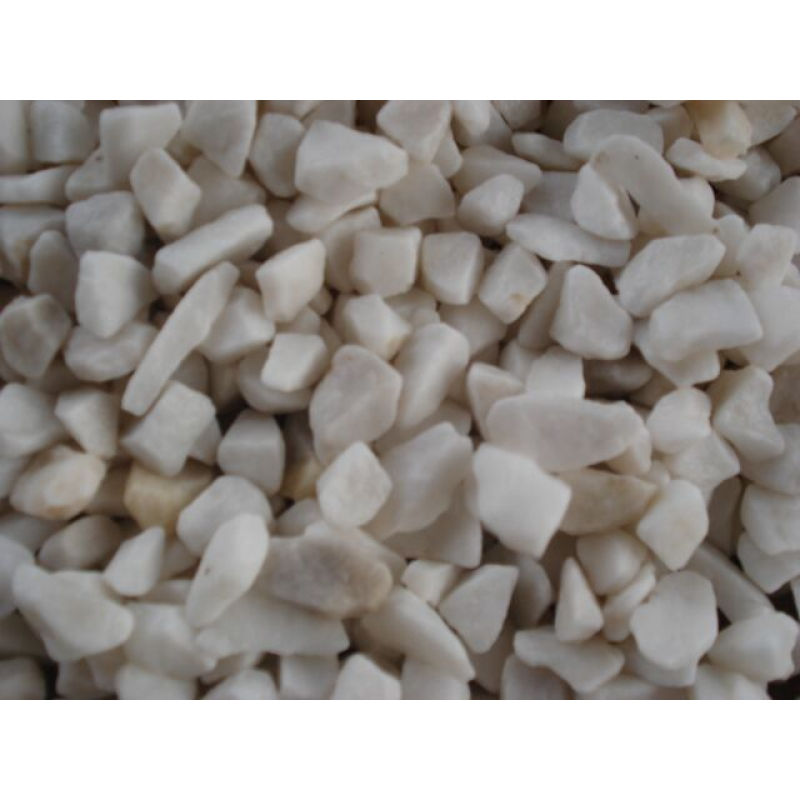
Fliz jest jednym z najczęściej używanych ogólnych kamieni płaskich. Jest uważany za najlepszy zrównoważony nośnik autentyczności w projektowaniu krajobrazu.
Przekonującym powodem jest to, kiedy używasz tych mieszkań kamienie, stworzysz w swoim ogrodzie wrażenie rękodzieła, które jednocześnie będzie wyglądać ponadczasowo. Chociaż istnieje wiele odmian nowoczesnych i rustykalnych płyt chodnikowych, możesz wydobyć swój indywidualny gust i styl.
In this blog, you will first get to know the origins of this flagstone and learn about its creation. Afterward, you’ll learn about the different types and the best practices for using them. At length, you’ll gain valuable knowledge in the art and science of installing this material.
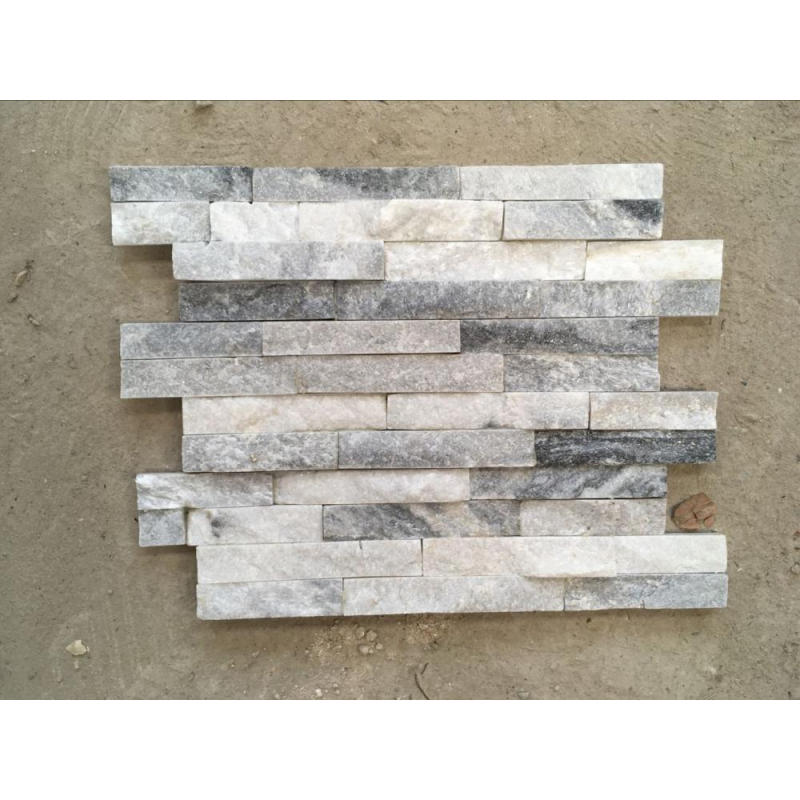
Flagstone is a generic term for many different types of rock. In the beginning, a stonemason chisels or strikes larger stones. And as a result, it breaks up into thick, flat sheets. Next, these thinner sheets are then broken up into flagstone-sized pieces. There are abundant varieties of rock that masons cut and then shape into flagstones.
Początkowo najmiększymi i najłatwiejszymi do wyrzeźbienia skałami są skały osadowe, w tym takie odmiany jak piaskowiec, łupki i wapień.
Po drugie, twardsze odmiany obejmują skały magmowe, takie jak granit czy bazalt. Wreszcie najtwardsze typy należą do skał metamorficznych, takich jak kwarcyt, a także marmur.
Istnieją dwa główne typy popytu Flagstones: patio and select. Comparatively, Patio pieces type of Flagstone is smaller, ranging from 12” to 18” and thicker. And are most often used for stepping stones, outdoor pathways, or patios. Due to their smaller size, they are typically palletized lying down, preventing breakage during shipment. Contrarily, select flagstone, known as “standup,” comes in large, thin slabs of 18” to 36”. Due to their large size, they are usually palletized vertically. Flagstones generally make the formation of many shapes and sizes, including rectangular and square. Nevertheless, they are also available in more natural, jagged varieties.
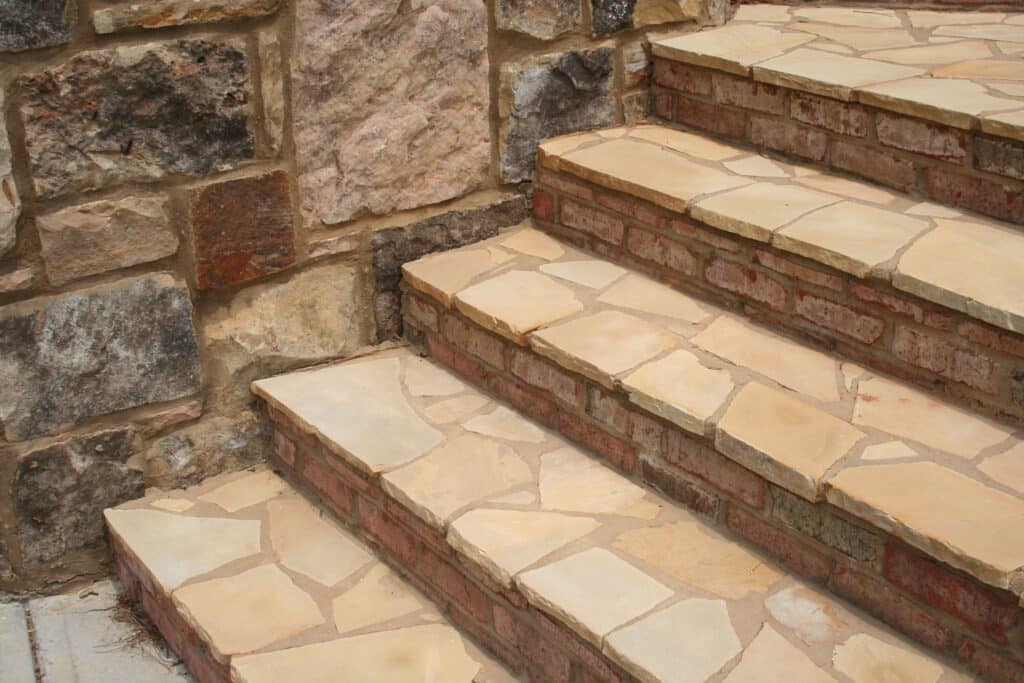
For more than hundreds of thousands of years, Flagstone has been used in various types of formation. Earlier in the 1900s, people saw it as an improvement over cobblestone, and it’s easy to see why. Whereas stonemasons can chisel it at ease by hand into a very flat surface, it is a simple way to create a flat paving surface. Its notable usages as countertop material or even as a paving substrate and as a walkway or roadway. People even use them as roofing and siding. Flagstone patios and Stepping stones are the most common applications of flagstones.
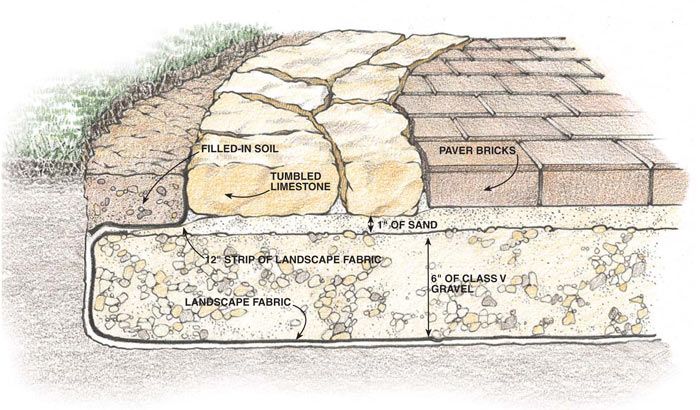
Zwykle używamy piasku jako materiału bazowego do płyt chodnikowych. Po pierwsze, Sand jest dość łatwy w montażu i zapewnia duże korzyści w zakresie drenażu. Poza tym pomogą one również zapobiegać chwastom i wzrostowi roślin między kamieniami. Jednakże, aby uzyskać bardziej trwałą instalację, użyj cementu. W przypadku podłoża z piasku będziesz potrzebować grubszego kamienia. Zaprawa pozwala również na użycie cieńszych kamieni, ponieważ baza cementowa pomaga wzmocnić powierzchnię.
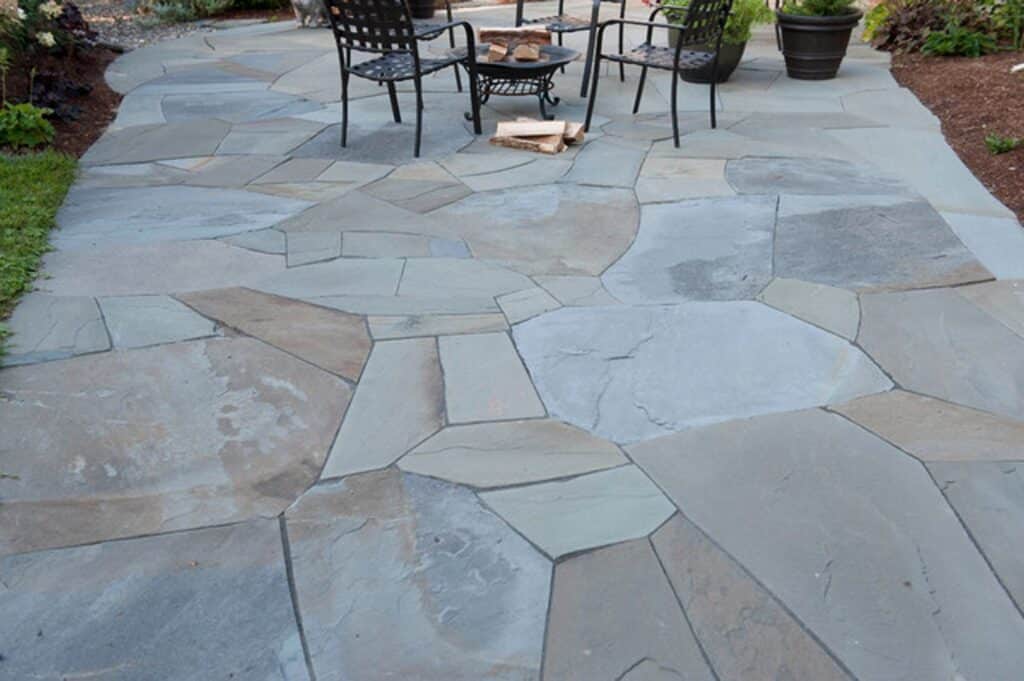
Najlepszą rzeczą w tym kamieniu naturalnym jest to, że można go kształtować, tworząc wiele różnych, niepowtarzalnych wzorów! Niemniej jednak jedynym ograniczeniem jest Twoja wyobraźnia w zakresie tego materiału. Aby odszyfrować wizualizację, w rzeczywistości wszystko, co musisz zrobić, to powiązać krajobraz w całość. Ma to sens, jeśli chcesz mieć nowoczesny, czysty wygląd, musisz trzymać się bardziej sztywnego, powtarzalnego wzoru. Z drugiej strony możesz wybrać nieregularne rozmiary i przypadkowe kształty, aby uzyskać rustykalny i naturalny wygląd.
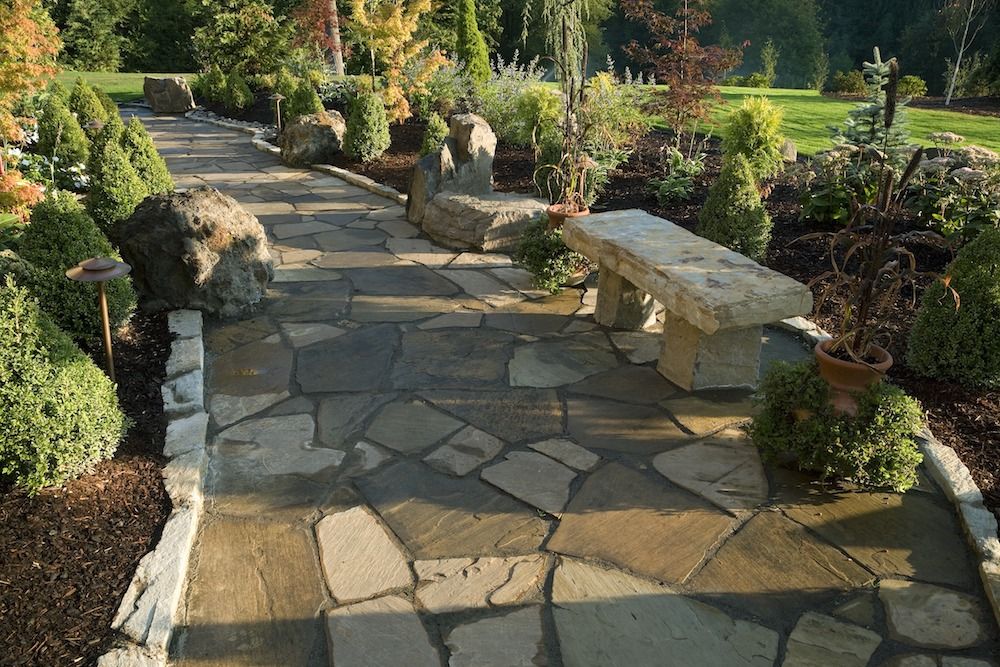
Możesz kochać płyty chodnikowe z wielu powodów, w tym: Płyty chodnikowe which are naturally flat, and it’s easy to use in so many different projects.
However, because flagstone is more of a generic term for many sedimentary rocks, it’s easy to misunderstand and underappreciate.
Oto kilka rzeczy, o których powinieneś wiedzieć:
Flagstone’s one of the beneficial advantages is that it’s relatively flat when mined, making it ideal in so many landscaping projects.
Second, it’s naturally non-slip. Whenever you are all set to starting a project where people will need to walk, a non-slip surface is essential for safety. Next, it’s strong and stable. When installed properly, it won’t break or crack.
Ogólnie rzecz biorąc, można znaleźć różne spektrum lub odcienie Płyty chodnikowe i skorzystaj z dowolnego odcienia. Chociaż większość ma odcienie szarości lub brązu, jak większość rocka, wiele odcieni może mieć róże, zielenie, błękity, złoto, a nawet prawie białe.
Oznacza to, że zawsze możesz znaleźć i wybrać kamień chodnikowy, który będzie go uzupełniał lub kontrastował, niezależnie od tego, jaki jest Twój cel, bez względu na to, jakie kolory są już zastosowane w Twoim domu.
W szczególności można łatwo uzyskać mieszankę kamieni o wielu kolorach i stworzyć jedyne w swoim rodzaju patio lub chodnik.
Elastyczność instalacji można również uznać za jedną z wielu zalet. Aby umieścić patio, warto rozważyć zainstalowanie go zaprawą między kamieniami. Dzięki temu Twoje patio będzie całkowicie równe i solidne, idealne na krzesła i stoły.
Suppose you’re planning to construct a walkway across your lawn. You can install large stones directly on your dirt and install mulch or allow the grass to grow around it.
As an alternate, you can also create a walking path with gravel between the stones. It’s also a great option for building stairs. Nevertheless, you would want to use cement to ensure safety and stability.
From our long-entailed informative blog, we hope we have provided you a clear conception of how, no matter what project you’re planning, there are ways to incorporate this beautiful stone.
 afrykanin
  albański
  amharski
  arabski
  ormiański
  azerbejdżański
  baskijski
  białoruski
  bengalski
  bośniacki
  bułgarski
  kataloński
  Cebuański
  Chiny
Chiny  Chiny (Tajwan)
  korsykański
  chorwacki
  Czech
Czech  duński
  Holenderski
  język angielski
  esperanto
  estoński
  fiński
  Francuski
  fryzyjski
  galicyjski
  gruziński
  Niemiecki
  grecki
  gudżarati
  Kreolski haitański
  hausa
hausa  hawajski
  hebrajski
  Nie
Nie  Miao
Miao  język węgierski
  islandzki
  ibo
ibo  indonezyjski
  Irlandczyk
  Włoski
  język japoński
  jawajski
  Kannada
  kazachski
  Khmer
Khmer  Rwandyjski
  koreański
  kurdyjski
  Kirgiski
  gruźlica
  łacina
  łotewski
  litewski
  luksemburski
  macedoński
  Malgashi
  malajski
  malajalam
  Maltański
  Maoryski
  marathi
  mongolski
  Myanmar
  Nepalski
  norweski
  norweski
  oksytański
  paszto
  perski
  Polski
  portugalski
  Pendżabski
  rumuński
  Rosyjski
  Samoański
  szkocki gaelicki
  serbski
  język angielski
  Shona
Shona  Sindhi
  syngaleski
  słowacki
  słoweński
  somalijski
  hiszpański
  Sundajczyk
  Suahili
  szwedzki
  tagalski
  tadżycki
  Tamil
Tamil  Tatar
Tatar  telugu
  tajski
  turecki
  Turkmeni
  ukraiński
  urdu
urdu  Ujgur
Ujgur  uzbecki
  wietnamski
  walijski