

Karkasa akmens ir viens no visbiežāk izmantotajiem parastajiem plakanajiem akmeņiem. Tas tiek uzskatīts par labāko ilgtspējīgo autentiskuma konveijeru jūsu ainavu dizainā.
Pārliecinošs iemesls tam ir tas, ka izmantojat šo dzīvokli akmeņiem, jūs radīsiet ar rokām darinātu pagalmu, kas arī izskatās mūžīgs. Lai gan ir daudz dažādu moderna un zemnieciska griezuma plāksnīšu, jūs varat izcelt savu individuālo gaumi un stilu.
In this blog, you will first get to know the origins of this flagstone and learn about its creation. Afterward, you’ll learn about the different types and the best practices for using them. At length, you’ll gain valuable knowledge in the art and science of installing this material.
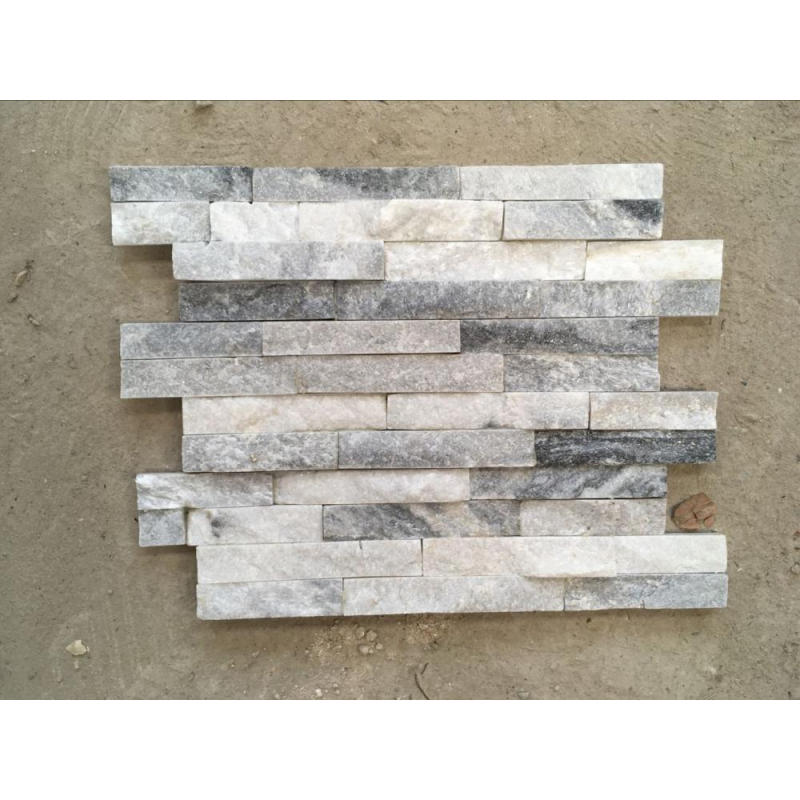
Flagstone is a generic term for many different types of rock. In the beginning, a stonemason chisels or strikes larger stones. And as a result, it breaks up into thick, flat sheets. Next, these thinner sheets are then broken up into flagstone-sized pieces. There are abundant varieties of rock that masons cut and then shape into flagstones.
Sākotnēji mīkstākie un visvieglāk veidojamie ieži ir nogulumieži, tostarp tādas šķirnes kā smilšakmens, slāneklis un kaļķakmens.
Otrkārt, cietākās šķirnes ietver magmatiskos iežus, piemēram, granītu vai bazaltu. Visbeidzot, izturīgākie veidi pieder metamorfajiem akmeņiem, piemēram, kvarcītam un arī marmoram.
Ir divi galvenie pieprasītie veidi Flagstones: patio and select. Comparatively, Patio pieces type of Flagstone is smaller, ranging from 12” to 18” and thicker. And are most often used for stepping stones, outdoor pathways, or patios. Due to their smaller size, they are typically palletized lying down, preventing breakage during shipment. Contrarily, select flagstone, known as “standup,” comes in large, thin slabs of 18” to 36”. Due to their large size, they are usually palletized vertically. Flagstones generally make the formation of many shapes and sizes, including rectangular and square. Nevertheless, they are also available in more natural, jagged varieties.
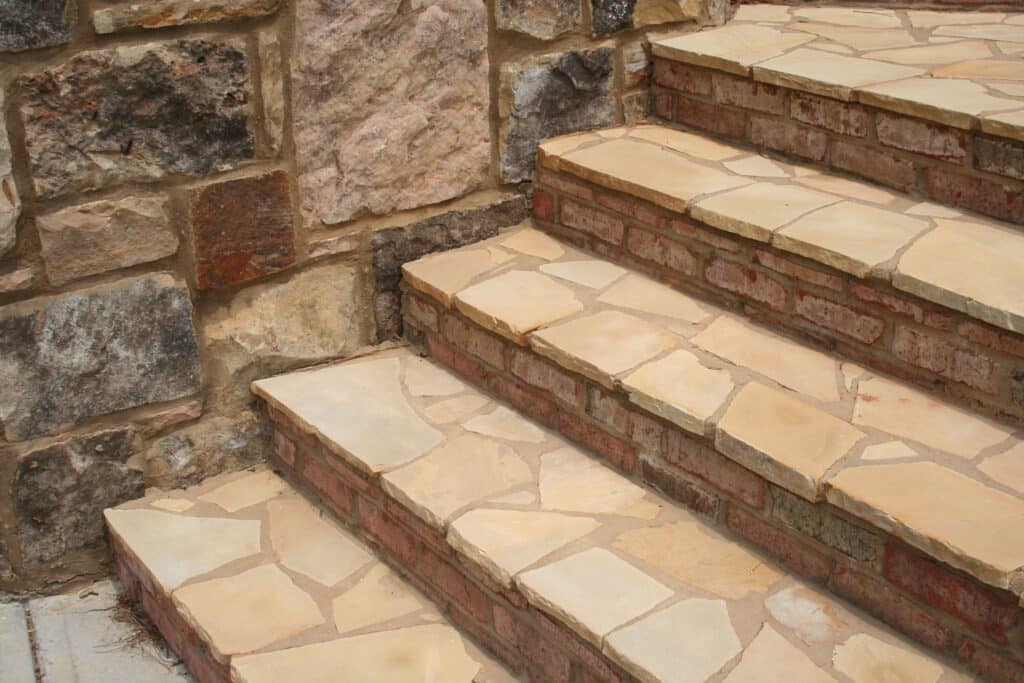
For more than hundreds of thousands of years, Flagstone has been used in various types of formation. Earlier in the 1900s, people saw it as an improvement over cobblestone, and it’s easy to see why. Whereas stonemasons can chisel it at ease by hand into a very flat surface, it is a simple way to create a flat paving surface. Its notable usages as countertop material or even as a paving substrate and as a walkway or roadway. People even use them as roofing and siding. Flagstone patios and Stepping stones are the most common applications of flagstones.
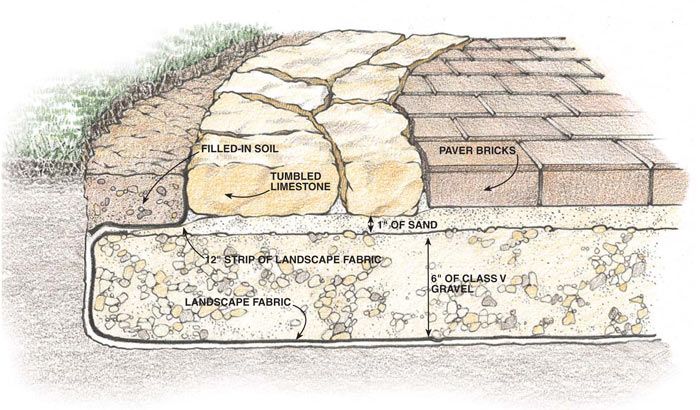
Kā pamatmateriālu plāksnēm mēs parasti izmantojam smiltis. Pirmkārt, smiltis ir diezgan viegli uzstādāmas un piedāvā lieliskas drenāžas priekšrocības. Turklāt tie arī palīdzēs novērst nezāles un augu augšanu starp jūsu akmeņiem. Tomēr pastāvīgākai uzstādīšanai izmantojiet cementu. Izmantojot smilšu pamatni, jums būs nepieciešams biezāks akmens. Java ļauj izmantot arī plānākus akmeņus, jo cementa pamatne palīdz nostiprināt virsmu.
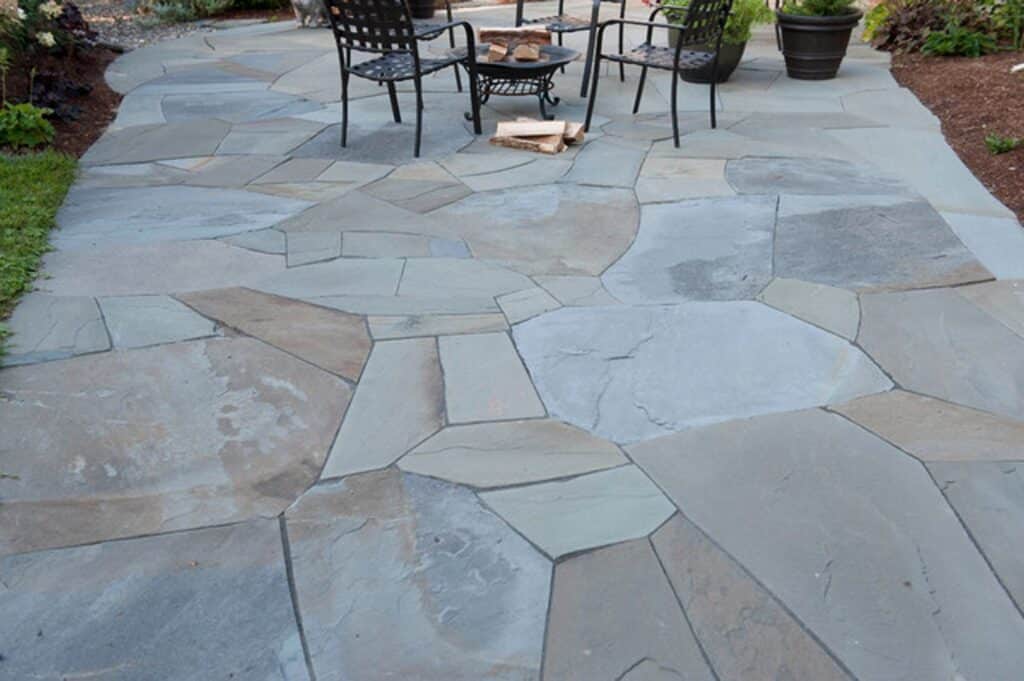
Pats labākais šajā dabiskajā akmenī ir tas, ka varat to veidot tā, lai izveidotu daudz dažādu, unikālu rakstu! Tomēr vienīgais ierobežojums ir jūsu iztēle ar šo materiālu. Lai atšifrētu savu vizualizāciju, patiesībā viss, kas jums jādara, ir savienot savu ainavu. Tas ir loģiski, ka, ja vēlaties modernu, tīru izskatu, noteikti izmantojiet stingrāku, atkārtotu rakstu. No otras puses, jūs varat izvēlēties neregulārus izmērus un nejaušas formas, lai iegūtu zemniecisku un dabisku izskatu.
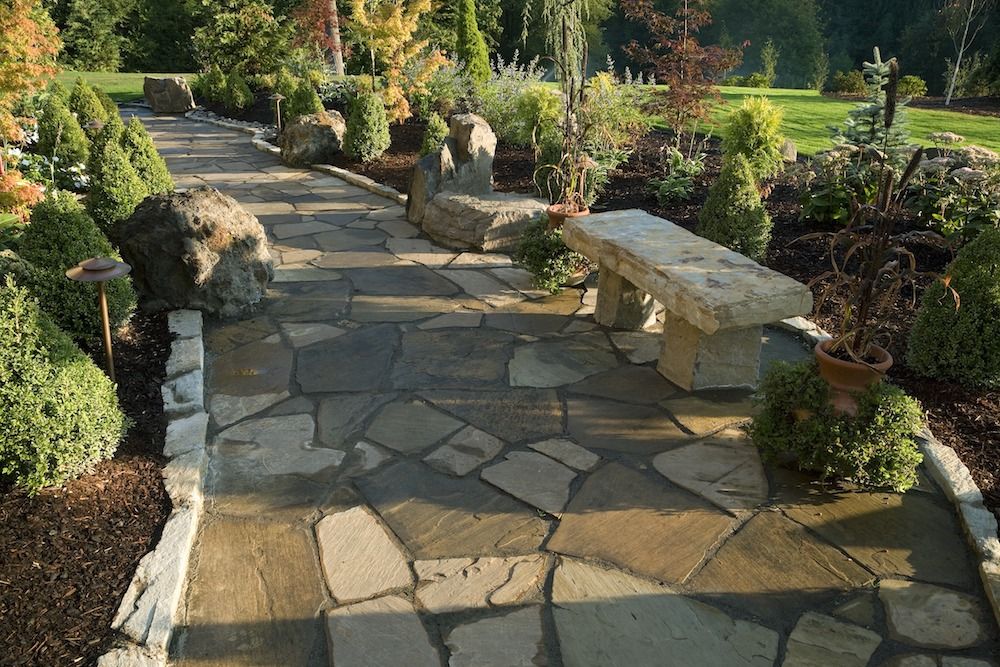
Jums var patikt plāksnītes daudzu iemeslu dēļ, tostarp Karogakmeņi which are naturally flat, and it’s easy to use in so many different projects.
However, because flagstone is more of a generic term for many sedimentary rocks, it’s easy to misunderstand and underappreciate.
Šeit ir dažas lietas, kas jums jāzina par:
Flagstone’s one of the beneficial advantages is that it’s relatively flat when mined, making it ideal in so many landscaping projects.
Second, it’s naturally non-slip. Whenever you are all set to starting a project where people will need to walk, a non-slip surface is essential for safety. Next, it’s strong and stable. When installed properly, it won’t break or crack.
Parasti jūs varat atrast dažādu spektru vai nokrāsas Karogakmeņi un izmantojiet jebkuru no toņiem. Lai gan lielākajai daļai toņu ir pelēkas vai dzeltenbrūnas nokrāsas, piemēram, lielākajai daļai akmeņu, daudzos toņos var būt rozā, zaļā, zilā, zelta un pat gandrīz balta.
Tas nozīmē, ka jūs vienmēr varat atrast un izvēlēties pamatakmeni, kas to var papildināt vai kontrastēt, neatkarīgi no tā, kurš ir jūsu mērķis, neatkarīgi no tā, kādas krāsas jau tiek izmantotas jūsu mājās.
Jo īpaši jūs varat iegūt vienkāršu akmeņu maisījumu ar daudzām krāsām un izveidot arī unikālu terasi vai celiņu.
Uzstādīšanas elastību var uzskatīt arī par vienu no daudzajām priekšrocībām. Lai novietotu iekšpagalmu, iespējams, vēlēsities to uzstādīt ar javu starp akmeņiem. Tas noteikti piešķirs jūsu terasei pilnīgi līdzenu un stabilu sajūtu, kas ir ideāli piemērota krēsliem un galdiem.
Suppose you’re planning to construct a walkway across your lawn. You can install large stones directly on your dirt and install mulch or allow the grass to grow around it.
As an alternate, you can also create a walking path with gravel between the stones. It’s also a great option for building stairs. Nevertheless, you would want to use cement to ensure safety and stability.
From our long-entailed informative blog, we hope we have provided you a clear conception of how, no matter what project you’re planning, there are ways to incorporate this beautiful stone.
 Āfrikas
  albānis
  amharu
  arābu
arābu  armēņu
  Azerbaidžāņu
  basku
basku  baltkrievu
  bengāļu
  bosniešu
  bulgāru valoda
  katalāņu
  Cebuano
  Ķīna
Ķīna  Ķīna (Taivāna)
  Korsikānis
  horvātu
  čehu
čehu  dāņu
dāņu  holandiešu valoda
  Angļu
Angļu  Esperanto
  igauņu
  somu
somu  franču valoda
  frīzu valoda
  Galisiešu
  gruzīnu
  vācu
vācu  grieķu valoda
  gudžaratu
  Haiti kreols
  hausa
hausa  havajietis
  ebreju valoda
  Nē
Nē  Miao
Miao  ungāru
  islandiešu
  igbo
igbo  Indonēziešu
  īru
īru  itāļu valoda
  japāņi
  javiešu
  kannada
  kazahu
  khmeru
  Ruandā
  korejiešu
  kurdu
kurdu  Kirgizstānas
  TB
TB  latīņu valoda
  latviski
  lietuviešu
  luksemburgiešu
  maķedonietis
  Malgaši
  malajiešu
  malajalu
  maltiešu
  maori
maori  maratu
  mongoļu valoda
  Mjanma
  Nepāliešu
  norvēģu
  norvēģu
  oksitāņu
  puštu
puštu  persiešu
  poļu
poļu  portugāļu
  pandžabu
  rumāņu valoda
  krievu valoda
  Samoa
Samoa  skotu gēlu valoda
  serbu
serbu  Angļu
Angļu  Šona
Šona  Sindhi
  singalu valoda
  slovāku
  slovēņu
  somāliešu
  spāņu valoda
  sundāņu
  svahili
  zviedru
  tagalogs
  tadžiks
  tamilu
  tatārs
  telugu
  taju
taju  Turku
Turku  Turkmēņu
  ukraiņu
  urdu
urdu  Uiguru
  uzbeku
  vjetnamietis
  velsiešu




