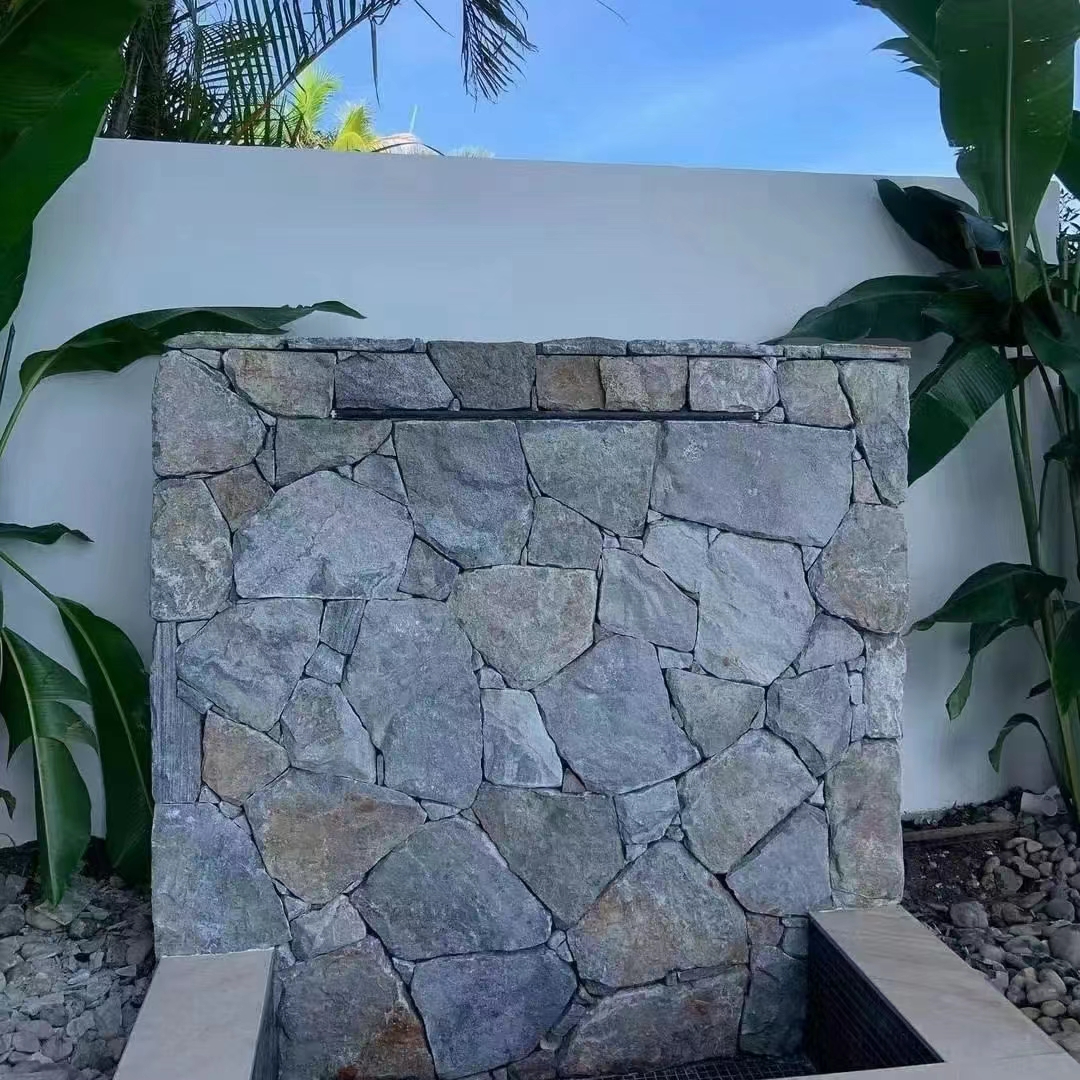
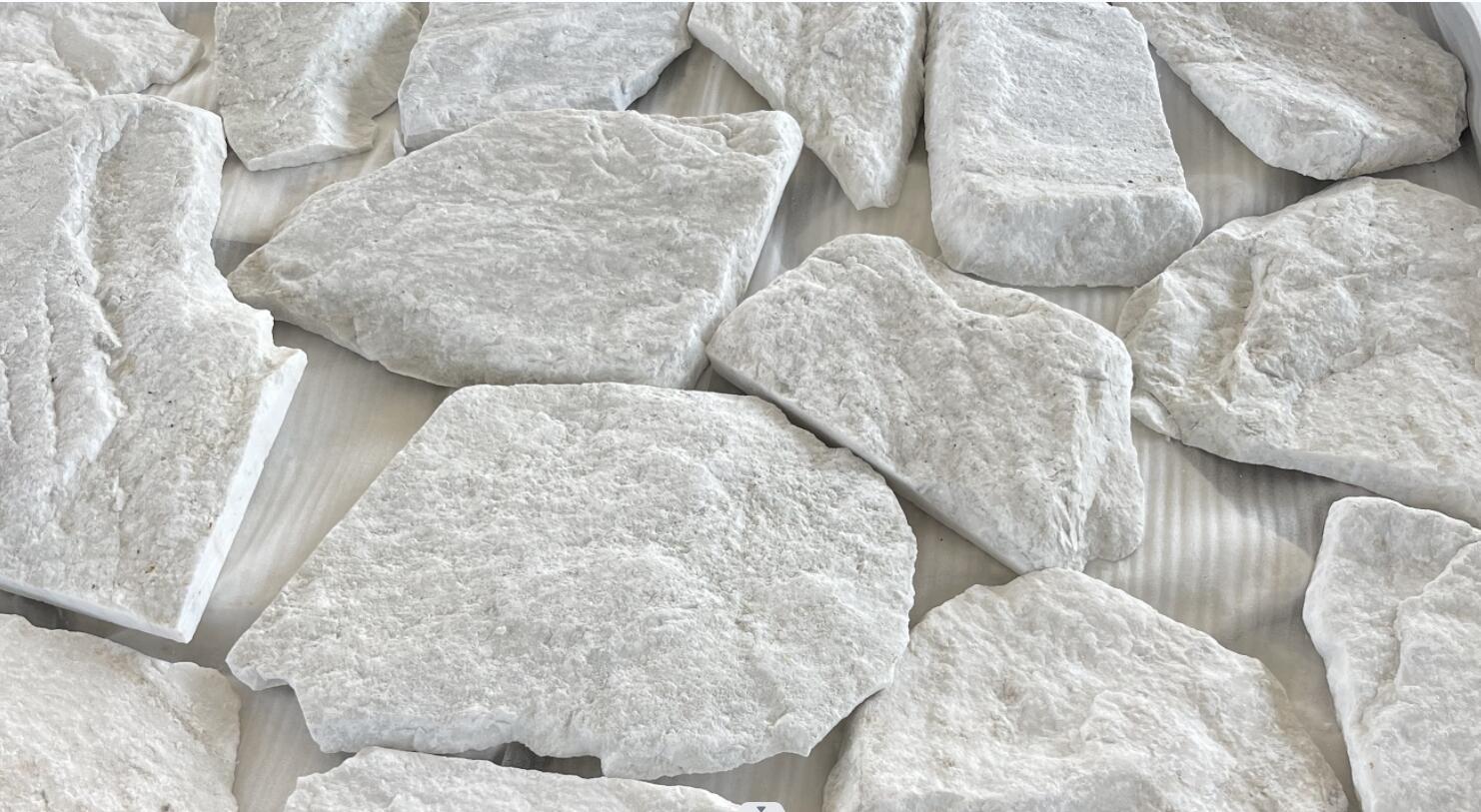
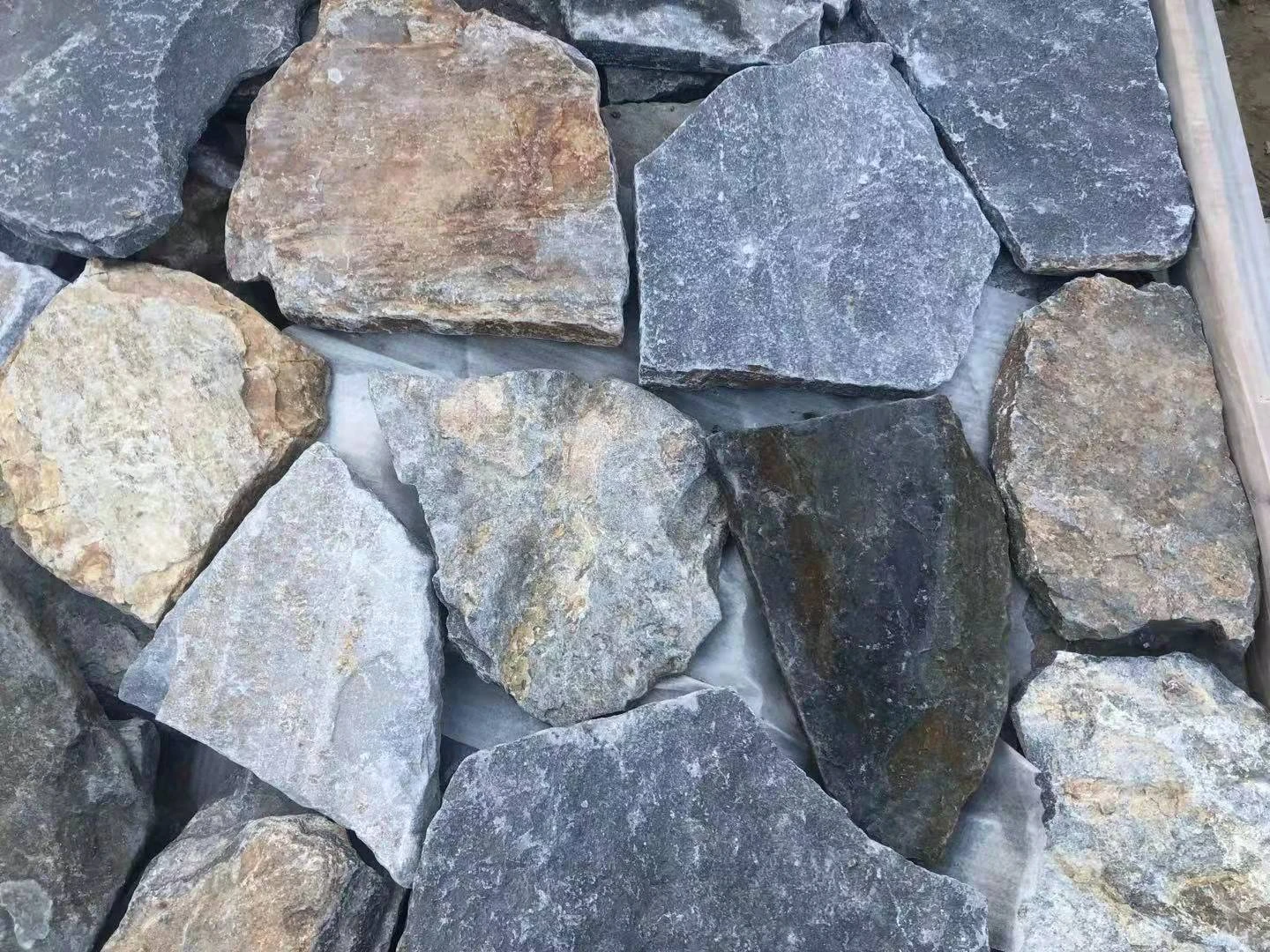
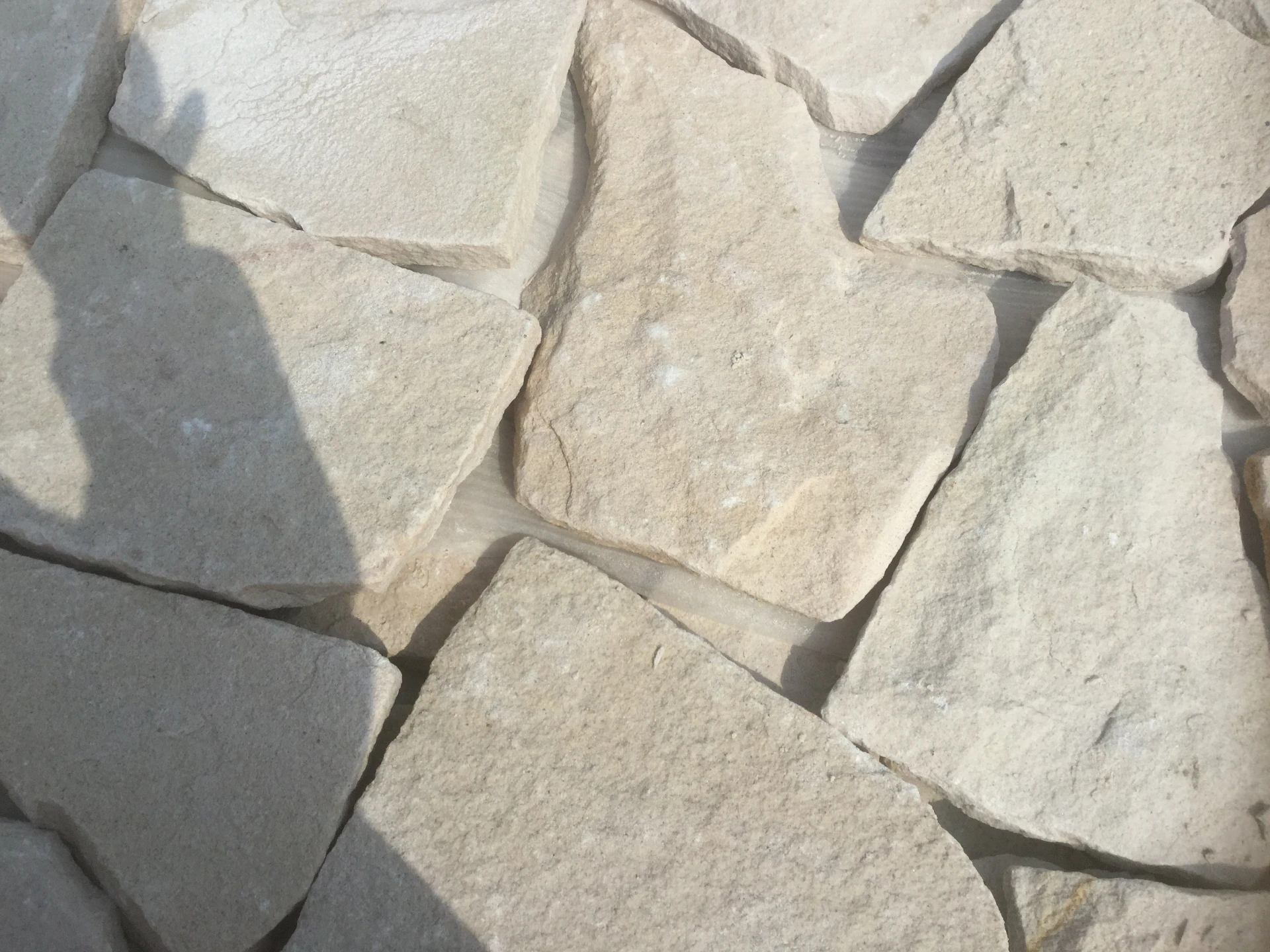
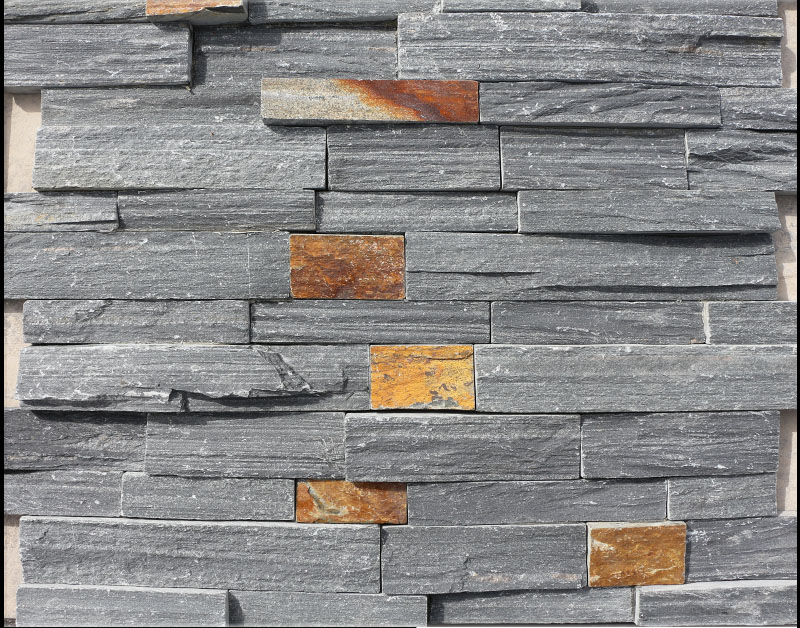
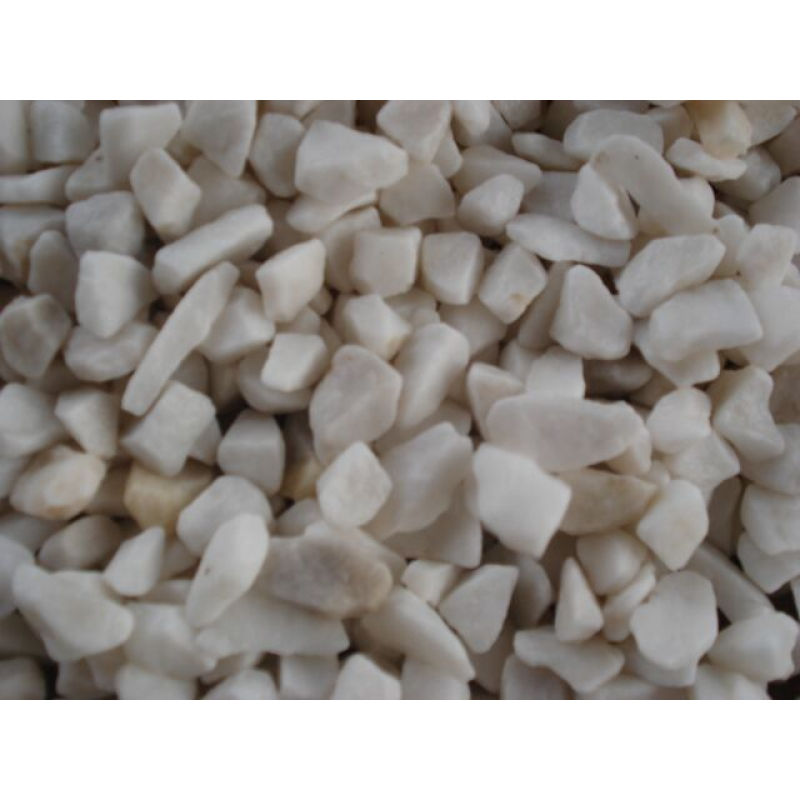
Nkume ọkọlọtọ bụ otu n'ime okwute dị larịị a na-ejikarị eme ihe. A na-ahụta ya dị ka onye na-ebuga eziokwu na-adịgide adịgide nke ọma na nhazi ala gị.
Ihe doro anya kpatara nke a bụ mgbe ị na-eji flat ndị a okwute, ị ga-emepụta mmetụta aka mere n'ogige gị nke na-adịkwa ka oge na-adịghị. Ọ bụ ezie na e nwere ọtụtụ mgbanwe nke oge a na nke rustic ịkpụ flagstones, ị nwere ike wepụta gị onye mmasị na ụdị.
In this blog, you will first get to know the origins of this flagstone and learn about its creation. Afterward, you’ll learn about the different types and the best practices for using them. At length, you’ll gain valuable knowledge in the art and science of installing this material.
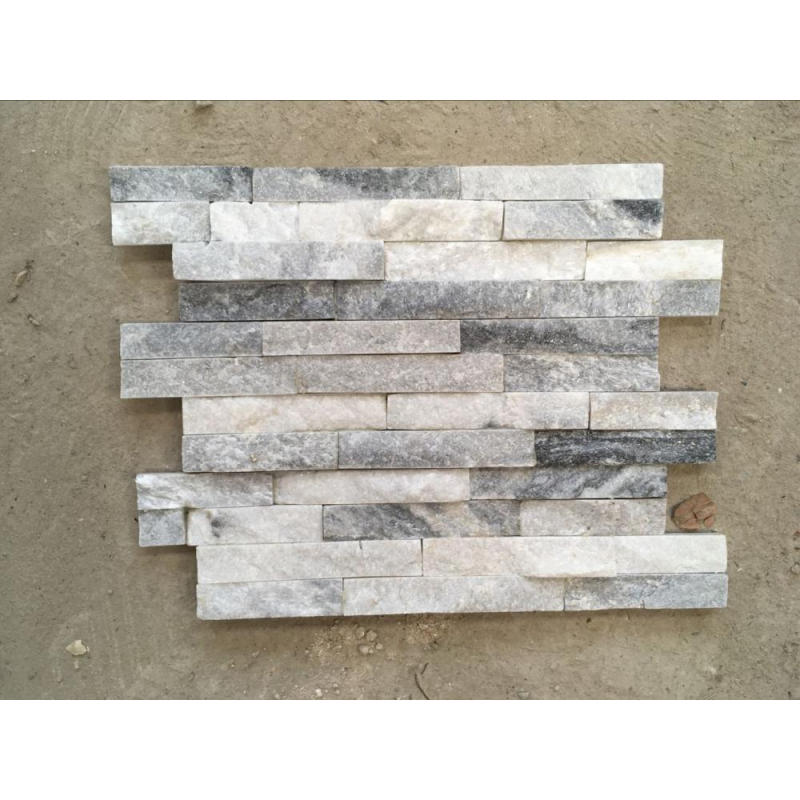
Flagstone is a generic term for many different types of rock. In the beginning, a stonemason chisels or strikes larger stones. And as a result, it breaks up into thick, flat sheets. Next, these thinner sheets are then broken up into flagstone-sized pieces. There are abundant varieties of rock that masons cut and then shape into flagstones.
Na mbụ, okwute ndị kachasị dị nro na nke kachasị mfe iji mee ka ọ bụrụ ọdịdị bụ nkume sedimentary, gụnyere ụdị dị ka nkume ájá, shale, na limestone.
Nke abụọ, ụdị siri ike na-agụnye nkume ndị na-egbuke egbuke dị ka granite ma ọ bụ basalt. N'ikpeazụ, ụdị ndị kachasị sie ike bụ nke nkume metamorphic, dị ka quartzite na mabul.
Enwere ụdị isi ihe abụọ achọrọ Flagstones: patio and select. Comparatively, Patio pieces type of Flagstone is smaller, ranging from 12” to 18” and thicker. And are most often used for stepping stones, outdoor pathways, or patios. Due to their smaller size, they are typically palletized lying down, preventing breakage during shipment. Contrarily, select flagstone, known as “standup,” comes in large, thin slabs of 18” to 36”. Due to their large size, they are usually palletized vertically. Flagstones generally make the formation of many shapes and sizes, including rectangular and square. Nevertheless, they are also available in more natural, jagged varieties.
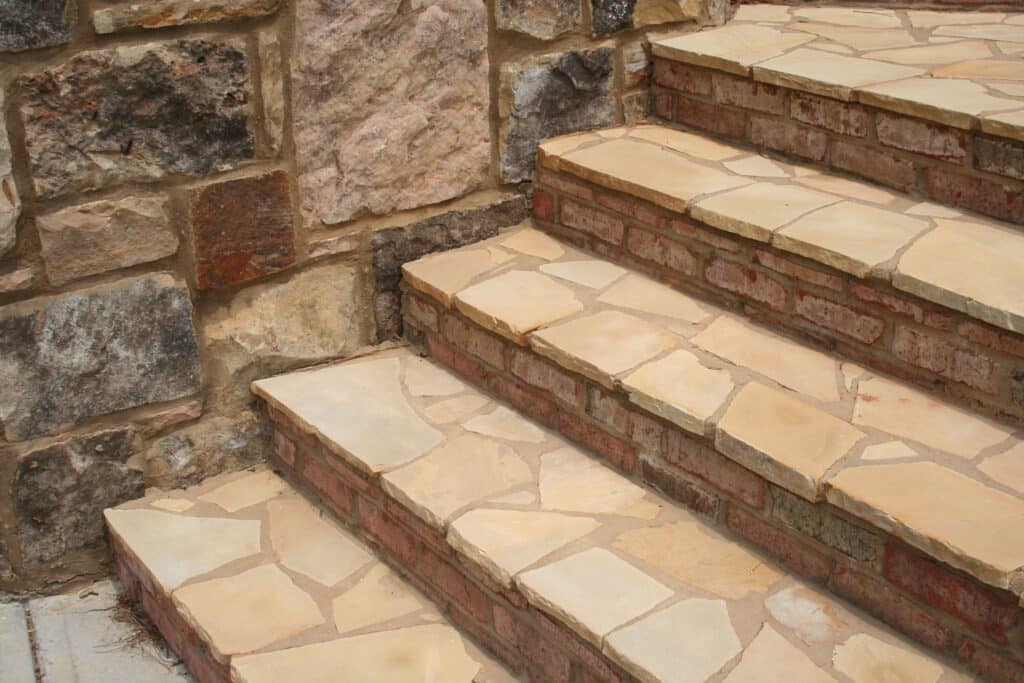
For more than hundreds of thousands of years, Flagstone has been used in various types of formation. Earlier in the 1900s, people saw it as an improvement over cobblestone, and it’s easy to see why. Whereas stonemasons can chisel it at ease by hand into a very flat surface, it is a simple way to create a flat paving surface. Its notable usages as countertop material or even as a paving substrate and as a walkway or roadway. People even use them as roofing and siding. Flagstone patios and Stepping stones are the most common applications of flagstones.
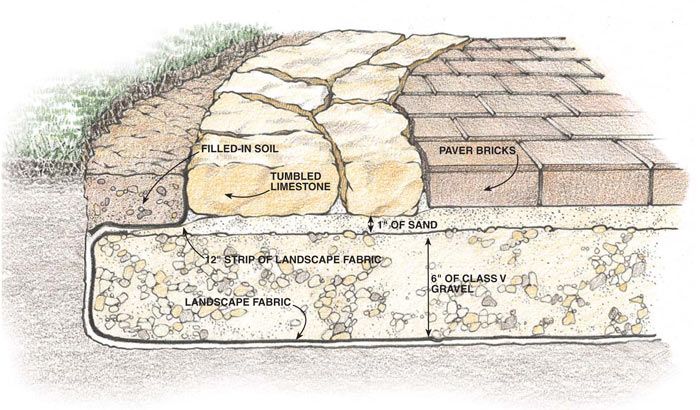
Anyị na-ejikarị ájá eme ihe dị ka ihe ndabere maka nkume ọkọlọtọ. Nke mbụ, ájá dị mfe ịwụnye ma na-enye nnukwu uru drainage. E wezụga nke ahụ, ha ga-enye aka gbochie ahihia ma kụọ uto n'etiti nkume gị n'ihi ya. Otú ọ dị, maka ntinye na-adịgide adịgide, jiri ciment mee ihe. Site na ntọala ájá, ị ga-achọ nkume ọkọlọtọ dị oke karịa. Mortar na-enyekwa gị ohere iji nkume ndị dị gịrịgịrị ebe ọ bụ na isi ciment na-enyere aka mee ka elu dị elu.
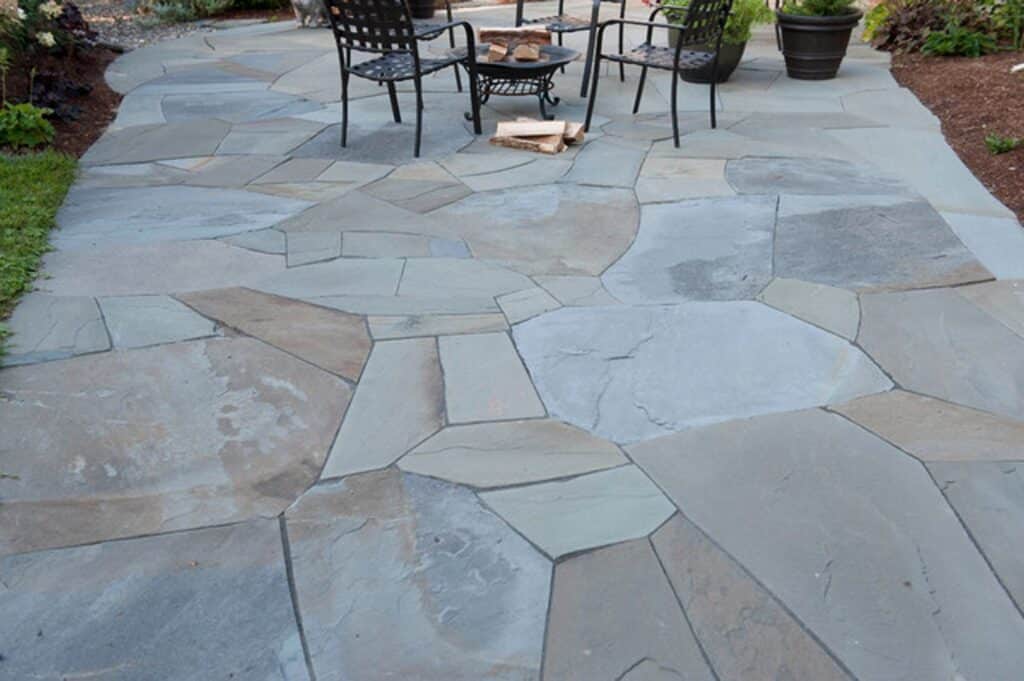
Ihe kachasị mma banyere nkume okike a bụ na ị nwere ike ịkpụzi ya ka ọ mepụta ọtụtụ ụdị dị iche iche, nke pụrụ iche! N'otu aka ahụ, naanị oke bụ echiche gị na ihe a. Iji dekodo nleba anya gị, n'eziokwu, naanị ihe ị ga - eme bụ jikọta odida obodo gị ọnụ. Nke a bụ ihe ezi uche dị na ya na ọ bụrụ na ịchọrọ ọdịdị nke oge a, dị ọcha, ịkwesịrị ijide n'aka na ị ga-ejigide ihe siri ike karị, na-emeghachi usoro. N'akụkụ nke ọzọ, ị nwere ike ịga maka nha na-adịghị agafe agafe na ụdị enweghị usoro maka ọdịdị nke rustic na eke.
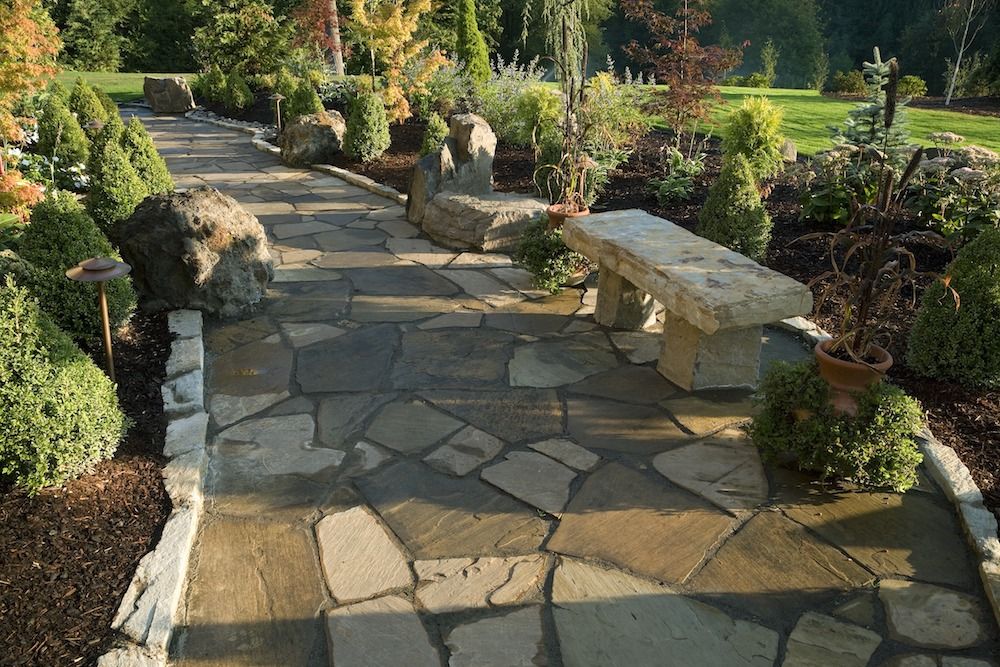
Ị nwere ike ịhụ flagstones n'anya maka ọtụtụ ihe kpatara ya, gụnyere, Nkume ọkọlọtọ which are naturally flat, and it’s easy to use in so many different projects.
However, because flagstone is more of a generic term for many sedimentary rocks, it’s easy to misunderstand and underappreciate.
Nke a bụ ụfọdụ ihe ị kwesịrị ịma gbasara:
Flagstone’s one of the beneficial advantages is that it’s relatively flat when mined, making it ideal in so many landscaping projects.
Second, it’s naturally non-slip. Whenever you are all set to starting a project where people will need to walk, a non-slip surface is essential for safety. Next, it’s strong and stable. When installed properly, it won’t break or crack.
N'ozuzu, ị nwere ike ịhụ ụdịdị dị iche iche ma ọ bụ hues nke Nkume ọkọlọtọ ma nweta ndò ọ bụla. Ọ bụ ezie na ọtụtụ nwere agba ntụ ma ọ bụ tan agba dị ka ọtụtụ nkume, ọtụtụ shades nwere ike inwe pinks, elu, blues, gold, na ọbụna nso na-acha ọcha.
Ọ pụtara na ị nwere ike ịchọta ma were ọkọlọtọ nke nwere ike ịkwado ya ma ọ bụ iche ya, n'agbanyeghị ihe mgbaru ọsọ gị, n'agbanyeghị ụdị agba agbagoro agba gburugburu ụlọ gị.
Karịsịa, ị nwere ike nweta ngwakọta dị mfe nke nkume nwere ọtụtụ agba ma mepụta otu patio ma ọ bụ ụzọ ụkwụ nke otu ụdị.
Enwere ike ịhụ mgbanwe nrụnye dịka otu n'ime ọtụtụ uru ya. Iji tinye patio, ị nwere ike ịchọrọ itinye ya na ngwa agha n'etiti nkume. Nke a ga-eme ka patio gị nwee mmetụta zuru oke na mmetụta siri ike, dị mma maka oche na tebụl.
Suppose you’re planning to construct a walkway across your lawn. You can install large stones directly on your dirt and install mulch or allow the grass to grow around it.
As an alternate, you can also create a walking path with gravel between the stones. It’s also a great option for building stairs. Nevertheless, you would want to use cement to ensure safety and stability.
From our long-entailed informative blog, we hope we have provided you a clear conception of how, no matter what project you’re planning, there are ways to incorporate this beautiful stone.
 Afrika
  Albania
  Amharic
  Arabic
  Armenian
  Azerbaijani
  Basque
  Belarusian
  Bengali
  Asụsụ Bosnia
  Bulgarian
  Catalan
  Cebuano
  China
China  China (Taiwan)
  Corsican
  Asụsụ Croatia
  Czech
Czech  Danish
  Dutch
Dutch  Bekee
Bekee  Esperanto
  Estonia
  Asụsụ Finnish
  French
  Onye Frisian
  Onye Galisi
  Asụsụ Georgian
  German
  Grik
Grik  Gujarati
  Haitian Creole
  hausa
hausa  Hawaian
  Hibru
Hibru  Mba
Mba  Miao
Miao  Asụsụ Hungarian
  Aislandi
  igbo
igbo  Asụsụ Indonesian
  Irish
Irish  Ịtali
Ịtali  Japanese
  Asụsụ Javanị
  Kannada
  kazakh
  Khmer
Khmer  Onye Rwandan
  Korean
  Kurdish
  Kyrgyz
  TB
TB  Latịn
Latịn  Latvia
  Lithuania
  Luxembourgish
  Masedonia
  Malgashi
  Malay
Malay  Malayalam
  Malta
Malta  Maori
Maori  Marathi
  Mongolian
  Myanmar
  Nepali
  Norwegian
  Norwegian
  Occitan
  Pashto
  Asụsụ Persia
  Polish
  Portuguese
  Punjabi
  Romanian
  Russian
  Samoan
  Scottish Gaelic
  Asụsụ Serbian
  Bekee
Bekee  Shona
Shona  Sindhi
  Sinhala
  Slovak
  Slovenian
  Somali
  Spanish
  Asụsụ Sudan
  Swahili
  Swedish
  Tagalog
  Tajik
Tajik  Tamil
Tamil  Tatar
Tatar  Telugu
  Thai
Thai  Turkish
  Turkmen
  onye Ukraine
  Urdu
Urdu  Uighur
  Uzbek
Uzbek  Vietnamese
  Welsh
Welsh