

Flagstone is ien fan 'e meast brûkte generike platte stiennen. It wurdt beskôge as de bêste duorsume transportband fan autentisiteit yn jo lânskipsûntwerp.
In oertsjûgjende reden efter dit is as jo dizze flat brûke stiennen, jo sille in mei de hân makke gefoel meitsje foar jo tún dy't ek tiidleas sjocht. Hoewol d'r in protte fariaasje is fan moderne en rustike snijde flagstones, kinne jo jo yndividuele smaak en styl útbringe.
In this blog, you will first get to know the origins of this flagstone and learn about its creation. Afterward, you’ll learn about the different types and the best practices for using them. At length, you’ll gain valuable knowledge in the art and science of installing this material.
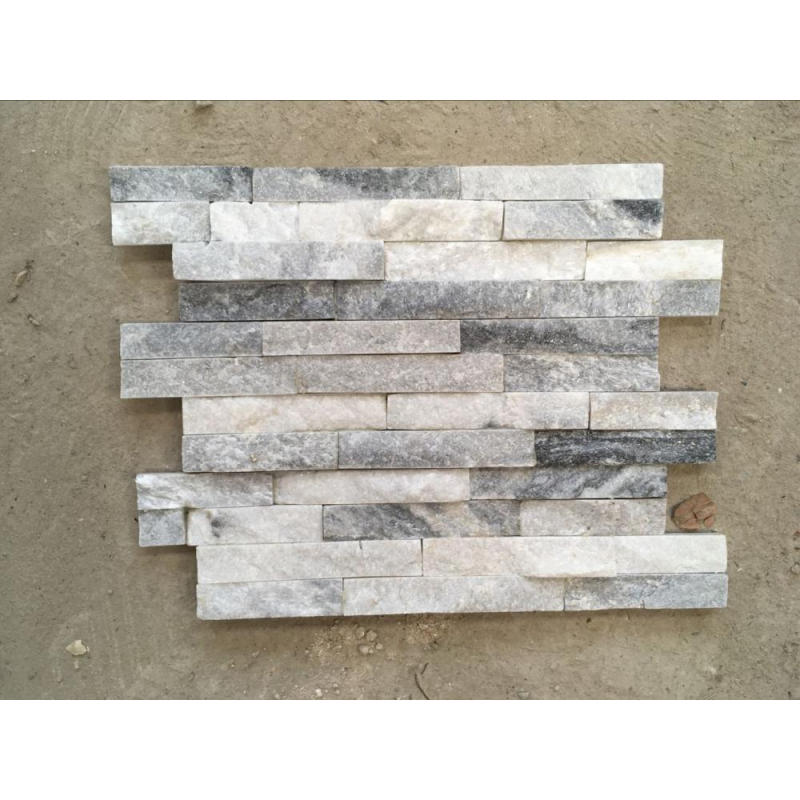
Flagstone is a generic term for many different types of rock. In the beginning, a stonemason chisels or strikes larger stones. And as a result, it breaks up into thick, flat sheets. Next, these thinner sheets are then broken up into flagstone-sized pieces. There are abundant varieties of rock that masons cut and then shape into flagstones.
Yn earste ynstânsje binne de sêftste en maklikste rotsen om yn foarm te beiteljen sedimintêre rotsen, ynklusyf farianten lykas sânstien, skaly en kalkstien.
Twadder omfetsje hurdere farianten igneous rotsen lykas granyt of basalt. Uteinlik hearre de taaiste soarten ta de metamorfe rotsen, lykas kwartsiet en ek marmer.
Der binne twa yn-fraach haadtypen fan Flagstones: patio and select. Comparatively, Patio pieces type of Flagstone is smaller, ranging from 12” to 18” and thicker. And are most often used for stepping stones, outdoor pathways, or patios. Due to their smaller size, they are typically palletized lying down, preventing breakage during shipment. Contrarily, select flagstone, known as “standup,” comes in large, thin slabs of 18” to 36”. Due to their large size, they are usually palletized vertically. Flagstones generally make the formation of many shapes and sizes, including rectangular and square. Nevertheless, they are also available in more natural, jagged varieties.
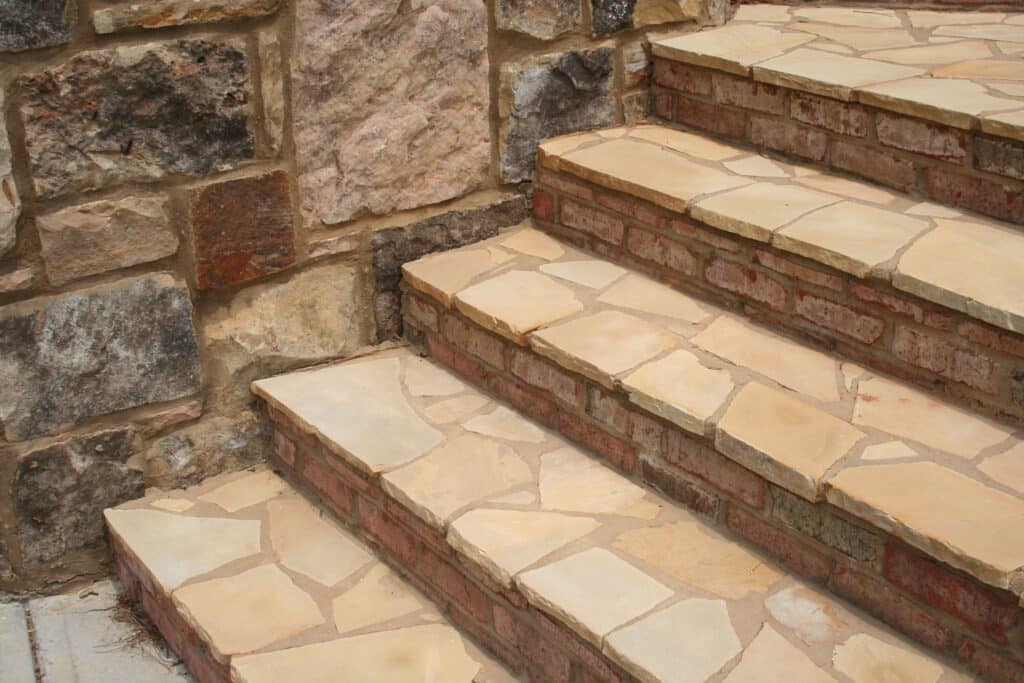
For more than hundreds of thousands of years, Flagstone has been used in various types of formation. Earlier in the 1900s, people saw it as an improvement over cobblestone, and it’s easy to see why. Whereas stonemasons can chisel it at ease by hand into a very flat surface, it is a simple way to create a flat paving surface. Its notable usages as countertop material or even as a paving substrate and as a walkway or roadway. People even use them as roofing and siding. Flagstone patios and Stepping stones are the most common applications of flagstones.
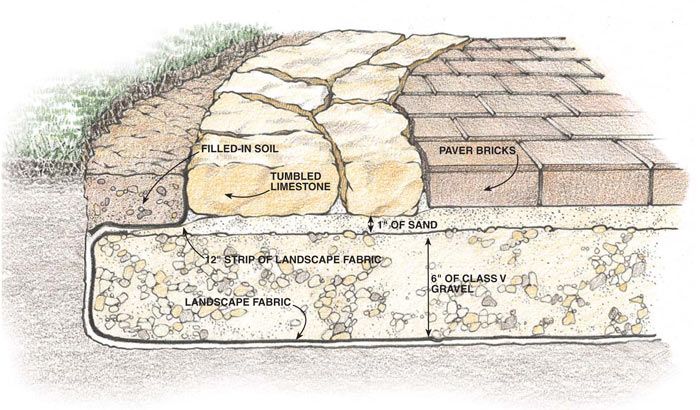
Wy brûke normaal sân as basismateriaal foar flagstones. Earst is Sand frijwat maklik te ynstallearjen en biedt in grut drainagefoardiel. Derneist sille se ek helpe om ûnkrûd en plantgroei tusken jo stiennen as gefolch te foarkommen. Lykwols, foar in mear permaninte ynstallaasje, brûk cement. Mei in sânbasis sille jo dikkere flagstone nedich wêze. Mortel lit jo ek tinne stiennen brûke, om't de semintbasis helpt om it oerflak te fersterkjen.
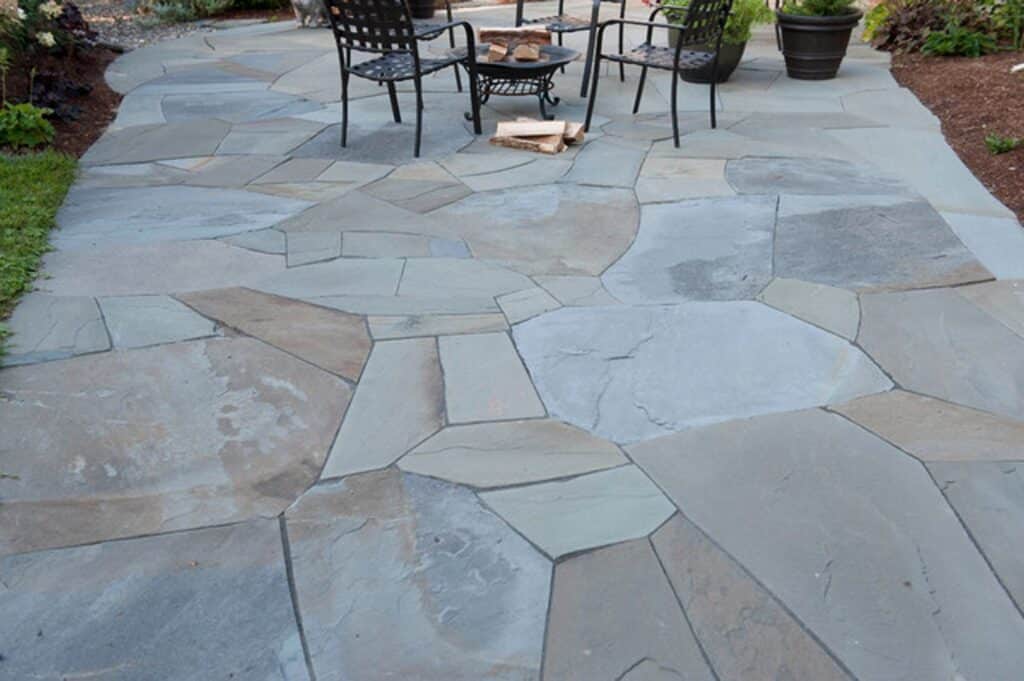
It bêste fan dizze natuerlike stien is dat jo it kinne foarmje om in protte ferskillende, unike patroanen te meitsjen! Dochs is de ienige limyt jo ferbylding mei dit materiaal. Om jo fisualisaasje te ûntsiferjen, yn 'e realiteit, alles wat jo hoege te dwaan is jo lânskip byinoar te binen. Dit makket sin dat as jo in moderne, skjinne útstrieling wolle, jo derfoar soargje moatte dat jo mei in mear rigide, werheljend patroan bliuwe. Oan 'e oare kant kinne jo gean foar unregelmjittige maten en willekeurige foarmen foar in rustyk en natuerlik uterlik.
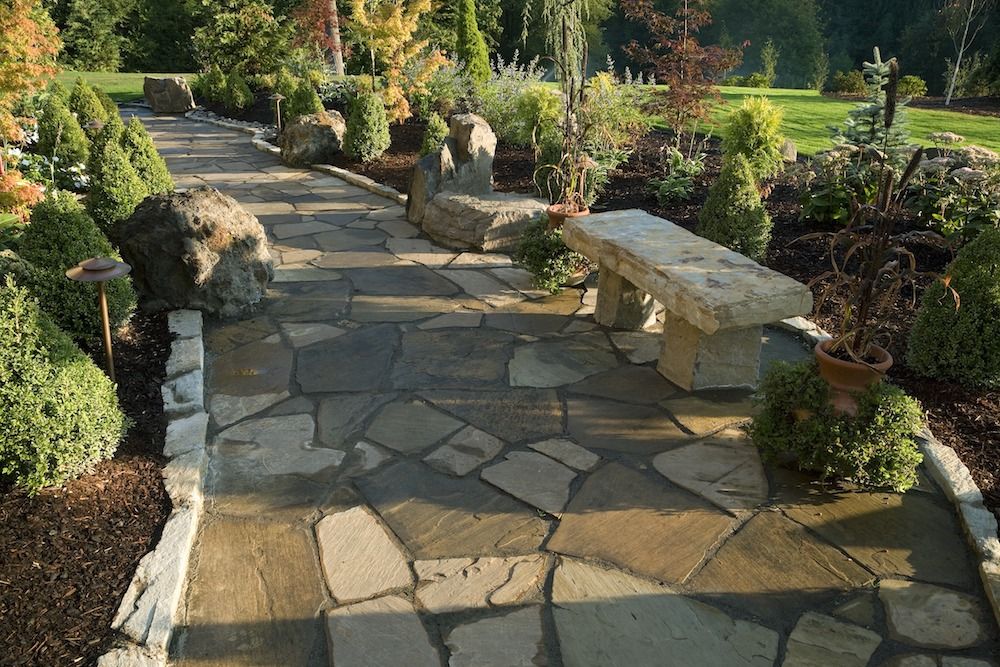
Jo kinne om in protte redenen fan flagstones hâlde, ynklusyf, Flagstones which are naturally flat, and it’s easy to use in so many different projects.
However, because flagstone is more of a generic term for many sedimentary rocks, it’s easy to misunderstand and underappreciate.
Hjir binne wat dingen dy't jo witte moatte oer:
Flagstone’s one of the beneficial advantages is that it’s relatively flat when mined, making it ideal in so many landscaping projects.
Second, it’s naturally non-slip. Whenever you are all set to starting a project where people will need to walk, a non-slip surface is essential for safety. Next, it’s strong and stable. When installed properly, it won’t break or crack.
Algemien kinne jo fine ferskate spektrum of tinten fan Flagstones en brûk ien fan 'e skaden. Hoewol de measte griis of brune skaden hawwe lykas de measte rocks, kinne de protte skaden pinks, greens, blues, gouden, en sels tichtby wyt hawwe.
It betsjut dat jo altyd in flagstien kinne fine en kieze dy't it kin oanfolje of kontrastearje, wat jo doel ek is, nettsjinsteande hokker kleuren al yn jo hûs tapast wurde.
Benammen kinne jo in maklike ming fan stiennen mei in protte kleuren krije en ek in unike patio of kuierpaad meitsje.
De ynstallaasjefleksibiliteit koe ek wurde beskôge as ien fan syn protte foardielen. Om in patio te pleatsen, wolle jo miskien beskôgje om it te ynstallearjen mei mortel tusken de stiennen. Dit sil jo patio grif in folslein nivo en solide gefoel jaan, ideaal foar stuollen en tafels.
Suppose you’re planning to construct a walkway across your lawn. You can install large stones directly on your dirt and install mulch or allow the grass to grow around it.
As an alternate, you can also create a walking path with gravel between the stones. It’s also a great option for building stairs. Nevertheless, you would want to use cement to ensure safety and stability.
From our long-entailed informative blog, we hope we have provided you a clear conception of how, no matter what project you’re planning, there are ways to incorporate this beautiful stone.
 Afrikaanske
  Albaneesk
  Amhaarsk
  Arabysk
  Armeensk
  Azerbeidzjaansk
  Baskysk
  Wytrussysk
  Bengaalsk
  Bosnysk
  Bulgaarsk
  Katalaansk
  Cebuano
  Sina
Sina  Sina (Taiwan)
  Korsikaansk
  Kroatysk
  Tsjechysk
  Deensk
  Nederlânsk
  Ingelsk
  Esperanto
  Estysk
  Finsk
Finsk  Frânsk
  Frysk
Frysk  Galyskysk
  Georgysk
  Dútsk
Dútsk  Gryksk
  Gujaratysk
  Haïtiaansk Kreaolsk
  Hausa
Hausa  Hawaïaansk
  Hebrieuwsk
  Nee
Nee  Miao
Miao  Hongaarsk
  Yslânsk
  igbo
igbo  Yndonesysk
  Iersk
Iersk  Italiaansk
  Japansk
  Javaansk
  Kannada
  Kazachsk
  Khmer
Khmer  Rwandan
  Koreaansk
  Koerdysk
  Kirgizysk
  TB
TB  Latyn
Latyn  Letsk
Letsk  Litousk
  Lúksemboarchsk
  Masedoanysk
  Malgashi
  Maleisk
  Malayalam
  Malteesk
  Maori
Maori  Maratysk
  Mongoalsk
  Birma
Birma  Nepaleesk
  Noarsk
  Noarsk
  Oksitaansk
  Pashtu
  Perzysk
  Poalsk
  Portegeesk
  Pûndjaabsk
  Roemeensk
  Russysk
  Samoan
  Skotsk Gaelic
  Servysk
  Ingelsk
  Shona
Shona  Sindysk
  Sinhala
  Slowaaksk
  Sloveensk
  Somalysk
  Spaansk
  Soendaneesk
  Swahily
  Sweedsk
  Tagaloch
  Tajik
Tajik  Tamyl
Tamyl  Tatar
Tatar  Telugu
  Taisk
Taisk  Turksk
  Turkmeensk
  Oekraynsk
  Urdu
Urdu  Uighur
  Uzbek
Uzbek  Fietnameesk
  Welsh
Welsh 




