

Flagstone è una delle pietre piatte generiche più utilizzate. È considerato il miglior trasportatore sostenibile di autenticità nella progettazione del paesaggio.
Una ragione convincente alla base di ciò è quando usi questi piatti pietre, creerai un'atmosfera artigianale nel tuo giardino che sembrerà anche senza tempo. Sebbene ci siano molte variazioni di lastre di pietra dal taglio moderno e rustico, puoi far emergere il tuo gusto e il tuo stile individuali.
In this blog, you will first get to know the origins of this flagstone and learn about its creation. Afterward, you’ll learn about the different types and the best practices for using them. At length, you’ll gain valuable knowledge in the art and science of installing this material.
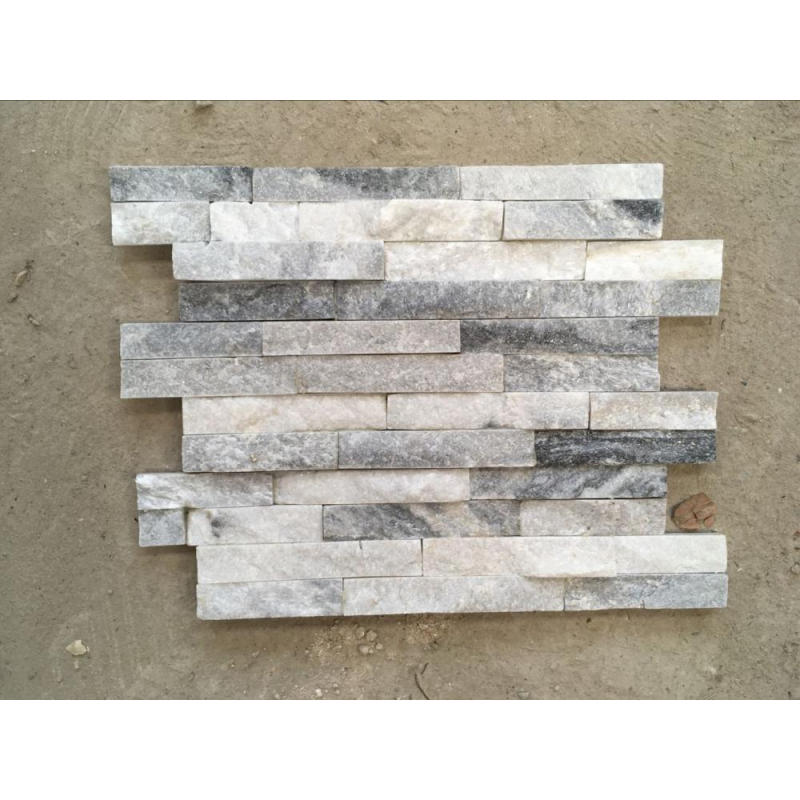
Flagstone is a generic term for many different types of rock. In the beginning, a stonemason chisels or strikes larger stones. And as a result, it breaks up into thick, flat sheets. Next, these thinner sheets are then broken up into flagstone-sized pieces. There are abundant varieties of rock that masons cut and then shape into flagstones.
Inizialmente, le rocce più morbide e facili da modellare sono le rocce sedimentarie, comprese varietà come arenaria, scisto e calcare.
In secondo luogo, le varietà più dure includono rocce ignee come il granito o il basalto. Infine, le tipologie più tenaci appartengono alle rocce metamorfiche, come la quarzite ed anche il marmo.
Esistono due tipi principali di richieste Flagstones: patio and select. Comparatively, Patio pieces type of Flagstone is smaller, ranging from 12” to 18” and thicker. And are most often used for stepping stones, outdoor pathways, or patios. Due to their smaller size, they are typically palletized lying down, preventing breakage during shipment. Contrarily, select flagstone, known as “standup,” comes in large, thin slabs of 18” to 36”. Due to their large size, they are usually palletized vertically. Flagstones generally make the formation of many shapes and sizes, including rectangular and square. Nevertheless, they are also available in more natural, jagged varieties.
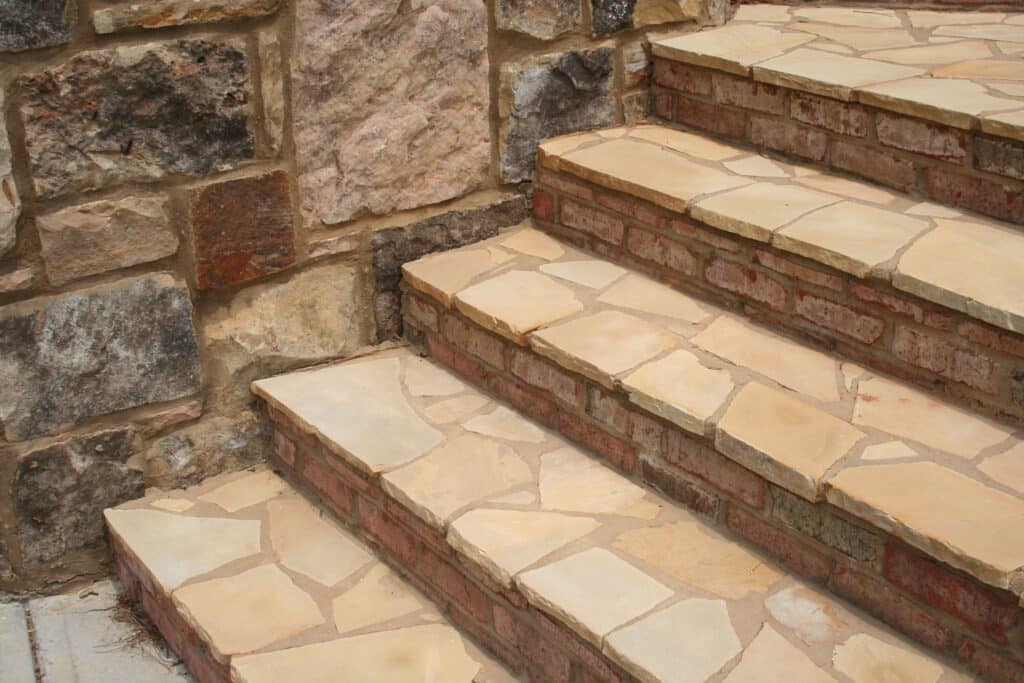
For more than hundreds of thousands of years, Flagstone has been used in various types of formation. Earlier in the 1900s, people saw it as an improvement over cobblestone, and it’s easy to see why. Whereas stonemasons can chisel it at ease by hand into a very flat surface, it is a simple way to create a flat paving surface. Its notable usages as countertop material or even as a paving substrate and as a walkway or roadway. People even use them as roofing and siding. Flagstone patios and Stepping stones are the most common applications of flagstones.
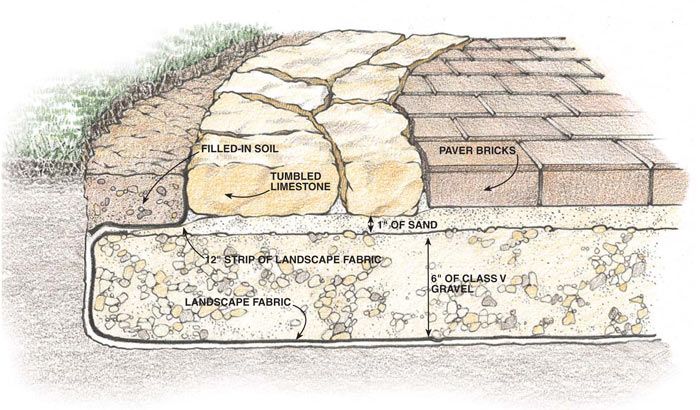
Di solito utilizziamo la sabbia come materiale di base per le lastre di pietra. Innanzitutto, Sand è praticamente facile da installare e offre un grande vantaggio in termini di drenaggio. Inoltre, di conseguenza aiuteranno anche a prevenire le erbacce e la crescita delle piante tra le pietre. Tuttavia, per un'installazione più permanente, utilizzare il cemento. Con una base di sabbia, avrai bisogno di una pietra più spessa. La malta consente anche di utilizzare pietre più sottili poiché la base di cemento aiuta a rinforzare la superficie.
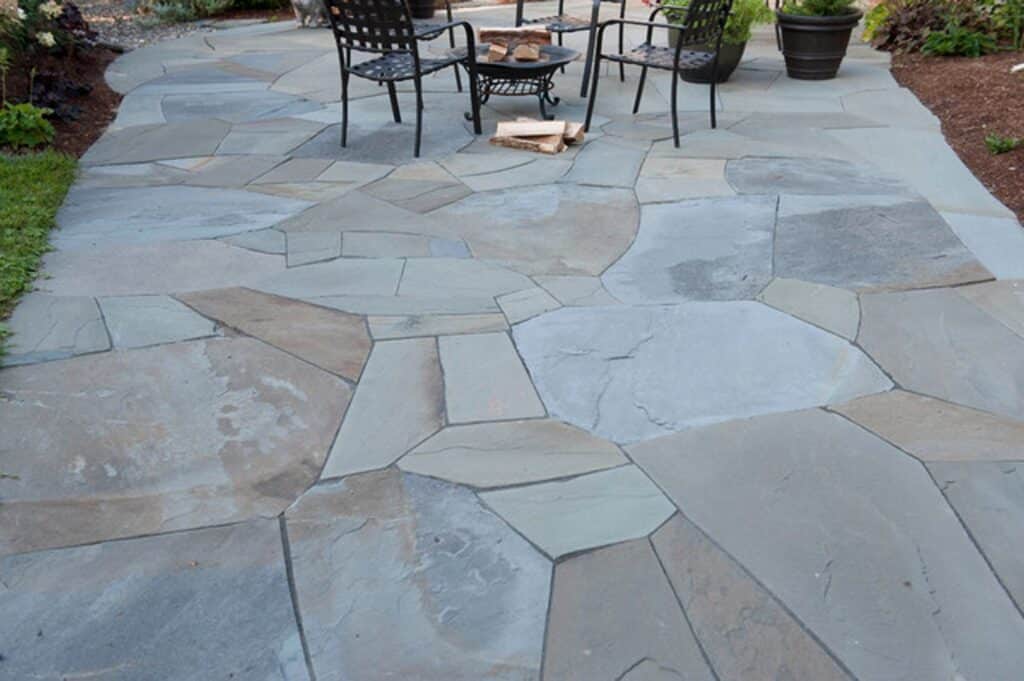
La cosa migliore di questa pietra naturale è che puoi modellarla per creare molti modelli diversi e unici! Tuttavia, l'unico limite è la tua immaginazione con questo materiale. Per decodificare la tua visualizzazione, in realtà, tutto ciò che devi fare è collegare insieme il tuo paesaggio. Ciò ha senso che se desideri un aspetto moderno e pulito, devi assicurarti di attenersi a uno schema più rigido e ripetitivo. D'altro canto, puoi optare per dimensioni irregolari e forme casuali per un aspetto rustico e naturale.
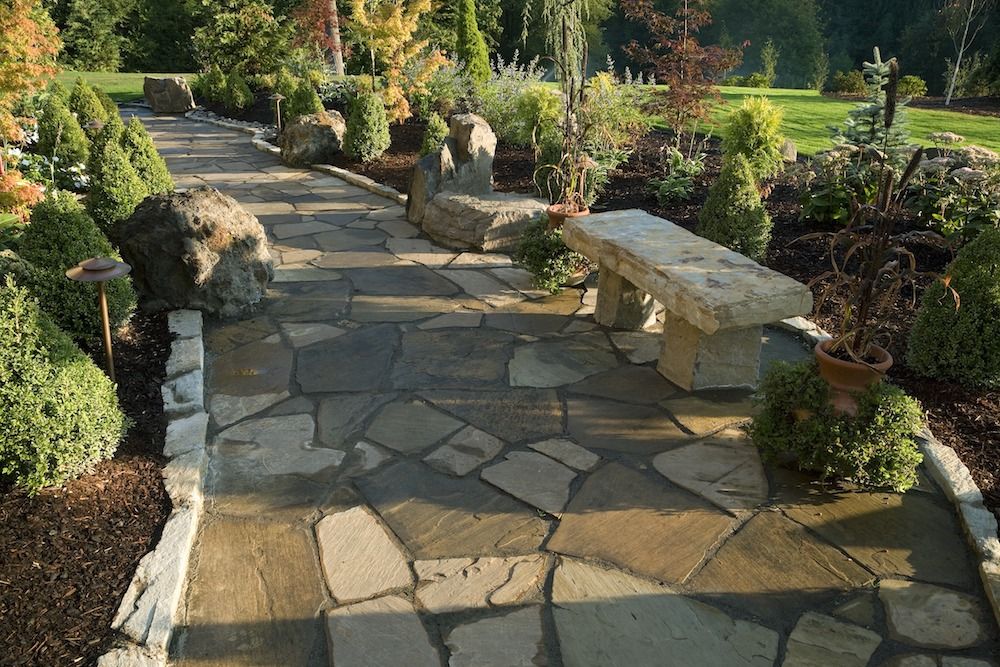
Potresti amare le lastre di pietra per molte ragioni, tra cui: Lastre di pietra which are naturally flat, and it’s easy to use in so many different projects.
However, because flagstone is more of a generic term for many sedimentary rocks, it’s easy to misunderstand and underappreciate.
Ecco alcune cose che dovresti sapere:
Flagstone’s one of the beneficial advantages is that it’s relatively flat when mined, making it ideal in so many landscaping projects.
Second, it’s naturally non-slip. Whenever you are all set to starting a project where people will need to walk, a non-slip surface is essential for safety. Next, it’s strong and stable. When installed properly, it won’t break or crack.
In generale, puoi trovare vari spettri o tonalità di Lastre di pietra e approfitta di una qualsiasi delle sfumature. Sebbene la maggior parte abbia sfumature grigie o marrone chiaro come la maggior parte delle rocce, le numerose sfumature possono avere rosa, verde, blu, oro e persino quasi bianco.
Significa che puoi sempre trovare e scegliere una pietra che possa completarla o contrastarla, qualunque sia il tuo obiettivo, indipendentemente dai colori già applicati in casa tua.
In particolare, puoi ottenere un semplice mix di pietre con molti colori e creare anche un patio o una passerella unica nel suo genere.
Anche la flessibilità di installazione può essere considerata uno dei suoi numerosi vantaggi. Per posizionare un patio, potresti prendere in considerazione l'idea di installarlo con malta tra le pietre. Ciò conferirà sicuramente al tuo patio un aspetto completamente livellato e solido, ideale per sedie e tavoli.
Suppose you’re planning to construct a walkway across your lawn. You can install large stones directly on your dirt and install mulch or allow the grass to grow around it.
As an alternate, you can also create a walking path with gravel between the stones. It’s also a great option for building stairs. Nevertheless, you would want to use cement to ensure safety and stability.
From our long-entailed informative blog, we hope we have provided you a clear conception of how, no matter what project you’re planning, there are ways to incorporate this beautiful stone.
 africano
  albanese
  Amarico
  Arabo
Arabo  armeno
  Azero
Azero  Basco
Basco  bielorusso
  bengalese
  Bosniaco
  bulgaro
  catalano
  Cebuano
  Cina
Cina  Cina (Taiwan)
  Corso
Corso  croato
  ceco
ceco  danese
  Olandese
  Inglese
  esperanto
  Estone
  finlandese
  francese
  Frisone
  galiziano
  georgiano
  Tedesco
  greco
greco  Gujarati
  Creolo haitiano
  haussa
  hawaiano
  ebraico
  No
No  Miao
Miao  ungherese
  islandese
  igbo
igbo  indonesiano
  irlandesi
  Italiano
  giapponese
  giavanese
  Kannada
  kazako
  Khmer
Khmer  Ruandese
  coreano
  curdo
curdo  Kirghizistan
  TBC
TBC  latino
  lettone
  lituano
  lussemburghese
  macedone
  Malgasci
  malese
  Malayalam
  maltese
  Maori
Maori  Marathi
  mongolo
  Myanmar
  nepalese
  norvegese
  norvegese
  occitano
  Pashtu
  persiano
  Polacco
  portoghese
  Punjabi
  rumeno
  russo
russo  Samoano
  Gaelico Scozzese
  serbo
serbo  Inglese
  Shona
Shona  Sindhi
  Singalese
  slovacco
  sloveno
  Somalo
  spagnolo
  Sundanese
  Swahili
  svedese
  Tagalog
  Tagico
  Tamil
Tamil  Tartaro
  Telugu
  tailandese
  Turco
Turco  turkmeno
  ucraino
  Urdu
Urdu  Uiguro
  Uzbeco
  vietnamita
  gallese




