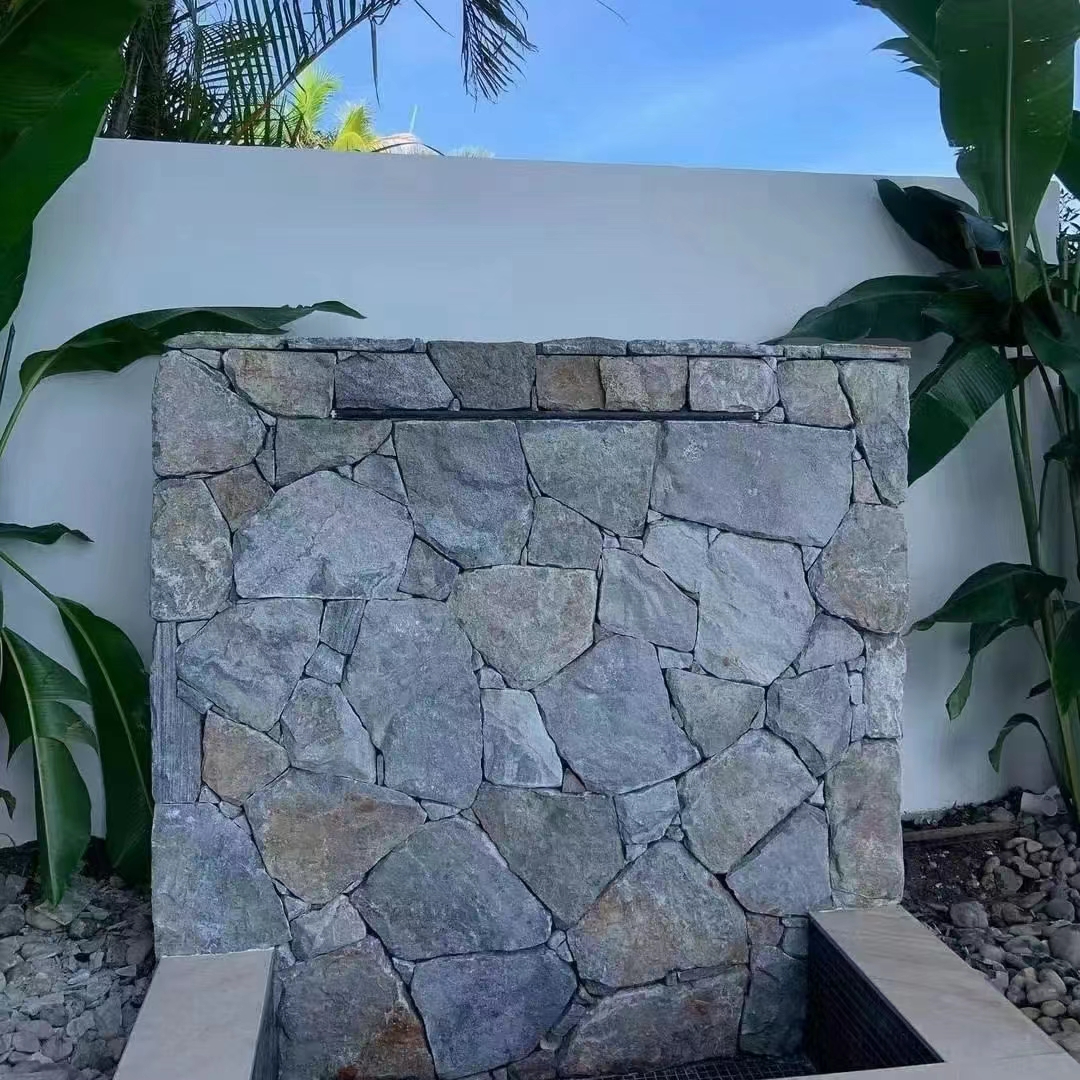
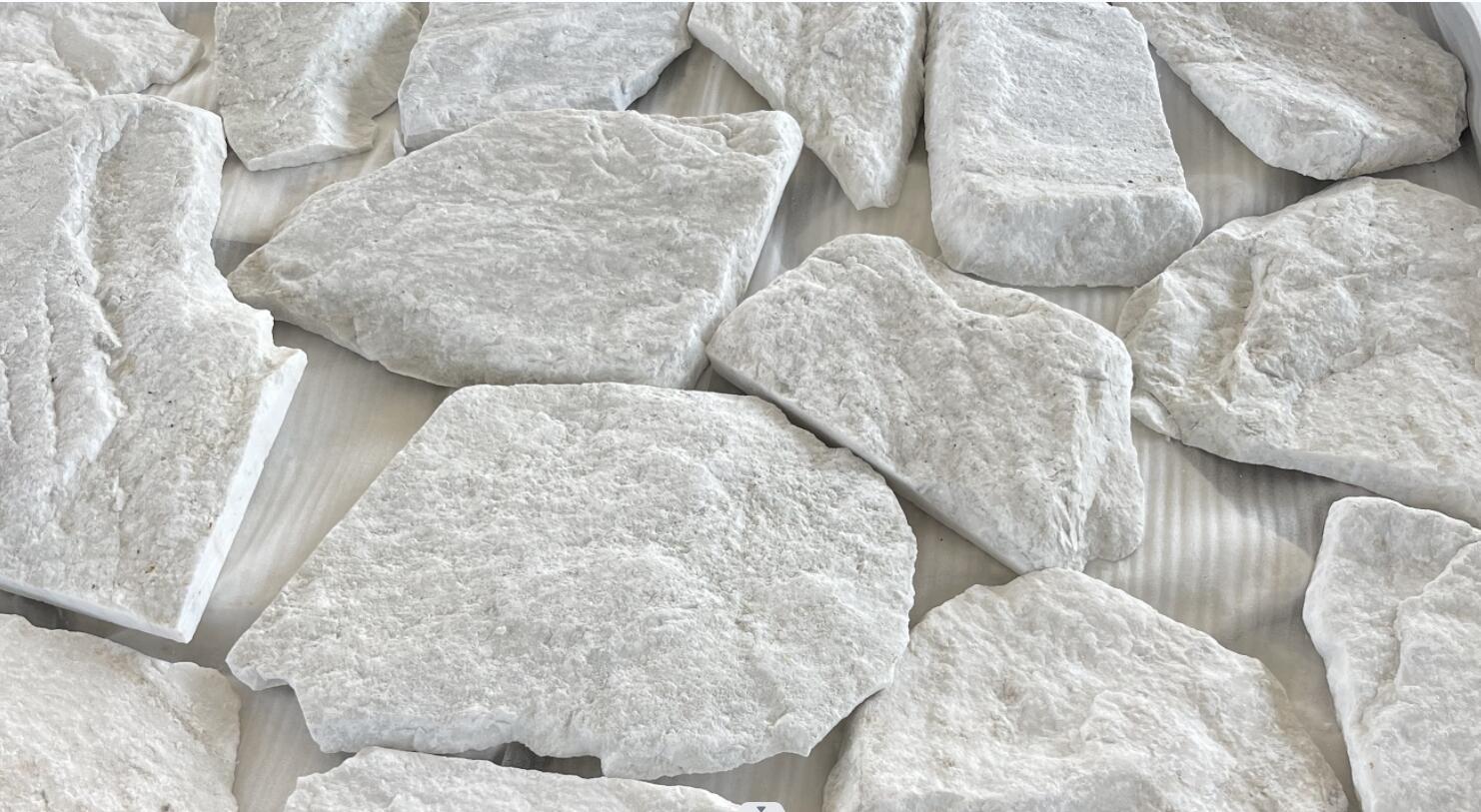
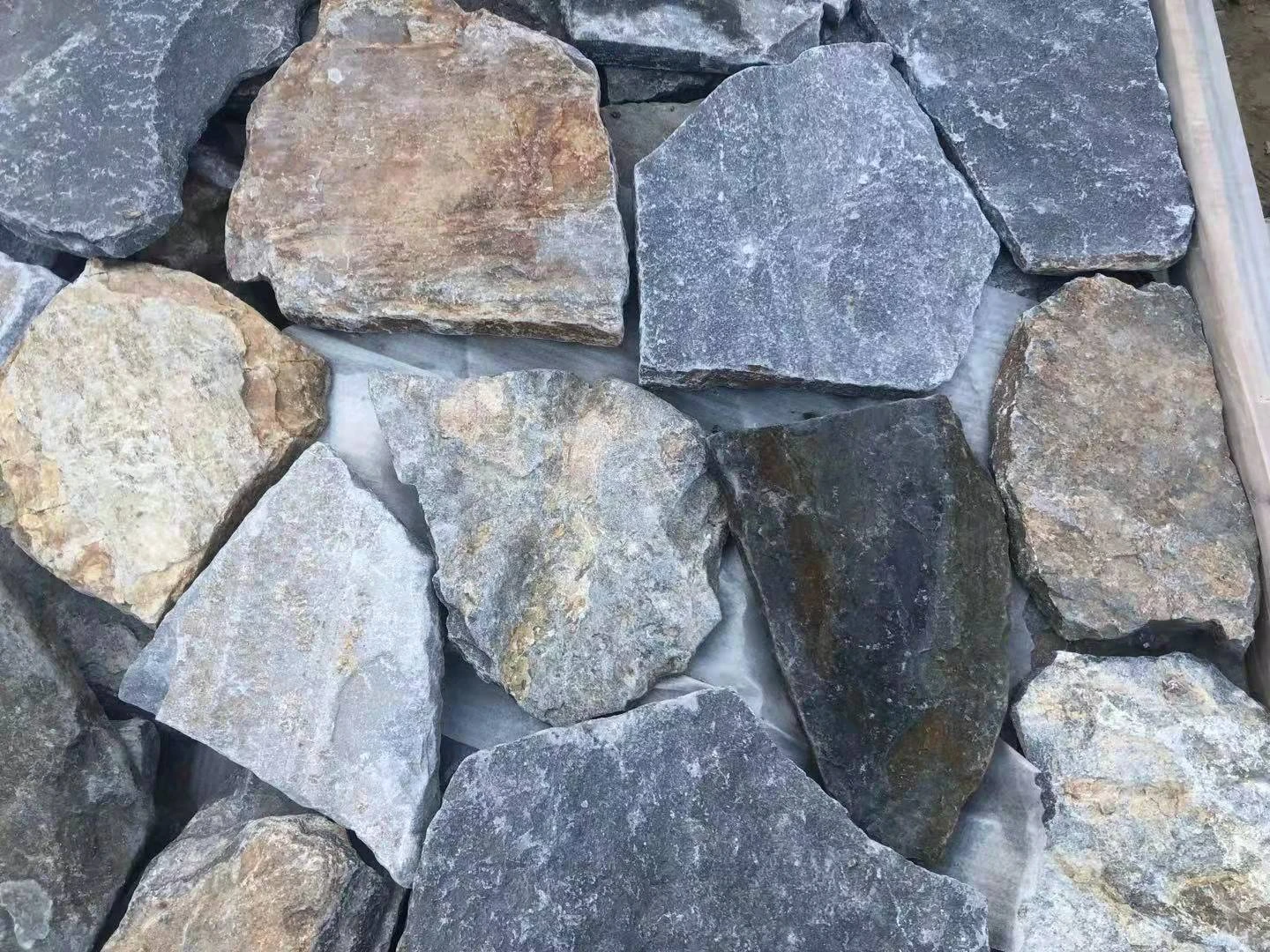
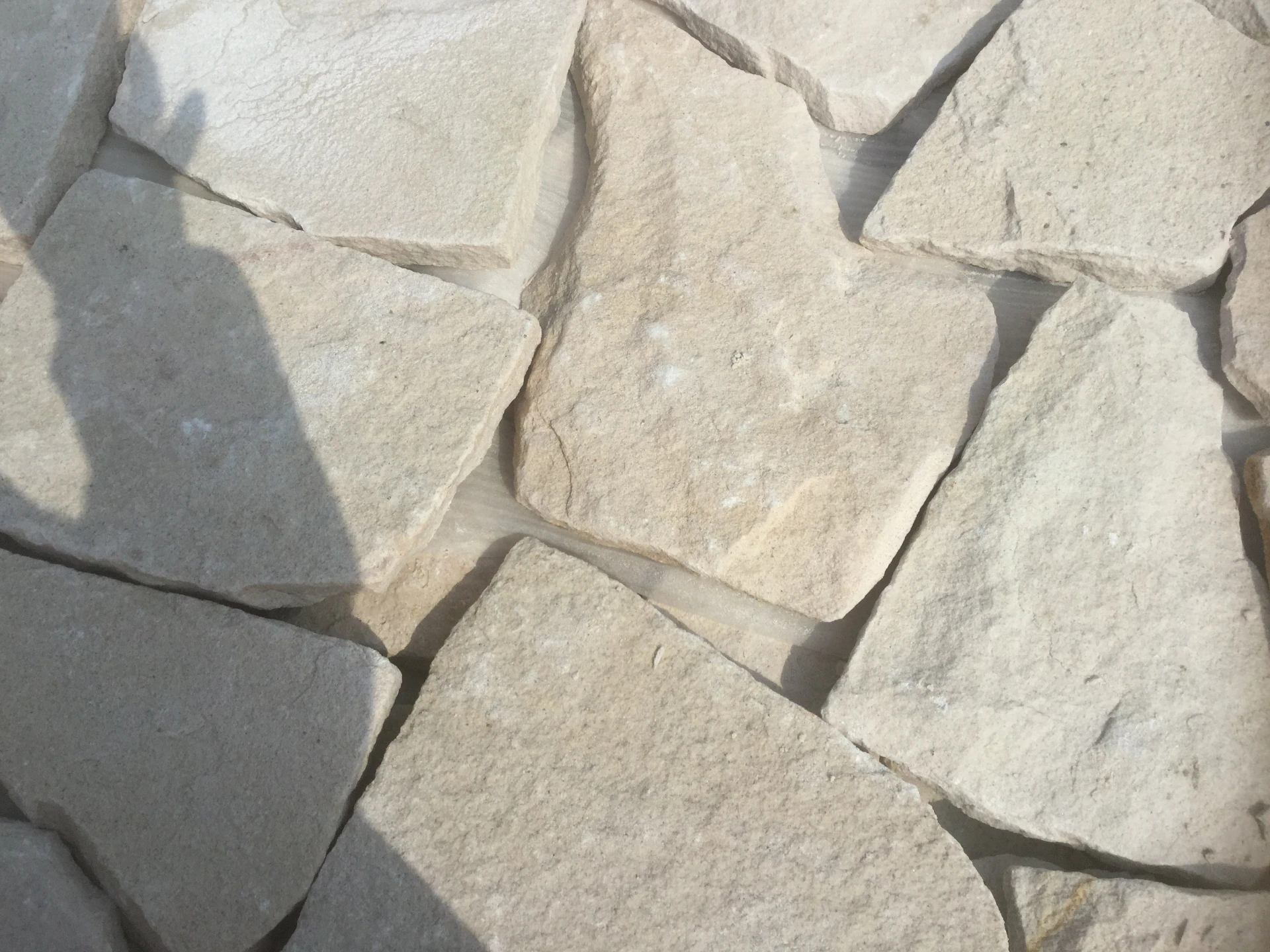
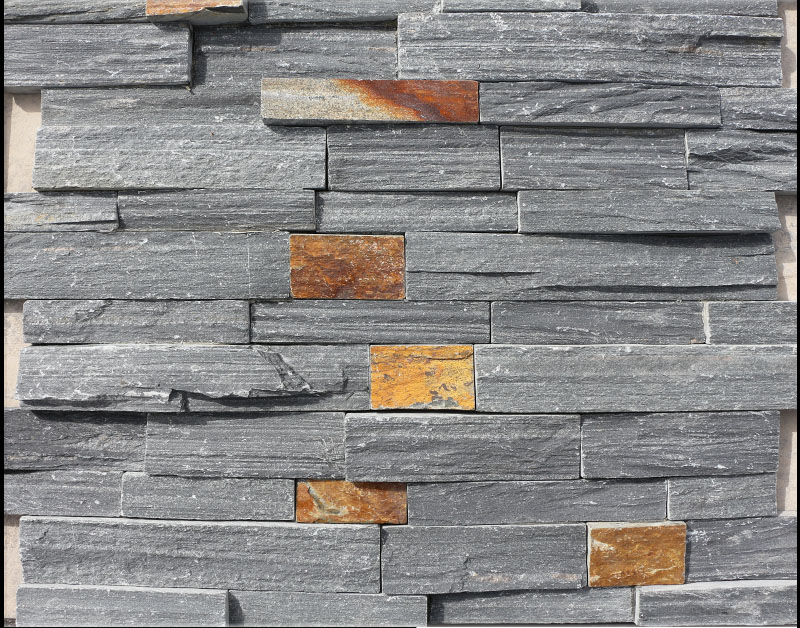
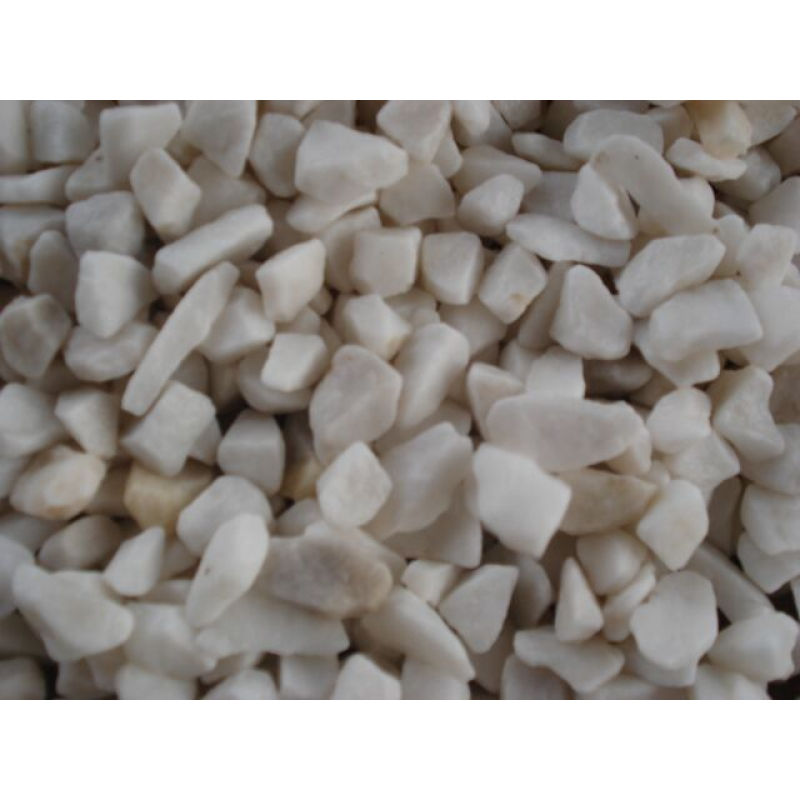
Flagstone ndi imodzi mwa miyala yamtengo wapatali yomwe imagwiritsidwa ntchito kwambiri. Imawerengedwa kuti ndiyo njira yabwino kwambiri yotumizira zowona pamapangidwe anu.
Chifukwa chokhudzika kumbuyo kwa izi ndi pamene mumagwiritsa ntchito ma flat awa miyala, mupanga kumverera kopangidwa ndi manja pabwalo lanu komwe kumawonekanso kosatha. Ngakhale pali mitundu yosiyanasiyana ya miyala yamakono komanso yodula bwino, mutha kutulutsa zomwe mumakonda komanso mawonekedwe anu.
In this blog, you will first get to know the origins of this flagstone and learn about its creation. Afterward, you’ll learn about the different types and the best practices for using them. At length, you’ll gain valuable knowledge in the art and science of installing this material.
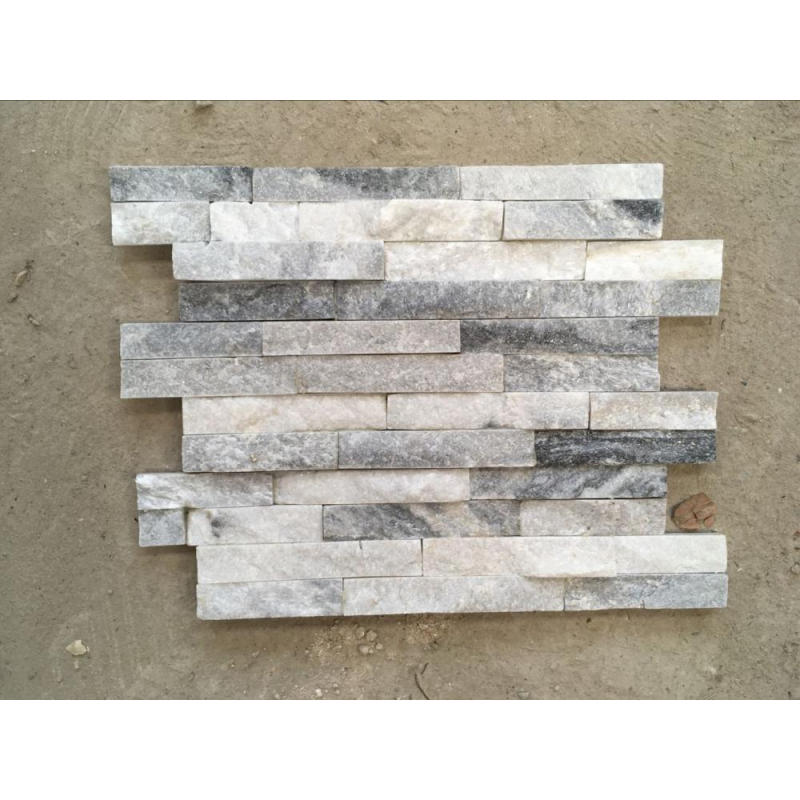
Flagstone is a generic term for many different types of rock. In the beginning, a stonemason chisels or strikes larger stones. And as a result, it breaks up into thick, flat sheets. Next, these thinner sheets are then broken up into flagstone-sized pieces. There are abundant varieties of rock that masons cut and then shape into flagstones.
Poyamba, miyala yofewa kwambiri komanso yosavuta kuti ipangike ndi miyala ya sedimentary, kuphatikiza mitundu monga sandstone, shale, ndi miyala yamchere.
Kachiwiri, mitundu yolimba kwambiri imaphatikizapo miyala yamoto monga granite kapena basalt. Pomaliza, mitundu yolimba kwambiri ndi ya miyala ya metamorphic, monga quartzite komanso marble.
Pali mitundu iwiri yofunika kwambiri ya Flagstones: patio and select. Comparatively, Patio pieces type of Flagstone is smaller, ranging from 12” to 18” and thicker. And are most often used for stepping stones, outdoor pathways, or patios. Due to their smaller size, they are typically palletized lying down, preventing breakage during shipment. Contrarily, select flagstone, known as “standup,” comes in large, thin slabs of 18” to 36”. Due to their large size, they are usually palletized vertically. Flagstones generally make the formation of many shapes and sizes, including rectangular and square. Nevertheless, they are also available in more natural, jagged varieties.
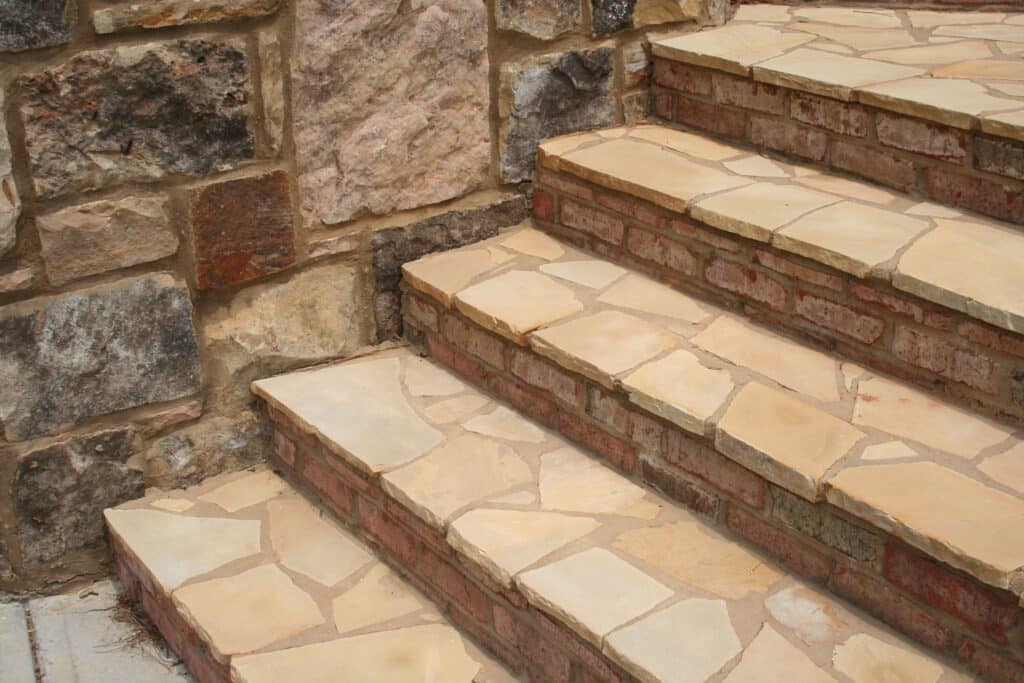
For more than hundreds of thousands of years, Flagstone has been used in various types of formation. Earlier in the 1900s, people saw it as an improvement over cobblestone, and it’s easy to see why. Whereas stonemasons can chisel it at ease by hand into a very flat surface, it is a simple way to create a flat paving surface. Its notable usages as countertop material or even as a paving substrate and as a walkway or roadway. People even use them as roofing and siding. Flagstone patios and Stepping stones are the most common applications of flagstones.
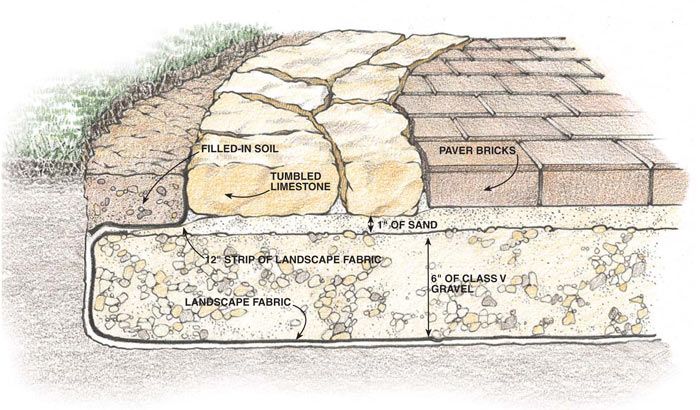
Nthawi zambiri timagwiritsa ntchito mchenga ngati maziko a miyala yamchere. Choyamba, Mchenga ndi wosavuta kukhazikitsa ndipo umapereka mwayi waukulu wa ngalande. Kuphatikiza apo, zimathandiziranso kuteteza udzu ndi kukula kwa mbewu pakati pa miyala yanu chifukwa cha izi. Komabe, pakuyika kokhazikika, gwiritsani ntchito simenti. Pokhala ndi mchenga, mudzafunika mwala wokulirapo. Tondo limakupatsaninso mwayi wogwiritsa ntchito miyala yocheperako popeza maziko a simenti amathandizira kulimbitsa pamwamba.
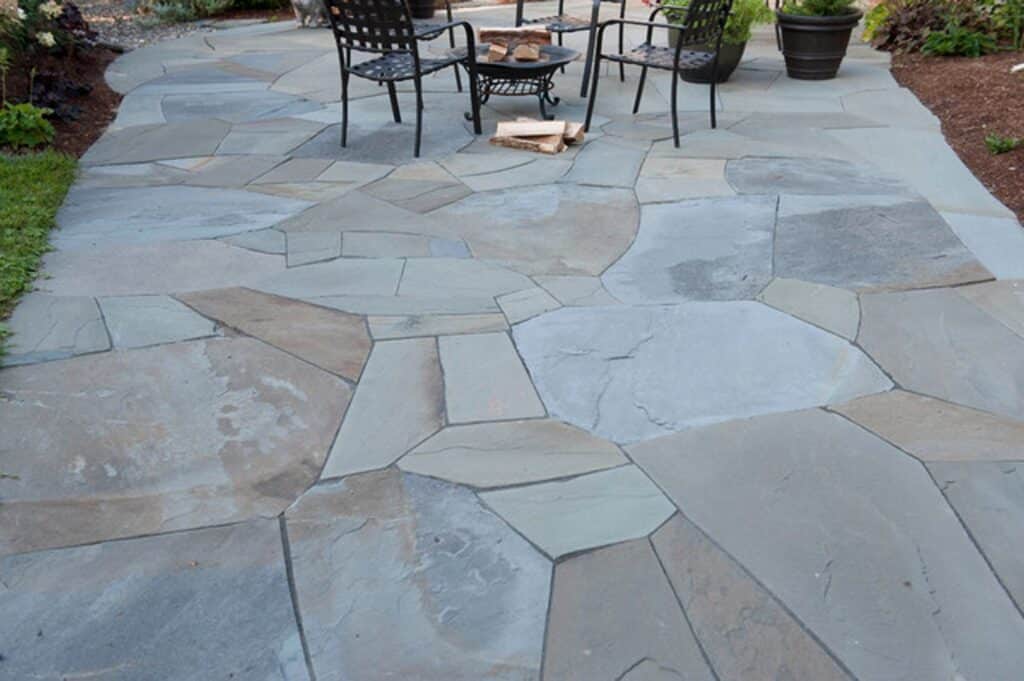
Zabwino kwambiri pamwala wachilengedwewu ndikuti mutha kuwuumba kuti mupange mitundu yambiri yosiyana, yapadera! Momwemonso, malire okha ndi malingaliro anu ndi nkhaniyi. Kuti muzindikire mawonekedwe anu, zenizeni, zomwe muyenera kuchita ndikugwirizanitsa malo anu. Izi ndizomveka kuti ngati mukufuna mawonekedwe amakono, oyera, muyenera kuonetsetsa kuti mumamatira ndi ndondomeko yowonjezereka, yobwerezabwereza. Kumbali inayi, mutha kupita kumitundu yosagwirizana ndi mawonekedwe osasinthika kuti muwoneke wokongola komanso wachilengedwe.
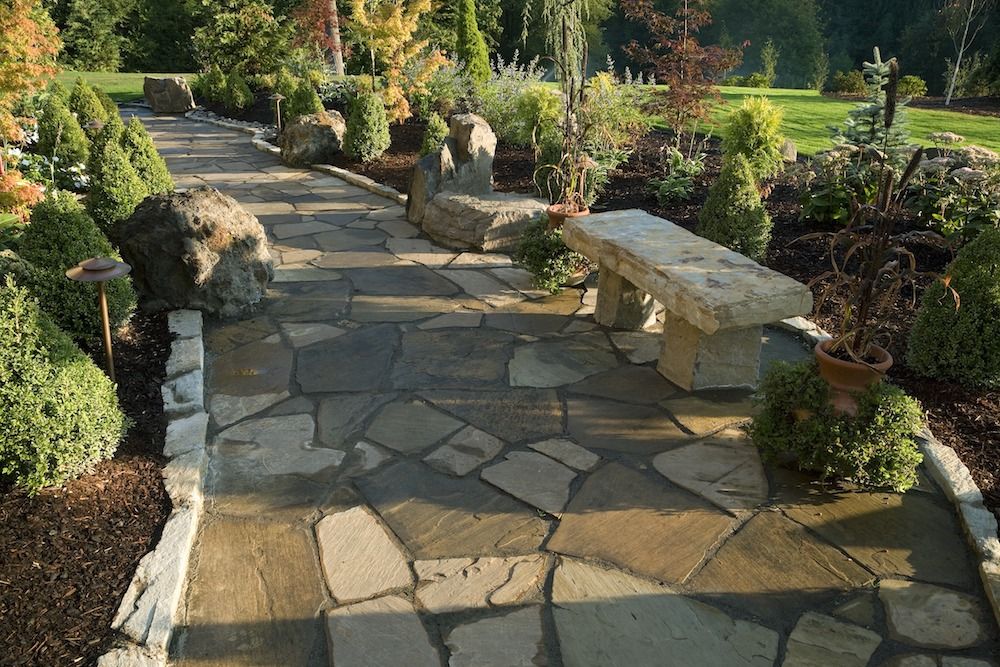
Mutha kukonda miyala yamchere pazifukwa zambiri, kuphatikiza, Miyala ya mbendera which are naturally flat, and it’s easy to use in so many different projects.
However, because flagstone is more of a generic term for many sedimentary rocks, it’s easy to misunderstand and underappreciate.
Nazi zina zomwe muyenera kudziwa:
Flagstone’s one of the beneficial advantages is that it’s relatively flat when mined, making it ideal in so many landscaping projects.
Second, it’s naturally non-slip. Whenever you are all set to starting a project where people will need to walk, a non-slip surface is essential for safety. Next, it’s strong and stable. When installed properly, it won’t break or crack.
Kawirikawiri, mungapeze mitundu yosiyanasiyana ya sipekitiramu kapena mitundu yamitundu Miyala ya mbendera ndipo gwiritsani ntchito mithunzi iliyonse. Ngakhale ambiri ali ndi mithunzi yotuwa kapena yofiirira ngati miyala yambiri, mithunzi yambiri imatha kukhala ndi pinki, yobiriwira, yabuluu, yagolide, ngakhalenso yoyera.
Zikutanthauza kuti nthawi zonse mutha kupeza ndikusankha mwala womwe ungagwirizane nawo kapena kusiyanitsa, chilichonse chomwe mukufuna, mosasamala kanthu za mitundu yomwe ikugwiritsidwa kale ntchito kunyumba kwanu.
Makamaka, mutha kupeza kusakaniza kosavuta kwa miyala yokhala ndi mitundu yambiri ndikupanga patio yamtundu umodzi kapena njira.
Kusinthasintha kwa unsembe kungathenso kuonedwa ngati chimodzi mwazopindulitsa zake zambiri. Kuti muyike khonde, mungafune kuganizira kuyiyika ndi matope pakati pa miyala. Izi zidzakupatsani khonde lanu kukhala lokhazikika komanso lolimba, loyenera mipando ndi matebulo.
Suppose you’re planning to construct a walkway across your lawn. You can install large stones directly on your dirt and install mulch or allow the grass to grow around it.
As an alternate, you can also create a walking path with gravel between the stones. It’s also a great option for building stairs. Nevertheless, you would want to use cement to ensure safety and stability.
From our long-entailed informative blog, we hope we have provided you a clear conception of how, no matter what project you’re planning, there are ways to incorporate this beautiful stone.
 Afirika
  Chialubaniya
  Chiamharic
  Chiarabu
  Chiameniya
  Chiazerbaijani
  Basque
  Chibelarusi
  Chibengali
  Chibosnia
  Chibugariya
  Chikatalani
  Cebuano
  China
China  China (Taiwan)
  Chikosikani
  Chikroatia
  Chicheki
  Chidanishi
  Chidatchi
  Chingerezi
  Chiesperanto
  Chiestonia
  Chifinishi
  Chifalansa
  Chifrisian
  Chigalikiya
  Chijojiya
  Chijeremani
  Chigriki
  Chigujarati
  Chikiliyo cha ku Haiti
  hausa
hausa  Hawaii
  Chiheberi
  Ayi
Ayi  Miao
Miao  Chihangare
  Chi Icelandic
  igbo
igbo  Chi Indonesian
  ayi
ayi  Chitaliyana
  Chijapani
  Chijavani
  Kanada
  kazakh
  Khmer
Khmer  Rwanda
  Chikorea
  Chikurdi
  Kyrgyz
  TB
TB  Chilatini
  Chilativiya
  Chilithuania
  ChiLuxembourgish
  Chimakedoniya
  Malgashi
  Chimalayi
  Malayalam
  Chimalta
  Chimaori
  Chimarathi
  Chimongoliya
  Myanmar
  Chinepali
  Chinorwe
  Chinorwe
  Occitan
  Pashto
  Chiperisi
  Chipolishi
  Chipwitikizi
  Chipunjabi
  Chiromania
  Chirasha
  Chisamoa
  Scottish Gaelic
  Chisebiya
  Chingerezi
  Chishona
  Sindi
Sindi  Sinhala
  Chisilovaki
  Chisiloveniya
  Somalia
  Chisipanishi
  Chisundanese
  Swahili
  Chiswidishi
  Chitagalogi
  Tajiki
  Tamil
Tamil  Chitata
  Telugu
  Thai
Thai  Turkey
  Turkmen
  Chiyukireniya
  Chiurdu
  Uighur
  Chiuzbeki
  Vietnamese
  Chiwelesi