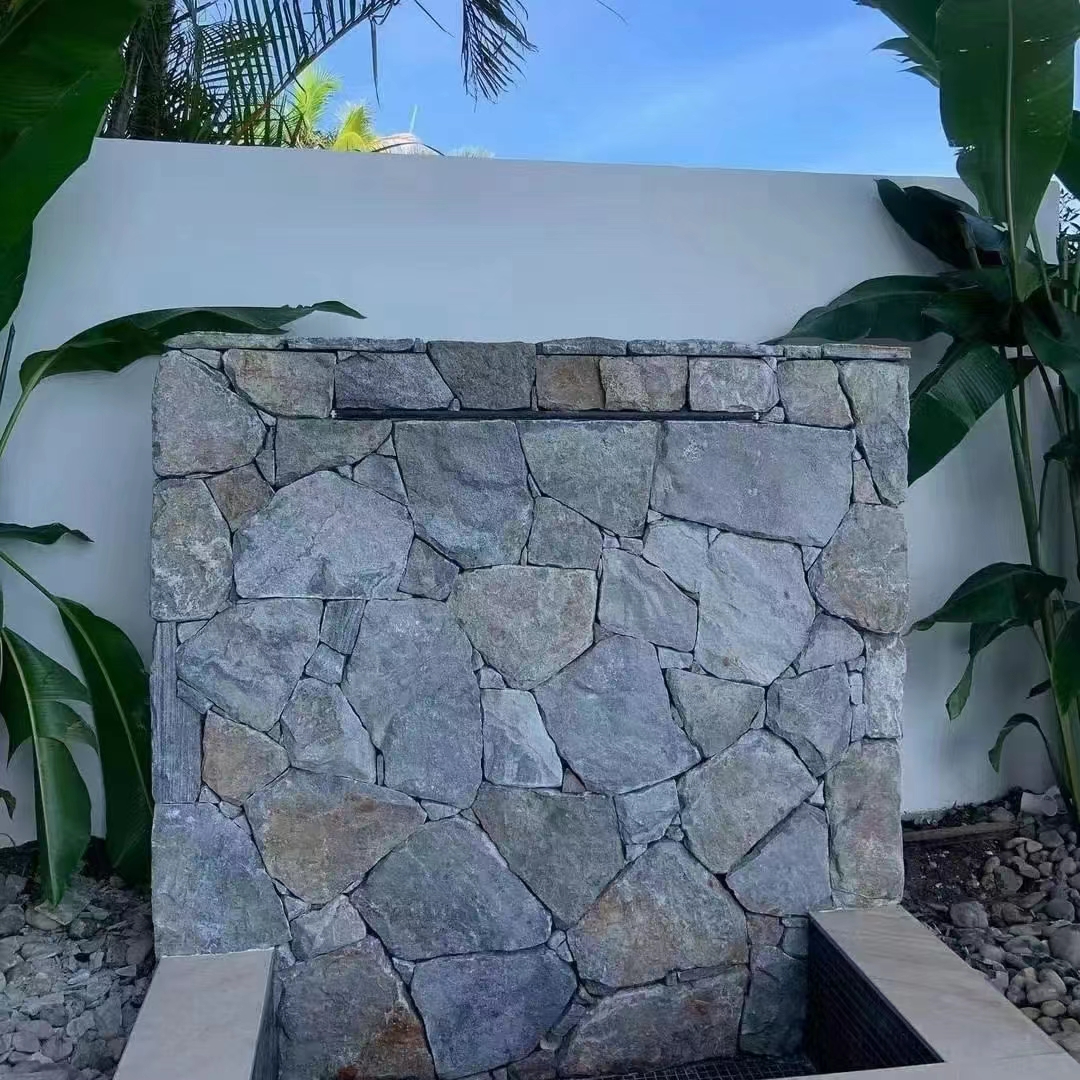
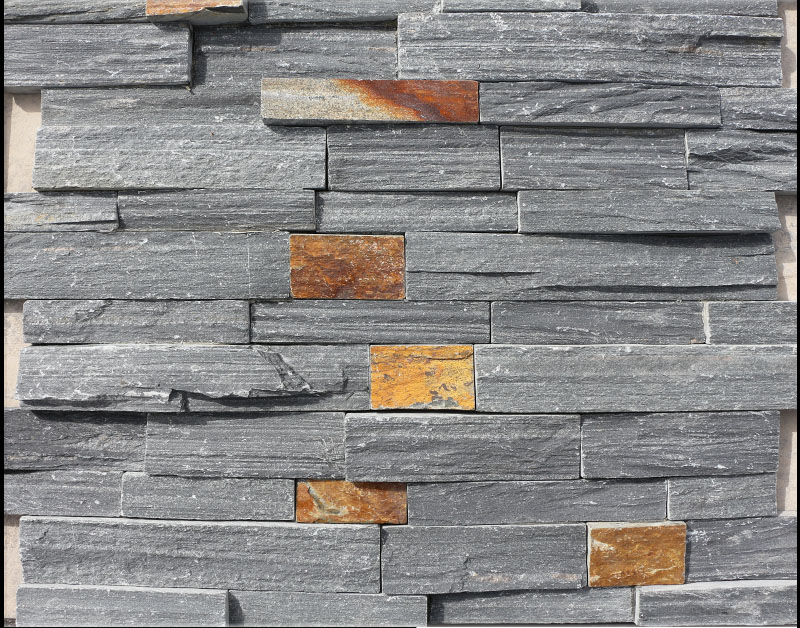
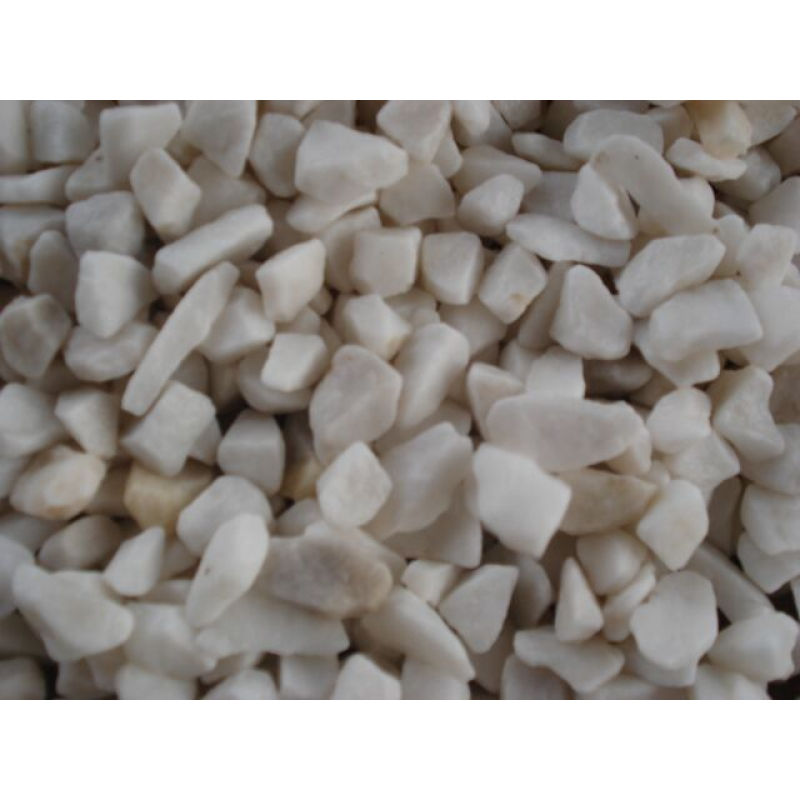
Ko te kowhatu haki tetahi o nga kowhatu papatahi e whakamahia ana. E kiia ana ko te kaikawe ukauka pai rawa atu o te pono i roto i to hoahoa whenua.
Ko te tino take kei muri i tenei ko te wa e whakamahia ana e koe enei papa Ko nga kohatu, ka hangaia e koe he ahua-a-ringa ki to iari e kore e mutu. Ahakoa he maha nga rereketanga o nga kohatu hakihaki hou me te rustic, ka taea e koe te whakaputa i to reka me to ahua.
In this blog, you will first get to know the origins of this flagstone and learn about its creation. Afterward, you’ll learn about the different types and the best practices for using them. At length, you’ll gain valuable knowledge in the art and science of installing this material.
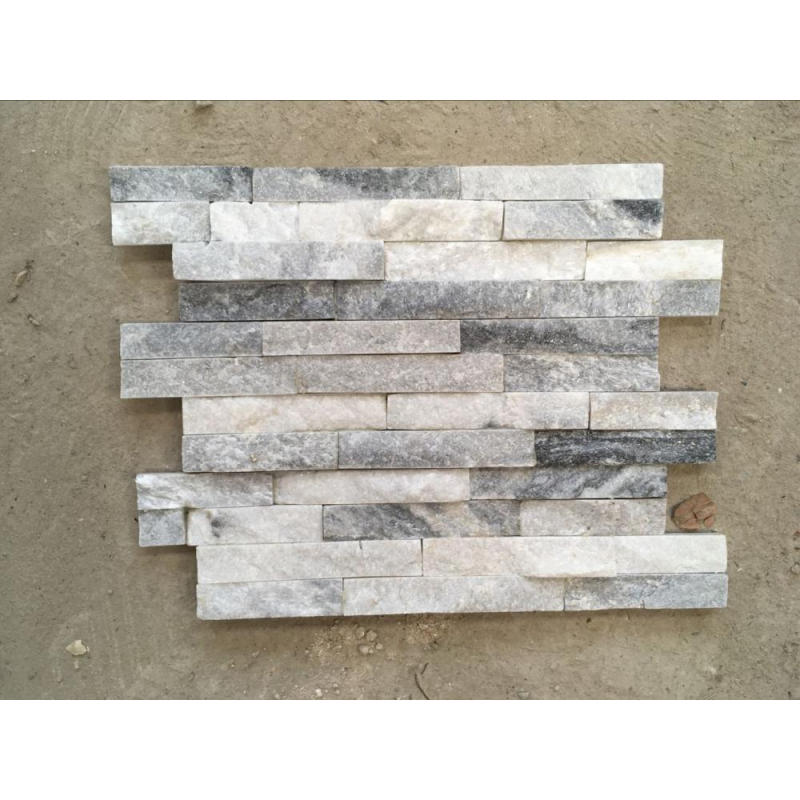
Flagstone is a generic term for many different types of rock. In the beginning, a stonemason chisels or strikes larger stones. And as a result, it breaks up into thick, flat sheets. Next, these thinner sheets are then broken up into flagstone-sized pieces. There are abundant varieties of rock that masons cut and then shape into flagstones.
I te timatanga, ko nga toka ngawari me nga toka ngawari ki te whao he toka parataiao, tae atu ki nga momo penei i te kirikiri, te toka, me te toka.
Tuarua, ko nga momo uaua he toka ngiha penei i te kirikiri, i te basalt ranei. Ka mutu, ko nga momo tino uaua no nga toka metamorphic, penei i te quartzite me te mapere.
E rua nga momo matua o te tono Flagstones: patio and select. Comparatively, Patio pieces type of Flagstone is smaller, ranging from 12” to 18” and thicker. And are most often used for stepping stones, outdoor pathways, or patios. Due to their smaller size, they are typically palletized lying down, preventing breakage during shipment. Contrarily, select flagstone, known as “standup,” comes in large, thin slabs of 18” to 36”. Due to their large size, they are usually palletized vertically. Flagstones generally make the formation of many shapes and sizes, including rectangular and square. Nevertheless, they are also available in more natural, jagged varieties.
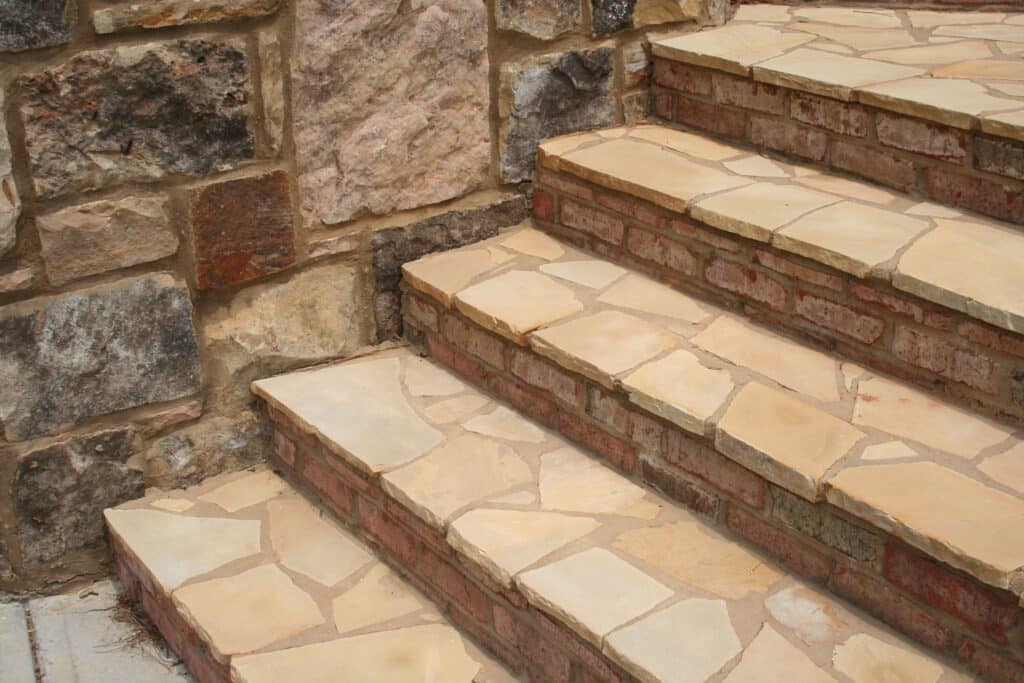
For more than hundreds of thousands of years, Flagstone has been used in various types of formation. Earlier in the 1900s, people saw it as an improvement over cobblestone, and it’s easy to see why. Whereas stonemasons can chisel it at ease by hand into a very flat surface, it is a simple way to create a flat paving surface. Its notable usages as countertop material or even as a paving substrate and as a walkway or roadway. People even use them as roofing and siding. Flagstone patios and Stepping stones are the most common applications of flagstones.
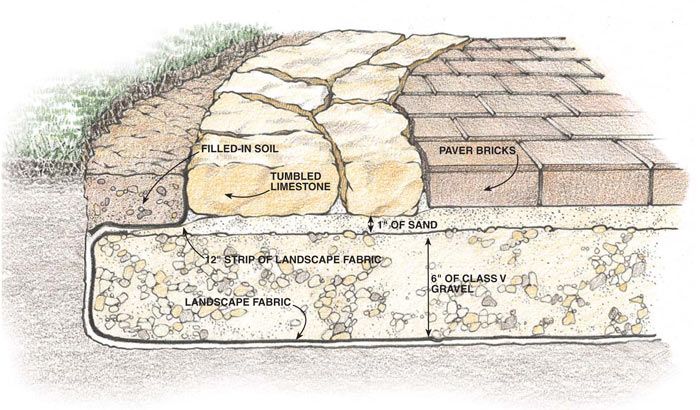
I te nuinga o te wa ka whakamahia te kirikiri hei turanga mo nga kohatu haki. Tuatahi, he tino ngawari ki te whakauru i te kirikiri me te whai painga pai mo te wai. I tua atu, ka awhina ano ratou ki te aukati i nga taru me te tipu tipu i waenga i o kohatu. Engari, mo te whakaurunga ake ake, whakamahia te ciment. Ki te turanga onepu, ka hiahia koe ki te karaehe karaehe. Ka taea hoki e koe te whakamahi i nga kohatu kikokore na te mea ka awhina te turanga sima ki te whakakaha i te mata.
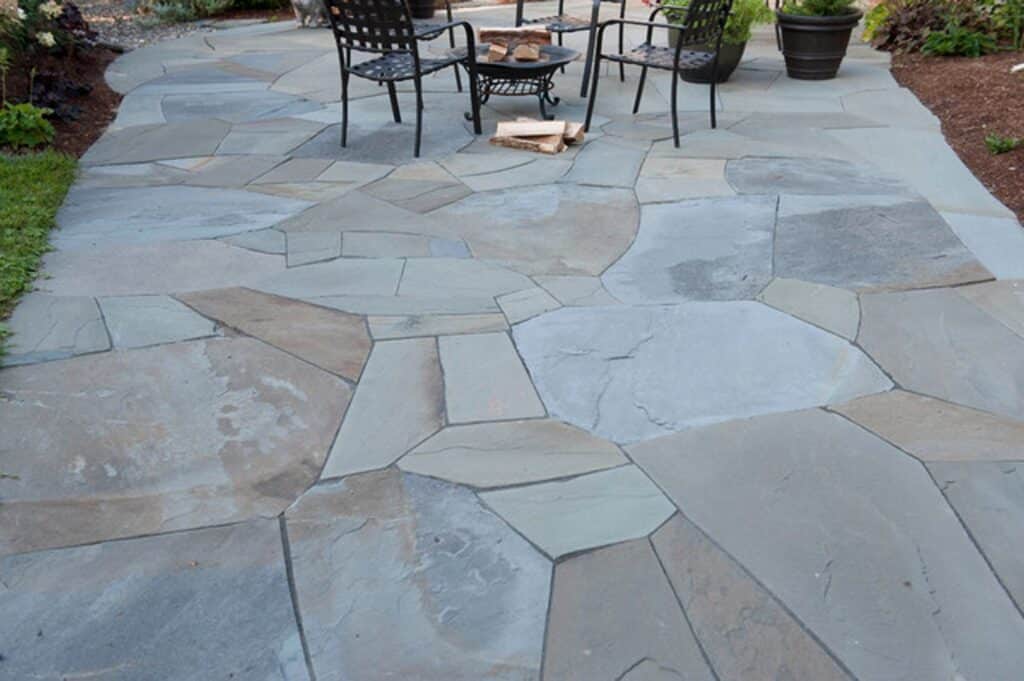
Ko te mea pai mo tenei kowhatu maori ka taea e koe te hanga kia maha nga tauira rereke, ahurei! Katoa, ko te rohe anake ko to whakaaro me tenei rauemi. Ki te wetewete i to tirohanga, i roto i te mooni, ko nga mea katoa e hiahia ana koe ko te here i to whenua. Ko te tikanga tenei, ki te hiahia koe ki te ahua hou, ma, me tino mohio koe ki te piri ki tetahi tauira tino pakari, tukurua. I tera taha, ka taea e koe te haere mo nga rahi rereke me nga ahua matapōkere mo te ahua rustic me te taiao.
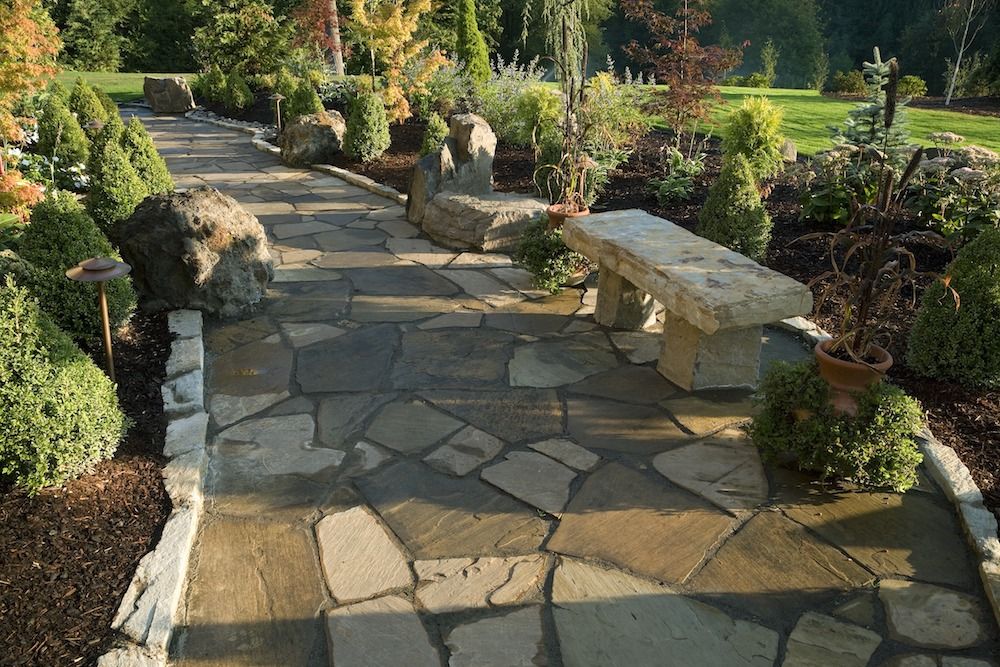
Ka aroha pea koe ki nga kohatu haki mo nga take maha, tae atu ki, Kohatu haki which are naturally flat, and it’s easy to use in so many different projects.
However, because flagstone is more of a generic term for many sedimentary rocks, it’s easy to misunderstand and underappreciate.
Anei etahi mea me mohio koe mo:
Flagstone’s one of the beneficial advantages is that it’s relatively flat when mined, making it ideal in so many landscaping projects.
Second, it’s naturally non-slip. Whenever you are all set to starting a project where people will need to walk, a non-slip surface is essential for safety. Next, it’s strong and stable. When installed properly, it won’t break or crack.
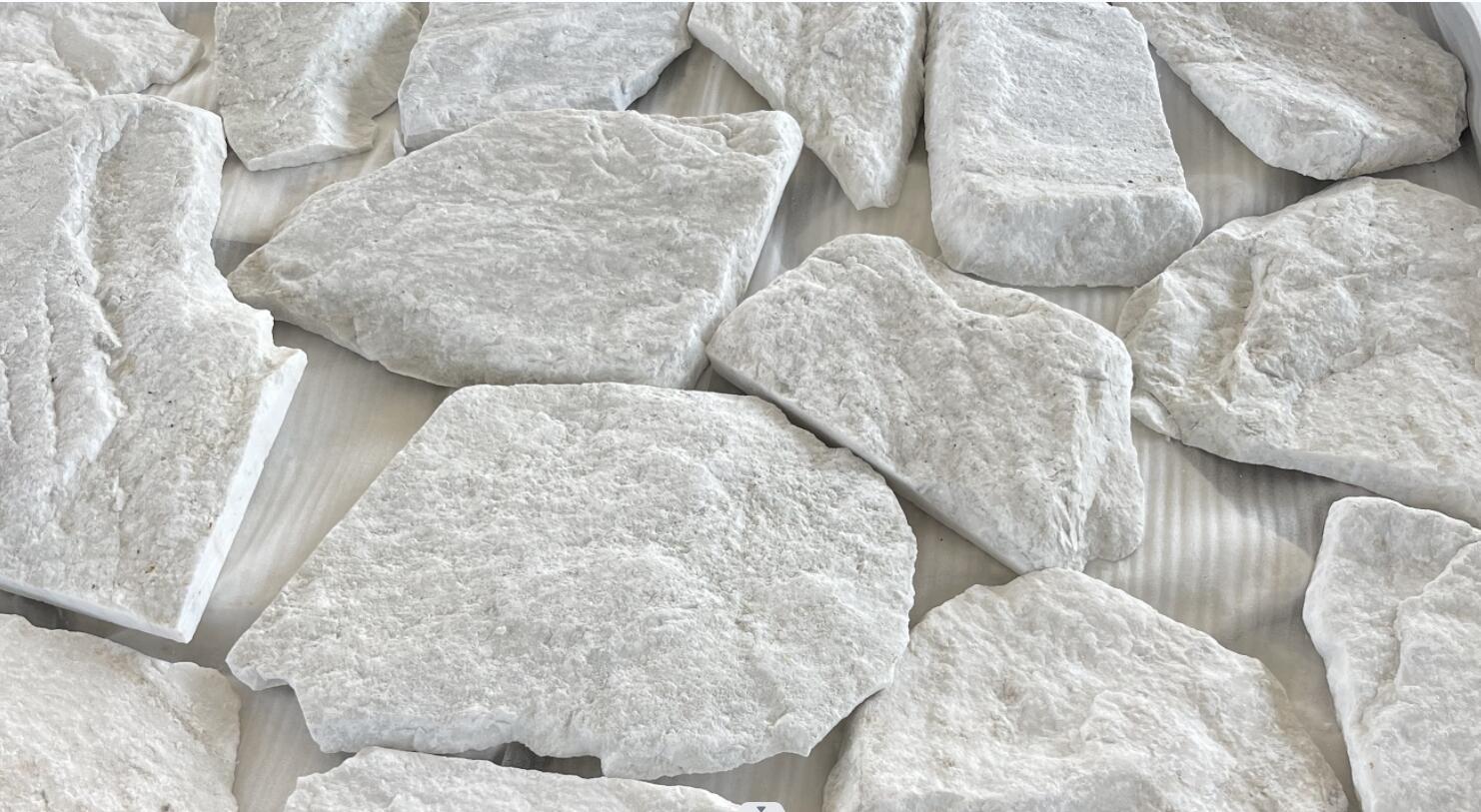
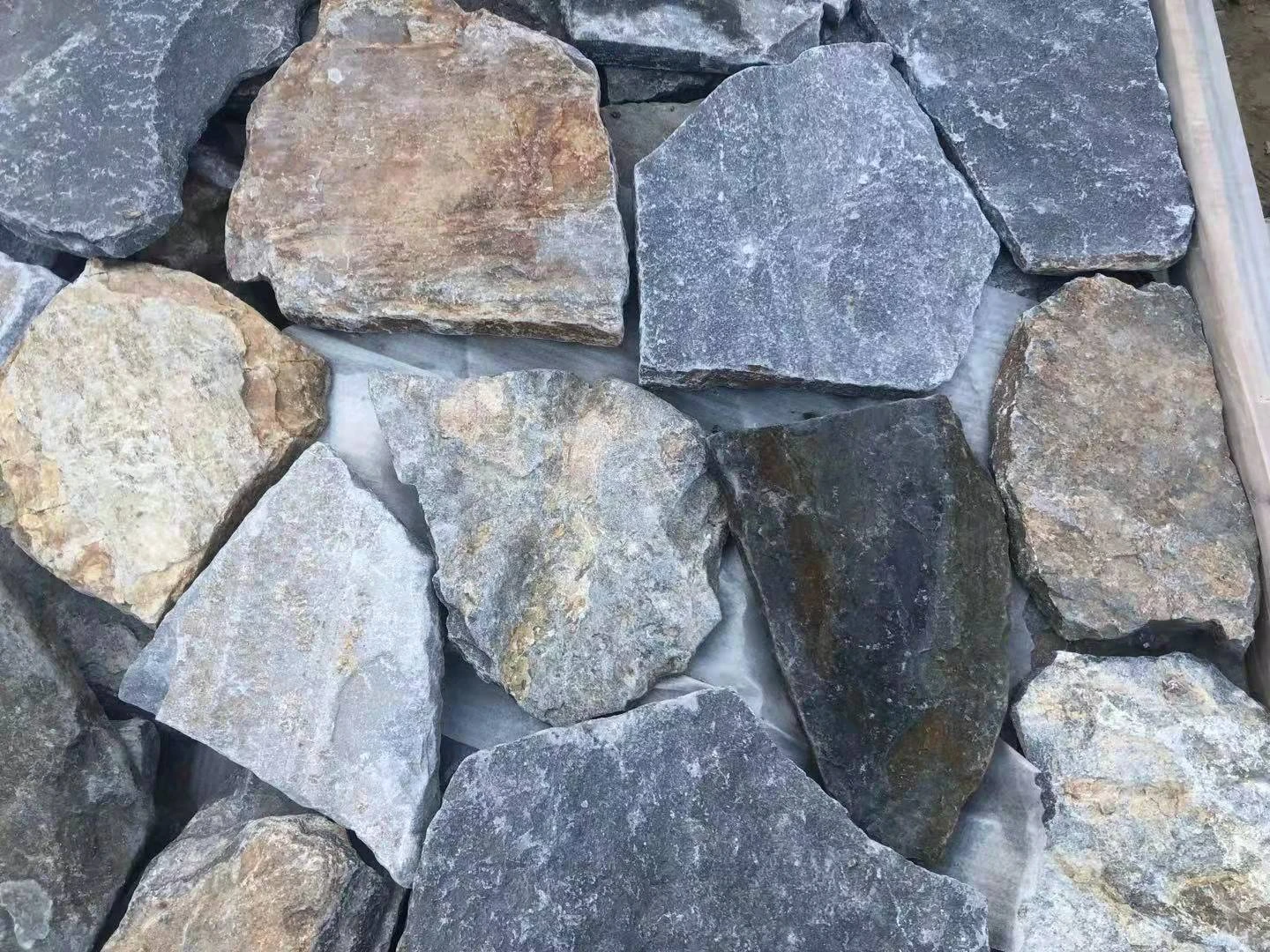
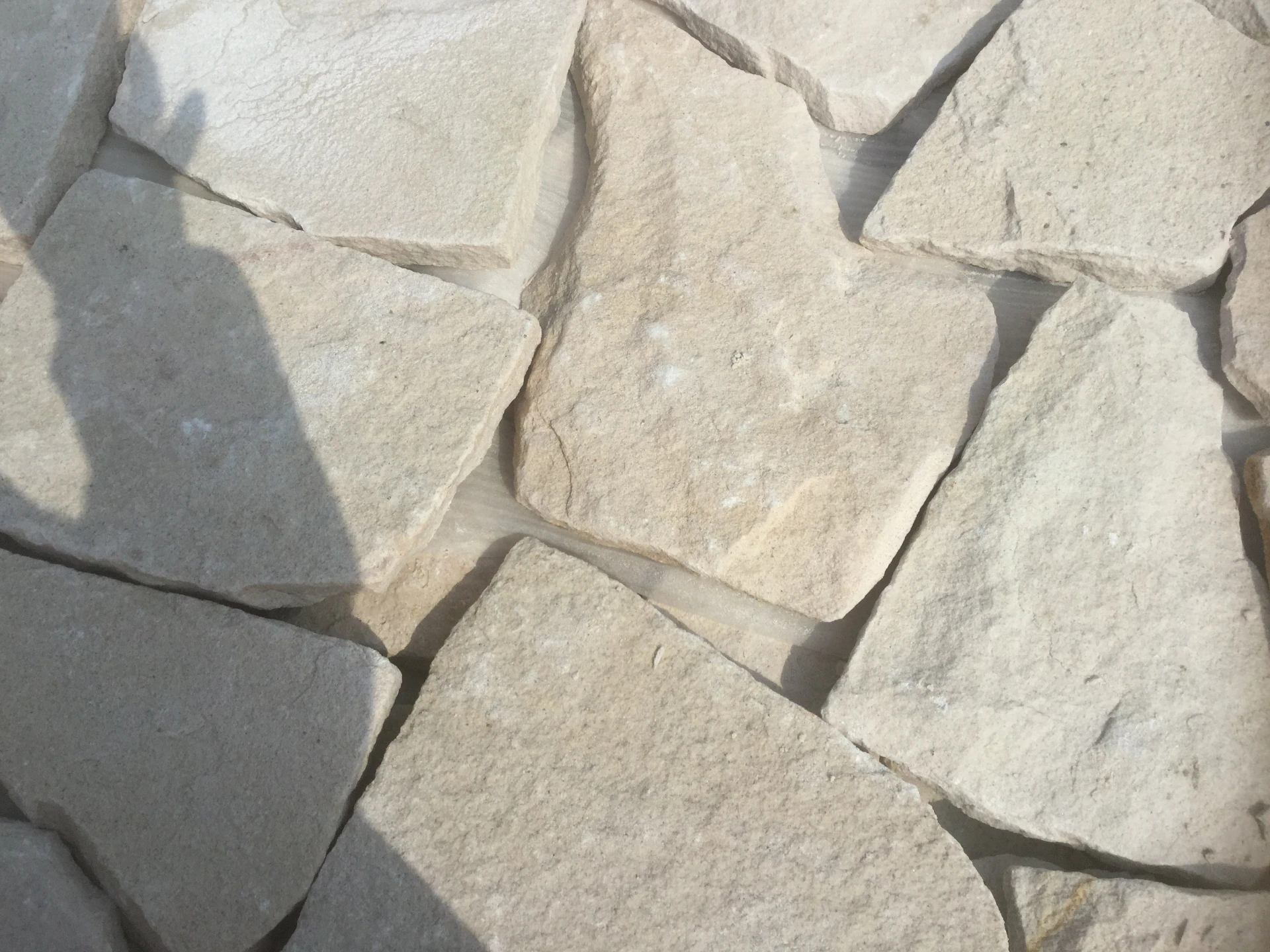
I te nuinga o te waa, ka kitea e koe nga momo tuāwhiorangi, nga tae ranei o Kohatu haki me te whakamahi i tetahi o nga atarangi. Ahakoa ko te nuinga o te nuinga he mawhero, he kowhai ranei penei i te nuinga o nga toka, he mawhero, he kaakaariki, he puru, he koura, tae noa ki te ma.
Ko te tikanga ka taea e koe te kimi me te tiki i tetahi kowhatu haki ka taea te whakakii, te rereke ranei, ahakoa he aha taau whainga, ahakoa he aha nga tae e whakamahia ana ki to kaainga.
Ina koa, ka taea e koe te whakauru ngawari o nga kohatu me te maha o nga tae me te hanga i tetahi patio, ara hikoi ranei.
Ko te ngawari o te whakaurunga ka kiia ko tetahi o ana painga maha. Ki te whakatakoto i te patio, ka hiahia pea koe ki te whakauru ki te kumete i waenganui i nga kohatu. Ma tenei ka tino pai te ahua o to patio, he pai mo nga tuuru me nga tepu.
Suppose you’re planning to construct a walkway across your lawn. You can install large stones directly on your dirt and install mulch or allow the grass to grow around it.
As an alternate, you can also create a walking path with gravel between the stones. It’s also a great option for building stairs. Nevertheless, you would want to use cement to ensure safety and stability.
From our long-entailed informative blog, we hope we have provided you a clear conception of how, no matter what project you’re planning, there are ways to incorporate this beautiful stone.
 Awherika
  Albanian
  Amharic
  Arapi
Arapi  Arameina
  Azerbaijani
  Basque
  Belarusian
  Bengali
  Bosniana
  Bulgarian
  Katarana
  Cebuano
  Haina
Haina  Haina (Taiwan)
  Korihika
  Koroatiana
  Czech
Czech  Teniana
  Tatimana
  Ingarihi
  Esperanto
  Estonian
  Finnish
  Wīwī
Wīwī  Frisian
  Kariri
  Georgian
  Tiamana
  Kariki
  Gujarati
  Haiti Creole
  hausa
hausa  hawaii
  Hiperu
  Kao
Kao  Miao
Miao  Hungarian
  Tiorangi
  igbo
igbo  Initonia
  Irish
Irish  Itariana
  Hapanihi
  Hawaana
  Kannada
  Kazakh
  Khmer
Khmer  Rwandan
  Koreana
  Kurdish
  Kyrgyz
  TB
TB  Latina
  Latvian
  Lithuania
  Luxembourgish
  Makeronia
  Malgashi
  Malay
Malay  Malayalam
  Marite
  Maori
Maori  Mareti
  Mongolian
  Myanmar
  Nepali
  Norewai
  Norewai
  Occitan
  Pashto
  Pahia
Pahia  Porohia
  Potiti
  Punjabi
  Romanian
  Ruhia
Ruhia  Hamoa
Hamoa  Scottish Gaelic
  Serbian
  Ingarihi
  Shona
Shona  Sindhi
  Sinhala
  Slovak
  Slovenian
  Somali
  Paniora
  Hatana
  Swahili
  Huitene
  Tagalog
  Tajik
Tajik  Tamil
Tamil  Tatara
  Telugu
  Thai
Thai  Turiki
  Turkmen
  Iukereiniana
  Urdu
Urdu  Uighur
  Uzbek
Uzbek  Vietnamese
  Welsh
Welsh