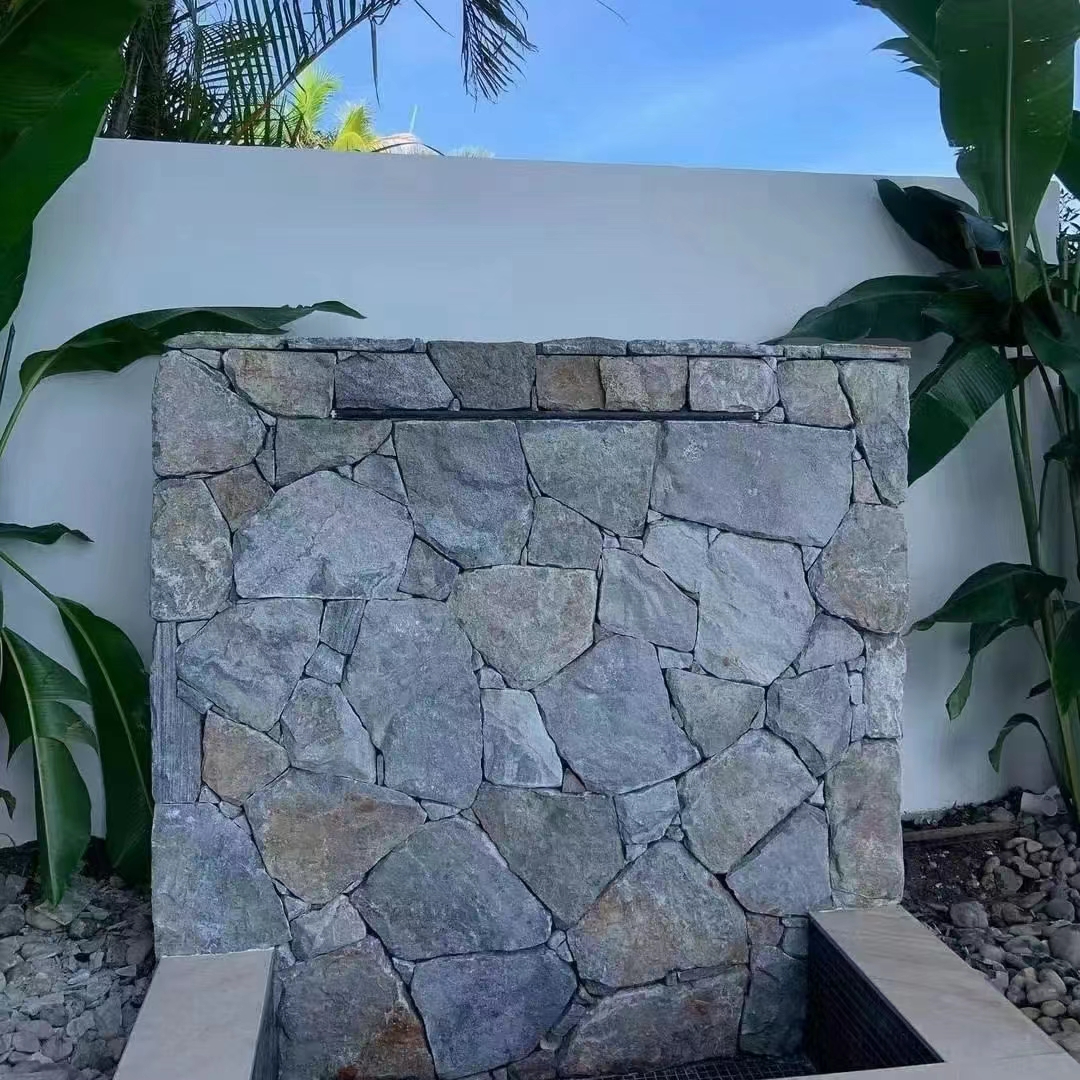
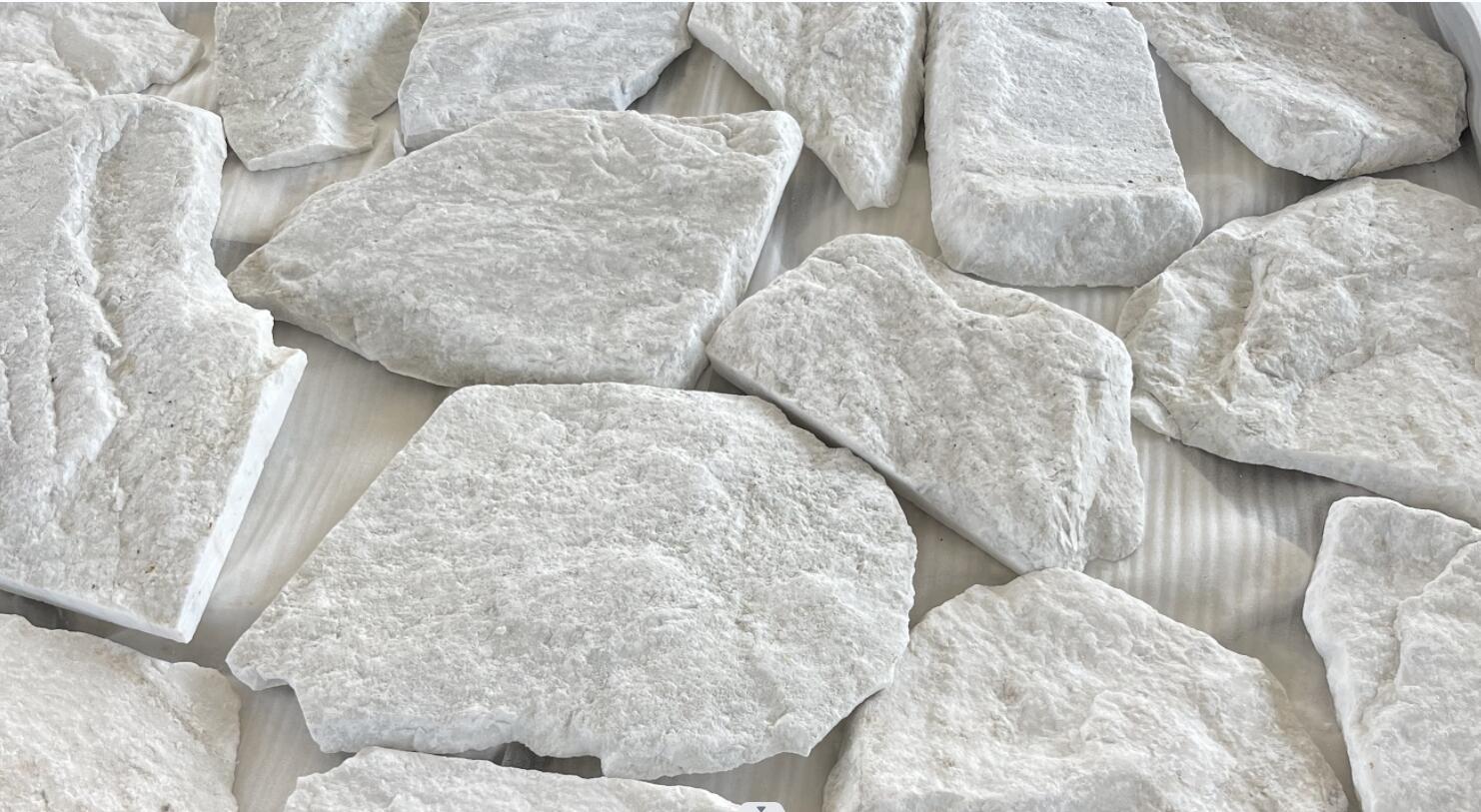
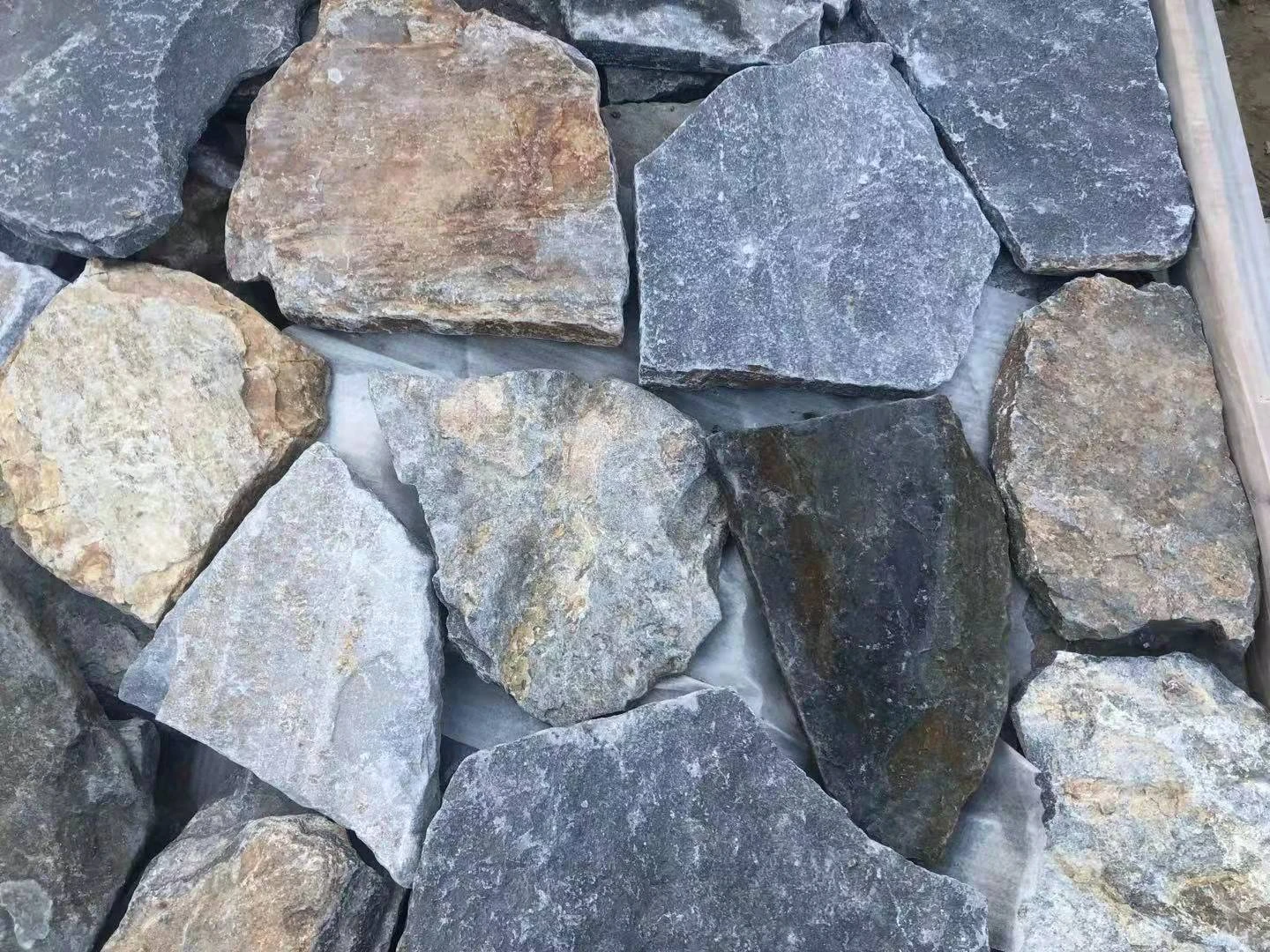
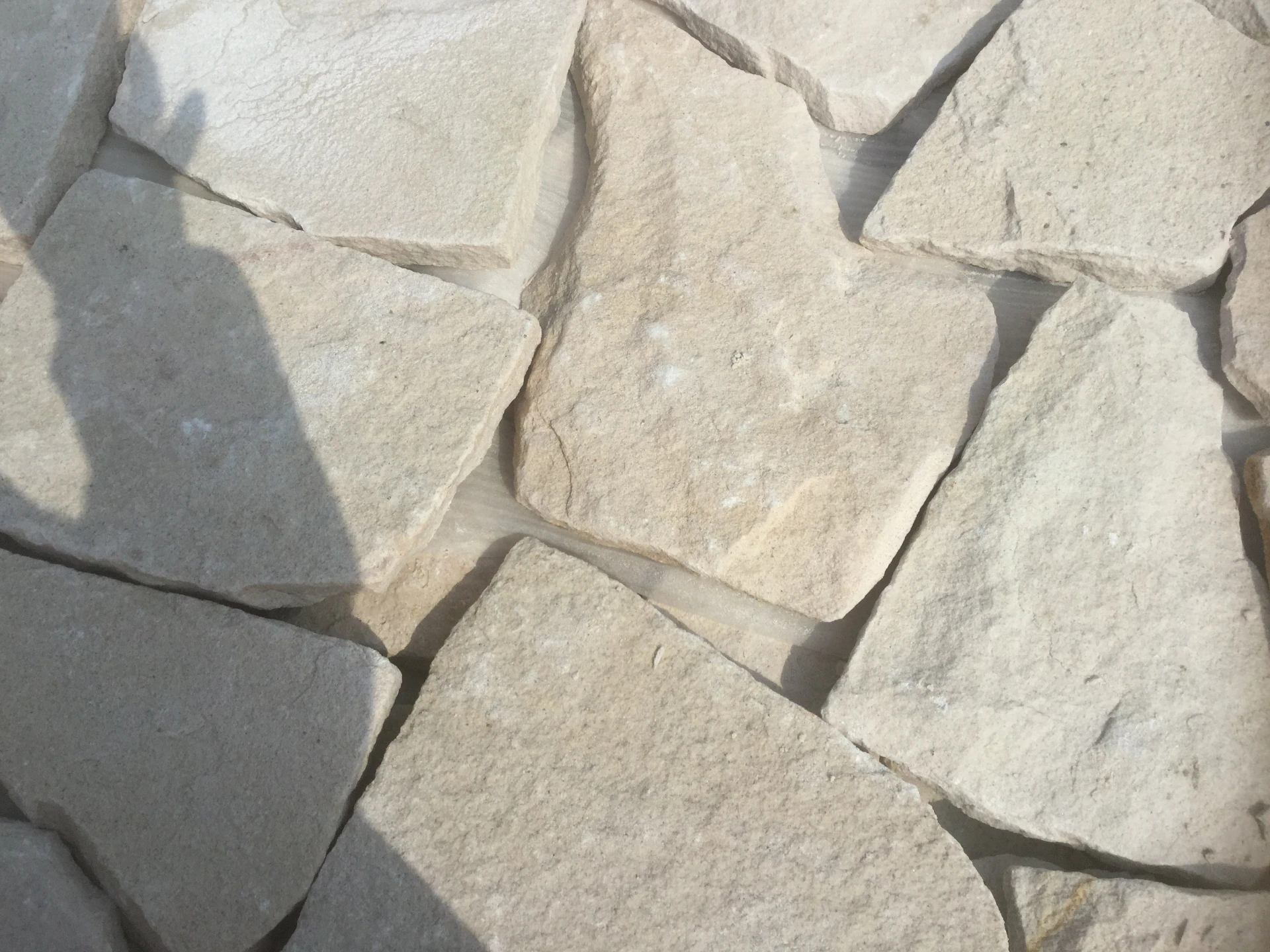
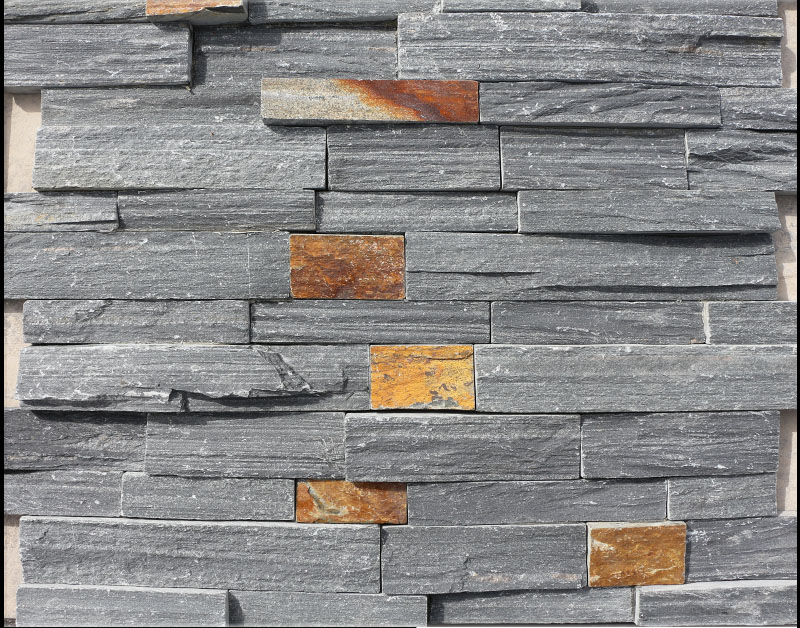
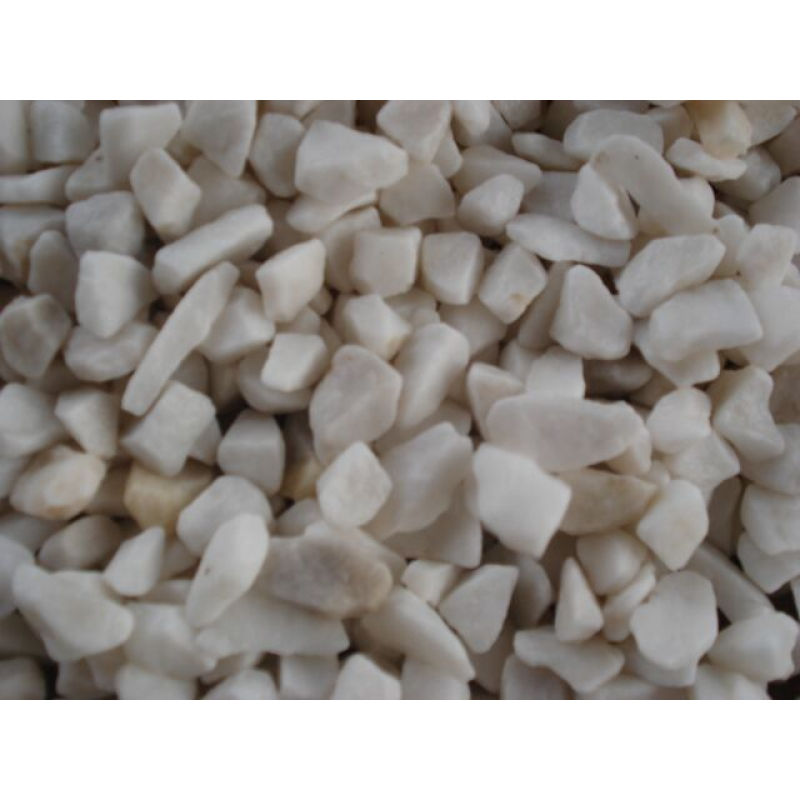
Flagstone hè una di e petre piatte generiche più usate. Hè cunsideratu u megliu trasportatore sustinibili di l'autenticità in u vostru disignu di u paisaghju.
Un mutivu cunvince daretu à questu hè quandu avete aduprà sti flat petre, creerete una sensazione fatta à manu à u vostru giardinu chì pare ancu intemporale. Ancu s'ellu ci hè assai variazioni di lastre di taglio mudernu è rusticu, pudete esce u vostru gustu è stile individuale.
In this blog, you will first get to know the origins of this flagstone and learn about its creation. Afterward, you’ll learn about the different types and the best practices for using them. At length, you’ll gain valuable knowledge in the art and science of installing this material.
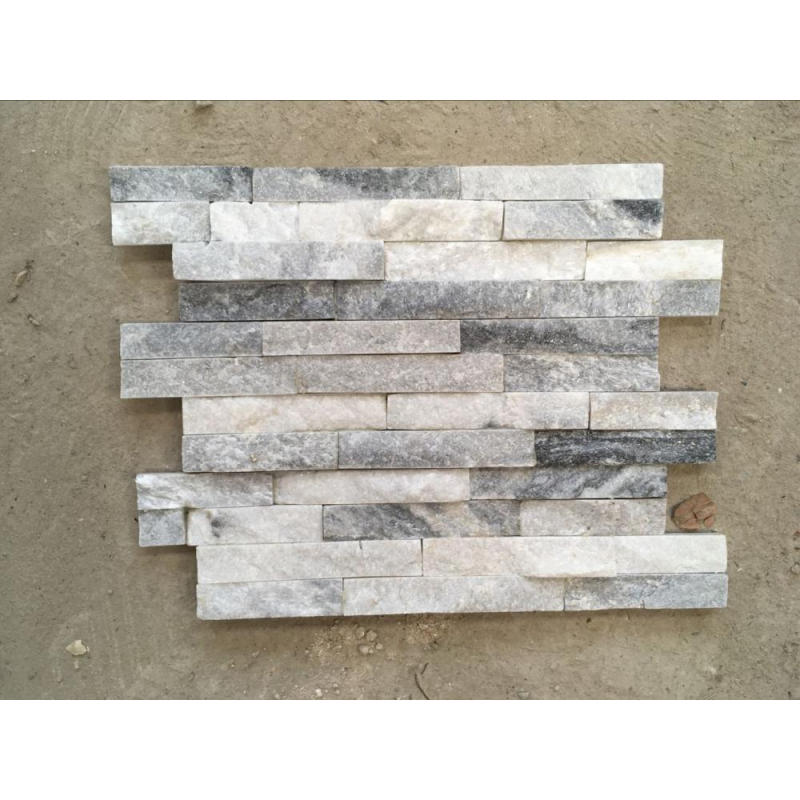
Flagstone is a generic term for many different types of rock. In the beginning, a stonemason chisels or strikes larger stones. And as a result, it breaks up into thick, flat sheets. Next, these thinner sheets are then broken up into flagstone-sized pieces. There are abundant varieties of rock that masons cut and then shape into flagstones.
Inizialmente, i rocci più morbidi è più faciuli di cisele in forma sò rocci sedimentarii, cumprese varietà cum'è arenaria, shale è calcariu.
Secundariamente, variità più duru include rocci igneous cum'è granitu o basalt. Infine, i tipi più duru appartenenu à i rocci metamorfichi, cum'è quartzite è ancu marmura.
Ci sò dui tipi principali in-demand Flagstones: patio and select. Comparatively, Patio pieces type of Flagstone is smaller, ranging from 12” to 18” and thicker. And are most often used for stepping stones, outdoor pathways, or patios. Due to their smaller size, they are typically palletized lying down, preventing breakage during shipment. Contrarily, select flagstone, known as “standup,” comes in large, thin slabs of 18” to 36”. Due to their large size, they are usually palletized vertically. Flagstones generally make the formation of many shapes and sizes, including rectangular and square. Nevertheless, they are also available in more natural, jagged varieties.
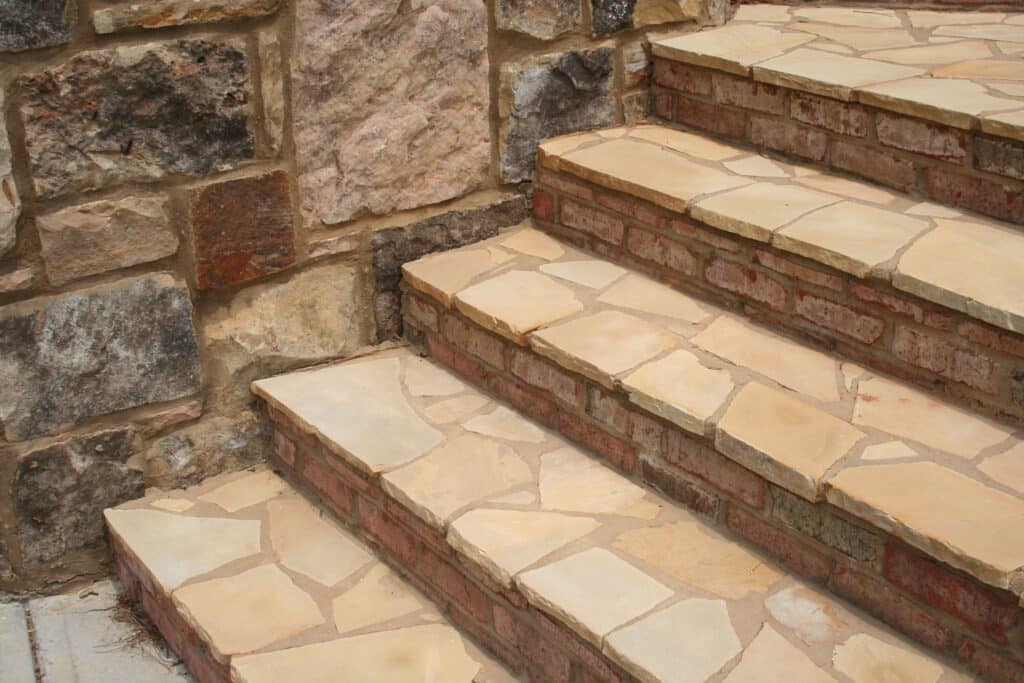
For more than hundreds of thousands of years, Flagstone has been used in various types of formation. Earlier in the 1900s, people saw it as an improvement over cobblestone, and it’s easy to see why. Whereas stonemasons can chisel it at ease by hand into a very flat surface, it is a simple way to create a flat paving surface. Its notable usages as countertop material or even as a paving substrate and as a walkway or roadway. People even use them as roofing and siding. Flagstone patios and Stepping stones are the most common applications of flagstones.
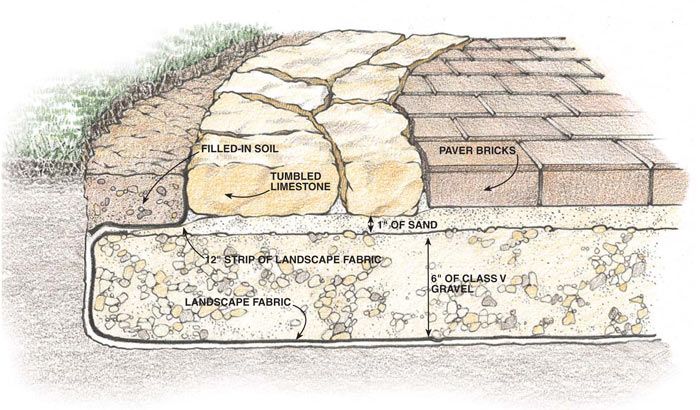
Di solitu usemu a sabbia cum'è materiale di basa per i lastri. Prima di tuttu, Sand hè abbastanza faciule d'installà è offre un grande vantaghju di drenaje. Inoltre, aiutanu ancu à prevene l'erbaccia è a crescita di e piante trà e vostre petre in u risultatu. In ogni casu, per una stallazione più permanente, utilizate cimentu. Cù una basa di sabbia, avete bisognu di una lastra più grossa. Mortar permette ancu di utilizà petre più fini, postu chì a basa di cimentu aiuta à rinfurzà a superficia.
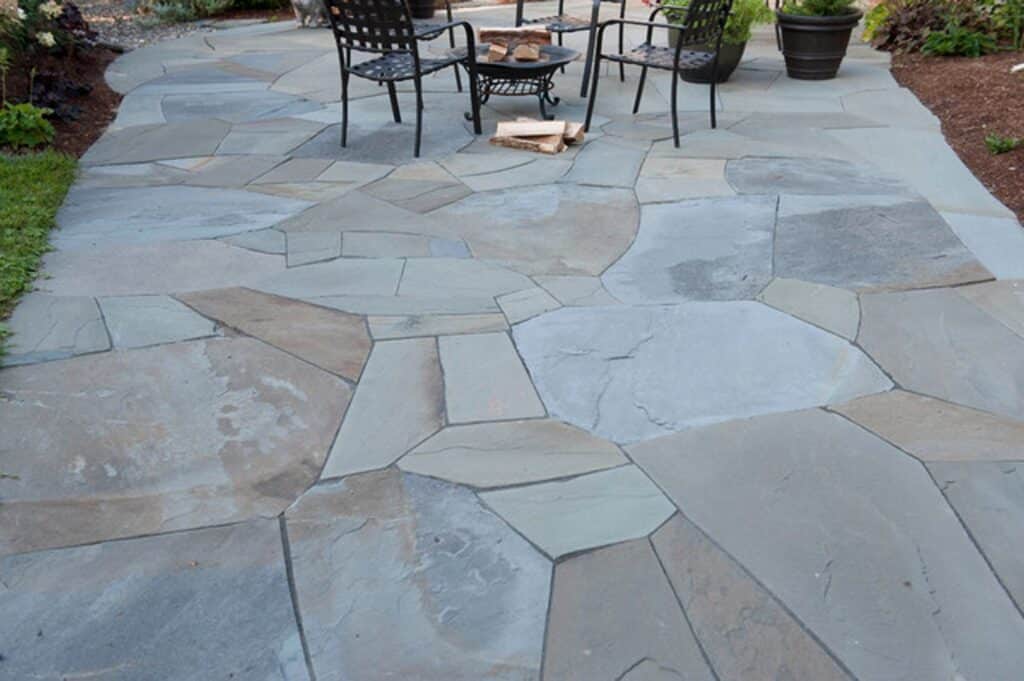
U megliu di sta petra naturale hè chì pudete furmà per creà parechji mudelli unichi è diffirenti! Tuttu u listessu, l'unicu limitu hè a vostra imaginazione cù stu materiale. Per decodificà a vostra visualizazione, in realtà, tuttu ciò chì avete da fà hè ligà u vostru paisaghju. Questu hè sensu chì sè vo vulete un aspettu mudernu è pulitu, avete bisognu di assicurà chì stà cun un mudellu più rigidu è ripetitu. Da l'altra parte, pudete andà per dimensioni irregulari è forme aleatorii per un aspettu rusticu è naturali.
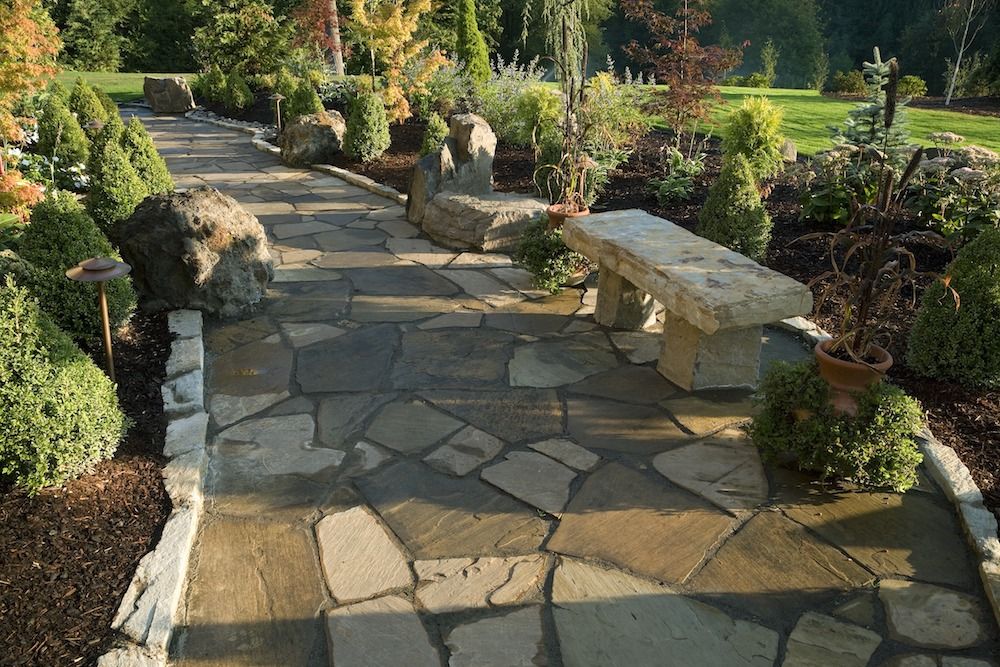
Puderete amassi lastre per parechje ragioni, cumprese, Lastre which are naturally flat, and it’s easy to use in so many different projects.
However, because flagstone is more of a generic term for many sedimentary rocks, it’s easy to misunderstand and underappreciate.
Eccu alcune cose chì duvete sapè:
Flagstone’s one of the beneficial advantages is that it’s relatively flat when mined, making it ideal in so many landscaping projects.
Second, it’s naturally non-slip. Whenever you are all set to starting a project where people will need to walk, a non-slip surface is essential for safety. Next, it’s strong and stable. When installed properly, it won’t break or crack.
In generale, pudete truvà diverse spettri o tonalità di Lastre è prufittà di qualsiasi sfumature. Ancu s'ellu a maiò parte di sfumature grise o marroni cum'è a maiò parte di a roccia, i parechji sfumaturi ponu avè rosati, verdi, blu, oru, è ancu vicinu à u biancu.
Significa chì pudete sempre truvà è sceglie una lastra chì pò cumplementà o cuntrastà, quale hè u vostru scopu, ùn importa micca i culori chì sò digià appiicati intornu à a vostra casa.
In particulare, pudete ottene una mistura faciule di petri cù parechji culori è creà un patio o una passerella unicu.
A flessibilità di stallazione pò ancu esse cunsiderata cum'è unu di i so numerosi benefici. Per mette un patio, pudete vulete cunsiderà installà cù u mortar trà e petre. Questu certamenti darà à u vostru patio una sensazione cumpletamente livellu è solida, ideale per sedie è tavule.
Suppose you’re planning to construct a walkway across your lawn. You can install large stones directly on your dirt and install mulch or allow the grass to grow around it.
As an alternate, you can also create a walking path with gravel between the stones. It’s also a great option for building stairs. Nevertheless, you would want to use cement to ensure safety and stability.
From our long-entailed informative blog, we hope we have provided you a clear conception of how, no matter what project you’re planning, there are ways to incorporate this beautiful stone.
 africanu
  Albanese
  Amaricu
  Arabu
Arabu  Armenu
  Azerbaijani
  Vascu
Vascu  Belarusian
  Bengali
  Bosniacu
  Bulgaru
  Catalanu
  Cebuanu
  Cina
Cina  Cina (Taiwan)
  Corsu
Corsu  Cruatu
  Ceccu
Ceccu  Danese
  Ulandesa
  Inglese
  Esperantu
  Estone
  Finlandese
  Francese
  frisone
  Galizianu
  Georgianu
  Tedescu
  Grecu
Grecu  Gujarati
  Creolu Haitianu
  Hausa
Hausa  Hawaiianu
  Ebraicu
  Innò
Innò  Miao
Miao  Ungherese
  Islandesu
  igbo
igbo  Indonesianu
  Irlandese
  Talianu
  Ghjappunese
  Giavanese
  Kannada
  Kazakh
  Khmer
Khmer  Rwanda
  Coreanu
  Curdu
Curdu  Kyrgyz
  TB
TB  Latinu
  Lettone
  Littuanianu
  Lussemburghese
  Macedone
  Malgashi
  Malese
  Malayalam
  Maltese
  Maori
Maori  Marathi
  Mongolianu
  Birmania
  Nepalese
  Novegese
  Novegese
  Occitanu
  Pashto
  Persianu
  Pulaccu
  Portughese
  Punjabi
  Rumenu
  Russu
Russu  Samoanu
  gaelicu scozzese
  Serbianu
  Inglese
  Shona
Shona  Sindhi
  Sinhala
  Sluvaccu
  Sluvenu
  Somalianu
  Spagnolu
  Sundanese
  Swahili
  Svedese
  Tagalog
  Tajik
Tajik  Tamil
Tamil  Tatar
Tatar  Telugu
  Thai
Thai  Turcu
Turcu  Turchmennu
  Ucrainu
  Urdu
Urdu  Uighur
  Uzbek
Uzbek  vietnamita
  gallese