WEXT:
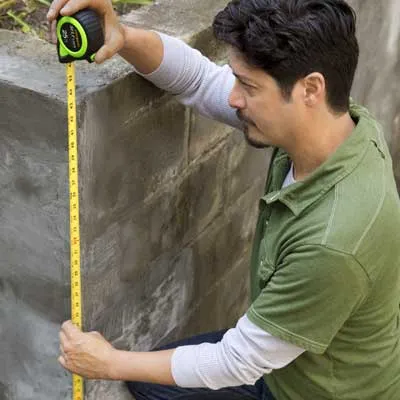
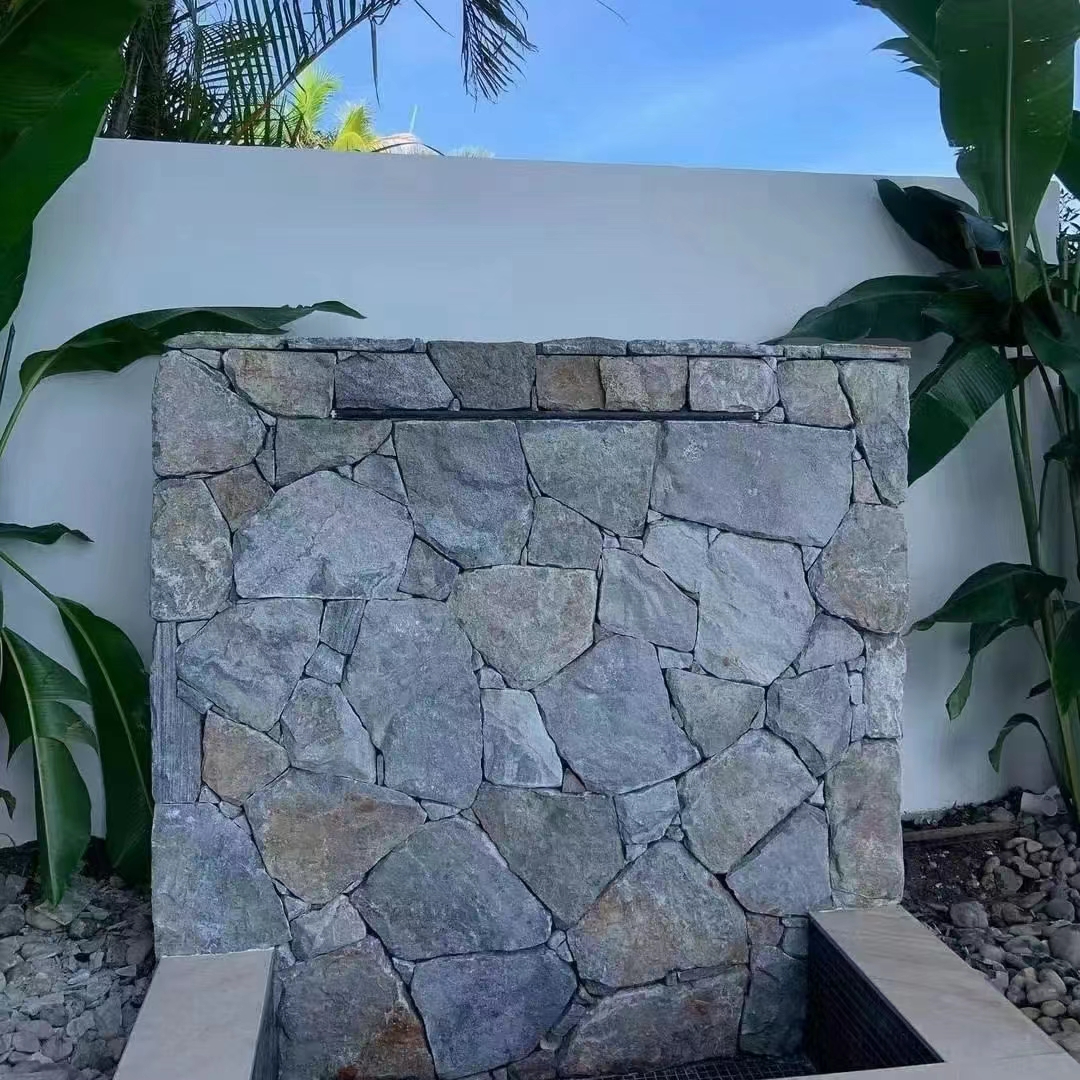
To calculate the number of universal corners to order, measure the height in inches of each outside wall corner, as shown, divide by 16, and round up to the nearest whole number. You’ll fill the area between the corners with flat panels. To calculate how many you’ll need, multiply the wall’s width by its height in feet and divide the resulting area by 2 (each panel covers 2 square feet). Subtract the number of universal corners from the result, then add 10 percent to your order of flat panels. Add one universal corner to be safe.
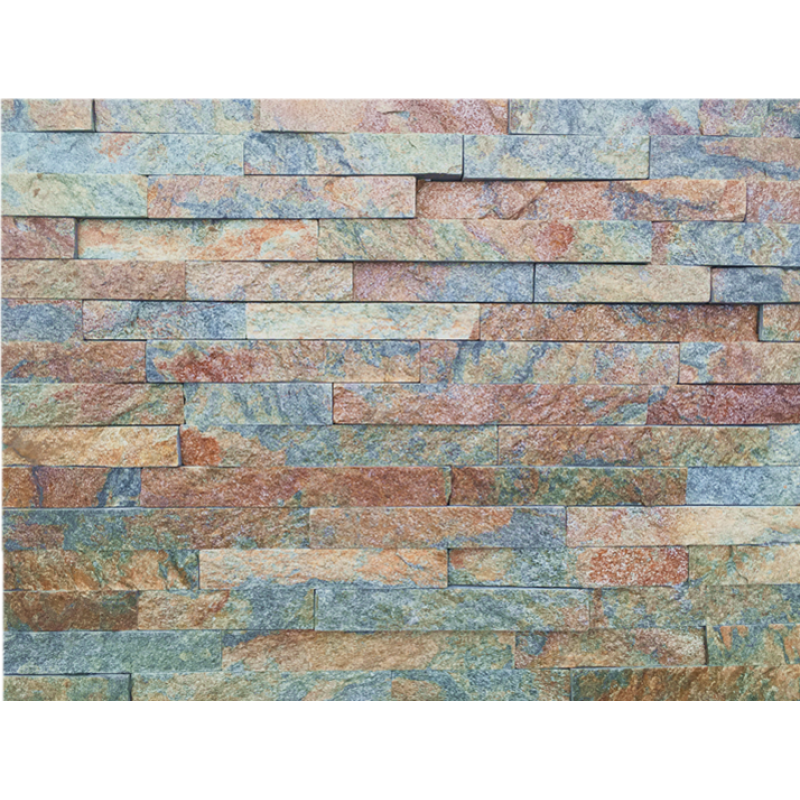
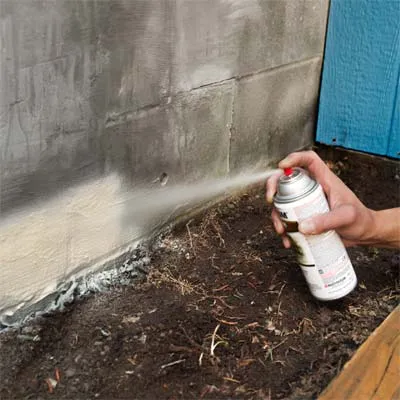
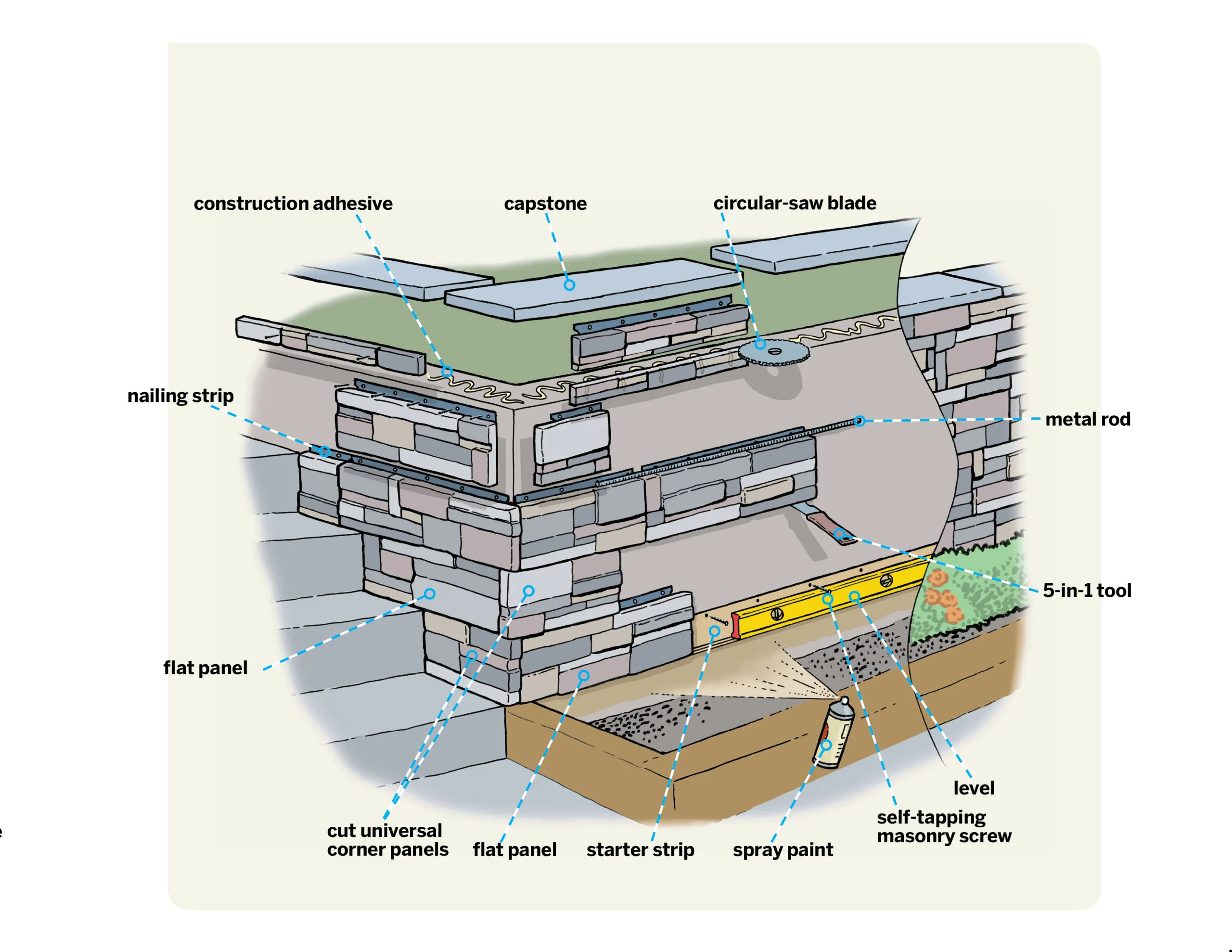
The panels must be installed above ground level, resting on a plastic support called a starter strip, so you’ll want to paint the wall below the strip to match the stone. Find a spray-paint color similar to the palette of your stone panels and paint the bottom few inches of the wall.
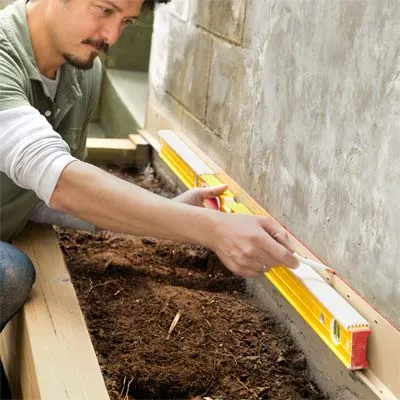
Set the location for the starter strip, at least 2 inches above any soil. Here, the strip’s lip aligns with the top of a stair on the adjacent side of the corner. Fit your drill/driver with a 3/16-inch masonry bit and drill a pilot hole through a slot in the strip near the corner and into the wall. Drive in a masonry screw to secure that end, then use the 4-foot level to bring the strip to level, and mark a line, as shown. Drill pilot holes and fasten the strip in two or three more spots, maintaining level.
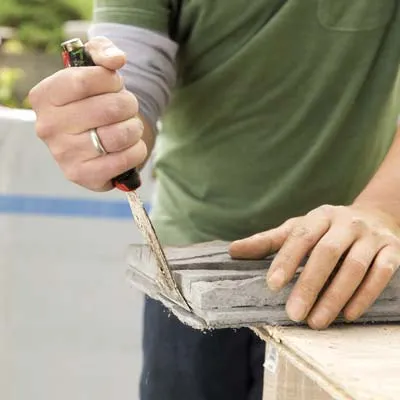
Panelên daîre li her alî tabloyek heye ku bi hêlînên li ser panelên daîre yên cîran re tevdigere lê pêdivî ye ku ji her dawiya ku quncikek çêdike were rakirin. Rûyê panelê li ser rûyek kar rawestînin û tîra amûra 5-di-1 bikar bînin da ku tabloyê bişkînin, wekî ku tê xuyang kirin. Di encamê de qiraxa darûz dê quncikek teng çêbike.
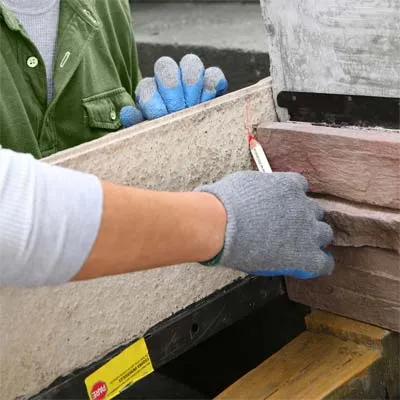
Her bazdan ji quncikekê dest pê dike, bi dawiya qedandî ya quncikek gerdûnî re li dawiya panelek davî (bi tabloya jêkirî re) li hev dikeve. Pêşîn, goşeya gerdûnî di du perçeyan de tê qut kirin; qiraxa qediyayî ya her perçeyê qursek dest pê dike, û qeraxa birrîn di panelek davî de vedigere. Ji bo estetîkê, quncikê gerdûnî bibire da ku her perçe herî kêm 8 santîmetre dirêj be. An jî, wek ku di rewşa me de ye, wê bibire da ku li hember hilkişîna derenceyan bicive: Panelek rût li tenişta tenişta destikê bihêle, dûv re quncika gerdûnî berûvajî bizivirîne, devê wê yê qedandî li hember hilkişîna derenceyan lêxe, û qutiyek binivîsîne. , wek ku tê nîşandan.
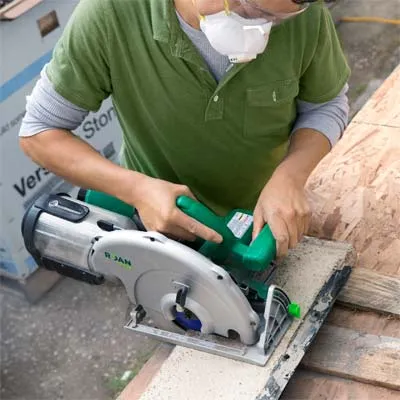
Panela nîşankirî li ber rûberê xwarê li ser rûberek kar bi lewheyên şikestî li binê wê li her du aliyên xêzikê bihêlin. Rêzek rast bikar bînin da ku li ser xala herî teng a xeta hatî nivîsandin xêzek çargoşe nîşan bidin. Dîra dorhêlê bi çîçeka almasê ya perçekirî ve girêdin û li ser xetê bibirrin, di nav betonê û her weha xêza lêdana metalê re derbas bibin. Bawer bikin ku camên ewlehiyê, maskek tozê, û parastina bihîstinê li xwe bikin.
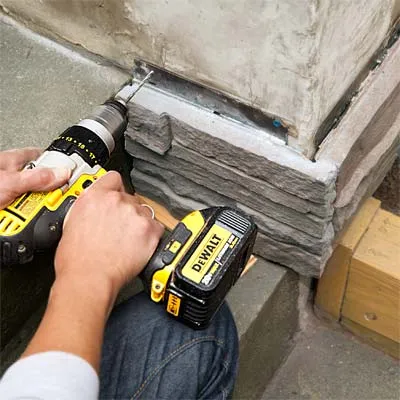
Hold the cut universal corner against the wall, bringing its finished end flush with the face of the adjacent flat panel so that the two pieces form a 90° outside corner. Level the universal corner, and drill pilot holes through the nailing strip, as shown, directly through the metal if necessary, in at least two places. Fasten the panel with 1¼-inch self-tapping masonry screws.
Bexşîş: Biçiya xwe bizivirînin da ku tozê jê derxînin dema ku hûn şûşê ji qulika pîlotê vedigerînin, dihêlin ku çerxa masonê têxe betonê.
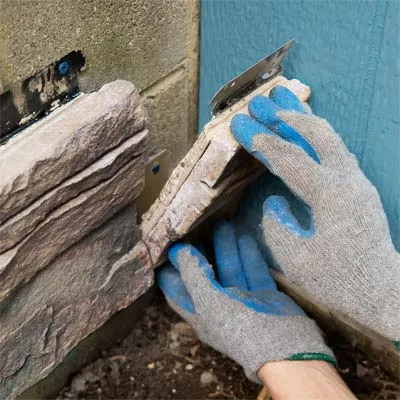
Sazkirina panelên tam-spî yên daîre bidomînin, bi rêça xwe di qursê de bixebitin. Dema ku hûn nêzî dawiyê bibin, panelek qismî bipîvin û bibirrin da ku dawiya qursê tije bikin. Ger perçeya jêkirî li her du aliyan tabloyek heye, amûra 5-di-1 bikar bînin da ku wê bişkînin. Parçeyê li cîhê xwe bicîh bikin, kunên pîlotê derxînin, û bi dîwar ve bixin.

Use the cut half of the universal corner from the first course, positioned on the opposite side of the corner to stagger the joints. Slip the tongue on its bottom edge into the groove on top of the flat panel beneath. Position a flat panel, with its tab removed, atop the universal corner in the first course. Be sure it’s cut to a different length than the piece beneath, to offset the joints across the wall. Mark and drill pilot holes for the universal corner, secure it, and install the adjacent flat panel to complete the corner.
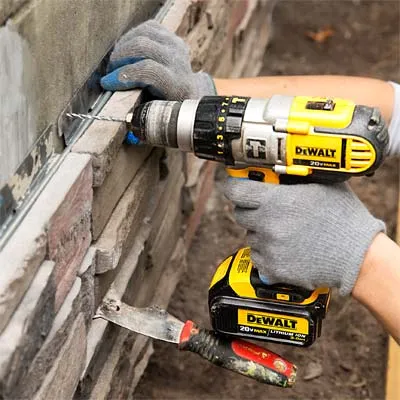
Work along the course, brushing out debris from the top groove to ensure that the panels fit together snugly. As you set each new panel, make sure that it’s aligned with the previous panel by nestling a ¼-inch metal rod in the groove along the top edge. The rod should lie flat and bridge the grooves in adjacent panels. If it doesn’t, use the 5-in-1 tool to shim the panel up, or back several screws out of the previous panel and adjust it. When the panels align, drill pilot holes and fasten them to the wall.

If the end of a panel falls in line with a joint on any of the previous courses, you’ll want to cut down its length slightly to maintain staggered joints. Hold the panel in place and mark the nailing strip at a different length. Transfer the mark to the back of the panel, cut it to size, and fasten it to the wall.
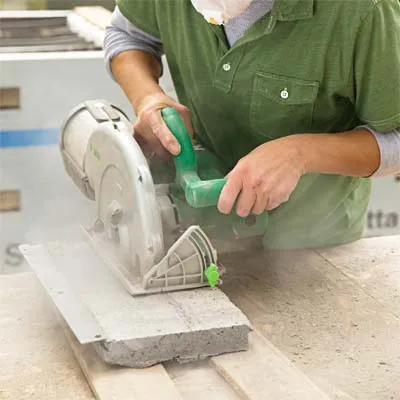
On the final course, you’ll need to cut down the height of the panels to fit, removing the nailing strip so that the stone reaches to the top of the wall. Rest a flat panel in place and scribe a cutline on the back at the height of the wall. Set the panel on a work surface, and use the circular saw to cut it to the proper height. You may want to cut your corner pieces to length first, then cut them to the proper height, as shown. Dry-fit the two pieces at the corner to check the fit.
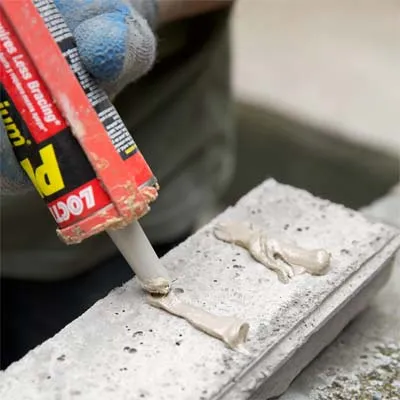
Panelên goşeyê rakin û li ser pişta her perçeyek di rêyên vertîkal de, pîvazên rasterast ên adhezîyona avakirinê bixin, wekî ku tê xuyang kirin, da ku av azad li pişt panelan biherike û bi rêkûpêk biherike. Panelan li cîhê dîwêr bicîh bikin û wan eyar bikin da ku li quncikê bi hev ve bibin.
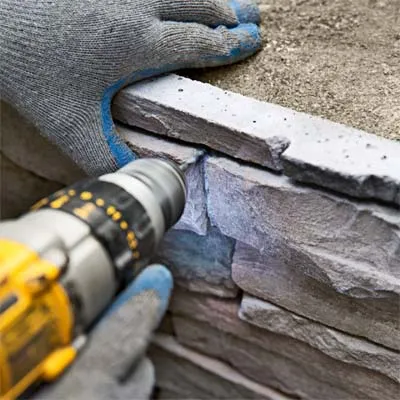
Ji bo ku panelên qutkirî hê bêtir ewle bikin, li ser her yekê çend deqan bi cih bikin ku hûn dikarin girêkek nexuyayî di nav girêkên di navbera keviran de bixin. Parçeyê li cîhê xwe bigirin, qulikek pîlotê di nav panelê de û li dîwarê vekin. Di pêçek masonê de ajotin, serî li binê rûyê panelê davêjin. Serê kulpkan bi kulikê veşêrin, ji maseya birrînê hinek tozê kom bikin û bixin ser kayê zuwakirinê da ku wê kamûfl bikin. Hûn dikarin her valahiyan bi heman rengî bişopînin. Di qursa paşîn de sazkirina panelan biqedînin.
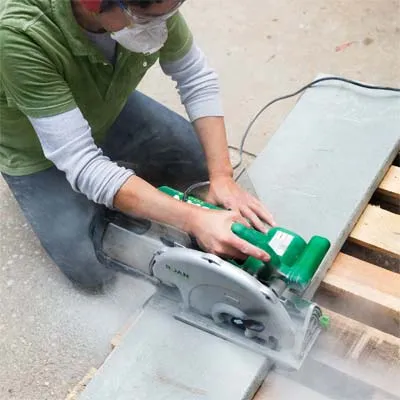
Ji kûrahiya dîwarê xweya pêçandî çend santîmetre firehtir kevirek kevir hilbijêrin da ku pêvekek çêbikin. Pîvandin û nîşan bikin ku kevirên kapê li ser jorê dîwarê li hev bikin. Wekî ku tê xuyang kirin, sawa dorhêl û tîra almasê ya perçekirî bikar bînin da ku bi dirêjahî qut bikin.
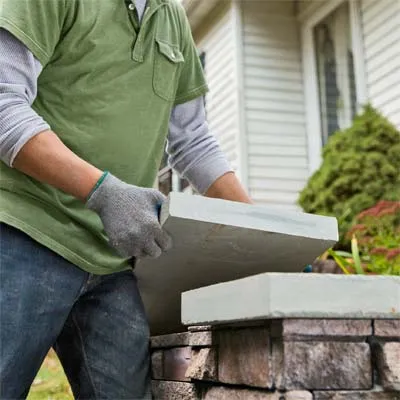
Bi hevalbendek re bixebitin, kevirên kapê hildin û wan li ser dîwarê hişk bikin. Wan rakin û berî ku keviran ji nû ve bişixulînin, adhezîvê avahîsaziyê li serê dîwêr û keviyên rûkê bixin; an jî, heke hûn awirek hê bêtir rastîn tercîh dikin, wan di nav nivînek hawanê ya hişk de bicîh bikin. Naha gavekê paşde bavêjin û li nihêrîna bêkêmasî ecêbmayî bimînin.
 efrîkanî
  Albanî
  Amharîkî
  Erebî
Erebî  Ermenî
  Azerî
Azerî  Baskî
Baskî  Belarûsî
  Bengalî
  Bosnayî
  Bûlgarî
  Katalanî
  Cebuano
  çîn
çîn  Çîn (Taywan)
  Korsîkayî
  Xirwatî
  Çekî
Çekî  Danîmarkî
  Holandî
  Îngilîzî
  Esperanto
  Estonî
  Fînlandî
  Fransî
  frîzî
frîzî  Galîsyayî
  Gurcî
Gurcî  Almanî
  Yewnanî
  Gujaratî
  Kreoliya Haîtiyî
  Hausa
Hausa  Hawaiyî
  Îbranî
  Nexêr
Nexêr  Miao
Miao  Macarî
  Îzlandî
  igbo
igbo  Îndonezî
  Irlandî
  Îtalî
Îtalî  Japonî
  Javanesî
  Kanadayî
  Qazakî
  Khmer
Khmer  Rwandan
  Koreyî
  Kurdî
Kurdî  Qirgizî
  TB
TB  Latînî
  Letonî
  Lîtvanyayî
  Luksembûrgî
  Makedonî
  Malgashi
  Malayî
  Malayalamî
  Maltezî
  Maorîyî
  Maratî
  Moxolî
  Mîyanmar
  Nepalî
  Norwêcî
  Norwêcî
  Occitan
  Peştûyî
  Farsî
Farsî  Polandî
  Portekizî
  Pencabî
  Romanyayî
  Rûsî
Rûsî  Samoan
  Scottish Gaelic
  Sirbî
Sirbî  Îngilîzî
  Shona
Shona  Sindî
Sindî  Sinhala
  Slovakî
  Slovenî
  Somalîkî
  Îspanyolî
  Sundanese
  Swahîlîyî
  Swêdî
Swêdî  Tagalogî
  Tajik
Tajik  Tamîlî
  Tatar
Tatar  Teluguyî
  Thayîkî
  Tirkî
Tirkî  Tirkmenî
  Ûkraynî
  Ûrdûyî
  Uyghur
  Ozbekî
  Vîetnamî
  Galerkî