

LAIKA LINE:
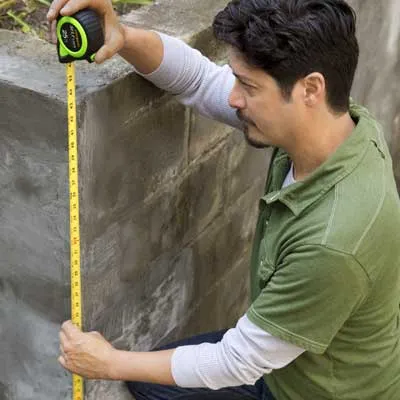
To calculate the number of universal corners to order, measure the height in inches of each outside wall corner, as shown, divide by 16, and round up to the nearest whole number. You’ll fill the area between the corners with flat panels. To calculate how many you’ll need, multiply the wall’s width by its height in feet and divide the resulting area by 2 (each panel covers 2 square feet). Subtract the number of universal corners from the result, then add 10 percent to your order of flat panels. Add one universal corner to be safe.
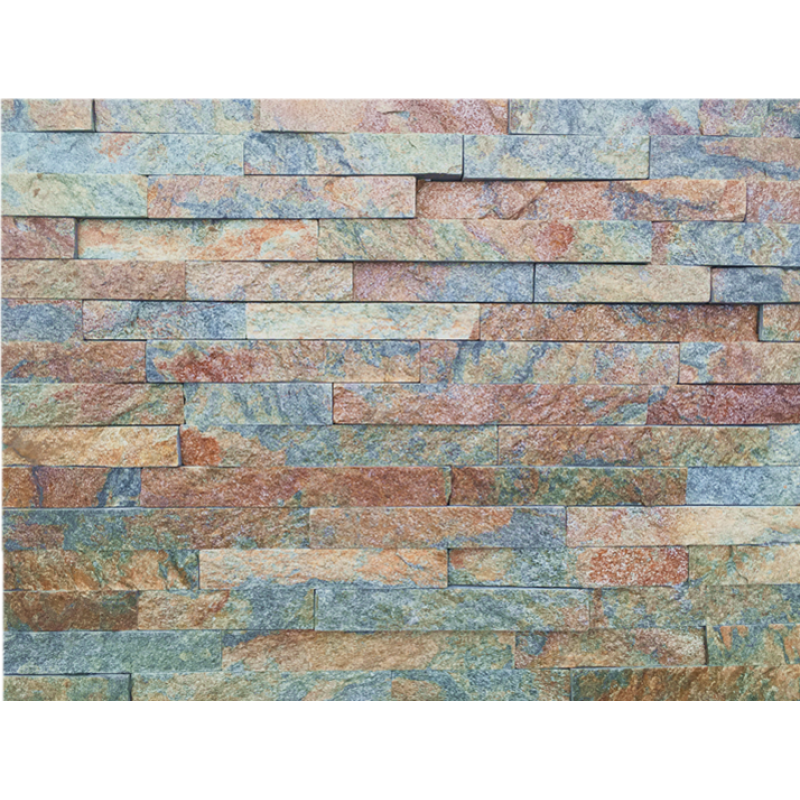
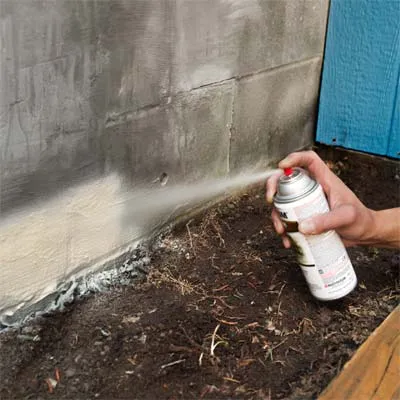
The panels must be installed above ground level, resting on a plastic support called a starter strip, so you’ll want to paint the wall below the strip to match the stone. Find a spray-paint color similar to the palette of your stone panels and paint the bottom few inches of the wall.
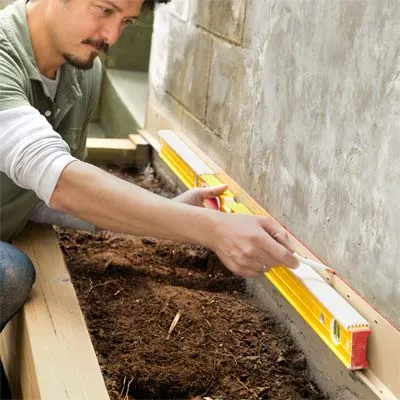
Set the location for the starter strip, at least 2 inches above any soil. Here, the strip’s lip aligns with the top of a stair on the adjacent side of the corner. Fit your drill/driver with a 3/16-inch masonry bit and drill a pilot hole through a slot in the strip near the corner and into the wall. Drive in a masonry screw to secure that end, then use the 4-foot level to bring the strip to level, and mark a line, as shown. Drill pilot holes and fasten the strip in two or three more spots, maintaining level.
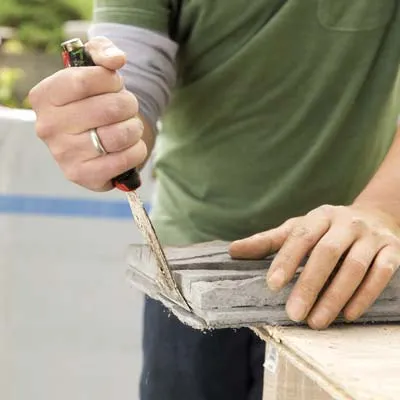
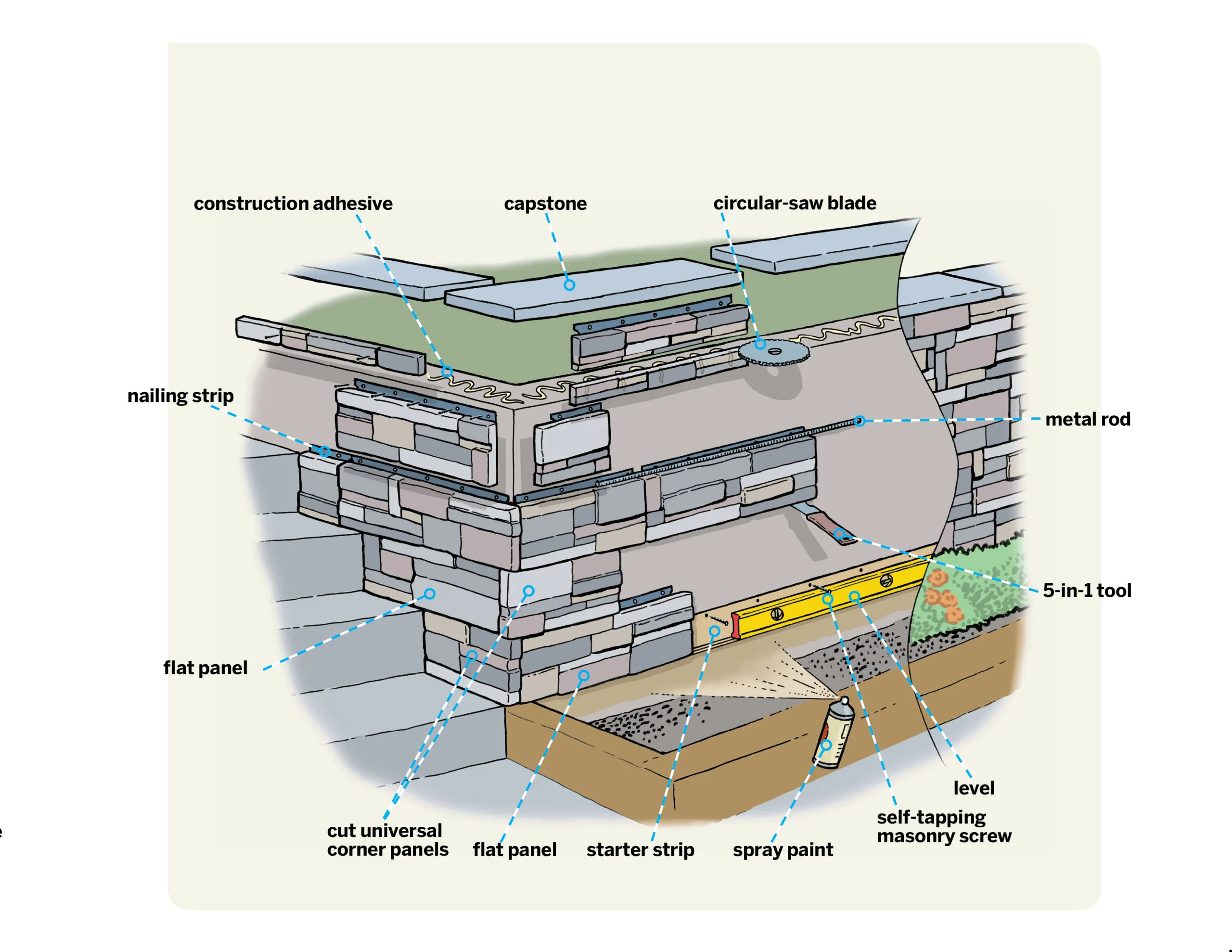
Plakaniem paneļiem katrā pusē ir izciļņa, kas savienojas ar spraugām blakus esošajos plakanajos paneļos, bet ir jānoņem no jebkura gala, kas veido stūri. Novietojiet paneli ar priekšpusi uz augšu uz darba virsmas un izmantojiet 5-in-1 instrumenta asmeni, lai notriektu mēlīti, kā parādīts attēlā. Iegūtā plakana mala veidos stingru stūri.
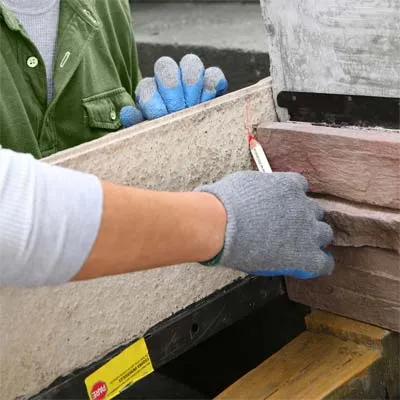
Katrs posms sākas no stūra, un universālā stūra pabeigtais gals pārklāj plakanā paneļa galu (ar noņemtu cilni). Pirmkārt, universālo stūri sagriež divās daļās; katra gabala gatavā mala sāk kursu, un nogrieztā mala sagriežas plakanā panelī. Estētikas labad nogrieziet universālo stūri tā, lai katrs gabals būtu vismaz 8 collas garš. Vai, kā mūsu gadījumā, sagrieziet to, lai tas atbilstu kāpņu stāvvadam: novietojiet plakanu paneli startera joslā blakus esošajā pusē, pēc tam apgrieziet universālo stūri otrādi, saspiediet tā gatavo malu pret kāpņu stāvvadu un izveidojiet griezuma līniju. , kā parādīts.
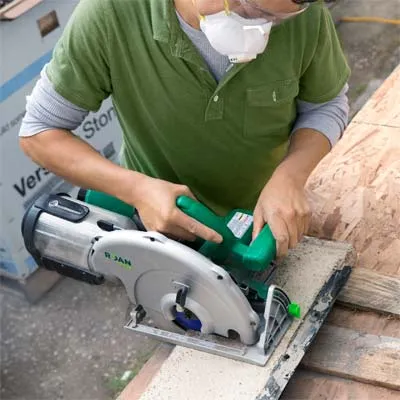
Novietojiet marķēto paneli ar priekšpusi uz leju uz darba virsmas, zem tā abās griezuma līnijas pusēs novietojiet dēlīšus. Izmantojiet taisngriezi, lai atzīmētu kvadrātveida griezuma līniju gar novilktās līnijas šaurāko punktu. Uzlieciet ripzāģi ar segmentētu dimanta asmeni un grieziet pa līniju, ejot cauri betonam, kā arī metāla naglošanas sloksnei. Noteikti valkājiet aizsargbrilles, putekļu masku un dzirdes aizsarglīdzekļus.
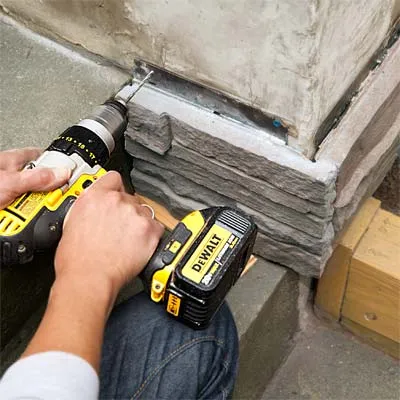
Hold the cut universal corner against the wall, bringing its finished end flush with the face of the adjacent flat panel so that the two pieces form a 90° outside corner. Level the universal corner, and drill pilot holes through the nailing strip, as shown, directly through the metal if necessary, in at least two places. Fasten the panel with 1¼-inch self-tapping masonry screws.
Padoms: Turpiniet savu uzgaļu griezties, lai noņemtu putekļus, kad sējmašīna tiek izvilkta no priekšurbuma, ļaujot mūra skrūvei iesist betonā.
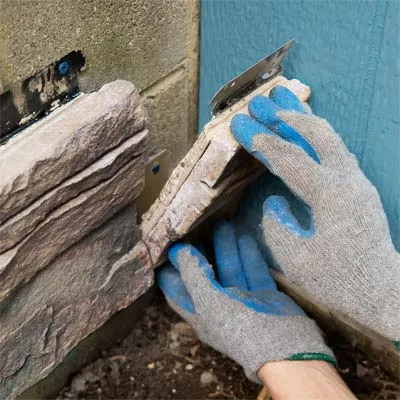
Turpiniet uzstādīt pilna izmēra plakano paneļus, virzoties uz leju. Kad esat tuvu beigām, izmēriet un izgrieziet daļēju paneli, lai aizpildītu kursa beigas. Ja nogrieztajam gabalam ir izciļņa abās pusēs, izmantojiet rīku 5-in-1, lai to notriektu. Ievietojiet gabalu vietā, izurbiet caurumus un pieskrūvējiet to pie sienas.

Use the cut half of the universal corner from the first course, positioned on the opposite side of the corner to stagger the joints. Slip the tongue on its bottom edge into the groove on top of the flat panel beneath. Position a flat panel, with its tab removed, atop the universal corner in the first course. Be sure it’s cut to a different length than the piece beneath, to offset the joints across the wall. Mark and drill pilot holes for the universal corner, secure it, and install the adjacent flat panel to complete the corner.
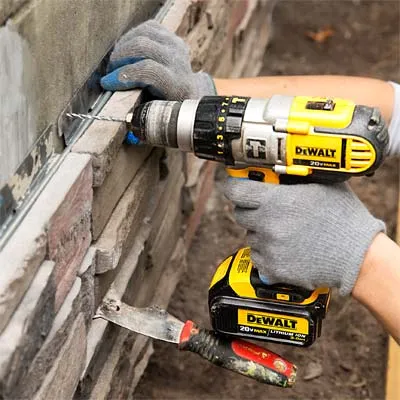
Work along the course, brushing out debris from the top groove to ensure that the panels fit together snugly. As you set each new panel, make sure that it’s aligned with the previous panel by nestling a ¼-inch metal rod in the groove along the top edge. The rod should lie flat and bridge the grooves in adjacent panels. If it doesn’t, use the 5-in-1 tool to shim the panel up, or back several screws out of the previous panel and adjust it. When the panels align, drill pilot holes and fasten them to the wall.

If the end of a panel falls in line with a joint on any of the previous courses, you’ll want to cut down its length slightly to maintain staggered joints. Hold the panel in place and mark the nailing strip at a different length. Transfer the mark to the back of the panel, cut it to size, and fasten it to the wall.
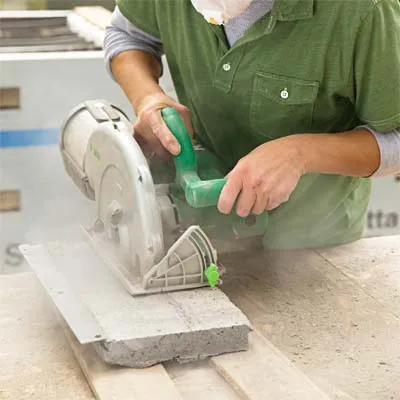
On the final course, you’ll need to cut down the height of the panels to fit, removing the nailing strip so that the stone reaches to the top of the wall. Rest a flat panel in place and scribe a cutline on the back at the height of the wall. Set the panel on a work surface, and use the circular saw to cut it to the proper height. You may want to cut your corner pieces to length first, then cut them to the proper height, as shown. Dry-fit the two pieces at the corner to check the fit.
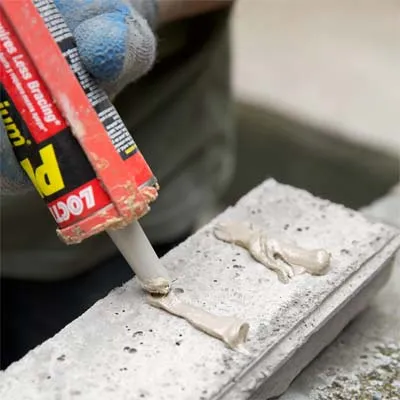
Noņemiet stūra paneļus un uz katras daļas aizmugurē vertikāli uzklājiet taisnas celtniecības līmes lodītes, kā parādīts attēlā, lai ūdens varētu brīvi plūst aiz paneļiem un pareizi notecināt. Novietojiet paneļus vietā pie sienas un noregulējiet tos, lai tie cieši pieguļ stūrī.
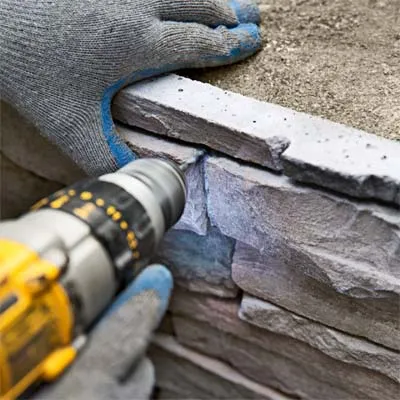
Lai vēl vairāk nostiprinātu nogrieztos paneļus, katrā no tiem atrodiet vairākas vietas, kur jūs varat neuzkrītoši iegremdēt stiprinājumu akmeņu savienojumos. Turot gabalu vietā, izurbiet caurumu caur paneli un sienā. Ieduriet mūra skrūvi, iegremdējot galvu zem paneļa virsmas. Nosedziet skrūvju galviņas ar blīvējumu, savāciet putekļus no griešanas galda un uzpūšiet tos uz žāvēšanas blīvējuma, lai to maskētu. Tādā pašā veidā varat aizskart visas spraugas. Pabeidziet paneļu uzstādīšanu pēdējā gaitā.
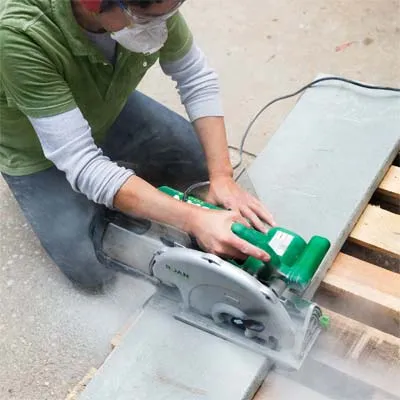
Izvēlieties pamatakmeni, kas ir vairākas collas platāks par jūsu apšūtās sienas dziļumu, lai izveidotu pārkari. Izmēriet un atzīmējiet galvenos akmeņus, lai tie atbilstu sienas augšai. Izmantojiet ripzāģi un segmentēto dimanta asmeni, lai grieztu vajadzīgajā garumā, kā parādīts attēlā.
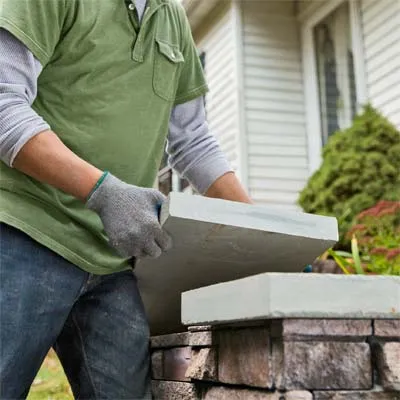
Strādājot ar partneri, paceliet pamatakmeņus un sausā veidā piestipriniet tos sienas augšpusē. Noņemiet tos un pirms akmeņu atiestatīšanas uzklājiet sienas augšpusi un finiera malas ar celtniecības līmi; vai, ja vēlaties vēl autentiskāku izskatu, novietojiet tos stingrā javas gultnē. Tagad speriet soli atpakaļ un apbrīnojiet nevainojamo izskatu.
 Āfrikas
  albānis
  amharu
  arābu
arābu  armēņu
  Azerbaidžāņu
  basku
basku  baltkrievu
  bengāļu
  bosniešu
  bulgāru valoda
  katalāņu
  Cebuano
  Ķīna
Ķīna  Ķīna (Taivāna)
  Korsikānis
  horvātu
  čehu
čehu  dāņu
dāņu  holandiešu valoda
  Angļu
Angļu  Esperanto
  igauņu
  somu
somu  franču valoda
  frīzu valoda
  Galisiešu
  gruzīnu
  vācu
vācu  grieķu valoda
  gudžaratu
  Haiti kreols
  hausa
hausa  havajietis
  ebreju valoda
  Nē
Nē  Miao
Miao  ungāru
  islandiešu
  igbo
igbo  Indonēziešu
  īru
īru  itāļu valoda
  japāņi
  javiešu
  kannada
  kazahu
  khmeru
  Ruandā
  korejiešu
  kurdu
kurdu  Kirgizstānas
  TB
TB  latīņu valoda
  latviski
  lietuviešu
  luksemburgiešu
  maķedonietis
  Malgaši
  malajiešu
  malajalu
  maltiešu
  maori
maori  maratu
  mongoļu valoda
  Mjanma
  Nepāliešu
  norvēģu
  norvēģu
  oksitāņu
  puštu
puštu  persiešu
  poļu
poļu  portugāļu
  pandžabu
  rumāņu valoda
  krievu valoda
  Samoa
Samoa  skotu gēlu valoda
  serbu
serbu  Angļu
Angļu  Šona
Šona  Sindhi
  singalu valoda
  slovāku
  slovēņu
  somāliešu
  spāņu valoda
  sundāņu
  svahili
  zviedru
  tagalogs
  tadžiks
  tamilu
  tatārs
  telugu
  taju
taju  Turku
Turku  Turkmēņu
  ukraiņu
  urdu
urdu  Uiguru
  uzbeku
  vjetnamietis
  velsiešu




