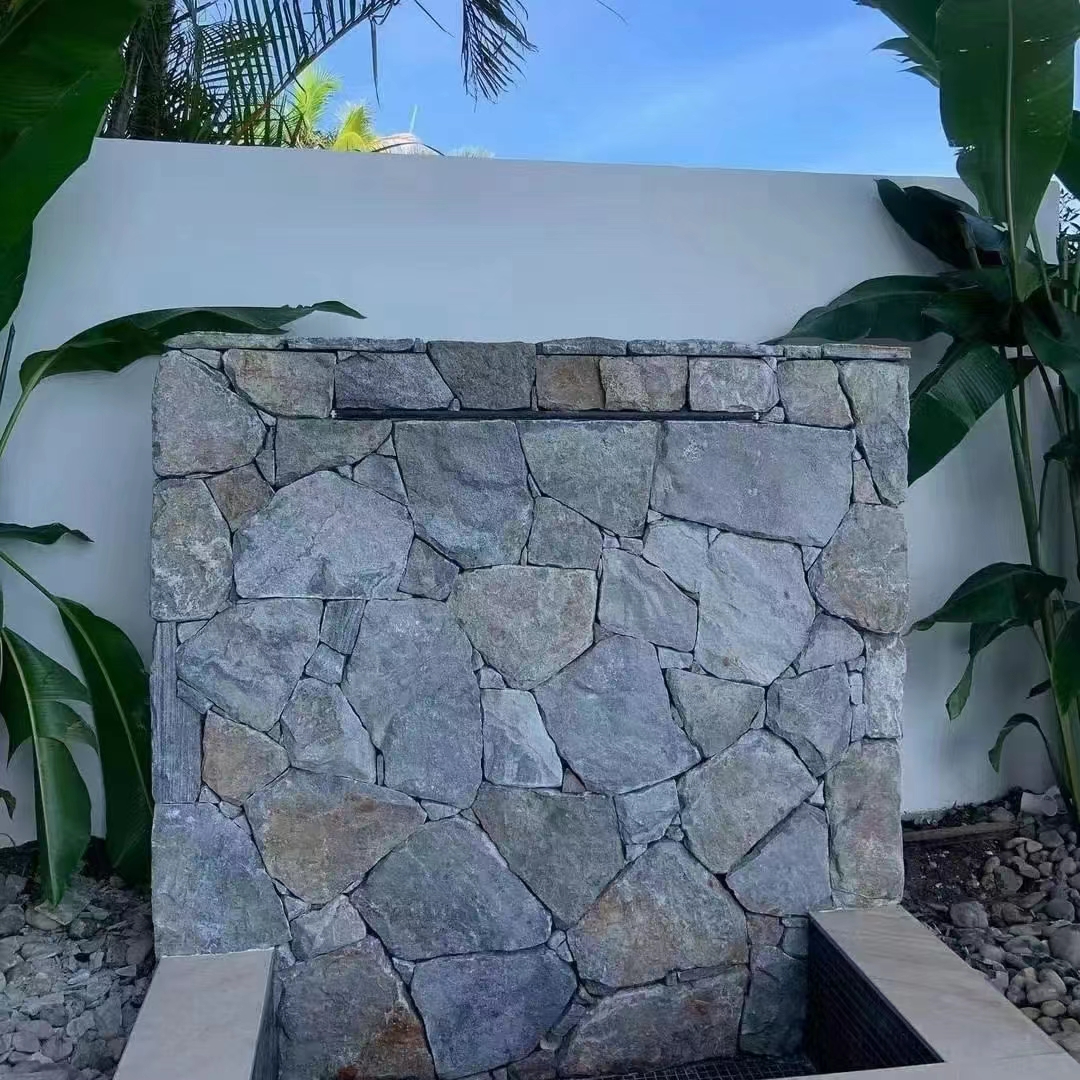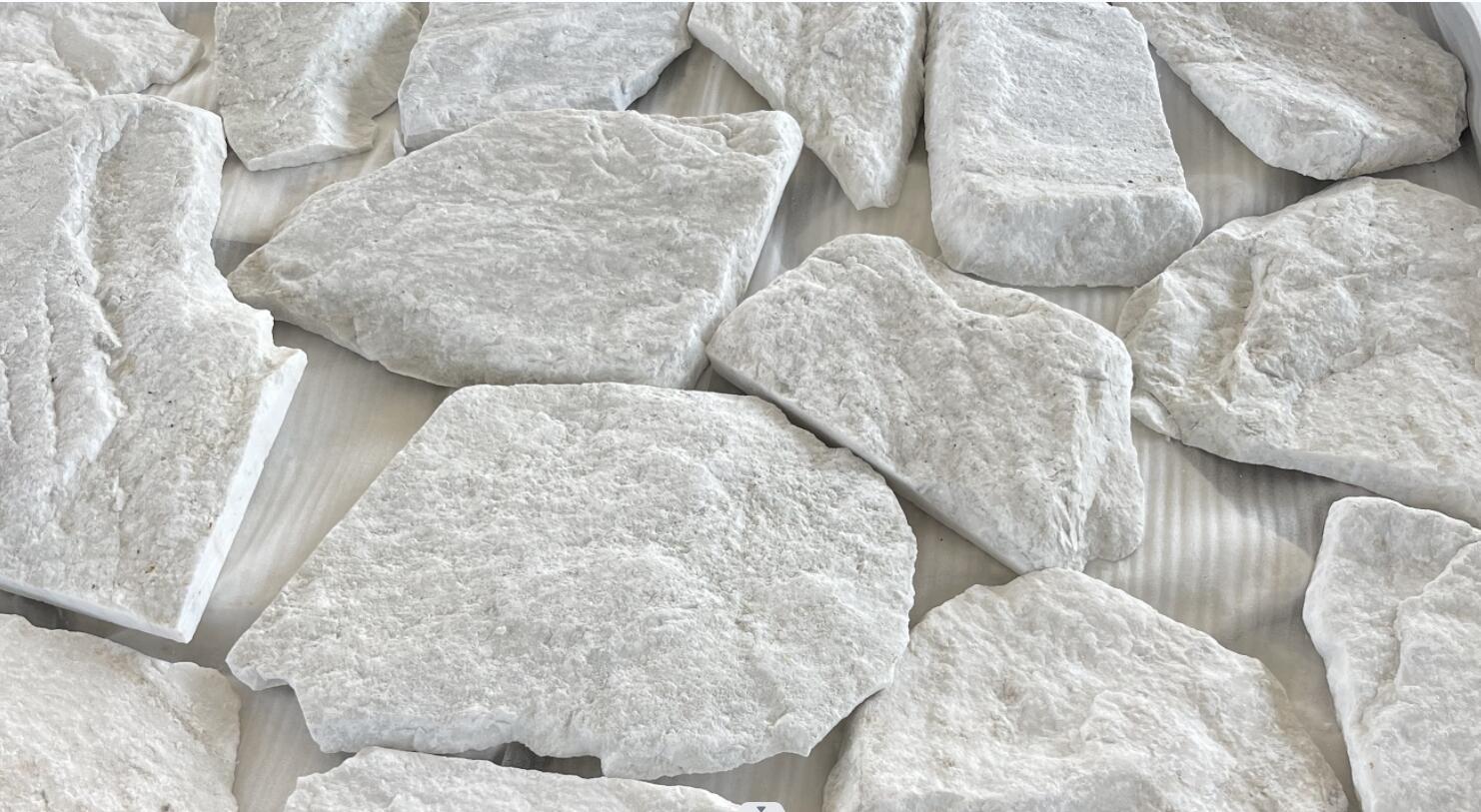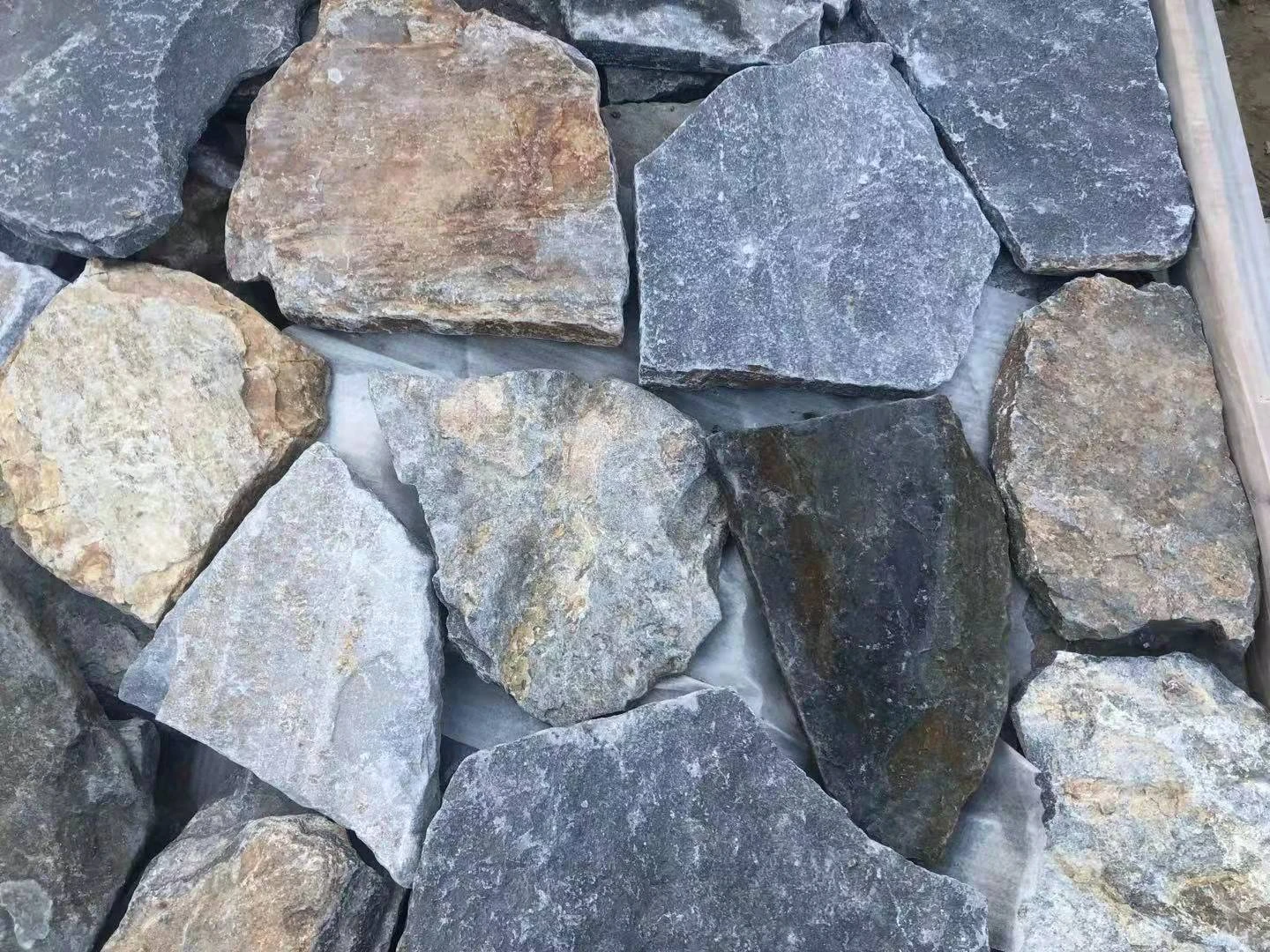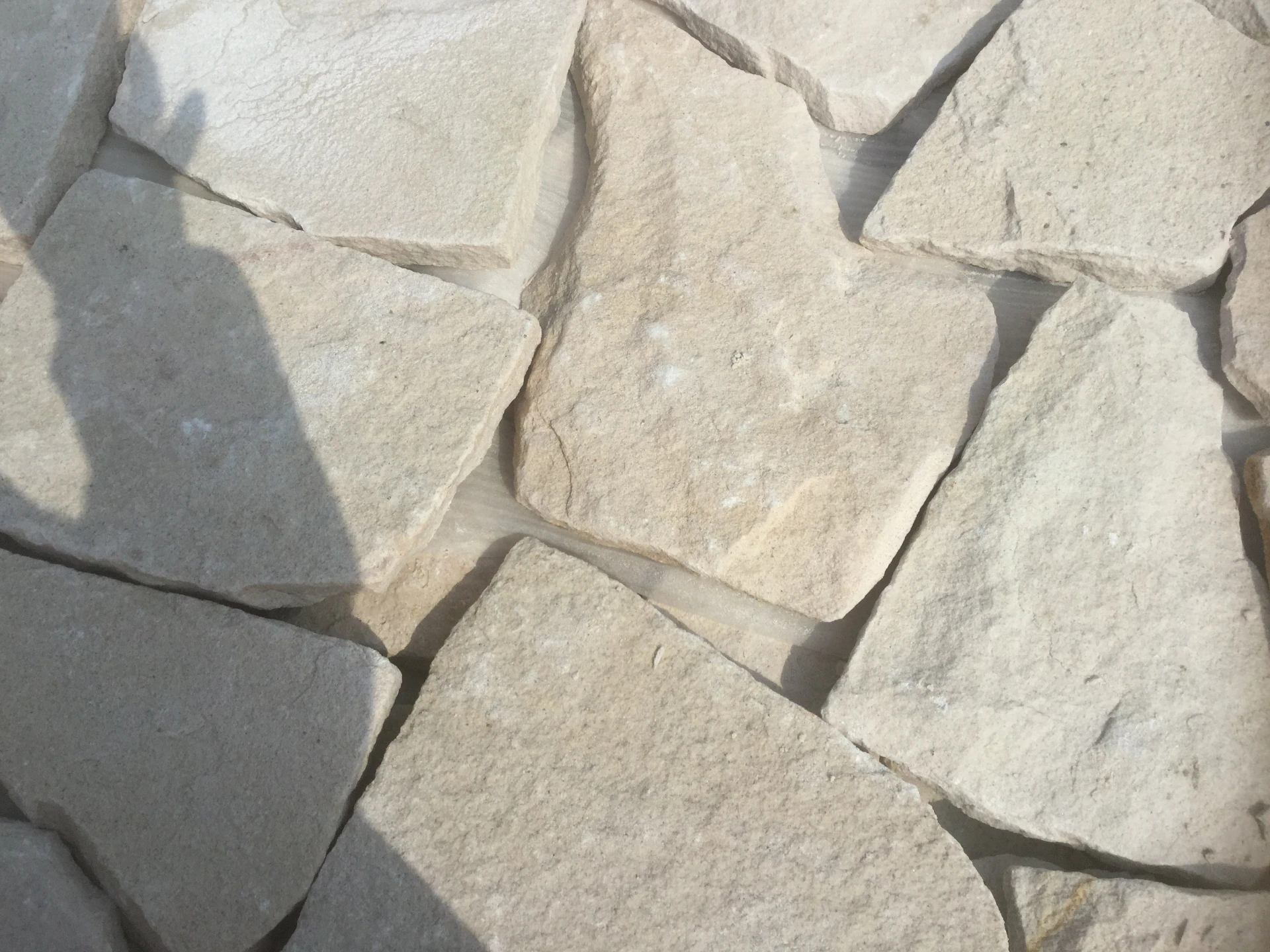
HARMONOGRAM:
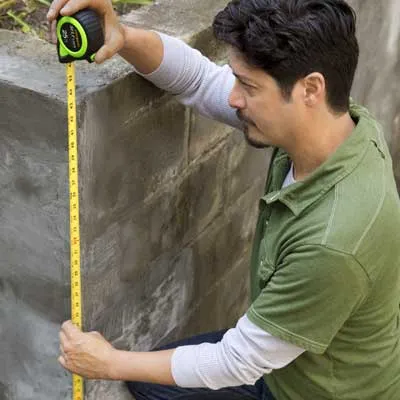
To calculate the number of universal corners to order, measure the height in inches of each outside wall corner, as shown, divide by 16, and round up to the nearest whole number. You’ll fill the area between the corners with flat panels. To calculate how many you’ll need, multiply the wall’s width by its height in feet and divide the resulting area by 2 (each panel covers 2 square feet). Subtract the number of universal corners from the result, then add 10 percent to your order of flat panels. Add one universal corner to be safe.
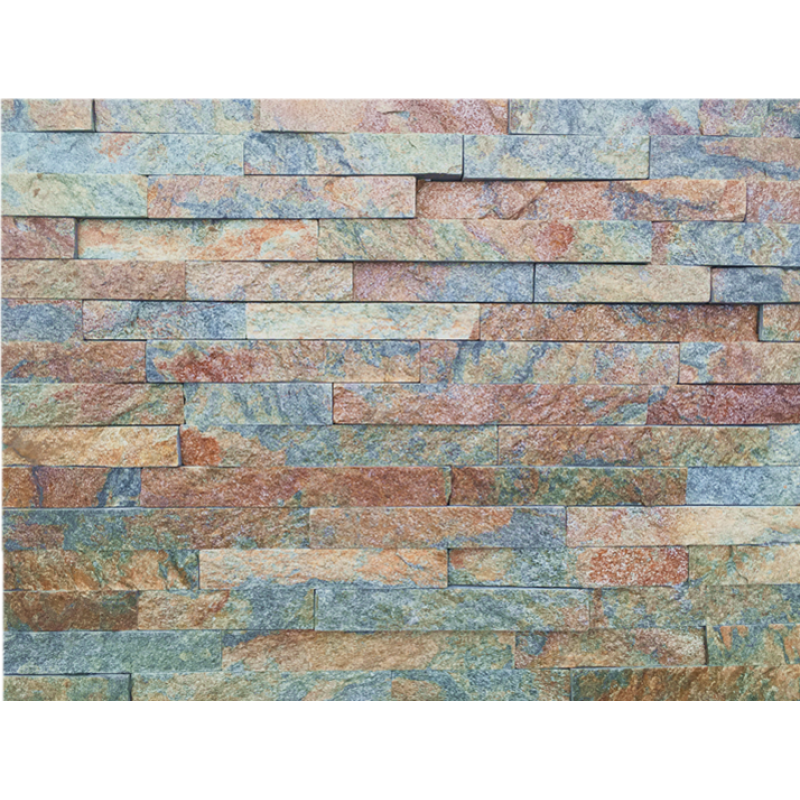
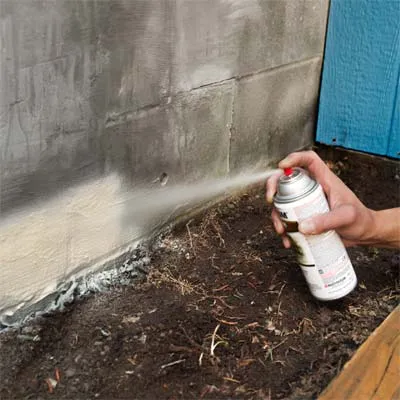
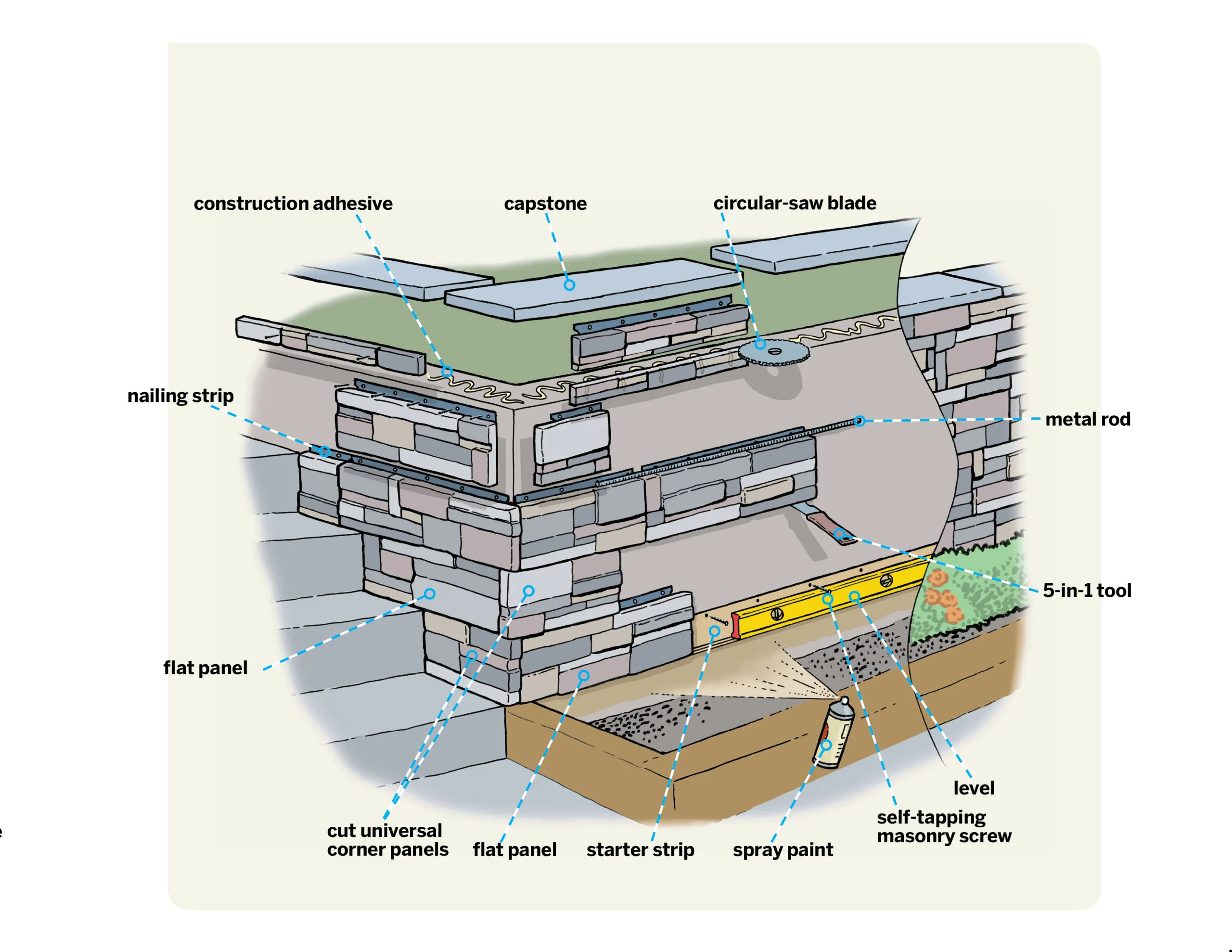
The panels must be installed above ground level, resting on a plastic support called a starter strip, so you’ll want to paint the wall below the strip to match the stone. Find a spray-paint color similar to the palette of your stone panels and paint the bottom few inches of the wall.
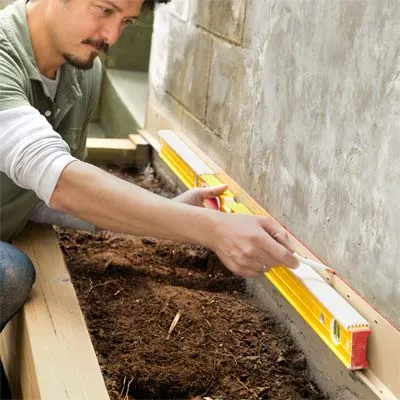
Set the location for the starter strip, at least 2 inches above any soil. Here, the strip’s lip aligns with the top of a stair on the adjacent side of the corner. Fit your drill/driver with a 3/16-inch masonry bit and drill a pilot hole through a slot in the strip near the corner and into the wall. Drive in a masonry screw to secure that end, then use the 4-foot level to bring the strip to level, and mark a line, as shown. Drill pilot holes and fasten the strip in two or three more spots, maintaining level.
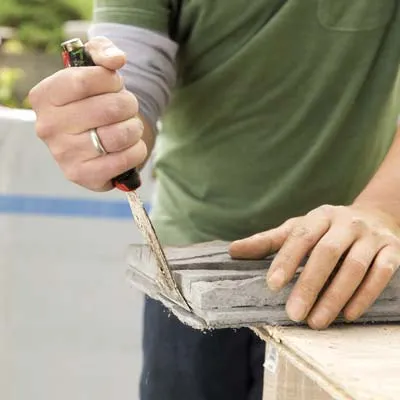
Płaskie panele mają po obu stronach wypustki, które zazębiają się ze szczelinami na sąsiednich płaskich panelach, ale należy je usunąć z każdego końca tworzącego narożnik. Połóż panel stroną do góry na powierzchni roboczej i użyj ostrza narzędzia 5 w 1, aby wybić wypustkę, jak pokazano. Powstała płaska krawędź sprawi, że narożnik będzie ciasny.
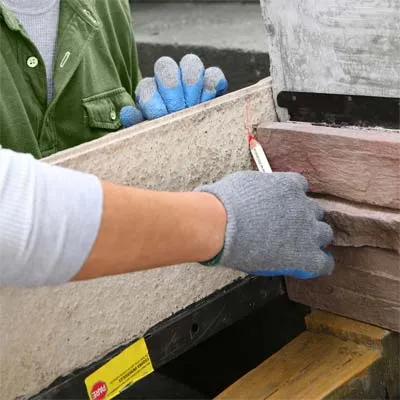
Każdy bieg rozpoczyna się od narożnika, a gotowy koniec narożnika uniwersalnego zachodzi na koniec płaskiego panelu (po usunięciu zakładki). Najpierw uniwersalny narożnik jest cięty na dwie części; wykończona krawędź każdego elementu rozpoczyna bieg, a przycięta krawędź styka się z płaskim panelem. Ze względów estetycznych przytnij uniwersalny narożnik tak, aby każdy element miał co najmniej 8 cali długości. Lub, tak jak w naszym przypadku, dotnij go tak, aby przylegał do podstopnicy: oprzyj płaski panel po sąsiedniej stronie w listwie startowej, następnie odwróć uniwersalny narożnik do góry nogami, dociśnij jego wykończoną krawędź do podstopnicy i narysuj linię cięcia , jak pokazano.
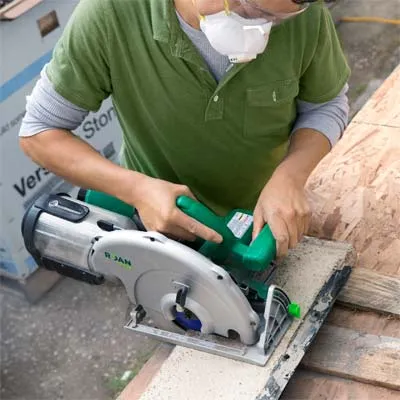
Połóż oznaczony panel stroną zadrukowaną w dół na powierzchni roboczej, a pod nim deski złomu po obu stronach linii cięcia. Za pomocą linijki zaznacz kwadratową linię cięcia wzdłuż najwęższego punktu narysowanej linii. Zamontuj piłę tarczową z segmentową tarczą diamentową i tnij wzdłuż linii, przechodząc przez beton i metalową listwę zbijającą. Należy pamiętać o noszeniu okularów ochronnych, maski przeciwpyłowej i ochronników słuchu.
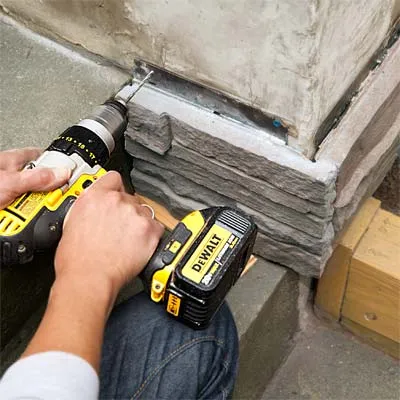
Hold the cut universal corner against the wall, bringing its finished end flush with the face of the adjacent flat panel so that the two pieces form a 90° outside corner. Level the universal corner, and drill pilot holes through the nailing strip, as shown, directly through the metal if necessary, in at least two places. Fasten the panel with 1¼-inch self-tapping masonry screws.
Wskazówka: Podczas wyjmowania wiertła z otworu prowadzącego wiertło obraca się, aby usunąć kurz, umożliwiając wkrętowi do betonu wbicie się w beton.
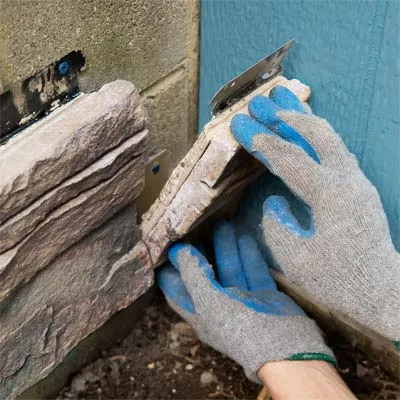
Kontynuuj instalowanie pełnowymiarowych płaskich paneli, postępując stopniowo. Kiedy zbliżasz się do końca, zmierz i wytnij częściowy panel, aby wypełnić koniec kursu. Jeśli wycięty element ma wypustki po obu stronach, użyj narzędzia 5 w 1, aby je wybić. Zamocuj element na miejscu, wywierć otwory prowadzące i przykręć do ściany.

Use the cut half of the universal corner from the first course, positioned on the opposite side of the corner to stagger the joints. Slip the tongue on its bottom edge into the groove on top of the flat panel beneath. Position a flat panel, with its tab removed, atop the universal corner in the first course. Be sure it’s cut to a different length than the piece beneath, to offset the joints across the wall. Mark and drill pilot holes for the universal corner, secure it, and install the adjacent flat panel to complete the corner.
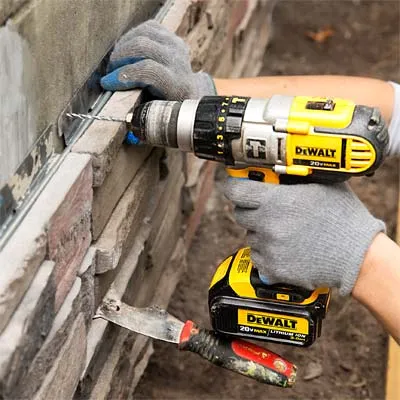
Work along the course, brushing out debris from the top groove to ensure that the panels fit together snugly. As you set each new panel, make sure that it’s aligned with the previous panel by nestling a ¼-inch metal rod in the groove along the top edge. The rod should lie flat and bridge the grooves in adjacent panels. If it doesn’t, use the 5-in-1 tool to shim the panel up, or back several screws out of the previous panel and adjust it. When the panels align, drill pilot holes and fasten them to the wall.

If the end of a panel falls in line with a joint on any of the previous courses, you’ll want to cut down its length slightly to maintain staggered joints. Hold the panel in place and mark the nailing strip at a different length. Transfer the mark to the back of the panel, cut it to size, and fasten it to the wall.
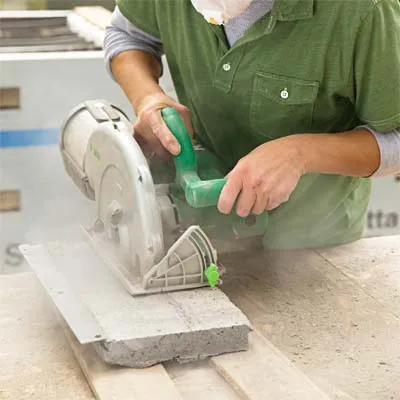
On the final course, you’ll need to cut down the height of the panels to fit, removing the nailing strip so that the stone reaches to the top of the wall. Rest a flat panel in place and scribe a cutline on the back at the height of the wall. Set the panel on a work surface, and use the circular saw to cut it to the proper height. You may want to cut your corner pieces to length first, then cut them to the proper height, as shown. Dry-fit the two pieces at the corner to check the fit.
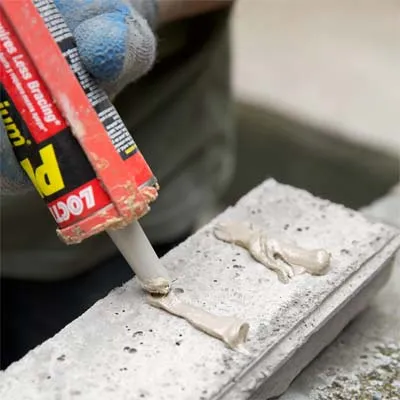
Zdejmij panele narożne i nałóż proste krople kleju budowlanego na tył każdego elementu w pionowych ciągach, jak pokazano, tak aby woda mogła swobodnie przepływać za panelami i prawidłowo spływać. Umieść panele na ścianie i dopasuj je tak, aby dobrze przylegały do narożnika.
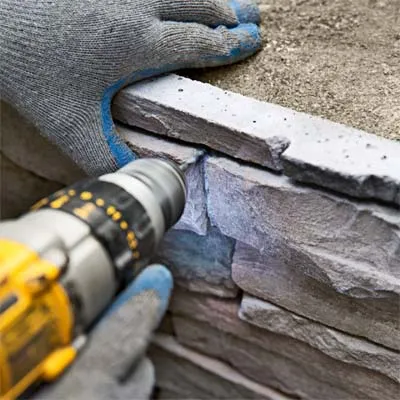
Aby dodatkowo zabezpieczyć wycięte panele, znajdź na każdym z nich kilka miejsc, w których możesz dyskretnie wcisnąć łącznik w złączach pomiędzy kamieniami. Trzymając element na miejscu, wywierć otwór prowadzący w panelu i w ścianie. Wkręcić wkręt do muru, zagłębiając łeb poniżej powierzchni panelu. Przykryj łby śrub uszczelniaczem, zbierz trochę kurzu ze stołu do cięcia i zdmuchnij go na wysychający uszczelniacz, aby go zamaskować. W ten sam sposób możesz uzupełnić wszelkie braki. Zakończ montaż paneli w ostatniej warstwie.
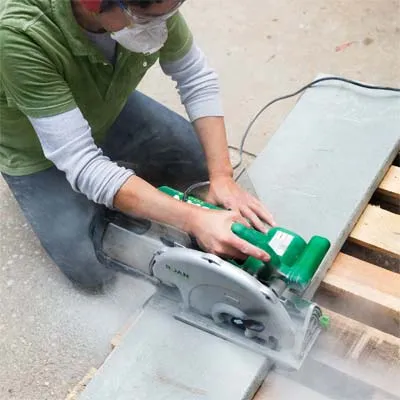
Wybierz zwieńczenie o kilka cali szersze niż głębokość platerowanej ściany, aby utworzyć zwis. Zmierz i zaznacz zwieńczenia, aby pasowały do górnej części ściany. Użyj piły tarczowej i segmentowej tarczy diamentowej, aby przyciąć na długość, jak pokazano.
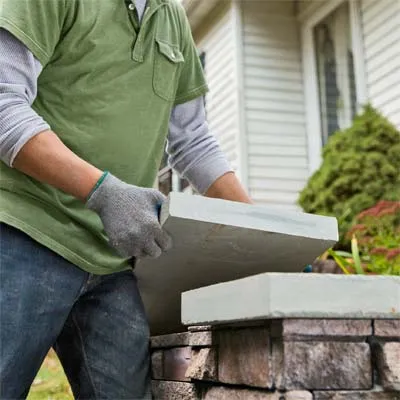
Współpracując z partnerem, podnieś zwieńczenie i zamontuj je na sucho na ścianie. Usuń je i nałóż klej budowlany na górę ściany i krawędzie forniru przed ponownym osadzeniem kamieni; lub, jeśli wolisz jeszcze bardziej autentyczny wygląd, umieść je w sztywnej zaprawie. Teraz cofnij się o krok i zachwyć się jednolitym wyglądem.
 afrykanin
  albański
  amharski
  arabski
  ormiański
  azerbejdżański
  baskijski
  białoruski
  bengalski
  bośniacki
  bułgarski
  kataloński
  Cebuański
  Chiny
Chiny  Chiny (Tajwan)
  korsykański
  chorwacki
  Czech
Czech  duński
  Holenderski
  język angielski
  esperanto
  estoński
  fiński
  Francuski
  fryzyjski
  galicyjski
  gruziński
  Niemiecki
  grecki
  gudżarati
  Kreolski haitański
  hausa
hausa  hawajski
  hebrajski
  Nie
Nie  Miao
Miao  język węgierski
  islandzki
  ibo
ibo  indonezyjski
  Irlandczyk
  Włoski
  język japoński
  jawajski
  Kannada
  kazachski
  Khmer
Khmer  Rwandyjski
  koreański
  kurdyjski
  Kirgiski
  gruźlica
  łacina
  łotewski
  litewski
  luksemburski
  macedoński
  Malgashi
  malajski
  malajalam
  Maltański
  Maoryski
  marathi
  mongolski
  Myanmar
  Nepalski
  norweski
  norweski
  oksytański
  paszto
  perski
  Polski
  portugalski
  Pendżabski
  rumuński
  Rosyjski
  Samoański
  szkocki gaelicki
  serbski
  język angielski
  Shona
Shona  Sindhi
  syngaleski
  słowacki
  słoweński
  somalijski
  hiszpański
  Sundajczyk
  Suahili
  szwedzki
  tagalski
  tadżycki
  Tamil
Tamil  Tatar
Tatar  telugu
  tajski
  turecki
  Turkmeni
  ukraiński
  urdu
urdu  Ujgur
Ujgur  uzbecki
  wietnamski
  walijski