

WĀWAI:
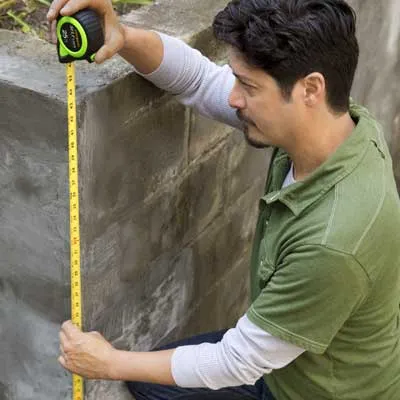
To calculate the number of universal corners to order, measure the height in inches of each outside wall corner, as shown, divide by 16, and round up to the nearest whole number. You’ll fill the area between the corners with flat panels. To calculate how many you’ll need, multiply the wall’s width by its height in feet and divide the resulting area by 2 (each panel covers 2 square feet). Subtract the number of universal corners from the result, then add 10 percent to your order of flat panels. Add one universal corner to be safe.
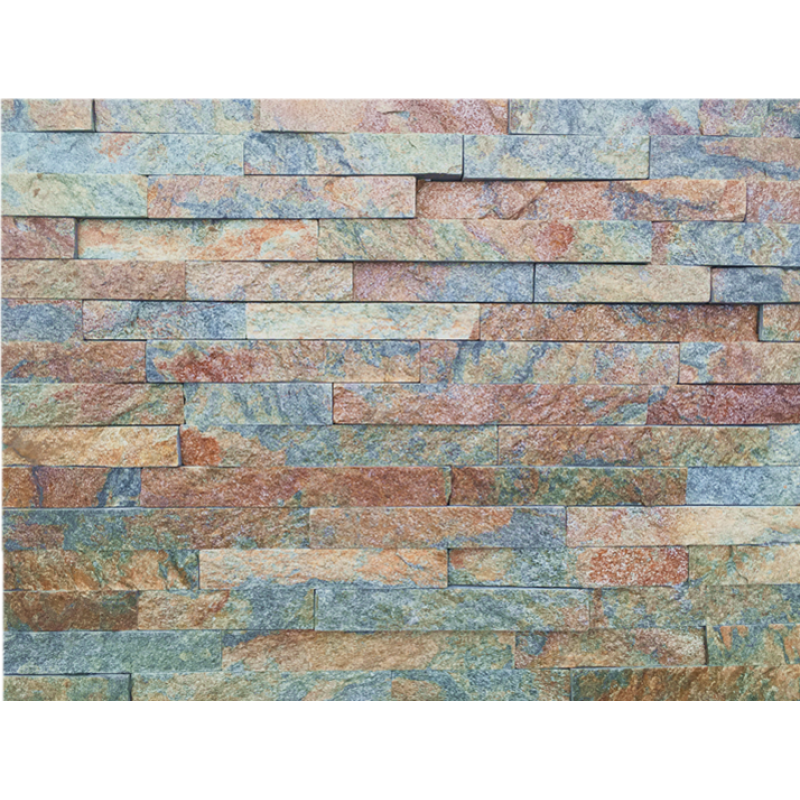
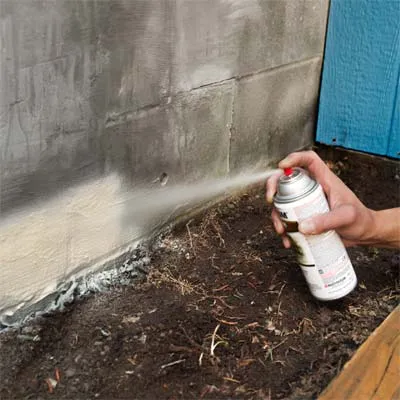
The panels must be installed above ground level, resting on a plastic support called a starter strip, so you’ll want to paint the wall below the strip to match the stone. Find a spray-paint color similar to the palette of your stone panels and paint the bottom few inches of the wall.
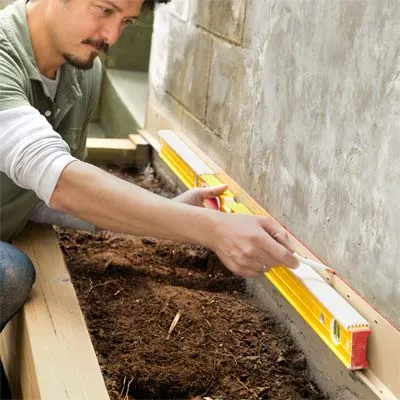
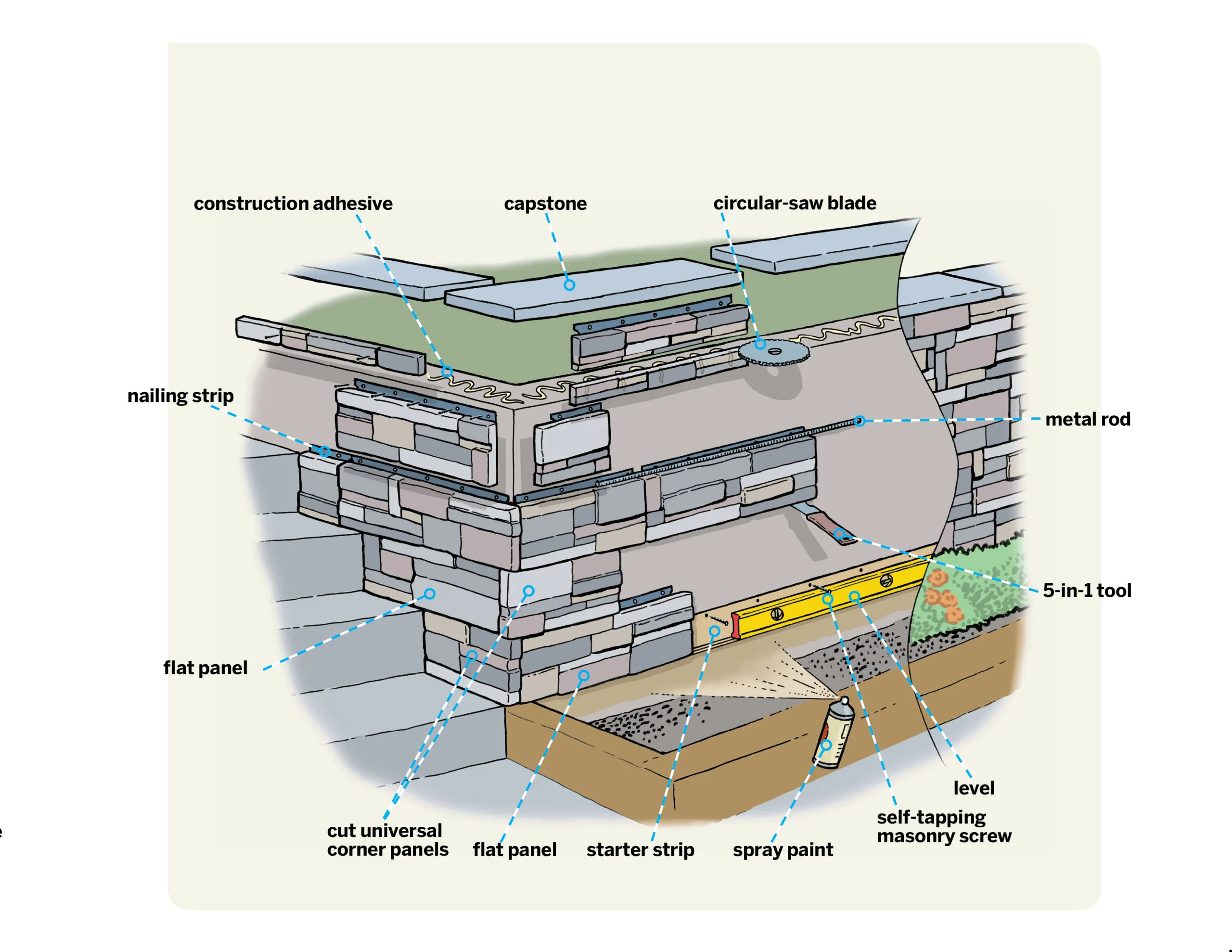
Set the location for the starter strip, at least 2 inches above any soil. Here, the strip’s lip aligns with the top of a stair on the adjacent side of the corner. Fit your drill/driver with a 3/16-inch masonry bit and drill a pilot hole through a slot in the strip near the corner and into the wall. Drive in a masonry screw to secure that end, then use the 4-foot level to bring the strip to level, and mark a line, as shown. Drill pilot holes and fasten the strip in two or three more spots, maintaining level.
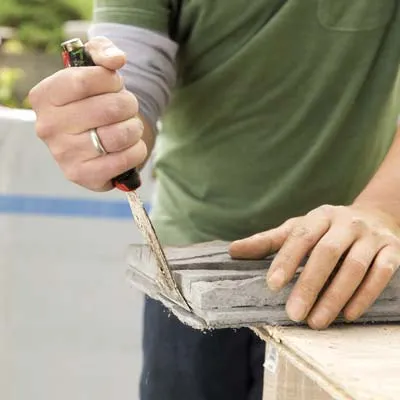
Ko nga panui papatahi he ripa kei ia taha e hono ana me nga mokowhiti i runga i nga papa papatahi e tata ana engari me tango mai i tetahi pito ka hanga he kokonga. Whakanohia te mata o te röpü ki runga i te mata mahi ka whakamahi i te mata o te taputapu 5-in-1 hei patuki i te ripa, pera i te whakaaturanga. Ko te tapa papatahi ka puta he kokonga kiki.
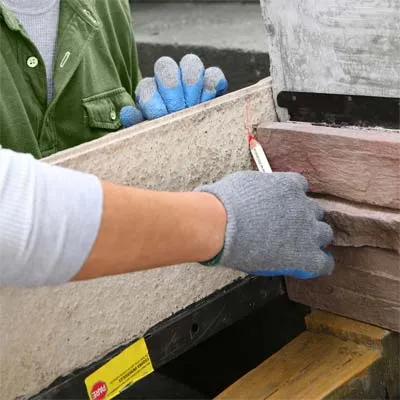
Ka timata ia oma ki tetahi kokonga, me te mutunga o tetahi kokonga ao inaki te pito o te papa papatahi (ka tangohia te ripa). Tuatahi, ka tapahia te kokonga o te ao ki nga wahanga e rua; ko te tapa kua oti o ia waahanga ka timata i te akoranga, ka kokiri te tapa tapahi ki te papa papatahi. Mo te whakapaipai, tapahia te kokonga o te ao kia 8 inihi te roa o ia waahanga. Ka rite ranei ki a maatau, tapahia kia uru ki te pikinga o te arawhata: Whakatauhia he papa papatahi ki te taha e patata ana i roto i te riipene whakaoho, ka huri whakamuri te kokonga o te ao, ka whakapaa tona tapa kua oti ki te pikinga o te arawhata, ka tuhia he raina tapahi. , e whakaaturia ana.
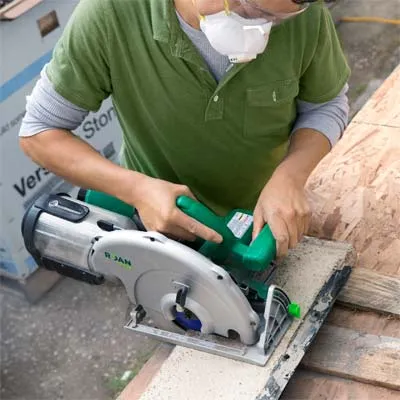
Whakanohia te panui kua tohua kia anga whakararo ki runga i te mata mahi me nga papa pakaru kei raro i tetahi taha o te raina tapahi. Whakamahia he taha totika hei tohu i tetahi raina tapawha-atu ki te pito whaiti rawa atu o te rarangi tuhi. Whakauruhia te kani porowhita me te mata taimana kua wehea ka tapahia ki te raina, ka haere ki roto i te raima tae atu ki te riipene whao whakarewa. Kia mau ki nga karaehe haumaru, he kopare puehu, he whakamarumaru whakarongo.
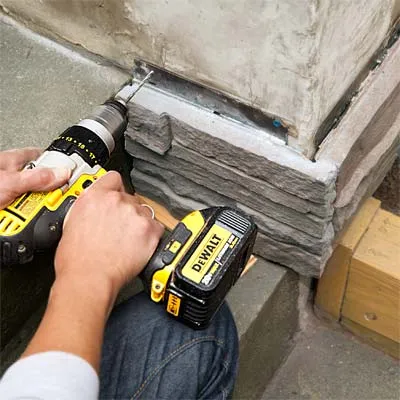
Hold the cut universal corner against the wall, bringing its finished end flush with the face of the adjacent flat panel so that the two pieces form a 90° outside corner. Level the universal corner, and drill pilot holes through the nailing strip, as shown, directly through the metal if necessary, in at least two places. Fasten the panel with 1¼-inch self-tapping masonry screws.
Aki: Me huri tonu to moka hei tango i te puehu i a koe e whakahoki ana i te keri ki waho o te kohao pairati, ka taea e te wiriwiri masonry te pa ki te raima.
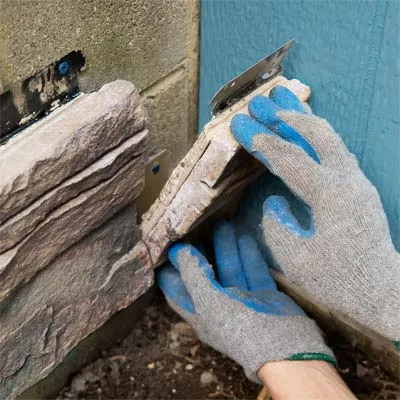
Tonu ki te whakauru i nga panui papatahi rahi-katoa, me te mahi ki raro i te akoranga. Ka tata koe ki te mutunga, inehia, ka tapahia he waahanga waahanga hei whakaki i te mutunga o te akoranga. Mena he ripa kei tetahi taha o te waahanga tapahi, whakamahia te taputapu 5-i-1 hei patoto. Whakanohoia te waahanga ki te waahi, ka werohia nga kohao pairati, ka werohia ki te pakitara.

Use the cut half of the universal corner from the first course, positioned on the opposite side of the corner to stagger the joints. Slip the tongue on its bottom edge into the groove on top of the flat panel beneath. Position a flat panel, with its tab removed, atop the universal corner in the first course. Be sure it’s cut to a different length than the piece beneath, to offset the joints across the wall. Mark and drill pilot holes for the universal corner, secure it, and install the adjacent flat panel to complete the corner.
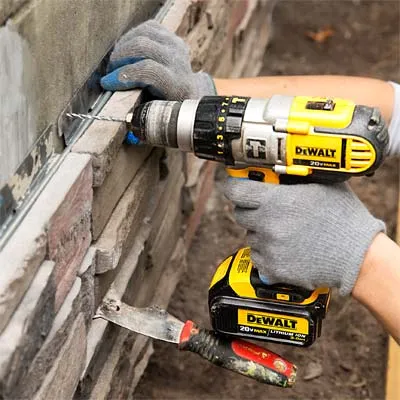
Work along the course, brushing out debris from the top groove to ensure that the panels fit together snugly. As you set each new panel, make sure that it’s aligned with the previous panel by nestling a ¼-inch metal rod in the groove along the top edge. The rod should lie flat and bridge the grooves in adjacent panels. If it doesn’t, use the 5-in-1 tool to shim the panel up, or back several screws out of the previous panel and adjust it. When the panels align, drill pilot holes and fasten them to the wall.

If the end of a panel falls in line with a joint on any of the previous courses, you’ll want to cut down its length slightly to maintain staggered joints. Hold the panel in place and mark the nailing strip at a different length. Transfer the mark to the back of the panel, cut it to size, and fasten it to the wall.
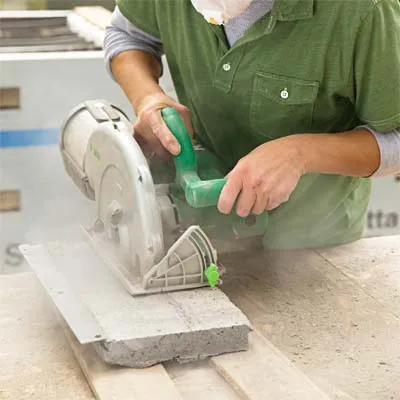
On the final course, you’ll need to cut down the height of the panels to fit, removing the nailing strip so that the stone reaches to the top of the wall. Rest a flat panel in place and scribe a cutline on the back at the height of the wall. Set the panel on a work surface, and use the circular saw to cut it to the proper height. You may want to cut your corner pieces to length first, then cut them to the proper height, as shown. Dry-fit the two pieces at the corner to check the fit.
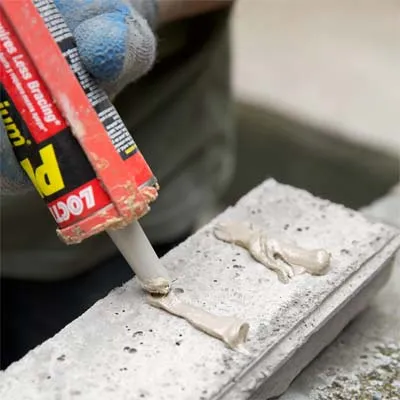
Tangohia nga panui kokonga ka tono i nga pirepire totika o te whakapiri hanga ki te tuara o ia waahanga i roto i nga oma poutū, pera i te whakaaturanga, kia rere te wai i muri i nga panui ka rere tika. Whakanohoia nga panui ki runga i te pakitara ka whakatika kia pai te uru ki te kokonga.
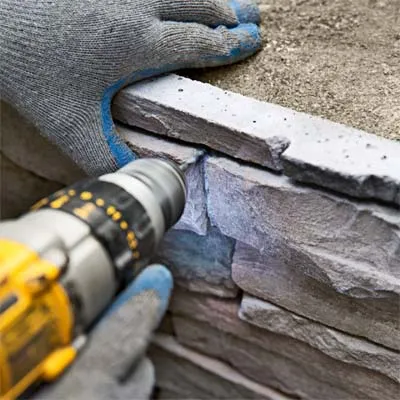
Hei whakamarumaru ake i nga awhi kua tapahia ki raro, kimihia etahi waahi ki ia waahanga ka taea e koe te totohu i te here ki roto i nga hononga i waenga i nga kohatu. Kia mau tonu te waahanga, wirihia he kohao pairati ki roto i te panui me te pakitara. Peia ki roto i te tiwiri masonry, totohu te mahunga ki raro i te mata o te paepae. Hipokina nga mahunga ki te kopa, ka kohia he puehu mai i te teepu tapahi, ka pupuhi ki runga i te kopa whakamaroke hei whakamarumaru. Ka taea e koe te pa atu ki nga waahi ka rite tonu. Whakaotihia te whakauru i nga panui i te akoranga whakamutunga.
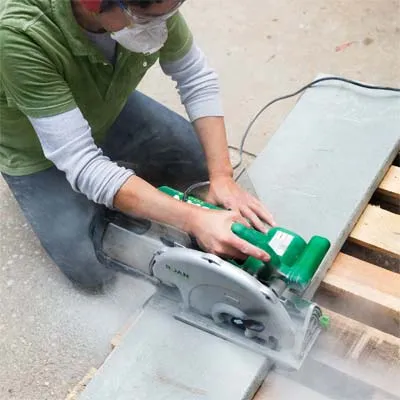
Tīpakohia he kowhatu tapawha kia maha inihi te whanui atu i te hohonutanga o to pakitara whakakakahu hei hanga i te whakairi. Te ine me te tohu i nga kowhatu kapi kia uru ki te tihi o te pakitara. Whakamahia te kani porowhita me te mata taimana kua wehea hei tapahi kia roa, pera me te whakaatu.
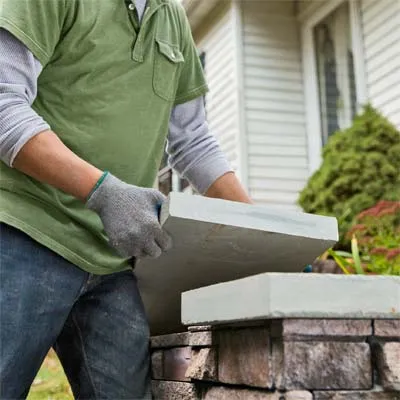
Ma te mahi tahi me te hoa, hikitia nga kowhatu kapi ka whakamaroke ki runga o te pakitara. Tangohia ka pania ki te tihi o te pakitara me nga taha o te whakakikorua i mua i te whakahou i nga kohatu; ranei, ki te hiahia koe ki te titiro pono ake, whakanohohia ki roto i te moenga moata maro. Inaianei ka hoki whakamuri ka miharo ki te ahua tuitui.
 Awherika
  Albanian
  Amharic
  Arapi
Arapi  Arameina
  Azerbaijani
  Basque
  Belarusian
  Bengali
  Bosniana
  Bulgarian
  Katarana
  Cebuano
  Haina
Haina  Haina (Taiwan)
  Korihika
  Koroatiana
  Czech
Czech  Teniana
  Tatimana
  Ingarihi
  Esperanto
  Estonian
  Finnish
  Wīwī
Wīwī  Frisian
  Kariri
  Georgian
  Tiamana
  Kariki
  Gujarati
  Haiti Creole
  hausa
hausa  hawaii
  Hiperu
  Kao
Kao  Miao
Miao  Hungarian
  Tiorangi
  igbo
igbo  Initonia
  Irish
Irish  Itariana
  Hapanihi
  Hawaana
  Kannada
  Kazakh
  Khmer
Khmer  Rwandan
  Koreana
  Kurdish
  Kyrgyz
  TB
TB  Latina
  Latvian
  Lithuania
  Luxembourgish
  Makeronia
  Malgashi
  Malay
Malay  Malayalam
  Marite
  Maori
Maori  Mareti
  Mongolian
  Myanmar
  Nepali
  Norewai
  Norewai
  Occitan
  Pashto
  Pahia
Pahia  Porohia
  Potiti
  Punjabi
  Romanian
  Ruhia
Ruhia  Hamoa
Hamoa  Scottish Gaelic
  Serbian
  Ingarihi
  Shona
Shona  Sindhi
  Sinhala
  Slovak
  Slovenian
  Somali
  Paniora
  Hatana
  Swahili
  Huitene
  Tagalog
  Tajik
Tajik  Tamil
Tamil  Tatara
  Telugu
  Thai
Thai  Turiki
  Turkmen
  Iukereiniana
  Urdu
Urdu  Uighur
  Uzbek
Uzbek  Vietnamese
  Welsh
Welsh 




