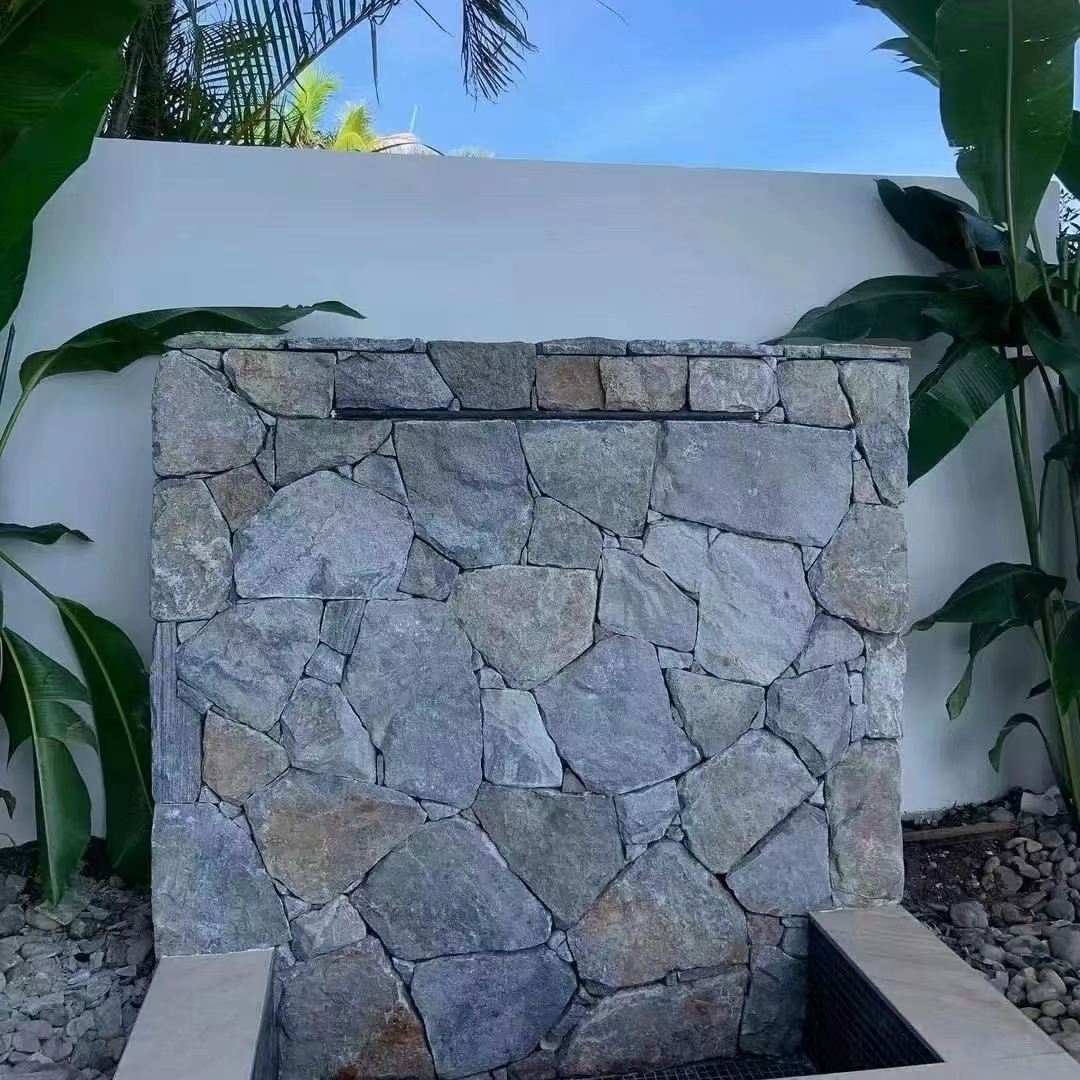
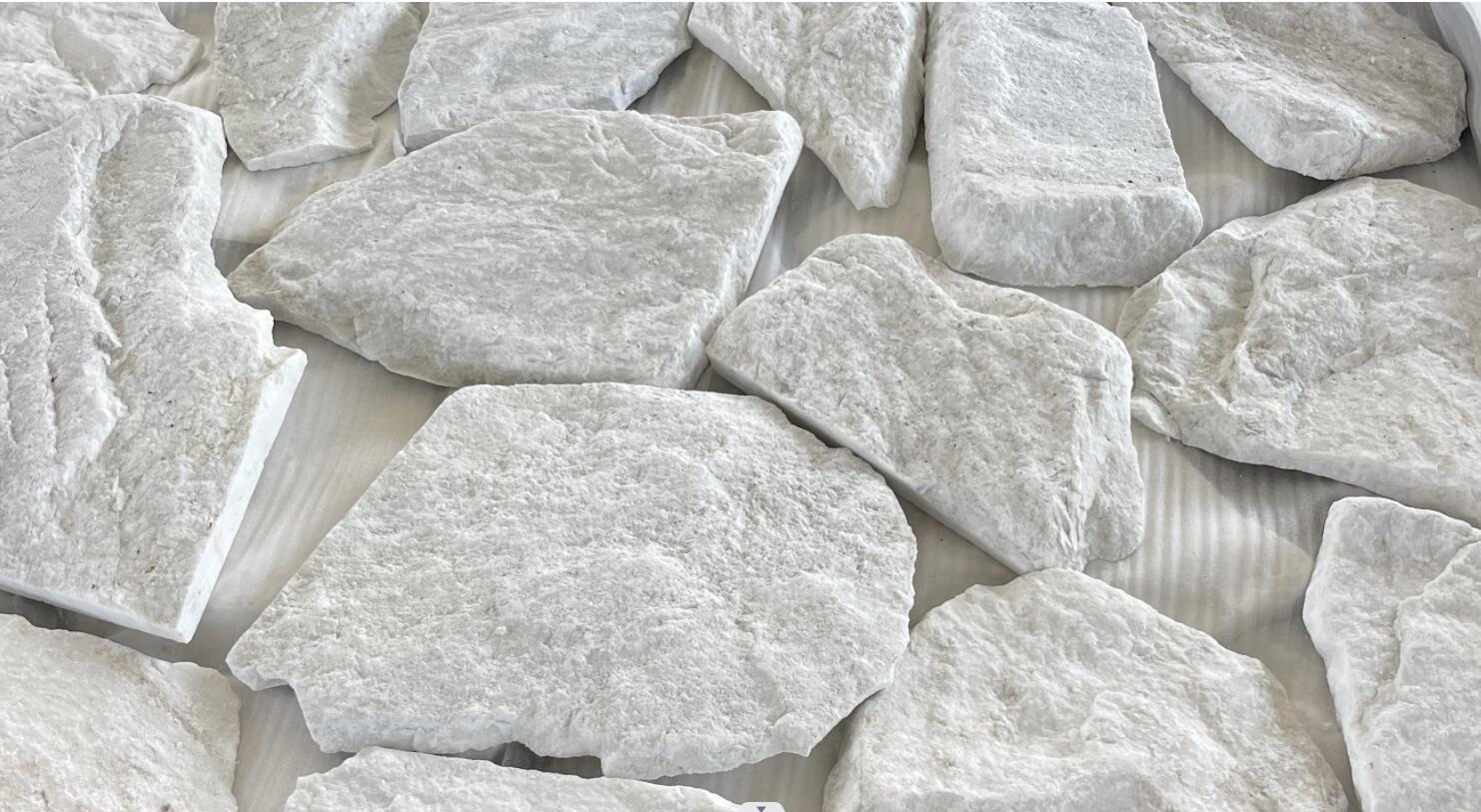
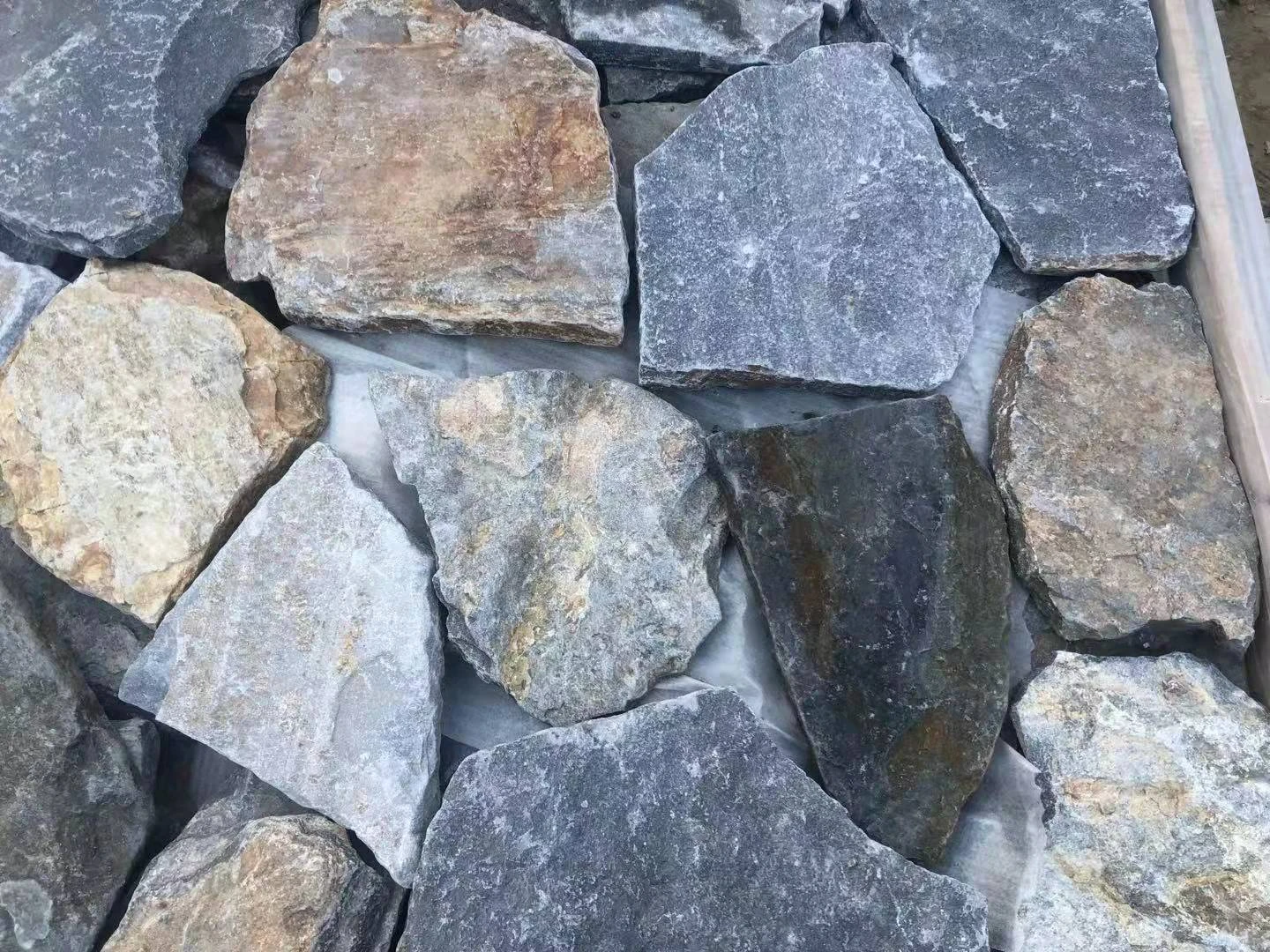
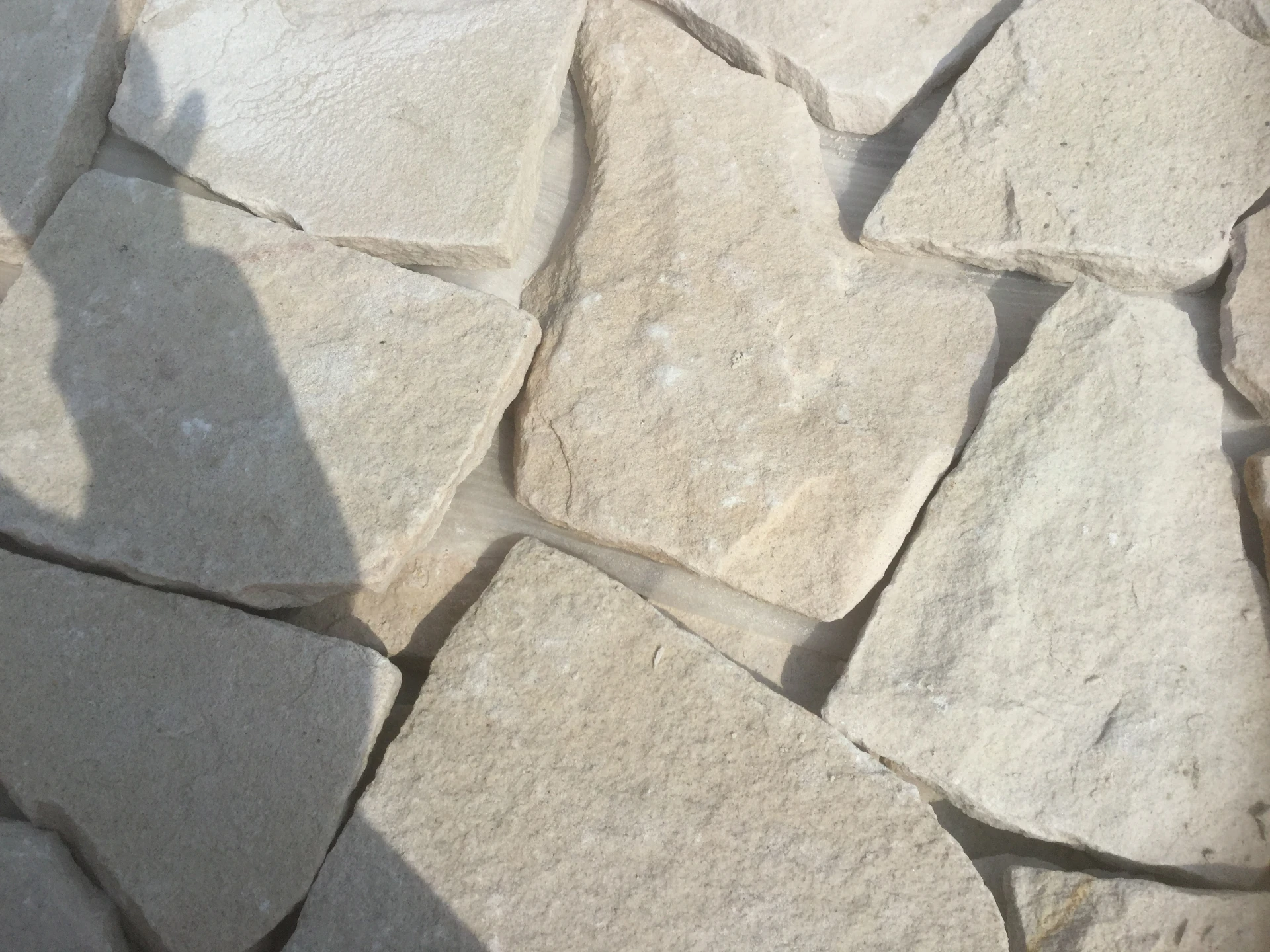
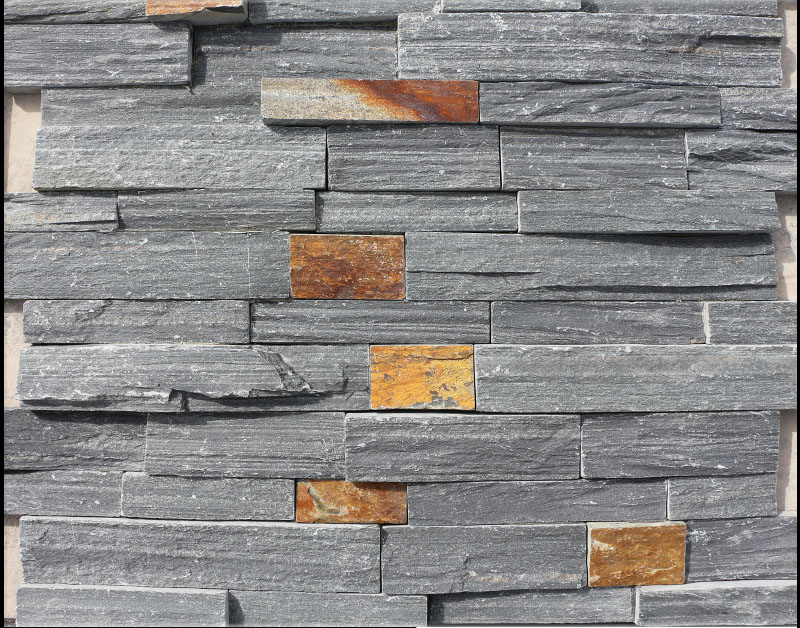
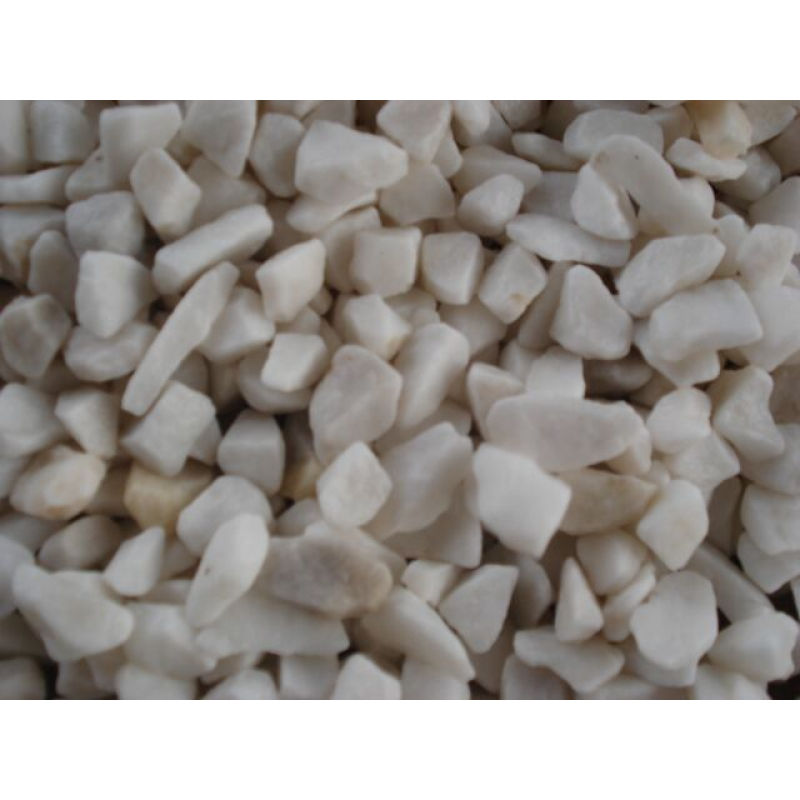
Van die piramides tot die Parthenon bou mense al duisende jare lank met klippe. Van die mees gebruikte en bekende natuurlike klippe wat vir konstruksie gebruik word, is basalt, kalksteen, travertyn en leiklip. Enige argitek, kontrakteur of messelwerk sal dit vir jou sê natuurlike klip is besonder duursaam en bied 'n uitstekende opbrengs op belegging.
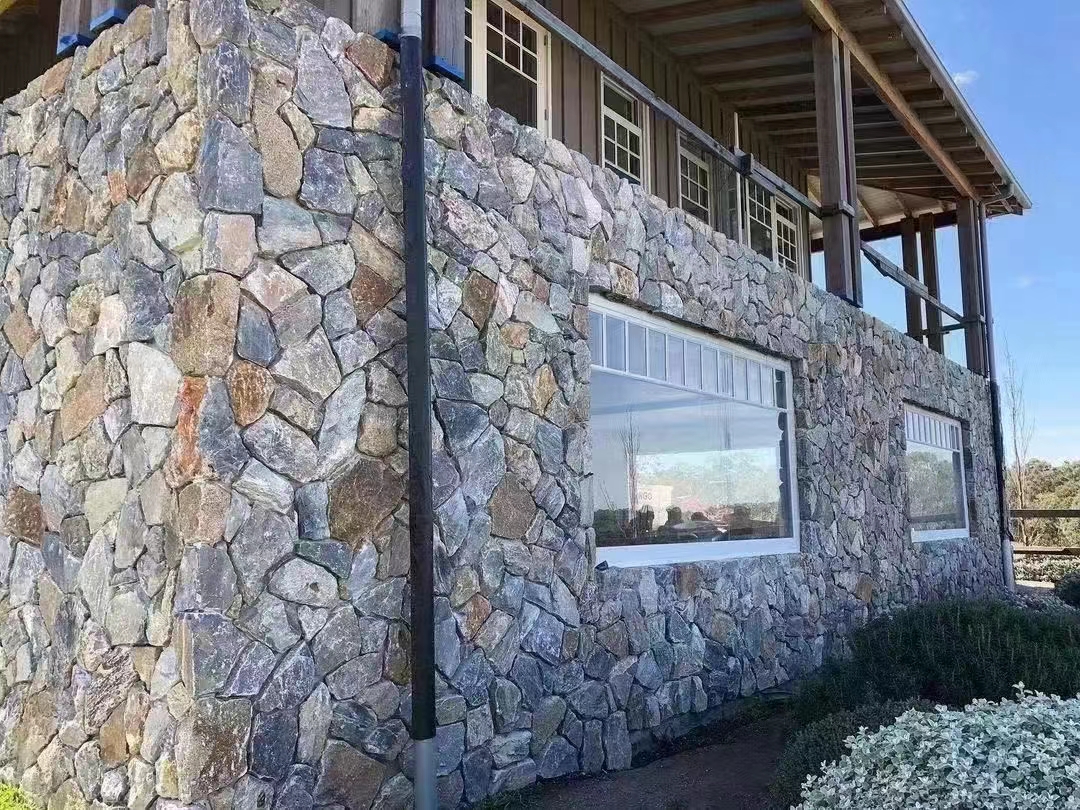
The technical characteristics of different stone such as porosity, compression strength, heat endurance thresholds, and frost resistance, will affect a stone’s application. Stones like basalt, granite, and sandstone fare well for massive construction projects like dams and bridges, whereas travertine, quartzite, and marble work better for interior construction and decoration.
In this blog, we’ll explore different stone types and uses to give you a broad overview of their unique qualities and applications.
While stone and rock are used interchangeably, they are different regarding internal structure and composition. Rocks form part of the earth’s crust and are found virtually everywhere, whereas stones are hard substances like limestone or sandstone extracted from rock, for example.
Die groot verskil is dat rots groter is en afgebreek is om minerale elemente te herwin, terwyl klip saamgesement kan word om komponente te vorm wat nuttig is vir konstruksie. Sonder rots sou daar geen klippe wees nie.
Whether igneous, metamorphic, or sedimentary, rocks used for building materials contain different types of stone that can construct some of the most magnificent architectural feats. There are three main types of rock. Let’s examine them more closely.
Named after the Latin word for fire, Igneous rocks form when hot, molten magma solidifies below the earth’s surface. This type of rock is divided into two groups, intrusive or extrusive, depending on where the molten rock solidifies. Intrusive igneous rock crystallizes below the earth’s surface, and extrusive rocks erupt onto the surface.
Stollingsgesteentes vir konstruksie sluit hierdie tipe klip in:
Metamorphic rock starts as one type of rock but due to pressure, heat, and time, gradually transforms into a new rock type. Although it forms deep within the earth’s crust, it's often exposed on our planet’s surface after geological uplift and the erosion of rock and soil above it. These crystalline rocks tend to have a foliated texture.
Metamorfe gesteentes vir konstruksie sluit hierdie tipe klip in:
This rock is always formed in layers called “strata” and often contains fossils. Pieces of rock are loosened by weather, then transported to a basin or depression where the sediment is trapped, and lithification (compaction) takes place. The sediment is deposited in flat, horizontal layers, with the oldest layers on the bottom and younger layers on top.
Hieronder is die tien mees algemene tipes klip wat al vir eeue gebruik word en steeds deel vorm van en vandag in ons moderne wêreld gebruik word.
This coarse-grained intrusive igneous rock is composed chiefly of quartz, feldspar, and plagioclase. Granite gets its signature color speckles from crystallization — the longer the molten rock has to cool, the larger the grains of color.
Available in white, pink, yellow, gray, and black, this building stone is lauded for its durability. As the earth’s most durable and common igneous rock, graniet is 'n uitstekende keuse vir toonbanke, monumente, sypaadjies, brûe, kolomme en vloere.
Sandsteen is 'n klassieke sedimentêre gesteente gemaak van sandgrootte silikaatkorrels van kwarts en veldspaat. Hierdie klip van boumateriaal, taai en weerbestand, word dikwels gebruik vir die bekleding van fasades en binnemure, sowel as tuinbanke, plaveiselmateriaal, patiotafels en swembadrande.
Hierdie klip kan enige kleur soos sand wees, maar die mees algemene kleure is bruin, bruin, grys, wit, rooi en geel. As dit 'n hoë kwartsinhoud het, kan sandsteen selfs gebreek word en as 'n bron van silika vir glasvervaardiging gebruik word.
Hierdie sagte sedimentêre gesteente, saamgestel uit kalsiet en magnesium, is gewoonlik grys, maar kan ook wit, geel of bruin wees. Vanuit 'n geologiese perspektief word kalksteen óf in diep seewater gevorm óf as gevolg van waterverdamping tydens grotvorming.
’n Unieke kenmerk van hierdie rots is dat sy primêre bestanddeel, kalsiet, hoofsaaklik gevorm word deur die fossilisering van skulpproduserende en koraalbouende lewende organismes. Kalksteen as boumateriaal word gebruik in argitektoniese toepassings vir mure, dekoratiewe afwerking en fineer.
Dark and heavy, this extrusive, igneous rock makes up most of the planet’s oceanic crust. Basalt is black, but after extensive weathering, may turn green or brown. Additionally, it contains some light-colored minerals like feldspar and quartz, but these are difficult to see with the naked eye.
Basalt, ryk aan yster en magnesium, word in konstruksie gebruik om boublokke, keisteen, vloerteëls, padklip, spoorballasts en standbeelde te maak. 90% van alle vulkaniese gesteentes is basalt.
Geliefd, deur die eeue, vir sy luukse en weelde, marmer is 'n pragtige metamorfe rots wat vorm wanneer kalksteen aan hoë druk of hitte onderwerp word. Dit bevat gewoonlik ander minerale soos kwarts, grafiet, piriet en ysteroksiede wat dit 'n verskeidenheid skakerings gee van pienk tot bruin, grys, groen, swart of bont kleur.
As gevolg van sy unieke aar en elegante voorkoms, is marmer die beste klip vir die bou van monumente, binneversiering, tafelblaaie, beeldhouwerke en nuwighede. Die mees gesogte wit marmer word in Carrara, Italië, ontgin.
Leisteen is 'n fynkorrelige, geblaarde, homogene sedimentêre gesteente afkomstig van skalierots wat uit klei of vulkaniese as bestaan. Die oorspronklike kleiminerale in skalie verander na mika wanneer dit aan toenemende vlakke van hitte en druk blootgestel word.
Gray in color, slate contains quartz, feldspar, calcite, pyrite, and hematite, among other minerals. It’s a desirable building stone that’s been utilized in construction since ancient Egyptian times. Today, it’s used as roofing, flagging, decorative aggregates, and flooring because of its attractiveness and durability.
Pumice is a porous igneous rock produced during volcanic eruptions. It forms so rapidly that its atoms don’t have time to crystallize, essentially rendering it a solidified foam. While it occurs in various colors like white, gray, blue, cream, green, and brown, it is almost always pale.
Alhoewel fynkorrelig, is die oppervlak van hierdie klip grof. Gepoeierde puimsteen word gebruik as 'n aggregaat in liggewigbeton vir isolasie, as 'n poleersteen, en in 'n verskeidenheid industriële en verbruikersprodukte, sowel as 'n poleersteen.
Wanneer kwartsryke sandsteen deur hitte, druk en die chemiese aktiwiteit van metamorfose verander word, verander dit in kwartsiet. Tydens die proses bind sandkorrels en silikasement saam, wat 'n formidabele netwerk van ineenlopende kwartskorrels tot gevolg het.
Kwartsiet is gewoonlik wit of ligkleurig, maar bykomende materiale wat deur grondwater gedra word, kan kleure van groen, blou of ysterrooi gee. Dit is een van die beste klippe vir die bou van werkblaaie, vloere, dakteëls en traptrappe as gevolg van sy marmeragtige voorkoms en granietagtige duursaamheid.
Travertyn is 'n soort landkalksteen wat gevorm word deur mineraalafsettings naby natuurlike fonteine. Hierdie sedimentêre gesteente het 'n veselagtige of konsentriese voorkoms en kom in skakerings van wit, bruin, room en roes. Sy unieke tekstuur en aantreklike aardkleure maak dit gewild vir boutoepassings.
This versatile stone variety is commonly used for indoor and outdoor flooring, spa walls, ceilings, facades, and wall cladding. It’s an affordable option compared to other natural stones like marble, yet still maintains a luxurious appeal.
'n Medium-harde gips, albast is gewoonlik wit en deurskynend met 'n fyn eenvormige korrel.
Its small natural grain is visible when held up to the light. Because it’s a porous mineral, this stone can be dyed in a variety of colors.
It has been used for centuries to make statues, carvings, and other decorative and ornamental work. While the splendor of alabaster is undeniable, it is a soft metamorphic rock that’s only really suitable for indoor applications.
The many natural stone products on the market and their unique characteristics can make it challenging for contractors and homeowners to select the correct ones for their projects. If you’re new to the process, the first thing to consider is the location of the stone installation. For instance, the type of stones for floor applications will differ if it’s indoors or outdoors.
Then you’ll need to evaluate the stone’s durability, the fabricator’s warranty, and its grade. There are three grades of natural stone: commercial, standard, and first choice. Standard grade is a good fit for interior applications, like countertops, whereas commercial-grade, may be better for apartment or hotel projects where only a portion of slab is required, and large imperfections can be avoided.
There’s a lot to consider, right? As well-seasoned experts in the stone business, our team at Stone Center can help you with stone selection for residential and commercial stone projects, regardless of their scale. Why not start by taking a look at our extensive catalog of premium bousteen?
 Afrikaans
 Albanees
 Amharies
 Arabies
 Armeens
 Azerbeidjans
 Baskies
 Wit-Russies
 Bengaals
 Bosnies
 Bulgaars
 Katalaans
 Cebuano
 Sjina
 China (Taiwan)
 Korsikaans
 Kroaties
 Tsjeggies
 Deens
 Nederlands
 Engels
 Esperanto
 Estnies
 Fins
 Frans
 Fries
 Galisies
 Georgies
 Duits
 Grieks
 Gujarati
 Haïtiaanse Kreools
 hausa
 hawaiian
 Hebreeus
 Nope
 Miao
 Hongaars
 Yslands
 igbo
 Indonesies
 iers
 Italiaans
 Japannese
 Javaans
 Kannada
 kazaks
 Khmer
 Rwandese
 Koreaans
 Koerdies
 Kirgisies
 TB
 Latyn
 Letties
 Litaus
 Luxemburgs
 Masedonies
 Malgashi
 Maleis
 Malabaars
 Maltees
 Maori
 Marathi
 Mongoolse
 Myanmar
 Nepalees
 Noors
 Noors
 Oksitaans
 Pasjto
 Persies
 Pools
 Portugees
 Punjabi
 Roemeens
 Russies
 Samoaans
 Skotse Gaelies
 Serwies
 Engels
 Shona
 Sindhi
 Sinhala
 Slowaaks
 Sloweens
 Somalies
 Spaans
 Soendanees
 Swahili
 Sweeds
 Tagalog
 Tadjieks
 Tamil
 Tataars
 Telugu
 Thai
 Turks
 Turkmeens
 Oekraïens
 Oerdoe
 Uighur
 Oezbeeks
 Viëtnamees
 Wallies