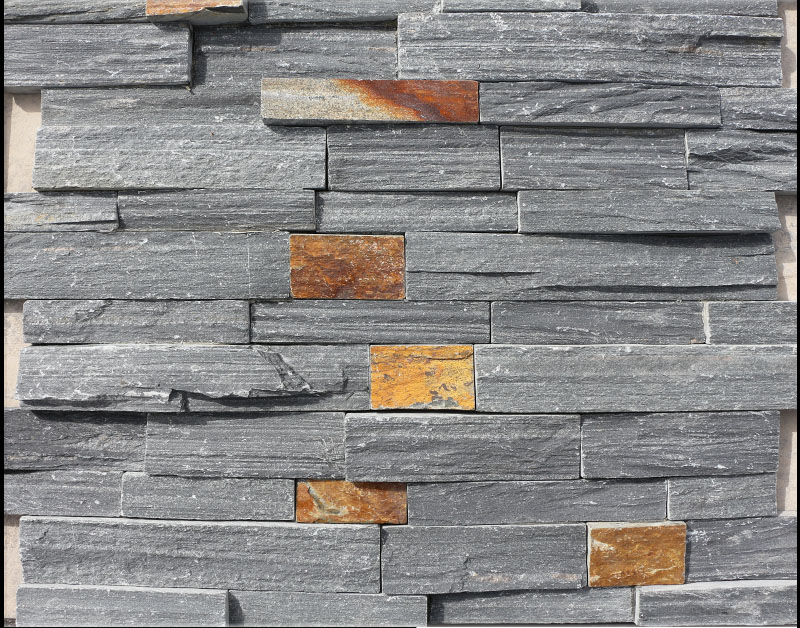
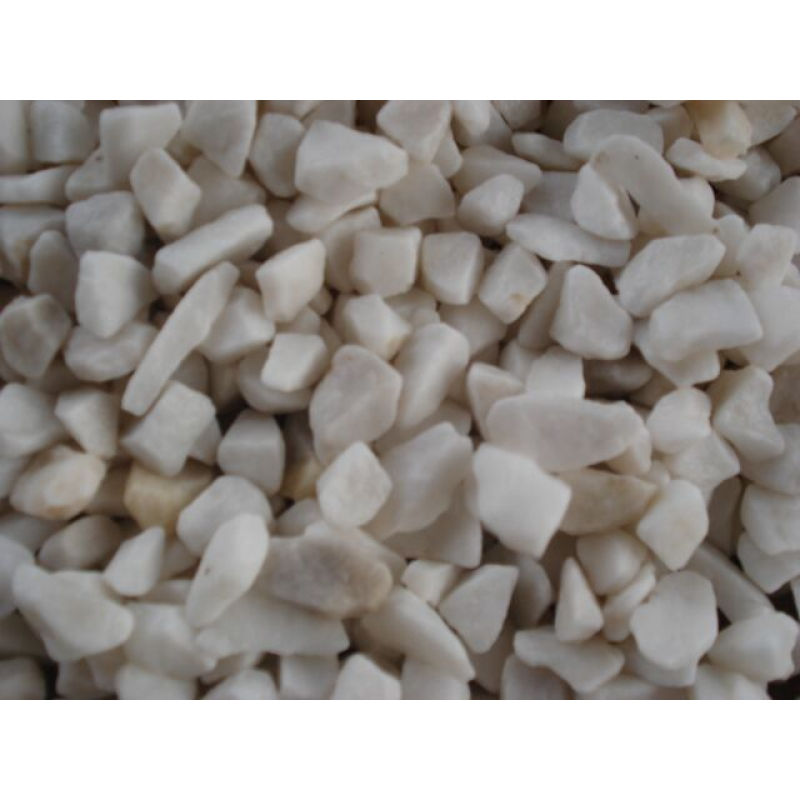
.jpg "Top 10 Loại Đá Được Sử Dụng Trong Thi Công Đá Cảnh Quan")
Từ kim tự tháp đến đền Parthenon, con người đã xây dựng bằng đá từ hàng nghìn năm nay. Trong số các loại đá tự nhiên được sử dụng nhiều nhất và nổi tiếng nhất để xây dựng là đá bazan, đá vôi, travertine và đá phiến. Bất kỳ kiến trúc sư, nhà thầu hoặc thợ nề nào cũng sẽ nói với bạn rằng đá tự nhiên có độ bền đặc biệt, mang lại lợi tức đầu tư tuyệt vời.
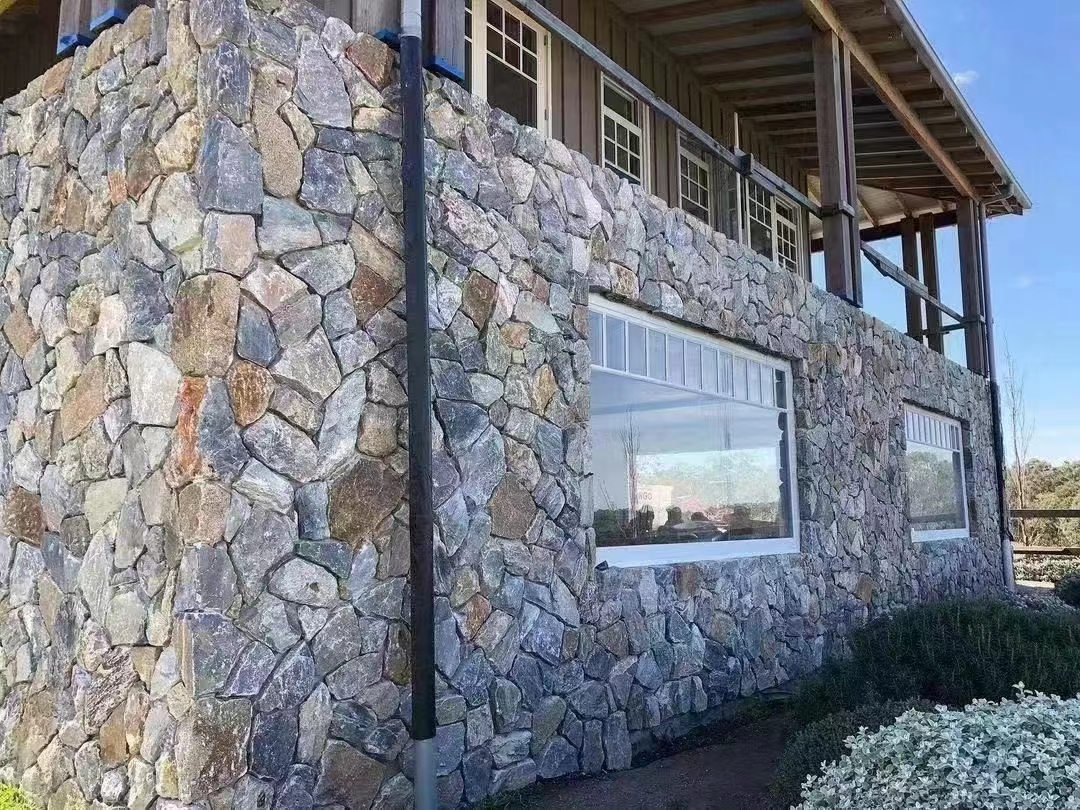
The technical characteristics of different stone such as porosity, compression strength, heat endurance thresholds, and frost resistance, will affect a stone’s application. Stones like basalt, granite, and sandstone fare well for massive construction projects like dams and bridges, whereas travertine, quartzite, and marble work better for interior construction and decoration.
In this blog, we’ll explore different stone types and uses to give you a broad overview of their unique qualities and applications.
While stone and rock are used interchangeably, they are different regarding internal structure and composition. Rocks form part of the earth’s crust and are found virtually everywhere, whereas stones are hard substances like limestone or sandstone extracted from rock, for example.
Sự khác biệt chính là đá lớn hơn và bị phá vỡ để thu hồi các nguyên tố khoáng, trong khi đá có thể được kết dính lại với nhau để tạo thành các thành phần hữu ích cho xây dựng. Không có đá thì sẽ không có đá.
Whether igneous, metamorphic, or sedimentary, rocks used for building materials contain different types of stone that can construct some of the most magnificent architectural feats. There are three main types of rock. Let’s examine them more closely.
Named after the Latin word for fire, Igneous rocks form when hot, molten magma solidifies below the earth’s surface. This type of rock is divided into two groups, intrusive or extrusive, depending on where the molten rock solidifies. Intrusive igneous rock crystallizes below the earth’s surface, and extrusive rocks erupt onto the surface.
Đá lửa dùng trong xây dựng bao gồm các loại đá sau:
Metamorphic rock starts as one type of rock but due to pressure, heat, and time, gradually transforms into a new rock type. Although it forms deep within the earth’s crust, it's often exposed on our planet’s surface after geological uplift and the erosion of rock and soil above it. These crystalline rocks tend to have a foliated texture.
Đá biến chất dùng trong xây dựng bao gồm các loại đá sau:
This rock is always formed in layers called “strata” and often contains fossils. Pieces of rock are loosened by weather, then transported to a basin or depression where the sediment is trapped, and lithification (compaction) takes place. The sediment is deposited in flat, horizontal layers, with the oldest layers on the bottom and younger layers on top.
Dưới đây là mười loại đá phổ biến nhất đã được sử dụng trong nhiều thế kỷ và tiếp tục là một phần và được sử dụng trong thế giới hiện đại của chúng ta ngày nay.
This coarse-grained intrusive igneous rock is composed chiefly of quartz, feldspar, and plagioclase. Granite gets its signature color speckles from crystallization — the longer the molten rock has to cool, the larger the grains of color.
Available in white, pink, yellow, gray, and black, this building stone is lauded for its durability. As the earth’s most durable and common igneous rock, đá granit là sự lựa chọn tuyệt vời cho mặt bàn, tượng đài, vỉa hè, cầu, cột và sàn nhà.
Đá sa thạch là một loại đá trầm tích cổ điển được làm từ các hạt silicat cỡ cát của thạch anh và fenspat. Cứng và chịu được thời tiết, loại đá xây dựng này thường được sử dụng để ốp mặt tiền và tường bên trong, cũng như ghế dài trong vườn, vật liệu lát nền, bàn trong hiên và cạnh bể bơi.
Loại đá này có thể có bất kỳ màu nào như cát, nhưng các màu phổ biến nhất là nâu, xám, trắng, đỏ và vàng. Nếu nó có hàm lượng thạch anh cao, đá sa thạch thậm chí có thể được nghiền nát và sử dụng làm nguồn silica cho sản xuất thủy tinh.
Được cấu tạo từ canxit và magie, loại đá trầm tích mềm này thường có màu xám nhưng cũng có thể có màu trắng, vàng hoặc nâu. Từ góc độ địa chất, đá vôi được hình thành ở vùng nước biển sâu hoặc do nước bốc hơi trong quá trình hình thành hang động.
Một đặc điểm độc đáo của loại đá này là thành phần chính của nó, canxit, được hình thành chủ yếu do sự hóa thạch của các sinh vật sống tạo vỏ và tạo san hô. Đá vôi làm vật liệu xây dựng được sử dụng trong các ứng dụng kiến trúc cho tường, trang trí và veneer.
Dark and heavy, this extrusive, igneous rock makes up most of the planet’s oceanic crust. Basalt is black, but after extensive weathering, may turn green or brown. Additionally, it contains some light-colored minerals like feldspar and quartz, but these are difficult to see with the naked eye.
Giàu sắt và magie, đá bazan được sử dụng trong xây dựng để làm khối xây dựng, đá cuội, gạch lát sàn, đá đường, chấn lưu đường ray và tượng. 90% đá núi lửa là đá bazan.
Được yêu thích qua mọi thời đại vì sự sang trọng và sang trọng của nó, đá cẩm thạch là một loại đá biến chất tuyệt đẹp hình thành khi đá vôi chịu áp suất hoặc nhiệt độ cao. Nó thường chứa các khoáng chất khác như thạch anh, than chì, pyrit và oxit sắt tạo cho nó nhiều màu sắc từ hồng đến nâu, xám, xanh lục, đen hoặc nhiều màu.
Do có đường vân độc đáo và vẻ ngoài trang nhã, đá cẩm thạch là loại đá tốt nhất để xây dựng tượng đài, trang trí nội thất, mặt bàn, tác phẩm điêu khắc và các tác phẩm mới lạ. Đá cẩm thạch trắng uy tín nhất được khai thác ở Carrara, Ý.
Đá phiến là một loại đá trầm tích đồng nhất, có lá, hạt mịn có nguồn gốc từ đá phiến gồm đất sét hoặc tro núi lửa. Các khoáng sét ban đầu trong đá phiến biến đổi thành mica khi tiếp xúc với mức nhiệt và áp suất ngày càng tăng.
Gray in color, slate contains quartz, feldspar, calcite, pyrite, and hematite, among other minerals. It’s a desirable building stone that’s been utilized in construction since ancient Egyptian times. Today, it’s used as roofing, flagging, decorative aggregates, and flooring because of its attractiveness and durability.
Pumice is a porous igneous rock produced during volcanic eruptions. It forms so rapidly that its atoms don’t have time to crystallize, essentially rendering it a solidified foam. While it occurs in various colors like white, gray, blue, cream, green, and brown, it is almost always pale.
Mặc dù có hạt mịn nhưng bề mặt của loại đá này rất thô. Đá bọt dạng bột được sử dụng làm cốt liệu trong bê tông nhẹ để cách nhiệt, làm đá đánh bóng và trong nhiều loại sản phẩm công nghiệp và tiêu dùng, cũng như đá đánh bóng.
Khi sa thạch giàu thạch anh bị biến đổi bởi nhiệt, áp suất và hoạt động hóa học của quá trình biến chất, nó sẽ biến thành thạch anh. Trong quá trình này, các hạt cát và xi măng silic liên kết với nhau, tạo thành một mạng lưới các hạt thạch anh lồng vào nhau rất mạnh.
Quartzite thường có màu trắng hoặc màu sáng, nhưng các vật liệu bổ sung được mang theo bởi nước ngầm có thể tạo ra màu sắc xanh lục, xanh lam hoặc đỏ sắt. Nó là một trong những loại đá tốt nhất để xây dựng mặt bàn, sàn, ngói lợp và bậc cầu thang do bề ngoài giống đá cẩm thạch và độ bền giống đá granit.
travertine là một loại đá vôi trên cạn được hình thành bởi các mỏ khoáng sản gần suối tự nhiên. Đá trầm tích này có dạng sợi hoặc đồng tâm và có các màu trắng, nâu, kem và rỉ sét. Kết cấu độc đáo và tông màu đất hấp dẫn khiến nó trở nên phổ biến trong các ứng dụng xây dựng.
This versatile stone variety is commonly used for indoor and outdoor flooring, spa walls, ceilings, facades, and wall cladding. It’s an affordable option compared to other natural stones like marble, yet still maintains a luxurious appeal.
Thạch cao có độ cứng trung bình, thạch cao thường có màu trắng và trong mờ với hạt mịn đồng đều.
Its small natural grain is visible when held up to the light. Because it’s a porous mineral, this stone can be dyed in a variety of colors.
It has been used for centuries to make statues, carvings, and other decorative and ornamental work. While the splendor of alabaster is undeniable, it is a soft metamorphic rock that’s only really suitable for indoor applications.
The many natural stone products on the market and their unique characteristics can make it challenging for contractors and homeowners to select the correct ones for their projects. If you’re new to the process, the first thing to consider is the location of the stone installation. For instance, the type of stones for floor applications will differ if it’s indoors or outdoors.
Then you’ll need to evaluate the stone’s durability, the fabricator’s warranty, and its grade. There are three grades of natural stone: commercial, standard, and first choice. Standard grade is a good fit for interior applications, like countertops, whereas commercial-grade, may be better for apartment or hotel projects where only a portion of slab is required, and large imperfections can be avoided.
There’s a lot to consider, right? As well-seasoned experts in the stone business, our team at Stone Center can help you with stone selection for residential and commercial stone projects, regardless of their scale. Why not start by taking a look at our extensive catalog of premium đá xây dựng?
 Người châu Phi
  tiếng Albania
  tiếng Amharic
  tiếng Ả Rập
  tiếng Armenia
  Tiếng Azerbaijan
  Tiếng Basque
  Người Belarus
  tiếng Bengali
  tiếng Bosnia
  tiếng Bungari
  tiếng Catalan
  Cebuano
  Trung Quốc
  Trung Quốc (Đài Loan)
  Corsican
  tiếng Croatia
  tiếng Séc
  người Đan Mạch
  tiếng Hà Lan
  Tiếng Anh
  Quốc tế ngữ
  tiếng Estonia
  tiếng Phần Lan
  người Pháp
  tiếng Frisia
  tiếng Galicia
  tiếng Gruzia
  tiếng Đức
  người Hy Lạp
  Gujarati
  Tiếng Creole Haiti
  hausa
hausa  người Hawaii
  tiếng Do Thái
  Không
Không  Miêu
Miêu  người Hungary
  tiếng Iceland
  igbo
igbo  tiếng Indonesia
  người Ailen
  người Ý
  tiếng Nhật
  tiếng Java
  tiếng Kannada
  tiếng Kazakhstan
  tiếng Khmer
  người Rwanda
  Hàn Quốc
  người Kurd
  Tiếng Kyrgyzstan
  Lao
Lao  Latin
Latin  tiếng Latvia
  tiếng Litva
  Tiếng Luxembourg
  Tiếng Macedonia
  Malgashi
  Mã Lai
  Mã Lai
  cây nho
  người Maori
  Tiếng Marathi
  tiếng Mông Cổ
  Myanmar
  tiếng Nepal
  người Na Uy
  người Na Uy
  tiếng Occitan
  Tiếng Pa-tô
  tiếng Ba Tư
  Đánh bóng
  tiếng Bồ Đào Nha
  Tiếng Punjab
  người Rumani
  tiếng Nga
  Tiếng Samoa
  Tiếng Gaelic của Scotland
  tiếng Serbia
  Tiếng Anh
  Shona
Shona  tiếng Sindhi
  Sinhala
  Tiếng Slovak
  tiếng Slovenia
  tiếng Somali
  người Tây Ban Nha
  Tiếng Sundan
  tiếng Swahili
  tiếng Thụy Điển
  Tagalog
  Tiếng Tajik
  Tiếng Tamil
  Tatar
Tatar  tiếng Telugu
  tiếng Thái
  tiếng Thổ Nhĩ Kỳ
  người Thổ Nhĩ Kỳ
  tiếng Ukraina
  tiếng Urdu
  người Duy Ngô Nhĩ
  tiếng Uzbek
  Tiếng Việt
  người xứ Wales