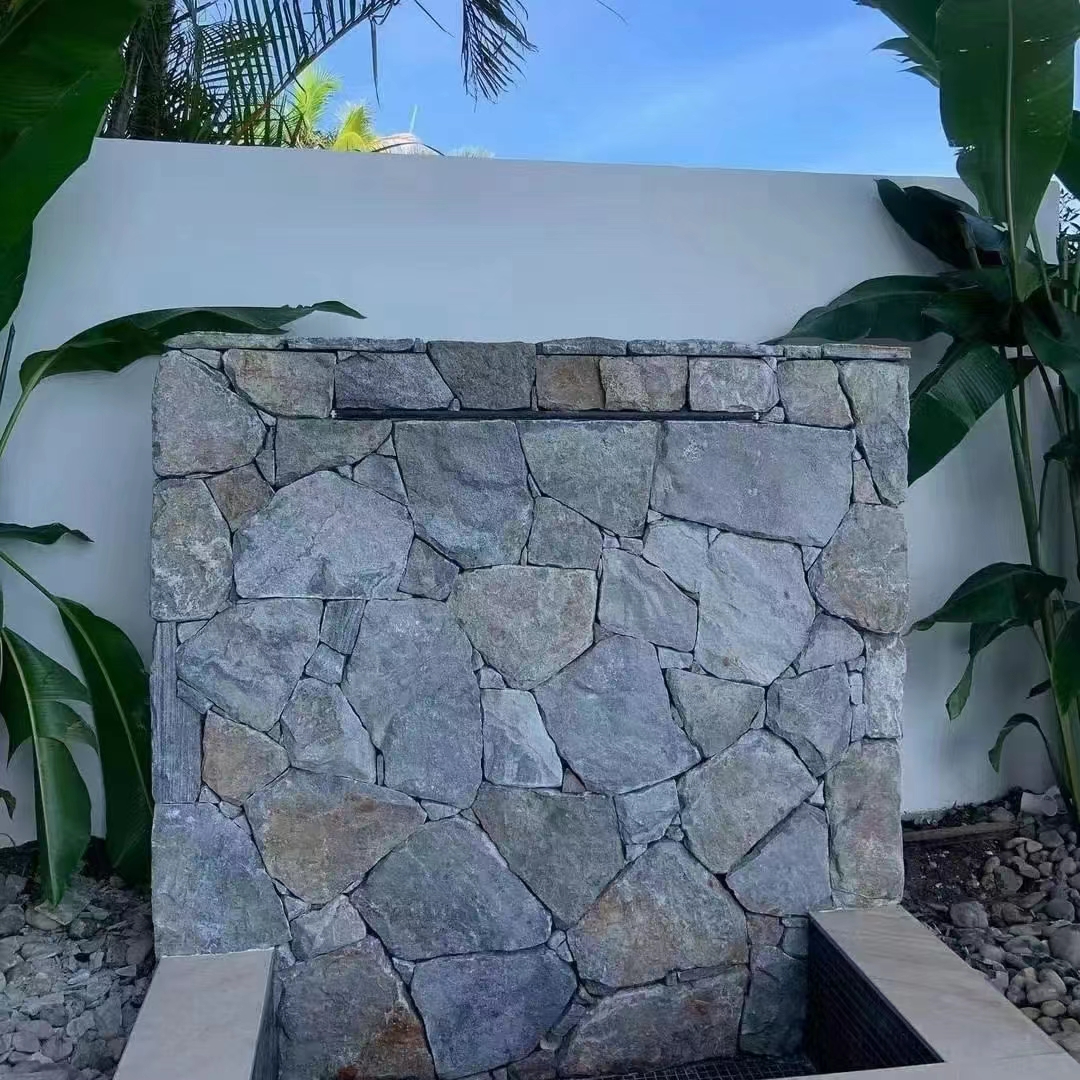
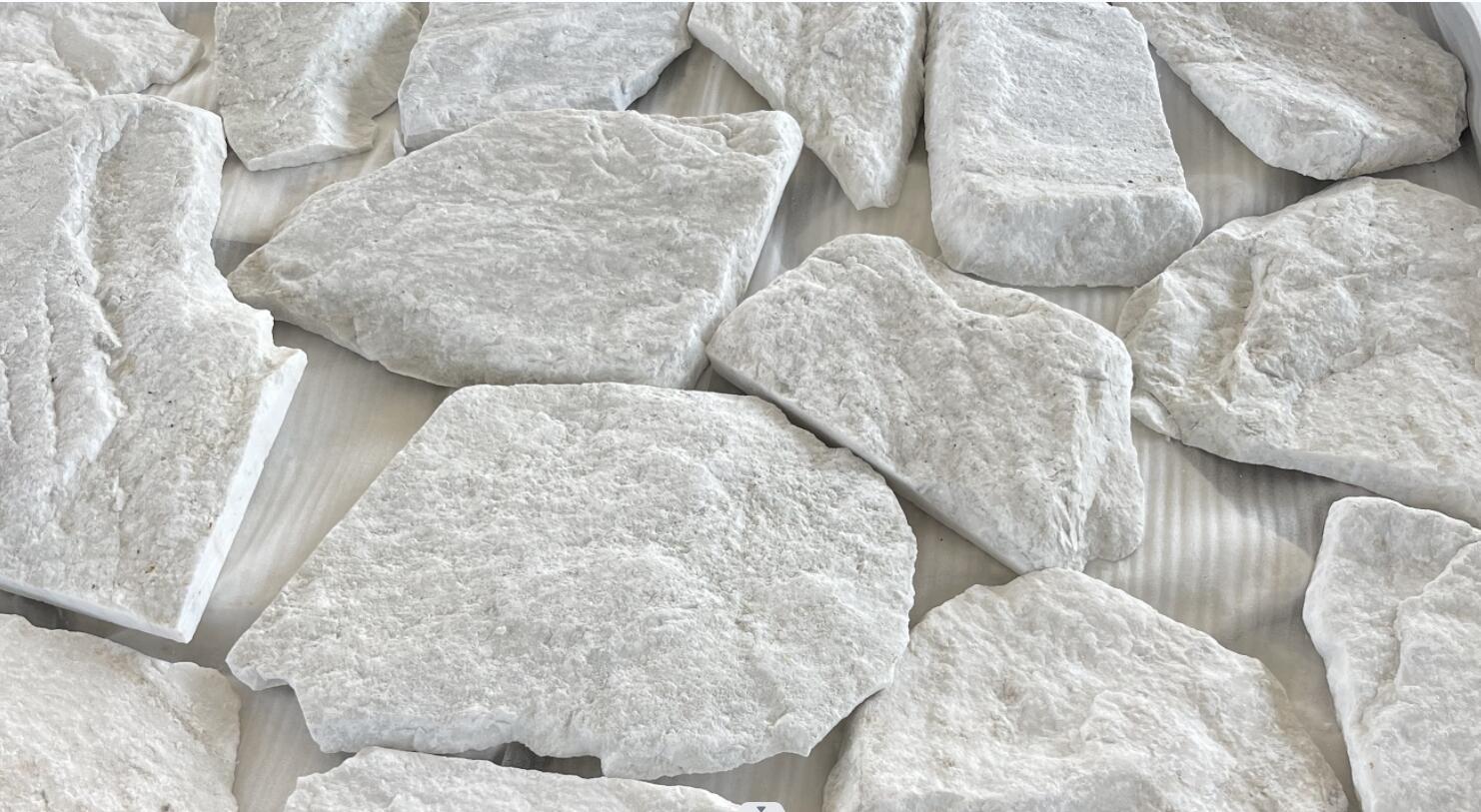
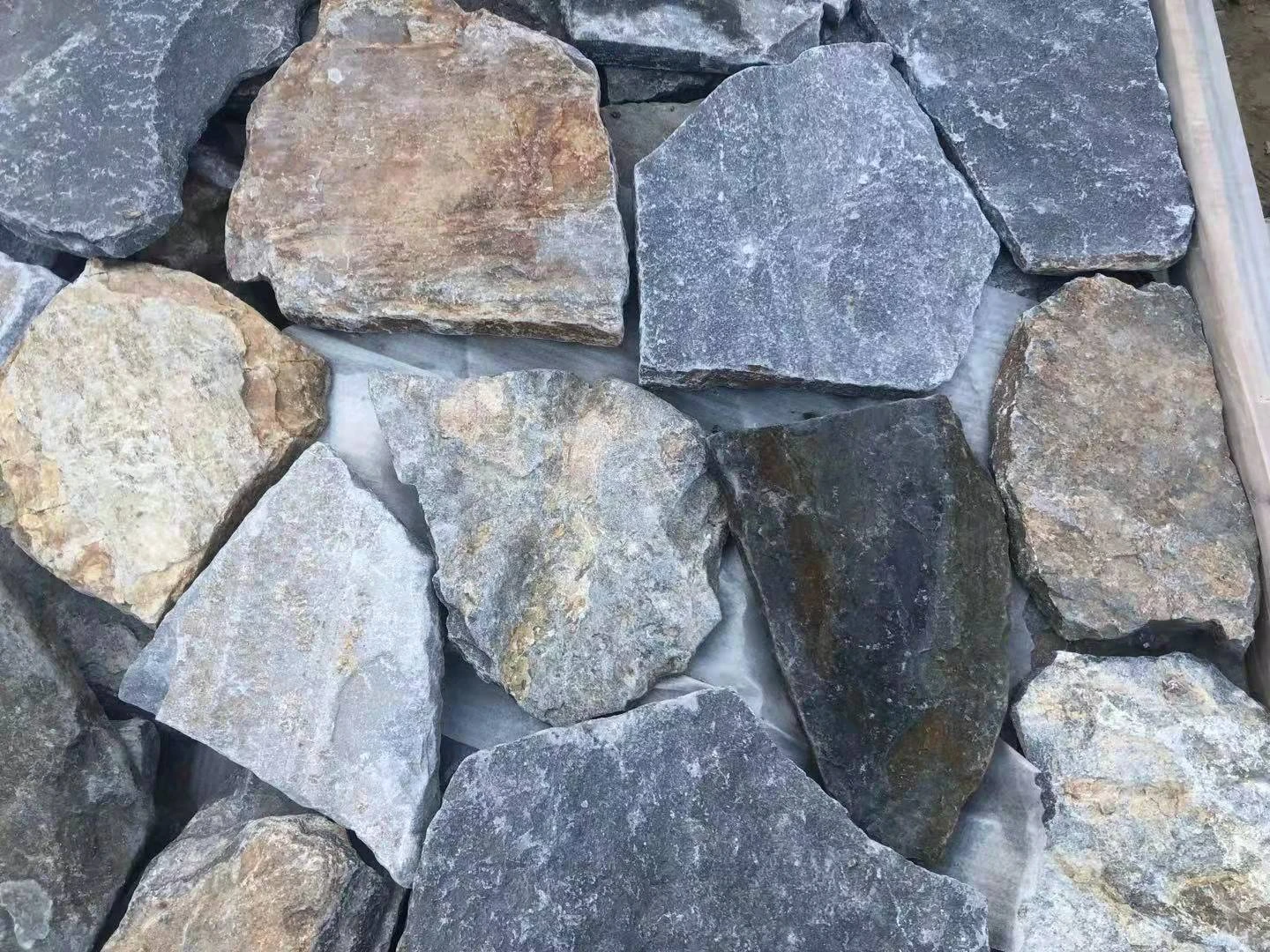
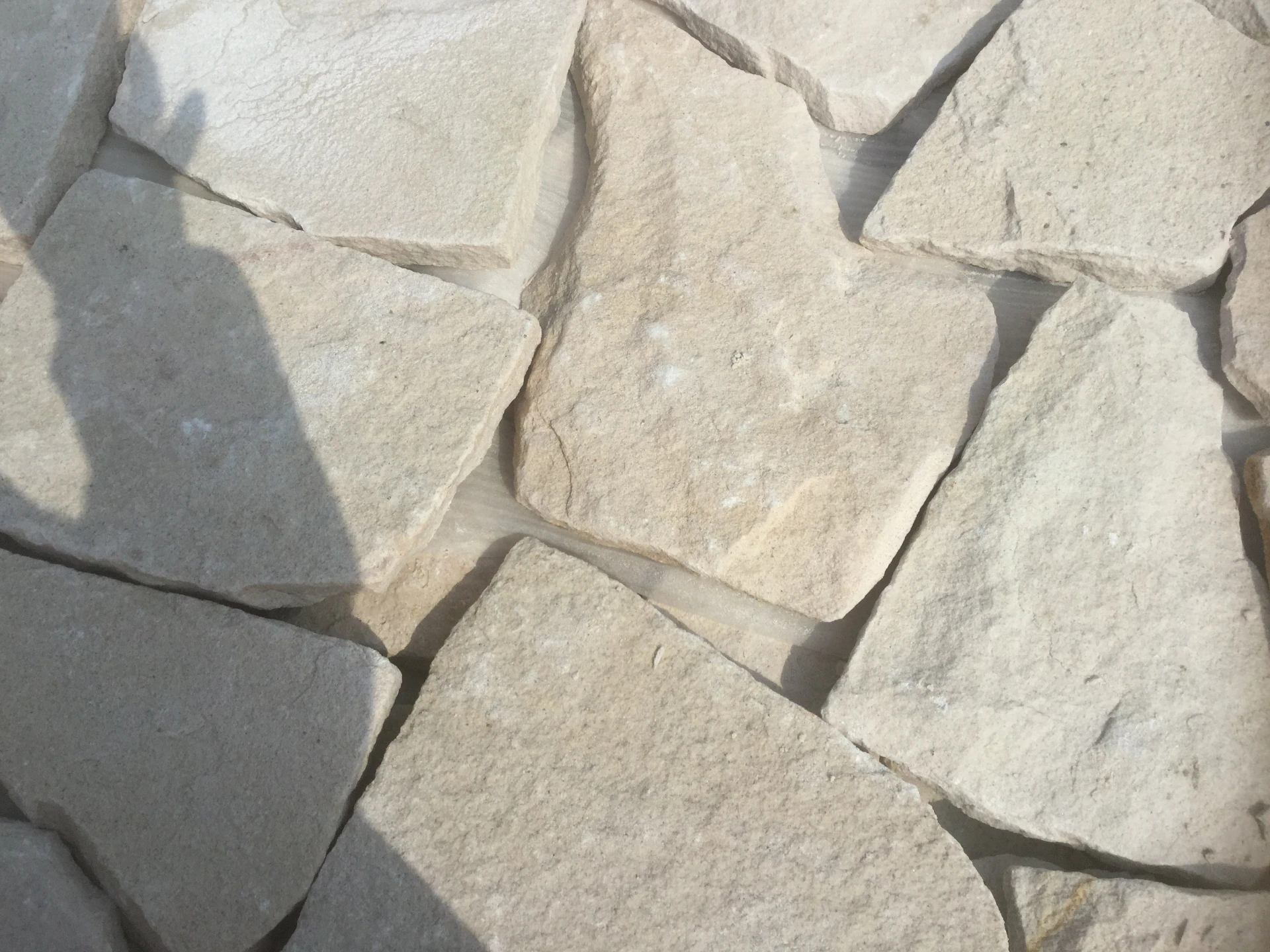
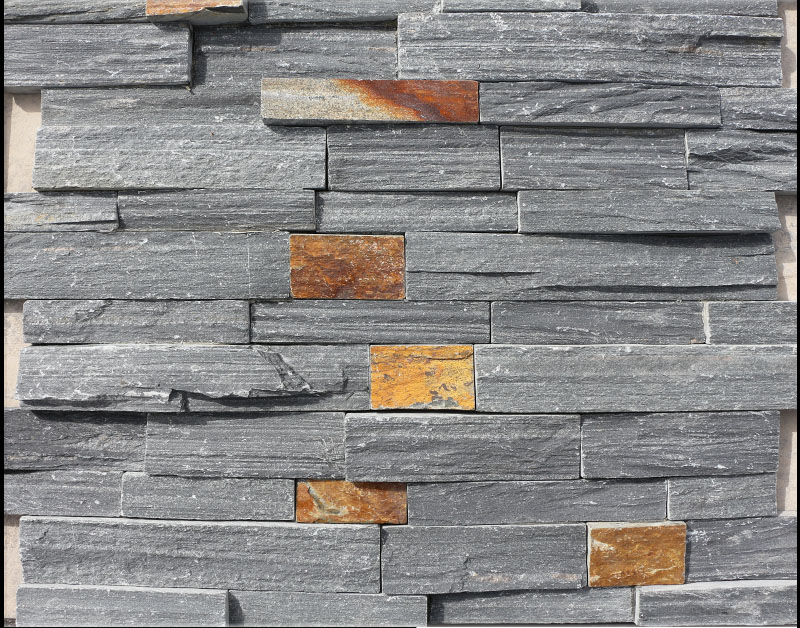
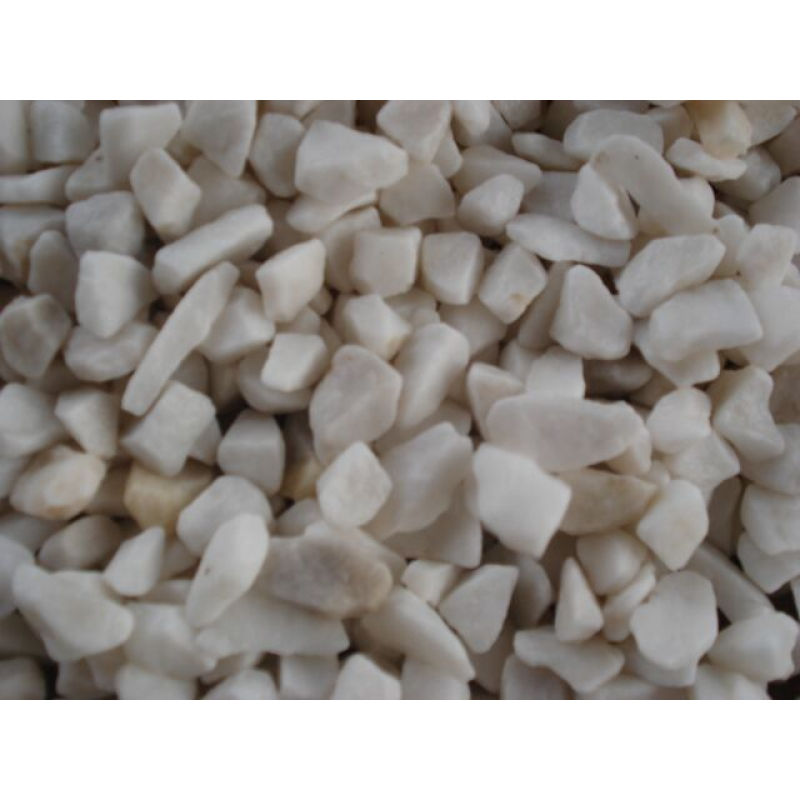
.jpg "Top 10 Tipi di Pietra Aduprata in Pietra di Paesaggio di Custruzzione")
Da e piramidi à u Partenone, l'omu sò stati custruendu cù petri per millaie d'anni. Frà e petre naturali più usate è cunnisciute utilizzate per a custruzzione sò basaltu, calcariu, travertinu è ardesia. Qualchese architettu, imprenditore, o muratura vi dicerà chì petra naturale hè eccezziunale durabile, chì furnisce un eccellente ritornu di l'investimentu.
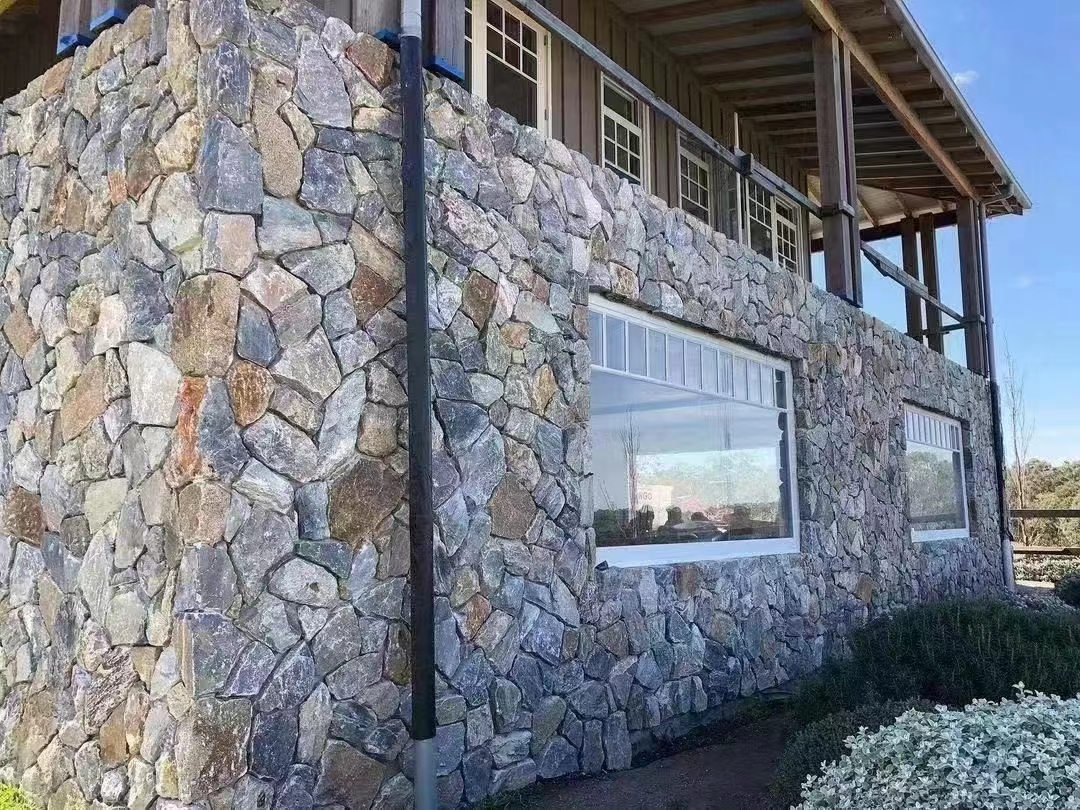
The technical characteristics of different stone such as porosity, compression strength, heat endurance thresholds, and frost resistance, will affect a stone’s application. Stones like basalt, granite, and sandstone fare well for massive construction projects like dams and bridges, whereas travertine, quartzite, and marble work better for interior construction and decoration.
In this blog, we’ll explore different stone types and uses to give you a broad overview of their unique qualities and applications.
While stone and rock are used interchangeably, they are different regarding internal structure and composition. Rocks form part of the earth’s crust and are found virtually everywhere, whereas stones are hard substances like limestone or sandstone extracted from rock, for example.
A diferenza maiò hè chì a roccia hè più grande è scomposta per ricuperà elementi minerali, mentre chì a petra pò esse cimentata inseme per furmà cumpunenti utili per a custruzzione. Senza petra, ùn ci saria micca petre.
Whether igneous, metamorphic, or sedimentary, rocks used for building materials contain different types of stone that can construct some of the most magnificent architectural feats. There are three main types of rock. Let’s examine them more closely.
Named after the Latin word for fire, Igneous rocks form when hot, molten magma solidifies below the earth’s surface. This type of rock is divided into two groups, intrusive or extrusive, depending on where the molten rock solidifies. Intrusive igneous rock crystallizes below the earth’s surface, and extrusive rocks erupt onto the surface.
A roccia ignea per a custruzzione include questi tipi di petra:
Metamorphic rock starts as one type of rock but due to pressure, heat, and time, gradually transforms into a new rock type. Although it forms deep within the earth’s crust, it's often exposed on our planet’s surface after geological uplift and the erosion of rock and soil above it. These crystalline rocks tend to have a foliated texture.
A roccia metamorfica per a custruzzione include questi tipi di petra:
This rock is always formed in layers called “strata” and often contains fossils. Pieces of rock are loosened by weather, then transported to a basin or depression where the sediment is trapped, and lithification (compaction) takes place. The sediment is deposited in flat, horizontal layers, with the oldest layers on the bottom and younger layers on top.
Quì sottu sò i deci tipi di petra più cumuni chì sò stati utilizati per seculi è cuntinueghjanu à fà parte è esse usatu in u nostru mondu mudernu oghje.
This coarse-grained intrusive igneous rock is composed chiefly of quartz, feldspar, and plagioclase. Granite gets its signature color speckles from crystallization — the longer the molten rock has to cool, the larger the grains of color.
Available in white, pink, yellow, gray, and black, this building stone is lauded for its durability. As the earth’s most durable and common igneous rock, granitu hè una scelta eccellente per countertops, monumenti, pavimenti, ponti, colonne è pavimenti.
Sandstone hè una roccia sedimentaria classica fatta da grani di silicatu di sabbia di quartz è feldspar. Duru è resistente à u clima, sta petra di materiale di custruzzione hè spessu usata per rivestimenti di facciate è pareti interni, è ancu banche di giardinu, materiale di pavimentazione, tavule di patio è bordi di piscina.
Questa petra pò esse qualsiasi culore cum'è a sabbia, ma i culori più cumuni sò tan, marroni, grisgi, bianchi, rossi è gialli. S'ellu hà un altu cuntenutu di quartz, a arenaria pò ancu esse sfracicata è usata com'è fonte di silice per a fabricazione di vetru.
Cumposta di calcite è magnesiu, sta roccia sedimentaria molle hè generalmente grisa, ma pò ancu esse bianca, gialla o marrone. Da una perspettiva geologica, u calcariu hè furmatu in l'acqua marina profonda o per l'evaporazione di l'acqua durante a furmazione di caverna.
Una caratteristica unica di sta roccia hè chì u so custituente primariu, a calcite, hè furmata principarmenti da a fossilizazione di l'organismi viventi chì producono cunchiglia è coralli. Calcari cum'è materiale di custruzzione hè adupratu in l'applicazioni architettoniche per pareti, trim decorativi è impiallacciatura.
Dark and heavy, this extrusive, igneous rock makes up most of the planet’s oceanic crust. Basalt is black, but after extensive weathering, may turn green or brown. Additionally, it contains some light-colored minerals like feldspar and quartz, but these are difficult to see with the naked eye.
Riccu in ferru è magnesiu, u basaltu hè utilizatu in a custruzzione per fà blocchi di custruzzione, cobblestones, piastrelle per pavimenti, petra di strada, ballast di ferrovia è statue. U 90% di tutta a roccia vulcanica hè basalt.
Amatu, in tuttu l'età, per u so lussu è l'opulenza, u marmura hè una bella roccia metamorfica chì si forma quandu u calcariu hè sottumessu à alta pressione o calore. Di solitu cuntene altri minerali cum'è quartz, grafite, pirite è ossidi di ferru chì li dannu una varietà di tonalità da rosa à marrone, grisgiu, verde, neru, o colorazione variegata.
A causa di a so vena unica è l'aspettu eleganti, u marmu hè a megliu petra per a custruzione di monumenti, decorazioni interni, tavulini, sculture è novità. U marmu biancu più prestigiosu hè estratto in Carrara, in Italia.
L'ardesia hè una roccia sedimentaria di grana fina, foliata è omogenea derivata da a roccia di scisto composta da argilla o cendra vulcanica. I minerali d'argilla urigginali in shale alteranu à micas quandu sò esposti à livelli crescente di calore è pressione.
Gray in color, slate contains quartz, feldspar, calcite, pyrite, and hematite, among other minerals. It’s a desirable building stone that’s been utilized in construction since ancient Egyptian times. Today, it’s used as roofing, flagging, decorative aggregates, and flooring because of its attractiveness and durability.
Pumice is a porous igneous rock produced during volcanic eruptions. It forms so rapidly that its atoms don’t have time to crystallize, essentially rendering it a solidified foam. While it occurs in various colors like white, gray, blue, cream, green, and brown, it is almost always pale.
Ancu s'ellu hè finitu, a superficia di sta petra hè ruvida. Pumice in polvere hè aduprata cum'è un aggregatu in u béton ligeru per l'insulazione, cum'è una petra di lucidatura, è in una varietà di prudutti industriali è di cunsumatori, è ancu una petra di lucidatura.
Quandu l'arenaria ricca di quartz hè alterata da u calore, a pressione è l'attività chimica di metamorfismu, si trasforma in quartzite. Duranti u prucessu, i grani di sabbia è u cimentu di silice si uniscenu inseme, risultatu in una formidable rete di grani di quartz intrecciati.
A quartzite hè generalmente bianca o di culore chjaru, ma i materiali supplementari purtati da l'acqua sotterranea ponu dà tonalità di verde, blu o ferru-russu. Hè una di e migliori petre per a custruzzione di countertops, pavimenti, tettu di tettu, è scalini per via di u so aspettu di marmura è a durabilità di granitu.
Travertinu hè un tipu di calcariu terrestre furmatu da dipositi minerali vicinu à e surgenti naturali. Questa roccia sedimentaria hà un aspettu fibru o cuncentricu è vene in sfumature di biancu, tan, crema è ruggine. A so texture unica è i toni attrattivi di a terra facenu populari per l'applicazioni di custruzzione.
This versatile stone variety is commonly used for indoor and outdoor flooring, spa walls, ceilings, facades, and wall cladding. It’s an affordable option compared to other natural stones like marble, yet still maintains a luxurious appeal.
Un gypsum mediu-duru, l'alabastru hè generalmente biancu è trasluzente cù un granu uniformatu fine.
Its small natural grain is visible when held up to the light. Because it’s a porous mineral, this stone can be dyed in a variety of colors.
It has been used for centuries to make statues, carvings, and other decorative and ornamental work. While the splendor of alabaster is undeniable, it is a soft metamorphic rock that’s only really suitable for indoor applications.
The many natural stone products on the market and their unique characteristics can make it challenging for contractors and homeowners to select the correct ones for their projects. If you’re new to the process, the first thing to consider is the location of the stone installation. For instance, the type of stones for floor applications will differ if it’s indoors or outdoors.
Then you’ll need to evaluate the stone’s durability, the fabricator’s warranty, and its grade. There are three grades of natural stone: commercial, standard, and first choice. Standard grade is a good fit for interior applications, like countertops, whereas commercial-grade, may be better for apartment or hotel projects where only a portion of slab is required, and large imperfections can be avoided.
There’s a lot to consider, right? As well-seasoned experts in the stone business, our team at Stone Center can help you with stone selection for residential and commercial stone projects, regardless of their scale. Why not start by taking a look at our extensive catalog of premium petra di custruzzione?
 africanu
  Albanese
  Amaricu
  Arabu
Arabu  Armenu
  Azerbaijani
  Vascu
Vascu  Belarusian
  Bengali
  Bosniacu
  Bulgaru
  Catalanu
  Cebuanu
  Cina
Cina  Cina (Taiwan)
  Corsu
Corsu  Cruatu
  Ceccu
Ceccu  Danese
  Ulandesa
  Inglese
  Esperantu
  Estone
  Finlandese
  Francese
  frisone
  Galizianu
  Georgianu
  Tedescu
  Grecu
Grecu  Gujarati
  Creolu Haitianu
  Hausa
Hausa  Hawaiianu
  Ebraicu
  Innò
Innò  Miao
Miao  Ungherese
  Islandesu
  igbo
igbo  Indonesianu
  Irlandese
  Talianu
  Ghjappunese
  Giavanese
  Kannada
  Kazakh
  Khmer
Khmer  Rwanda
  Coreanu
  Curdu
Curdu  Kyrgyz
  TB
TB  Latinu
  Lettone
  Littuanianu
  Lussemburghese
  Macedone
  Malgashi
  Malese
  Malayalam
  Maltese
  Maori
Maori  Marathi
  Mongolianu
  Birmania
  Nepalese
  Novegese
  Novegese
  Occitanu
  Pashto
  Persianu
  Pulaccu
  Portughese
  Punjabi
  Rumenu
  Russu
Russu  Samoanu
  gaelicu scozzese
  Serbianu
  Inglese
  Shona
Shona  Sindhi
  Sinhala
  Sluvaccu
  Sluvenu
  Somalianu
  Spagnolu
  Sundanese
  Swahili
  Svedese
  Tagalog
  Tajik
Tajik  Tamil
Tamil  Tatar
Tatar  Telugu
  Thai
Thai  Turcu
Turcu  Turchmennu
  Ucrainu
  Urdu
Urdu  Uighur
  Uzbek
Uzbek  vietnamita
  gallese