

.jpg "10 najpopularniejszych rodzajów kamienia używanego w kamieniu budowlanym")
Od piramid po Partenon ludzie budowali z kamieni od tysięcy lat. Do najczęściej używanych i znanych kamieni naturalnych wykorzystywanych w budownictwie należą bazalt, wapień, trawertyn i łupek. Powie Ci to każdy architekt, wykonawca lub murarz kamień naturalny jest wyjątkowo trwały i zapewnia doskonały zwrot z inwestycji.
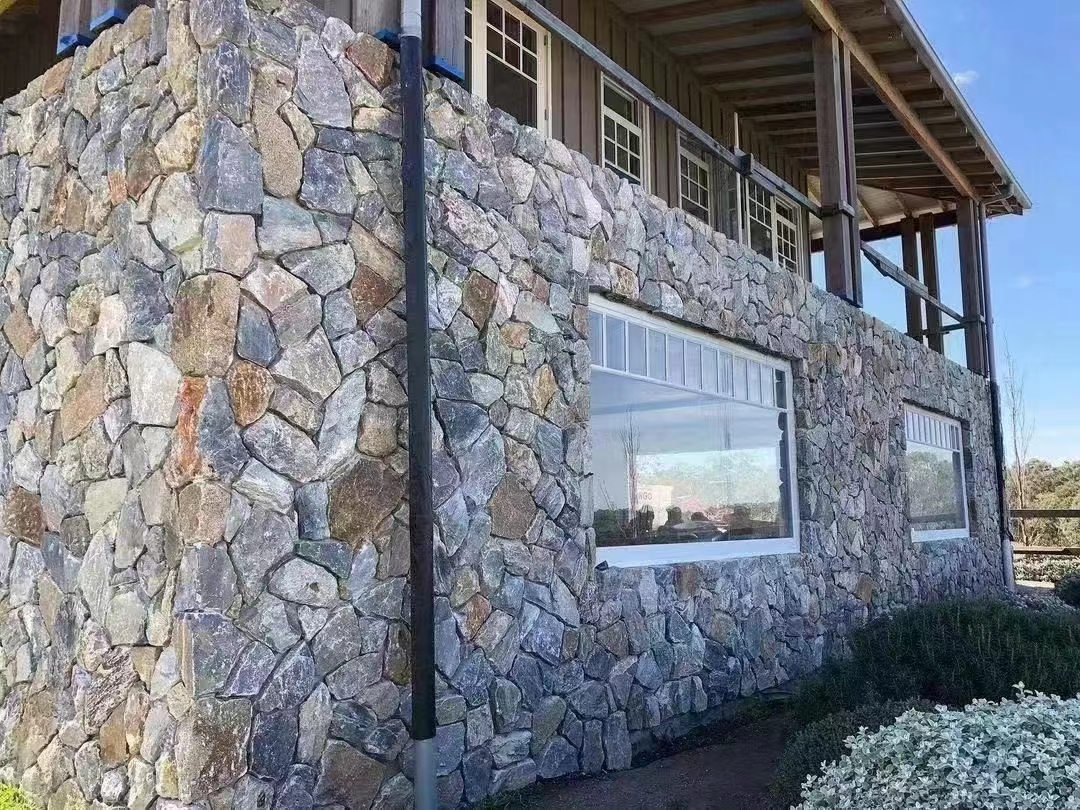
The technical characteristics of different stone such as porosity, compression strength, heat endurance thresholds, and frost resistance, will affect a stone’s application. Stones like basalt, granite, and sandstone fare well for massive construction projects like dams and bridges, whereas travertine, quartzite, and marble work better for interior construction and decoration.
In this blog, we’ll explore different stone types and uses to give you a broad overview of their unique qualities and applications.
While stone and rock are used interchangeably, they are different regarding internal structure and composition. Rocks form part of the earth’s crust and are found virtually everywhere, whereas stones are hard substances like limestone or sandstone extracted from rock, for example.
Główna różnica polega na tym, że skała jest większa i rozbijana w celu odzyskania składników mineralnych, podczas gdy kamień można cementować, tworząc składniki przydatne w budownictwie. Bez skał nie byłoby kamieni.
Whether igneous, metamorphic, or sedimentary, rocks used for building materials contain different types of stone that can construct some of the most magnificent architectural feats. There are three main types of rock. Let’s examine them more closely.
Named after the Latin word for fire, Igneous rocks form when hot, molten magma solidifies below the earth’s surface. This type of rock is divided into two groups, intrusive or extrusive, depending on where the molten rock solidifies. Intrusive igneous rock crystallizes below the earth’s surface, and extrusive rocks erupt onto the surface.
Skały magmowe do budowy obejmują następujące rodzaje kamienia:
Metamorphic rock starts as one type of rock but due to pressure, heat, and time, gradually transforms into a new rock type. Although it forms deep within the earth’s crust, it's often exposed on our planet’s surface after geological uplift and the erosion of rock and soil above it. These crystalline rocks tend to have a foliated texture.
Skała metamorficzna do budowy obejmuje następujące rodzaje kamieni:
This rock is always formed in layers called “strata” and often contains fossils. Pieces of rock are loosened by weather, then transported to a basin or depression where the sediment is trapped, and lithification (compaction) takes place. The sediment is deposited in flat, horizontal layers, with the oldest layers on the bottom and younger layers on top.
Poniżej znajduje się dziesięć najpopularniejszych rodzajów kamienia, które były używane od wieków i nadal stanowią część współczesnego świata i są używane w nim.
This coarse-grained intrusive igneous rock is composed chiefly of quartz, feldspar, and plagioclase. Granite gets its signature color speckles from crystallization — the longer the molten rock has to cool, the larger the grains of color.
Available in white, pink, yellow, gray, and black, this building stone is lauded for its durability. As the earth’s most durable and common igneous rock, granit to doskonały wybór do blatów, pomników, chodników, mostów, kolumn i podłóg.
Piaskowiec to klasyczna skała osadowa zbudowana z ziaren krzemianu wielkości piasku kwarcu i skalenia. Wytrzymały i odporny na warunki atmosferyczne kamień budowlany jest często używany do okładzin fasad i ścian wewnętrznych, a także ławek ogrodowych, kostki brukowej, stołów tarasowych i krawędzi basenów.
Kamień ten może mieć dowolny kolor, taki jak piasek, ale najczęstsze kolory to brąz, brąz, szary, biały, czerwony i żółty. Jeśli piaskowiec ma wysoką zawartość kwarcu, można go nawet pokruszyć i wykorzystać jako źródło krzemionki do produkcji szkła.
Ta miękka skała osadowa, zbudowana z kalcytu i magnezu, jest zwykle szara, ale może być również biała, żółta lub brązowa. Z geologicznego punktu widzenia wapień powstaje w głębokich wodach morskich lub w wyniku parowania wody podczas formowania się jaskiń.
Unikalną cechą tej skały jest to, że jej główny składnik, kalcyt, powstaje głównie w wyniku skamieniałości żywych organizmów produkujących muszle i budujących koralowce. Wapień jako materiał budowlany jest stosowany w zastosowaniach architektonicznych do ścian, elementów dekoracyjnych i forniru.
Dark and heavy, this extrusive, igneous rock makes up most of the planet’s oceanic crust. Basalt is black, but after extensive weathering, may turn green or brown. Additionally, it contains some light-colored minerals like feldspar and quartz, but these are difficult to see with the naked eye.
Bogaty w żelazo i magnez bazalt jest używany w budownictwie do produkcji bloków budowlanych, kostki brukowej, płytek podłogowych, kamienia drogowego, podsypki torów kolejowych i posągów. 90% wszystkich skał wulkanicznych to bazalt.
Marmur, uwielbiany od wieków ze względu na swój luksus i bogactwo, to piękna skała metamorficzna, która powstaje, gdy wapień poddawany jest działaniu wysokiego ciśnienia lub ciepła. Zwykle zawiera inne minerały, takie jak kwarc, grafit, piryt i tlenki żelaza, które nadają mu szeroką gamę odcieni od różowego do brązowego, szarego, zielonego, czarnego lub różnorodnego zabarwienia.
Marmur ze względu na swoje unikalne żyłkowanie i elegancki wygląd jest najlepszym kamieniem do budowy pomników, dekoracji wnętrz, blatów, rzeźb i nowości. Najbardziej prestiżowy biały marmur wydobywany jest w Carrarze we Włoszech.
Łupek to drobnoziarnista, foliowana, jednorodna skała osadowa pochodząca ze skał łupkowych składających się z gliny lub popiołu wulkanicznego. Oryginalne minerały ilaste w łupkach zmieniają się w miki pod wpływem rosnącego poziomu ciepła i ciśnienia.
Gray in color, slate contains quartz, feldspar, calcite, pyrite, and hematite, among other minerals. It’s a desirable building stone that’s been utilized in construction since ancient Egyptian times. Today, it’s used as roofing, flagging, decorative aggregates, and flooring because of its attractiveness and durability.
Pumice is a porous igneous rock produced during volcanic eruptions. It forms so rapidly that its atoms don’t have time to crystallize, essentially rendering it a solidified foam. While it occurs in various colors like white, gray, blue, cream, green, and brown, it is almost always pale.
Chociaż powierzchnia tego kamienia jest drobnoziarnista, jest szorstka. Pumeks w proszku stosowany jest jako kruszywo w lekkim betonie do izolacji, jako kamień polerski oraz w różnych produktach przemysłowych i konsumenckich, a także jako kamień polerski.
Kiedy piaskowiec bogaty w kwarc ulega zmianie pod wpływem ciepła, ciśnienia i aktywności chemicznej metamorfizmu, zamienia się w kwarcyt. Podczas tego procesu ziarna piasku i cement krzemionkowy łączą się ze sobą, tworząc potężną sieć splatających się ziaren kwarcu.
Kwarcyt jest zwykle biały lub jasny, ale dodatkowe materiały przenoszone przez wody gruntowe mogą nadawać odcienie zieleni, błękitu lub żelazowo-czerwonej. Jest to jeden z najlepszych kamieni do budowy blatów, podłóg, dachówek i stopni schodowych ze względu na swój wygląd przypominający marmur i trwałość przypominającą granit.
Trawertyn to rodzaj wapienia lądowego utworzonego przez złoża minerałów w pobliżu naturalnych źródeł. Ta skała osadowa ma włóknisty lub koncentryczny wygląd i występuje w odcieniach bieli, brązu, kremu i rdzy. Jego wyjątkowa faktura i atrakcyjne odcienie ziemi sprawiają, że jest popularny w budownictwie.
This versatile stone variety is commonly used for indoor and outdoor flooring, spa walls, ceilings, facades, and wall cladding. It’s an affordable option compared to other natural stones like marble, yet still maintains a luxurious appeal.
Alabaster, średnio twardy gips, jest zazwyczaj biały i półprzezroczysty, z drobnym, jednolitym ziarnem.
Its small natural grain is visible when held up to the light. Because it’s a porous mineral, this stone can be dyed in a variety of colors.
It has been used for centuries to make statues, carvings, and other decorative and ornamental work. While the splendor of alabaster is undeniable, it is a soft metamorphic rock that’s only really suitable for indoor applications.
The many natural stone products on the market and their unique characteristics can make it challenging for contractors and homeowners to select the correct ones for their projects. If you’re new to the process, the first thing to consider is the location of the stone installation. For instance, the type of stones for floor applications will differ if it’s indoors or outdoors.
Then you’ll need to evaluate the stone’s durability, the fabricator’s warranty, and its grade. There are three grades of natural stone: commercial, standard, and first choice. Standard grade is a good fit for interior applications, like countertops, whereas commercial-grade, may be better for apartment or hotel projects where only a portion of slab is required, and large imperfections can be avoided.
There’s a lot to consider, right? As well-seasoned experts in the stone business, our team at Stone Center can help you with stone selection for residential and commercial stone projects, regardless of their scale. Why not start by taking a look at our extensive catalog of premium kamień budowlany?
 afrykanin
  albański
  amharski
  arabski
  ormiański
  azerbejdżański
  baskijski
  białoruski
  bengalski
  bośniacki
  bułgarski
  kataloński
  Cebuański
  Chiny
Chiny  Chiny (Tajwan)
  korsykański
  chorwacki
  Czech
Czech  duński
  Holenderski
  język angielski
  esperanto
  estoński
  fiński
  Francuski
  fryzyjski
  galicyjski
  gruziński
  Niemiecki
  grecki
  gudżarati
  Kreolski haitański
  hausa
hausa  hawajski
  hebrajski
  Nie
Nie  Miao
Miao  język węgierski
  islandzki
  ibo
ibo  indonezyjski
  Irlandczyk
  Włoski
  język japoński
  jawajski
  Kannada
  kazachski
  Khmer
Khmer  Rwandyjski
  koreański
  kurdyjski
  Kirgiski
  gruźlica
  łacina
  łotewski
  litewski
  luksemburski
  macedoński
  Malgashi
  malajski
  malajalam
  Maltański
  Maoryski
  marathi
  mongolski
  Myanmar
  Nepalski
  norweski
  norweski
  oksytański
  paszto
  perski
  Polski
  portugalski
  Pendżabski
  rumuński
  Rosyjski
  Samoański
  szkocki gaelicki
  serbski
  język angielski
  Shona
Shona  Sindhi
  syngaleski
  słowacki
  słoweński
  somalijski
  hiszpański
  Sundajczyk
  Suahili
  szwedzki
  tagalski
  tadżycki
  Tamil
Tamil  Tatar
Tatar  telugu
  tajski
  turecki
  Turkmeni
  ukraiński
  urdu
urdu  Ujgur
Ujgur  uzbecki
  wietnamski
  walijski




